
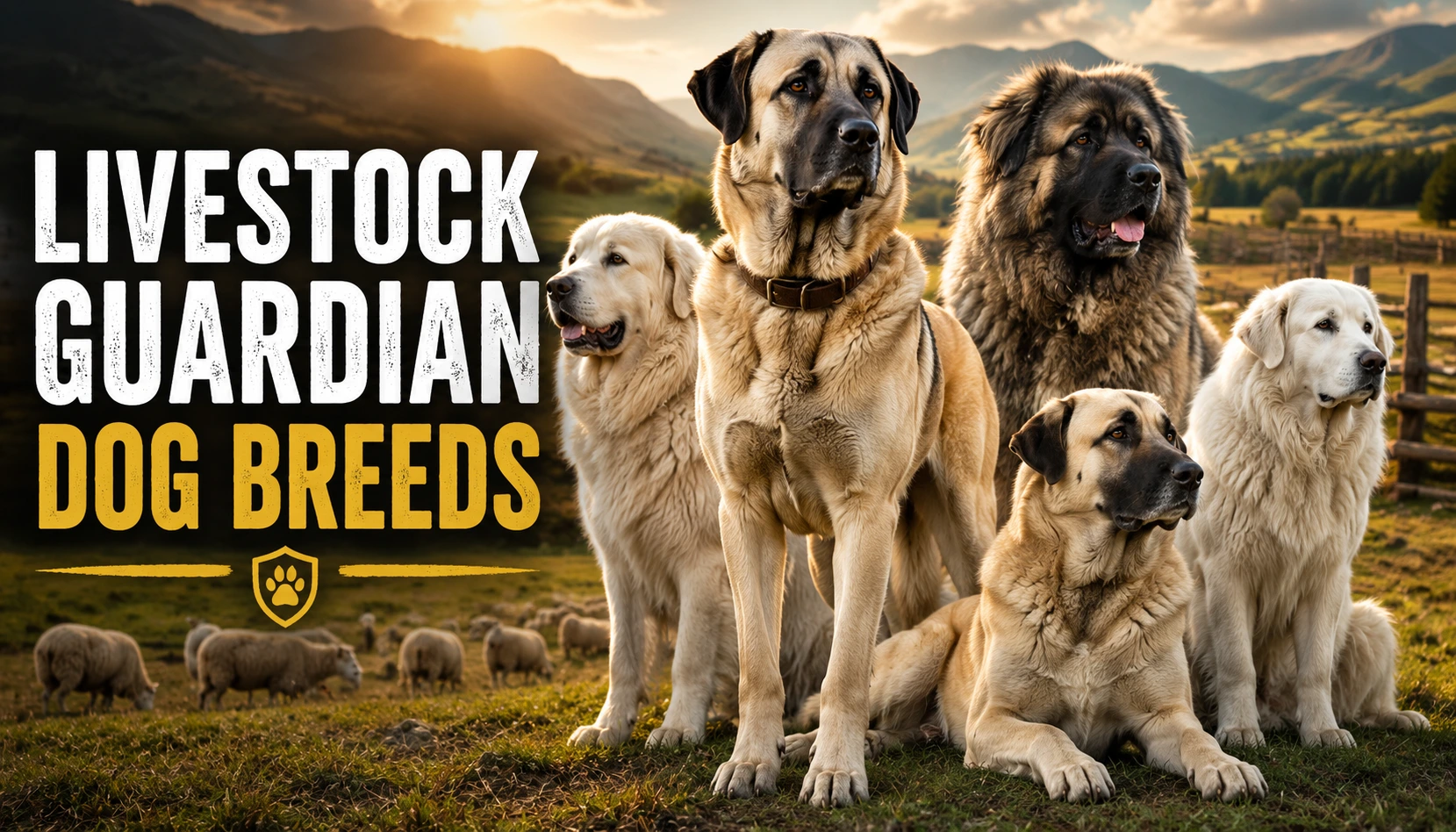
For thousands of years, shepherds have relied on a specific type of dog bred for protection to keep wolves, bears, and thieves away from their flocks. These are not herding dogs that move sheep around, but guardians that live with the animals and defend them, often working alone for days at a time. This guide highlights ten of the best-known livestock guardian dog breeds and explains what sets each one apart.
A quick note on the order. There is no official ranking of guardian breeds the way there is for canine intelligence, so this is a curated list of well-known and still widely used guardian breeds rather than a strict best-to-worst countdown. If you are looking for a livestock guardian to protect livestock from predators, the right breed for any farm depends on its predators, climate, and setup, not on a number.
Affiliate Disclosure: K9Sphere is a participant in the Amazon Services LLC Associates Program and other affiliate programs. As an Amazon Associate, and through other affiliate links, K9Sphere earns from qualifying purchases made through links in this article at no additional cost to you. Product recommendations are based on independent research and editorial judgment, not paid placement.
💡 Guardians, Not Herders
It is easy to confuse the two, but they do opposite jobs. A herding dog moves and gathers livestock under a handler’s direction. A guardian dog lives full-time around livestock and protects it, usually making its own decisions without a person nearby. One of the key traits of a livestock guardian is this bond with the animals. Despite names like “shepherd,” breeds such as the Kangal are guardians, not herders.
10 Best-Known Livestock Guardian Dog Breeds
These ten breeds are among the most recognized and widely used livestock guardians in the world. All were bred to protect livestock, and they share the core characteristics of livestock guardian dogs while differing in size, coat, and guarding style. They are large dogs by any measure, ranging from breeds at the smaller end of the giant scale to some of the heaviest dogs alive, but each developed in a particular region to face particular predators.
1. Great Pyrenees
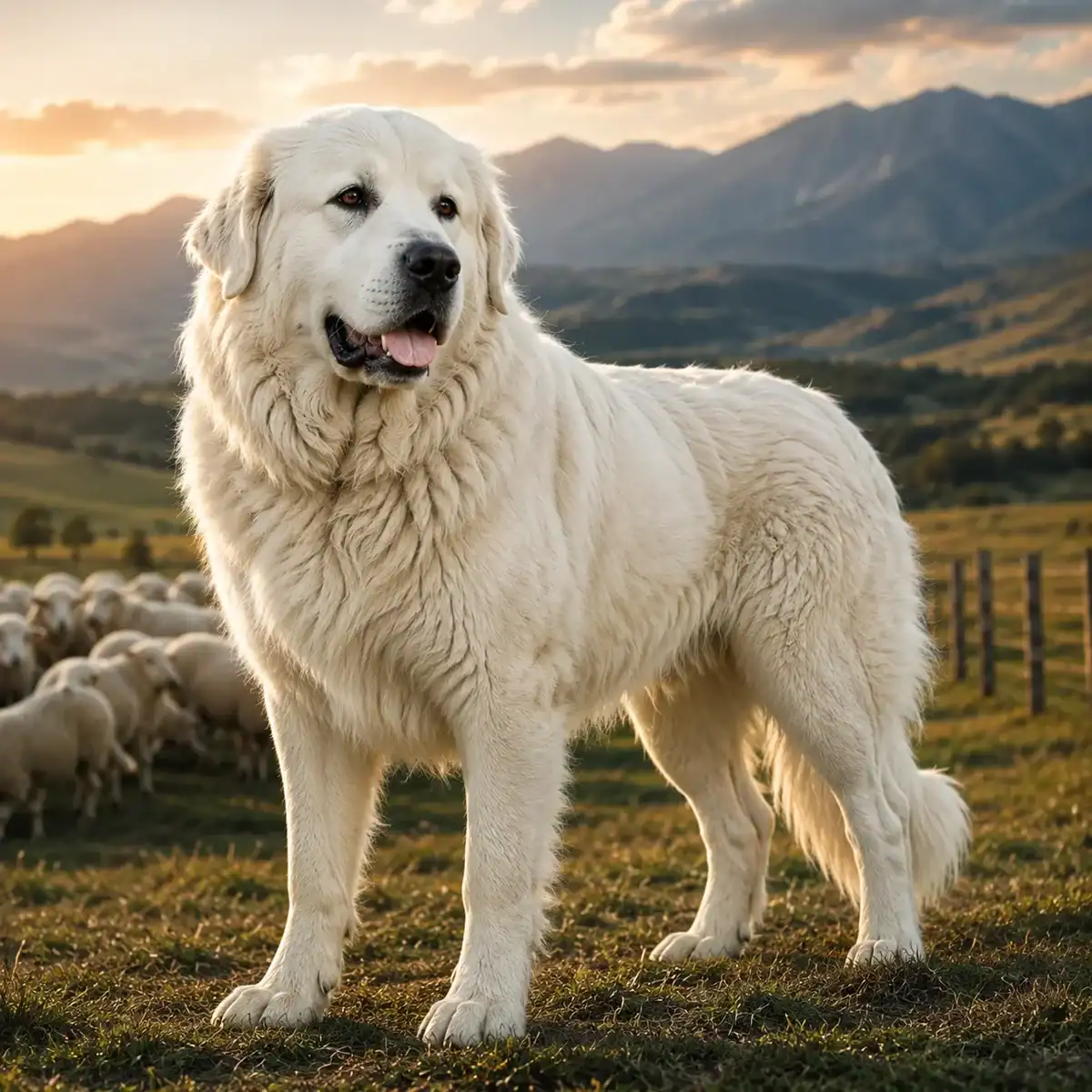
The Great Pyrenees, known in much of the world as the Pyrenean Mountain Dog, is the guardian most people picture first and one of the most common LGDs in North America. It developed in the mountains between France and Spain, guarding flocks against wolves and bears, and it is known for its thick white coat, calm manner, and gentle way with the animals it protects. It is also the most common livestock guardian dog breed kept as both a companion and a worker in North America.
This is a closer-guarding breed that prefers to stay near its flock and bark to keep predators away, and it is famously vocal at night. Devoted and patient with family, it remains an independent thinker that follows its own judgment, so consistent early training and secure fencing matter. The AKC breed profile describes the same calm, patient guardian temperament.
2. Anatolian Shepherd
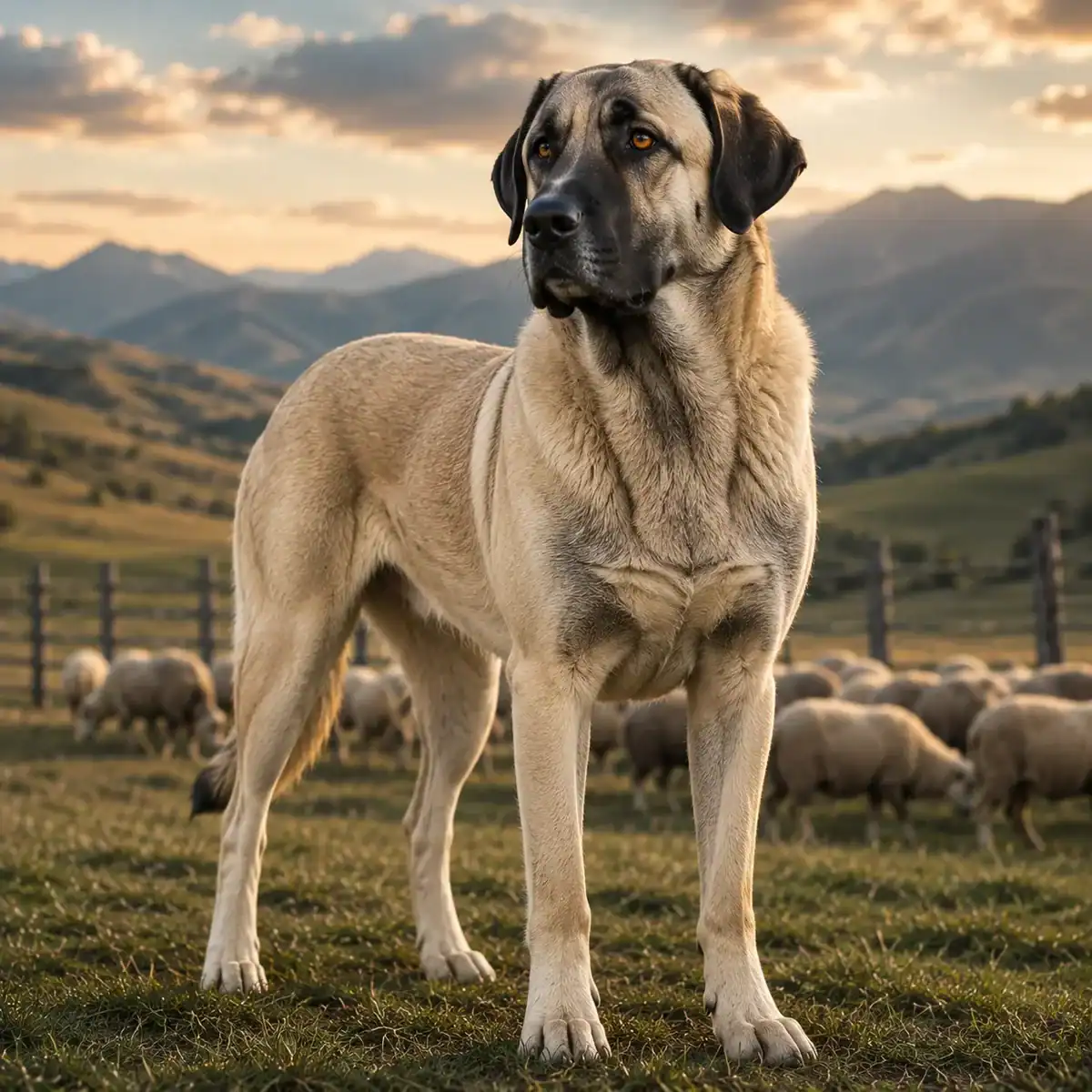
The Anatolian Shepherd Dog is one of the oldest guardian types, descended from regional Turkish flock dogs and closely related to the Kangal. Some lines were even bred to match the color of the livestock they protected, helping them blend into the flock. Brought to the United States in the late 1960s and 1970s through a government sheep-protection project, it has become one of the most popular working farm dogs on American ranches.
Leaner and longer-legged than many guardians, the Anatolian is fast and agile, built to patrol wide country and intercept predators rather than stay tight to the flock. Its short, weatherproof coat suits hot, dry climates. Loyal, intelligent, and famously stubborn, it needs an experienced owner, firm and consistent training, and plenty of space.
3. Kangal Shepherd Dog
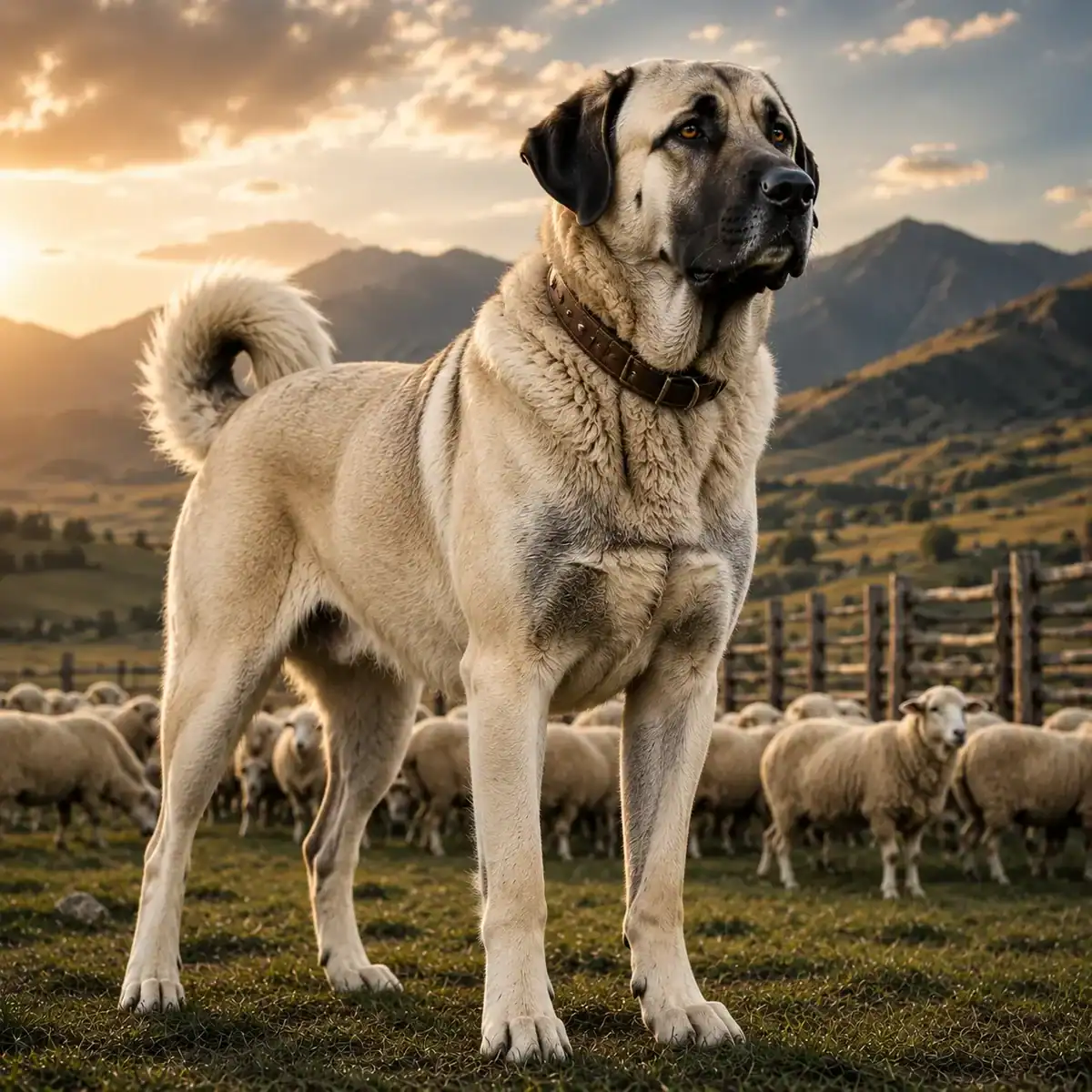
The Kangal Shepherd Dog comes from the Sivas-Kangal region of Turkey, where the Kangal dog has defended flocks against wolves for centuries. Widely regarded as the national dog of Turkey, the Kangal is a powerful, athletic guardian prized for its strength and courage against large predators, including wolves.
The Kangal tends to patrol and intercept, confronting threats away from the flock. It is steady and measured by nature, preferring to intimidate a predator rather than fight, but it has the size and speed to back up that warning. This is a serious working dog that bonds deeply with its stock and family.
4. Maremma Sheepdog
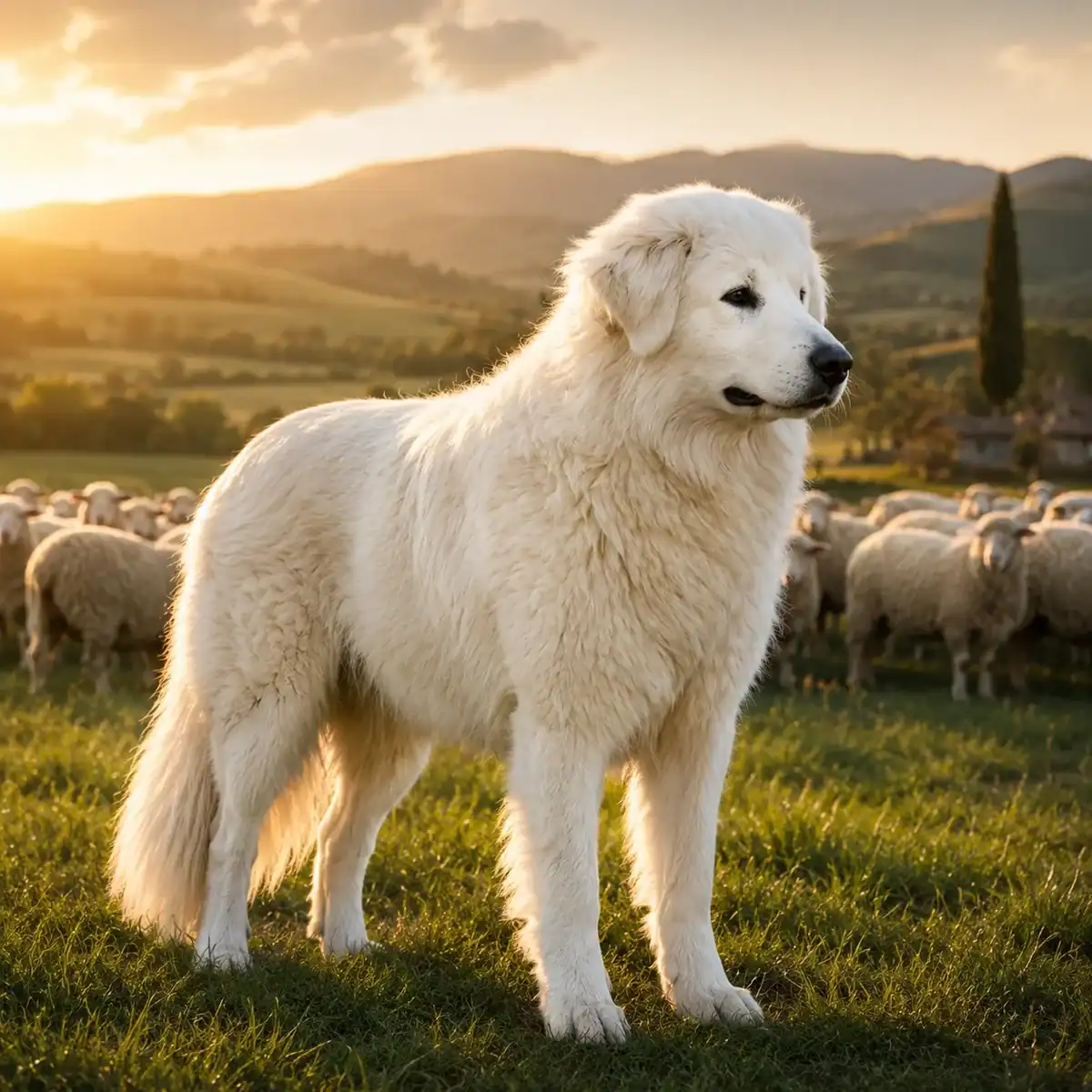
The Maremma Sheepdog is the classic Italian guardian, unified from two regional shepherd dogs into a single breed in 1958. With its dense white coat and rustic build, it has protected sheep in central Italy for centuries and remains widely used at home and abroad.
The Maremma is a close-guarding breed, loyal and affectionate with its own people but reserved with strangers, often unwilling to accept visitors unless the owner is present. A US research project in the 1970s placed Maremmas on farms across the country and helped renew interest in guardian dogs on American farms.
5. Komondor
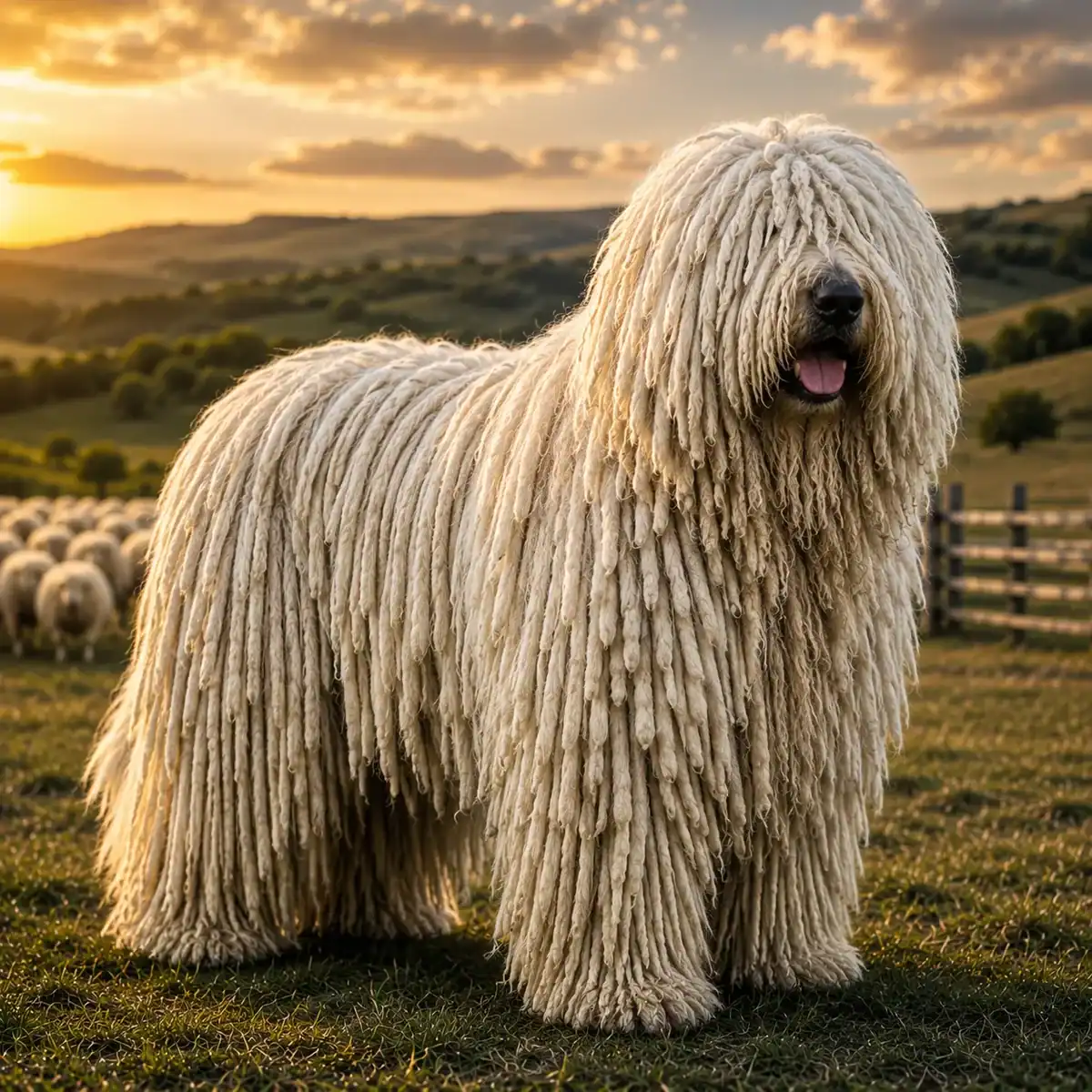
The Komondor is the largest of the Hungarian breeds and instantly recognizable for its long white cords, which look like a mop but once helped it blend in with sheep and shielded it from both weather and predator bites. Like other true guardians, it was bred only to protect flocks, never to herd them.
Fiercely protective of everything it considers its own, the Komondor is devoted to its family but wary and serious by nature, which makes it a poor choice for inexperienced owners. Its corded coat needs specific care to form properly and avoid matting, so new owners should learn proper coat maintenance from the start.
6. Kuvasz
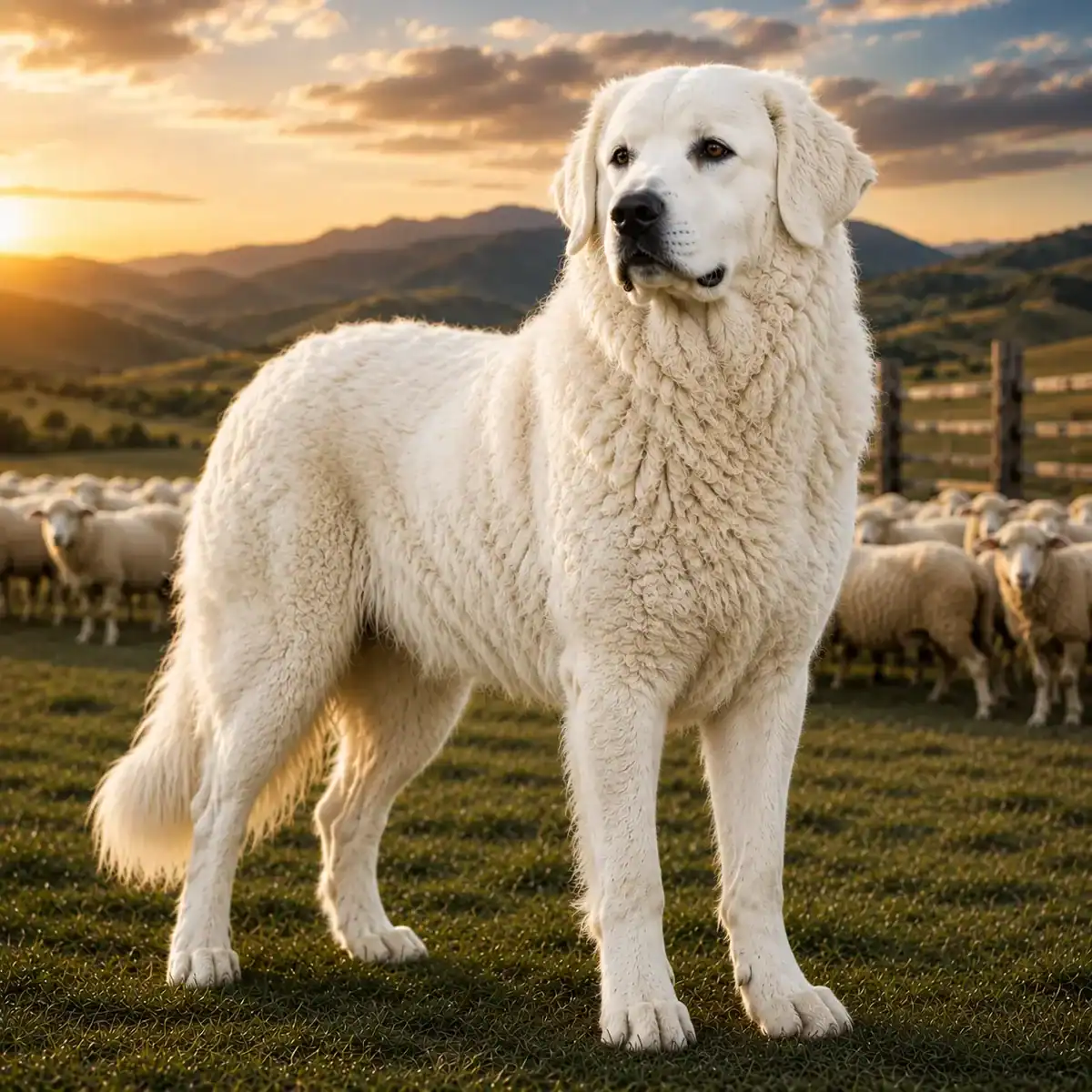
The Kuvasz is Hungary’s other great guardian, a large white dog that protected livestock and once served as a royal guard dog in the Hungarian court. Agile and athletic for its size, it carries the same protective drive as its corded cousin the Komondor but with a smooth, dense coat.
The Kuvasz bonds intensely with its family and often struggles to re-home, so it suits a stable, committed household. Affectionate and soft-tempered with its own people, it is also strong-willed and protective, needs good fencing and lots of socialization, and does best with an experienced owner who can channel its guarding instinct.
7. Caucasian Shepherd Dog
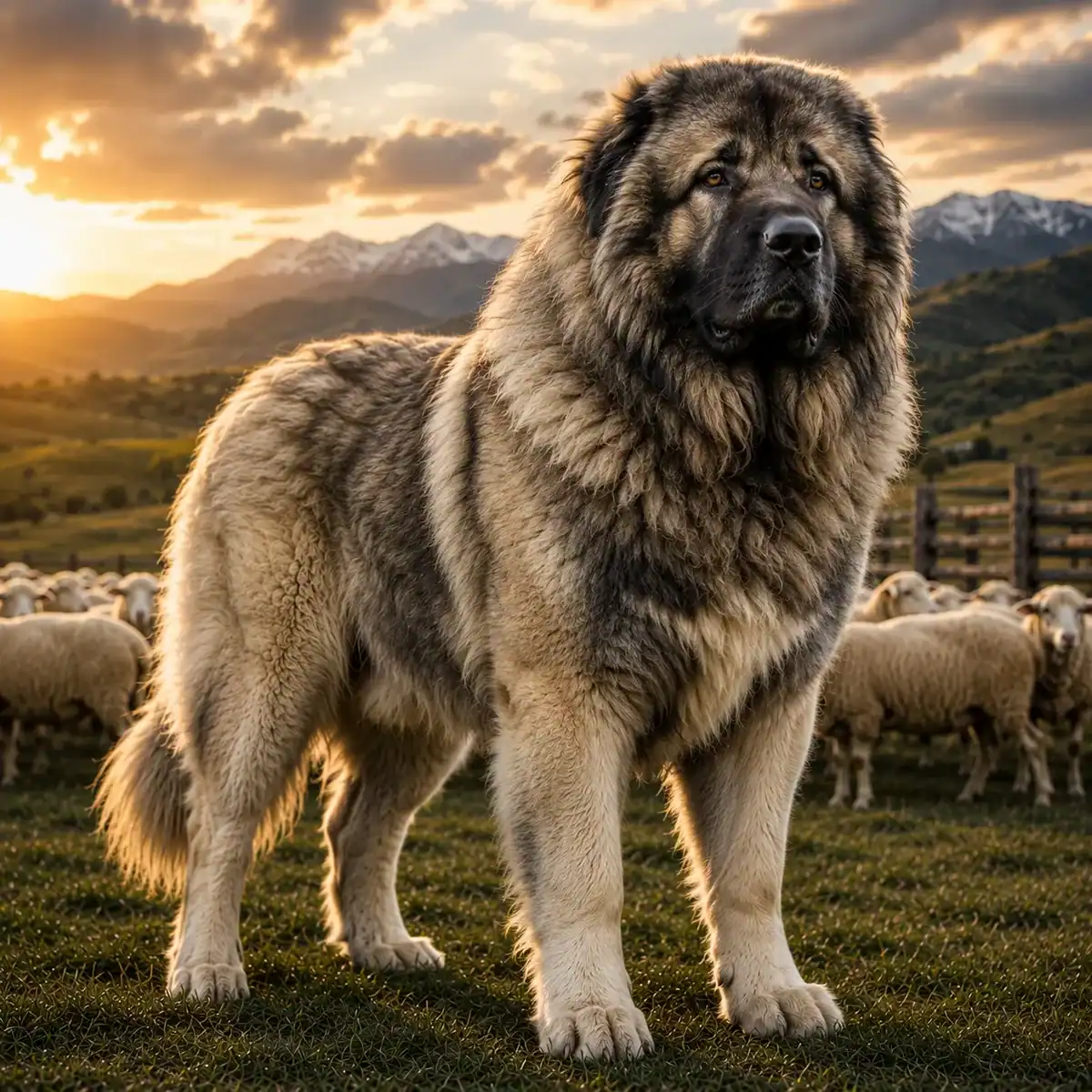
The Caucasian Shepherd Dog is a massive guardian from the Caucasus region, including Georgia, Armenia, and Azerbaijan. Among the largest guardian breeds, it was bred to face down wolves and protect flocks across rugged mountain country.
Powerful, strong-willed, and intensely territorial, this breed bonds closely with its family and stock but treats strangers with deep suspicion. Its sheer size and guarding drive demand an experienced owner, early socialization, and firm, consistent training, which makes it entirely unsuited to first-time dog owners.
8. Akbash
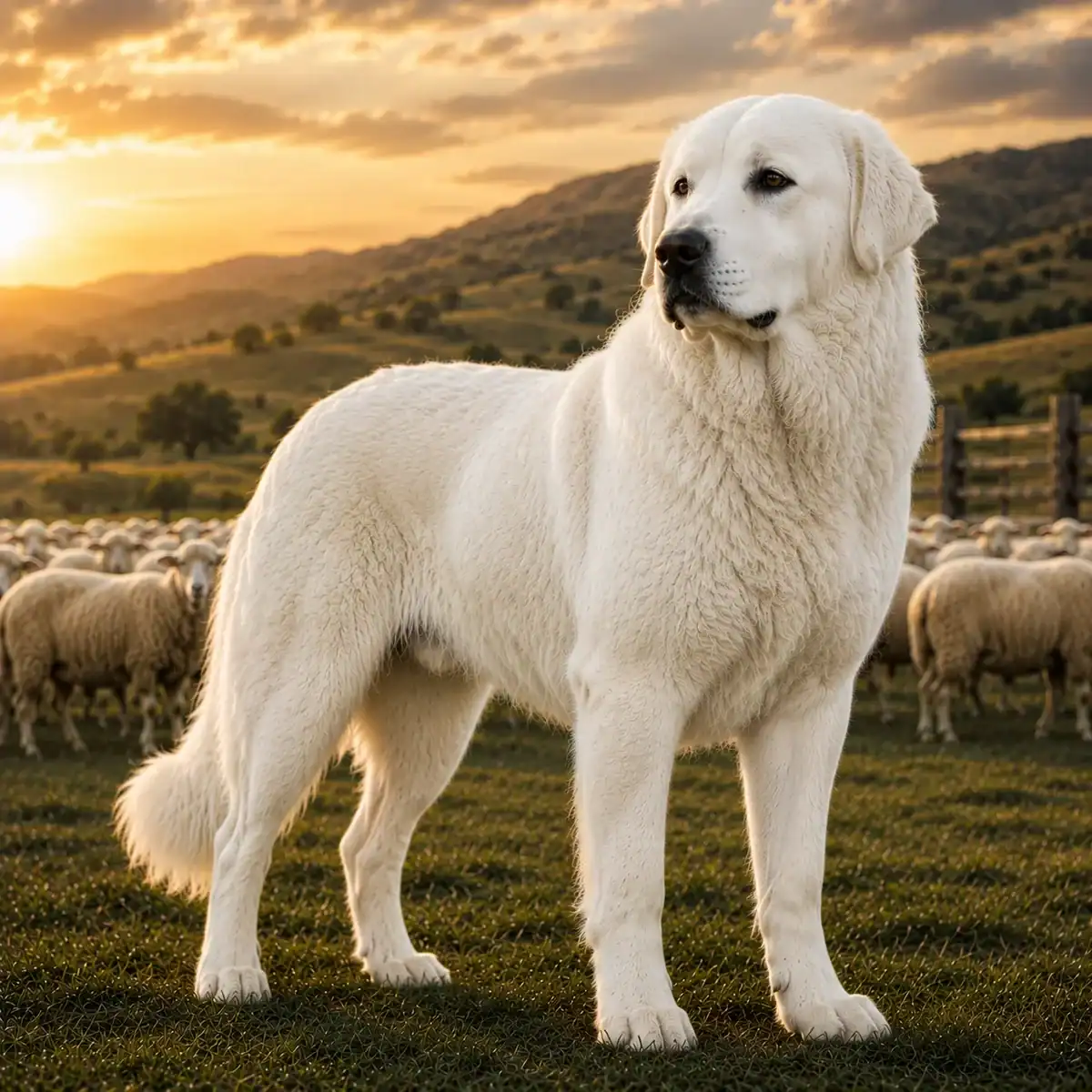
The Akbash is one of Turkey’s three native guardian breeds, alongside the Kangal and the Kars. A tall, white dog with a lighter, more sighthound-influenced build than most guardians, it combines protective power with surprising speed and agility.
Like the Anatolian, the Akbash dog leans toward patrolling and pursuing predators across open country rather than staying close to the livestock. It thinks for itself, takes little direction from a handler, and stays watchful, so early socialization and a secure, spacious setup are essential for a well-balanced dog.
9. Central Asian Shepherd
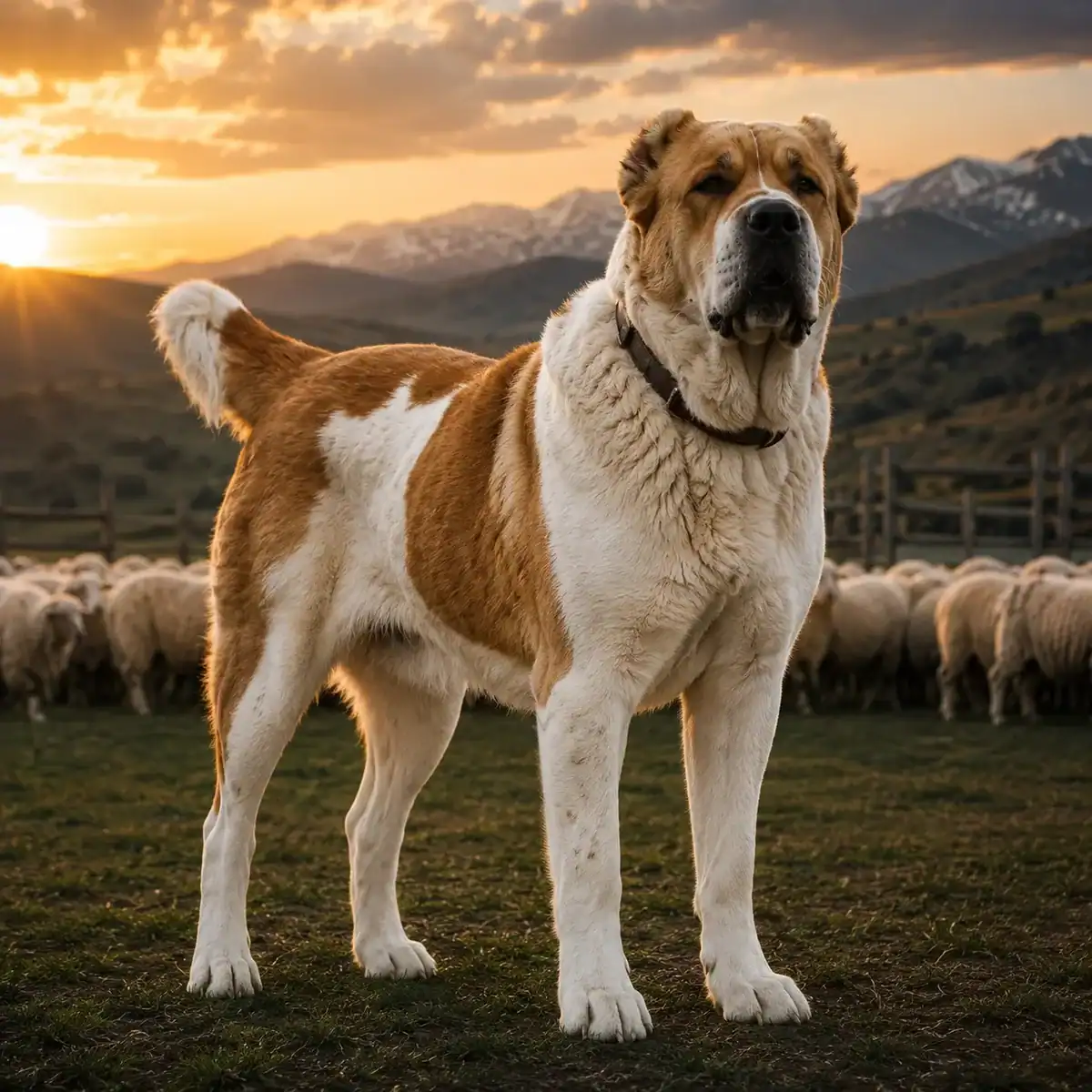
The Central Asian Shepherd is an ancient guardian used across a vast range from the Caspian Sea to the steppes of Central Asia. Shaped more by natural selection and hard work than by formal breeding, it is hardy, powerful, and highly variable in size and type across its homeland.
Steady, confident, and fearless, the Central Asian Shepherd is a level-headed guardian that bonds strongly with its family and stock. It thinks for itself and defends its territory like other guardians, so it needs an experienced owner, secure fencing, and consistent socialization from an early age.
10. Spanish Mastiff
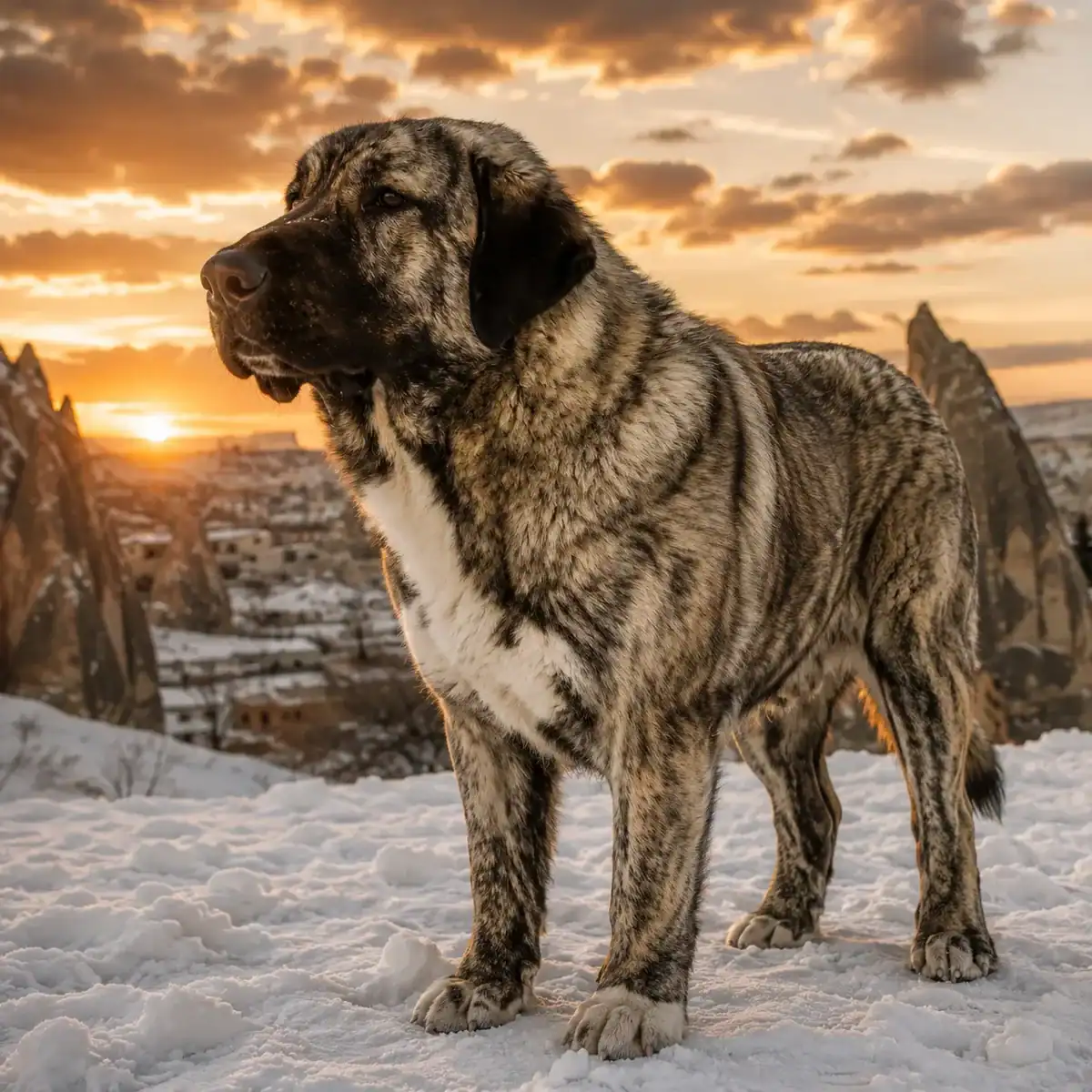
The Spanish Mastiff is an ancient giant that guarded flocks on the long seasonal migrations across the Iberian Peninsula. One of the heaviest guardian breeds in the world, it relies on imposing size and a deep, booming bark to deter predators including wolves.
Despite its bulk, the Spanish Mastiff is calm, self-assured, and devoted to its family. It is slow to anger but immovable once it decides a threat is real. Like other giants, it needs space, a moderate but steady amount of exercise, and an owner who understands a serious guardian temperament.
How Guardian Dogs Protect a Flock
A guardian dog does its job mainly through presence and deterrence rather than constant fighting. The whole approach to livestock protection rests on the bond between dog and flock. Raised alongside livestock from puppyhood, the dog comes to treat the flock as its own family and stays with the animals day and night. That early bonding is what makes livestock guarding work, which is why responsible breeders and farmers raise these pups with careful, supervised contact with stock.
When a threat appears, most guardians escalate in stages. They start by barking and posturing to warn a predator off, then place themselves between the threat and the flock, and only fight as a last resort. Different breeds lean toward different styles, with some staying close to the flock as calm watchers while others patrol a wide perimeter and actively intercept intruders. A single coyote or stray dog is usually enough to trigger a response, and several guardians working together can deter larger predators such as wolves.
Choosing the Right Guardian
The best guardian for any situation depends on the predators, the climate, and the setup rather than on which breed tops a list. Breeds like the Maremma and Great Pyrenees are close guardians that prefer to stay near the flock, while the Anatolian and Akbash are patrollers that range wide to intercept threats. For large predators, powerful breeds like the Kangal or Caucasian Shepherd may be favored.
Coat and climate matter too. Short-coated guardians like the Anatolian handle heat well, while heavy double coats suit cold, wet conditions. Many working farms run more than one dog or even more than one breed together, since a pair or group can cover more ground and back each other up against a determined predator.
The ten breeds above are far from the only options. Other respected breeds of livestock guardian dogs include the Tibetan Mastiff, an ancient guardian from the Himalayas bred to protect livestock from bears and wolves, the white Polish Tatra Sheepdog from the Tatra Mountains, the Balkan Sarplaninac, and the Tornjak of Bosnia and Croatia.
Whichever you choose, livestock guardians are typically used to guard sheep, goats, cattle, and even chickens, and the best dog for the job is the one whose size, energy, and guarding style fit your land and stock.
Considerations for Ownership
Bringing home a guardian breed, whether for a farm or as a companion, means taking on a dog built for a demanding job. Going in informed is the single best thing a prospective owner can do.
Space, Containment, and Barking
These are large, active dogs that need room and secure fencing, since a guardian that decides its territory extends down the road will patrol it. They need a moderate but steady amount of daily exercise and are happiest with a job or a clear routine. Barking deserves honest thought before you commit, since guardians bark to do their work, often at night, and that can be a real problem in close quarters or suburban neighborhoods.
Veterinary Disclaimer: The information in this article is for educational purposes only and is not a substitute for professional veterinary advice. K9Sphere’s authors are experienced dog owners, not licensed veterinarians. Always consult a qualified DVM regarding any concerns about your pet.
Training, Health, and Grooming
Guardian breeds are intelligent but independent, bred to make their own decisions rather than wait for commands, so patient and consistent positive training from puppyhood works far better than force. Early, ongoing socialization is critical to prevent excessive suspicion. As large and giant breeds, guardians are prone to joint problems like hip and elbow dysplasia, and their thick double coats shed heavily and need regular brushing.
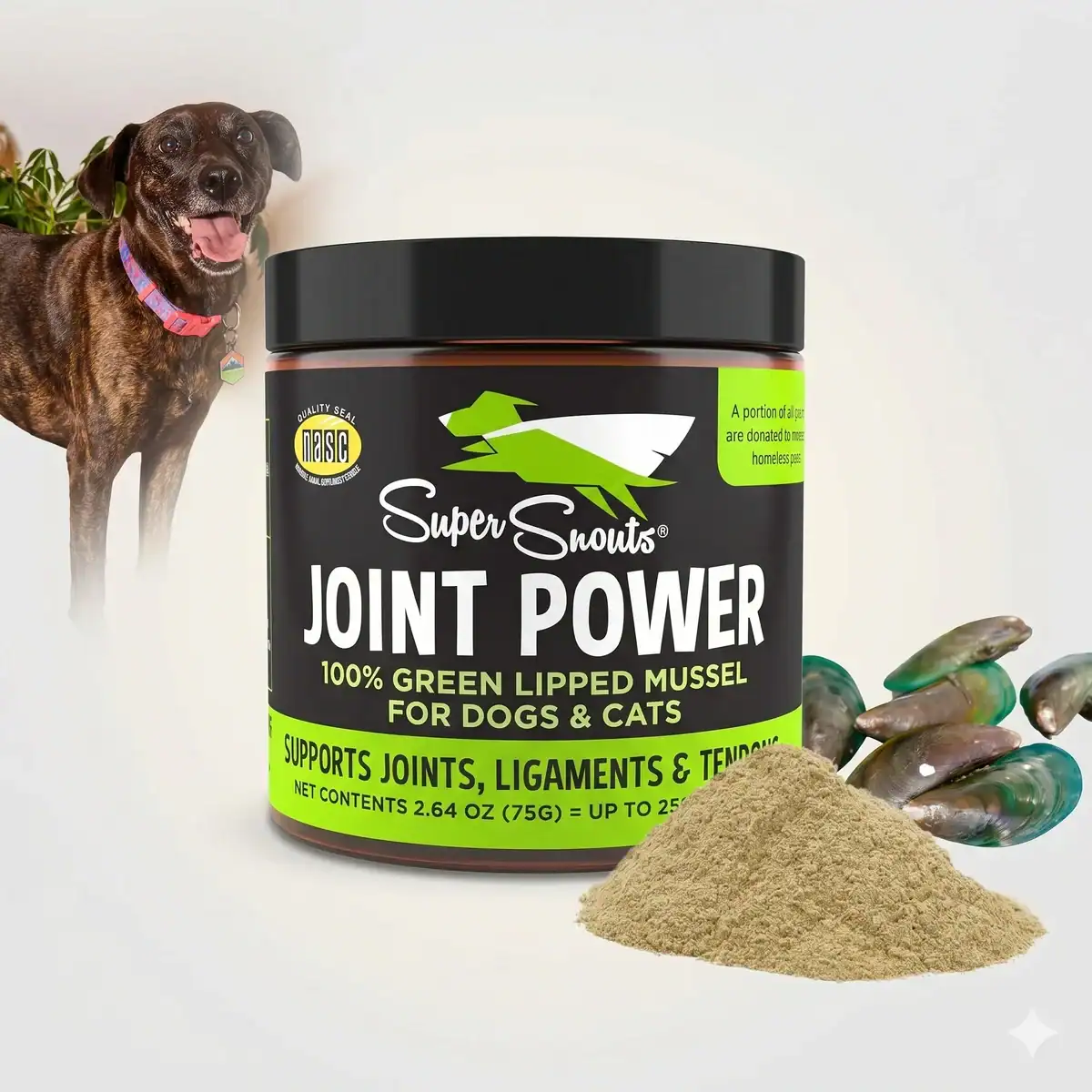
Because giant guardians carry so much weight on their joints, many owners discuss joint support with their veterinarian early. A green-lipped mussel supplement like Super Snouts Joint Power is one option worth raising at a checkup, alongside healthy weight management and sensible exercise during the growth years.
Pros and Cons of Livestock Guardian Dog Breeds
Because these breeds share the same broad job, they also share many of the same strengths and challenges. Individual temperament still varies by breed and dog, but the points below hold true across most guardians.
Pros
- Outstanding protectors of livestock and property
- Calm, steady temperament in the home
- Deeply loyal and bonded to their family or flock
- Independent and capable of working unsupervised
- Hardy, weather-resistant, and built for the outdoors
- Gentle and patient with animals they are raised to guard
Cons
- Very large, with high food and care costs
- Frequent barking, often at night
- Strong-willed and slow in formal obedience
- Wary of strangers without careful socialization
- Need secure fencing and plenty of space
- Prone to giant-breed joint issues and shorter lifespans
Quick Questions About Guardian Dogs
What is the best livestock guardian dog breed?
There is no single best breed, since the right choice depends on your predators, climate, and setup. It helps to get to know the livestock guardian breeds and compare how they work. The Great Pyrenees is the most common guardian in North America and adapts well to a range of farms, while the Anatolian Shepherd and Akbash suit larger ranges where a dog needs to patrol and pursue.
The Kangal is prized for its power against large predators, and many farms run more than one breed together. Comparing breeds head to head, such as a Great Pyrenees vs an Anatolian, usually comes down to whether you need a close guarder or a wide patroller.
Do livestock guardian dogs make good pets?
They can, but only in the right home. Bred to guard livestock rather than to live indoors, a guardian raised as a companion is typically calm, loyal, and gentle with its family, but it keeps its size, its barking, its wariness of strangers, and its independent streak. As a group, LGD breeds suit experienced owners with space and a tolerance for barking far better than first-time owners or apartment dwellers, so livestock protection dogs are not the easy family pet their gentle looks might suggest.
Are guardian dogs aggressive?
Not by default. A well-bred, well-socialized guardian is calm and discerning, reserving its force for genuine threats rather than everyday situations. Problems usually trace back to poor socialization, weak fencing, or an owner who cannot manage a powerful, independent dog. Early and ongoing socialization is the single biggest factor in raising a stable guardian.
Can livestock guardian dogs live with other animals?
Yes, and that is the whole point of the breed. Raised with stock from puppyhood, they bond to sheep, goats, poultry, and other animals and protect them as their own. They generally do well with the household pets they grow up alongside, though their size and guarding instinct mean introductions to unfamiliar animals should always be careful and supervised.
Editorial Disclaimer: This article is for informational and educational purposes only. It does not constitute veterinary advice, medical diagnosis, or treatment recommendations. Always consult a licensed veterinarian before making decisions about your pet.
Accuracy Notice: This list reflects the most widely recognized guardian breeds and is not a strict ranking, since no official ranking of livestock guardian dogs exists. Individual dogs vary. If you spot a factual error or have updated information from a verified source, please contact us so we can review and update.
Last reviewed: June 2026.


