
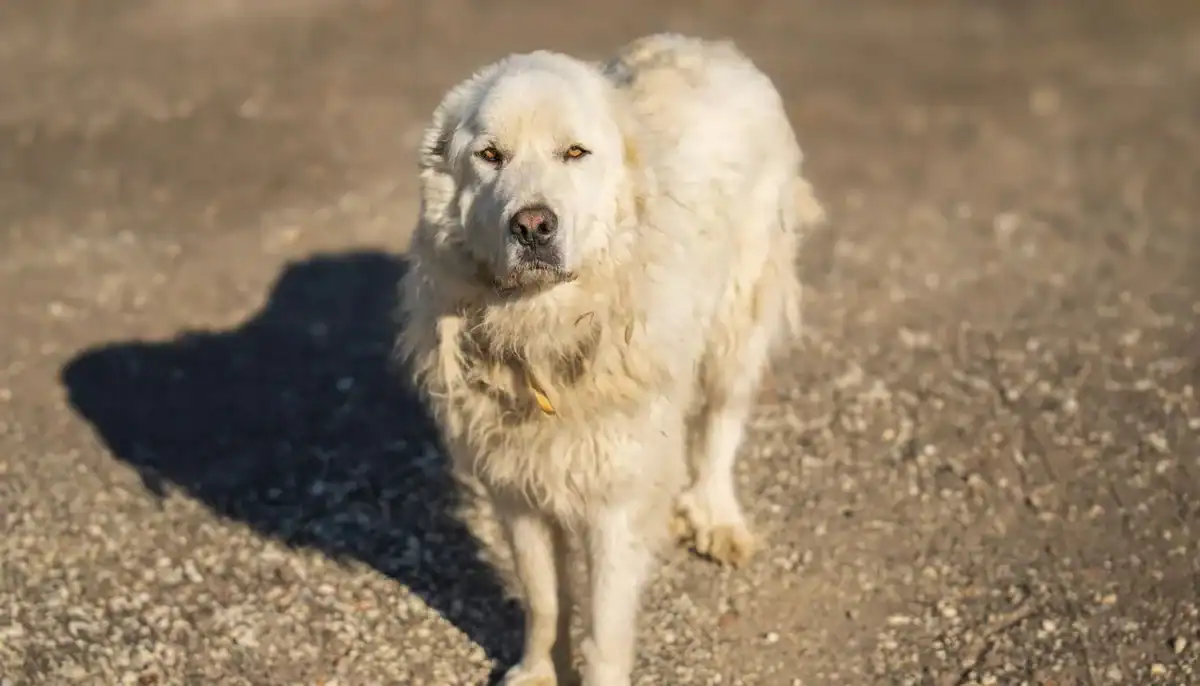
The Maremma Sheepdog is an ancient Italian pastoral dog built to protect flocks of sheep from wolves. Developed in the rugged terrain of the Abruzzo region, it has spent centuries living alongside livestock to secure rural farms.
What makes this livestock guardian genuinely interesting is its deep intelligence, self-reliant thinking, and fierce dedication to its charges. A typical Maremma acts with confidence and makes decisions without waiting for instruction, bonding closely with the flock while forming a quiet, respectful partnership with its handlers.
This guide draws on records from the Maremma Sheepdog Club of America, the AKC Foundation Stock Service, and veterinary data to present an accurate picture of ownership. Understanding the breed’s history helps prospective owners manage its strong territorial instincts appropriately.
Households that provide acreage, clear boundaries, and positive reinforcement are rewarded with a great working partner. Raising a Maremma Sheepdog puppy correctly requires early and ongoing socialization with people and other animals so it grows into a balanced adult. The effort produces a steady protector that takes its job seriously.
For handlers without farm space or experience with a territorial dog, this is not a casual pet. Those without acreage, or anyone expecting an obedient companion, should review the demands honestly before deciding. The reward goes to people who understand the true nature of a working flock protector.
Affiliate Disclosure: K9Sphere participates in the Amazon Services LLC Associates Program and other affiliate programs. K9Sphere earns from qualifying purchases made through links in this article at no additional cost to you. Product recommendations are based on independent research and editorial judgment, not paid placement.
Breed Snapshot
📊 Vitals and Lifespan
Height
Males: 25.5 to 28.5 in (65 to 73 cm)
Females: 23.5 to 26.5 in (60 to 68 cm)
Weight
Males: 77 to 100 lb (35 to 45 kg)
Females: 66 to 88 lb (30 to 40 kg)
Lifespan
11 to 13 years
Breed Group
Working (AKC FSS); FCI Group 1
Origin
Italy
🇮🇹
⭐ Personality Traits
Ratings (1 to 5). This self-reliant breed needs firm management and room to work effectively. A low friendliness score reflects its guarding nature, not a flaw.
History and Origin
The Maremma Sheepdog traces its roots back over two thousand years as a breed of livestock guardian dog. Ancient Roman records describe white dogs of this type working alongside herdsmen. They were bred to protect flocks entirely on their own in remote pastures.
📌 Antiquity: The Roman Guardian
Agricultural writers like Columella referenced a big pale guardian dog used to protect sheep from wolves. The light coat was intentionally favored so handlers could tell their dog apart from predators in low light or heavy brush.
📌 1800s: Regional Variations
For centuries two slightly distinct types existed in Italy. The Abruzzo region produced a dog suited for high mountain terrain. The Maremma region of Tuscany used a slightly shorter coated variation for coastal plains. Both types shared the same fundamental build.
📌 1958: A Unified Standard
The Italian Kennel Club (ENCI) officially merged the two regional varieties into a single breed standard. The dog became formally known as the Cane da pastore Maremmano-Abruzzese. This decision unified breeding efforts while preserving the historic lineage.
📌 Modern Era: Conservation
Today the breed is still used in agricultural and conservation settings in several regions. Conservation projects have deployed Maremmas to protect penguin colonies in Australia and goat herds in the United States, showing the enduring value of the breed.
Physical Characteristics
The Maremma is an imposing animal whose appearance balances bulk with agility, and every aspect of its build is functional. A broad head, strong jaws, and a deep chest give it the physical presence needed to deter wolves and other threats. Unlike heavier mastiffs, it keeps enough athletic spring to patrol uneven pastures efficiently.
🎨 The White Coat
The hallmark trait is the dense, solid white double coat, with light shades of ivory or pale orange on the ears permitted. The thick fur provides heavy insulation against snow and rain while also cushioning bites during a confrontation.
🏗️ Sturdy Build
The body is slightly longer than it is tall. The bone structure is heavy but never sluggish. Dark, almond-shaped eyes give a keen expression, and the black nose stands out clearly against the pale fur. The tail is low set and well feathered.
Character and Temperament
A true Maremma is an independent thinker. Because shepherds could not always be present to give commands, the breed evolved to assess threats and react on its own. The result is a deeply loyal companion that values partnership over strict obedience.
🛡️ Protective Instinct
The protective drive is central to their identity. They bond intensely with their household or flock and treat their territory as a responsibility. Strangers are met with suspicion and a watchful eye, and they prefer to place themselves between their charges and any perceived danger.
🔥 Escalation Strategy
A good Maremma does not seek out a fight. Their strategy relies on deterrence. They bark loudly to warn an intruder away. If the threat persists they escalate their posture, and they are generally expected to deter first and step in physically only if necessary to defend the flock.
💪 Calm Confidence
When there is no active threat, the Maremma is surprisingly calm and low-energy. They spend hours observing their surroundings from a high vantage point. This quiet confidence means they are not hyperactive indoors, provided their territory feels secure.
🧠 Willful Nature
Traditional obedience tasks often bore them. A Maremma might learn a command quickly but choose to ignore it if it sees no valid reason to comply. Handlers earn respect through fair, consistent leadership rather than force.
Screening and Conditions
Veterinary Disclaimer: The information in this article is for educational purposes only and is not a substitute for professional veterinary advice, diagnosis, or treatment. K9Sphere’s authors are experienced dog owners, not licensed veterinarians. Always consult a qualified DVM regarding any health concerns about your pet. Never disregard professional veterinary advice or delay seeking it because of something you have read on this site.
Health and Breed Information Sources:
- Fédération Cynologique Internationale (FCI) for the official breed standard (No. 201, Group 1 Sheepdogs)
- Maremma Sheepdog Club of America for parent-club guidance and health screening recommendations
- Orthopedic Foundation for Animals (OFA) for joint and eye clearance recommendations for large breeds
Always consult your licensed DVM for personalized medical advice.
The Maremma is considered hardy, shaped by rigorous natural selection in harsh environments. Even so, like any other breed of its size, it carries genetic vulnerabilities common to larger breeds that require attention from reputable breeders and watchful owners.
Common Inherited Conditions
🔴 Hip Dysplasia
What to watch for: Stiffness after resting, reluctance to climb stairs, or a noticeable bunny-hopping gait when running. This joint malformation worsens over time and can cause severe arthritis.
Screening: Both parents should have OFA or PennHIP joint clearances before breeding. Keeping the dog lean during growth phases significantly reduces joint stress. A daily hip and joint supplement can help maintain cartilage in adult working dogs.
🟡 Eye Conditions
What to watch for: Excessive tearing, cloudiness in the lens, or signs of vision loss. Some lines are prone to cataracts and progressive retinal atrophy (PRA).
Screening: Annual exams by a certified veterinary ophthalmologist help catch changes early. Breeding stock should have clear eye registry certificates.
🟡 Gastric Dilatation-Volvulus (Bloat)
What to watch for: A swollen, hard abdomen with unproductive retching, pacing, and severe distress. Bloat is a rapid, life-threatening emergency common to deep-chested large dogs.
Management: Feed two smaller meals daily instead of one large bowl. Avoid vigorous exercise for an hour before and after meals. Immediate emergency veterinary care is required if symptoms appear.

Nutramax Dasuquin with MSM Soft Chews for Large Dogs
Use for: Joint support in big breeds prone to hip dysplasia. Glucosamine, chondroitin, and MSM support cartilage integrity and mobility in active patrol dogs. Consult your veterinarian before starting any supplement.
Check price on AmazonGrooming and Coat Care
Managing the thick double coat takes consistency. A Maremma drops hair year-round, with massive seasonal blowouts about twice a year when the weather changes. A quality undercoat rake and a slicker brush are essential tools for any owner.
Brush the coat thoroughly two to three times a week to prevent mats from forming behind the ears and along the breeches. During the seasonal blow, daily brushing pulls out the dead fur before it covers the household.
Despite their rustic lifestyle, the coat naturally repels a surprising amount of dirt once it dries. Bathing should be infrequent to preserve natural oils. Nail trims, ear checks, and regular tooth brushing complete the routine. The right deshedding brush makes the seasonal coat blow far more manageable.
Exercise and Living Needs
A Maremma is not a jogging companion. It does best with moderate, purposeful exercise. A securely fenced property is the ideal environment because it lets the dog patrol boundaries at its own pace. Several daily walks help if acreage is not available, though suburban living often frustrates this breed.
Secure fencing is important. A Maremma may range beyond its intended area, into neighboring properties, if containment is poor. A solid barrier keeps the dog safe and prevents conflicts with delivery drivers or passing animals.

FurHaven Orthopedic Dog Bed (Jumbo)
Use for: Heavy-duty joint relief for big dogs up to 100 pounds. The medical-grade foam supports older dogs resting after a long patrol and helps prevent elbow calluses.
Check price on AmazonNutrition & Diet
Like other big dogs, a Maremma grows rapidly. A formula made for big-breed pups controls calcium levels and slows the growth rate to protect developing joints. Adults thrive on high-quality nutrition but often eat less than expected, since they have a slow metabolism suited to conserving energy during long watches.
Monitor their condition carefully, because a thick coat hides excess pounds easily. You should be able to feel the ribs under the fur without pressing hard. Adjust portions based on activity level and age to prevent obesity, which makes joint conditions worse.
Training
Training a Maremma takes patience and a deep understanding of canine psychology. They do not respond well to harsh corrections or repetitive drills. If they sense injustice, they will simply shut down and ignore the handler.
Early socialization is the most critical part of raising a balanced adult. To ensure your dog matures well, expose it to many new people and other dogs, plus children and friendly animals, before sixteen weeks of age. This exposure teaches the guarding instinct what is normal so they do not treat every visitor as a threat.
Basic obedience commands establish a communication baseline. Use positive reinforcement and keep sessions short. A Maremma works best when it views you as a fair, reliable partner. If you expect a dog that retrieves balls endlessly or competes in agility trials, this is the wrong breed. Their intelligence is focused on environmental awareness and protection.
Maremma Sheepdog vs Great Pyrenees vs Kuvasz vs Akbash
Prospective owners comparing big white guardians often look at the Maremma alongside the Great Pyrenees (also called the Pyrenean Mountain Dog), the Kuvasz, and the Akbash, with the Anatolian Shepherd sometimes entering the conversation too. These breeds share a similar heritage but differ slightly in size, coat type, and intensity.
| Attribute | Maremma Sheepdog | Great Pyrenees | Kuvasz | Akbash |
|---|---|---|---|---|
| Weight | 66 to 100 lb (30 to 45 kg) | 85 to 115+ lb (38 to 52+ kg) | 70 to 115 lb (31 to 52 kg) | 75 to 140 lb (34 to 63 kg) |
| Original Purpose | Livestock guardian | Livestock guardian | Royal guard and LGD | Livestock guardian |
| Energy Type | Low steady patrol | Low steady patrol | Moderate, agile | Moderate, athletic |
| Trainability | Independent | Independent | Willful, sensitive | Highly independent |
| Grooming | Weekly brush, high shed | Weekly brush, high shed | Weekly brush, high shed | Weekly brush, moderate shed |
| Threat Response | Bark warning, escalates | Bark warning, escalates | Direct confrontation | Alert, swift response |
| First-Time Owner? | No, needs experience | With firm dedication | No, needs experience | No, needs experience |
| Common Health Risks | Hip dysplasia, eye issues, bloat | Hip dysplasia, patellar luxation, bloat | Hip dysplasia, PRA, thyroid issues | Hip dysplasia, OCD, bloat |
| Living Space | Acreage strongly preferred | Acreage preferred | Acreage strongly preferred | Acreage strongly preferred |
The Great Pyrenees is slightly larger and often more tolerant of unfamiliar house guests, making it a frequent choice for rural families. The Kuvasz brings a sharper, more direct guarding style suited to experienced handlers. The Akbash is taller and leaner, combining mastiff power with sighthound speed. The Maremma sits comfortably in the middle, balanced and reliable, bonding deeply with its flock.
Common Questions about the Maremma Sheepdog
How much does a Maremma Sheepdog cost?
Direct Answer: Expect to pay about USD 1,000 to 2,500 for a puppy from a reputable source. Pricing varies by country, with UK, Canada, and Australia rates differing.
Context: Working lines proven with livestock often command higher prices for their genetic reliability. Rescue adoptions range from about USD 200 to 500. Lifetime expenses include significant food budgets, large-breed preventive care, and secure fencing.
Management: Budget for early socialization classes and quality joint supplements. Do not cut corners on fencing, since a loose Maremma can create serious safety and containment problems.
How long do Maremma Sheepdogs live?
Direct Answer: A healthy Maremma Sheepdog typically lives between 11 and 13 years.
Context: This is an impressive lifespan for a dog of its size, and its rustic heritage contributes to its longevity. Proper weight management and joint care play a significant role in extending its active working years.
Management: Schedule annual senior blood panels after age seven. Switch to a senior diet tailored for large breeds to protect kidney and joint function.
Are Maremma Sheepdogs good family dogs?
Direct Answer: They are very loyal to their own family but generally not suited to busy households with frequent visitors.
Context: They bond closely with children in their family and view them as part of the flock. The challenge arises when neighborhood children visit, as the dog may misread rough play as a threat and step in protectively.
Management: Supervise all interactions with visiting children. Provide a secure, quiet space where the dog can retreat when the house becomes chaotic.
Are Maremma Sheepdogs aggressive?
Direct Answer: They are protective rather than randomly aggressive, reacting to perceived threats based on their guarding instinct.
Context: A well-socialized dog discriminates clearly between normal events and actual danger. Without socialization, it may view innocent activities like a delivery driver approaching the porch as a threat to address.
Management: Prioritize broad socialization in the first four months. Introduce them to varied environments so they learn to assess situations calmly.
Do Maremma Sheepdogs bark a lot?
Direct Answer: Yes. Barking is their primary tool for warding off threats and communicating across distances.
Context: They are particularly vocal at night when predators are active. A Maremma will patrol the perimeter and bark to announce its presence. This trait makes them highly effective protectors but difficult neighbors in dense suburbs.
Management: Bring the dog indoors at night if noise complaints are a risk. You can reduce nuisance barking, but a guardian breed’s alert vocalization is part of the breed profile.
Can a Maremma Sheepdog live in an apartment?
Direct Answer: Apartment living is generally not recommended for this breed.
Context: They need outdoor space to patrol and observe. Confining a vocal, boundary-focused dog to a small space with shared walls tends to create behavioral issues and noise complaints.
Management: Only consider this breed if you have a securely fenced yard, preferably with significant acreage.
Do they get along with other pets?
Direct Answer: Yes, if raised with them. They accept other animals as part of their protected flock.
Context: A Maremma will protect cats, chickens, goats, and other dogs if introduced early. Unfamiliar animals entering their territory, however, will be driven off firmly.
Management: Introduce new pets slowly and neutrally. Monitor interactions until the dog accepts the newcomer as a permanent resident.
How much do they shed?
Direct Answer: They drop hair constantly, with heavy seasonal blowouts in spring and fall.
Context: The dense white double coat leaves fur on furniture, floors, and clothing. If you cannot tolerate dog hair in your home, this coat type will frustrate you.
Management: Maintain a steady weekly brushing routine. Invest in a heavy-duty vacuum cleaner.
Is the Maremma Sheepdog easy to train?
Direct Answer: No. They are independent and willful, ranking low in traditional trainability.
Context: They were bred to make their own decisions. They learn basic commands easily but will ignore them if they disagree with your judgment, so they need a handler who respects their intelligence.
Management: Focus training on mutual respect and positive reinforcement. Avoid repetitive drills that bore the dog.
What is the difference between a Maremma and a Kuvasz?
Direct Answer: The Kuvasz is generally taller, has a wavy coat, and shows a slightly sharper guarding temperament.
Context: Both are ancient white guardians, but the Hungarian Kuvasz served in royal courts as well as pastures, giving it a more direct confrontational style. The Maremma leans slightly more on deterrence and barking before escalating.
Management: Choose the Maremma for a slightly softer approach to family integration, though both require extensive handling experience.
Finding a Puppy
Acquiring a Maremma means finding a breeder who tests for joint and eye conditions. A poorly bred dog with unstable nerves becomes a serious liability. Look for breeders active in agricultural communities or official clubs who prioritize stable nerves.
🏠 Responsible Breeders
A good breeder matches each litter to the buyer’s environment. They ask detailed questions about your fencing, experience, and intended use for the dog. They provide OFA health clearances for both parents and raise the litter around normal household or farm noises, and many are cautious about placing this breed in an apartment.
🐾 Rescue and Adoption
Adopting an adult Maremma lets you skip the destructive puppy phase. Many end up needing rehoming because previous owners underestimated the barking or boundary patrolling. Breed-specific groups evaluate the dogs thoroughly and place them in suitable rural homes where their traits are valued.
🚩 Red Flags to Watch For
- Red Flag 1: Breeders selling puppies as “easy family pets” without discussing guardian traits.
- Red Flag 2: No verified OFA hip or eye clearances for the parents.
- Red Flag 3: Parents showing extreme fear or unprovoked reactivity toward normal visitors.
- Red Flag 4: Puppies raised in isolated pens without human socialization.
Personal Observation
💭 Personal Observation
My rescue Chun Chun, around ten now, is a vocal alert barker, and the Maremma Sheepdog shares that same instinct to announce anything unusual. Where Chun Chun wants to be close to the house, a self-reliant livestock guardian prefers to stay outside monitoring the perimeter.
My senior rescue Rusty is remarkably hardy in warm weather and happily settles outdoors at night, which lines up with how a Maremma thrives in the elements rather than indoors.
Living with these dogs taught me that you cannot train a deeply ingrained instinct out of an animal. You manage it instead. A Maremma needs far more space than a standard suburban yard provides, and if you bring a territorial guardian into a dense neighborhood, the barking and fence-running will frustrate everyone nearby.
Conclusion
The Maremma Sheepdog breed remains a magnificent working dog capable of managing threats on its own. For experienced rural owners with clear boundaries, the Maremma breed offers deep loyalty and a strong sense of security. It bonds closely with its household and handles harsh weather with ease.
The trade-off is their intense need to patrol and their loud voice. The barking, heavy coat blow, and stubborn intelligence make them frustrating for handlers wanting an obedient, quiet companion. If you lack acreage, an Australian Shepherd offers a more adaptable working partnership.
📋 The Final Verdict: run this 4-step pre-buying check
- Secure containment. Do you have physical fencing strong enough to contain a big, determined dog?
- Bark tolerance. Can your living situation handle a dog that barks loudly at night to deter threats?
- Socialization plan. Are you prepared to expose the dog to many people early on to build stable judgment?
- Space requirement. Do you have the space, ideally a large rural property, that a patrol dog needs to stretch its legs and observe?
If any answer is no, this breed will be a problem for your situation, so reconsider carefully.
Editorial Disclaimer: This article is for informational and educational purposes only. It does not constitute veterinary advice, medical diagnosis, or treatment recommendations. Always consult a licensed veterinarian before making health-related decisions for your pet.
Accuracy Notice: While every effort has been made to ensure the information presented here is accurate and current, breed information evolves and individual dogs vary. If you spot a factual error or have updated information from a verified source, please contact us so we can review and update.
Product Disclosure: Product recommendations are based on independent research and editorial judgment. Individual results may vary. K9Sphere participates in the Amazon Services LLC Associates Program and other affiliate programs, and earns from qualifying purchases at no additional cost to you.
Last reviewed: June 2026. Article reviewed for accuracy on the date shown above.


