
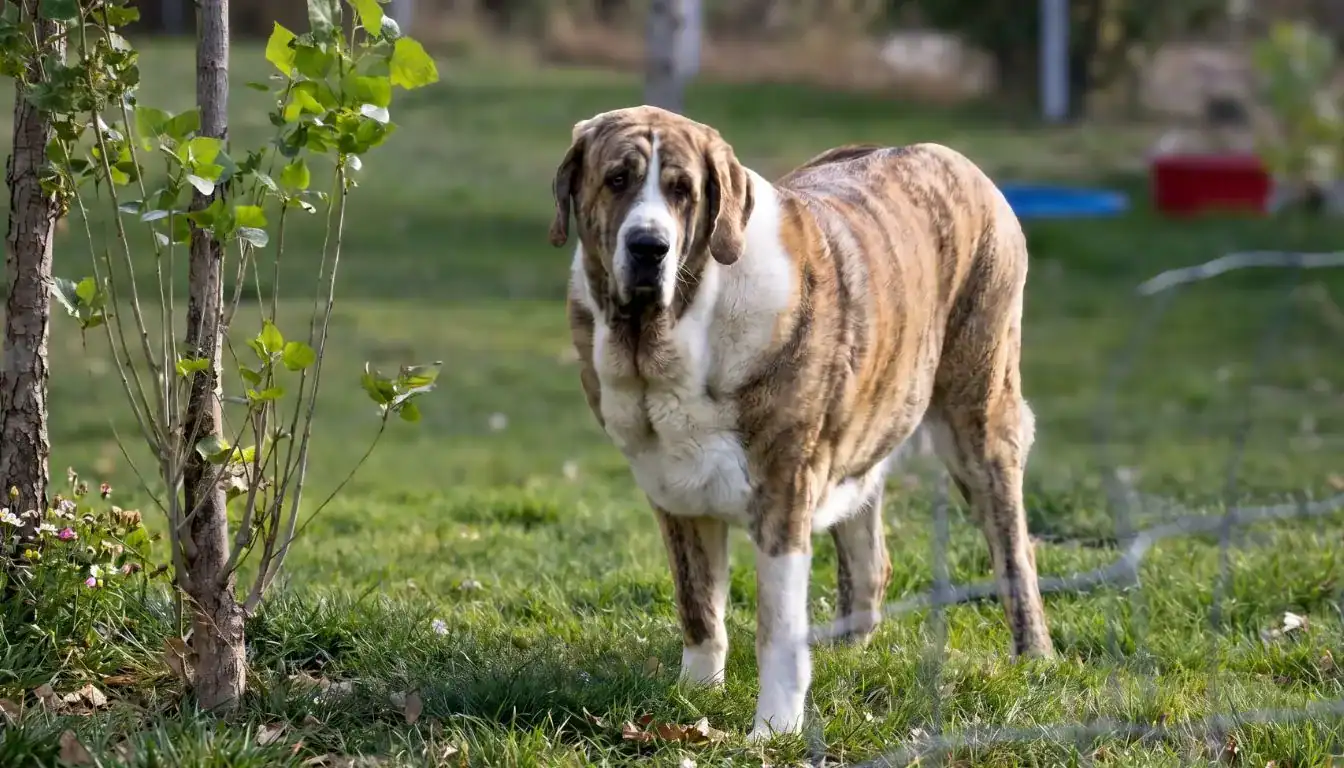
The Spanish Mastiff is a giant livestock guardian breed from Spain, traditionally used to protect flocks and rural property. Calm with family but highly independent, it was developed for serious working roles rather than casual companion life.
It is recognized by the Fédération Cynologique Internationale and listed in the American Kennel Club’s Foundation Stock Service, but it remains relatively uncommon outside Spain. Prospective owners are often drawn to its size and steady presence, yet this breed requires much more management than its relaxed appearance suggests.
The Spanish Mastiff is generally best suited to experienced owners with secure space, consistent training, and a realistic budget for giant-breed care. For first-time owners or households in small urban homes, a more adaptable breed is usually the better fit.
We checked this Spanish Mastiff dog breed information against AKC and FCI breed-standard references, OFA orthopedic screening protocols, and AVMA clinical research on giant-breed orthopedic and cardiac medicine.
Affiliate Disclosure: K9Sphere participates in the Amazon Services LLC Associates Program and other affiliate programs. K9Sphere earns from qualifying purchases made through links in this article at no additional cost to you. Product recommendations are based on independent research and editorial judgment, not paid placement.
Breed Snapshot
📊 Vitals and Lifespan
Height
Males: 30 to 35 inches (77 to 88 cm)
Females: 28 to 32 inches (72 to 82 cm)
Weight
Males: 185 to 220 lb (84 to 100 kg)
Females: 145 to 180 lb (66 to 82 kg)
Lifespan
10 to 12 years
Breed Group
Foundation Stock Service (AKC); FCI Group 2
Origin
Spain
🇪🇸
⭐ Personality Traits
Ratings (1 to 5). This calm but immensely powerful livestock guardian balances deep household devotion with serious territorial drive, weighed against giant-breed health risks and limited urban suitability. A low trainability score reflects an independent, decision-making mind rather than low intelligence.
History and Origin
The Spanish Mastiff, often anglicized as the Spanish Mastin, is a native breed of Spain whose origins trace back over two millennia, when Phoenician and Greek traders are believed to have brought ancestral molosser-type dogs to the Iberian Peninsula.
The Spanish mastín, also recorded as the Mastín de España, was already working the Iberian Peninsula when Roman legions arrived, defending sheep and cattle from wolves and bears. Centuries of documented work make it one of the longest serving flock guardians in Europe.
📌 1273: The Mesta and Merino Migration
King Alfonso X of Castile formalized the Mesta, the powerful medieval association of shepherds. By 1526, archives recorded approximately 3.5 million Merino sheep migrating across Spain accompanied by these flock guardians, often working in small numbers relative to large flocks. They wore spiked iron collars called carlancas to protect their throats during predator engagements.
📌 1946: First FCI Standard
The Fédération Cynologique Internationale published the first official Spanish Mastiff conformation standard in 1946. By the early 20th century these dogs had been exhibited at Spanish dog shows for decades, but no codified document existed before this point, and regional working strains varied dramatically in size and coat type.
📌 1981: Asociación Española del Perro Mastín Español
Enthusiasts in Spain formed the official parent club and launched a structured breeding program. The goal was recovering the larger, more powerful working cattle dogs of past centuries while drafting a revised standard suitable for both protection work and household life. This program defined the modern conformation seen today.
📌 2008: AKC Foundation Stock Service
The American Kennel Club admitted the Spanish Mastiff into its Foundation Stock Service in 2008, a formal registry for breeds working toward full recognition. The FSS acts as a stepping stone toward eventual full kennel club status and tracks pedigree records during this transition period.
Despite the FSS classification, North American registration numbers remain low, and the dog continues to be considered uncommon outside Spain, where the population is estimated in the tens of thousands.
Physical Characteristics
The Spanish Mastiff was built primarily as a livestock guardian, with a strong anti-predator role in open terrain. Heavy bone, deep chest, broad skull, and pendulous double dewlap on the throat all reflect functional protection rather than ornamental refinement.
The body is slightly longer than tall, with massive paws built for endurance walking over uneven pastureland. Its size ranks this big dog among the heaviest working canines recorded, and though it never matched the global popularity of a Labrador, this giant working dog is commonly described as the national dog breed of Spain.
🎨 The Massive Size and Coat
The dense, medium-length double coat is straight, with the topcoat carrying a slightly harsher texture for weather resistance. Recognized colors include fawn, black, red, wolf-gray, yellow, and brindle, often with white markings on the chest and feet. The coat insulates well against cold but limits heat tolerance, particularly in hot summer climates.
🏗️ Working Construction
Massive head, broad muzzle with loose lips, drop ears, and a thick neck dewlap define the official breed silhouette. Many individuals carry double rear dewclaws, a working trait shared with several Spanish and Pyrenean flock-guarding lines. Despite its heavy resting posture, this giant breed can move with unexpected efficiency and purpose when a perceived threat appears.
The “Gentle Giant” Misconception
A common myth frames this dog as a docile gentle giant suited for casual household life. Calm disposition with familiar people is real and well-documented, but you are still looking at a serious worker with deeply ingrained wariness of strangers, strong territorial drive, and a tendency toward dog-on-dog conflict if poorly socialized. The breed needs experienced ownership and a property the dog can call home, not an apartment lifestyle.
Character and Temperament
This breed is aloof, dignified, and independent. Generations of guarding flocks unsupervised shaped a thinking guardian that observes, evaluates, and decides for itself when to act. That independence makes them quietly intelligent, and difficult for handlers expecting prompt obedience.
👨👩👧 Devoted to Family
With its own people, this dog is affectionate, calm, and patient. They form deep, unshakeable bonds with their household and many will follow their primary handler from room to room across decades. Individuals may bond more closely with one specific household member, though they protect the entire home with equal seriousness.
🛡️ Wary of Strangers
This dog typically evaluates unfamiliar visitors with quiet vigilance. Without proper early exposure in puppyhood, that wariness hardens into reactive behavior. Even a well-socialized adult may show territorial pressure toward strangers approaching the property line, which is why fencing and visitor management are non-negotiable.
🔊 Low-Frequency Alert Bark
These dogs are not noisy by default during normal household routines. When they do bark, however, the sound is raucous, low-pitched, and audible from a considerable distance. The vocalization functions as a deliberate predator deterrent, not nuisance noise, and even a single warning carries far enough to disturb neighbors at distance.
🧠 Strong-Willed Intelligence
Independent and self-assured, this intelligent breed will test handlers who appear hesitant or inconsistent. Without firm leadership established early, the dog will assume that role and refuse commands at moments when compliance matters most. They respect calm authority but tend to shut down or resist when corrections are harsh.
Screening and Conditions
Veterinary Disclaimer: The information provided in this article is for educational purposes only and is not intended as a substitute for professional veterinary advice, diagnosis, or treatment. Always consult a licensed veterinarian for any health concerns about your pet.
Health Information Sources: Data compiled from:
- OFA (Orthopedic Foundation for Animals): Required orthopedic and ophthalmic screening protocols
- American Kennel Club: Breed information and Foundation Stock Service records
- AVMA: Clinical research on giant orthopedic, cardiac, and gastric dilatation-volvulus medicine
Always consult your licensed DVM for personalized medical advice.
This large dog breed lives 10 to 12 years on average. Like many dogs of similar conformation, it may carry inherited vulnerabilities that responsible owners must screen for. Strict parental screening through OFA-approved tests is the primary defense.
The breed information below draws from AKC parent-club guidance, Spanish breed-club records, and veterinary literature. The breed characteristics linked to giant size shape the screening an adult dog will need throughout life.
Common Inherited Conditions
🔴 Gastric Dilatation-Volvulus (Bloat)
What to watch for: The deep-chested build predisposes this dog to GDV, a life-threatening surgical emergency where the stomach fills with gas and rotates on its axis, cutting off blood supply. Symptoms include unproductive retching, a distended abdomen, restlessness, and rapid breathing. Mortality rates run between 10 and 33 percent even with prompt treatment.
Management: Feed two to three measured meals per day instead of one large meal, avoid hard exercise within an hour of feeding, and discuss prophylactic gastropexy (stomach tack) with your veterinarian at the time of spay or neuter surgery.
🔴 Hip Dysplasia
What to watch for: This breed is especially prone to hip dysplasia, an inherited condition where the joint fails to align properly, causing pain and progressive arthritis. Symptoms include reluctance to climb stairs, a swaying gait, and stiffness after rest. Onset varies from puppyhood through senior years.
Screening: OFA hip evaluation or PennHIP testing of both parents is mandatory before breeding. Maintain a healthy weight throughout life and follow your veterinarian’s joint-support recommendations from young adulthood onward to support cartilage maintenance.
🟡 Elbow Dysplasia
What to watch for: Less common than the hip variant but still significant in this giant population, elbow dysplasia produces intermittent forelimb lameness and reluctance to bear weight on the affected leg. Joint malformation accelerates wear and triggers early-onset osteoarthritis.
Screening: OFA elbow evaluation of both parents is strongly recommended. Mild cases respond to medical management with anti-inflammatories, while moderate to severe cases often require surgical correction for long-term mobility.
🟡 Entropion and Ectropion
What to watch for: Loose facial skin and conformation make these dogs more prone than the general canine population to eyelid abnormalities. Entropion (eyelid rolling inward) and ectropion (eyelid rolling outward) cause chronic irritation, tearing, and corneal damage if untreated.
Screening: Annual ophthalmic examination is recommended throughout life, plus formal screening before breeding. Most cases respond well to surgical correction once skeletal maturity is reached.
🟡 Dilated Cardiomyopathy
What to watch for: Documented across mastiff breeds and giant populations, DCM involves degeneration of the heart muscle, leading to thinner ventricular walls and reduced pumping efficiency. Symptoms include exercise intolerance, coughing, sudden collapse, and labored breathing. Onset is often abrupt.
Management: Annual cardiac examination by a board-certified veterinary cardiologist is recommended for breeding stock. Affected individuals can be managed with cardiac medications, but the prognosis varies significantly with disease stage at diagnosis.
Grooming and Coat Care
The dense double coat needs only moderate maintenance. Brush weekly with a slicker and undercoat rake to control loose hair and spread natural oils. During the heavy spring and autumn sheds, daily brushing with an appropriate grooming tool becomes essential.
Bathe every six to eight weeks. Washing more often strips protective oils and triggers irritation. The facial wrinkles and dewlap need attention, since loose folds trap moisture and debris and can lead to bacterial dermatitis. Wipe them with a damp cloth two or three times a week and dry thoroughly.
Trim nails every three to four weeks. On a 200-pound animal, overgrown nails alter gait and cause joint pain. Check ears weekly for moisture, redness, and odor. Brush teeth daily with enzymatic toothpaste, which matters here given the drooling and high rate of dental disease.
Exercise and Living Needs
Despite the size, this is a low-energy animal. Plan about an hour of structured exercise daily, split between a long morning walk and a shorter evening perimeter patrol. Avoid running, jogging, and repetitive jumping during the two-year skeletal maturity window.
Flat or apartment housing is a poor fit. These dogs need a securely fenced rural or suburban property to patrol. Fencing should be at least six feet and robust, since a determined adult can push through standard panels. Off-leash freedom in unfenced areas is dangerous given their territorial response to strange dogs and people.
Mental work matters as much as movement. Scent games, puzzle feeders, and short training sessions tire a thinking guardian faster than extra walking. Avoid dog parks after social maturity around 18 months, since size plus intolerance of strange dogs means any scuffle can escalate fast.
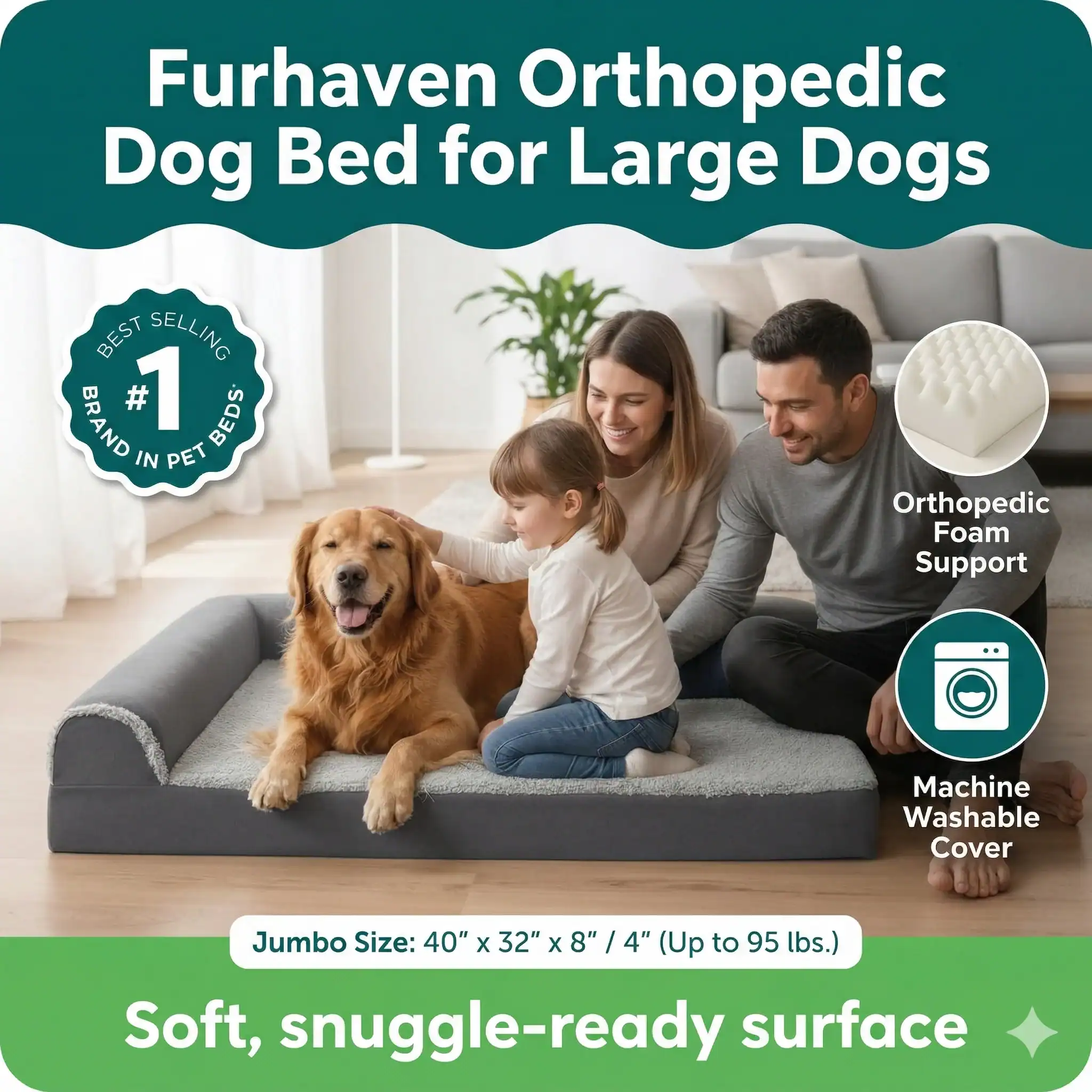
FurHaven Orthopedic Dog Bed (Jumbo)
Use for: Heavy-duty joint relief for giant dogs. The medical-grade foam supports the weight of a 200-pound adult and helps protect aging joints and prevent elbow calluses during long rest periods.
Check price on AmazonNutrition & Diet
Portion control and a giant-breed formula are non-negotiable. Excess weight strains joints and heart, and rapid early growth on the wrong food triggers developmental orthopedic disease. A visible waist and easily felt ribs are the markers to aim for.
🐶 Puppy Stage
Feed a giant-breed puppy formula with controlled calcium and phosphorus until 18 to 24 months. Standard adult or all-life-stages food drives growth too fast for proper joint formation. Give three measured meals daily until six months, then two, which protects weight and reduces GDV risk.
🐕 Adult Stage
Adults do well on a quality giant-breed kibble in two measured meals a day, typically four to six cups depending on activity and metabolism. Calibrate the exact amount to body condition, not a generic chart.
Avoid free-feeding completely. Limit treats to under 10 percent of daily calories and avoid high-fat human food entirely, since these dogs are prone to dental disease and obesity.
🐕🦺 Senior Stage
From age seven, switch to a senior giant-breed formula with fewer calories and added joint support. Annual blood panels, cardiac auscultation, and orthopedic checks become essential. Marine omega-3s support heart and joints at once, and a proven choice is Zesty Paws Salmon Oil. Many owners add a daily hip and joint supplement after discussing dosage with their veterinarian.
Training
Training takes patience, consistency, and confident leadership from the first week home. Their intelligence is real, but it shows up as independent decision-making rather than eagerness to please. Retriever training playbooks will frustrate both of you.
🛑 Socialization Priorities
Socialization between 8 and 16 weeks is the single most important investment you can make. Expose the puppy to varied places, calm adult dogs, household noise, and visitors of every age. A poorly socialized adult may default to defensive territorial behavior toward anyone outside the household, and reversing that after social maturity is extremely hard.
👑 Calm Leadership
Use positive reinforcement inside a steady, predictable household structure. Harsh corrections fracture trust and produce shutdown or defensive aggression. For first-time owners, a professional trainer with giant or livestock-guardian experience in the first six months is strongly recommended.
🎯 Continuous Reinforcement
Training does not end with puppy class. Brief weekly sessions and controlled exposure to new situations keep them steady. Rally, tracking, and weight pull suit their calm working style better than agility. Pair recall work with secure containment, since this breed should not be trusted off-leash in unfenced terrain in normal ownership settings.
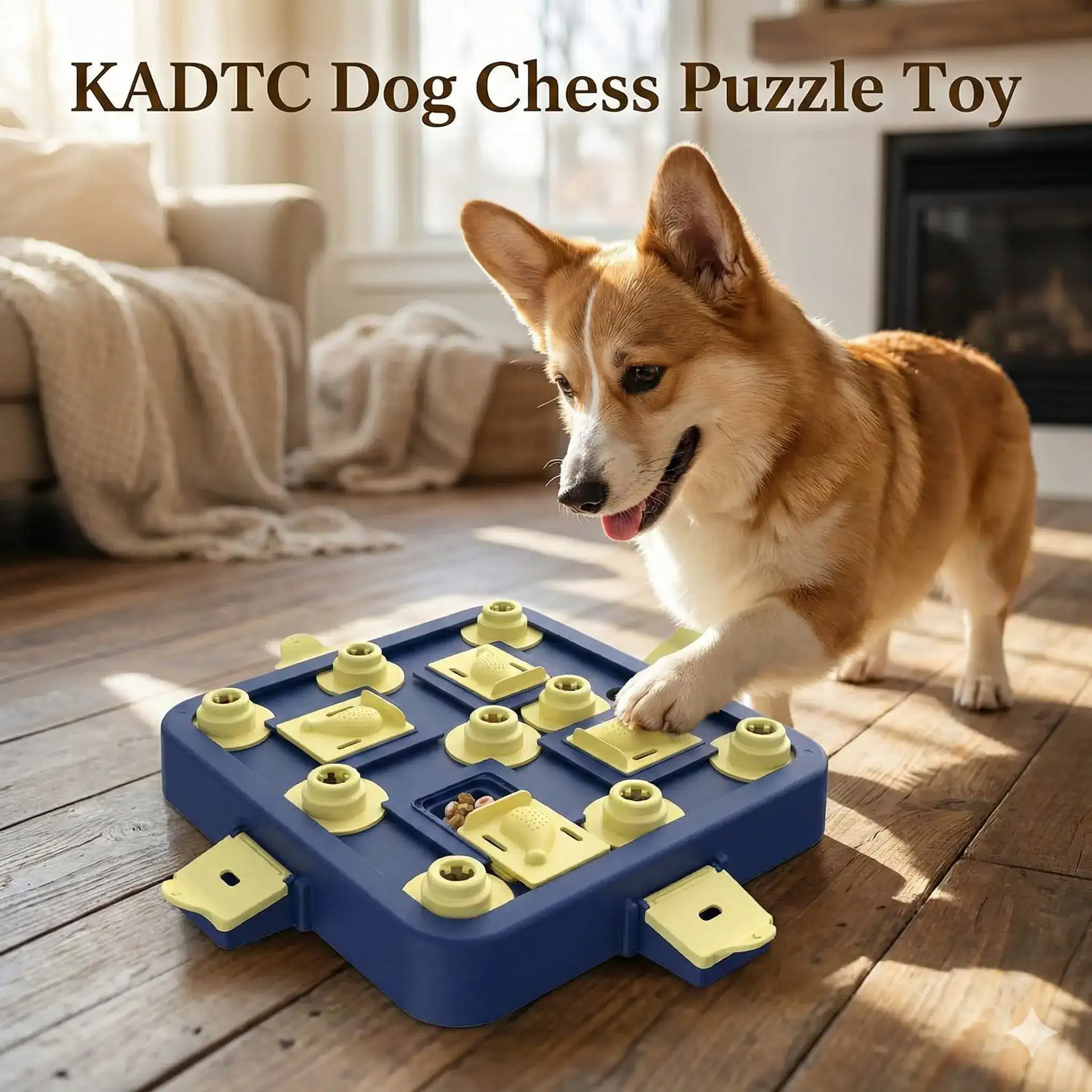
KADTC Dog Chess Puzzle Toy
Use for: Giving a thinking guardian something to solve on days when physical exercise alone is not enough. Rotating puzzle games burn mental energy without loading the joints of a giant breed.
Check price on AmazonSpanish Mastiff vs Pyrenean Mastiff vs Cane Corso vs English Mastiff
Seeing how this dog stacks up against its Spanish cousin the Pyrenean Mastiff, and against other molossers, clarifies what ownership really means. Families weighing large protective breeds often also look at the Caucasian Shepherd Dog or the Kangal Shepherd Dog, but the Mastín Español sits in a distinct middle ground.
| Attribute | Spanish Mastiff | Pyrenean Mastiff | Cane Corso | English Mastiff |
|---|---|---|---|---|
| Weight | 145 to 220 lb (66 to 100 kg) | 120 to 200 lb (54 to 90 kg) | 88 to 110 lb (40 to 50 kg) | 120 to 230 lb (54 to 104 kg) |
| Original Purpose | Livestock guardian (sheep, anti-wolf) | Pyrenean flock guardian | Property protection, hunting | Estate guarding, war dog |
| Energy Type | Low, deliberate | Low, observant | Moderate, athletic | Low, mellow |
| Trainability | Independent, slow | Independent, slow | Strong-willed, capable | Eager but sensitive |
| Grooming | Weekly brushing | Weekly brushing | Weekly brushing | Weekly brushing + wrinkle care |
| Threat Response | Low-pitched warning bark, then engage | Booming bark, slow escalation | Sharp warning, quick engagement | Posture and presence |
| First-Time Owner? | No | No | No | With dedication |
| Common Health Risks | Hip dysplasia, GDV/bloat, elbow dysplasia, entropion, dilated cardiomyopathy | Hip dysplasia, GDV/bloat, entropion | Hip dysplasia, cherry eye, GDV/bloat, idiopathic epilepsy | Hip dysplasia, GDV/bloat, dilated cardiomyopathy, osteosarcoma |
| Living Space | Rural or large suburban property | Rural or large suburban property | Suburban with yard | Suburban with yard |
The Mastín Español is the largest and most traditional livestock guardian of the four, retaining the strongest livestock guardian dog instincts and the lowest tolerance for casual handling among this mastiff type group. The Pyrenean variant is a closer cultural cousin from the Aragon region, slightly smaller and with somewhat more flexibility in household settings.
The Cane Corso is smaller, more athletic, and more trainable, but needs equally experienced ownership. The English Mastiff has the calmest disposition of the four. Choose this Spanish dog when you have rural property, stock to protect, and the experience to channel a strong-willed traditional guardian. If not, another breed will serve you better.
Common Questions about the Spanish Mastiff
Are Spanish Mastiffs good family dogs?
Direct Answer: They can be very devoted family dogs in the right home.
Context: Spanish Mastiffs are usually calm and affectionate with their own people, but they are also large, independent guardians that need early socialization and experienced handling.
Management: They do best in households with space, structure, and clear boundaries, rather than busy homes wanting an easygoing beginner breed.
How big do Spanish Mastiffs get?
Direct Answer: They are among the largest dog breeds.
Context: Adult males commonly stand around 30 to 35 inches and may weigh roughly 185 to 220 pounds. Females are typically somewhat smaller. Growth continues until 18 to 24 months.
Management: Plan for the adult size early, since it affects feeding, bedding, transport, training, and long-term joint care.
Are Spanish Mastiffs rare?
Direct Answer: Yes, they are relatively uncommon outside Spain.
Context: The breed holds FCI recognition and sits in the AKC Foundation Stock Service, but it is still seldom seen in many countries compared with more popular guardian breeds.
Management: Finding a well-bred puppy takes time. Research breeders carefully instead of rushing at the first available litter.
How much exercise does a Spanish Mastiff need?
Direct Answer: Moderate daily exercise, not intense athletic work.
Context: A steady routine of walks, secure outdoor time, and mental stimulation suits them better than running or repetitive high-impact activity. This is a low-energy giant by nature.
Management: Aim for fitness without overloading the joints, especially during the long growth period before 24 months.
Are Spanish Mastiffs easy to train?
Direct Answer: Not usually.
Context: They are intelligent, but that intelligence shows up as independence and decision-making rather than eager-to-please obedience.
Management: Train with calm consistency, early socialization, and clear routines, rather than harsh correction or unrealistic expectations.
Are Spanish Mastiffs good for first-time owners?
Direct Answer: Generally no. This breed suits handlers with prior experience of large, independent dogs.
Context: Their size, guarding instincts, and independent streak make ordinary mistakes costly in a way they would not be with a smaller, biddable breed.
Management: If you are set on the breed, line up an experienced trainer before the puppy arrives rather than after problems appear.
Can Spanish Mastiffs live in apartments?
Direct Answer: They are generally not ideal for apartment living.
Context: Their size, guarding instincts, and territorial awareness suit homes with secure space and careful visitor management.
Management: Even a low-energy giant can be a poor fit for compact housing when the environment does not match the temperament.
Do Spanish Mastiffs get along with other dogs and pets?
Direct Answer: Sometimes, but it depends heavily on socialization and management.
Context: Many do well with familiar household animals, though some adults are reserved or intolerant with unfamiliar dogs, especially after social maturity.
Management: Introduce carefully, and do not assume this breed will be dog-park friendly simply because it is calm at home.
What health problems are common in Spanish Mastiffs?
Direct Answer: The main concerns are those often seen in giant breeds.
Context: These may include orthopedic problems such as hip or elbow dysplasia, bloat risk, eye issues such as entropion, and some cardiac concerns.
Management: A good breeder, proper screening, weight control, and regular veterinary care matter as much as daily management.
How long do Spanish Mastiffs live?
Direct Answer: Many live around 10 to 12 years.
Context: Actual lifespan varies with genetics, body condition, health screening, and the quality of lifelong care.
Management: Keeping the dog lean, avoiding unnecessary joint strain, and staying proactive with veterinary care can make a meaningful difference.
Do Spanish Mastiffs drool and shed a lot?
Direct Answer: Yes, expect both shedding and some drooling.
Context: The coat sheds seasonally, and the loose lips and facial structure can make drool part of everyday life.
Management: Regular grooming, wipe-downs, and realistic expectations about mess are part of living comfortably with this breed.
How much does a Spanish Mastiff puppy cost?
Direct Answer: As an approximate, time-sensitive guide, expect roughly USD 1,500 to 3,000 from a reputable breeder.
Context: Prices vary by breeder, location, pedigree, and availability. Food, veterinary care, and giant-breed supplies add far more across the dog’s life than the purchase price does.
Management: Budget for lifetime care rather than focusing only on the sticker price, and secure pet insurance early.
Do Spanish Mastiffs make good guard dogs?
Direct Answer: Yes, guarding ability is one of the breed’s defining traits.
Context: They were developed as livestock guardians, so they tend to be watchful, territorial, and protective without behaving like a high-drive patrol dog.
Management: Those instincts are an asset in the right setting, but they require responsible handling, socialization, and secure containment.
Finding a Puppy
Puppies in North America come almost entirely through dedicated kennels tied to European foundation stock. Because the breed is uncommon outside Spain, expect 12 to 24 month waiting lists with reputable breeders. Importing directly from Spain adds complexity but often yields the strongest working pedigrees.
🏠 Responsible Breeders
Seek kennels that breed dogs for temperament, health, and working soundness rather than size alone, and that prioritize OFA hip, elbow, and ophthalmic screening on both parents plus cardiac evaluation by a board-certified cardiologist. They should interview you extensively about your property, fencing, prior giant-dog experience, and capacity for ongoing handling. Mastiff puppies should be raised inside the home with consistent human contact, never exclusively in outdoor kennel runs.
🐾 Rescue and Adoption
Rescues for this rare type are uncommon but exist through specialty guardian-dog networks. Adopting an adult lets you bypass the chaotic two-year adolescence and assess personality accurately before committing. Most adoption candidates enter the system through handler illness, divorce, or owners who underestimated the lifestyle requirements rather than through behavioral problems.
🚩 Red Flags to Watch For
- Inability to provide official OFA hip and elbow screening documents for both parents.
- Marketing pups as “ready to guard” or “trained protection” before 18 months of age.
- Sale prices significantly below the regional USD 1,500 to USD 3,000 average, frequently a sign of unscreened parents, imported commercial stock, or outright scams.
- Parents exhibiting extreme fear, unprovoked aggression, or visible orthopedic dysfunction during your visit.
- Litters raised in outdoor kennel runs without exposure to household sounds and varied human traffic.
- Refusal to allow you to see the environment where the litter was raised or to meet the mother.
Personal Observation
💭 Personal Observation
Two of my rescued street dogs show me this breed in miniature. Moti patrols the yard slowly and deliberately, never wasting a step, and he does not welcome every strange dog that walks past. Rusty sleeps outside by choice and makes the same unhurried rounds through the night.
Neither of them is a guardian breed. A Spanish Mastiff does both of those jobs on a far larger scale, with real wariness of strangers layered on top and 200 pounds behind it.
The lesson is simple. If a calm, watchful dog already sets the rhythm of your home, a giant livestock guardian will set it completely. These dogs are quiet, but they are never off duty.
Conclusion
The Mastín Español is a serious worker that carries two thousand years of flock-protection heritage into modern household devotion. It offers calm authority, deep loyalty, and real predator deterrence to handlers who can meet the demands of a 200-pound traditional guardian.
The upside is outstanding property protection and quiet, dignified bonding at home. The cost is real commitment to fencing, handling, early exposure, and giant-scale health care. Suitable owners will recognize themselves in that rural, experienced, structured profile.
For households expecting an apartment-friendly companion or a beginner-friendly first pet, an easygoing breed like the Labrador Retriever is likely a better match.
📋 Before bringing one home, run this 4-step pre-buying check
- Property and fencing. Do you own or have permanent access to rural or large suburban property with at least six-foot secure fencing?
- Budget. Is your budget prepared for high monthly food bills plus potential five-figure orthopedic or GDV surgery?
- Handler experience. Are you experienced with strong-willed, independent guardian types, or willing to work with a qualified trainer for the first six months?
- Insurance and housing. Have you confirmed in writing that your homeowner insurance accepts this breed and your housing allows giant guardians?
If any answer is no, reconsider the breed.
Editorial Disclaimer: This article is for informational and educational purposes only. It does not constitute veterinary advice, medical diagnosis, or treatment recommendations. Always consult a licensed veterinarian before making health-related decisions for your pet.
Accuracy Notice: While every effort has been made to ensure the information presented here is accurate and current, breed information evolves and individual dogs vary. If you spot a factual error or have updated information from a verified source, please contact us so we can review and update.
Product Disclosure: Product recommendations are based on independent research and editorial judgment. Individual results may vary. K9Sphere participates in the Amazon Services LLC Associates Program and other affiliate programs, and earns from qualifying purchases at no additional cost to you.
Last reviewed: July 2026. Article reviewed for accuracy on the date shown above.


