
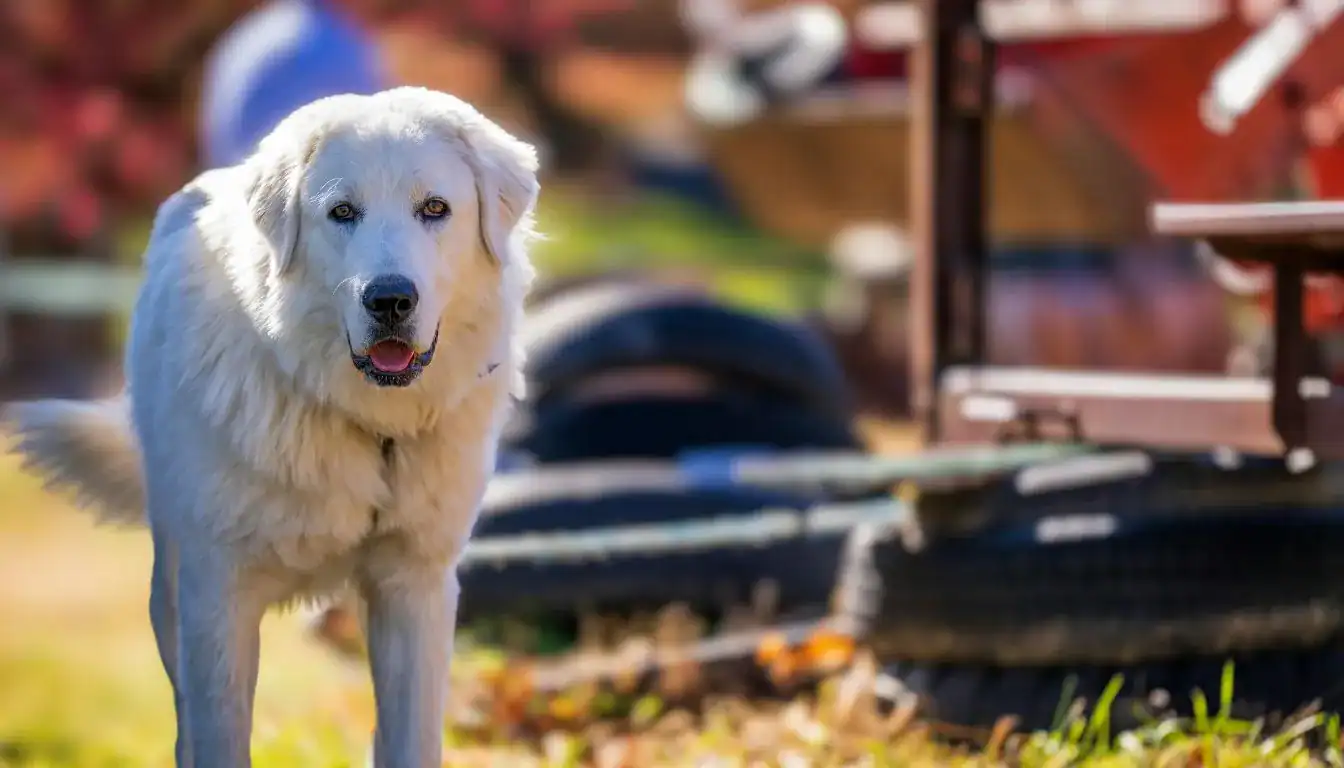
Many prospective owners see a giant, fluffy white dog that looks remarkably like a polar bear and assume they are getting an oversized, lazy golden retriever. What those stunning photos skip is the nocturnal alarm bark that easily carries across three residential streets and a roaming instinct that treats every open gate as an invitation to patrol the entire neighborhood.
The Great Pyrenees is a serious dog with ancient mountain-defense wiring that remains fully intact in modern Pyrs living on suburban cul-de-sacs. The Great Pyrenees dog is known for making autonomous decisions about threats, and that independence is precisely what makes them both extraordinary guard dogs and extraordinarily difficult to manage.
AKC breed club records, Pyrenean heritage documentation, and OFA orthopedic screening data shape the health and ownership guidance throughout this article. The Great Pyrenees dog breed has been documented in European registries for centuries.
Their operational history on the high slopes between Spain and France wired them to sleep lightly during the day and patrol aggressively when the sun goes down. That biological clock does not adjust for subdivision living.
While their calm demeanor indoors and gentle nature with family members are immensely appealing, their daily care requirements and strict containment needs are routinely underestimated by first-time owners drawn to the dog’s stunning white coat.
Affiliate Disclosure: K9Sphere is a participant in the Amazon Services LLC Associates Program. As an Amazon Associate, K9Sphere earns from qualifying purchases made through links in this article at no extra cost to you.
Breed Snapshot
📊 Vitals and Life Expectancy
Height
27-32 inches (69-81 cm) males
25-29 inches (64-74 cm) females
Weight
100-160 lb (45-73 kg) males
85-115 lb (39-52 kg) females
Lifespan
10-12 years
AKC Group
Working Group
Origin
France / Spain
🇫🇷 🇪🇸
⭐ Personality Traits
Ratings (1 to 5). This white Pyrenees mountain sentinel balances fierce territorial wiring with profound gentleness toward its own family. They demand experienced handling and secure outdoor space.
History and Purpose
The Great Pyrenees (also called the Pyrenean Mountain Dog in Europe) developed over centuries on the steep slopes between France and Spain. Shepherds needed a massive, courageous dog bred specifically to protect sheep from predators like wolves and bears. Unlike herding dogs that nip and move stock, this mountain dog was designed to blend in with the flock and provide stationary defense.
📌 Ancient Origins
Fossil remains suggest dogs of this type have existed in the mountains since the Bronze Age. They evolved specifically for endurance in freezing weather, carrying a thick white coat that allowed them to withstand heavy snowfall while remaining practically invisible among the sheep they protected. The coat is long and flat on the outer layer, with dense insulation beneath.
📌 Royal Dog of France (1675)
Their sheer size and striking appearance caught the attention of French nobility. The Dauphin of France declared the Great Pyrenees the Royal Dog of France in 1675, cementing the dog’s transition from mountain pastures to aristocratic estate protection. This royal endorsement brought the first wave of public fascination with the majestic Great Pyrenees outside of pastoral communities.
📌 American Kennel Club Recognition (1933)
The dog arrived in the United States in the late 19th century. The American Kennel Club officially recognized it in 1933. Today, Pyrs remain a staple on working farms while simultaneously expanding into suburban homes as massive family companions.
Their operational history wired them to be nocturnal. Predators hunt at night, so a working Pyr sleeps lightly during the day and patrols aggressively when the sun goes down. This biological clock remains completely intact in modern dogs, even if they live in a subdivision rather than a mountain pass.
Physical Characteristics
The Pyr is an undeniably majestic giant and one of the most recognizable large breed dogs in the world. Males typically range between 100 and 130 pounds (with some exceptionally large individuals reaching up to 160 pounds), featuring a broad chest and heavy bone structure designed for combat rather than sprinting. They carry their head proudly, moving with a surprisingly smooth, effortless gait that conserves energy during long patrols.
❄️ The Double Coat
They possess a dense, weather-resistant double coat. The soft inner layer provides insulation, while the long, flat outer coat sheds water and dirt. They are mostly white, though many display markings of badger, gray, reddish-brown, or tan around the face and ears. Great Pyrenees grooming demands increase sharply during the twice-yearly coat blow.
🐾 Double Dewclaws
A defining physical hallmark is the presence of double dewclaws on the hind legs. These extra toes historically provided additional traction when climbing steep, rocky terrain. Removing these rear dewclaws is strongly discouraged by enthusiasts and the Great Pyrenees’ breed club standard, as they are a structural requirement.
Temperament
They operate entirely differently than herding dogs like the Border Collie, choosing to position themselves defensively rather than controlling animal movement. A Pyr does not chase. It stands between the flock and the threat, escalating its response only when necessary.
🗣️ Heavy Vocalizer
Barking is their primary weapon. A Pyr will unleash a deep, booming bark at any perceived change in their environment. Great Pyrenees don’t distinguish between a rustling bush and a coyote howling a mile away. They bark to warn threats to stay away, preventing a physical fight before it begins.
🛡️ Autonomous Decision-Maker
Similar to other livestock guardian dogs like the Akbash, their primary response to a threat is intimidation through presence and voice. Guardian dogs of this type are independent thinkers wired to make executive decisions without waiting for a command from their owner.
👨👩👧 Family Devotion
With their own family, they are incredibly gentle, patient, and affectionate. They treat household children as their primary flock, offering quiet companionship. They are known for the “Pyr paw,” heavily placing their front foot on you to demand attention.
🌙 Nocturnal Patroller
You cannot turn off their internal clock. A dog that sleeps soundly through the afternoon will suddenly become highly active at dusk, insisting on patrolling the perimeter and checking windows throughout the night. This makes the Great Pyrenees a bigger challenge in noise-restricted suburbs than most buyers realize.
Health Considerations
Veterinary Disclaimer: The information provided in this article is for educational purposes only and is not intended as a substitute for professional veterinary advice, diagnosis, or treatment. Always consult a licensed veterinarian for any health concerns about your pet.
Health Information Sources: Health data compiled from:
- CHIC (Canine Health Information Center): Mandatory testing protocols for this dog
- AVMA (American Veterinary Medical Association): Emergency bloat guidelines
Always consult your licensed DVM for personalized medical advice.
Like many massive dogs, they are prone to specific structural health conditions. Hip dysplasia is an inherited disease that causes malformation in the joint, leading to painful arthritis. The sheer weight they carry places significant stress on their skeletal system, making early prevention and strict diet control critical.
🔴 Gastric Dilatation-Volvulus (Bloat)
What to watch for: Deep-chested dogs are highly susceptible to bloat (GDV), a life-threatening condition where the stomach fills with gas and twists on its axis, cutting off blood supply.
This is a medical emergency. Do not attempt home treatment. Seek immediate veterinary care if the dog paces, drools heavily, or tries to vomit unsuccessfully.
🔴 Hip and Elbow Dysplasia
What to watch for: Hip dysplasia turns powerful hind legs into rusty hinges, with bone grinding on bone. This inherited condition causes malformation in the joints, leading to painful arthritis. Keeping the dog lean is critically important. Providing a supportive orthopedic dog bed helps distribute weight during rest. Starting a proven hip and joint supplement early helps maintain cartilage before visible symptoms develop.
Screening: Demand OFA or PennHIP evaluation on both parent dogs before committing to a puppy.
🟡 Patellar Luxation and Entropion
What to watch for: Slipping kneecaps (patellar luxation) can occur, causing a distinct skipping gait. The dog is also prone to entropion, where the eyelid rolls inward and scratches the cornea, requiring surgical correction.
Screening: Reputable sources run OFA patella checks and use a veterinary ophthalmologist to certify eye health annually.
🔴 Osteosarcoma (Bone Cancer)
What to watch for: This dog carries an elevated risk of osteosarcoma, a highly aggressive bone cancer common in giant dogs. Watch closely for any unexplained lameness, swelling along the leg bones, or reluctance to bear weight on a specific limb.
Screening: Report any persistent limping to your vet promptly for an X-ray evaluation. Early detection is critical for managing this disease.
Consult your veterinarian before starting any supplement regimen for your dog.

Nutramax Cosequin for Dogs Joint Health Supplement
Use for: Supporting joint integrity in dogs prone to hip and elbow dysplasia. Provides glucosamine and chondroitin to help maintain cartilage in heavy frames carrying 100+ pounds of weight on daily patrols.
View on AmazonGrooming
The coat is surprisingly self-cleaning. When a Pyr rolls in mud, the dirt dries and simply falls out of the flat outer coat an hour later. However, their grooming needs are substantial because they shed constantly year-round, punctuated by a massive shedding event twice a year when they blow their dense inner layer.
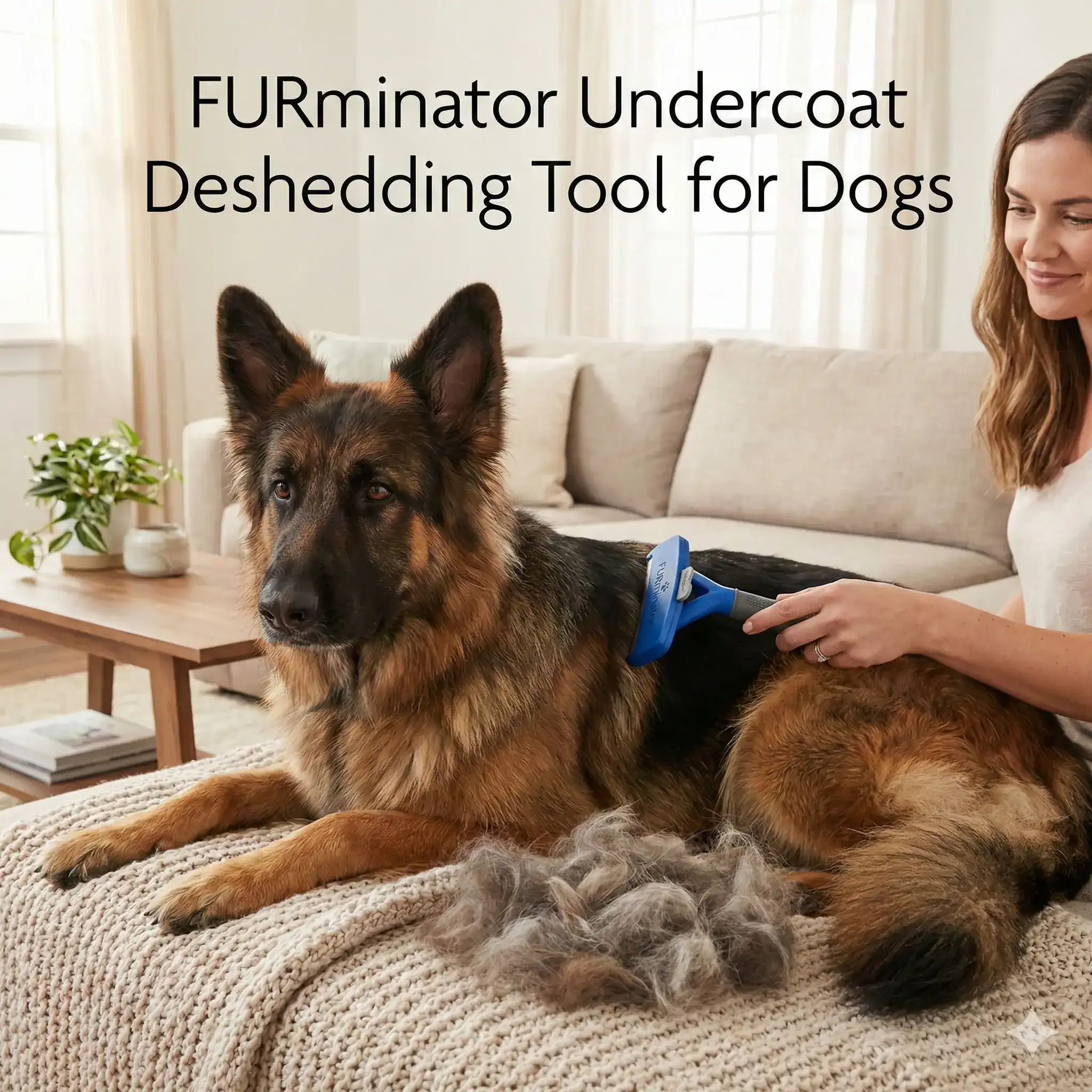
FURminator Undercoat Deshedding Tool for Dogs
Use for: Removing loose dead dog hair before it covers your furniture, reducing shedding by up to 90%, and keeping double-coated dogs comfortable during heavy seasonal coat blows.
View on AmazonRegular brushing with an appropriate brushing tool helps remove dead hair and reduces the amount of shedding inside the home. Thick double-coated dogs benefit from tools designed specifically for reaching the dense inner layer rather than standard surface brushes.
Never shave a Pyr. The coat provides essential insulation against both extreme cold and hot weather. Shaving destroys the natural temperature regulation system and leaves the skin highly vulnerable to sunburn.
Exercise
A Pyr is not a high-energy athlete. They conserve their energy, preferring a slow, steady patrol of their perimeter over playing fetch or running agility courses. A moderate daily walk is typically enough to keep them physically fit.
They are notorious roamers. A Pyr considers everything the eye can see to be their territory. If not secured behind a solid, 5-foot-minimum fence, they will expand their patrol radius until they are miles away from home. Owners jokingly call this the “disa-Pyr” act.
Electronic or invisible fencing is entirely insufficient. If they spot a coyote or a stray dog crossing the invisible line, their intense drive will push them straight through the shock to engage the threat. Once outside, they will not endure the shock to come back in.
Nutrition & Diet
Despite their massive size, they possess a highly efficient metabolism and eat significantly less than most people expect. Overfeeding is a common mistake that leads to rapid weight gain, putting disastrous pressure on their joints.
🐶 Puppy Stage
A large-dog puppy formula is essential during this stage. A Great Pyrenees puppy must receive diets that balance calcium and phosphorus to slow down bone growth. Fast growth in giant dogs dramatically increases the risk of hip dysplasia and other skeletal problems.
🐕 Adult Stage
A 100-pound Pyr often eats the same amount as a 60-pound active sporting dog due to their energy-conserving nature. Feed measured meals twice daily and monitor body condition by checking the ribs. You should feel them easily beneath the coat without pressing hard.
🐕🦺 Senior Stage
By age 7 to 8, transition to a senior formula with cartilage-support compounds including glucosamine and chondroitin. Reduce portions slightly and split meals into two or three smaller feedings to ease digestion and reduce bloat risk. Increase veterinary checkups to twice annually to catch organ or structural decline early.
Training
🛑 Socialization Is Non-Negotiable
A dog wired to defend territory must clearly understand what is normal in their environment so they can accurately identify what is a genuine threat. Expose them early and often to neutral strangers, loud noises, and other animals. Without this early exposure, their natural suspicion turns into a dangerous liability.
👑 Independent Thinking
Obedience training requires extreme patience. They are incredibly strong and fully capable of ignoring commands they deem unnecessary. Standard obedience tactics often fail because the dog sees no practical reason to sit or stay when they could be patrolling.
Keep training sessions short, use positive reinforcement, and establish yourself as a calm, consistent leader. You cannot force a Pyr through physical intimidation. You must earn their cooperation through mutual respect.
Great Pyrenees vs Kangal vs Central Asian Shepherd
While the Great Pyrenees is the most common livestock guardian in suburban areas, it is often compared to other formidable protectors. What the Great Pyrenees makes up for in gentleness, it trades for in sheer vocal persistence. All three are independent, massive, and highly protective, but they handle threats differently.
Guardian Comparison
| Attribute | Great Pyrenees | Kangal | Central Asian Shepherd |
|---|---|---|---|
| Approach | Gentle deterrent, barks first | High-speed interceptor | Direct physical confrontation |
| Size | 85-160 lb (39-73 kg) | 90-145 lb (41-66 kg) | 88-150+ lb (40-68+ kg) |
| Stranger Tolerance | Moderate (if introduced) | Low to Moderate | Very Low |
| Best Fit | Hobby farms, suburban acreage | Active wolf confrontation terrain | Heavy predator deterrence on sprawling land |
The Great Pyrenees is typically the gentlest and most tolerant of visitors among the three, making it a stronger choice for properties with regular foot traffic. The Kangal is faster, leaner, and more willing to physically engage a threat at speed. The Central Asian Shepherd is the heaviest and most confrontational, relying on sheer mass and intimidation. For hobby farms or properties with frequent guests, the Pyr is often the safest choice. For isolated areas with serious predator pressure, the other two are typically stronger options.
FAQ
Do Pyrs bark a lot?
Direct Answer: Yes. They are an exceptionally vocal dog, particularly at night.
Context: Barking is their primary method of keeping threats away. They will bark at distant noises, passing cars, wildlife, and changing shadows. This is not a behavioral flaw. It is their core function.
Management: You cannot train the guard bark out of them. Secure them indoors at night with white noise to minimize neighbor complaints.
Are they good family pets?
Direct Answer: Yes. Great dogs for families, they are incredibly gentle and devoted to their immediate household.
Context: They treat children as their flock, showing remarkable patience. Their massive size means they can accidentally knock over toddlers. They may also misinterpret roughhousing between kids as an attack requiring intervention.
Management: Supervise all interactions with young children. Introduce visiting friends to the dog calmly before allowing active play.
Can they live in an apartment?
Direct Answer: No. Keeping this dog in an apartment is highly impractical and usually ends poorly.
Context: While their energy levels are low indoors, their loud, booming bark and need to patrol make dense housing situations a nightmare for neighbors.
Management: Only consider this dog if you have a securely fenced yard or rural acreage.
How much do they shed?
Direct Answer: They shed constantly, producing an enormous amount of loose white hair.
Context: Their thick double coat blows out heavily twice a year, covering furniture, floors, and clothing in fur. Year-round shedding is constant even between the major coat blows.
Management: Invest in quality deshedding tools and brush them at least three times a week.
Are they aggressive toward strangers?
Direct Answer: They are highly suspicious of strangers but typically should not be aggressive without cause.
Context: They are wired to assess threats. If a stranger enters the home uninvited, the dog will actively block them. Once the owner introduces the guest, the dog usually settles.
Management: Early socialization is critical so the dog learns the difference between a normal visitor and a real threat.
Do they need a lot of activity?
Direct Answer: No. They require moderate, low-impact movement compared to other large dogs.
Context: They prefer slow patrols over intense running. A daily 30-45 minute walk is usually sufficient to maintain their physical condition.
Management: Focus on mental stimulation and providing a secure area for them to monitor rather than forcing cardiovascular workouts.
Will they run away if off-leash?
Direct Answer: Yes. They are notorious for roaming and expanding their territory if given the chance.
Context: They do not have reliable recall. If they spot something interesting a mile away, they will walk off to investigate it, completely ignoring your commands to return.
Management: Never trust this dog off-leash outside of a securely fenced, 5-foot minimum enclosure.
Are they expensive to maintain?
Direct Answer: Ownership costs run higher than most standard dogs across every category.
Context: Veterinary bills scale with body weight, so anesthesia, medications, and surgical procedures for a 100+ pound dog cost significantly more than for a medium-sized pet. Surprisingly, food costs are moderate because their slow metabolism means they eat less than expected for their size.
Management: Secure robust pet insurance immediately. Budget for monthly maintenance costs that are roughly double what a medium-sized companion would require.
Great Pyrenees: Quick Reference
| Attribute | Great Pyrenees | Best For | Not Ideal For |
|---|---|---|---|
| Exercise | Low intensity, slow patrols | Homes with secure yards | Active runners and cyclists |
| Protection | High alert, vocal deterrence | Rural areas, farms | Dense apartments |
| Training | Independent, stubborn | Patient, calm leaders | Obedience competitors |
| Vocalization | Heavy nocturnal barking | Isolated properties | Noise-restricted zones |
Finding a Puppy
Because their appearance attracts buyers who are unprepared for the barking and roaming, Pyrs are commonly seen in rescue organizations. A responsible breeder or a breed-specific rescue are equally valid starting points for finding an adult or puppy whose vocal habits and defensive drive match your situation. Reviewing thorough Great Pyrenees dog breed information before committing is the single best way to avoid a rehoming situation.
🏠 Responsible Source
A reputable source will demand to see your fencing before agreeing to a sale. They should readily provide OFA clearances for hips, elbows, patella, and eye certification on both parents. If a seller dismisses genetic testing or claims their dogs “don’t have joint issues,” walk away immediately. Expect a waitlist and a thorough application process from any serious program.
🐾 Rescue and Adoption
Many Pyrs enter the rescue system because well-meaning owners bought a cute, fluffy puppy without preparing for the massive, nocturnal, independently roaming adult it became. Adopting an adult allows you to assess the dog’s fully matured barking habits, stranger tolerance, and roaming tendency before bringing them onto your property.
🚩 Red Flags to Watch For
- No OFA scoring documentation for hips, elbows, or patella on parent dogs
- No eye certification from a veterinary ophthalmologist
- Puppies available immediately with no interview, application, or waitlist
- No questions asked about your fencing type, height, or property layout
- Parents displaying extreme human-directed aggression rather than calm alertness
Personal Observation
💭 Personal Observation
Moti, one of my rescued street dogs, once attacked another dog that walked into the compound uninvited. No warning bark, no gradual escalation. The other dog crossed what Moti had silently decided was the line, and he acted. I did not give him that command. I did not even know the other dog was there until I heard the fight. That single incident taught me something that applies directly to the Great Pyrenees: a territorial dog does not wait for your approval before enforcing boundaries it has drawn on its own. With Moti at 25 kg, the consequence was a vet visit and a few stitches. With a 100-pound Pyr that has decided the boundary extends two streets past your actual fence line, the consequence is a dog three blocks from home engaging a stranger’s pet at full defensive intensity while you are still asleep. The real danger with a roaming Pyr is not that they run away. They are not escaping. They are working. They have decided the patrol area is bigger than what you assigned, and no invisible fence or verbal recall will override that internal map once they have drawn it.
Conclusion
The Great Pyrenees is a masterpiece of canine adaptation, built to survive brutal winters and face down wolves on lonely mountain pastures. They are deeply loyal, profoundly gentle with their families, and visually stunning. The biggest pro is their calm, devoted presence indoors. The biggest con is the relentless nocturnal barking and roaming instinct that no amount of training will fully eliminate.
For the right owner with a secure fence, tolerant neighbors, and an appreciation for independent thinking, they offer quiet devotion that few other dogs can match. For anyone expecting an oversized retriever that stays in the yard without a fence, this dog will quickly become an overwhelming challenge.
Disclaimer: This article is for informational purposes only and does not constitute veterinary or professional advice. All health information is based on publicly available data and should not replace a physical examination or treatment plan from a licensed veterinarian. Product recommendations contain affiliate links. K9Sphere earns from qualifying purchases at no additional cost to you.


