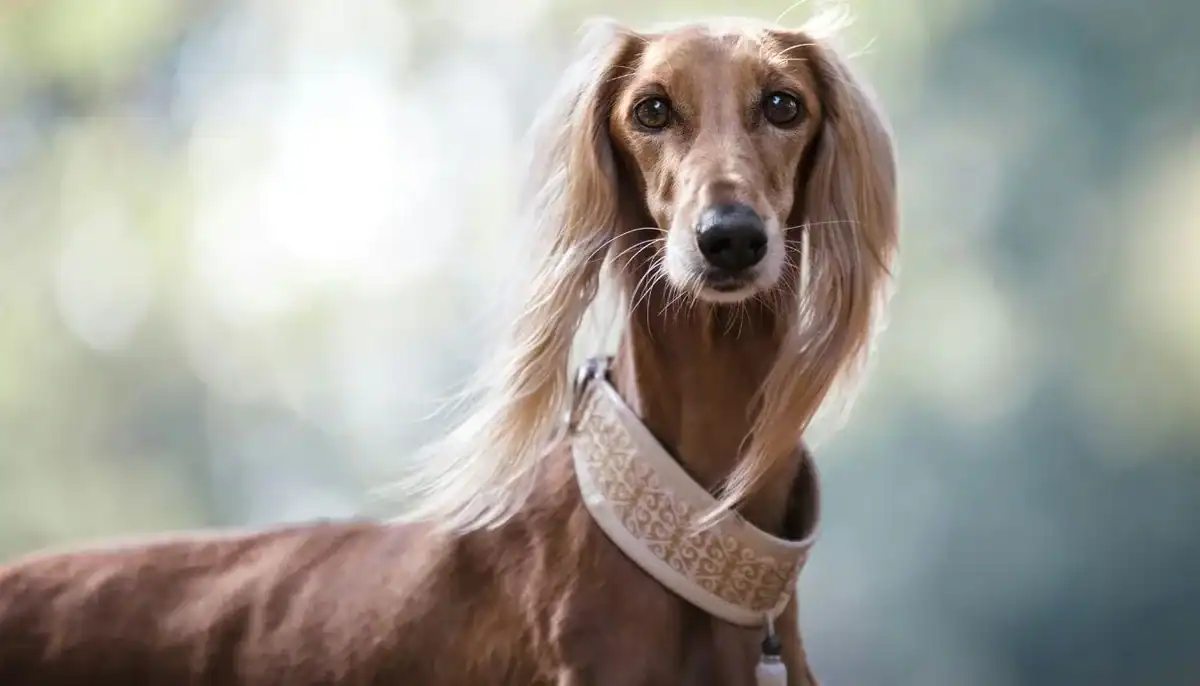
The best-known velcro dog breeds are the Vizsla, Labrador Retriever, Golden Retriever, German Shepherd, and Doberman Pinscher. Small lap dogs like the Chihuahua, Pug, and Maltese are velcro dogs too. Many dogs of these breeds love to stay right next to their people.
These dogs follow you from the kitchen to the living room. They wait outside the bathroom door. They want a spot on the couch that touches you. That is why people call them velcro dogs. Velcro is a brand of hook-and-loop strap, the fuzzy kind on some shoes and jackets that sticks tight when you press it together. These dogs stick to you just like that!
A Walk With a Dog Led to Velcro
In 1941, a Swiss engineer named George de Mestral took his dog for a walk in the woods. After the walk, burrs were stuck all over his pants and his dog’s fur. Burrs are small, prickly seed balls from some wild plants. You may have seen them stick to your socks after a walk through tall grass.
George looked at a burr up close. He saw that it was covered in tiny hooks. The hooks grabbed onto the little loops in cloth and fur. That gave him an idea!
He made a strap with two sides. One side has tiny hooks, like a burr. The other side has tiny soft loops. When you press them together, the hooks grab the loops and stick tight. In 1955, he got a patent, which means the idea was officially his. He named it Velcro, from the French words for velvet and hook (velours and crochet).
The National Inventors Hall of Fame tells this story. So the next time your velcro dog sticks close, remember that a walk with a dog helped start it all.
In this guide, you will meet 15 velcro dog breeds. You will also learn why they act this way and how to help them feel calm when you are away.
Affiliate Disclosure. As an Amazon Associate I earn from qualifying purchases. K9Sphere also participates in other affiliate programs and may earn commissions when you buy through links in this article, at no extra cost to you. Product recommendations are based on independent research and editorial judgment, not paid placement.
💡 Clingy Is Not the Same as Scared
Loving to be near you is normal. What matters is how your dog acts when it is left alone.
What Is a Velcro Dog?
A velcro dog is a dog that wants to be close to you almost all the time. That is the simple definition. It is not a kind of breed. It is just a fun nickname for a dog that wants to be your constant buddy.
How can you tell if your dog is one? Look for the habits below. Some dogs even seem to obsess over where you are. They always want to know where you went!
Some people call these dogs needy. But most of them just crave company. That means they really want to be with you. They have a strong emotional connection with their people. In other words, they love their family a lot!
Any dog can be a velcro dog. But some breeds do it more than others, and the next section explains why.
Why Do Some Dogs Stick So Close?
Dogs love company. Many of them feel a strong bond with their family. Here are four reasons some dogs stay extra close.
They Were Bred to Work With People
Long ago, many herding dogs and sporting dogs had jobs. They worked next to a human all day. Some herded sheep. Some fetched birds for hunters. Some guarded the home. To do their jobs well, they had to watch their person all the time. Many of these dogs still do that today.
They Were Bred to Be Lap Dogs
Many toy dog breeds had a different job. Their job was to keep people company. This is called companionship. They sat on laps and stayed close all day. So for many little dogs, being near you feels just right.
We Reward It Without Knowing
When your dog follows you, you might pet it or give it a treat. Your dog learns that staying close gets it good things. So it follows you even more!
Every Dog Is Different
A dog’s breed is only a small part of the story. A big 2022 study looked at this. It was printed in a science journal called Science. Scientists asked the owners of 18,385 dogs how their dogs act. They also tested the DNA of 2,155 of the dogs. DNA is like a set of instructions inside every living thing.
The study found that breed explained only about 9 percent of the differences in how dogs act. That is a very small part!
A dog’s own personality, age, and past matter a lot too. A dog may also stay close when it is bored, scared, or sick. A shy dog with low confidence may stick close to feel safe. So two dogs of the same breed can act very differently.
15 Velcro Dog Breeds
Here are 15 velcro dog breeds that often show up on lists of the most clingy dogs. The list has large, medium, and small breeds. They are not ranked from most to least clingy.
1. Vizsla
The Vizsla is so clingy that fans call it the “Velcro Vizsla.” This red-gold dog comes from Hungary. It was bred to hunt close to its owner all day long. That habit never went away.
Vizslas want to touch you, lean on you, and sleep next to you. They also need a lot of running and play every day. It is a great match for runners, hikers, and people who are home a lot.
2. Weimaraner
The Weimaraner comes from Germany. It was bred to hunt side by side with its owner. Its shiny silver-gray coat earned it the nickname “Gray Ghost.” But at home, this ghost never disappears. It sticks to you like glue!
Weimaraners love to follow their people from room to room. Many get upset when they are left alone, so they need to learn little by little that alone time is okay. They also need lots of running and play every day.
3. Labrador Retriever
The Labrador Retriever comes from Newfoundland, an island in Canada. Long ago, the dogs that came before Labs helped fishermen. They pulled in nets and grabbed fish from the water. Today, a Lab is happiest when it can join in whatever you are doing.
Most Labradors are friendly and love meeting people. A Lab will follow you to the kitchen, the yard, and even the car. Labs need to run and play every day. Fetch and swimming are two of their favorite games.
4. Golden Retriever
The Golden Retriever comes from Scotland. It was bred to fetch birds for hunters. To do that job, it had to watch its person and wait for the next task. That habit still shows today. A Golden always wants to be near its family.
Goldens are gentle, affectionate, and eager to please. Affectionate means very loving. They do not like being left out when the family is together. A long walk and a game every day help keep them calm and happy.
5. German Shepherd
The German Shepherd is known for being very loyal. Loyal means it sticks by its people. It was bred to herd sheep and keep them safe, with a shepherd close by. Many German Shepherds feel very close to their family and like to keep an eye on them.
A German Shepherd likes to know where you are all the time. It is very smart and learns fast. It needs training, exercise, and a job to do every day. Without them, it can get bored and restless.
6. Doberman Pinscher
The Doberman Pinscher was created in Germany by a tax collector named Louis Dobermann. He wanted a dog that would stay by his side and keep him safe. The breed still loves to stick close to its person.
Dobermans look tough, but many are big softies at home. They often lean their whole body against the people they love. They are smart, active dogs that need training and daily exercise.
7. Australian Shepherd
The Australian Shepherd did not come from Australia! It got its start on ranches in the United States. It was bred to herd cows and sheep, working right next to a rancher. Aussies often treat their family like a flock, or group of sheep, that they need to watch over.
An Aussie will follow you from room to room, like your shadow. It is a hard worker with lots of energy. It does best with an active family. It needs games, training, and room to run every day.
8. Border Collie
The Border Collie comes from the land where Scotland and England meet. It was bred to herd sheep. The shepherd often stood far away and gave orders with arm waves and whistles. One signal might mean “go left,” and another might mean “stop.” So the dog had to watch the shepherd all the time. That is why a Border Collie naturally keeps its eyes on you so much.
This is one of the smartest dog breeds in the world. It needs brain games and lots of running every day. If it gets bored, it may start chewing, digging, or barking too much.
9. French Bulldog
The French Bulldog was bred to be a friend to people. That was its main job! A Frenchie always wants to know what you are doing, and then it wants to join in.
Frenchies love to sit on laps and nap on the couch right next to you. Many will follow you from room to room just to stay close. Most are happiest when their people are home, so a Frenchie may not like being left alone for long hours.
10. Pug
Long ago in China, Pugs sat on the laps of emperors. An emperor is like a king. So Pugs have been close friends to people for a very long time. Many people call Pugs “shadows” because they follow their owners everywhere.
A Pug is funny and sweet. It loves lots of attention and is happy to nap right next to you. Most Pugs just want to be wherever you are.
11. Dachshund
The Dachshund comes from Germany. It was bred to hunt badgers, which are wild animals that live in holes under the ground. That job took lots of courage! At home, this bold little dog becomes a loving family pet.
Many Dachshunds love to dig under a blanket and snuggle right beside you. They like to stay close and be part of whatever you are doing. Wherever you go in the house, your Dachshund will probably want to come too.
12. Chihuahua
The Chihuahua is one of the smallest dog breeds in the world. It comes from Mexico. Chihuahuas often attach to a single favorite person and stay glued to that person all day.
This tiny dog loves to be held and carried around. It has a big personality, but it can be shy with people it does not know. So it may hide behind you or ask to be picked up. Early socialization, like meeting new people and places while it is young, helps it feel safe and confident.
13. Maltese
The Maltese is a very old breed. Long ago, families in Greece and Rome kept these little white dogs as lap dogs. Its main job has always been to keep people company, so staying close is what it does best.
A Maltese is gentle and playful. It can be happy in a small apartment, as long as its person is nearby. Many like to follow you around and curl up beside you when you sit down.
14. Cavalier King Charles Spaniel
The Cavalier King Charles Spaniel is named after King Charles II of England. He loved his little spaniels and took them almost everywhere he went. Today, Cavaliers still love to sit on laps, just like the king’s dogs did long ago.
This breed is sweet and easygoing. It is happy on a walk and just as happy on your lap. Most Cavaliers want to spend the whole day by your side.
15. Papillon
The Papillon gets its name from the French word for butterfly. Its big ears look like butterfly wings! For hundreds of years, kings and queens in Europe kept it as a lap dog.
A Papillon is small, but it is busy and very smart. It loves to learn tricks and to follow you around the house. It hates to be left out of the fun.
Other Breeds That Often Stick Close
These 15 breeds are not the only velcro dogs. Great Danes are huge dogs with a soft, gentle side, and many love to lean on their people.
Some smaller dogs stick close too. The Havanese, Italian Greyhound, Bichon Frises, Shih Tzus, and Cocker Spaniels often like to stay near you. The Poodle is another people-loving breed that enjoys being part of everything you do.
Velcro Dog vs Separation Anxiety
These two things can look alike, but they are not the same. A velcro dog would rather be with you. A dog with separation anxiety feels real fear when it is left alone, and it may panic.
✅ A Velcro Dog
- Follows you around the house
- Likes to sit or lie near you
- May watch the door when you leave
- Settles down after a while on its own
⚠️ A Dog With Separation Anxiety
- Barks, howls, or cries for a long time when alone
- Chews or scratches doors and windows
- Paces, pants, or drools a lot
- Has potty accidents only when left alone
The American Kennel Club says velcro dogs may be a little more likely to get separation anxiety, but that does not mean every clingy dog will.
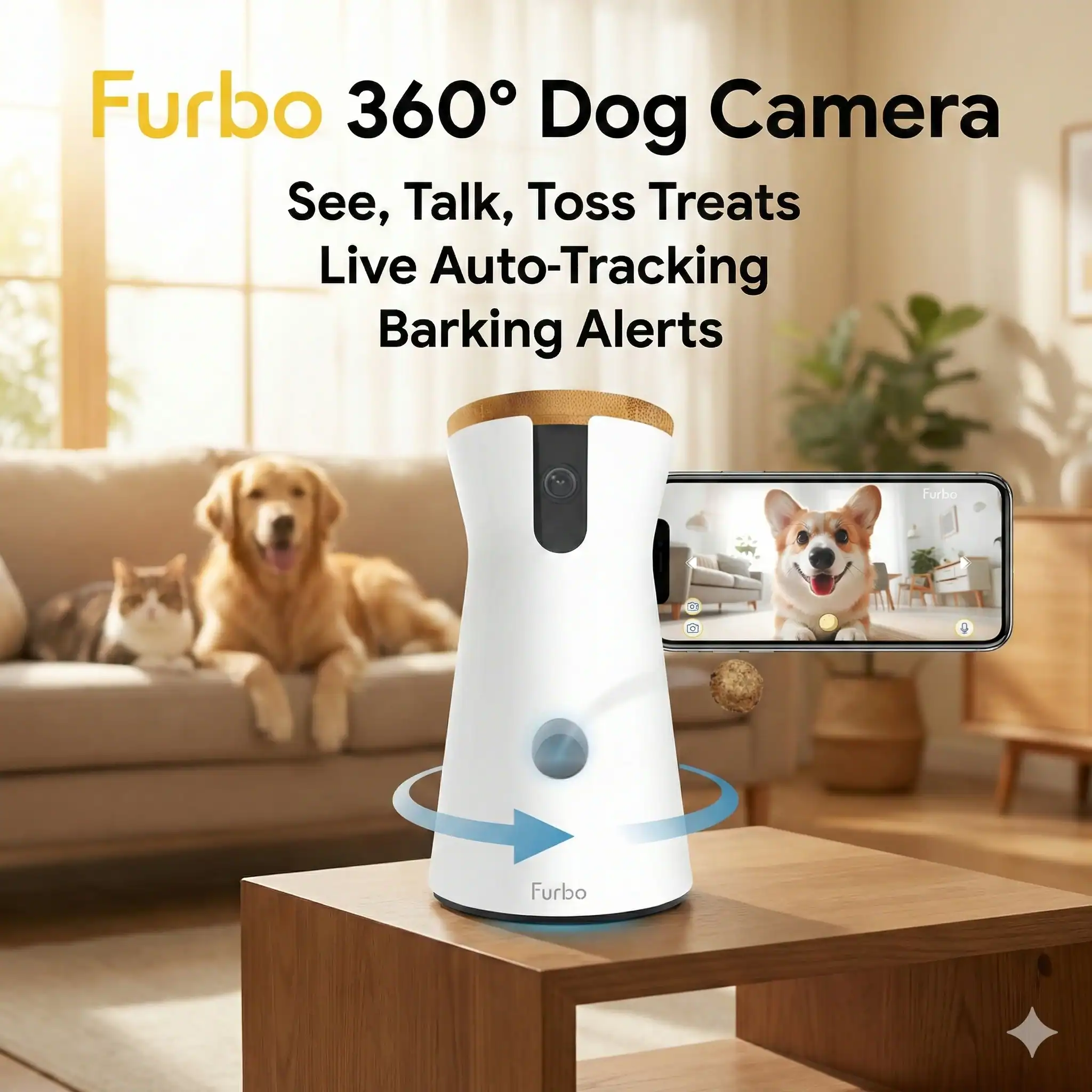
So how can you tell if your dog is just clingy or truly scared to be alone? It helps to see what your dog does while you are gone. A pet camera lets you watch from your phone. You can see if your dog rests, plays, or gets upset. A camera cannot tell you if your dog has separation anxiety, but you can share what you see with your vet.
These signs can have other causes too. The ASPCA lists things like a puppy that is still learning potty training, boredom, and health problems. If you see these signs again and again, visit your vet first. A dog that truly panics needs a slow training plan. A vet or a trained dog behavior expert can support you and help make that plan.
How to Help a Velcro Dog Feel Calm Alone
You do not need to stop your dog from loving you. The goal is to help your dog feel okay when you are busy or away. These five steps help your dog learn to be okay on its own. That is called independence. The steps are for a dog that is a little clingy, not for a dog that panics.
A tired dog rests better. Go for a walk or play an indoor game before you leave. Daily exercise is good for every dog, but it will not fix separation anxiety on its own.
Set up a comfy bed with a toy. Teach your dog to go there and stay. Give a treat when your dog settles down on the bed.
Step into another room for a few seconds. Come back before your dog gets upset. Slowly make the breaks longer over many days. If your dog seems upset, go back to shorter breaks.
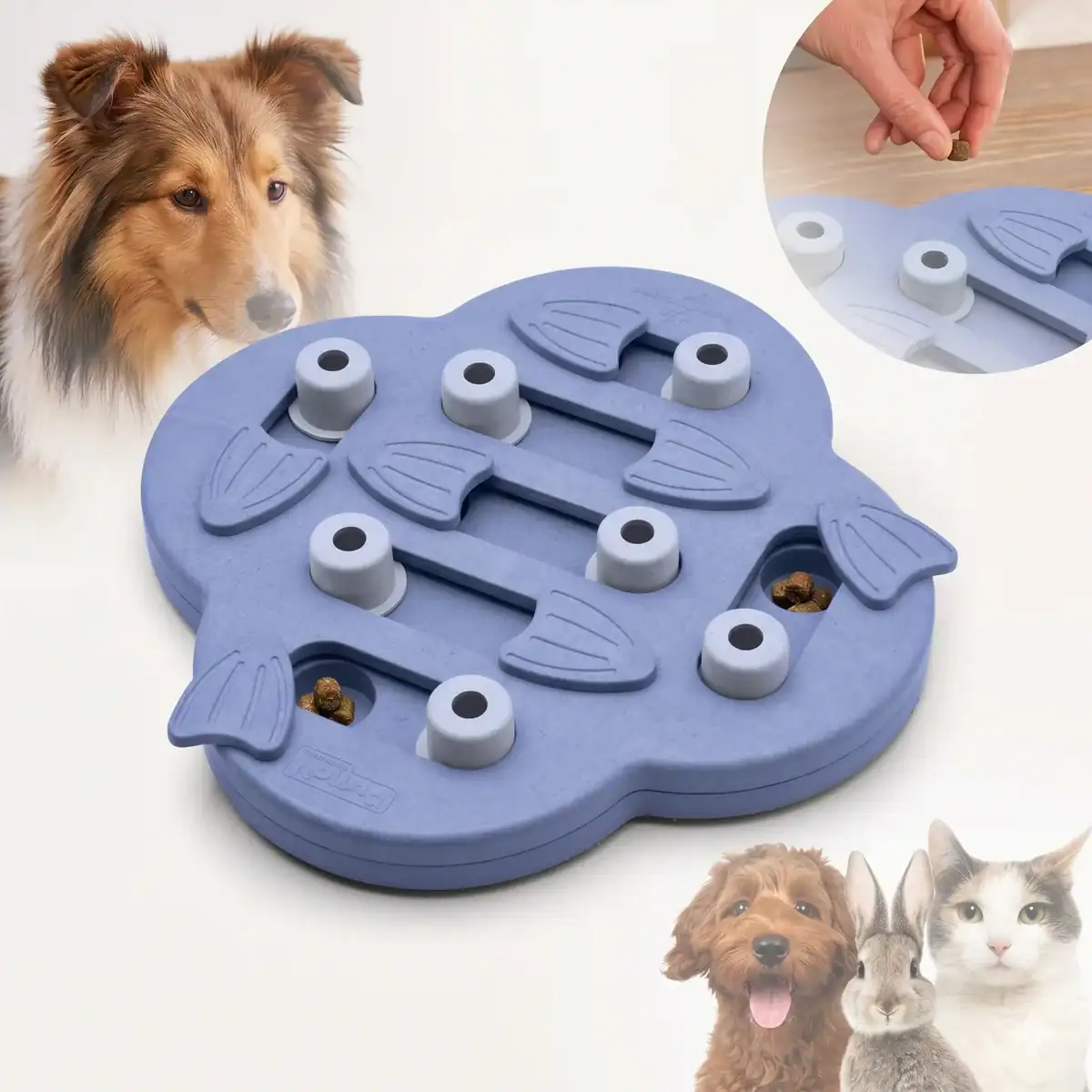
A puzzle toy or a food toy keeps your dog busy. It gives the brain something to work on while you are gone.
Ask other people in your home to feed, walk, and care for your dog. This helps your dog feel safe with more than one person.
This Outward Hound puzzle is one toy to try. Your dog slides and lifts the pieces to find hidden treats. Watch your dog the first few times it plays with it.
Is a Velcro Dog Right for You?
A velcro dog can be the best friend you ever had. These dogs are best for homebodies, which means people who like to stay home. They also suit people with remote jobs who work from home. Life with one can be hard if you are away from home a lot. Use these two lists to see where you fit.
👍 A Great Match If You
- Are home for much of the day
- Want a buddy for walks and couch time
- Enjoy training and playing every day
- Do not mind a furry shadow
🤔 Think Twice If You
- Are gone for most of the day
- Travel a lot without your dog
- Want a dog that likes its own space
- Have little time for exercise and play
These are starting points. Age, health, and each dog’s own personality matter too.
A Note From My Own Dogs
💭 Personal Observation
My own Labrador, Bruno, loved people. He greeted everyone with easy warmth and was always eager to connect. Some breeds on this list are known for wanting that same closeness, though every dog has its own personality.
Rusty, one of my rescues, is a different kind of dog. He is loyal, but he is happy to share a room without needing to be in my lap. Knowing both dogs showed me that being close means different things to different dogs.
Quick Questions About Velcro Dogs
Which dog breed is the most clingy?
No one has measured which breed is the most clingy. The Vizsla is often named first. Still, any dog of any breed can be a velcro dog.
Can a velcro dog be left alone?
Yes, most can learn to be alone for a while. The five steps above show how to build up slowly. If your dog panics when you leave, talk to your vet.
Why is my dog suddenly so clingy?
A dog that gets clingy all at once may not feel well. Senior dogs, or older dogs, can also stay closer when they start to lose their sight or hearing. A visit to the vet is the best first step.
Are male or female dogs more clingy?
There is no simple rule. Each dog is different, whether it is a boy or a girl. Breed, personality, and how a dog was raised all play a part.
Are rescue dogs more likely to be velcro dogs?
Some are. Many rescue dogs need extra time to settle into a new home. They may stay very close while they learn to trust their new family. Not every rescue dog becomes clingy. Being patient and keeping meals, walks, and bedtime at the same times each day helps a rescue dog feel safe.
Are velcro dogs hard to train?
Many are easy to train. A velcro dog already watches you closely, and that makes learning easier. Labrador Retrievers, Golden Retrievers, Border Collies, and Papillons love to work with their people and learn quickly. A few, like the Dachshund, can be stubborn. For them, short and fun lessons work best.
Are velcro dogs good for first-time owners?
Some are. Labradors, Golden Retrievers, and Cavalier King Charles Spaniels are friendly and eager to please. That is why people often suggest them for first-time owners. High-energy breeds like the Border Collie, Australian Shepherd, and Doberman Pinscher need lots of exercise, training, and careful handling, so they usually do better with owners who have had dogs before. Any dog still needs daily exercise, training, grooming, and vet care. Think about how much time you have.
Which dog breeds are most prone to separation anxiety?
Some studies have found links between certain breeds and separation problems, but the results differ from study to study. A dog’s breed alone cannot tell you if it will become prone to separation anxiety. Any dog can get it. A dog’s past, its daily routine, and big changes at home can all play a part. So watch your own dog, not just its breed.
Do velcro dogs make good family pets?
Many do. Breeds like the Labrador Retriever and Golden Retriever love to be part of family life. An adult should always watch young children and dogs when they are together.