

The Šarplaninac (pronounced shar-pla-nee-natz) is a breathtaking animal that commands immediate respect, especially for dog owners who understand serious livestock guardians. What you may not expect is the uncompromising intensity of a traditional mountain protector that was developed to confront wolves and bears in freezing high-altitude pastures.
In older texts from Illyria and the former Yugoslavia you may also see it called the Yugoslav shepherd, Sharplaninec, Macedonian shepherd, Greek Shepherd, or grouped with other Balkan mountain dogs from the Sar Planina range.
This is not a companion for a suburban backyard. They defend whatever herd they bond with, from sheep and goats to mixed farm stock. That role is their primary purpose, and every aspect of their temperament flows from it.
OFA orthopedic screening protocols and United Kennel Club breed standards shape the care guidance throughout this article.
Affiliate Disclosure: K9Sphere is a participant in the Amazon Services LLC Associates Program. As an Amazon Associate, K9Sphere earns from qualifying purchases made through links in this article at no extra cost to you.
Breed Snapshot
📊 Vitals and Lifespan
Height
Males: 24+ in (61+ cm)
Females: 22-24 in (56-61 cm)
Weight
Males: 77-100 lb (35-45 kg)
Females: 65-90 lb (30-40 kg)
Lifespan
11-13 years
Registry
AKC Foundation Stock Service
Origin
Macedonia / Serbia
🇲🇰 🇷🇸
⭐ Personality Traits
Ratings (1 to 5). A medium-sized, highly territorial working farm dog with deep independence and fierce dedication to its flock.
Origins
The Sarplaninac is an ancient shepherd dog that hails from the Šar Planina range and surrounding highlands of Kosovo, North Macedonia, Albania, and Serbia in southeastern Europe. Local shepherds have relied on these powerful dogs for centuries to defend their sheep from wolves, bears, and other large predators.
Originally registered under the name Illyrian Shepherd Dog in 1939 by the FCI, this livestock guardian breed was later renamed to reflect its specific geographic roots. The Yugoslavian government strictly controlled the export of the Sarplaninac until the 1970s, and they also served as formidable military dogs for the Yugoslav army. Over the past 20 years, the Sarplaninac has become increasingly valued by ranchers in the United States and Canada for its ability to guard livestock from coyotes and other predators.
📌 1939: FCI Recognition
The FCI officially recognizes the breed under the name Illyrian Shepherd Dog, grouping them with other ancient mountain dogs from the Balkans region.
📌 1957: Name Change
The name is officially changed to Yugoslavian Shepherd Dog Sharplanina, highlighting their origin in the Šar mountains rather than the broader Illyrian designation.
📌 1995: UKC Recognition
The United Kennel Club recognizes the Sarplaninac. Enthusiasts in North America begin using them actively to defend vulnerable flocks on working ranches.
Physical Characteristics
The Sarplaninac is a robust, heavily boned dog built for extreme weather and physical confrontation. The body is slightly longer than the height at the withers, creating a solid, imposing silhouette.
📏 Head and Build
They possess a massive head that is broad between the ears and tapers gradually toward the muzzle. The tip of the nose is large and black. Their almond-shaped eyes are dark or light chestnut, projecting a calm but piercing gaze. The tail hangs down naturally but raises in a saber curve when the dog is alert.
🎨 Coat and Colors
They carry a long, dense outer coat and a thick, fine inner coat, making them a breed with a long, weather-resistant covering ideally suited for high-altitude exposure. The hair forms a distinctive ruff or frill at the nape of the neck and creates thick breeches on the hind legs. Short hair covers the head and the front side of the legs. They come in solid colors ranging from white to dark brown, though iron gray is the most common color, with sable tipped in black also frequently seen.
💡 The Companion Myth
The reality: Many people read basic breed information online and assume large, fluffy dogs are oversized teddy bears. The Sarplaninac is among the most serious guard dog breeds on earth. They are fiercely territorial and will confront unknown humans and animals that enter their space without hesitation.
Temperament
The Sarplaninac character is defined by fierce independence and unwavering loyalty to the animals and people it lives with. They are deeply affectionate with their immediate household but remain naturally wary of strangers and slow to accept new people on their land.
🧠 The Independent Thinker
Unlike German Shepherds, this breed does not wait for commands. They assess situations independently and decide how to react. This makes them brilliant at their job but incredibly frustrating for people who expect immediate obedience.
⚡ Low Resting Energy
They conserve their reserves. You will often find a Sarplaninac lying quietly, appearing asleep. However, they are constantly monitoring their environment and will explode into action if a predator approaches.
🌲 Fearless Defender
They will not back down from a bear, wolf, or strange dog entering their territory. They escalate from a warning bark to a physical response very quickly if the threat does not retreat.
📢 Territorial Intensity
They are highly territorial and can become aggressive toward anything they perceive as a threat. Without a strong, confident handler guiding them, they will attempt to control all movement on your property. They must be managed carefully when visitors or delivery drivers arrive.
Screening and Conditions
Veterinary Disclaimer: The information provided in this article is for educational purposes only and is not intended as a substitute for professional veterinary advice, diagnosis, or treatment. Always consult a licensed veterinarian for any concerns about your dog.
Sources: Data compiled from:
Always consult your licensed DVM for personalized medical advice.
As an ancient landrace population, the Sarplaninac is one of the more robust large breeds and avoids many genetic health conditions common in overbred companion dogs. However, their substantial build makes them vulnerable to a few specific issues.
🔴 Gastric Dilatation-Volvulus (Bloat)
What to watch for: A life-threatening emergency where the stomach fills with gas and twists on itself, cutting off blood supply. Deep-chested large breeds are highly susceptible.
Screening: Preventive gastropexy surgery can tack the stomach to the abdominal wall to prevent twisting.
Management: Never run the dog immediately before or after meals. Use slow-feeder bowls and split meals into multiple smaller servings rather than one large portion.
🟡 Hip and Elbow Dysplasia
What to watch for: Malformation of the hip or elbow sockets that causes pain, limping, and arthritis. The dog’s heavy mass accelerates wear on the affected structures.
Screening: Sources must provide passing OFA or PennHIP scores for both parents before breeding. Starting a proven hip and joint supplement supports cartilage over time.
Consult your veterinarian before starting any supplement regimen for your dog.

Nutramax Cosequin for Dogs Joint Health Supplement
Use for: Supporting structural integrity in heavy-framed working breeds. Helps maintain cartilage and mobility as a 100-pound dog carries significant load across rough terrain.
View on AmazonGrooming
Their dense, weather-resistant coat sheds heavily year-round, with massive blowouts occurring seasonally. You must brush them thoroughly several times a week to reach the thick inner layer and prevent painful mats from forming behind the ears or in the breeches. Bathing should be infrequent to avoid stripping the natural oils that make their covering weather-resistant.
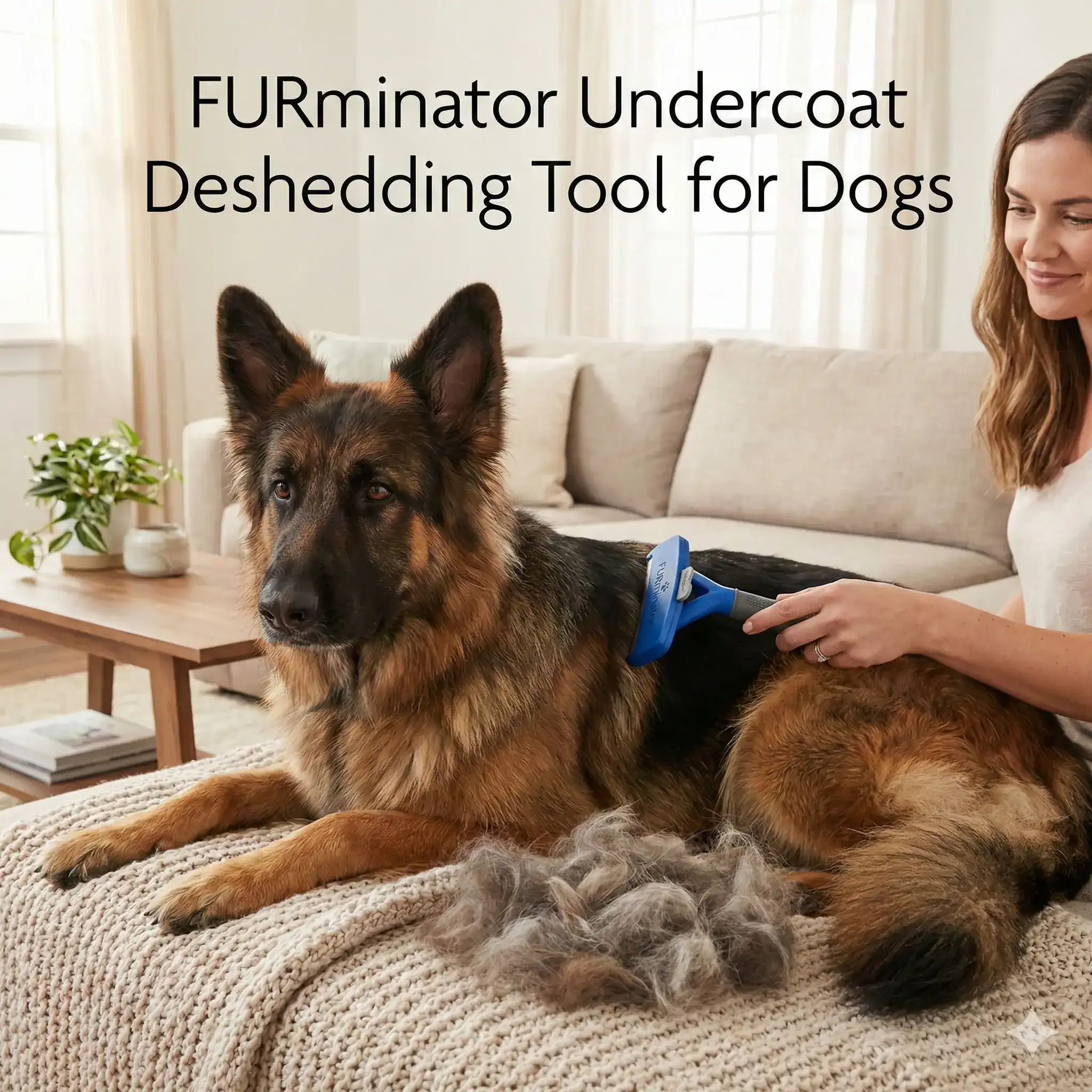
FURminator Undercoat Deshedding Tool for Dogs
Use for: Managing the heavy shedding of a mountain working dog’s coat. Safely pulls dead inner-layer hair before it forms mats or covers your floors.
View on AmazonRegular brushing with an appropriate grooming tool helps remove dead hair and reduces the volume of shedding inside the home. Heavy double-layered breeds like the Sarplaninac benefit from tools designed specifically for reaching the dense underlayer.
Activity and Space
The Sarplaninac is not a jogging companion. They require vast amounts of secure outdoor space to patrol. A walk around a suburban block will not satisfy their deep-rooted instinct to secure a perimeter. Fencing must be tall, secure, and dug deeply into the ground, as they will attempt to expand their territory if they spot a threat outside.
This mountain breed thrives in freezing conditions. They genuinely struggle in high heat and humidity. Handlers in warmer climates must provide deep shade, cool surfaces, and unlimited fresh water. Never force a Sarplaninac to exert itself during the heat of the day. An orthopedic dog bed supports recovery after long patrol nights and cushions their heavy frame.
Nutrition
A heavy-framed working breed requires specialized feeding to ensure a long, functional career. Because they are often less active than sporting breeds, overfeeding leads directly to obesity and catastrophic structural failure.
🐶 Puppy Stage
Sarplaninac puppies grow rapidly and must be fed a strict large-breed formula. Controlling calcium and phosphorus levels prevents bone deformities. Keep puppies lean to support their developing skeleton.
🐕 Adult Stage
Adults actively patrolling acreage burn more calories than one resting in a yard. Adjust portions based on body condition and seasonal activity. A meat-based, high-quality formula supports the muscle mass they carry without encouraging excess weight.
🐕🦺 Senior Stage
Seniors slow down significantly and require fewer calories. Adding supplements with glucosamine, omega fatty acids, and digestive support helps maintain their mobility and comfort as arthritis sets in. Increase veterinary checkups to twice yearly.
Conditioning
Working with a Sarplaninac requires a totally different approach than teaching a retriever or a Border Collie. They are not eager to please. They view instruction as a negotiation and will only follow someone they respect as a fair, confident leader.
🎯 Earning Respect
You cannot use physical force on a dog this size. You must establish boundaries from the start, using calm, unyielding consistency. If you allow a Sarplaninac puppy to push boundaries, the adult dog will assume control of the household and become a massive liability.
🛡️ Socialization
Because they are genetically hardwired to be aloof and territorial, extensive socialization is mandatory. You must expose them to hundreds of neutral people, animals, and environments before they reach sixteen weeks of age. This teaches them to differentiate between normal activity and an actual threat.
Breed Comparison
| Attribute | Sarplaninac | Kangal | Caucasian Shepherd |
|---|---|---|---|
| Weight | 65-100 lb (30-45 kg) | 90-145 lb (41-66 kg) | 99-155 lb (45-70 kg) |
| Primary Role | Flock defender (mountain) | Flock defender (plains) | Property and flock defender |
| Independence | Very High | High | Extreme |
| Stranger Tolerance | Very Low | Low | Very Low |
| Agility | High (rocky terrain) | High (open plains) | Moderate (bulk-focused) |
| Household Suitability | Very Low (acreage required) | Very Low (acreage required) | Very Low (acreage required) |
The Kangal is significantly larger and was developed for open Anatolian plains rather than steep rocky terrain. The Caucasian Shepherd is the heaviest of the three and tends to be the most confrontational with strangers. The Sarplaninac occupies the middle ground in size but is arguably the most agile, having evolved to navigate steep, uneven mountain terrain at speed. All three demand experienced handling, vast acreage, and dedicated socialization.
FAQ
Are Sarplaninacs suitable for households?
Direct Answer: Only for highly experienced handlers on large properties.
Context: They are deeply bonded with and protective of their own household, but their territorial instincts make them very difficult to handle around children’s visiting friends or busy social situations.
Management: Only consider this breed if you have acreage, secure fencing, and extensive background handling independent working dogs.
Are they straightforward to teach?
Direct Answer: No, they are notoriously stubborn and independent.
Context: They were developed to make their own decisions while defending a flock alone on a mountain. They do not see the point of repetitive obedience drills.
Management: Focus on mutual respect and functional boundaries rather than trick work. Professional guidance from someone experienced with livestock defenders is highly recommended.
Do they get along with other dogs?
Direct Answer: They can coexist with dogs in their own group, but are extremely confrontational with strange dogs entering their space.
Context: A Sarplaninac views any unknown dog on its land as a predator. Same-sex aggression is very common, even among dogs raised together.
Management: Do not take this breed to an off-leash dog park. Introduce them to resident animals very carefully while they are young.
How does it compare to a Caucasian Shepherd?
Direct Answer: They are similar mountain working dogs, but the Sarplaninac is slightly smaller and generally more agile.
Context: The Caucasian Shepherd tends to be bulkier, while this breed was developed to navigate steeper, rockier terrain in what is now North Macedonia and Serbia.
Management: Both require expert handling, massive acreage, and dedicated socialization.
Is the breed recognized by the AKC?
Direct Answer: It is associated with the AKC through the Foundation Stock Service (FSS), which supports rare breeds working toward full recognition.
Context: They are fully recognized by the FCI and the United Kennel Club. The AKC uses the FSS program to maintain records for rare breeds.
Management: When sourcing a puppy, look for lines registered with the UKC or dedicated parent clubs.
Do they bark a lot?
Direct Answer: Yes, alert barking is a core part of their defense strategy.
Context: A Sarplaninac will bark powerfully into the night to warn predators to stay away from the animals it is defending. They use their voice as the first line of response.
Management: You cannot suppress the bark out of a dedicated flock defender. Do not bring this breed into a neighborhood with close neighbors.
Can they survive in an apartment?
Direct Answer: Effectively no.
Context: Keeping a 100-pound territorial dog in a small, enclosed space with strangers constantly walking past the door is very likely to create severe behavioral issues.
Management: This breed requires a large yard, acreage, or a farm to fulfill its genetic instinct to patrol and secure a perimeter.
Are they expensive to maintain?
Direct Answer: Moderate to high, depending on veterinary needs and property requirements.
Context: The breed itself is rare outside the Balkans, so initial acquisition through a responsible source typically carries a premium. Ongoing costs include large-breed feeding, fencing maintenance, and potential orthopedic care as they age.
Management: Budget for ongoing veterinary monitoring from the start. Secure fencing alone represents a significant upfront investment.
Finding a Sarplaninac
Finding a well-bred Sarplaninac from stable working lines requires significant effort. They are not mass-produced companion dogs. You must evaluate sources rigorously to ensure you are getting a stable, sound working animal.
🔬 Responsible Source
A reputable source prioritizes stable temperament and working ability. They will show OFA clearance for hips and elbows on both parents. Expect them to interrogate you about your fencing, your background with independent breeds, and your plans for the dog. They will refuse to place a puppy if you are in an apartment.
🐾 Rescue and Adoption
Finding a purebred Sarplaninac in a standard shelter is rare. However, livestock working dog rescues often handle dogs surrendered by people who underestimated their size and territorial instincts. Adopting an adult allows you to assess their true disposition before bringing them home.
🚩 Red Flags
- Source cannot provide verifiable screening records
- Puppies are sold as “easy household companions”
- Source does not ask about your fencing or acreage
- Parents display fearful or erratic responses
- Puppies are kept in dirty or isolated conditions
Personal Observation
💭 Personal Observation
My rescue dog Rusty is a natural alpha who patrols our compound and never backs down from a threat. He defends purely on instinct. Another rescue of mine, Moti, actually attacked a dog entering his territory years ago. That incident forced me to step up as the absolute pack leader with clear, firm corrections. Handling strong, independent dogs requires you to be completely confident in every interaction. The Sarplaninac carries that same instinct but in a 100-pound (45 kg) body. You cannot physically force this breed to comply. You must earn their respect through calm, consistent leadership before they ever reach adulthood.
Conclusion
The Sarplaninac from the Šar Planina range is a magnificent, ancient working dog that demands profound respect. They are not companions in the traditional sense. They are dedicated canine professionals built to safeguard life against lethal predators.
The biggest pro is an unmatched level of loyalty and territorial commitment to the animals and people in its care. The biggest con is the extreme independence and stranger hostility that makes them completely unsuitable for suburban or urban settings. For the rancher or experienced handler who understands the nature of a traditional livestock defender, the Sarplaninac offers capability that few modern breeds can match.
Disclaimer: This article is for informational and educational purposes only. It does not constitute veterinary advice, medical diagnosis, or treatment recommendations. Always consult a licensed veterinarian before making decisions for your dog. Product recommendations contain affiliate links. K9Sphere earns from qualifying purchases at no additional cost to you.


