
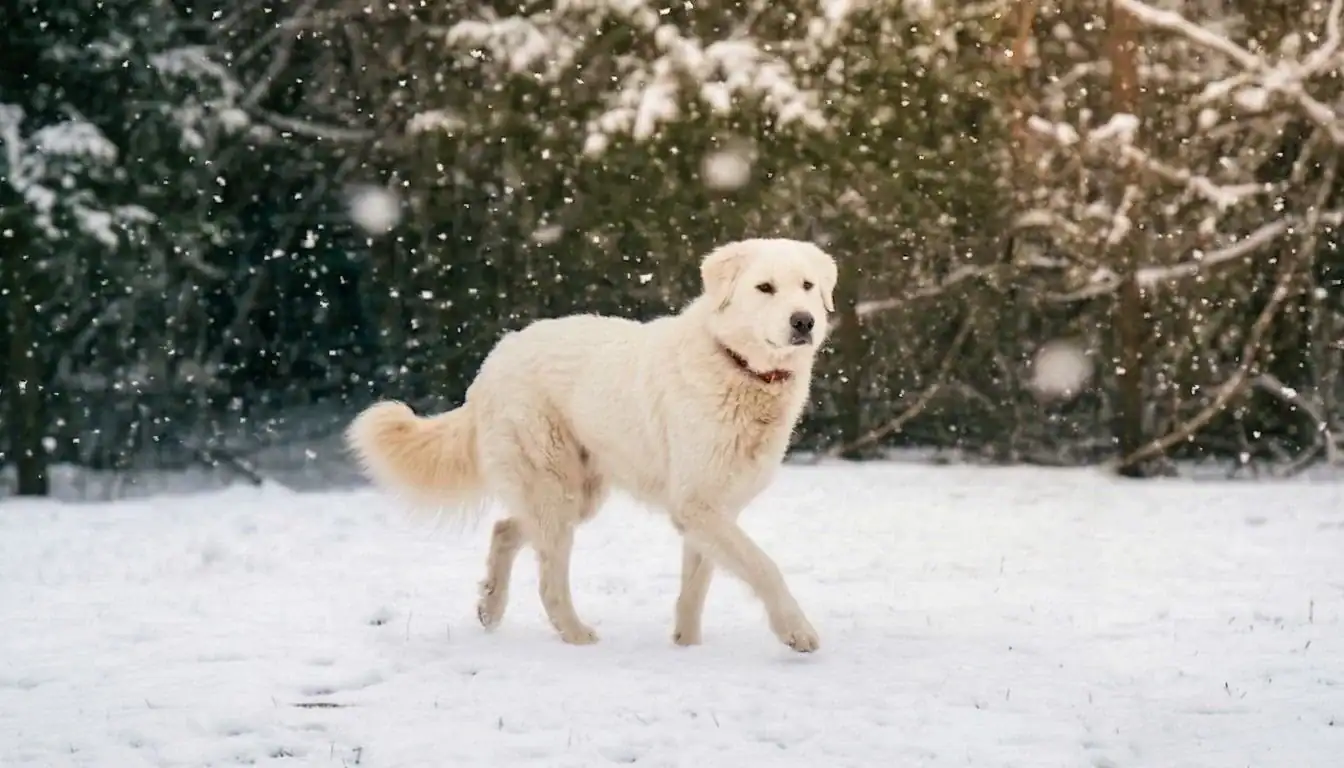
The Akbash is a large Turkish livestock guardian built to patrol property, protect flocks, and make independent decisions without waiting for human instruction. Most people assume that any fluffy white dog will make a wonderful, cuddly companion for a suburban household. For this ancient protector, that assumption is a serious mistake.
Beneath that calm exterior is a fiercely independent mind operating on thousands of years of survival programming. This is a livestock protector, bred to defend flocks from wolves and coyotes without waiting for human instructions.
This guide draws on OFA CHIC screening protocols and protector-type standards to explain exactly what living with this Turkish sentinel entails.
Affiliate Disclosure: K9Sphere is a participant in the Amazon Services LLC Associates Program. As an Amazon Associate, K9Sphere earns from qualifying purchases made through links in this article at no extra cost to you.
Breed Snapshot
📊 Vitals and Lifespan
Height
Males: 30-34 in (76-86 cm)
Females: 28-32 in (71-81 cm)
Weight
Males: 95-140 lb (43-64 kg)
Females: 75-105 lb (34-48 kg)
Lifespan
10-12 years
Registry
UKC / Akbash Dog Assoc. International
Origin
Turkey
🇹🇷
⭐ Personality Traits
Ratings (1 to 5). A calm, independent guardian that springs into action the moment it senses a threat. Their suitability is highest for experienced rural handlers with acreage and secure perimeter fencing. They get along well with livestock but require great care around strangers and unfamiliar animals. A large, powerful dog that conserves energy until it counts.
History and Origin
The Akbash originated in the rugged plains and mountains of western Turkey. They are one of several regional flock protectors, closely related to the heavier Kangal Shepherd Dog and the Anatolian Shepherd. Early shepherds developed these dogs for one specific purpose: to remain with sheep and defend them from threats. They were not bred to herd. A herding type moves livestock; a protector remains among them as a silent deterrent.
📌 3,000+ Years Ago: Ancient Roots
The Akbash traces its origins back an estimated three millennia in the plains of Turkey, acting as the primary defense against wolves for nomadic shepherds. Their pale coat was an intentional choice, allowing shepherds to distinguish the dog from dark-coated wolves during nighttime encounters.
📌 1978: Introduction to the US
Americans David and Judy Nelson imported the first Akbash dogs to the United States and helped establish the Akbash Dog Association International after documenting their impressive stock-protection abilities in Turkey.
📌 1990s-Present: Conservation Programs
Agricultural organizations in North America began recommending the Akbash to ranchers as a non-lethal method of reducing losses to wildlife. This approach protects both the flock and endangered carnivores, avoiding the cycle of lethal predator removal.
Today, on working properties you will most often see Akbash dogs stationed full-time with sheep or goat herds, and many are also trusted to watch over free-range chicken flocks. Their non-herding approach means they integrate into the group rather than driving it from place to place.
Physical Characteristics
This is a very tall, athletic sentinel built for sudden bursts of speed. Unlike the heavier Great Pyrenees or a Maremma Sheepdog, the Akbash has a leaner frame. Adults are surprisingly agile for their size. They tolerate a range of climates but struggle in hot, humid conditions without shade and airflow.
📏 Build
A male can stand up to 34 inches (86 cm) at the shoulder and weigh over 130 pounds (59 kg). Despite their stature, they are remarkably agile and capable of short bursts of impressive speed when responding to threats. Their long legs, deep chest, and alert posture give them a distinctly noble appearance.
🎨 Coat and Color
They feature a weather-resistant double coat that is always pale or light biscuit. This is a functional trait, not cosmetic. It helped ancient shepherds distinguish the guardian from dark-coated wolves during nighttime encounters. The coat is largely self-cleaning; mud and dirt dry and fall off without intervention.
Temperament
The Akbash is not a typical companion animal. As an LGD (livestock guardian dog), they bond deeply with their household or flock, but they are not attention-seeking compared to standard companion types. They are intelligent enough to assess situations independently instead of waiting for constant direction, and their strong prey awareness helps them notice movement at the edge of a pasture long before anyone else. When properly introduced, they can manage coexistence with other working dogs on the same property.
🛡️ The Guardian
Their defensive drive is intense. They will calmly observe their surroundings for hours, springing into action only when they sense danger. They use deep, resonant vocalizations as a first warning before escalating. This is the same escalating deterrence protocol used by the Kangal and other Turkish sentinel breeds.
🧠 Independent Thinker
They were developed to make decisions while alone in the mountains. Because of this, they are highly autonomous and may disregard commands if they feel their judgment is more appropriate for the situation. Unlike a Labrador or Golden Retriever that eagerly waits for direction, the Akbash decides first, then considers your input.
👨👩👧 Household Bond
They are generally gentle with children in their own circle. However, they can sometimes mistake roughhousing between your children and visiting children as a genuine threat. Supervision is essential during playdates and social gatherings.
🔋 Low Output, High Alert
Most of the time, they appear calm, choosing to rest near a high vantage point. This is energy conservation. When an issue arises, they can accelerate from rest to top speed in seconds. Unlike a Border Collie that requires constant engagement, the Akbash conserves its power for genuine threats.
Screening and Conditions
Veterinary Disclaimer: The information provided in this article is for educational purposes only and is not intended as a substitute for professional veterinary advice, diagnosis, or treatment. Always consult a licensed veterinarian for any concerns about your dog.
Sources: Data compiled from:
- OFA CHIC: Recommended screening protocols for giant protective types
- AVMA: Emergency protocols for bloat and gastric dilatation-volvulus
Always consult your licensed DVM for personalized medical advice.
Like many ancient working types, the Akbash is generally robust and hardy. Their primary risks stem from their stature and rapid growth rate during the puppy phase. Hip dysplasia is the most documented orthopedic concern. A responsible breeder on a working farm will screen for this before any litter is produced. With proper sourcing and weight monitoring, most enjoy a full 10-12 year lifespan.
🔴 Hip Dysplasia
What to watch for: The most common orthopedic concern in tall sentinel types. The joint develops improperly, causing bone-on-bone contact and eventually painful arthritis.
Screening: Sources must provide OFA evaluations for both parent dogs. Keeping the dog lean throughout life helps reduce joint stress. Starting a proven hip and joint supplement supports cartilage as the dog ages.
🟡 Gastric Dilatation-Volvulus (Bloat)
What to watch for: As a deep-chested type, they face an elevated risk of GDV, where the stomach fills with gas and can twist on itself, cutting off blood flow. This is a medical emergency requiring immediate veterinary intervention.
Screening: Feed smaller, more frequent meals and avoid vigorous movement immediately after eating. Some veterinarians recommend prophylactic gastropexy during spay/neuter surgery to prevent torsion.
Ethical sources also screen for osteochondritis dissecans (OCD), autoimmune thyroiditis, epilepsy, and cruciate ligament injuries. Providing an orthopedic dog bed supports their frame during rest and cushions pressure points on joints that carry substantial weight.
Consult your veterinarian before starting any supplement regimen for your dog.
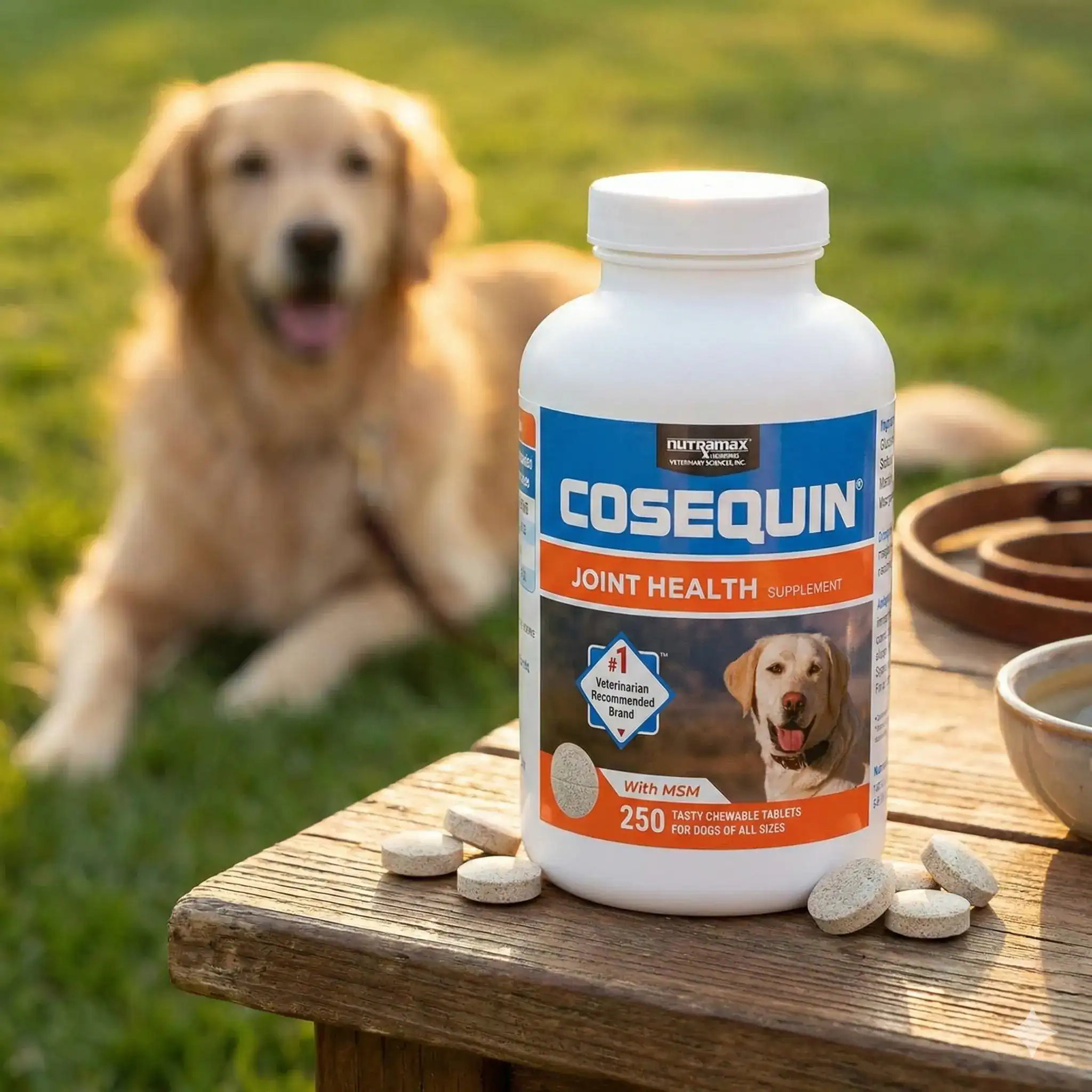
Nutramax Cosequin for Dogs Joint Health Supplement
Use for: Supporting joint integrity in tall sentinel types that carry substantial frame weight. Helps maintain cartilage and connective tissue as the dog ages.
View on AmazonGrooming
Their pale double coat is surprisingly self-cleaning. Mud and dirt generally dry and fall off without intervention. However, they are consistent shedders throughout the year, and twice a year they experience a coat blowout, dropping their thick inner layer in clumps. During these periods, brushing several times per week becomes essential to prevent matting.
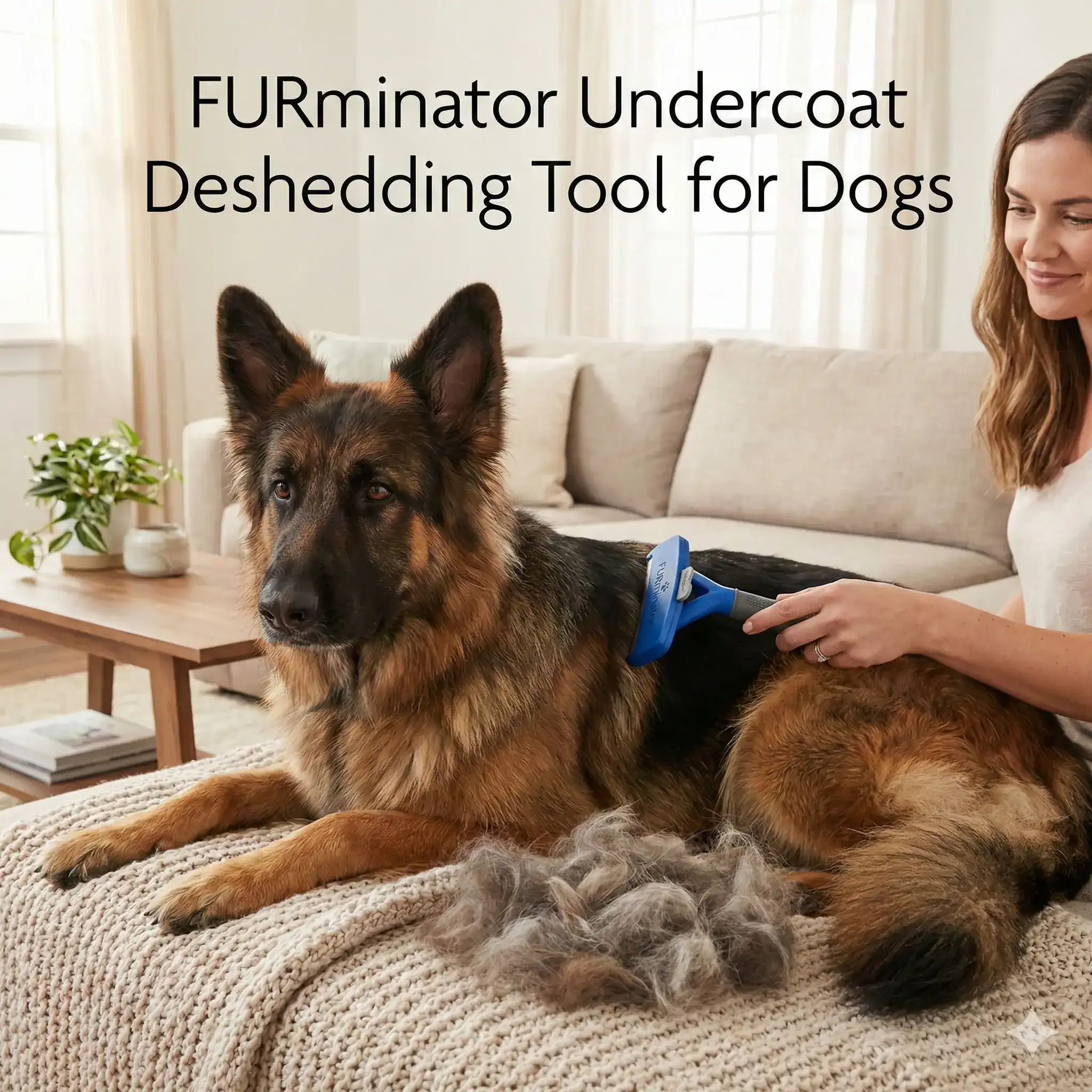
FURminator Undercoat Deshedding Tool for Dogs
Use for: Removing loose inner-layer hair and reducing seasonal shedding in double-coated sentinel types. Reaches the dense woolly layer that standard brushes cannot access.
View on AmazonRegular brushing with an appropriate grooming tool helps remove dead hair and reduces loose fur inside the home. Bathing should be infrequent to preserve the coat’s natural oils and weather-resistant properties.
Activity
The Akbash has a low requirement for structured physical output but a high requirement for territory and patrol access. A daily perimeter walk to inspect their boundaries is usually enough to keep them physically satisfied.
🏡 Territory Requirements
This type is generally not suited for apartment or suburban environments. They require a securely fenced area to patrol and monitor. A standard suburban yard is often too small, and their loud, booming nighttime vocalizations at perceived threats can quickly create issues with nearby neighbors.
🌡️ Climate Considerations
They tolerate cold weather exceptionally well thanks to their double coat. In hot, humid climates they struggle significantly and require access to shade, water, and airflow at all times. Breeds like the French Bulldog are famously heat-vulnerable, but the Akbash in a thick pale coat under direct sun faces similar thermal stress if shade is unavailable.
Nutrition
Feeding a very tall guardian type incorrectly during puppyhood can cause permanent structural damage. Their metabolism is highly efficient, designed to survive on modest rations while guarding flocks in the mountains.
🐶 Puppy Stage
Puppies must be kept on a strict giant-type puppy formula that carefully controls the calcium-to-phosphorus ratio to prevent accelerated bone growth. Overfeeding during this phase places serious stress on developing joints. Feed measured meals three to four times daily.
🐕 Adult Stage
Many people are surprised by how little an adult Akbash eats relative to its stature. Divide daily food into two smaller meals and use a slow feeder bowl to reduce bloat risk. Prevent vigorous movement for an hour before and after meals.
🐕🦺 Senior Stage
As activity decreases with age, caloric intake should be reduced accordingly. Joint supplements containing glucosamine become increasingly important to support aging hips in a dog that may have spent years patrolling rough terrain. Increase veterinary checkups to twice yearly.
Conditioning
Working with a livestock guardian requires an entirely different mindset than working with a retriever or herding dog. You are not conditioning them to perform tasks. You are channeling their natural drives and building mutual trust.
🧠 Independent Decision Making
Because they were developed to work without human supervision, they will frequently evaluate whether your direction makes sense before responding. Positive reinforcement and mutual respect produce the strongest results. Harsh corrections typically damage trust and cause them to shut down or become defensive.
🐕 Early Socialization
Socialization should start the day the puppy arrives. Exposure to a wide variety of friendly strangers, visitors, and other animals helps them learn what is normal. Even with extensive socialization, most will remain naturally cautious around anyone outside their immediate circle. One practical tip: walk the perimeter together daily so the dog learns exactly which boundaries it is expected to defend.
Breed Comparison
| Attribute | Akbash | Kangal Shepherd | Great Pyrenees |
|---|---|---|---|
| Weight | 75-140 lb (34-64 kg) | 90-145 lb (41-66 kg) | 85-115 lb (39-52 kg) |
| Build | Lean, athletic, fast | Mastiff-type, powerful | Heavy-boned, solid |
| Coat | Always white | Fawn with black mask | White, sometimes marked |
| Stranger Response | Very suspicious | Alert, measured | More tolerant |
| Lifespan | 10-12 years | 12-15 years | 10-12 years |
The Akbash vs the Kangal is the most common comparison because both are Turkish sentinel breeds. The Kangal is heavier, more mastiff-like in build, and generally slightly more tolerant of strangers once properly socialized. The Akbash is leaner, faster, and tends to be more suspicious of unfamiliar people. The Great Pyrenees is the closest Western equivalent, sharing the pale coat and protective role, but the Pyrenees is generally calmer with human visitors while being less athletically responsive to actual threats. A Maremma Sheepdog falls between the Akbash and Pyrenees in disposition. The biggest pro of the Akbash is their speed and lean athleticism combined with genuine perimeter coverage. The biggest con is the extreme stranger suspicion and relentless nighttime vocalization that make them unsuitable for any setting with nearby neighbors.
FAQ
Are they good household companions?
Direct Answer: They can be loyal companions, but only for experienced households who understand protective behavior.
Context: They are intensely loyal and protective of their core people. However, their stature and serious nature mean they are not playful in the traditional sense.
Management: They require careful supervision when guests or your children’s friends visit, as they may misinterpret rough play as a genuine threat.
Will an Akbash confront a wolf or coyote?
Direct Answer: Yes, they will typically confront threats if deterrence through vocalization and posturing fails.
Context: Their primary strategy is deterrence through loud vocalization and physical presence. If a threat crosses the boundary, the dog will escalate to physical confrontation to protect the flock.
Management: Ensure your perimeter is secure, as an Akbash may expand its perceived territory to include neighboring properties if not properly contained.
Do they vocalize frequently?
Direct Answer: Yes, vocalization is their primary deterrence tool, especially at night.
Context: A protector is often most alert at night. They tend to stay awake and vocal, responding to any unusual sound, distant animal, or unfamiliar vehicle.
Management: This is a defining reason they are challenging in urban or tight suburban environments. This drive is deeply ingrained and difficult to suppress through conditioning alone.
Can they coexist with other dogs?
Direct Answer: Usually yes if raised together, but same-sex tension can occur, particularly in poorly structured or same-sex pairings.
Context: They accept animals they view as part of their flock. However, they can be dominant and reactive toward unfamiliar dogs that enter their territory.
Management: A male-female pair is generally the safest combination to reduce dominance disputes.
Is the Akbash the same as a Kangal?
Direct Answer: No, they are distinct but related Turkish sentinel types.
Context: The Akbash is predominantly white, leaner, and slightly faster. The Kangal is typically fawn or tan with a black mask and has a heavier, more mastiff-like build.
Management: Both require the same type of experienced, rural environment to thrive safely.
How much territory do they require?
Direct Answer: They generally require acreage with secure perimeter fencing, not a standard yard.
Context: While they are physically inactive for most of the day, their psychological drive to patrol and monitor a wide perimeter is intense. Unsupervised access to roads or neighboring stock can create conflict quickly.
Management: At least 5-6 foot secure fencing, preferably livestock-grade, is recommended to safely contain an adult.
Are they hostile toward people?
Direct Answer: They are strongly reactive to perceived threats, which can appear as hostility to people unfamiliar with protective behavior.
Context: A well-socialized Akbash distinguishes between normal activity and genuine danger. Without early socialization, this distinction breaks down and routine visitors become targets for alarm behavior.
Management: Start socialization the day the puppy arrives. Introduce a wide variety of people, vehicles, and animals to establish a baseline of “normal” in their environment.
Can a first-time handler succeed with one?
Direct Answer: This type is generally not recommended for novice handlers.
Context: An inexperienced person may struggle with the stature, autonomy, and guarding instincts. Handling mistakes with a very tall working type can turn normal guarding tendencies into serious problems.
Management: Novice handlers looking for a protective-looking dog should consider a more responsive, handler-focused type such as the Newfoundland instead.
Finding an Akbash
If you have the land and the experience to handle an Akbash, sourcing one correctly is your next challenge. You will rarely find these dogs through casual litters or pet stores. Any puppy for sale online without documented working parents should be avoided. To get a properly raised Akbash, start by speaking with working ranches and protector-type networks.
🏠 Responsible Source
Search for working properties that actually use the parents for livestock protection. A responsible source will prioritize joint function and stable temperaments over appearance. They should provide OFA evaluations and be willing to discuss the working history of both parent dogs in detail.
🐾 Rescue and Adoption
These dogs regularly end up in protector-specific shelters. People purchase them because they look like beautiful polar bears, only to surrender them when the dog hits adolescence and begins guarding behavior. Adopting an adult through a protector-specific rescue allows you to see the dog’s fully formed personality before committing.
🚩 Red Flags
- Source cannot provide OFA evaluations or working history for parent dogs
- Parents are not actively used for livestock protection on a working property
- Puppies marketed as “gentle household companions” without mentioning guarding instincts
- No questions asked about your property size, fencing, or previous protector-type experience
- Source offers immediate availability with no interview process
Personal Observation
💭 Personal Observation
Chun Chun, my rescue who weighs roughly 17 kg, taught me what genuine territorial alarm behavior looks like from the inside. She vocalizes at every delivery driver, every passing dog, every unexpected sound near the gate. Handling that in a residential setting means constant reinforcement of quiet cues, strategic positioning of her resting area away from the front boundary, and accepting that some triggers will never fully extinguish. Scale that same drive up to a 130-pound Akbash with a booming voice designed to carry across mountain valleys, and the commitment becomes a defining feature of daily life. The neighbors of a suburban Akbash handler hear every alert, every night. That reality is the single biggest reason these dogs end up in rescue, and it is the one factor prospective handlers most consistently underestimate.
Conclusion
The Akbash is a magnificent, ancient guardian that deserves profound respect. They are not companion dogs designed to entertain you. They are serious working partners designed to keep land and stock safe.
The biggest pro is genuine, constant perimeter coverage with no electronic security required. The biggest con is the vocalization, stature, and stranger suspicion that make them unsuitable for any setting with nearby neighbors. For the rural handler who genuinely requires a guardian for livestock and understands the autonomy that comes with that role, the Akbash will reward you with unwavering, fearless devotion.
Disclaimer: This article is for informational purposes only and does not constitute veterinary or professional advice. All information is based on publicly available data and should not replace a physical examination or treatment plan from a licensed veterinarian. Product recommendations contain affiliate links. K9Sphere earns from qualifying purchases at no additional cost to you.


