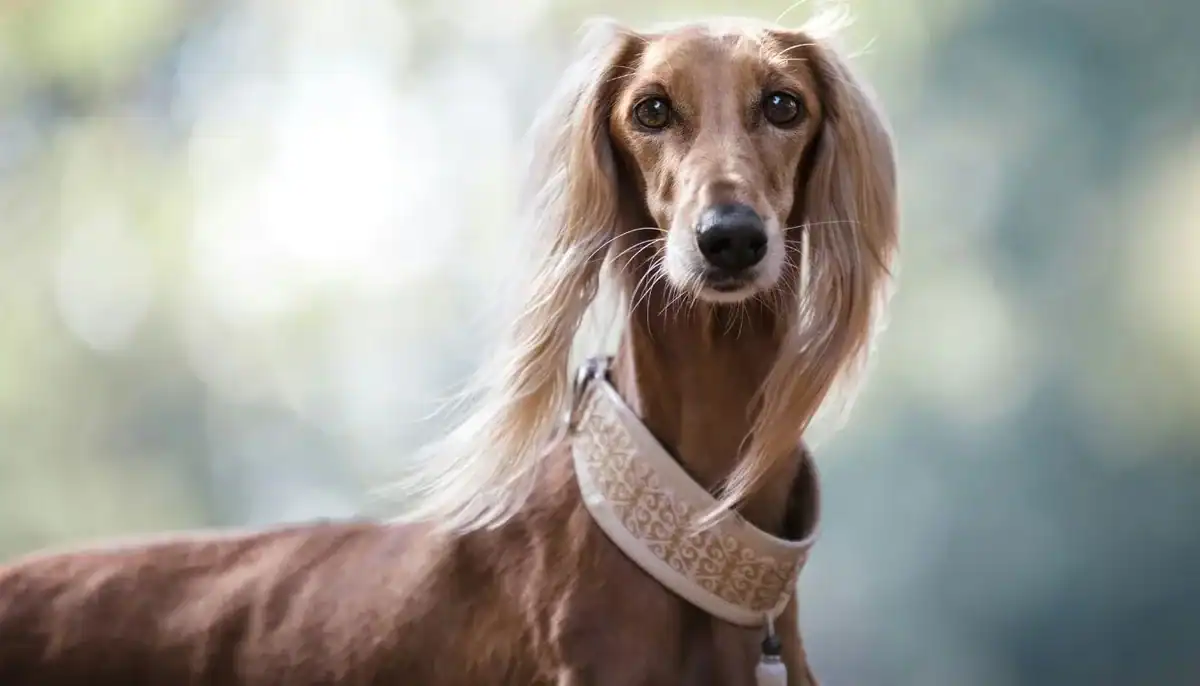
Herding dog breeds were developed to help farmers and ranchers move and control livestock like sheep, cattle, and goats. As a farm dog bred for herding, each one uses instinct to gather, drive, and protect animals, and many are widely considered highly intelligent working dogs. Today they thrive as both working partners and active family companions.
What sets this group apart is the combination of high intelligence, intense focus, and a strong work drive. These dogs were bred to think on their feet, often at a distance from the handler, reading livestock and making split-second decisions. That same wiring means they need real daily activity and mental challenges, or the drive turns into destructive behavior at home.
This guide explains the shared characteristics of the group, profiles three of the most popular herding breeds in detail, covers their modern working roles, and lists the K9Sphere breed pages already published in the category. The American Kennel Club lists more than 40 breeds for herding events, so a roundup of 25 herding dog breeds still only scratches the surface. The breeds in the herding group run from small Corgis to powerful German Shepherds, and whether you want a competition partner, a working ranch dog, or an active family companion, understanding the herding instinct is the first step to a good match.
Affiliate Disclosure: K9Sphere is a participant in the Amazon Services LLC Associates Program. As an Amazon Associate, K9Sphere earns from qualifying purchases made through links in this article at no additional cost to you. Product recommendations are based on independent research and editorial judgment, not paid placement.
Characteristics and Traits
Herding dogs share distinct physical features, mental abilities, and learning patterns that make them excel at controlling livestock. These breeds show consistent traits in build, behavior, and training response that carry over into pet life. The American Kennel Club Herding Group was established in 1983, making it the youngest of the seven breed groups.
💡 The Core Trait
Every herding breed carries an instinct to control movement. That instinct shows up as gathering, circling, and sometimes nipping at heels. Channeled well, it makes a brilliant working partner. Ignored, it turns into a dog that tries to herd children, cats, and cars.
Physical Attributes
Most herding dogs stand 18 to 26 inches tall at the shoulder and weigh 30 to 80 pounds. They have athletic, medium-sized bodies built for endurance rather than short speed bursts. Coats range from short to long but tend to be weather-resistant, and breeds like the Border Collie and Australian Shepherd carry double coats that protect them in harsh conditions. Merle, black and white, and tricolor patterns are common.
Shared physical features across the group include:
- Strong lean legs for running and quick direction changes
- Alert upright or semi-erect ears
- Intense, focused eye expression
- Medium to long tails used for balance
These bodies allow them to work for hours without tiring. Many herding breeds can work long days with the right outlet, which explains why a quick walk around the block does little to satisfy them.
Temperament and Intelligence
Herding dogs rank among the smartest dog breeds. The Border Collie, German Shepherd, and Australian Cattle Dog consistently score at the top in canine intelligence research and problem-solving tasks. They form deep bonds with their handlers and show a strong eagerness to please, but they need daily mental stimulation or they invent their own jobs.
Many show reserved behavior around strangers while staying loyal to family, which makes them alert watchdogs. They are generally not aggressive without cause, and most are friendly once they know you, though the independent streak can make them seem stubborn during training. Some breeds like the German Shepherd lean protective, while others like the Shetland Sheepdog are more sensitive and reserved. The natural instinct to control movement is always present, expressed through nipping at heels, circling, or trying to group a kid or other family members together.
Trainability
Herding breeds learn faster than most other groups and usually pick up basic obedience cues quickly. That intelligence makes them popular for service work, search and rescue, and competitive dog sports. The same quick learning cuts both ways, though, because they pick up bad habits just as fast as good ones.
These dogs respond best to positive reinforcement. They are sensitive to harsh corrections and may shut down or grow anxious under heavy-handed methods. Consistency from puppyhood is essential. Without clear direction, a herding dog will decide for itself what in the household needs managing.
Popular Types of Herding Dogs
Three breeds dominate household ownership in this group. They cover the spectrum from the laser-focused working specialist to the versatile all-rounder, and each brings a distinct flavor of the herding instinct.
Border Collie
The Border Collie is widely regarded as the top breed in obedience-style intelligence rankings. The breed developed along the border between England and Scotland, where farmers bred them to work sheep across rough terrain. They control livestock with an intense stare known as “the eye,” crouching low and moving in calculated patterns to guide animals.
This is a breed that needs a serious daily outlet for both body and mind. They dominate agility, flyball, and obedience trials, and they learn new commands faster than almost any other dog. Without enough activity they channel that energy into barking, chewing, and other destructive habits. They suit homes where someone can commit real time to training and exercise.
Australian Shepherd
Despite the name, the Australian Shepherd developed in the western United States, not Australia. Ranchers created the breed in the 1800s to handle cattle and sheep on large American ranches. The striking blue merle, red merle, black, and red coats, sometimes paired with blue or mismatched eyes, make the breed instantly recognizable.
These dogs pair high energy with strong instincts and will try to herd children, other pets, and moving objects without early guidance. They need at least one to two hours of activity daily and thrive in active households. The breed adapts well to jobs like search and rescue, therapy work, and detection. The thick double coat needs brushing several times a week and sheds heavily twice a year.
German Shepherd
The German Shepherd, formally the German Shepherd Dog, began as a herding breed in Germany in the late 1800s, when Captain Max von Stephanitz set out to build the ideal working dog for managing sheep. Today the breed works far beyond herding, and the German Shepherd is a common choice for police dog work alongside military and security roles in protection and detection. That versatility and trainability has made it one of the most popular breeds worldwide.
These dogs have a natural protective instinct toward family, and early socialization helps them tell normal situations from real threats. They bond closely with their owners and can struggle with separation anxiety if left alone too long. Exercise needs are real but lower than a Border Collie’s, with a daily walk plus playtime usually enough. The breed is prone to hip and elbow problems, so buyers should choose puppies from health-tested parents.
Working Roles and Modern Uses
Herding dogs still perform traditional livestock work on farms and ranches while adapting to new roles in cities, homes, and competitive sports. Their intelligence and trainability let them succeed across very different environments.
Livestock Management
These dogs remain essential workers on farms and ranches worldwide. Border Collies, Australian Shepherds, and Australian Cattle Dogs guide a flock of sheep, herd cattle, and move other livestock through pastures, into pens, and between grazing areas. A trained dog herding sheep and cattle can help control large groups of livestock using instinct refined through generations of selective breeding, reducing the need for multiple human workers.
Modern farms still depend on them for daily operations. A herding dog separates sick animals from healthy ones, moves herds to veterinary checkpoints, and helps guard livestock from predators. This blend of herding and guarding work is part of what makes the group so valuable on a working property.
Ranchers value breeds like the Kelpie and Koolie in Australia for working in harsh climates, where dogs may cover large ranges and herd livestock with limited direction. Working dogs begin training young, ideally from puppyhood.
Urban and Companion Settings
Herding breeds have become popular family pets in cities and suburbs. German Shepherds, Shetland Sheepdogs, and Corgis adapt well to home life when their exercise and mental needs are met. Many need at least 60 to 90 minutes of daily activity to prevent boredom and the destructive behaviors that follow it.
Many work as service animals, therapy dogs, and emotional support animals, since their intelligence suits guide work, mobility assistance, and psychiatric support. German Shepherds and Belgian Malinois serve in police and military units for detection, patrol, and protection. The key for any pet home is providing a job or structured activity to channel the working drive, otherwise the dog finds its own outlet.
Sport and Performance Activities
Herding dogs excel in competitive sports that test body and mind together. Agility trials reward speed and precision through obstacle courses of jumps, tunnels, and weave poles. Obedience competitions measure how well a dog follows commands and performs set tasks. Herding trials let dogs show their natural ability with livestock in a controlled setting, with handlers directing through whistles, verbal cues, and hand signals.
Popular activities for the group include:
- Flyball racing
- Dock diving
- Frisbee and disc competitions
- Rally obedience
- Treibball, where dogs herd large exercise balls
These sports deliver the physical exercise and problem-solving that satisfy the working instinct. Dogs compete at local, regional, and national levels, with participants ranging from pet owners looking for an outlet to professional trainers preparing for championship events.
Care and Health Considerations
This group needs significant daily exercise and brain work to stay balanced. Thick coats call for regular brushing, though grooming needs vary by breed, and several genetic conditions run through the group that owners should watch for across the dog’s life.
Veterinary Disclaimer: The information in this article is for educational purposes only and is not a substitute for professional veterinary advice. K9Sphere’s authors are experienced dog owners, not licensed veterinarians. Always consult a qualified DVM regarding any concerns about your pet.
Exercise Requirements
Many herding breeds need one to two hours or more of daily exercise and mental work. A simple walk around the block will not tire them, because they were bred to work all day moving livestock across fields. The right routine mixes physical work like running, hiking, or agility training with mental challenges such as puzzle toys, obedience drills, and trial practice.
Without enough activity, these dogs develop behavior problems. They may chew furniture, dig holes, or bark excessively. Many will try to herd children, other pets, or even cars when they lack a proper outlet for the instinct.
Grooming and Maintenance
Most herding breeds carry double coats that shed heavily twice a year. Border Collies, Australian Shepherds, and Shetland Sheepdogs need brushing two to three times a week, stepping up to daily during seasonal coat blows to prevent mats and cut down on loose fur. Corded breeds like the Puli and Bergamasco need specialist care, with their cords separated by hand to stop large mats forming. Short-coated breeds like the Australian Cattle Dog are easy to groom but still shed regularly. A small apartment can work for some herding dogs as long as the daily exercise quota is genuinely met, since coat care alone is rarely the deciding factor.
All herding dogs need regular nail trims, ear cleaning, and dental care. Their active lifestyle means they pick up dirt and debris in their coats, so checking for ticks and burrs after outdoor sessions prevents skin issues. For the heavy seasonal shed, a quality deshedding tool helps. K9Sphere’s review of the best brushes for shedding dogs covers picks that work well on double-coated breeds.
Common Health Issues
Hip dysplasia affects many medium and large herding breeds. This inherited condition causes the hip joint to form incorrectly, leading to arthritis and pain over time, which is why responsible breeders screen their dogs before breeding. For dogs already showing joint wear, K9Sphere’s guide to hip and joint supplements for dogs reviews options worth discussing with a vet. Breed-specific conditions to know about:
- Border Collie: Collie Eye Anomaly, epilepsy
- Australian Shepherd: MDR1 gene mutation, cataracts
- German Shepherd: Degenerative myelopathy, bloat
- Corgi: Intervertebral disc disease, progressive retinal atrophy
Several herding breeds can carry the MDR1 gene mutation, which makes them sensitive to certain medications. Dogs with this mutation can react severely to common drugs like ivermectin, so genetic testing to identify carriers lets owners and veterinarians avoid dangerous medications.
Pros and Cons of Herding Dog Breeds
Like every dog group, herding breeds bring real strengths and real trade-offs. Knowing both sides up front helps prevent the kind of mismatch that ends with the dog rehomed.
Pros
- Among the most intelligent and trainable dogs in the world
- Deeply loyal and bonded to their families
- Excel at dog sports, service work, and search and rescue
- Alert, making natural watchdogs
- Athletic partners for runners, hikers, and active owners
- Eager to please and quick to pick up new skills
Cons
- Very high exercise and mental-stimulation needs
- Herding instinct can target children, pets, and cars
- Prone to boredom-driven barking, chewing, and digging
- Heavy seasonal shedding on double-coated breeds
- Sensitive to harsh training and can shut down
- Several breeds carry genetic health risks worth screening
Quick Questions About Herding Dogs
What is the smartest herding dog breed?
The Border Collie is widely regarded as the most intelligent dog breed, herding or otherwise. Canine psychologist Stanley Coren ranked it first in working and obedience intelligence. The German Shepherd and Australian Cattle Dog also rank near the top. That intelligence is a double-edged sword, since these dogs need constant mental work to stay out of trouble.
Are herding dogs good family pets?
They can be excellent family dogs in the right home. They are loyal, affectionate, and protective, but they need active families who can meet their exercise and training demands. Homes with young children should expect some instinctive heel-nipping and circling, which early training can manage. A sedentary household is usually a poor match.
Do herding dogs need a lot of exercise?
Yes. Most herding breeds need one to two hours or more of real activity every day, split between physical exercise and mental challenge. These breeds were built to work all day, so a short walk rarely satisfies them. Owners who cannot commit the time usually end up with a frustrated, destructive dog.
Why do herding dogs nip at heels?
Heel-nipping is a built-in herding behavior. On a farm, a dog nips at the heels of cattle or sheep to drive them forward. At home, that same instinct can target running children, other pets, or moving objects. It is not aggression, just misdirected work drive, and consistent training plus a proper activity outlet usually redirects it.
What is the smallest herding dog breed?
The two Welsh Corgis, the Pembroke and the Cardigan, are among the smallest herding breeds, standing only about a foot tall yet bold enough to drive cattle. For owners who like the Australian Shepherd look in a small herding package, the Miniature American Shepherd, sometimes called the Mini, was bred down from the standard Aussie and is also a recognized member of the group.
Are herding dogs the same as livestock guardian dogs?
No. A herding dog moves and controls stock, while a livestock guardian dog lives with the flock to protect it from predators. Breeds like the Great Pyrenees are guardians, not herders, even though both work with sheep. Some versatile breeds were bred to herd sheep and also help guard them, but most specialize in one role. For another herding dog comparison, think of the Border Collie (a gatherer) vs the Australian Cattle Dog (a driver). That cattle dog is also known as the Heeler, a sign of how much the jobs vary even inside one group.
List of Herding Breeds on K9Sphere
K9Sphere is actively growing its library of detailed herding breed profiles. The full group is wonderfully varied: the small Cardigan Welsh Corgi and Pembroke Welsh Corgi, the shaggy Old English Sheepdog, the French Beauceron, the curly-coated Spanish Water Dog, the versatile Canaan Dog, and the tricolor Entlebucher Mountain Dog all sit alongside the better-known collies and shepherds. The Australian Cattle Dog, often called the Heeler for its habit of nipping at the heels, rounds out the cattle specialists. Each linked profile below covers temperament, intelligence, exercise, grooming, and history in depth.
More profiles are being added to K9Sphere regularly. Bookmark this page and check back for newly published breed profiles in the Shetland Sheepdog, Corgi, Australian Cattle Dog, Belgian Malinois, and other categories.
Editorial Disclaimer: This article is for informational and educational purposes only. It does not constitute veterinary advice, medical diagnosis, or treatment recommendations. Always consult a licensed veterinarian before making decisions about your pet.
Accuracy Notice: Breed information evolves and individual dogs vary. If you spot a factual error or have updated information from a verified source, please contact us so we can review and update.
Last reviewed: May 2026.