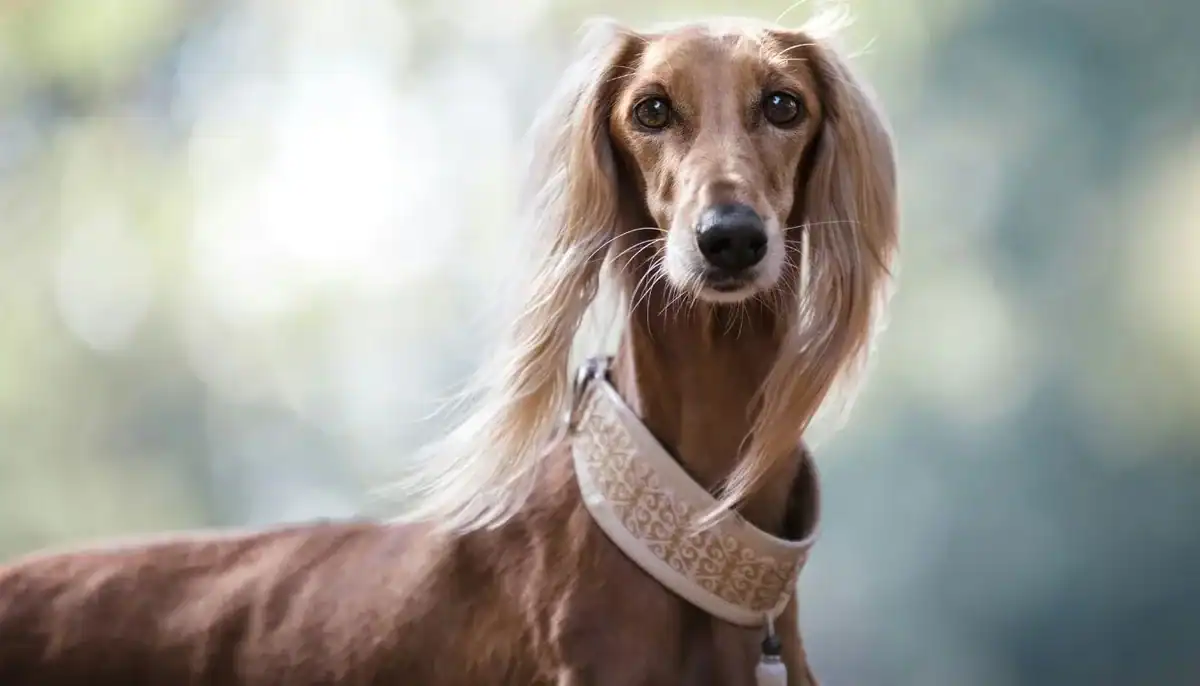
Sporting dog breeds were originally developed to help hunters find, flush, and retrieve game birds and other wildlife. This athletic group includes some of the most popular dogs in the world, from Labrador Retrievers and Golden Retrievers to English Springer Spaniels and German Shorthaired Pointers. They are known for high energy, sharp intelligence, a loyal and people-focused personality, and a deep desire to work alongside their owners. There is a sporting breed of dog to suit almost any active home.
These dogs have served as hunting companions for centuries, with each breed shaped for a specific job in the field. Some specialize in pointing out where birds are hiding, others flush game from heavy cover, and the retrievers excel at bringing back downed birds from water or thick brush. Their physical traits and temperaments still reflect those original tasks even in dogs that never set foot in a hunting field.
Today, sporting dogs are both beloved family pets and capable working animals. They need plenty of exercise and mental stimulation to stay happy and healthy. This guide explains the group’s history, the four main types, training and care needs, and the K9Sphere breed pages already published in the category, so you can decide whether one of these active companions fits your life.
Affiliate Disclosure: K9Sphere is a participant in the Amazon Services LLC Associates Program. As an Amazon Associate, K9Sphere earns from qualifying purchases made through links in this article at no additional cost to you. Product recommendations are based on independent research and editorial judgment, not paid placement.
Historical Roles and Origins
Sporting dog breeds emerged from centuries of selective breeding to help hunters locate, flush, and retrieve game birds. Their distinct physical traits and instincts developed around the hunting needs of different regions and eras. The American Kennel Club Sporting Group gathers these gun dogs together as one of its seven breed groups.
💡 The Defining Trait
Every sporting breed shares one wiring: a drive to work with people, not independently of them. Unlike hounds that hunt on their own initiative, gun dogs were bred to take direction and stay connected to the handler. That cooperative instinct is exactly why they make such trainable, people-focused pets today.
Development of Gun Dog Lineages
The rise of firearms in the 1600s changed how people hunted birds. Before guns, hunters relied on nets and trained falcons, and dogs needed a new set of skills to work alongside the gun. Early gun dogs descended from older European hunting breeds. Spaniels worked in Spain and France to flush birds from dense cover, setters developed in England and Scotland to find game birds and freeze in position, and pointers emerged on the Iberian Peninsula to stand still and show hunters where birds hid.
Breeders selected for two prized traits above all: a soft mouth that could carry a bird without damaging it, and a strong nose that could catch game scent from a distance. Each region then refined breeds suited to its own terrain and quarry.
Evolution of Field Abilities
Sporting dogs developed four main hunting roles over time. Pointers and setters learned to locate game and hold position, spaniels became experts at pushing birds out of bushes and thick grass, retrievers specialized in finding and bringing back shot birds from land and water, and dedicated water dogs focused on retrieving from lakes, rivers, and marshes.
Form followed function. Retrievers developed water-resistant coats and webbed feet, with the Chesapeake Bay Retriever growing a thick, oily coat for icy water and the Labrador Retriever tracing back to Newfoundland fishing dogs in the 1800s. Spaniels split into land and water types, their smaller size letting them move through brush larger dogs could not enter.
Historic Breeds in Hunting Culture
Hunting with dogs became central to rural life across Europe and North America. Wealthy landowners kept kennels of specialized breeds for different game, while working families relied on versatile dogs that could hunt several species. The English aristocracy refined pointer and setter breeds on large estates, Scottish gamekeepers developed dogs for grouse hunting in the Highlands, and Irish sportsmen created the Irish Setter and Irish Water Spaniel for their boggy landscapes.
In America, hunters adapted European breeds to new conditions, crossing them with local dogs to handle different terrain and game. The Boykin Spaniel emerged in South Carolina for turkey hunting, and the American Water Spaniel developed in the Midwest for marsh work.
Formal breed standards followed as kennel clubs took shape in the late 1800s. In fact, the very first breeds entered in the American Kennel Club studbook in 1878 were gun dogs, including the Pointer and several setters and spaniels, which helped preserve the working traits that made each one valuable.
The Main Sporting Types
The types of sporting dogs in the AKC Sporting Group sort into a few clear working styles. The AKC highlights four basic types of sporting dogs: spaniels, pointers, retrievers, and setters. In practice they group into retrievers, pointers and setters, spaniels, and a set of versatile gun dogs that blend several skills. Each of these basic types of sporting dogs has distinct physical traits and a working style suited to specific jobs in the field.
Retrievers
Retrievers specialize in finding and bringing back game birds after the shot, using a soft mouth that carries birds without damaging the meat. They excel at water work thanks to webbed feet and powerful builds, and most stand 21 to 25 inches tall and weigh 55 to 80 pounds. The thick coat common to most retrievers protects them during repeated cold-water entries.
These dogs use their noses to locate downed birds across long distances, can remember several bird locations, and retrieve them in sequence. Many also work upland fields as well as water. Popular examples include the Labrador Retriever, Golden Retriever, and Chesapeake Bay Retriever, along with older breeds like the Curly-Coated Retriever and the Flat-Coated Retriever, the first two retriever breeds ever recognized.
Pointers and Setters
Pointers and setters locate game birds before the hunter takes a shot, freezing in a distinctive stance that shows where the bird is hiding. Pointers typically have short coats and lean, athletic builds, while setters carry longer, feathered coats and slightly heavier frames.
Both cover large areas of ground quickly and rely on air scenting rather than ground tracking, running with their heads high to catch bird scent on the wind. They are generally medium-to-large sporting dogs and hold the point until the hunter arrives. Key breeds include the English Pointer, German Shorthaired Pointer, English Setter, Irish Setter, and Gordon Setter.
Spaniels
Spaniels work close to the hunter, flushing birds from dense cover into the air. They push through thick brush, tall grass, and heavy vegetation where larger sporting dogs struggle, and most stand under 20 inches tall so they can navigate tight spaces.
The Springer Spaniel and Cocker Spaniel are the most common flushing breeds, with Springers at 40 to 50 pounds handling larger birds and the smaller American Cocker Spaniel at 25 to 30 pounds working well in tight cover. The Brittany Spaniel, now known simply as the Brittany, bridges the gap between spaniels and pointers. These dogs hunt with high energy, their wagging tails staying visible above tall grass to help hunters track them, and they retrieve downed birds after the flush.
Versatile Gun Dogs
Several breeds combine multiple skills into one versatile hunting dog. The Brittany blends pointing and retrieving in a compact 30 to 40 pound frame, working at a moderate pace and staying close to the hunter. The Vizsla originated in Hungary as an all-purpose hunting dog, pointing, retrieving, and tracking across varied terrain on a lean, rust-colored frame built for warm climates.
The Weimaraner from Germany carries a distinctive gray coat and amber eyes, standing 23 to 27 inches tall and handling big-game tracking alongside bird work. The Wirehaired Pointing Griffon, often called the “supreme gun dog,” points and retrieves with a harsh, low-shedding coat. The Irish Water Spaniel and the Barbet, a curly-coated French water dog, round out the group as specialists in cold-water waterfowl retrieval.
Popular Sporting Breeds
Four breeds capture the range of the group, from the family-favorite retrievers to the field-focused pointer and the all-around versatile gun dog. Each one has a full K9Sphere profile.
Labrador Retriever
The Labrador Retriever traces back to Newfoundland fishing dogs and is one of the most popular dog breeds in the world. After 31 straight years as the top AKC-registered breed, it now sits second behind the French Bulldog, but it remains a fixture in homes everywhere. The water-resistant double coat, webbed feet, and powerful build make it an outstanding swimmer and retriever, while the friendly, trainable temperament makes it an exceptional family dog.
Labs are high-energy dogs that need real daily exercise, ideally including swimming or fetch. They are prone to weight gain without enough activity, and their eagerness to please makes them one of the easiest sporting breeds to train. The breed is a top choice for guide and assistance work for the same reasons.
Golden Retriever
The Golden Retriever was developed in the Scottish Highlands as a gun dog for retrieving waterfowl. The dense, weather-resistant double coat handles cold water well, and the breed’s gentle, patient nature has made it one of the most beloved family dogs in the world.
Goldens are affectionate, intelligent, and eager to please, which makes training straightforward. The feathered coat needs brushing three to four times a week to prevent mats, and like Labs they need substantial daily exercise. The breed excels in therapy and service roles thanks to its steady, people-focused temperament.
German Shorthaired Pointer
The German Shorthaired Pointer is a versatile hunting breed that points, retrieves, and tracks on both land and water. The short, dense coat is low-maintenance, and the athletic, muscular build reflects a dog bred for stamina in the field.
This is one of the highest-energy breeds in the group and needs vigorous daily exercise to stay balanced. Without enough outlet it can become hyper, restless, and destructive, and behavior problems follow fast in an under-exercised dog. Smart and trainable, it thrives with active owners who can give it a job, and it remains a serious working gun dog as well as a family companion.
Vizsla
The Vizsla originated in Hungary as an all-purpose hunting dog that points, retrieves, and tracks. The lean build and short, rust-colored coat suit warm climates, and the breed is known for forming intensely close bonds with its people, earning the nickname “velcro dog.”
Vizslas are affectionate and energetic, needing plenty of exercise and close human contact. They do poorly when left alone for long stretches and can develop separation anxiety. For an active owner who wants a constant companion, few breeds bond as deeply.
Training, Exercise, and Care
Sporting dogs need daily physical activity, mental challenges, and regular grooming to stay healthy and happy. These breeds were built for demanding field work, which means they come with real needs that owners have to meet consistently.
Veterinary Disclaimer: The information in this article is for educational purposes only and is not a substitute for professional veterinary advice. K9Sphere’s authors are experienced dog owners, not licensed veterinarians. Always consult a qualified DVM regarding any concerns about your pet.
Mental Stimulation and Enrichment
Sporting dogs are intelligent and need regular mental challenges to head off boredom and the destructive habits that follow it. Without enough brain work, these dogs may dig, bark excessively, or chew furniture. Effective enrichment includes puzzle toys that dispense treats, hide-and-seek games, scent work, retrieving games with varied objects, and short training sessions that teach new commands.
A good target is 15 to 20 minutes of focused mental activity twice a day, kept short and positive. These breeds excel at learning complex tasks and often love dock diving, agility, and hunt tests. Food puzzles at mealtimes add nutrition and brain work at once, and rotating toys every few days keeps things interesting.
Physical Activity Needs
Most sporting breeds need one to two hours of vigorous exercise a day. A simple walk around the block will not meet their energy needs, because these dogs were bred to work in fields for hours and have exceptional stamina. Good outlets include swimming, running or jogging, long fetch sessions, trail hiking, and play with other dogs.
Young sporting dogs under 18 months need careful exercise management, since too much high-impact activity can damage growing joints. Short play sessions spread through the day work better than one long workout for puppies. Off-leash exercise in safe, enclosed areas lets these breeds run at full speed and burns energy far more efficiently than leashed walks.
Grooming and Maintenance
Coat type drives the grooming routine. Long, feathered coats like the Golden Retriever’s need brushing three to four times a week and professional grooming every eight to ten weeks. Medium coats do well with brushing two to three times a week, while short, smooth coats like the Pointer’s need only weekly brushing. A good deshedding brush makes the job easier, and K9Sphere’s review of the best brushes for shedding dogs covers options that suit double-coated sporting breeds.
Regular ear cleaning is essential, especially for breeds that swim, because floppy ears trap moisture that can lead to infection. Check and clean ears weekly with a vet-approved solution. Trim nails every three to four weeks to prevent discomfort, and bathe most sporting dogs every four to six weeks, more often for dogs that swim or play outdoors. For breeds prone to joint issues as they age, K9Sphere’s guide to hip and joint supplements for dogs reviews options worth discussing with a vet.
Pros and Cons of Sporting Dog Breeds
Like every dog group, sporting breeds bring real strengths and real trade-offs. Knowing both sides up front helps prevent the kind of mismatch that ends with the dog rehomed.
Pros
- Friendly, people-focused temperaments
- Highly trainable and eager to please
- Many are friendly, people-focused family dogs
- Top choices for service, therapy, and guide work
- Athletic partners for runners, hikers, and swimmers
- Versatile in dog sports like agility and dock diving
Cons
- High exercise needs of one to two hours daily
- Prone to boredom-driven chewing and barking
- Many shed heavily and need regular grooming
- Floppy-eared swimmers are prone to ear infections
- Several breeds dislike being left alone for long
- Some larger breeds carry joint-health risks worth screening
Quick Questions About Sporting Dogs
What is the most popular sporting dog breed?
The Labrador Retriever is one of the most popular sporting breeds and remains the AKC’s second-most-registered breed overall, after holding the top spot for 31 years. The Golden Retriever and German Shorthaired Pointer also rank consistently near the top. All three combine friendly temperaments with the trainability that made them great gun dogs.
Are sporting dogs good family pets?
Many sporting breeds make excellent family dogs thanks to their friendly, patient temperaments and trainability. The catch is exercise: these are high-energy dogs that need one to two hours of activity a day, so they suit active households best. A bored, under-exercised sporting dog often turns to chewing and barking.
What is the difference between a pointer and a retriever?
A pointer finds birds before the shot and freezes to show the hunter where they are, working before the gun. A retriever works after the shot, finding and carrying downed birds back to the hunter with a soft mouth. Versatile breeds like the Vizsla and German Shorthaired Pointer do both jobs in one dog.
Do sporting dogs need a lot of grooming?
It depends on the coat. Short-coated breeds like the German Shorthaired Pointer need only weekly brushing, while long, feathered breeds like the Golden Retriever need brushing three to four times a week plus professional grooming. All sporting dogs benefit from regular ear cleaning, especially the swimmers, whose floppy ears trap moisture.
Can sporting dogs live in an apartment?
It is possible but challenging. A sporting dog can live in an apartment only if the owner commits to one to two hours of outdoor exercise every day, since these are not low-energy dogs. Without that outlet, even the easiest-going sporting breed grows restless indoors. The Labrador Retriever is the most adaptable apartment candidate of the group, but a daily running or swimming routine is non-negotiable. Calm time with the family and a gentle approach to a kid in the home come naturally to most of these people-focused dogs.
Are sporting dogs easy to train?
As a group, sporting dogs are among the easiest breeds to train because they were bred to take direction from a handler. Retrievers in particular are famously eager to please. A few can be stubborn or easily distracted by scent, but consistent, positive training usually wins out.
That trainability is a big reason the Labrador Retriever became the signature family dog in the United States, holding the top popularity spot for 31 years, and why retrievers remain the go-to choices for guide and service work. At the least, expect a sporting dog to pick up basic obedience quickly.
List of Sporting Breeds on K9Sphere
K9Sphere is actively growing its library of detailed sporting breed profiles. The group spans the four main types: water-loving retrievers, the field-scanning pointers and setters, the close-working spaniels, and the versatile gun dogs that do a bit of everything. Each linked profile below covers temperament, exercise, grooming, health, and history in depth.
More profiles are being added to K9Sphere regularly. Bookmark this page and check back for newly published breed profiles in the English Springer Spaniel, Cocker Spaniel, Irish Setter, Brittany, and other categories.
Editorial Disclaimer: This article is for informational and educational purposes only. It does not constitute veterinary advice, medical diagnosis, or treatment recommendations. Always consult a licensed veterinarian before making decisions about your pet.
Accuracy Notice: Breed information evolves and individual dogs vary. If you spot a factual error or have updated information from a verified source, please contact us so we can review and update.
Last reviewed: May 2026.