

The Labrador Retriever holds a permanent position as one of the most popular dog breeds in the United States and across the world. What many expecting households miss behind that friendly smile is the sheer physical power of a big sporting gun dog that was originally bred to haul nets and retrieve ducks in freezing North Atlantic waters.
They are not couch potatoes by default. A young Labrador dog typically requires significant output to prevent destructive behavior inside the house. From heavy shedding to relentless food obsession, responsible dog ownership with this breed means preparing for an active lifestyle.
OFA CHIC testing protocols and The Labrador Retriever Club standards shape the screening and care guidance throughout this article.
Affiliate Disclosure: K9Sphere is a participant in the Amazon Services LLC Associates Program. As an Amazon Associate, K9Sphere earns from qualifying purchases made through links in this article at no extra cost to you.
Breed Snapshot
📊 Vitals and Lifespan
Height
Males: 22.5-24.5 in (57-62 cm)
Females: 21.5-23.5 in (55-60 cm)
Weight
Males: 65-80 lb (29-36 kg)
Females: 55-70 lb (25-32 kg)
Lifespan
10-12 years
AKC Group
Sporting Group
Origin
Canada / United Kingdom
🇨🇦 🇬🇧
⭐ Personality Traits
Ratings (1 to 5). Highly social and eager to please. Their output levels often surprise first-time dog owners who expect a calm adult right away.
Origins
Despite their name, the Labrador Retriever dog breed actually originated in Newfoundland, Canada. They were initially known as St. John’s water dogs and worked alongside fishermen in the icy North Atlantic.
These dogs retrieved ducks, hauled in nets, and caught loose fish before swimming back to the boats. English nobles visiting Canada noticed their incredible abilities and imported them back to the United Kingdom.
British breeders refined them during the 19th century into the specific breed recognized today. The American Kennel Club officially registered the first Labrador in 1917, and the breed has consistently ranked as the most popular dog breed in the U.S. for over three decades.
📌 1830s: British Arrival
The first St. John’s water dogs were imported to England by the Earl of Malmesbury to serve as working retrievers on shooting estates.
📌 1903: UK Recognition
The Kennel Club in England officially recognized the Labrador as a distinct breed, separating them from other retriever types.
📌 1917: AKC Recognition
The American Kennel Club officially registered the breed, setting the stage for their rise to become the nicest and most popular companion in America.
Physical Characteristics
A well-bred Labrador is a powerfully built, medium-to-large sporting dog designed for hard field and water work. Their physical structure reflects their history as water retrievers, featuring webbed toes for swimming and a thick “otter tail” that acts as a powerful rudder.
📏 Build
Males typically stand 22.5 to 24.5 inches (57-62 cm) at the shoulder and weigh 65 to 80 lb (29-36 kg). Females are slightly smaller. They should have a strong, broad skull and a weather-resistant double coat. The breed standard favors a balanced, athletic frame rather than an exaggerated heavy build.
🎨 Colors and Coat
Three solid colors are accepted: black, yellow, and chocolate, so a Black Labrador and a Chocolate Labrador are judged by the same standard. The Yellow Labrador Retriever ranges from a pale cream to a rich fox red. Many people divide the breed into “English” (stockier, show-bred) and “American” (taller, leaner, field-bred) types.
Temperament
The Labrador Retriever temperament is famous for a reason. They are typically friendly, eager to please, and deeply devoted to their human households. A typical Lab tends to greet strangers with a wagging tail rather than suspicion, making them a popular breed for households but poor guard dogs. Their funny, goofy personality quirk of carrying objects in their mouths is a trait that traces directly back to their retrieving instinct.
🧠 The Scholar
They are exceptionally smart and highly trainable. They excel as service dogs and guide dogs because they thrive on having a job. The same versatility lets them perform in search and rescue teams, detection roles, and therapy programs.
🎾 The Athlete
They love to play fetch until your arm gives out. Their instinct means they often carry objects in their mouths. Redirecting this with appropriate toys keeps them satisfied and your shoes intact.
🌊 The Swimmer
Most Labs are naturally drawn to water. Whether it is a lake, a swimming pool, or a muddy puddle in the park, many will find a way to get wet.
🌪️ The Tornado
Puppyhood lasts a long time. Many do not fully mature and settle down until they are three or four years old. Expect a significant challenge during their adolescent phase, which is the primary rule-breaking period when furniture destruction peaks.
Screening and Conditions
Veterinary Disclaimer: The information provided in this article is for educational purposes only and is not intended as a substitute for professional veterinary advice, diagnosis, or treatment. Always consult a licensed veterinarian for any concerns about your dog.
Sources: Data compiled from:
- OFA CHIC Program: Required genetic testing protocols
- The Labrador Retriever Club: Official breed statements on welfare
Always consult your licensed DVM for personalized medical advice.
While generally considered robust, the Labrador is genetically predisposed to several conditions that dog owners should understand. Most common issues involve the joints, eyes, ears, and body mass. Responsible breeding programs use extensive genetic screening to reduce the risk of passing these problems to the next generation. Pet insurance is strongly recommended given the frequency of orthopedic and hereditary conditions in this breed.
🦴 Hip and Elbow Dysplasia
What to watch for: Both hip dysplasia and elbow dysplasia are common in large builds. This genetic malformation causes bone to grind painfully against bone.
Screening: Keeping your dog lean can help reduce risk. Verify the parent dogs have excellent or passing OFA scores before committing to a lab puppy. Starting a proven hip and joint supplement supports cartilage over time.

Nutramax Cosequin for Dogs Joint Health Supplement
Use for: Supporting structural integrity in sporting breeds prone to hip and elbow dysplasia. Contains glucosamine and chondroitin to help maintain cartilage under sustained physical output.
View on AmazonEye conditions are a serious concern. Progressive retinal atrophy (PRA) is an inherited disease that causes gradual vision loss and eventual blindness. Reputable programs should conduct annual eye exams and DNA testing to clear their stock.
Another genetic condition to watch for is Exercise Induced Collapse (EIC). Affected dogs suffer sudden muscle weakness during periods of vigorous output. A simple DNA test can identify carriers before breeding.
👂 Chronic Ear Infections
What to watch for: The Labrador’s floppy ears trap moisture, creating a warm, damp environment for yeast and bacteria to multiply.
Management: Regular cleaning is important, especially after swimming or bathing. Consistent ear hygiene can help reduce the frequency and severity of infections.

Dog Ear Cleaning Finger Wipes with Aloe Vera and Eucalyptus Oil
Helpful for maintaining ear hygiene and reducing buildup after swimming. Convenient finger-wipe design makes weekly cleaning easier for breeds with floppy ears prone to moisture retention.
View on AmazonAs a deep-chested breed, the Labrador also carries a risk for gastric dilatation-volvulus (bloat). This is a medical emergency that requires immediate veterinary care.
Grooming
Maintenance is relatively straightforward, but the amount of dog hair they drop often surprises new owners. They possess a dense, water-resistant double coat that sheds steadily throughout the year and heavily during the spring and fall blowout seasons.
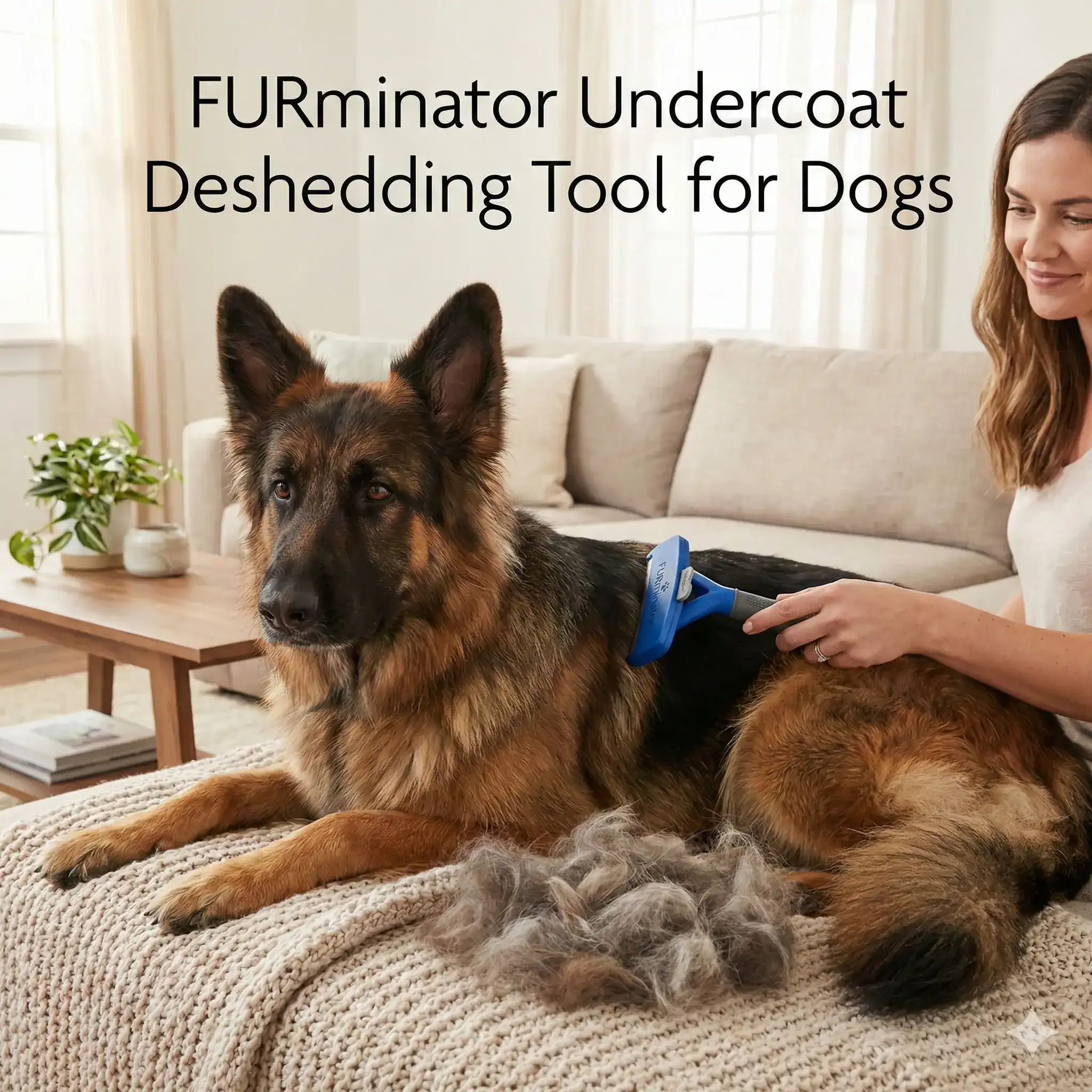
FURminator Undercoat Deshedding Tool for Dogs
Use for: Removing loose undercoat before it covers your furniture, reducing hair volume by up to 90%, and keeping double-coated sporting breeds comfortable during seasonal blowouts.
View on AmazonRegular brushing with an appropriate grooming tool helps remove dead hair and reduces the volume of shedding inside the home. Bathing should only occur every few months or when they roll in something unpleasant. Over-bathing strips the natural oils that make their coat water-resistant.
Activity
This breed demands serious physical output. A slow walk around the block is rarely enough for a grown dog built to work long days in the field.
Most adults require 60 to 90 minutes of vigorous activity. They thrive on retrieving games, swimming, hiking, and participating in structured dog sports like dock diving and field trials. Many are strong pullers on the leash, and conditioning them to walk nicely requires patience and the right equipment.

No Pull Dog Harness, Collar and Leash Set
Helps redirect a heavy Labrador’s forward momentum safely without putting pressure on the throat. Front-clip design reduces pulling during walks and conditioning sessions.
View on AmazonWithout adequate output, many Labs direct their pent-up reserves toward chewing, digging, or pacing. Structured activity prevents most behavioral problems. An orthopedic dog bed supports recovery after long sessions and protects their joints as they age.
Nutrition
The Labrador is well-known for having an extremely strong food drive. Many will eat anything placed in front of them without self-regulating, which makes controlled feeding the single most important rule of ownership.
🐶 Puppy Stage
A lab puppy grows rapidly and requires a controlled large-breed formula that regulates calcium and phosphorus ratios. Overfeeding during development places stress on forming joints and accelerates structural problems.
🐕 Adult Stage
This genetic drive for food makes them highly susceptible to obesity. Excess body mass puts significant pressure on their skeleton and can reduce their average life expectancy. Measure food carefully and ensure you can easily feel their ribs without pressing hard. A Golden Retriever shares a similar build and food motivation, making portion control equally critical across both retriever breeds vs free-feeding approaches.
🐕🦺 Senior Stage
As activity levels naturally decrease, caloric intake should be reduced accordingly. Supplements containing glucosamine become increasingly important to support aging hips and elbows. Semi-annual veterinary panels after age seven can catch organ decline before visible symptoms appear.
Conditioning
The Labrador is one of the most trainable breeds available. Their eagerness to please and strong food motivation make them highly responsive to positive reinforcement methods.
🎯 Food-Motivated Learning
Their food drive is a conditioning advantage. Use their kibble allowance or small, high-value treats to reinforce basic commands from day one. This is the primary reason they excel as guide dogs and service dogs globally.
🐕 Socialization and Manners
Socialization is critically important. Exposure to a wide variety of people, environments, and other animals during puppyhood helps prevent the development of fearful or reactive responses. Leash manners and impulse control should be priorities given their size and strength.
Breed Comparison
| Attribute | Labrador Retriever | Golden Retriever | Border Collie |
|---|---|---|---|
| Weight | 55-80 lb (25-36 kg) | 55-75 lb (25-34 kg) | 30-45 lb (14-20 kg) |
| Primary Role | Sporting / Retrieving | Sporting / Retrieving | Herding |
| Trainability | Very High | Very High | Exceptional (work-focused) |
| Shedding | Heavy year-round | Heavy year-round | Moderate |
| Food Drive | Extreme | High | Moderate |
| Household Suitability | Excellent (with output) | Excellent (with output) | Moderate (needs mental work) |
The Golden Retriever shares similar trainability and devotion but tends to be slightly less intense in food drive. The Border Collie is significantly more intelligent in a problem-solving sense but demands mental stimulation that goes far beyond what most pet parents can provide. Among these three popular breeds, the Labrador is arguably the most versatile and forgiving for first-time households.
FAQ
Are Labradors suitable for households with children?
Direct Answer: Yes, they are widely considered one of the nicest large breeds for households with children.
Context: They are known for their patient, forgiving nature. They bond deeply and want to be involved in all activities. However, young Labs are bouncy and lack body awareness, which can accidentally knock over small toddlers.
Management: Supervise interactions between big dogs and small children, and teach children not to ride or pull on the dog.
Do they bark a lot?
Direct Answer: No, they are generally moderate to low barkers compared to many other breeds.
Context: A Lab will typically alert bark when someone approaches the house. They are not usually nuisance barkers unless they are significantly under-stimulated or experiencing separation anxiety.
Management: Adequate physical and mental stimulation keeps most dogs calm and quiet indoors.
Do Labradors shed a lot?
Direct Answer: Yes, they shed steadily year-round and blow their coats heavily twice a year.
Context: Their double coat is designed to protect them from icy water, which means they drop a significant amount of dead hair around the house.
Management: Invest in a quality undercoat rake and a powerful vacuum. Brush them outside multiple times a week.
Can a Lab survive in an apartment?
Direct Answer: It is possible, but it requires significant dedication.
Context: A Labrador’s size and reserves make them challenging in tight spaces unless the person provides rigorous outings multiple times a day.
Management: If you are in an apartment, trips to a secure dog park or long running sessions are essential regardless of the weather.
What is their average life expectancy?
Direct Answer: A robust Labrador typically has a lifespan of 10 to 12 years.
Context: Large breeds tend to age faster than small dogs. The length and quality of their years depend heavily on genetics, diet, and body mass control.
Management: Keeping your Lab lean and scheduling annual senior panels after age seven can help catch and handle age-related conditions.
Do they get along with cats?
Direct Answer: Generally yes, if properly socialized from a young age.
Context: While they were bred to retrieve birds, they do not typically have the intense prey drive toward cats seen in terriers or sighthounds.
Management: Introduce them slowly and ensure the cat always has a safe, elevated escape route that the dog cannot reach.
Are they easy to condition?
Direct Answer: Yes, they are highly intelligent and eager to please.
Context: This combination makes them highly responsive to obedience work and is the primary reason they are the most common breed chosen for guide dog and service roles globally.
Management: They are highly food-motivated. Use their kibble allowance or small treats to reinforce commands from day one.
How much do they cost to maintain?
Direct Answer: Moderate to high, depending on medical history.
Context: Premium food, weight-based preventative medications, and potential orthopedic issues add up. The breed’s popularity means that poorly screened dogs from volume sources frequently develop expensive conditions. Pet insurance is strongly recommended.
Management: Budget for ongoing veterinary monitoring from the start. Avoiding bargain sources for sale without genetic clearances typically saves thousands in the long run.
Finding a Labrador
Because the breed is extremely popular, the market includes many poorly screened dogs. Finding a responsible source requires careful research and patience. Start your search with the Labrador Retriever Club, the official parent organization in the U.S.
🔬 Responsible Source
A reputable operation will provide OFA hip and elbow certificates, annual eye clearances, and DNA test results for conditions like EIC and PRA. They will ask detailed questions about your fencing, activity plans, and previous dog experience. If the source cannot provide clearances or avoids questions about genetic testing, that is a significant red flag.
🐾 Rescue and Adoption
Almost every region has a dedicated rescue group specializing in this breed. Many adolescent and adult dogs end up in rescue when dog owners underestimate the commitment and eventually abandon the routine these dogs require. Adopting an adult allows you to assess the dog’s true reserves and personality directly.
🚩 Red Flags
- Source cannot provide OFA hip, elbow, or eye clearances for parent dogs
- No DNA test results available for EIC or PRA
- Dogs advertised without mentioning activity or body mass requirements
- Source does not ask about your activity level or previous dog experience
- Parent dogs appear overweight, lethargic, or show signs of poor coat condition
Personal Observation
💭 Personal Observation
When my Labrador Bruno, gifted to me by a cousin, saw his creatinine levels climb from 1.8 to 2.0 in his senior years, it taught me that kidney function in large breeds demands attention far earlier than most people realize. Bruno weighed roughly 45 kg (99 lb) and also dealt with a one-time ear haematoma requiring surgery and recurring malassezia skin infections throughout his years. After consulting UK-based canine nutritionist Dan Scott via email, we adjusted Bruno’s diet with targeted renal support. He passed on 31 July 2021. If raising another large breed today, starting organ support supplements earlier and being strict about body mass from puppyhood would be the two changes that matter most.
Conclusion
The Labrador Retriever remains a magnificent companion for active, dedicated households. Their intelligence and forgiving nature make them a joy to condition and share space with.
The biggest pro is unmatched versatility: they excel as household companions, service animals, sporting partners, and therapy dogs simultaneously. The biggest con is their relentless food obsession combined with heavy shedding and a puppyhood that lasts years rather than months. For households who can meet their physical and mental demands, the loyalty of a Labrador can transform a home. For people looking for a low-maintenance breed, they may not be the right fit.
Disclaimer: This article is for informational and educational purposes only. It does not constitute veterinary advice, medical diagnosis, or treatment recommendations. Always consult a licensed veterinarian before making decisions for your dog. Product recommendations contain affiliate links. K9Sphere earns from qualifying purchases at no additional cost to you.


