
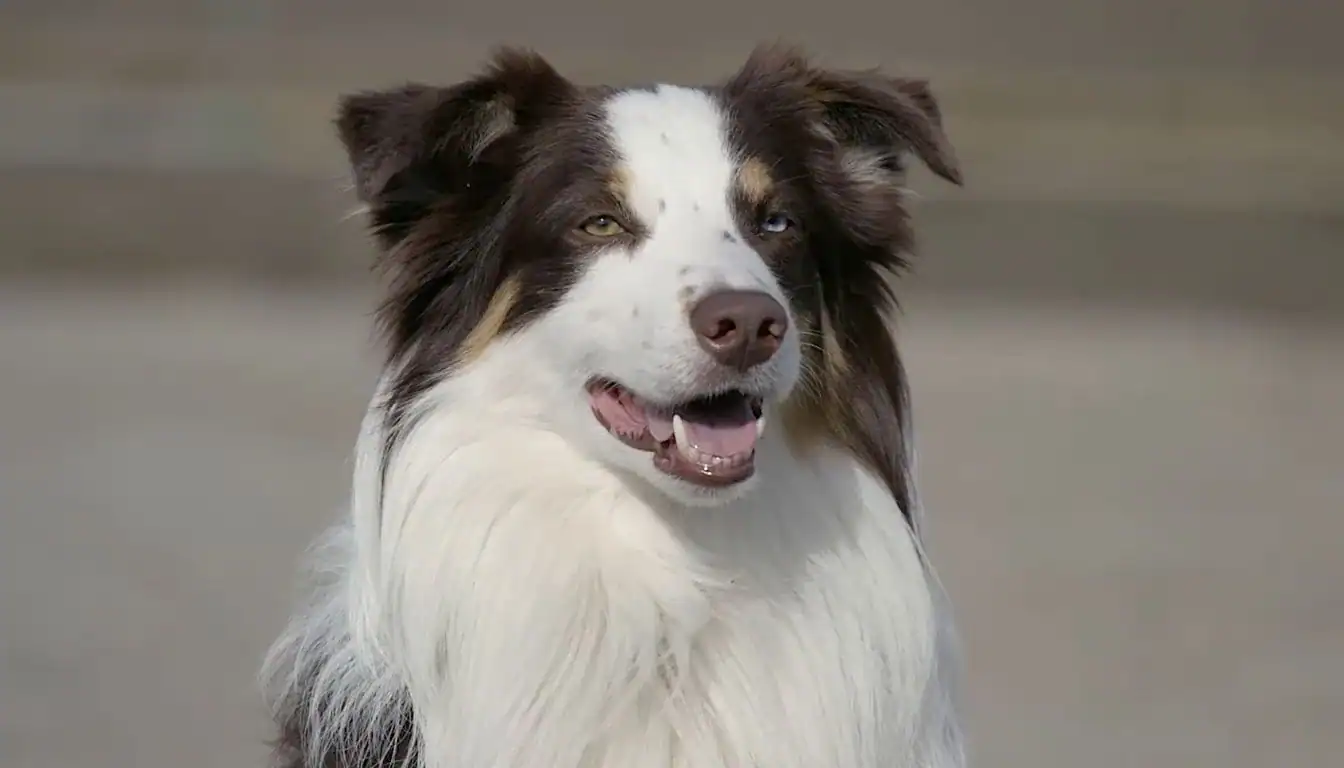
The Australian Shepherd is a medium-sized American herding line developed on western United States ranches in the late 19th and 20th centuries to work cattle and sheep across vast, rugged terrain. Despite the name, the Australian Shepherd dog breed originated in the USA, with its modern lineage traced to dogs brought via Australia by Basque shepherds, then refined entirely on American soil into the highly intelligent stock dog recognized today.
What you rarely see in viral videos is the exhausting reality of managing their relentless drive. Allowing this driving dog to become bored is simply not an option for most households, and underestimating their mental and physical workload is the single biggest reason Aussies end up surrendered to shelters.
This Australian Shepherd dog breed information draws on Australian Shepherd Club of America standards, AKC reference data, and UC Davis Veterinary Genetics Laboratory research on the MDR1 mutation to lay out exactly what living with this dog demands.
The Australian Shepherd dog breed health profile carries serious genetic responsibilities that prospective handlers often overlook. Color-pattern genetics around the blue merle Australian pattern, the MDR1 drug-sensitivity mutation, and screening requirements for hips and eyes mean that kennel selection matters here more than elsewhere.
The pro side is profound trainability and a partner that can match an engaged handler hour for hour; the con is that an under-stimulated dog commonly becomes destructive, anxious, or neurotic. With a typical lifespan of 12 to 15 years, a thoughtful owner gets over a decade of partnership, but only if the workload is honestly understood from day one.
Affiliate Disclosure: K9Sphere is a participant in the Amazon Services LLC Associates Program. As an Amazon Associate, K9Sphere earns from qualifying purchases made through links in this article at no extra cost to you.
Breed Snapshot
📊 Vitals and Lifespan
Height
Males: 20-23 inches (51-58 cm)
Females: 18-21 inches (46-53 cm)
Weight
Males: 50-65 lb (23-29 kg)
Females: 40-55 lb (18-25 kg)
Lifespan
12-15 years
AKC Group
Herding Group
Origin
United States
🇺🇸
⭐ Personality Traits
Ratings (1 to 5). The Australian Shepherd is a maximum-intensity herding dog balanced by exceptional trainability for the right handler.
History and Origins
Despite the name, the Australian Shepherd is an American original sheep herding dog. The Australian Shepherd originated on western US ranches in the late 1800s. The Aussie was developed for ranch and cowboy life in the western United States, serving as a versatile farm dog on cattle and sheep. The complicated history traces back to Basque shepherds who traveled from Europe to Australia, and eventually to the western US, with related lineage threads passing through the New Mexican shepherd communities of the southwest.
📌 1800s: The Basque Connection
Basque shepherds brought their capable herding dogs from Europe to Australia in the 1800s in search of pastoral work. These dogs formed one branch of the genetic foundation that would later be refined in America.
📌 Late 19th Century: Cowboy Culture
Upon arriving in the western United States, ranchers prized these dogs for their stamina, intelligence, and ability to work cattle and sheep across rugged terrain. They quickly became indispensable on western ranches and rodeo circuits.
📌 1957: ASCA Founded
The Australian Shepherd Club of America was established as the original parent club registry, formalizing standards for herding ability, conformation, and temperament long before AKC recognition.
📌 1993: AKC Recognition
The American Kennel Club officially recognized the Australian Shepherd, placing them in the Herding Group. Today they regularly win national performance championships in agility, stock work, and rally.
Today, They are versatile enough to work stock, compete in dog sports, and live as engaged household companions. Their true working genetics remain strong, which is why a casually-bred dog placed in a sedentary household commonly develops behavioral issues within months. American ranch culture also produced other lesser-known ranch breeds like the McNab Dog, but the Aussie’s combination of looks and trainability has kept it the most popular by a wide margin.
Physical Characteristics
The Australian Shepherd is a medium-sized, solid, muscular dog built for sudden changes of direction and long periods of physical exertion. Their bodies are slightly longer than tall, balanced for sustained athletic work rather than pure speed.
📏 Size and Build
A typical male stands 20-23 inches at the shoulder; females run slightly smaller at 18-21 inches. A defining physical trait is their naturally bobbed tail, though some are born with full tails depending on lineage.
🎨 Color Patterns
Common colors include black tri, red tri, red merle, and blue merle, each often featuring crisp white markings and copper points. The merle pattern is their signature look but carries serious genetic risks when bred carelessly.
💡 The Eye Color Myth
The reality: Many people believe all Australian Shepherds must have bright blue eyes. While blue eyes are common, especially in merle dogs, their eyes can also be brown, amber, or a marbled combination of multiple colors. Eye color has no impact on herding ability.
Character and Temperament
Australian Shepherds are highly intelligent, people-oriented dogs that want to participate in everything you do, rather than staying home alone. For engaged handlers, they are a near-perfect mix of brains and drive, but the Australian Shepherd’s relentless intensity overwhelms novice households who expect an easy, low-effort pet, and they often appear hyper to households without working-dog experience.
🧠 Mental Processing
They think quickly and learn commands at astonishing speed. If you do not provide constructive mental outlets, there is a real likelihood they will invent their own games, which usually involves destroying belongings.
🐑 Strong Herding Instincts
Their desire to control movement is deeply ingrained. An Aussie may attempt to corral children, bicycles, or other pets by nipping at heels and circling them. Like other herding breeds, they may circle at the dog park or try to control play.
👀 Reserved with Strangers
They are naturally reserved around strangers and protective of their property. Heavy socialization between 8 and 16 weeks is critically important to prevent this protective instinct from turning into fear-based reactivity.
🚪 Separation Anxiety
They form intense attachments to their handlers. A well-exercised Aussie can be surprisingly cuddly with their immediate family, but a bored, under-exercised one left alone for long hours is commonly prone to isolation distress and constant vocalization.
Screening and Conditions
Veterinary Disclaimer: The information provided in this article is for educational purposes only and is not intended as a substitute for professional veterinary advice, diagnosis, or treatment. Always consult a licensed veterinarian for any wellbeing concerns about your pet.
Reference Sources: Health data compiled from:
- ASCA: Australian Shepherd Club of America genetics policies
- UC Davis VGL: Veterinary Genetics Laboratory data on MDR1 mutations
Always consult your licensed DVM for personalized medical advice.
Australian Shepherds are generally healthy but susceptible to specific genetic conditions. The most critical risks involve their unique color genetics, a specific drug-sensitivity mutation, orthopedic issues common to agile medium-sized driving lines, and a small but documented incidence of idiopathic epilepsy in certain lines.
Common Inherited Conditions
🔴 MDR1 Drug Sensitivity
What to watch for: The MDR1 (multidrug resistance 1) genetic mutation is found in many herding breeds and causes a life-threatening sensitivity to certain medications, including ivermectin, loperamide, and several anesthesia and chemotherapy drugs. Affected dogs cannot pump these drugs out of the brain, leading to severe neurological reactions.
Screening: A simple DNA test through UC Davis VGL or similar lab confirms the dog’s MDR1 status. Carriers and affected dogs require modified anesthesia protocols and parasite preventatives. Always disclose MDR1 status to any veterinarian treating your dog.
🔴 Double Merle Genetic Risk
What to watch for: Breeding two merle-coated dogs together can produce “double-merle” puppies, which often suffer from congenital hearing loss, vision problems, or both, ranging from partial deficits to complete deafness or blindness. They typically have excessive white markings and pink skin around the eyes.
Screening: Never purchase a puppy from a litter where both parents carry the merle gene. Responsible programs always pair one merle dog with a solid-colored partner to prevent this entirely.
🟡 Hip and Elbow Dysplasia
What to watch for: Like many medium-sized working breeds, Aussies can develop hip or elbow dysplasia. The joint sockets form improperly, leading to painful arthritis as bone grinds against bone over years of activity.
Screening: Demand verifiable OFA orthopedic clearances on both parents before purchase. Keeping the dog lean throughout life reduces joint stress, and providing a supportive orthopedic dog bed helps distribute weight in senior years.
🟡 Hereditary Cataracts and Eye Anomalies
What to watch for: Aussies are prone to hereditary cataracts that can develop in middle age and progress to vision loss. Collie Eye Anomaly (CEA) and progressive retinal atrophy (PRA) also appear in some lines.
Screening: Ethical breeders provide yearly ophthalmologist exam results for both parent dogs. A clear DNA panel covering CEA and PRA is increasingly standard among reputable programs.
Consult your veterinarian before starting any supplement regimen for your dog.
Because of the breed’s documented joint vulnerability, many handlers begin a daily glucosamine-and-chondroitin protocol well before any clinical signs appear, particularly for dogs participating in agility or stock sport.

Nutramax Cosequin for Dogs Joint Health Supplement
Use for: Supporting joint health and mobility in active medium-sized medium breeds prone to hip and elbow dysplasia. Contains glucosamine to maintain cartilage and connective tissue in dogs with demanding agility or herding routines.
Check price on AmazonGrooming and Coat Care
The Australian Shepherd drops hair moderately year-round and blows its coat heavily twice a year. Their dense, weather-resistant fur requires consistent brushing to prevent painful mats from forming behind the ears and under the legs.
Most owners find an undercoat-specific deshedding tool removes far more loose fur per session than a standard brush, dramatically cutting the volume that ends up on furniture and floors.
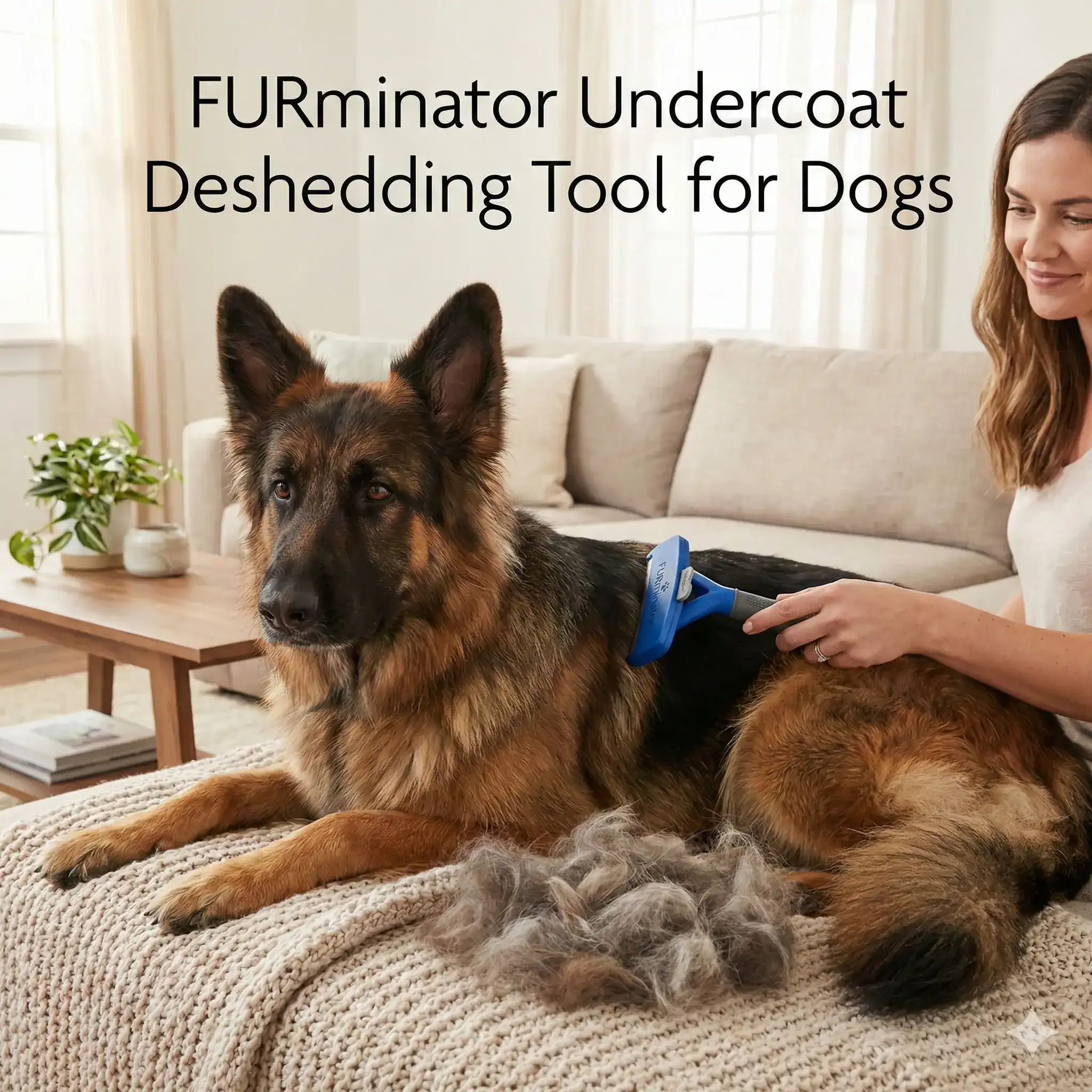
FURminator Undercoat Deshedding Tool for Dogs
Use for: Pulling out loose undercoat before it covers your home. Weekly use during shedding season is one of the most effective ways to manage the constant hair-fall volume of double-coated herding breeds.
Check price on AmazonRegular brushing with an appropriate grooming tool helps remove dead hair and reduces shedding inside the home. Brushing sessions should happen at least twice a week, increasing to daily during the spring and autumn shedding blowouts.
Aussies with sensitive skin or seasonal hot spots benefit from a gentle, oatmeal-based dog shampoo for itchy skin rather than harsh degreasing formulas, which can strip the protective oils from their protective layer.
Never shave this breed. Removing the top layer destroys the dog’s natural ability to regulate body temperature and exposes sensitive skin to sunburn. The double coat protects against both cold and heat when properly maintained.
Exercise and Living Needs
A simple daily walk is entirely insufficient for this dog. These dogs typically need a minimum of 90 minutes to two hours of structured physical work each day, paired with significant mental stimulation through training, puzzle work, or sport. This high energy demand is non-negotiable and the single biggest factor first-time families underestimate.
Physical exhaustion alone is not enough. You must also exhaust their problem-solving minds with structured training, scent work, agility drills, or advanced training to keep them settled indoors. They excel at virtually every dog sport, including agility, disc, stock trials, rally, and dock diving.
Their dense, weather-resistant fur provides excellent insulation against cold weather, making them fantastic winter companions. However, they can overheat quickly in hot, humid climates. In warm regions, exercise should be restricted to early mornings or late evenings to prevent heatstroke, with constant access to cool indoor spaces during the hottest parts of the day.
Nutrition & Diet
An active Australian Shepherd burns a substantial amount of calories and requires top-quality fuel to maintain stamina and muscle mass. Adjust food intake based on each day’s activity level to prevent unwanted weight gain.
🐶 Puppy Stage
Australian Shepherd puppies need a balanced large-breed growth formula even though they are technically medium-sized at maturity. Feed three to four measured meals a day to support their rapid neurological and physical development without promoting excessive growth that can harm developing joints.
🐕 Adult Stage
A highly energetic adult requires a high-protein diet formulated for herding dogs, with adequate protein from real meat sources to maintain working muscle. If your dog is a standard house pet rather than a sport competitor, strict portion management is essential because obesity in this line accelerates joint deterioration and shortens athletic lifespan. Your vet should review the adult feeding plan annually and adjust portion sizes if weight drifts.
🐕🦺 Senior Stage
As they age and slow down, caloric needs drop significantly. Transition to a senior formula and integrate hip and joint supplements to support aging joints in a dog that may have worked hard throughout its life.
Training
Training an Australian Shepherd is often a joy because they are desperate to learn. They thrive on positive reinforcement and clear, consistent boundaries. Heavy-handed corrections often backfire, causing the dog to shut down or become defensive.
🛑 Managing the Herding Drive
You cannot train the herding instinct out of this breed. Instead, channel it. When they start circling or nipping at heels, redirect that drive into an acceptable job or training command. Many these dogs thrive on having a structured “task” several times a day, even if it is just retrieving the morning newspaper or running a specific obstacle pattern.
🎯 Providing a Job
An Aussie views unemployment as a punishment. Without a defined task, they often become neurotic and destructive, sometimes resorting to excessive bark sessions or fence-running when bored. They excel in agility, rally obedience, disc, and herding trials, and many breeders actively test their dogs in these venues before breeding. Effective Australian Shepherd training combines structured outlets with crate work to build calm settling behavior, especially in homes with a young kid or two who need predictable down-time from the dog.
🐾 Socialization Priorities
Early socialization is critical. Because they are naturally protective and reserved with strangers, exposing them to diverse environments, sounds, and people during their first 16 weeks builds the confidence needed to become well-adjusted adults. A consistent recall is mandatory before any off-leash work, especially around running children or wildlife.
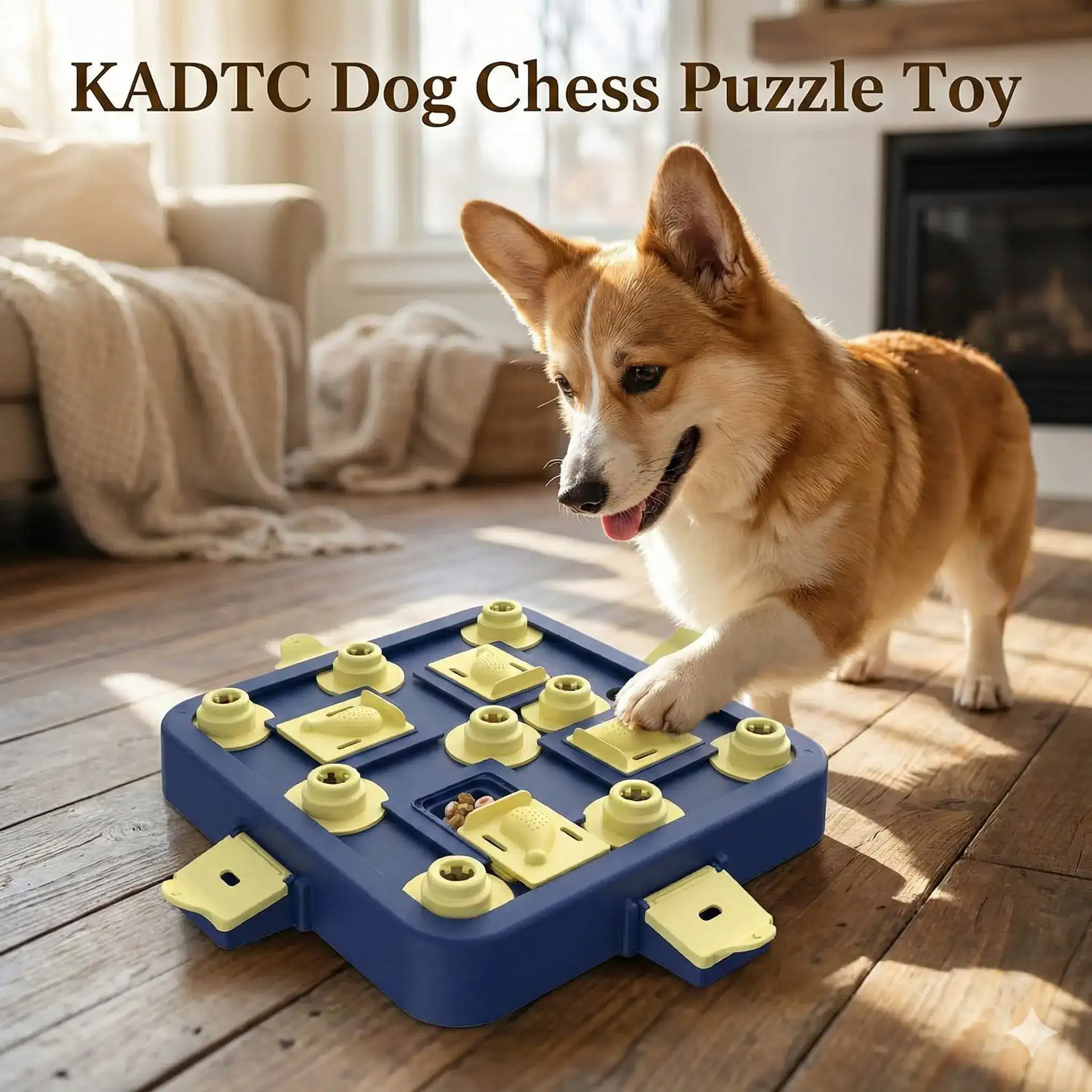
KADTC Dog Chess Puzzle Toy
Use for: Providing intense mental stimulation to top-tier herding breeds. If you cannot give your Aussie a flock of sheep, you need to exhaust their problem-solving brain indoors to prevent destructive boredom.
Check price on AmazonAustralian Shepherd vs Border Collie vs Miniature American Shepherd vs Shetland Sheepdog
Understanding how the Australian Shepherd compares to similar herding breeds helps clarify exactly what ownership entails. The breeds people most often weigh against the Aussie are the Border Collie, the Miniature American Shepherd, and the Shetland Sheepdog. All four share herding ancestry but operate at different size and intensity levels.
| Attribute | Australian Shepherd | Border Collie | Mini American Shepherd | Shetland Sheepdog |
|---|---|---|---|---|
| Weight | 40-65 lb (18-29 kg) | 30-55 lb (14-25 kg) | 20-40 lb (9-18 kg) | 15-25 lb (7-11 kg) |
| Original Purpose | Cattle & Sheep Herding | Sheep Herding | Stock Work / Companion | Crofters’ Companion |
| Energy Type | Sustained, intense drive | Obsessive working drive | High but compressed | Active but moderate |
| Trainability | Exceptional | Elite | Exceptional | Highly biddable |
| Grooming | Heavy seasonal blowout | Moderate-heavy | Moderate | Heavy daily |
| Threat Response | Reserved, protective | Friendly, focused | Reserved, alert | Vocal, alert |
| First-Time Owner? | Challenging | Strongly Discouraged | Possible | Yes |
| Vet Care Burden | Moderate (Eyes / MDR1) | Moderate (Eyes / Hips) | Moderate (Eyes / MDR1) | Moderate (Eyes / Thyroid) |
| Living Space | Yard strongly preferred | Yard required | Flexible with exercise | Flexible with exercise |
The Australian Shepherd sits between the obsessive intensity of the smaller herding cousin and the more compact, household-friendly Miniature American Shepherd. Choose the smaller cousin if you want maximum focus for serious herding work; choose the Mini American if you want the Aussie look and trainability in a smaller frame; choose the standard Aussie if you want the full version of the line and have the lifestyle to match.
Common Questions about the Australian Shepherd
Is an Australian Shepherd a good house dog?
Direct Answer: Yes, when properly exercised, they are excellent house companions for engaged households.
Context: They form strong bonds, love participating in indoor household activities, and settle well between sessions of vigorous outdoor work. However, their strong herding instincts mean they often try to herd children or other pets by nipping at heels if not given a proper outlet.
Management: Provide structured physical and cognitive outlets every day. Teach children how to interact respectfully and immediately redirect inappropriate herding behavior.
How much do they shed?
Direct Answer: They shed moderately year-round and experience heavy shedding twice a year.
Context: The Aussie has a dense double coat designed to protect them from harsh weather. During shedding season in spring and fall, they drop massive amounts of undercoat around the home.
Management: During heavy molts, schedule brushing sessions several times a week to keep up with the maintenance of the dense protective layer.
Do they need a lot of exercise?
Direct Answer: Yes, they require intense mental and physical activity daily.
Context: A simple walk around the neighborhood will not tire out an Aussie. They were bred to run long distances and solve complex problems while managing livestock. Without an outlet, this dog commonly becomes destructive.
Management: Plan for at least two hours of vigorous workouts each day. Incorporate sport work like obstacle courses, advanced training drills, or complex puzzle toys to exhaust their sharp minds.
What is a double merle Australian Shepherd?
Direct Answer: A double-merle is the result of pairing two merle-coated dogs together.
Context: This irresponsible breeding practice creates roughly a 25 percent chance of producing puppies with severe congenital hearing or vision problems, ranging from partial deficits to complete deafness or blindness. They typically have excessive white markings.
Management: Never purchase a puppy from a program that pairs two merle dogs. Always verify the color genetics of both parent dogs before committing to a litter.
How much does an Australian Shepherd cost?
Direct Answer: A puppy from a breeder conducting proper health tests generally priced between USD 800 and USD 2,000.
Context: Pricing varies based on lineage, OFA orthopedic clearances, MDR1 DNA testing, ASCA registration, and whether the parents have been shown or competed in herding sport. Premium working-line or champion-bred puppies sometimes reach USD 2,500 or more, while uncertified backyard litters tend to advertise below USD 800.
Management: Budget substantial ongoing funds for premium food, joint supplements, sport-class fees, and routine veterinary care over the 12 to 15 year lifespan.
Are mini Australian Shepherds the same?
Direct Answer: No, they are a separate line recognized as the Miniature American Shepherd, not a smaller Aussie from the same litter.
Context: While they share common ancestry and look like scaled-down Aussies, the American Kennel Club classifies them independently. Programs developed the smaller version for people who loved the Aussie look but lacked the space for a standard dog.
Management: If you are looking at smaller dogs, research the Miniature American Shepherd parent club. Avoid sellers offering “teacup” or unusually shrunken Australian Shepherds.
What are the primary health concerns?
Direct Answer: Hip dysplasia, hereditary cataracts, and the MDR1 drug-sensitivity mutation are the main issues.
Context: The breed is generally healthy but susceptible to MDR1, which causes severe sensitivity to certain drugs including some heartworm preventatives, anesthesia agents, and chemotherapy medications. Eye issues are also prevalent.
Management: Test your dog for the MDR1 mutation through your veterinarian or UC Davis VGL. Only purchase puppies from programs that provide verifiable OFA orthopedic clearances and yearly ophthalmologist exam results.
Can they live comfortably in a small flat?
Direct Answer: Apartment living is challenging and usually not ideal for this breed.
Context: They are vocal, energetic, and extremely reactive to environmental stimuli. The lack of a secure yard makes it incredibly difficult to meet their rigorous exercise requirements. Bored dogs often develop severe isolation distress.
Management: This breed does best with a home featuring a large, securely fenced yard. If you live in a small space, consider a lower-energy breed that does not require constant jobs to stay balanced.
Why do they stare so intensely?
Direct Answer: This is a specialized herding behavior known as “giving eye.”
Context: Australian Shepherds use this intense gaze to direct and intimidate livestock without resorting to biting. It is a deeply ingrained genetic trait shared with related herders and other elite herders.
Management: Understand that this staring is not a sign of aggression toward you. It simply means the dog is intensely focused and waiting for your next command or movement.
Can Aussies be left alone for 8 hours?
Direct Answer: No, an 8-hour solo stretch is too long for most Australian Shepherds without behavioral fallout.
Context: Aussies form intense bonds with their handlers and frequently develop isolation anxiety, destructive chewing, or chronic vocalization when isolated for full work days. Their intelligence backfires here: a bored, anxious Aussie invents complex destructive projects rather than sleeping through the day.
Management: Build a midday plan: a dog walker, doggy daycare, or a work-from-home schedule. Front-load the morning with vigorous activity and mental work, leave puzzle feeders for solo time, and crate-train from puppyhood so the dog has a calm safe space rather than full-house freedom.
Finding a Puppy
Locating a stable, structurally sound Australian Shepherd puppy from a reputable breeder requires significant research. The breed’s complex color genetics and MDR1 status require expert knowledge to navigate safely. Any litter offered for immediate sale near you without health-test documentation is a red flag of major severity.
Before buying an Australian Shepherd puppy, run this 4-step check: (1) Can you commit to 90 minutes to two hours of structured physical and mental work every single day for the next 12 to 15 years? (2) Have you secured a fully fenced yard or daily access to a safe off-leash space? (3) Are you prepared for the veterinary screening expenses around MDR1 testing, joint evaluation, and annual eye exams? (4) Do you have a sport, training plan, or job ready to channel their herding drive constructively? If any answer is no, reconsider the breed.
🏠 Responsible Source
Reputable breeders provide OFA clearances for hips and elbows, recent canine eye exam results, and clear DNA results for the MDR1 mutation. They never breed two merle dogs together. Good kennels prioritize character and ability over rare color patterns, and screen prospective handlers for fencing, activity commitment, and prior herding-breed experience.
🐾 Adoption Organizations
Many pedigreed Australian Shepherds end up in breed shelters when families drastically underestimate their exercise and mental requirements. Adopting an adult dog allows you to bypass the intense puppy phase and clearly evaluate the dog’s true energy levels, reactivity, and training history.
🚩 Red Flags to Watch For
- Seller deliberately pairing two merle dogs to produce “rare” colors.
- No MDR1 genetic screening results provided for the parent dogs.
- Puppies marketed entirely on having blue eyes, regardless of structure or temperament.
- Inability to provide verifiable OFA orthopedic and elbow clearances.
- No questions asked about your fencing, activity routine, or prior dog experience.
Personal Observation
💭 Personal Observation
When my rescue Rambo arrived abandoned in 2022, his raw physical stamina showed me exactly what happens when a high-drive dog lacks structure. He easily runs alongside a bicycle for a kilometer without breaking pace. But the Australian Shepherd carries that same explosive physical intensity combined with generations of focused herding intelligence. Exhausting them physically is only half the battle. If I applied Rambo’s pure running routine to a dog without adding complex puzzle toys or advanced obedience drills, the dog would return home physically tired but mentally bored enough to destroy the living room. You cannot outrun an Australian Shepherd; you must out-think them.
Conclusion
The Australian Shepherd is a masterpiece of herding-dog breeding. They are stunningly intelligent, fiercely loyal, and capable of learning almost anything you can teach them.
They are not, however, a casual companion pet. Be prepared to handle intense seasonal shedding, manage their natural drive to herd everything that moves, and provide a structured job every single day. For engaged handlers with a secure yard and a willingness to commit to sport work or outdoor adventures, this breed is unmatched. For sedentary households or quiet small-space living, this herding dog will commonly feel overwhelming within months.


