
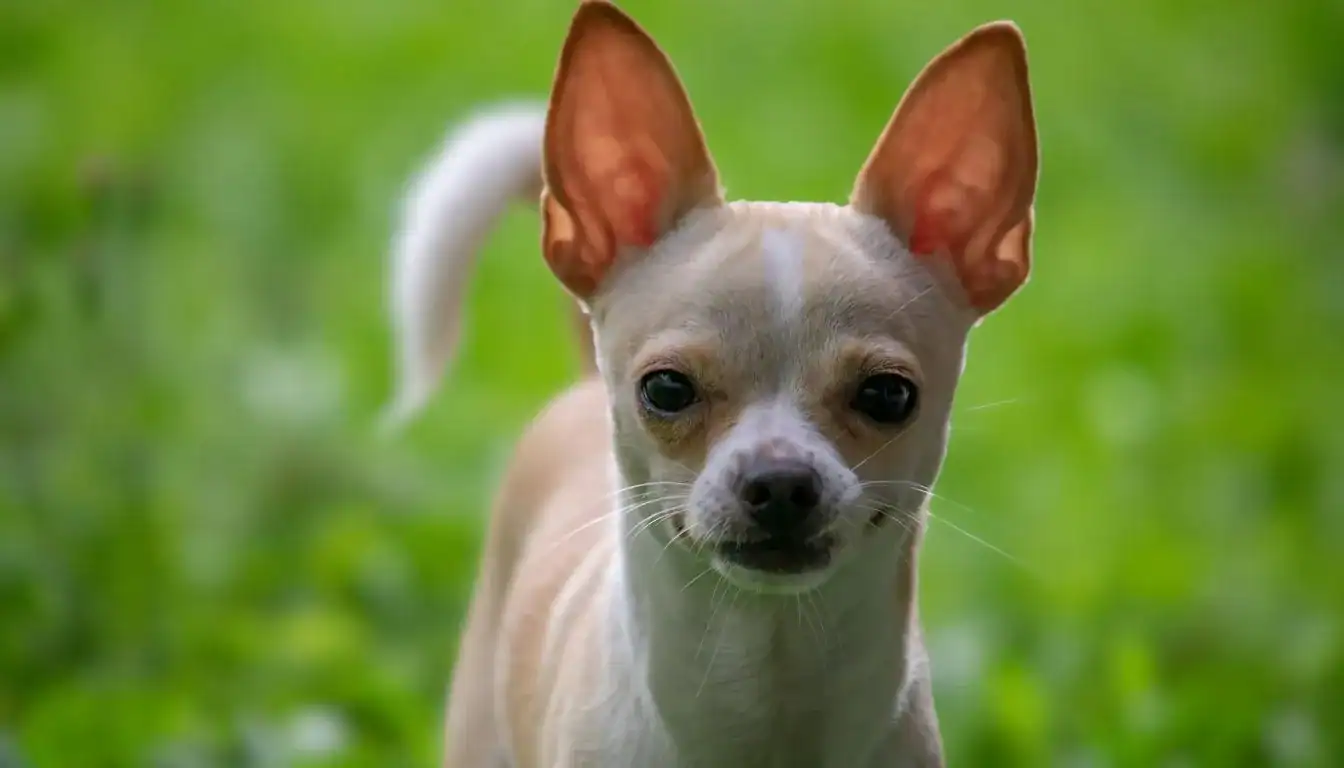
The Chihuahua is a tiny Mexican toy companion breed developed from ancient native dogs of the Americas and refined in the state of Chihuahua, Mexico, where American travelers first discovered them in the mid-1800s and brought them home as devoted lap dogs. Despite weighing barely 2 to 6 pounds, this small breed packs the alertness and confidence of a far larger animal, which is exactly the trait that gets so many of them into trouble with handlers who underestimate the structure required.
What you rarely see in viral lap-dog videos is the daily reality of managing a fragile body with an oversized personality. Underestimating their physical vulnerability and their stubborn boundary-testing is one of the most common reasons many Chihuahuas end up in shelters across the United States.
This Chihuahua dog breed information draws on Chihuahua Club of America standards, AKC reference data, and Orthopedic Foundation for Animals screening protocols to lay out exactly what living with this dog demands from day one.
The Chihuahua dog breed care profile carries serious lifelong commitments that prospective handlers tend to overlook. Severe periodontal infection in a tiny jaw, luxating patella surgery on fragile knees, and the persistent risk of low blood sugar in puppies and undersized adults mean that breeder selection and daily care matter here more than with larger toy dogs.
The pro side is a fiercely loyal partner that bonds deeply with one handler and lives 14 to 18 years with proper care. The con is that an under-socialized or untrained Chihuahua often becomes a snappy, anxious, vocally relentless little dog, with a typical lifespan of 14 to 18 years meaning a thoughtful owner gets nearly two decades of partnership, but only if the daily structure is honestly understood from day one.
Affiliate Disclosure: K9Sphere is a participant in the Amazon Services LLC Associates Program. As an Amazon Associate, K9Sphere earns from qualifying purchases made through links in this article at no extra cost to you.
Breed Snapshot
📊 Vitals and Lifespan
Height
Males: 5-8 inches (13-20 cm)
Females: 5-8 inches (13-20 cm)
Weight
Males: 2-6 lb (1-3 kg)
Females: 2-6 lb (1-3 kg)
Lifespan
14-18 years
AKC Group
Toy Group
Origin
Mexico
🇲🇽
⭐ Personality Traits
Ratings (1 to 5). These compact Chihuahuas balance intense affection with a stubborn, terrier-like attitude, requiring consistent training to manage their oversized personalities.
History and Origin
The lineage of the Chihuahua traces back to ancient civilizations in the Americas. They are widely considered the descendants of the Techichi, a compact ancestral type favored by the Toltecs and believed to hold spiritual significance.
📌 9th Century: The Techichi
Toltec carvings near present-day Mexico City depict compact dogs with large, round heads. These ancestors held deep spiritual significance, frequently buried alongside their owners to guide them through the afterlife.
📌 12th Century: Aztec Era
Following the decline of the Toltecs, the Aztecs refined them. They became smaller and were highly prized among the nobility, continuing their role as both spiritual guides and treasured pets.
📌 Mid-1800s: American Discovery
American travelers visiting the Mexican state of Chihuahua began purchasing these little dogs from local merchants. They brought them back to the USA, cementing the geographic name they carry today.
📌 1904: AKC Recognition
The American Kennel Club gave Chihuahuas official recognition, placing them in the Toy Group. A specimen named Midget became the first registered Chihuahua, kicking off their rise as a beloved American pet. Readers can learn more about the Chihuahua at the AKC’s official breed page linked above.
Today, they remain heavily favored as small-home dwellers and devoted lap dogs, outlasting their ancient roots to become global cultural icons.
Physical Characteristics
They are the smallest officially recognized canine in the world. Despite their microscopic footprint, they are surprisingly agile and alert, featuring large, luminous eyes and distinctively erect ears.
🍎 Apple Head vs Deer Head
The official standard mandates a rounded “apple” dome skull with a short muzzle. However, many pet-quality dogs feature a “deer” head, characterized by a flatter skull, longer snout, and slightly longer legs. While deer heads are not preferred in show standards, they typically suffer from fewer breathing and tooth crowding issues.
🎨 The Two Coat Varieties
They come in smooth-haired and long-haired types. The smooth coat lies close to the body with a glossy sheen, while the long coat features soft, fine hair with prominent feathering on the ears, legs, and tail. Both varieties exist in almost any color or pattern.
The “Teacup” Deception
There is no officially recognized “teacup” size in this breed. Unethical breeders intentionally stunt growth or select runts to produce dangerously undersized puppies weighing 2 pounds or less. These extremely undersized dogs routinely face severe medical complications, including low blood sugar episodes, heart defects, and fragile bones that break under normal play.
Character and Temperament
They process the world with the confidence of a far larger animal. This immense bravery often gets them into trouble if handlers fail to manage their environment carefully.
👑 The Velcro Bond
They typically form a strong primary bond, especially without early socialization. They tend to shadow their favorite handler, demanding physical contact and lap time. This intense loyalty is endearing, but it commonly leads to severe separation anxiety when the handler leaves the house, and to resource guarding behavior toward anyone approaching their favorite human.
🚨 High Alert Instinct
They are fiercely watchful and suspicious of strangers. A calm, stable Chihuahua will observe quietly from a distance. An under-socialized one acts preemptively, barking constantly at delivery drivers, passing neighbors, or unfamiliar noises.
🚫 Intolerance for Roughness
They do not have the physical resilience or the patience for chaotic environments. They are easily injured by clumsy play and will bite defensively if they feel cornered or handled roughly. This makes them a remarkably poor fit for homes with boisterous toddlers.
🐕 Small Dog Syndrome
Because their bites rarely cause serious human injury, handlers commonly tolerate growling and snapping that would trigger immediate corrective intervention in a Labrador Retriever. This leniency creates deeply anxious, aggressive little dogs.
Screening and Conditions
Veterinary Disclaimer: The information provided in this article is for educational purposes only and is not intended as a substitute for professional veterinary advice, diagnosis, or treatment. Always consult a licensed veterinarian for any health concerns about your pet.
Health Information Sources: Health data compiled from:
- OFA (Orthopedic Foundation for Animals): Required cardiac and patellar screening protocols for the Chihuahua
- American Kennel Club: Breed health monograph and parent club guidance
- AVMA: Dental disease prevalence and management protocols in toy breeds
Always consult your licensed DVM for personalized medical advice.
While they boast one of the longest lifespans in the canine world, surviving up to 18 years, those years are rarely free of medical intervention. Their delicate anatomy creates specific, predictable vulnerabilities that responsible owners must plan for from day one.
Common Inherited Conditions
🔴 Severe Dental Disease
What to watch for: A miniature jaw still has to fit 42 adult teeth, meaning crowding and retained baby teeth significantly increase periodontal disease risk. Left untreated, bacteria can infect the jawbone, weaken the jaw structure, and seep into the bloodstream to damage the heart and kidneys.
Screening: Daily brushing is non-negotiable. Most owners should also budget for professional veterinary cleanings under anesthesia multiple times throughout the dog’s life.

Oxyfresh Premium Pet Dental Care Solution Water Additive
Use for: Daily oral care for toy breeds prone to severe periodontal infection and crowded teeth. This additive fights plaque accumulation, reduces bad breath, and supports gum condition in compact jaws where brushing alone tends to fall short.
Check price on Amazon🔴 Hypoglycemia (Low Blood Sugar)
What to watch for: Young dogs and extremely undersized adults lack the fat reserves to maintain blood sugar levels between meals. Symptoms include sudden lethargy, shivering, glassy eyes, and a wobbly gait.
This is a medical emergency that leads to seizures and death. Rubbing Karo syrup or honey on the gums provides temporary relief while rushing the dog to the vet.
🔴 Luxating Patella
What to watch for: The kneecap slips out of its groove. Owners typically notice the dog suddenly holding up a hind leg for a few steps, then dropping it back down as the knee pops back into place. Eventually, the friction destroys cartilage and causes severe arthritis.
Screening: OFA patellar evaluation on both parents is mandatory for ethical breeders. Adding a quality hip and joint supplement helps protect joint fluid as the dog ages.
🟡 Tracheal Collapse
What to watch for: The cartilage rings supporting the windpipe weaken and flatten. The dog develops a harsh, dry, “honking” cough, especially when excited, drinking water, or pulling on a collar.
Management: Never use a neck collar for walking. A well-fitted body harness is mandatory for Chihuahuas.
Grooming and Coat Care
How to groom this Chihuahua depends largely on hair length, but neither variety demands the intense maintenance required by larger thick-coated animals.
Smooth-haired Chihuahuas need minimal effort. A quick wipe down with a damp cloth or a soft bristle brush once a week keeps their fur shiny. They shed moderately, usually dropping fine, stiff hairs that easily embed in upholstery. Regular brushing with an appropriate grooming tool minimizes loose fur inside the home.
Long-haired Chihuahuas require brushing two to three times a week to prevent mats, particularly behind the ears, under the armpits, and along the feathered tail. Neither variety needs frequent bathing unless they roll in dirt, as over-washing strips away their natural protective skin oils.
Nail trimming is a massive priority for Chihuahuas. Because they are incredibly light, their nails do not wear down naturally on pavement like larger dogs. Long nails alter the angle of their compact paws, placing unnatural stress on already vulnerable knee joints. A useful tip is to trim small amounts every two weeks rather than attempting a full trim less frequently, since this prevents the quick from lengthening.
Exercise and Living Needs
A little dog still needs real activity, but their requirements scale to their size. Following an owner from room to room satisfies a significant portion of their daily movement needs.
They typically thrive on two brief, 15-to-20-minute walks per day. Mental stimulation is just as critical, and training sessions or interactive puzzle toys prevent the neurotic pacing and destructive chewing that stem from boredom. They excel in small-home living due to their size, provided their vocal habits are managed so they do not disturb neighbors.
Environmental safety requires vigilance. They lack body mass to retain heat, meaning they genuinely need sweaters during cold weather. Conversely, in hot environments, they can quickly overheat. Providing a cool resting space, such as an orthopedic dog bed out of direct sunlight, keeps them comfortable through every season.
Nutrition & Diet
Feeding these toy-sized dogs requires precision. Because they consume so few calories daily, every piece of kibble must offer dense nutritional value.
🐶 Puppy Stage
To prevent these blood sugar crashes, puppies must eat small, frequent meals (typically four to five times a day). Missing a single meal can trigger a dangerous blood sugar crash. Monitor their eating habits closely during the first six months.
🐕 Adult Stage
Transition to a high-quality toy-formula kibble designed for miniature breeds. Obesity is an epidemic in this miniature dog. A Chihuahua carrying just one extra pound of fat is carrying 20% to 50% more body weight than they should, which catastrophically accelerates joint breakdown and tracheal collapse. Measure their food with a kitchen scale, not a random scoop.
🐕🦺 Senior Stage
As metabolism slows, reduce caloric intake gradually. Many Chihuahuas develop a sensitive stomach in their later years, so any diet change should be made over 7 to 10 days to avoid digestive upset. If oral decay progresses to the point of multiple extractions, owners typically need to transition the dog to wet food or heavily soaked kibble. Cardiac-support diets may be necessary if a vet detects a heart murmur.
Training
Training a pet this compact requires patience and an absolute refusal to let cute behavior slide into bad manners. The same boundary-setting that produces a stable French Bulldog applies here, just on a smaller scale.
🛑 Boundary Setting
Intensive socialization between 8 and 16 weeks is critically important for Chihuahuas. Expose them to larger animals, strange surfaces, and new people in controlled settings. A well-socialized Chihuahua learns the world is safe, while an isolated one resorts to preemptive snapping to keep scary things away.
👑 Overcoming Small Dog Syndrome
Do not allow them to display habits you would correct in a larger animal. If they growl when someone approaches their food bowl or lap space, redirect them firmly and calmly with consistent training cues to stop this pattern before it escalates. Treat them like a real dog, and they will behave like one.
🚽 Potty Training Reality
They are notoriously difficult to housebreak. Their limited bladders demand frequent trips outside, and they actively avoid cold or wet weather. Consistent kennel training is the most effective way to prevent house-soiling.

MidWest Homes for Pets iCrate
Use for: Den-style training for young dogs and providing a safe, enclosed space for anxious or territorial toy-sized dogs, accelerating the difficult potty training process Chihuahuas are known for.
Check price on AmazonChihuahua vs Yorkshire Terrier vs Pomeranian vs Dachshund
Understanding how the Chihuahua compares to similar toy companions clarifies which option best fits a household’s dynamics. The dogs people most often weigh against the Chihuahua are the Yorkshire Terrier, the Pomeranian, and the Dachshund. All four occupy the toy-dog space but differ sharply in grooming load, vet expenses, and threat response.
| Attribute | Chihuahua | Yorkshire Terrier | Pomeranian | Dachshund |
|---|---|---|---|---|
| Weight | 2-6 lb (1-3 kg) | 7-10 lb (3-5 kg) | 3-7 lb (1-3 kg) | 16-32 lb (7-15 kg) |
| Original Purpose | Ancient Companion | Ratting / Companion | Watchdog / Companion | Badger Hunting |
| Energy Type | Bursty, alert-driven | Spirited, persistent | Lively, attention-seeking | Steady, scent-driven |
| Trainability | Stubborn but capable | Biddable | Biddable | Independent, willful |
| Grooming | Low-Moderate | High (hair-like coat) | High (dense double coat) | Low-Moderate |
| Threat Response | Vocal alert / snapping | Fearless alert barking | Constant alert barking | Deep barking / digging |
| First-Time Owner? | Challenging | Yes | Yes | Challenging (spinal care) |
| Vet Cost Burden | High (Dental / Knees) | Moderate-High (Dental) | Moderate (Luxating Patella) | Very High (IVDD / Spine) |
| Living Space | Apartment Friendly | Apartment Friendly | Apartment Friendly | Stair-Free Living Essential |
The Chihuahua occupies a distinct space, significantly smaller than a French Bulldog or similar lap-sized toy and less grooming-intensive than a double-coated toy. Their primary challenge is intense handler bonding, whereas a stubborn hound tests owners with independent willfulness. If you want a portable lap-sized pet and are willing to enforce strict training rules, the Chihuahua is ideal. If you want a friendly lap pet that happily embraces every stranger it meets, you should likely look elsewhere.
Common Questions about the Chihuahua
Is a Chihuahua a good house dog?
Direct Answer: Yes for adult-only homes or families with steady, older children, but they are a poor fit for homes with toddlers or large, clumsy pets.
Context: This tiny dog has fragile bones that make them incredibly vulnerable to accidental injury. A dropped toy or a clumsy stumble from a toddler can easily cause a serious leg fracture in a 4-pound Chihuahua.
Management: If you have young children, actively supervise all interactions and teach kids to sit on the floor before holding the dog. Small-space living suits Chihuahuas well, provided their alert barking is managed early.
What are the common health issues in Chihuahuas?
Direct Answer: The four most common medical problems in Chihuahuas are severe periodontal disease, hypoglycemia, luxating patella, and tracheal collapse.
Context: Their delicate frame creates predictable vulnerabilities. Crowded teeth in a compact jaw lead to bacterial infections, low body fat triggers blood sugar crashes, fragile knees slip out of position, and weak windpipe cartilage causes a “honking” cough.
Management: Daily tooth brushing, never using a neck collar (always a body harness), feeding mini portions to puppies, and budgeting for OFA-screened parents reduce most lifetime risks.
How much does a Chihuahua usually cost?
Direct Answer: A young Chihuahua from a reputable breeder typically costs between USD 800 and USD 2,500, depending on lineage and location.
Context: The purchase price is the smallest expense over the dog’s 14-to-18-year lifespan. Lifetime vet bills (tooth cleanings, possible patella surgery, extractions in older dogs) commonly run USD 8,000 to USD 15,000 across the dog’s life. Adoption from a shelter typically runs USD 100 to USD 400 and frequently includes initial veterinary work.
Management: Secure comprehensive pet insurance while the dog is still a puppy, before oral decay or patellar luxation becomes a pre-existing condition that insurance will not cover.
Why does my Chihuahua shake?
Direct Answer: Shaking in Chihuahuas is a combination of high metabolism, poor heat retention, and intense emotional response.
Context: Because they have very little body fat, they lose heat rapidly and shiver to stay warm in any room below typical comfortable room temperatures. They also tremble when excited, anxious, or frightened, which is normal behavior rather than a medical concern.
Management: Provide a warm sweater in cool weather. If they shake while warm, assess their environment for stressors and remove them from overwhelming situations. Persistent shaking in a settled, warm Chihuahua warrants a vet visit to rule out underlying medical causes.
How long do Chihuahuas live?
Direct Answer: They frequently live 14 to 18 years, with some well-cared-for individuals reaching 20.
Context: This is one of the longest-lived breeds in the canine world. Getting one means committing to caring for that animal for nearly two decades, which is a longer responsibility than most large breeds require.
Management: Plan for long-term elder care, as your aging Chihuahua may need modified diets, heart medications, and lifestyle adjustments. Early oral care and weight management add the most measurable years to a Chihuahua’s lifespan.
What are the different types of Chihuahuas?
Direct Answer: Chihuahuas officially come in two hair varieties (smooth and long) and two head shapes (apple and deer), but only smooth coat and long coat are AKC-recognized variations.
Context: Apple-head Chihuahuas have the rounded dome skull required by the Chihuahua breed standard. Deer-head Chihuahuas have a flatter skull and longer snout, common in pet-quality dogs but not show-eligible. Hair length varies independently from head shape, so all four combinations exist.
Management: “Pocket,” “micro,” and “mini” are not official types. They are marketing terms used to sell dangerously undersized dogs. Aim for a healthy 4-to-6-pound adult regardless of head or hair type.
What are the grooming needs of a Chihuahua?
Direct Answer: Smooth-haired Chihuahuas need weekly brushing, while long-haired Chihuahuas need brushing two to three times a week to prevent mats.
Context: Neither variety requires the heavy grooming of a Pomeranian or Yorkie. Bathing should be infrequent (every 6 to 8 weeks) to preserve natural skin oils. Nail trimming every 2 to 3 weeks is critical, as they are too light to wear nails down naturally.
Management: Pair weekly coat care with daily tooth brushing and ear checks, since oral and skin issues affect Chihuahuas far more than fur problems do.
Are Chihuahuas hard to potty train?
Direct Answer: Yes, they are notoriously difficult to housebreak compared to medium-sized breeds.
Context: Their limited bladders process water quickly, so they require outdoor breaks every 2 to 3 hours as young dogs. Many handlers inadvertently train them to relieve themselves indoors by refusing to take them out in rain or cold weather.
Management: Consistency is the key. Use kennel training, set a strict outdoor schedule, and reward outdoor success heavily. Indoor pee pads are a reasonable backup for harsh winter climates but should not replace outdoor training.
Can a Chihuahua be a service dog?
Direct Answer: They cannot perform mobility or guide work due to their size, but they can serve as psychiatric service dogs, hearing alert dogs, and medical alert dogs for conditions like diabetes or seizures.
Context: Service dog work depends on temperament and training, not size. A confident, well-socialized Chihuahua with stable nerves can be trained to recognize panic attacks, blood sugar shifts, or specific sounds. However, this dog’s tendency toward fear-reactivity and resource guarding disqualifies many individual dogs from service work.
Management: Service dog candidates should be selected by a professional trainer based on individual temperament testing, not breed alone. Emotional support animal status (which has no public access rights) is a more realistic role for most pet Chihuahuas.
What makes Chihuahuas happy?
Direct Answer: Close physical contact with their primary handler, predictable daily routines, warmth, and consistent boundary-setting.
Context: Chihuahuas are wired for intense one-person bonding. They thrive on lap time, being carried in safe situations, and following their favorite human from room to room. Brief walks, short training sessions, and warm sleeping spots round out their core needs.
Management: Avoid leaving them alone for more than 4 to 6 hours at a stretch, dress them appropriately for cold weather, and reinforce relaxed habits with treats and praise rather than tolerating snappy or possessive habits.
Finding a Puppy
Locating a stable, healthy example of this breed requires navigating a market flooded with irresponsible backyard breeders prioritizing “tiny” over “healthy.”
🏠 Responsible Source
Seek breeders who actively register their litters and participate in conformation or obedience events. Demand physical proof of OFA certifications for cardiac soundness and patellar (knee) stability on both parents. Ethical breeders will not let pups go home before 10 to 12 weeks of age, ensuring the dog is stable enough to survive the transition without severe hypoglycemia.
🐾 Rescue Organizations
This is one of the most commonly surrendered breeds in the country, frequently given up by owners overwhelmed by housebreaking failures or resource-guarding habits. Adopting an adult allows new owners to bypass the fragile early-life stage and accurately assess the dog’s temperament profile and tooth condition. If you adopt a Chihuahua from a shelter, request the organization’s behavioral notes and any vet records before commitment. Buyers who want a gentler alternative sometimes also consider a Bichon Frise, which carries a more even temperament with strangers.
🚩 Red Flags to Watch For
- Marketing puppies as “teacup,” “micro,” or “pocket-sized.”
- Sale prices significantly below regional averages, frequently indicating unscreened parents or commercial operations.
- Inability to provide official OFA heart and knee scoring documents for the parents.
- Litters available immediately without any waitlist or handler screening.
- Releasing puppies to new homes at 6 to 8 weeks old.
- Parents exhibiting extreme fear, trembling constantly, or unprovoked aggression.
Before bringing home a Chihuahua puppy, run this 4-step pre-buying check: (1) Can you commit to strict boundary training so the dog does not develop fear-based aggression? (2) Is your budget prepared for advanced tooth cleanings and potential luxating patella surgery? (3) Can you guarantee a household environment free from rough toddlers or large, clumsy pets? (4) Have you met adult examples to understand their intense vocal alert habits? If any answer is no, reconsider the breed.
Personal Observation
💭 Personal Observation
When my rescue Chun Chun broke her front leg years ago, the fracture happened to be a stable, simple break in a dog with a healthy blood supply to that bone. It healed cleanly with splints, bandages, and strict crate rest. She walks, runs, and patrols the yard normally today at about 38 pounds. The reason this matters for prospective Chihuahua owners is that toy breeds face a very different anatomical reality with leg fractures. Veterinary orthopedic literature documents that toy breeds have poor vascular density in the lower front leg bones, with reported nonunion rates as high as 75% when these fractures are treated with splints alone. That is why a Chihuahua leg break frequently ends up at an orthopedic specialist’s table for plate-and-screw repair, even when the same type of fracture in a larger animal might be managed differently. My advice for anyone bringing one of these tiny dogs home is to install pet stairs near every couch, bed, and high chair from day one and discuss any fall, no matter how minor it seems, with a vet promptly. The body that goes with that big personality is far more fragile than first-time owners realize.
Conclusion
The Chihuahua remains a globally beloved house dog, offering an immense personality and unwavering devotion in the smallest possible body. They are unmatched in their ability to bond deeply with their owners, providing nearly two decades of affectionate partnership when raised with structure.
However, that convenience is offset by significant medical vulnerabilities and the need for strict structure. They require a handler willing to enforce consistent boundaries, invest heavily in lifelong tooth care, and protect their fragile anatomy from a world built for far larger creatures. For those ready to provide structure alongside affection, the reward is an intensely loyal, long-lived friend.


