

The Golden Retriever is widely regarded as the ultimate household companion. They appear in commercials, movies, and suburban homes across the world with a characteristic joyful expression. Most people recognize that signature liquid gold coat and eager tail wag instantly.
While they are known for their gentle, forgiving nature, owning a Golden Retriever comes with real responsibilities that many first-time owners underestimate. The 18-month adolescent phase involves relentless mouthiness, the coat drops hair year-round, and the malignancy rates in this breed remain alarmingly high.
Despite these challenges, they remain one of the most reliable household dogs if you are prepared for the reality of their care. The breed requires far more structure and medical planning than their easygoing reputation suggests. Their suitability is highest for first-time households willing to invest in outdoor activity and proactive veterinary screening.
The OFA CHIC required testing protocols and the Morris Animal Foundation’s Golden Retriever Lifetime Study shape the screening and care guidance throughout this article.
Affiliate Disclosure: K9Sphere is a participant in the Amazon Services LLC Associates Program. As an Amazon Associate, K9Sphere earns from qualifying purchases made through links in this article at no extra cost to you.
Breed Snapshot
📊 Vitals and Lifespan
Height
Males: 23-24 in (58-61 cm)
Females: 21.5-22.5 in (55-57 cm)
Weight
Males: 65-75 lb (29-34 kg)
Females: 55-65 lb (25-29 kg)
Lifespan
10-12 years
AKC Group
Sporting Group
Origin
Scotland
🏴
⭐ Personality Traits
Ratings (1 to 5). Behind the smiling face is a highly trainable, energetic sporting breed that requires a job to do. Without physical outlets, their natural mouthiness turns destructive.
Scottish Origins
Unlike many ancient breeds whose origins are lost to time, the Golden Retriever’s development is meticulously documented. The breed was created in the mid-19th century by Dudley Marjoribanks, the first Lord Tweedmouth, at his Guisachan estate in the Scotland highlands.
📌 1868: The Foundation Cross
Lord Tweedmouth crossed a yellow retriever named Nous with a Tweed Water Spaniel named Belle at his Guisachan estate. He needed a superior gun dog suited for the harsh, rainy Scottish climate and rugged terrain that could bring back fallen birds from water and dense cover.
📌 1880s-1890s: Bloodline Refinement
Tweedmouth integrated the Irish Setter and the Bloodhound to refine scenting ability and bird tracking instincts. The closely related Flat-Coated Retriever shares some of this same ancestral development but diverged into a distinct line.
📌 1911: UK Kennel Club Recognition
The Kennel Club in England officially recognized the breed as “Retriever (Golden and Yellow).” The name was later simplified. The breed quickly gained popularity among British hunters and field trial enthusiasts for its cooperative nature and soft mouth.
📌 1925: AKC Recognition
The American Kennel Club registered the Golden Retriever in the Sporting Group. By the mid-20th century, the breed had become one of the most popular household dogs in North America, serving as assistance dogs, search and rescue animals, and beloved companions.
Today, many modern lines have split into two distinct types. Show lines often feature a blockier head, heavier bone structure, and a lighter coat color. Field lines tend to be leaner, more athletic, and darker red, prioritizing agility and beginner-friendly trainability over bulk.
Physical Characteristics
The breed is sturdy and well-proportioned, built for sustained outdoor activity in the field rather than sprinting. Their big, friendly expression and flowing coat make them one of the most recognizable dogs on earth.
🧥 The Double Coat
Their coat consists of a dense, water-resistant inner layer and a longer, resilient outer coat. It lies flat against the body, with heavy feathering on the forelegs, underbody, and tail. The color ranges from light cream to dark reddish-gold. A Goldendoodle (Golden crossed with Poodle) is often marketed as a low-shedding alternative, but coat types in mixed breeds are unpredictable.
🦴 Structural Build
A broad skull, straight muzzle, and intelligent eyes characterize the head. They possess a deep chest and a level topline. They are powerfully built but move with a smooth, effortless gait that allows them to work through rough cover. Their weight should be monitored closely since even modest excess puts strain on their joints.
Temperament
The Golden Retriever’s disposition is famously reliable, loyal, and entirely devoted. They love people unconditionally, which is the opposite of a protective breed like the German Shepherd. They lack intense guarding instincts and typically greet strangers with a wagging tail, making them outstanding companions but terrible property defenders.
Their heritage as a retrieving dog means they explore the world with their mouths. Puppies are notoriously “mouthy,” carrying toys, socks, and your hands around the house. This oral fixation requires consistent redirection during the first year to prevent accidental nipping. A practical tip: always have a chew toy within arm’s reach during their adolescent phase.
They are deeply bonded to their human households. They do not do well when isolated in a backyard for hours. This is a Velcro breed that wants to be indoor with you, under your feet, in your lap, or participating in whatever you are doing. They love to play and will get a lot of satisfaction from structured fetch sessions, swimming, and interactive puzzle toys.
Screening and Conditions
Veterinary Disclaimer: The information provided in this article is for educational purposes only and is not intended as a substitute for professional veterinary advice, diagnosis, or treatment. Always consult a licensed veterinarian for any concerns about your dog.
Sources: Data compiled from:
- Morris Animal Foundation: Golden Retriever Lifetime Study
- OFA: CHIC requirements for the breed
Always consult your licensed DVM for personalized medical advice.
Despite their popularity, the breed faces several serious genetic challenges that responsible owners should understand early. Originally developed for hunting and retrieving in the Scottish highlands, their working heritage gave them a robust frame, but modern lines carry a disproportionately high incidence of malignancy. The average lifespan is 10 to 12 years, and proactive screening is important to ensuring they reach their senior years comfortably. Working with a veterinarian experienced in sporting breeds helps catch problems early.
🔴 The Oncology Burden
What to watch for: Research indicates that malignancy accounts for approximately 60% of deaths in the breed. Hemangiosarcoma (a rapidly spreading disease of the blood vessels) and lymphoma are the most common culprits. Symptoms are often subtle until the condition is advanced, which is why early detection through regular screening for unusual lumps or behavioral changes can be the difference between intervention and loss.
Screening: Routine veterinary exams, blood panels, and abdominal ultrasounds starting at age five are critically important. Dogs that go blind from progressive retinal atrophy (PRA) should also be screened, as some eye conditions correlate with broader genetic vulnerability in certain lines.
🟡 Hip and Elbow Dysplasia
What to watch for: These big, active dogs frequently suffer from malformed hip or elbow sockets. The bones grind together rather than gliding smoothly, leading to painful arthritis, stiffness, and eventual lameness.
Screening: Both parent dogs must have passing OFA or PennHIP scores before breeding. Starting a proven hip and joint supplement supports cartilage as the dog ages.
Maintaining proper body condition matters more with this breed than most. Extra weight puts additional strain on joints that are already vulnerable, and keeping them lean is one of the simplest ways to extend their comfort and mobility. Providing a quality orthopedic dog bed helps relieve pressure as they age.
Consult your veterinarian before starting any supplement regimen for your dog.
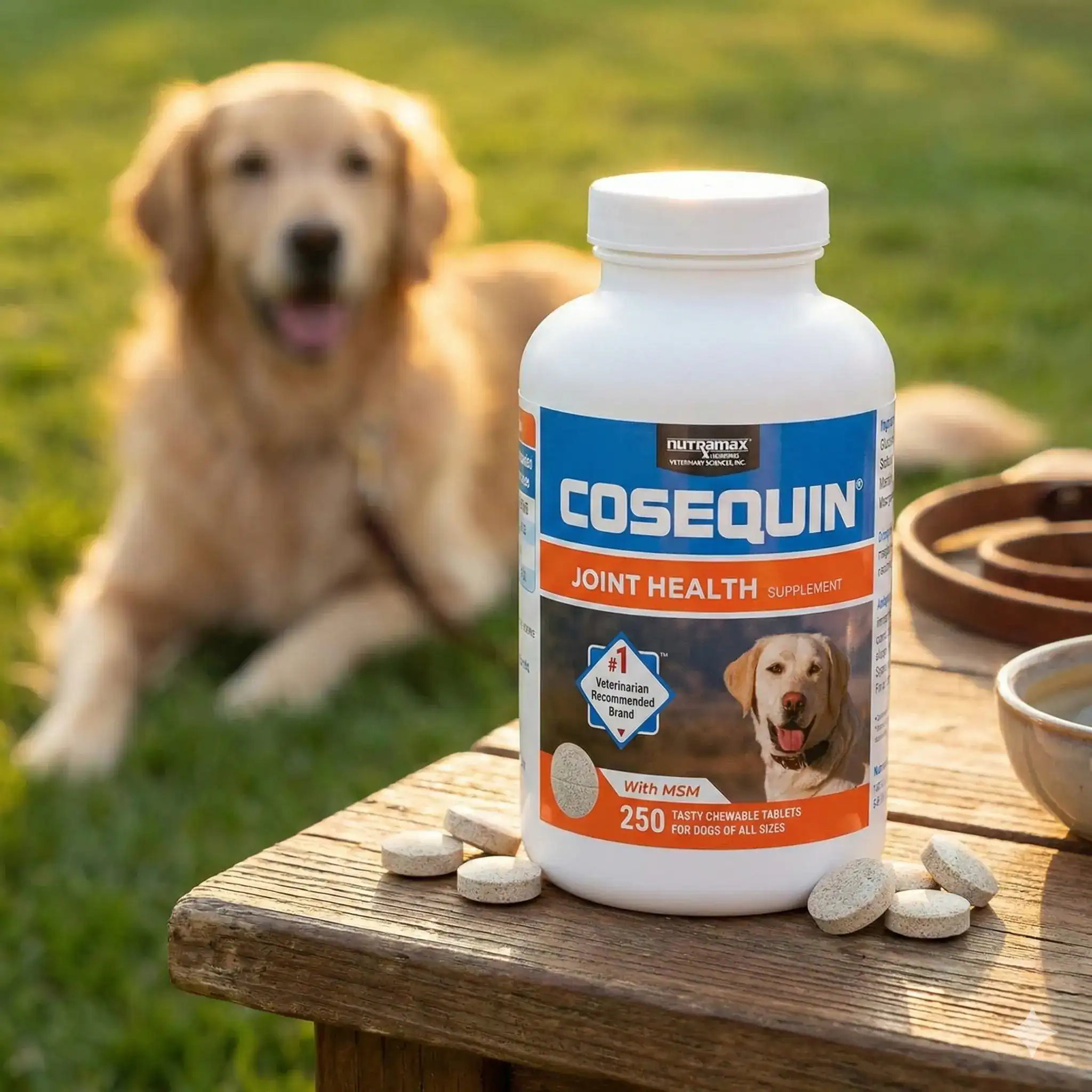
Nutramax Cosequin for Dogs Joint Health Supplement
Use for: Supporting joint function in breeds prone to dysplasia. Helps maintain cartilage for sporting dogs that place repeated stress on their frame during fetch and swimming.
View on AmazonGrooming
Living with a Golden means living with dog hair. The volume of loose hair is intense and continues throughout the entire year, with massive “coat blowing” events occurring twice annually as the seasons change. Skin and coat condition reflects overall nutrition, so a high-quality diet directly reduces the severity of seasonal shedding.
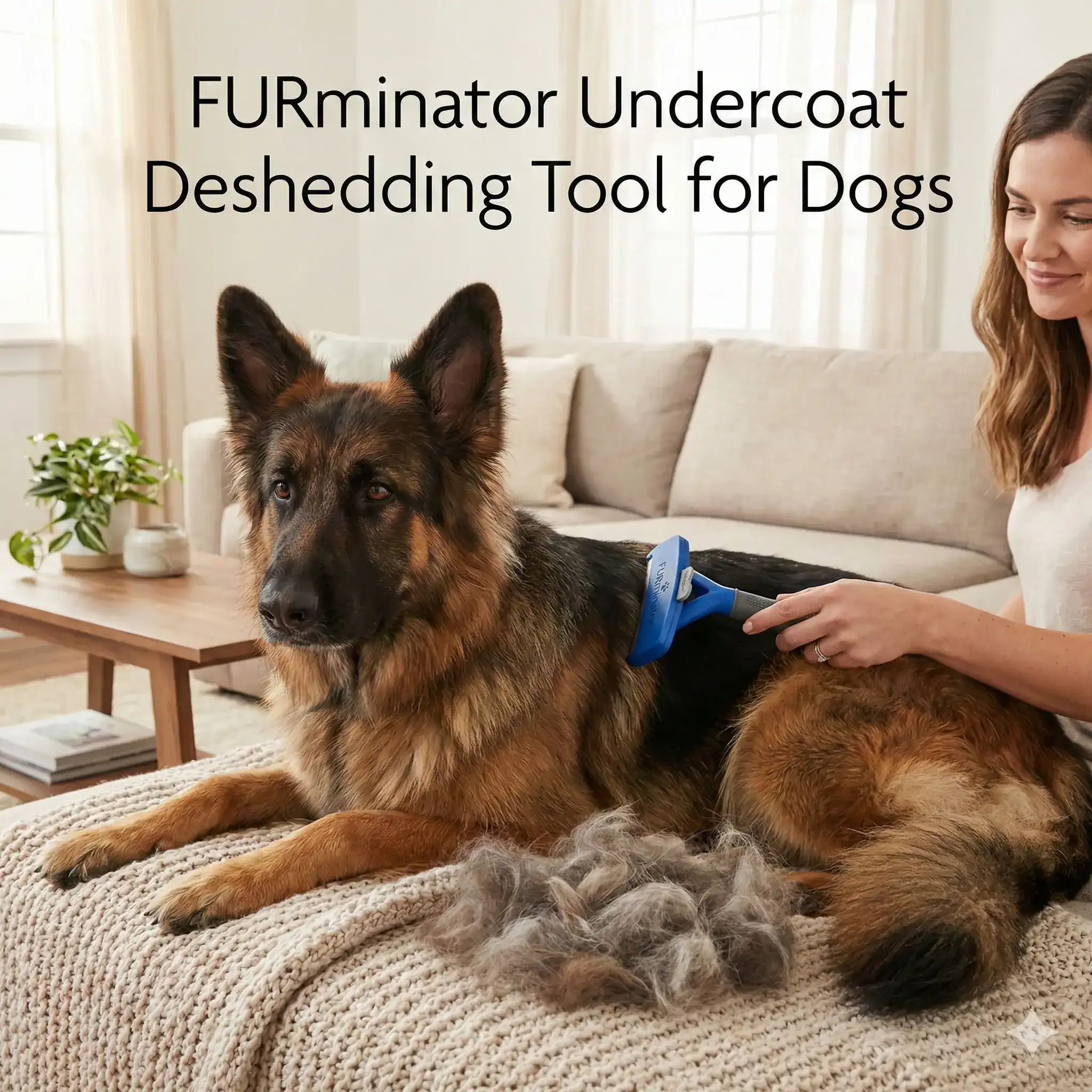
FURminator Undercoat Deshedding Tool for Dogs
Use for: Removing loose inner-layer hair before it covers your furniture, reducing volume by up to 90%, and keeping double-coated breeds comfortable during heavy seasonal blowouts.
View on AmazonRegular brushing with an appropriate grooming tool helps remove dead hair and reduces the amount of loose fur inside the home. Beyond brushing, trim the heavy feathering around the paws to prevent matting and ice buildup. Their drop ears trap moisture easily, especially since they are drawn to water. Cleaning the ears weekly with a veterinary-approved wash is necessary to prevent chronic infections.
Activity
A walk around the block is rarely enough. They require one to two hours of vigorous movement to remain mentally and physically balanced. The good news is that their enthusiasm makes this enjoyable rather than a chore.
They excel at fetch, swimming, and hiking. Their retrieving instinct is hardwired, making games of fetch an easy way to burn off reserves. However, wait until their growth plates close (around 18-24 months) before introducing repetitive jumping or forced running to protect their developing joints. Recall conditioning should begin early, as their friendly nature means they will approach every stranger and dog they see if given the chance.
When bored or under-stimulated, a Golden will find its own job. This usually involves destroying couch cushions, chewing baseboards, or digging massive holes in the yard. Structured search games and scent puzzles can supplement physical effort on days when time outside is limited.
Nutrition
Feeding a high-quality diet appropriate for the breed’s size is essential. Their metabolism and nutritional demands shift significantly across their stages of growth.
🐶 Puppy Stage
Golden Retriever puppies grow rapidly, and overfeeding accelerates bone development, increasing the risk of skeletal disorders. Use a large-breed puppy formula that controls calcium and phosphorus ratios. Feed measured meals three to four times and monitor body condition closely. Adopt a strict feeding schedule rather than free-feeding to prevent obesity from the start.
🐕 Adult Stage
Adults have a hearty appetite and are prone to becoming overweight. You should be able to feel their ribs without pressing hard through the coat. Limit treats during obedience sessions by using a portion of their kibble allowance. Split feeding into two meals rather than one to reduce bloat risk.
🐕🦺 Senior Stage
Reduce calories as movement levels naturally decline. Joint support supplements with glucosamine become increasingly important. Transition to senior-appropriate formulas around age 7 to 8 and increase veterinary checkups to twice yearly. Keeping them lean during their final years is the single most impactful thing you can do for their comfort.
Conditioning
The Golden Retriever is one of the most trainable breeds on earth. Their eagerness to please and strong food motivation make positive reinforcement conditioning straightforward and rewarding for both dog and owner.
🎾 Food-Motivated Learning
Their appetite is a conditioning advantage. Use their kibble allowance or small, high-value treats to reinforce basic commands from day one. This is the primary reason they excel as assistance dogs, guide dogs, and search and rescue animals globally.
🐕 Socialization
Expose your puppy to different people, animals, environments, and sounds before 16 weeks. While the breed is naturally social, under-socialized dogs can become anxious or reactive. If you compare them to an intensely driven herding dog like the Border Collie, the Golden is softer and more forgiving of handler mistakes, making them a genuinely beginner-friendly breed for responsible first-time dog people.
Breed Comparison
| Attribute | Golden Retriever | Labrador Retriever | Bernese Mountain Dog |
|---|---|---|---|
| Weight | 55-75 lb (25-34 kg) | 55-80 lb (25-36 kg) | 70-115 lb (32-52 kg) |
| Primary Role | Retrieving / Companion | Retrieving / Service | Drafting / Companion |
| Coat Maintenance | High (long feathering) | Moderate (short double) | Very High (thick double) |
| Disposition | Eager, devoted | Enthusiastic, food-driven | Calm, sensitive |
| Malignancy Risk | Very High (~60%) | Moderate | Very High |
| Lifespan | 10-12 years | 10-12 years | 6-10 years |
The Labrador Retriever has a slightly higher output level and a denser, shorter coat that feels almost oily to the touch. The Bernese Mountain Dog is a mountain companion with far heavier bone and an even shorter expected life. Among these three, the Golden vs the Lab is the most common debate, and the Golden is often slightly softer in disposition and requires more brushing to prevent mats in their longer feathering. All three share a pro of exceptional trainability. The biggest con of the Golden specifically is the malignancy burden, though many owners still consider them one of the most rewarding breeds to share a home with despite this risk.
FAQ
Are Golden Retrievers suitable for households with children?
Direct Answer: Yes, they are widely considered one of the most reliable household dogs for life with children.
Context: Their high tolerance, playful nature, and eagerness to please make them fantastic companions. They are typically gentle and form strong bonds with every member of the household.
Management: Always supervise interactions between dogs and small children, as their enthusiastic tail wagging and build can accidentally knock over a toddler.
How much do they shed?
Direct Answer: Heavily and continuously.
Context: You will find golden hair on your clothes, your furniture, and in your food. They blow their undercoat heavily twice a year, resulting in tumbleweeds of fur rolling across the floor.
Management: Brushing during blowout season and weekly brushing the rest of the year is mandatory. A robust vacuum is essential equipment for any Golden household.
Are they suitable for apartment life?
Direct Answer: They can survive in an apartment, but it is challenging and usually not ideal.
Context: They are big, active sporting dogs that thrive when they have space to move. Without a yard, you must be incredibly dedicated to providing multiple long walks and park visits every single day.
Management: If you are in an apartment near a park, commit to a strict outdoor schedule. Otherwise, a home with yard space is strongly preferred.
What is their risk of serious illness?
Direct Answer: The malignancy risk is alarmingly high.
Context: According to the Morris Animal Foundation, oncology issues account for approximately 60% of deaths in the breed. Hemangiosarcoma and lymphoma are the leading causes of mortality.
Management: Ask sources detailed questions about longevity in their specific lines, and maintain annual veterinary screenings starting at age five.
Do they make effective guard dogs?
Direct Answer: No. They are terrible guard dogs.
Context: The breed standard prioritizes a trusting nature. While they might bark when someone approaches the house, they are far more likely to greet an intruder with a toy and ask for attention than to defend the property.
Management: If you want property protection, look into dedicated guardian breeds rather than sporting dogs.
How long can they be left alone?
Direct Answer: They should not be left alone for more than 4-6 hours at a time.
Context: This breed forms intense bonds with their human household. Extended isolation leads to severe separation anxiety, which often manifests as destructive chewing and pacing.
Management: If you work long hours, arrange for a dog walker or enroll them in daycare to break up the day.
Are they hypoallergenic?
Direct Answer: No, they are not hypoallergenic.
Context: They produce plenty of dander and drop hair profusely, making them a poor choice for severe allergy sufferers. Designer crosses (like a Goldendoodle) are often marketed as hypoallergenic, but coat types in mixed breeds are unpredictable.
Management: Allergy sufferers should spend significant time with an adult Golden before committing.
Are they expensive to maintain?
Direct Answer: Yes, substantially more than average breeds.
Context: Premium large-breed feeding formulas, weight-based preventative medications, and the significant oncology risk all contribute to above-average ongoing outlay. Pet insurance is strongly recommended. The con of ownership that surprises most people is the veterinary bill, not the sale price.
Management: Budget for proactive screening from the start. Avoid sources offering bargain puppies for sale without documented genetic clearances.
Finding a Golden Retriever
Because the breed is incredibly popular, the market is flooded with irresponsible sources and backyard breeder operations prioritizing profit over longevity. Finding a responsible source requires patience and diligence. The price of a well-screened puppy from a responsible program reflects the medium to high investment in genetic testing and veterinary clearances.
🏠 Responsible Source
A responsible source will provide verified OFA certificates for both parents, clearing them for hips, elbows, heart conditions, and eye issues (including pigmentary uveitis). They will ask about your lifestyle, activity level, and readiness for the breed’s medical profile. If a source says their dogs are “vet checked” but cannot provide OFA numbers, walk away. Organizations like the Golden Retriever Club of America maintain referral lists.
🐾 Rescue and Adoption
Many breed-specific rescue organizations near you rehabilitate and rehome purebreds. Adopting an adult dog bypasses the difficult, mouthy puppy stage and provides a clearer picture of the dog’s mature disposition. Rescue Goldens often come with established obedience foundations and known medical histories.
🚩 Red Flags
- No OFA certificates for hips, elbows, heart, or eyes on parent dogs
- Multiple litters available simultaneously with no waitlist
- No questions asked about your lifestyle, activity level, or previous dog experience
- Parent dogs appear overweight, lethargic, or show signs of poor coat condition
- Claims of “guaranteed long-lived” lines without documented pedigree longevity data
Personal Observation
💭 Personal Observation
When Mun Mun, one of my rescued street dogs, developed an unusual growth in her mammary area between September 2023 and January 2024, it required intense monitoring and a complete dietary overhaul. I tracked her progress alongside my vet until the issue resolved through a supportive protocol without surgery. That experience taught me the non-negotiable value of catching physical changes before they escalate. The Golden Retriever demands this same hyper-vigilant approach, but with far higher stakes. Their predisposition to aggressive malignancies means that a lump you dismiss today could become a life-threatening emergency within weeks. If you are not the type of person who will run your hands over your dog’s body weekly and act immediately when something feels wrong, this breed will test your preparedness harder than most.
Conclusion
The Golden Retriever earned its place as a beloved household dog through decades of unwavering loyalty and a genuinely joyous approach to life. They are versatile, forgiving, and eager to please.
The biggest pro is an exceptionally trainable, devoted companion that bonds deeply with every person in the home. The biggest con is the heartbreakingly high malignancy risk combined with relentless shedding and a prolonged adolescent phase that tests your patience. For the household willing to invest time in structured activity, diligent grooming, and proactive veterinary care, the Golden Retriever returns the effort with unparalleled devotion.
Disclaimer: This article is for informational purposes only and does not constitute veterinary or professional breeding advice. All information is based on publicly available breed data and should not replace a physical examination or treatment plan from a licensed veterinarian. Product recommendations contain affiliate links. K9Sphere earns from qualifying purchases at no additional cost to you.


