
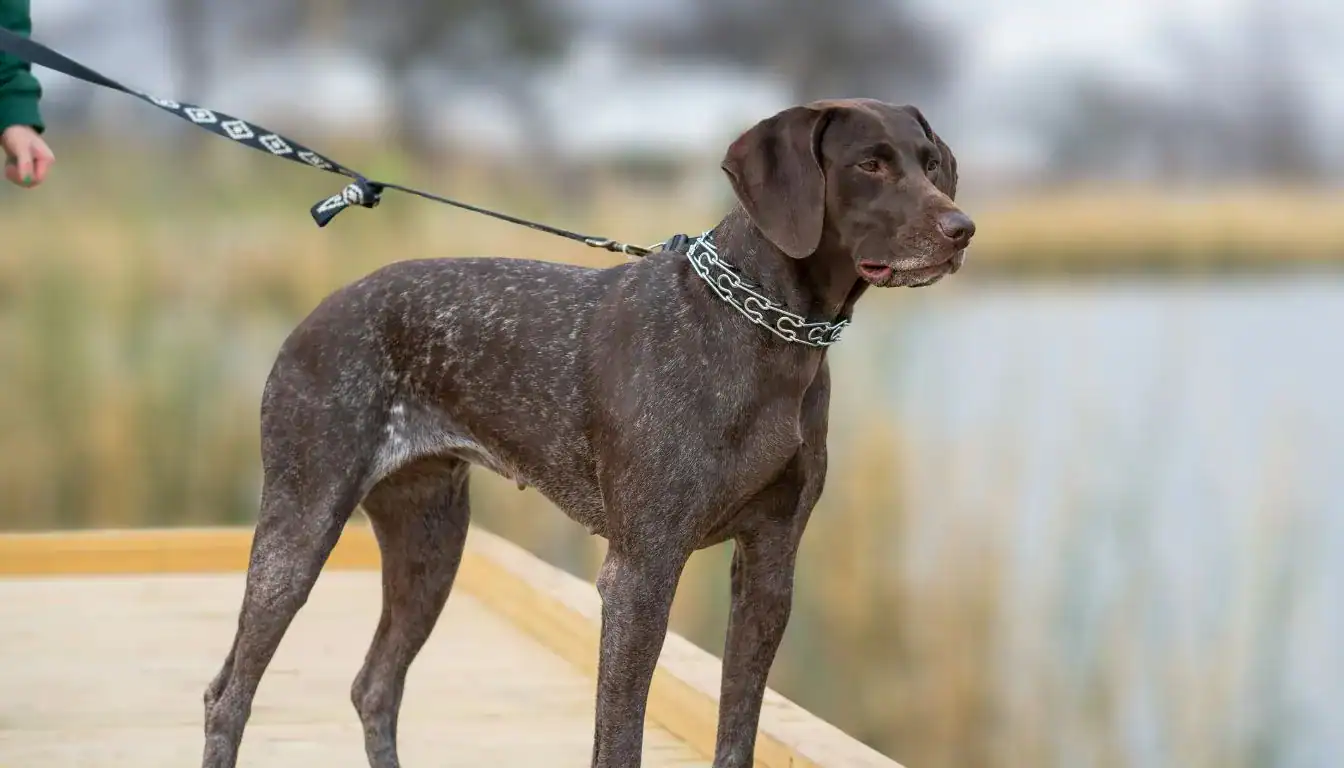
The German Shorthaired Pointer is widely recognized as one of the most versatile sporting dogs in existence. They are elegant, aristocratic athletes with boundless energy and a phenomenal sense of smell. Most casual owners admire their striking spotted coats and lean muscular builds.
What you probably have not seen is the relentless physical stamina required to keep this breed satisfied in a modern household. A quick walk around the block will barely register to a dog bred to run through fields from sunrise to sunset.
This guide combines two decades of working-dog experience with breed standards and field trial records to provide practical information for anyone considering bringing this intense canine athlete into their home.
Affiliate Disclosure: K9Sphere is a participant in the Amazon Services LLC Associates Program. As an Amazon Associate, I earn from qualifying purchases made through links in this article at no extra cost to you.
All About German Shorthaired Pointer
📊 Vitals and Life Span
Height
21-25 inches (53-64 cm)
Weight
45-70 lb (20-32 kg)
Life Expectancy
10-12 years
AKC Group
Sporting Group
Origin
Germany
🇩🇪
⭐ Personality Traits
Ratings (1 to 5). This medium-sized pointing dog requires vigorous exercise to remain a balanced companion.
History and Origins
The history of the German Shorthaired Pointer dates back to Germany in the 17th century, where it was developed as a multi-purpose hunting dog. Hunters sought a highly versatile gundog bred to hunt on both land and water, valuing the breed’s ability to point, track, and retrieve.
Most historians believe early breeders crossed the heavy, powerful old Spanish pointer with various hounds, notably the bloodhound, to enhance scent tracking. Over time, these German bird dog lines were blended with many breeds, including the English Pointer, to create a new breed with the speed and versatility needed for modern all-round gundog work.
The modern breed standard was heavily influenced by Prince Albrecht zu Solms-Braunfels, who insisted that breeders focus strictly on performance rather than appearance. The American Kennel Club, a major kennel club founded in 1884, officially recognized the breed in 1930, cementing its reputation globally.
📌 17th Century
Early development begins in Germany as breeders aim to create an all-purpose hunting companion capable of tracking and retrieving.
📌 Late 1800s
Prince Albrecht zu Solms-Braunfels guides the standard, prioritizing function and field performance over show ring looks.
📌 1930
The AKC officially recognizes the breed, and American enthusiasts quickly adopt it for its incredible versatility.
Physical Characteristics
This is a medium size dog built for extreme endurance and agility. Their balanced frame allows them to sprint swiftly, change direction instantly, and swim powerfully.
📏 Stature and Build
Males stand 23-25 inches (58-64 cm) tall at the shoulder, while females are slightly smaller at 21-23 inches (53-58 cm). They have a deep chest, muscular hindquarters, and distinctive webbed feet designed for water retrieving.
🎨 Coat and Color
Their coat is short, thick, and highly water-resistant. The most common colors are solid liver (a deep reddish-brown) or a combination of liver and white, often featuring beautiful ticking or roan patterns.
💡 Grooming Misconceptions
The reality: Many people assume that short hair means no shedding. The German Shorthair sheds consistently throughout the year. The hairs are short and stiff, meaning they frequently weave themselves deeply into fabric furniture and car seats.
Temperament
When properly exercised, this gundog can be a great dog and one of the calmest indoor companions. However, the breed’s temperament is strictly dictated by how much exercise and mental stimulation German Shorthaired Pointers like this receive each day.
Because they are incredibly smart, they learn routines quickly and become deeply attached to their owners. However, a bored GSP will find destructive ways to entertain themselves if left alone indoors for long hours.
Without clear boundaries and enough activity, a dog may start showing negative behaviors such as chewing, digging, or obsessive barking, simply from frustration. Anyone getting a new German Shorthaired Pointer must be honest about how much time they can realistically spend training and exercising the dog.
⚡ Supreme Energy
They possess an almost limitless battery. This breed requires structured running, not just walking, to burn off their natural drive. They make fantastic companions for marathon runners or active hikers.
🎯 High Prey Drive
Their instinct to point and chase is exceptionally strong. They will instantly fixate on birds, squirrels, and neighborhood cats. Early socialization is critical if you want them to live peacefully with smaller pets.
🧠 Mental Acuity
They are intelligent problem-solvers. If you do not provide them with complex tasks or obedience training, they will invent their own games, which usually involves destroying shoes or escaping yards.
❤️ Family Attachment
Despite their rugged athleticism, they are remarkably friendly and affectionate with their families. They are highly enthusiastic greeters and often try to physically climb into your lap regardless of their size.
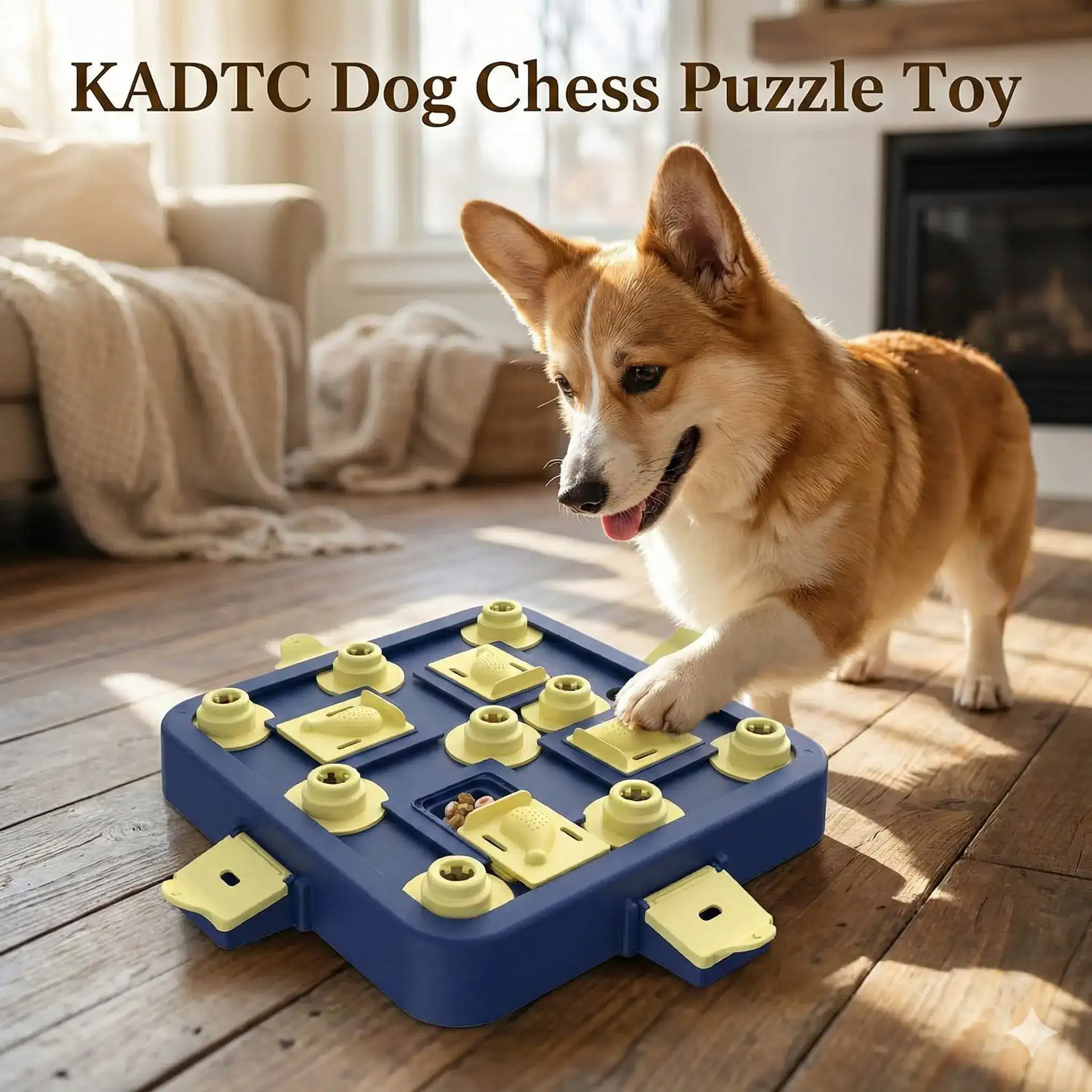
KADTC Dog Chess Puzzle Toy
Use for: Providing vital mental stimulation to highly intelligent sporting breeds. Fifteen minutes of solving puzzles can exhaust a GSP’s brain effectively between long outdoor runs.
View on AmazonHealth Considerations
Veterinary Disclaimer: The information provided in this article is for educational purposes only and is not intended as a substitute for professional veterinary advice, diagnosis, or treatment. Always consult a licensed veterinarian for any health concerns about your pet.
Health Information Sources: Health data compiled from:
- CHIC: Recommended breed-specific health testing database
- GSPCA: German Shorthaired Pointer Club of America health guidelines
Always consult your licensed DVM for personalized medical advice.
The GSP is generally a robust and healthy breed, capable of working hard well into their senior years. However, they are susceptible to a few specific hereditary conditions that require careful genetic screening by responsible breeders.
🔴 Bloat (Gastric Dilatation-Volvulus)
What it actually is: Because of their deep chests, they have a higher risk than average for bloat. The stomach fills with gas and twists on itself, cutting off blood supply. This is a fatal condition if not treated immediately.
Screening: Cannot be genetically screened. Prevention relies entirely on management.
Management: Feed multiple small meals instead of one large one. Use a slow-feeder bowl and restrict vigorous exercise for at least an hour after feeding.
This is a medical emergency. Do not attempt home treatment. Seek immediate veterinary care if your dog exhibits a swollen, tight abdomen or dry heaving.
🟡 Hip Dysplasia & Eye Disorders
What to watch for: Hip dysplasia causes chronic joint pain and arthritis in highly active dogs. They can also inherit serious eye diseases such as progressive retinal atrophy (PRA), an issue that slowly damages the retina and can eventually lead to blindness, so regular eye screening is recommended.
Screening: Insist on seeing official OFA or PennHIP scores for the parents’ hips, and request recent veterinary ophthalmologist clearances before bringing a puppy home.
General Care
🏃 Exercise Needs
You cannot compromise on their activity levels. They need plenty of space to run off-leash in a safe, enclosed area every single day. Plan for a minimum of one to two hours of vigorous exercise daily.
Bicycling, jogging, and retrieving games are excellent ways to burn their energy. If you only provide a short neighborhood walk, a German Shorthaired Pointer won’t be happy and will likely develop severe behavioral issues.

No Pull Dog Harness, Collar & Leash Set
Use for: Managing strong, enthusiastic sporting dogs that drag owners on hikes. A front-clip harness redirects their forward momentum without putting pressure on their throat.
View on Amazon✂️ Grooming the Coat
Their grooming needs are quite low compared to longer-haired breeds. Use a firm bristle brush or a rubber hound mitt a few times a week to remove dead hair and distribute skin oils.
Pay close attention to their drop ears. Because the ear flap covers the canal, moisture easily becomes trapped, creating a perfect environment for bacterial and yeast infections. Clean their ears weekly with a veterinarian-approved solution.
Nutrition & Diet
Athletic dogs burn calories at a significantly higher rate than sedentary companions. Their diet must reflect their actual daily output.
🐶 Puppy Stage: German Shorthair puppies require high-quality food formulated specifically for medium-to-large breeds. Controlled growth is essential to protect their developing joints from premature stress.
🐕 Adult Stage: Dogs actively participating in field trials or running miles every day need performance-grade nutrition with higher protein and fat ratios. If your dog is strictly a companion, monitor their portions closely to prevent weight gain.
🐕🦺 Senior Stage: As their activity level eventually drops, transition them to a senior formula. Supplementing their diet with omega-3 fatty acids and joint support products can keep them comfortable as they age.
Training
They are extremely eager to please, making them highly receptive to obedience training. Because they learn so quickly, they also get bored with repetitive drills. Keep your training sessions short, varied, and challenging.
You must establish a strong recall command very early in their life. Their instinct to chase wounded game or wildlife is incredibly powerful. Once they catch a scent, they can become deaf to your voice if a reliable foundation is not in place.
Getting a new German Shorthair involved in dog sports is highly recommended. Activities like dock diving, agility, and scent work provide excellent outlets for their boundless energy and sharp minds.
Common Questions about German Shorthaired Pointers
Are German Shorthaired Pointers good with children?
Direct Answer: Yes, they are generally fantastic and loving with kids, but their boisterous energy requires supervision.
Context: They are affectionate and playful. However, young dogs and children can be a chaotic mix. A bouncy, 60-pound energetic dog can easily knock over a toddler by accident during a sudden sprint.
Management: Teach children how to interact respectfully, and always supervise playtime to ensure the dog’s enthusiasm does not overwhelm small kids.
Do they shed a lot?
Direct Answer: Yes, they shed moderately throughout the year, with heavier shedding during seasonal transitions.
Context: Their coat is short, but the hairs are stiff and coarse. These hairs stick stubbornly to clothing and weave tightly into upholstery.
Management: Brushing them outside three times a week with a rubber grooming mitt significantly reduces the amount of hair left inside your home.
Can a German Shorthaired Pointer live in an apartment?
Direct Answer: It is highly discouraged unless the owner is an extreme outdoor athlete.
Context: They are large, active dogs that need room to move. Keeping this amount of dog indoors without a secure yard makes meeting their daily physical requirements incredibly difficult.
Management: If you live in an apartment, you must commit to multiple long runs and off-leash park visits every single day, regardless of the weather.
Do they like to swim?
Direct Answer: Yes, the majority of them are excellent, enthusiastic swimmers.
Context: They have webbed feet and water-resistant coats specifically designed for retrieving water fowl. Water work is an excellent, low-impact way to burn their energy.
Management: Introduce them to water positively when they are young. Always supervise swimming sessions and provide fresh drinking water to prevent them from drinking from lakes or pools.
Are they good with other dogs?
Direct Answer: Yes, they generally get along very well with other dogs, especially those that match their play style.
Context: They are social animals that enjoy canine companionship. Meeting new people and dogs is usually a positive experience for them.
Management: Early socialization is vital. Expose them to different breeds and environments during their puppy months to ensure they develop proper dog-to-dog manners.
How are they with cats and small pets?
Direct Answer: Their high prey drive makes living with cats and small animals challenging and potentially risky.
Context: They are hardwired to point and chase small, fast-moving targets. While some can learn to live peacefully with an indoor cat if raised together, their instinct to chase remains strong.
Management: Never leave them unsupervised with small pets. If you have cats, ensure the cat always has an escape route or a high place to retreat to.
What is the price of a puppy?
Direct Answer: Expect to pay between $1,000 and $2,500 for a puppy from a reputable breeder.
Context: The purchase price is just the beginning. Dogs from proven hunting lines or champion pedigrees will cost significantly more.
Management: Do not search for bargain puppies. Cheap dogs often come from unethical breeders who skip crucial genetic health testing, which costs you more in veterinary bills later.
What is the German Shorthaired Pointer’s lifespan?
Direct Answer: They typically live between 10 and 12 years, with some reaching 14 years.
Context: This is a solid lifespan for a dog of their size. Keeping them lean and well-exercised directly impacts their longevity.
Management: Provide high-quality nutrition, maintain regular veterinary checkups, and keep their weight strictly managed to protect their joints as they age.
German Shorthaired Pointer: Quick Reference
| Attribute | German Shorthaired Pointer | Best For | Not Ideal For |
|---|---|---|---|
| Exercise | 2+ Hours Vigorous | Runners, Hikers | Sedentary Owners |
| Mental Drive | High Intelligence | Dog Sports, Agility | Casual Pet Owners |
| Prey Drive | Intense Chasing Instinct | Active Outdoor Settings | Homes with Cats |
| Trainability | Extremely Fast Learners | Consistent Handlers | Inconsistent Owners |
Finding a Puppy
Locating a healthy German pointer requires patience and extensive research. Because they are a highly specialized sporting breed, the divide between working field dogs and show lines is significant.
🔬 The Responsible Breeder
An ethical breeder tests parent dogs for hip dysplasia and eye conditions before breeding. They will actively interrogate your lifestyle to ensure you can handle their energy. Good breeders prioritize temperament and physical soundness over coat color.
🏠 Rescue and Adoption
Breed-specific rescues frequently receive adolescent dogs between 8 and 18 months old. Many owners surrender them when the reality of their exercise needs sets in. Adopting an adult allows you to bypass the chaotic puppy phase and assess their true energy level.
🚩 Red Flags When Buying
- No verifiable OFA or PennHIP scores for the parent dogs
- Breeder promises a “calm, low-energy” puppy
- Puppies are kept in dirty, isolated kennels away from the home
- Breeder asks no questions about your fencing or exercise habits
- Selling puppies before they are 8 weeks old
Personal Observation
💭 Personal Observation
When my rescue dog Rambo arrived abandoned in 2022, his raw energy levels demonstrated exactly what happens when an athletic canine lacks structure. Rambo easily runs alongside my bicycle for a full kilometer without breaking pace. The German Shorthaired Pointer possesses that same relentless physical stamina, but pairs it with generations of specialized field-trial genetics that demand constant mental engagement. If you cannot provide a combination of exhausting physical running mixed with complex retrieving tasks, a dog with this much drive will quickly dismantle your living room out of sheer boredom.
Conclusion
The German Shorthaired Pointer is an aristocratic athlete and a brilliantly capable gun dog. They offer intense loyalty, high intelligence, and a zest for life that is truly contagious.
They are not, however, a casual pet. They require an owner who views exercise as a lifestyle rather than a chore. If you underestimate their need for an active job, their brilliant minds will quickly turn to neurosis.
If you can meet their needs, this breed’s energy and loyalty make it a truly great dog. For some families, considering adoption from a rescue that specializes in sporting dogs or many breeds of pointers is also a good way to find a well-matched companion.
Disclaimer: This article is for informational and educational purposes only. It does not constitute veterinary advice, medical diagnosis, or treatment recommendations. Always consult a licensed veterinarian before making health-related decisions for your pet. Product recommendations are based on the author’s research and experience; individual results may vary. As an Amazon Associate, K9Sphere earns from qualifying purchases at no additional cost to you.


