
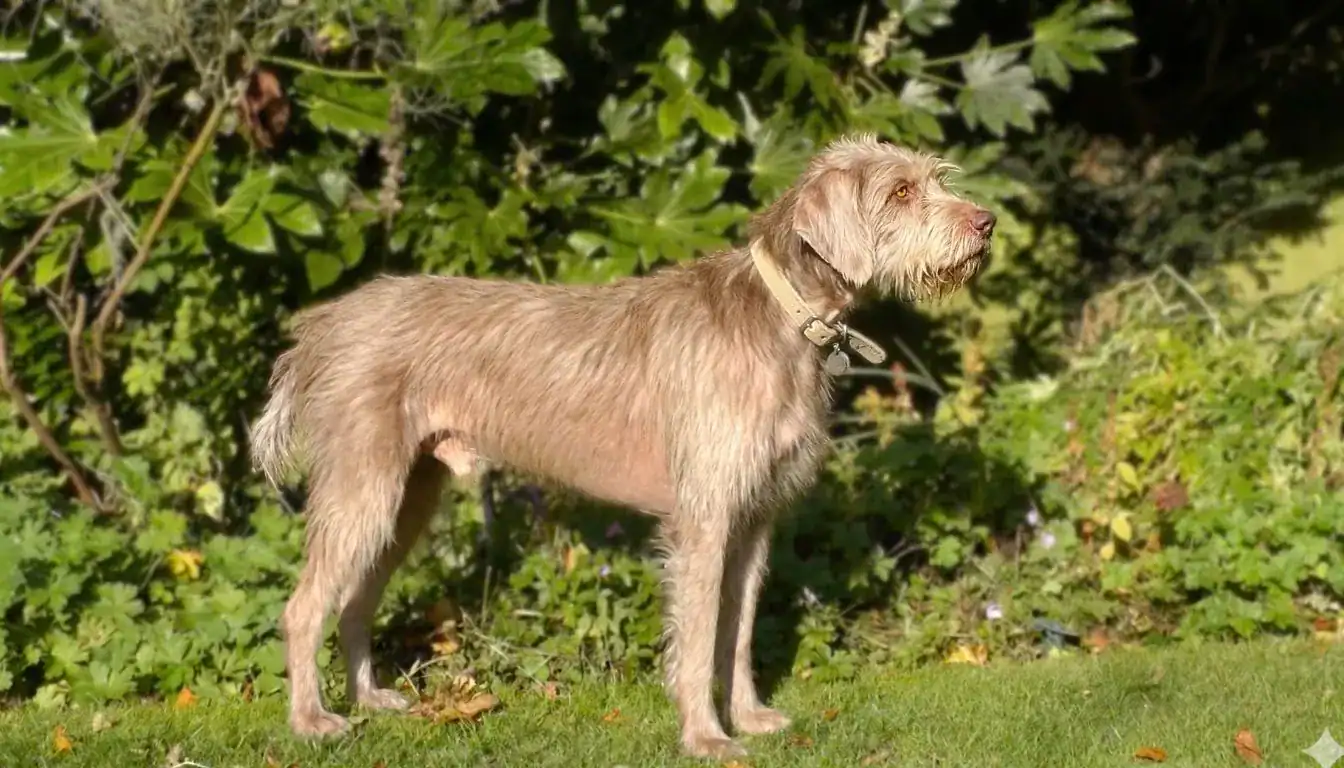
The Slovakian Wirehaired Pointer is one of the best gundog breeds you have probably never heard of. Developed in Slovakia after World War II, this continental pointer combines the tracking instincts of the German Wirehaired Pointer, the silver elegance of the Weimaraner, and the rugged field coat of the Cesky Fousek into a single, remarkably versatile package.
The result is a dog of moderate strength with a noble bearing and a moustache that would make a Victorian gentleman jealous. Only 30 to 50 puppies are whelped annually in Slovakia itself, making this one of the rarest sporting breeds on the planet.
Despite being one of the most capable versatile dogs in the continental pointer family, the Slovakian Wirehaired Pointer remains astonishingly rare outside of Slovakia, the Czech Republic, France, the Netherlands, and the UK.
The FCI recognizes it as breed number 320, a continental pointing dog of the braque type. The AKC currently lists the breed in its Foundation Stock Service, pending full recognition.
For the serious hunter or field trial enthusiast willing to wait 12 to 24 months for a puppy and restructure their daily routine around a tireless working partner, the SRHP delivers a rare combination of cooperative temperament, weather-resistant coat, and genuine all-terrain versatility that few sporting breeds can match.
Affiliate Disclosure: K9Sphere is a participant in the Amazon Services LLC Associates Program. As an Amazon Associate, K9Sphere earns from qualifying purchases made through links in this article at no extra cost to you.
Breed Snapshot
📊 Vitals and Lifespan
Height
Males: 24-27 inches (62-68 cm)
Females: 22-25 inches (57-64 cm)
Weight
Males: 55-80 lb (25-36 kg)
Females: 44-66 lb (20-30 kg)
Lifespan
9-15 years
Registry
FCI Group 7 / AKC FSS
Origin
Slovakia
🇸🇰
⭐ Personality Traits
Ratings (1 to 5). A high-energy continental pointer that thrives on cooperative fieldwork and human partnership. Best suited to active hunters and outdoor enthusiasts.
History and Origins
The Slovakian Wirehaired Pointer originated in what was then Czechoslovakia during the 1950s. Unlike ancient breeds refined over centuries, the SRHP was engineered with specific purpose by a single visionary breeder named Koloman Slimak.
📌 The Foundation Cross (1950s)
Koloman Slimak crossed the German Wirehaired Pointer (for the rough coat and field drive), the Cesky Fousek (for tracking ability), and the Weimaraner (for noble structure and scenting power). The goal was a dog with great stamina that could track, point, and retrieve on both land and water across the Carpathian Mountains.
📌 The Weimaraner Rejection (1960s-70s)
Enthusiasts asked the Weimaraner Club of Germany to accept this new type as a rough-haired Weimaraner variant. The club refused. Slovak breeders continued independent development, adding small amounts of Pudelpointer blood to refine the wirehaired coat and working ability. The Slovakian Hunters Union registered the breed formally.
📌 FCI Recognition (1983)
On June 6, 1983, at the FCI general meeting in Madrid, the Slovakian Wirehaired Pointer was officially recognized as a continental pointing dog of the braque type. In Slovakia, all registered breeding dogs must participate in working trials to maintain breed standards.
📌 International Spread (1997-Present)
First introduced into the United Kingdom in 1997 and featured at Crufts in 2007. The UK Kennel Club recognized the SRHP in 1998, the UKC followed in 2006, and the AKC added it to its Foundation Stock Service in 2018. The breed remains extremely rare, with only a few thousand registered worldwide.
After World War II, hunting methods in the Carpathian Mountains changed dramatically. Hunters needed a single versatile dog that could point and retrieve across varied terrain, from dense forest to open water. The old specialists could not keep up. Slimak set out to build something new, and the result is one of the most capable all-terrain sporting dogs in existence.
Physical Characteristics
The Slovakian Wirehaired Pointer is a medium to large gundog with a sturdy, athletic build. Think of a Weimaraner wearing a rough tweed jacket. The body is slightly longer than it is tall, giving the breed a rectangular frame built for covering distance rather than explosive speed.
🏗️ Size and Build
Males stand 24 to 27 inches (62-68 cm) at the withers and weigh 55 to 80 pounds (25-36 kg). Females are slightly smaller at 22 to 25 inches (57-64 cm) and 44 to 66 pounds (20-30 kg). Shoulders are powerful, legs are straight and clean, and the chest is deep and oval-shaped. The height at the withers is proportionate to the length of the body, creating a balanced rectangular profile.
🎨 Coat and Color
The coat is the breed’s defining feature. A short, soft undercoat sits beneath a harsh, wiry topcoat approximately 1.5 inches (4 cm) long. Facial furnishings include a well-developed moustache, beard, and bushy eyebrows that give an intelligent, slightly grizzled expression. Only shades of gray are permitted, from tweedy gray-brown to the classic pewter-silver of the Weimaraner. White markings may appear on the chest and legs.
Temperament
The Slovakian Wirehaired Pointer’s temperament can be summed up in one word: willing. Not willing to work for you. Willing to work with you. That distinction matters. Generations of selection for hunting versatility and biddability have produced a dog that responds eagerly to direction while retaining the initiative needed in the field.
🧠 The Eager Student
These dogs are wired to cooperate. Positive reinforcement works exceptionally well. Harsh corrections will shut them down completely. They are sensitive beneath that rough exterior. One sharp word can set training back weeks. In Slovakia, all breeding dogs must pass working trials, so biddability is bred into the bone.
👨👩👧👦 The Family Dog
Slovakian Wirehaired Pointers are affectionate and good with children when raised together. They are robust enough for active play without being fragile. They form strong bonds with their primary handler but remain friendly with the whole family. Strangers may get a brief assessment before acceptance.
⚡ The Tireless Worker
Developed to work all day in the Carpathian Mountains, two hours of vigorous activity daily is the minimum, not the ideal. Without sufficient outlets, they become restless and destructive. They excel in dog sports, field trials, and any activity that combines physical output with mental challenge.
🌊 The Water Lover
Bred to retrieve from water, the SRHP has a water-repellent coat and webbed feet that make it a natural swimmer. Most will charge into ponds, lakes, and streams without hesitation. Their retrieving instinct is visible from puppyhood. You will find sticks, shoes, and the occasional pillowcase delivered to your feet.
Screening and Conditions
Veterinary Disclaimer: The information provided in this article is for educational purposes only and is not intended as a substitute for professional veterinary advice, diagnosis, or treatment. Always consult a licensed veterinarian for any health concerns about your pet.
Health Information Sources: Health data compiled from:
- OFA: Hip dysplasia screening standards for sporting breeds
- CHIC: Recommended breed-specific health tests
Always consult your licensed DVM for personalized medical advice.
As a relatively young and rare breed preserved primarily by hunters rather than commercial breeders, the Slovakian Wirehaired Pointer has remarkably few concentrated hereditary problems. Working-dog selection protects against the structural exaggeration seen in more popular breeds.
🔴 Hip Dysplasia
What to watch for: A malformation of the hip joint where the ball and socket grind against each other instead of gliding smoothly. Watch for stiffness after rest, reluctance to climb or jump, bunny-hopping gait, and reduced range of motion. Over time, this causes pain, inflammation, and arthritis.
Screening: X-rays evaluated by OFA or a similar registry. Both parents should have passing hip scores before breeding. For breeds with documented joint risk, a quality hip and joint supplement can support cartilage health as the dog ages.
🟡 Eye Conditions (PRA and Cataracts)
What to watch for: Progressive retinal atrophy (PRA) causes gradual vision loss and eventual blindness. Cataracts cloud the lens. Watch for bumping into furniture in dim light, reluctance to navigate stairs at night, and cloudy or bluish appearance to the eye lens.
Screening: Annual eye exams by a board-certified veterinary ophthalmologist. Responsible breeders test breeding stock for hereditary eye diseases before producing litters.
🟡 Gastric Dilatation-Volvulus (Bloat)
What to watch for: As a deep-chested sporting breed, the SRHP carries bloat risk. Symptoms include a swollen abdomen, pacing, excessive drooling, and unproductive retching. This is an emergency. Seek veterinary care immediately if you observe these signs.
Screening: Feed two to three smaller meals per day instead of one large meal. Avoid vigorous activity immediately before and after eating. Discuss preventive gastropexy with your veterinarian if your dog has a family history of bloat.
🟡 Ear Infections
What to watch for: Pendant ears that fold close to the cheek trap moisture, especially after swimming. Watch for head shaking, redness, odor, or discharge from the ear canal.
Screening: Dry ears thoroughly after swimming. Check weekly for signs of infection. Clean with a veterinarian-approved ear solution. Prevention is far easier than treatment with this breed.
Grooming and Coat Care
The rough coat requires weekly brushing with a firm bristle brush to remove dead hair and prevent matting. Hand-stripping two to three times per year maintains the coat’s proper wire texture. The moustache and beard may need occasional cleaning after meals, as food tends to collect in the facial furnishings.
The topcoat is naturally water-repellent. Bathing should be infrequent, only when genuinely dirty, to preserve the coat’s protective oils. The undercoat sheds seasonally, becoming thinner in summer and denser in winter. During shedding periods, a quality grooming tool helps manage loose hair efficiently.
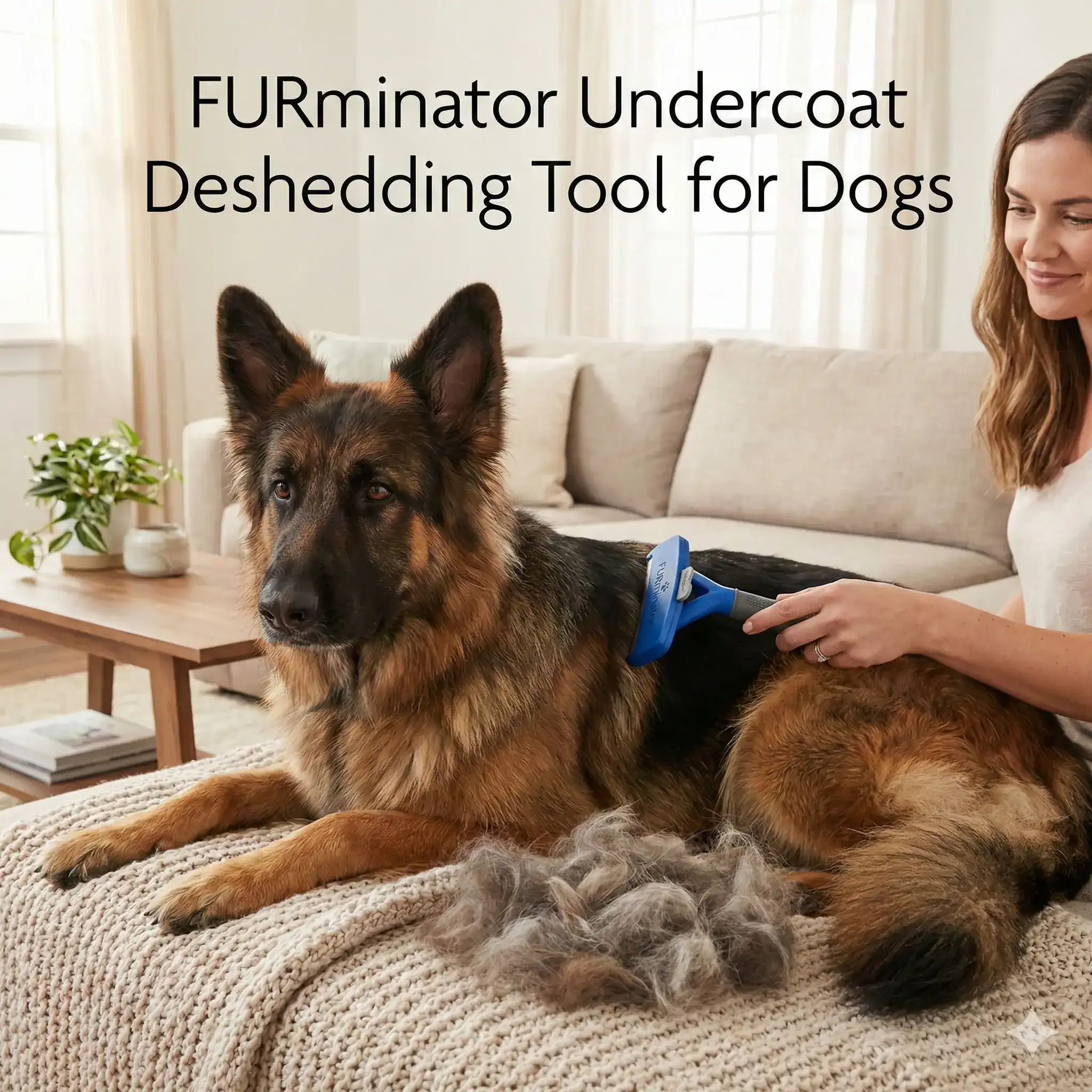
FURminator Undercoat Deshedding Tool for Dogs
Use for: Removing loose undercoat hair during seasonal coat blows without damaging the wiry topcoat. Reaches beneath the harsh outer guard hairs to pull dead undercoat efficiently, keeping the SRHP’s weather-resistant coat in proper working condition.
View on AmazonExercise and Working Needs
A minimum of two hours of vigorous daily activity is the baseline. Not two hours of casual walking. Running, swimming, hiking, or structured field work. The SRHP was bred to cover miles of mountainous terrain without stopping. A 30-minute leash walk will barely take the edge off.
Off-leash activity should happen only in securely fenced areas. The prey drive in this breed is powerful. A squirrel, rabbit, or even a distant bird can trigger an instant chase response that overrides all conditioning. Physical exhaustion alone is not enough. Scent work, tracking games, puzzle feeders, and structured retrieval drills keep the SRHP’s working brain engaged between field sessions.
After a hard day of work, they are perfectly content to settle on the couch beside you. The key word is “after.” Skip the activity and the couch becomes the victim instead. Given the strain that sustained fieldwork places on joints, providing a supportive sleeping surface helps with recovery. Sporting breeds benefit from an orthopedic dog bed that distributes weight evenly and cushions pressure points.
Nutrition & Diet
Feeding a Slovakian Wirehaired Pointer requires matching caloric intake to energy output. Working dogs burn significantly more calories than household companions. Get this balance wrong and you either starve an athlete or create an overweight couch potato.
🐶 Puppy Stage
Use a high-quality large-breed puppy formula that controls calcium levels to prevent rapid bone growth. Divide meals into three feedings daily until six months, then reduce to two. The SRHP matures slowly, so do not rush the transition to adult food. Consult your veterinarian before switching formulas.
🐕 Adult Stage
A high-protein, nutrient-rich diet formulated for active breeds. Working Slovakian pointers need 25-30% protein content. Divide meals into two daily feedings to reduce bloat risk. These dogs are food-motivated and will convince you they are starving. They are not. Treats should make up no more than 10% of daily calories.
🐕🦺 Senior Stage
Reduce calories as activity levels decline. Joint support becomes increasingly important. Add omega-3 fatty acids for joint and coat health. Transition to senior-appropriate nutrition around age 7 to 8 and increase veterinary checkups to twice yearly to catch age-related decline early.
Training
The Slovakian Wirehaired Pointer is one of the easiest gundog breeds to train. Their natural desire to cooperate, combined with high intelligence, means they pick up commands quickly and retain them well. But “easy to train” does not mean “no training required.”
🎯 Positive Reinforcement Only
This is a sensitive breed that responds poorly to harsh corrections. Raised voices, physical corrections, or intimidation will produce a shut-down, anxious dog. Keep sessions short (15-20 minutes), varied, and reward-based. The SRHP gets bored with repetitive drills. Mix obedience with retrieval games and scent puzzles.
🐕 Early Socialization
Expose your Slovakian pointer puppy to different people, animals, environments, and sounds before 16 weeks. While the breed is naturally friendly, under-socialized SRHPs can become reserved or wary of strangers. Early, positive exposure builds the confident temperament this breed is known for.
🦆 Channel the Retrieve Instinct
Use retrieving games as a reward for obedience commands from day one. “Sit. Stay. Fetch” is a complete training circuit for this breed. The SRHP’s natural ability to point and retrieve is visible from puppyhood, so build training around what they already want to do. The NAVHDA offers structured testing that channels the SRHP’s abilities beautifully for competitive dog sports.
SRHP vs German Wirehaired Pointer vs Weimaraner
All three share genetic heritage. The German Wirehaired Pointer and Weimaraner were both foundation breeds used to create the Slovakian Wirehaired Pointer. The differences lie in coat type, temperament intensity, and availability.
| Feature | Slovakian Wirehaired Pointer | German Wirehaired Pointer | Weimaraner |
|---|---|---|---|
| Coat Type | Wiry, gray only | Wiry, liver/white | Smooth, silver-gray |
| Weight Range | 44-80 lb (20-36 kg) | 50-70 lb (23-32 kg) | 55-90 lb (25-41 kg) |
| Temperament | Cooperative, soft | Driven, independent | Intense, clingy |
| Separation Tolerance | Moderate | Moderate | Very low |
| Trainability | Very high (sensitive) | High (can be stubborn) | High (needs patience) |
| Water Work | Excellent | Excellent | Good |
| Availability | Extremely rare | Widely available | Widely available |
| First-Timer Suitable | With guidance, yes | Experienced preferred | Experienced preferred |
FAQ
Is the Slovakian Wirehaired Pointer the same as the German Wirehaired Pointer?
Direct Answer: No, they are separate breeds with different origins and breed standards.
Context: The German Wirehaired Pointer was one of the foundation breeds used to create the SRHP, along with the Weimaraner and Cesky Fousek. The Slovak pointer is generally smaller, has a distinctly silver-gray coat, and was developed specifically in post-war Czechoslovakia for different hunting conditions.
Management: The German Wirehaired Pointer is more widely available. The SRHP is rarer but often described as slightly softer in temperament and easier to handle for less experienced sporting dog owners.
How much activity does a Slovakian Wirehaired Pointer need?
Direct Answer: A minimum of two hours of vigorous daily output.
Context: Developed to work all day across mountainous terrain, a short walk around the block is not sufficient. They need running, swimming, hiking, or structured field work to stay physically and mentally satisfied.
Management: Combine physical output with mental challenges. Scent work, retrieving drills, and puzzle toys supplement physical activity on days when outdoor time is limited.
Are they good with children?
Direct Answer: Yes, they are generally very good with children when raised together.
Context: The SRHP is affectionate, patient, and robust enough for active family life. Their gentle, eager-to-please nature makes them reliable companions. Supervision with very young children is recommended to prevent accidental knockdowns during enthusiastic play.
Management: Teach children to respect the dog’s space during rest. Ensure the dog receives sufficient activity before expecting calm indoor behavior around small children.
How rare is the Slovakian Wirehaired Pointer?
Direct Answer: Extremely rare. Only a few thousand exist worldwide.
Context: In Slovakia, only 30 to 50 puppies are born annually. Small breeding populations exist in the Czech Republic, France, the Netherlands, and the UK. In North America, the breed is virtually unknown outside dedicated versatile hunting dog circles.
Management: Be prepared for wait times of 12 to 24 months or more. You may need to import from European breeders. Research the breed thoroughly before committing.
What is the difference between an SRHP and a Weimaraner?
Direct Answer: The SRHP has a rough, wiry coat while Weimaraners have a smooth, short coat. They are separate breeds despite sharing gray coloring.
Context: The Weimaraner was a foundation breed for the SRHP, which explains the shared silver-gray appearance. The Slovak breed is generally calmer at home, slightly smaller, and less prone to separation anxiety than Weimaraners. The rough coat provides weather protection the smooth Weimaraner coat cannot.
Management: If you love the Weimaraner look but want a breed with a more weatherproof coat and a slightly more relaxed indoor temperament, the SRHP deserves serious consideration.
Are they easy to train?
Direct Answer: Yes, they are among the most trainable sporting breeds.
Context: Their intelligence, eagerness to please, and cooperative nature make training straightforward with positive methods. In Slovakia, all breeding dogs must pass working trials, so trainability is a core selection criterion. They learn quickly but bore quickly with repetitive drills.
Management: Keep training sessions short, varied, and reward-based. Incorporate retrieval and scent games as rewards. Avoid harsh corrections entirely.
Do they have serious health problems?
Direct Answer: They are generally healthy dogs with fewer breed-specific problems than many popular breeds.
Context: The primary concerns are hip dysplasia, eye conditions, ear infections, and bloat. Because the breed has been maintained primarily by working-dog breeders rather than appearance-focused show breeders, extreme health issues have not concentrated in the gene pool.
Management: Choose a breeder who tests breeding stock for hips and eyes. Schedule annual veterinary checkups. Keep ears clean, especially after swimming. Maintain healthy weight to protect joints.
Can a Slovakian Wirehaired Pointer live in an apartment?
Direct Answer: Not recommended unless you are extremely active.
Context: The SRHP needs outdoor space, ideally a secure garden or yard. They want to be outside in all weather conditions, patrolling, sniffing, and exploring. Apartment life with a committed runner or hiker who provides 2+ hours of daily outdoor activity is possible but far from ideal.
Management: If apartment living is your only option, commit to extensive daily outdoor activity and mental enrichment. A bored, confined Slovakian pointer will express frustration through your belongings.
Finding a Puppy
Finding a Slovakian Wirehaired Pointer puppy is the single biggest challenge with this breed. The global breeding population is small, concentrated in Slovakia, the Czech Republic, and a handful of other European countries. Puppies are almost never available through general channels.
🏠 Responsible Source
In Slovakia, all SRHP breeding dogs must pass working trials. Look for breeders who test for hip dysplasia and eye conditions. A responsible breeder will interview you about your lifestyle, hunting experience, and ability to provide the activity this breed requires. Expect to wait 12 to 24 months. The AKC breed page and NAVHDA are starting points for finding breed contacts in North America.
🐾 Rescue and Adoption
Breed-specific rescue for the SRHP is virtually nonexistent due to the breed’s rarity. Versatile hunting dog rescues and general pointer rescues occasionally have similar breeds. If you are open to related breeds, the German Wirehaired Pointer and Wirehaired Pointing Griffon are more commonly found in rescue. Contact pointer breed clubs in your country for guidance.
🚩 Red Flags to Watch For
- No working trial records for parent dogs
- No hip or eye testing documentation available
- Multiple litters available immediately (mass production with a rare breed is a major warning sign)
- Cannot provide FCI or national kennel club registration papers
- No questions about your activity level or experience with high-energy breeds
Personal Observation
💭 Personal Observation
Rambo, my youngest rescue who arrived in July 2022 abandoned with a belt around his neck during a storm, taught me something unexpected about cooperative instinct. Despite having no breeding behind him, Rambo retrieves naturally. He brings objects to my feet without being asked, watches my hand signals during walks, and adjusts his pace to match mine on bicycle runs. That cooperative wiring in a street dog with zero training history showed me how powerful the retrieve-and-respond drive is when it exists at a genetic level. In a Slovakian Wirehaired Pointer, that same cooperative instinct comes backed by generations of deliberate selection for biddability and field partnership. If Rambo’s unrefined version of that drive already demands daily structured engagement to keep him satisfied, a purpose-bred SRHP with field-trial genetics behind it would require you to build your entire daily schedule around the partnership. Plan for that before you start searching for a breeder.
Conclusion
The Slovakian Wirehaired Pointer is a rare, remarkable sporting dog built for people who live outdoors. Not people who occasionally enjoy the outdoors. People whose daily routine already includes two or more hours of vigorous physical activity, rain or shine.
For those who can meet the SRHP’s needs, the reward is a loyal, affectionate, intelligent companion that thrives on partnership. These are healthy dogs with long lifespans, cooperative temperaments, and a genuine desire to work alongside their owners. The biggest pro is their exceptional trainability and willingness to partner. The biggest con is that finding one may take longer than training one. The hardest part is not living with a Slovakian Wirehaired Pointer. The hardest part is finding one.
Disclaimer: This article is for informational purposes only and does not constitute veterinary or professional breeding advice. All health information is based on publicly available breed data and should not replace a physical examination or treatment plan from a licensed veterinarian. Product recommendations contain affiliate links. K9Sphere earns from qualifying purchases at no additional cost to you.


