
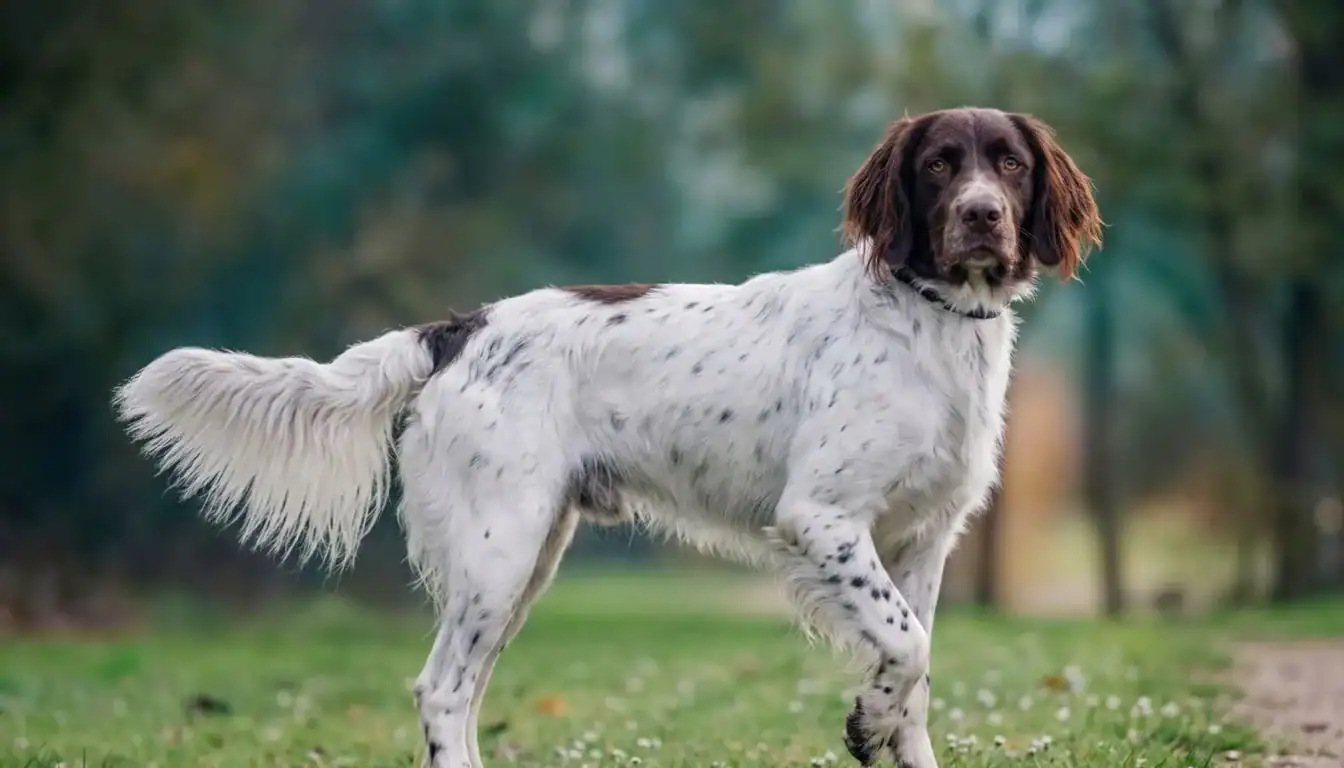
The German Longhaired Pointer is a picture of noble and elegant canine athleticism. They look like a heavier version of a classic pointing breed with the intense focus of a premier bird dog.
Many buyers are drawn to their beautiful slightly wavy coat and calm house manners. They completely underestimate the massive engine required for versatile hunting across land and water.
This guide draws on American Kennel Club Foundation Stock Service records, the Deutsch Langhaar-Gruppe Nordamerika breed standards, and documented field trial performance data to give an honest picture of what owning this breed actually involves.
Affiliate Disclosure: K9Sphere is a participant in the Amazon Services LLC Associates Program. As an Amazon Associate, I earn from qualifying purchases made through links in this article at no extra cost to you.
All About the German Longhaired Pointer
📊 Vitals and Life Span
Height
22.5-27.5 inches (57-70 cm)
Weight
60-70 lb (27-32 kg)
Life Expectancy
12-14 years
AKC Group
Foundation Stock Service
Origin
Germany
🇩🇪
⭐ Personality Traits
Ratings (1 to 5). This is an active, intelligent, and versatile pointing dog.
History and Origins
The German Longhaired Pointer originated in Germany as a premium gundog. Breeders crossed reliable bird dogs with water dogs and scent hounds to create the ultimate all-terrain hunter.
They were designed as a true “Deutsch Langhaar,” meaning a longhaired German hunting dog capable of working in forests, fields, and marshes. Their calm indoor demeanor made them popular with hunters who wanted a family dog during the week and a steady worker on the weekend.
In 1879, Baron von Schorlemer wrote the first standard for the German Longhaired Pointer. His strict guidelines ensured the Deutsch Langhaar maintained its exceptional hunting ability while retaining a calm demeanor indoors.
Today, they remain an official breed within the German versatile system. They are still part of breeding programs managed by dedicated breed wardens who prioritize performance over the show ring.
📌 1879 Standard
Baron von Schorlemer wrote the exact criteria that defined the breed. He focused heavily on producing a dog that could track, point, and retrieve a wide variety of game.
📌 Setter Influence
Early lines incorporated setters and English pointers to refine their speed and upland bird pointing style. This created a distinct separation from the wirehaired and shorthaired variants.
📌 Modern Recognition
Organizations like the Deutsch Langhaar—Gruppe Nordamerika actively protect the working lines. They have been part of the AKC Foundation Stock Service since 2010.
Physical Characteristics
The German Longhaired Pointer is built for endurance. They feature a muscular neck, a deep chest, and powerful hind legs designed to drive through heavy brush and deep water.
📏 Size and Build
Males typically stand 23.5-27.5 inches (60-70 cm) at the wither. They possess strong, webbed paws that make them incredibly efficient swimmers during intense waterfowl hunting.
🎨 Coat and Color
Their coat color reflects their rich heritage. They are usually solid brown or feature stunning shades of brown roan with brown and white patches. The coat is close fitting and dense to protect against cold water.
People often confuse the German Longhaired Pointer with the Large Munsterlander. Historically, black and white puppies from GLP litters were excluded from the official breed standard, and those excluded black-and-white dogs eventually became the foundation for the Large Munsterlander breed.
Temperament
The German Longhaired Pointer has a brilliant switch. Outdoors, they are driven, intense, and focused entirely on the field. Indoors, they settle down beautifully and become quiet family companions.
🧠 Highly Intelligent
They are problem solvers. A bored German Longhaired Pointer will quickly learn how to open doors, gates, and food bins if they are not given a proper job to do.
⚡ Intense Drive
A well-conditioned working dog easily runs alongside a bicycle for a mile without breaking pace. A true pointing breed has that same relentless stamina but requires even more mental stimulation to stay sane indoors.
💦 Water Obsession
They possess a profound affection for swimming. Their dense undercoat keeps them warm, and they will happily plunge into freezing ponds to retrieve an object.
👨👩👧 Family Bonding
They are notoriously reliable with children and deeply loyal to their primary handler. They prefer to be in the same room as their owners rather than left alone in a yard.
The official German Longhaired Pointer Club in the UK describes this breed as a pleasure to live with in the home: affectionate, intelligent, and gentle when given clear boundaries and training from day one. The club also reminds owners that GLPs are gundogs bred to hunt, point, and retrieve on land and in water, with “bags of energy” that demand daily exercise and mental stimulation whatever the weather, plus regular grooming of the mid-length coat to prevent matting around the ears, tail, and leg feathering. Like many gundog breeds, they make wonderful family companions when they get enough company and are not left bored or lonely. Read the full guidance on the GLP Club website.
Health Considerations
⚕️ Veterinary Disclaimer: The information provided in this article is for educational purposes only and is not intended as a substitute for professional veterinary advice, diagnosis, or treatment. Always consult a licensed veterinarian for any health concerns about your pet.
📋 Health Information Sources: Health data compiled from:
- AKC: Foundation Stock Service health guidelines
- CHIC: Recommended breed-specific health tests
- GLPCNA: German Longhaired Pointer Club of North America breed and health information
Always consult your licensed DVM for personalized medical advice.
Because the German Longhaired Pointer is primarily bred by hunting enthusiasts for field performance, they are generally a very healthy and robust breed. However, their size and physical structure do present a few specific risks.
🔴 Hip and Elbow Dysplasia
What it actually is: A genetic malformation of the hip or elbow joints. In a high-impact sporting dog, this causes severe pain, lameness, and early-onset arthritis.
Screening: Reputable breeders strictly test their breeding stock using OFA or PennHIP evaluations.
Management: Keeping the dog lean and using joint supplements can help manage mild cases, but severe dysplasia often requires expensive surgery.
🟡 Eye Screening
What to watch for: This is a generally sound breed with no single dominant eye disease on record, but sharp vision is essential for a working gundog. Watch for cloudiness, redness, or reluctance to move in low light, and raise any change with your veterinarian promptly.
Screening: Responsible breeders include an eye examination by a board-certified ACVO ophthalmologist in their pre-breeding checks, and the breed club recommends gonioscopy to screen for glaucoma risk. Ask to see current eye results for both parents before committing to a puppy.
🟡 Ear Infections
What to watch for: Their beautiful, long-haired drop ears restrict airflow. Combined with their love of water, this creates a perfect dark, moist environment for yeast and bacteria to grow.
Management: You must clean and dry their ears thoroughly after every single swim or bath.
General Care
🏃 Exercise Needs
This breed requires a lot of exercise. A quick walk around the neighborhood will not satisfy a German versatile hunting dog. They need at least one to two hours of rigorous physical activity daily, ideally off-leash in a safe area.
✂️ Grooming the Coat
To describe the German Longhaired Pointer accurately, you have to mention their stunning coat. The GLP’s coat is slightly wavy and feathered, with distinct feathering on the ears, chest, belly, and tail. The coat may be longer in winter and drops coat moderately year-round.
You need to brush them twice a week to remove dead guard hairs and prevent tangles in the long hair. They also blow their thick inner layer seasonally, which requires more intensive brushing.

Dog Ear Cleaning Finger Wipes
Use for: Weekly ear cleaning for breeds with floppy, long-haired ears that easily trap moisture and dirt after water work.
View on AmazonNutrition & Diet
A hardworking gundog requires premium fuel to maintain energy and muscle mass in the field.
🐶 Puppy Stage: These puppies grow rapidly. Feed a high-quality large breed puppy formula to carefully regulate calcium and phosphorus levels. Overfeeding during this crucial stage increases the risk of joint problems later in life.
🐕 Adult Stage: Adults actively engaged in dog sports or hunting require a protein-rich, high-fat performance diet. If your pointer is primarily a house companion, you must strictly measure their food to prevent obesity.
🐕🦺 Senior Stage: Older dogs naturally slow down. Switch to a senior diet with fewer calories but maintain high-quality protein to prevent muscle wasting. Ensure proper dental care by providing appropriate chews to prevent tartar buildup.
Training
These dogs are incredibly smart and eager to please. They respond beautifully to positive reinforcement and consistent rules.
🎯 Managing Prey Drive
As a gun dog, they are hardwired to track and chase. You must start recall training immediately in a controlled environment. These pointers will easily ignore your calls if they catch the scent of a running rabbit.
🛡️ Mental Stimulation
Physical exhaustion is only half the battle. You must exhaust their brains. Scent work, advanced obedience, and retrieving games are mandatory to keep this breed balanced and calm at home.
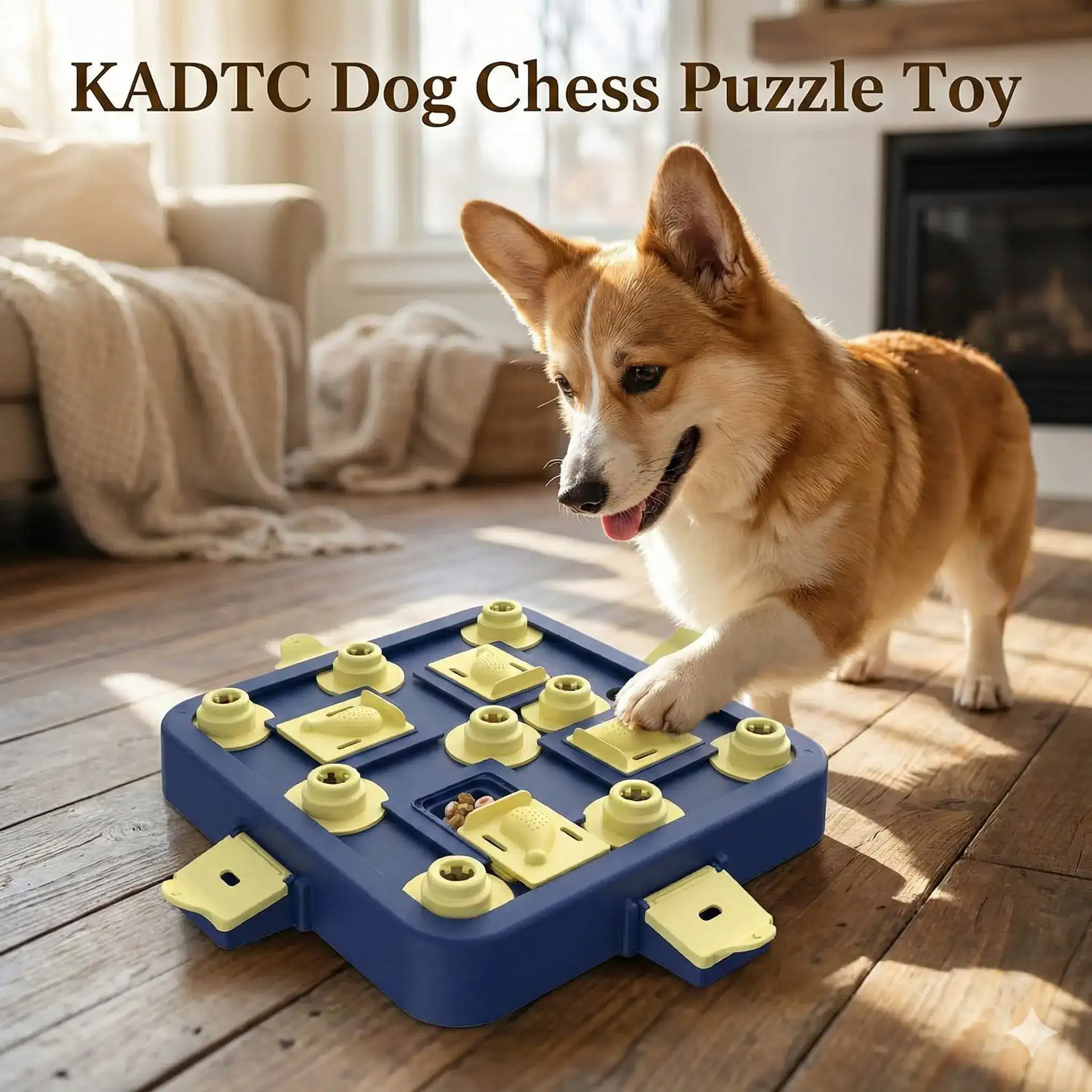
KADTC Dog Chess Puzzle Toy
Use for: Providing vital mental stimulation to high-intelligence versatile hunting breeds when they cannot be out in the field.
View on AmazonGerman Longhaired Pointer vs German Shorthaired Pointer vs Weimaraner vs Vizsla
Prospective owners often weigh the German Longhaired Pointer against its closest relatives among the versatile pointing breeds. The German Shorthaired Pointer is its direct German counterpart, faster and wider-ranging in open country with a low-maintenance short coat. The Weimaraner is another German gundog, larger and more headstrong, and famously attached to its people. The Vizsla is the Hungarian cousin of this group, sharing the same close bond in a sleeker single coat.
| Attribute | German Longhaired Pointer | German Shorthaired Pointer | Weimaraner | Vizsla |
|---|---|---|---|---|
| Weight | 60 to 70 lb | 45 to 70 lb | 55 to 90 lb | 44 to 60 lb |
| Original Purpose | Versatile pointing and water retrieving | Versatile pointing | Versatile hunting and pointing | Pointing and retrieving |
| Energy Type | Very high, needs a job | Very high, wide-ranging | Very high, relentless | Very high, endurance runner |
| Trainability | Intelligent, eager to please | Driven, needs firm structure | Smart but headstrong | Eager, sensitive |
| Grooming | Weekly brush, moderate shed | Minimal, short coat | Minimal, short coat | Minimal, short coat |
| Threat Response | Alert bark, friendly | Alert bark, some guarding | Alert, aloof with strangers | Alert bark, friendly |
| First-Time Owner? | Active owners only | No | No | Active owners only |
| Common Health Risks | Hip and elbow dysplasia, ear infections | Hip dysplasia, bloat | Hip dysplasia, bloat | Hip dysplasia, epilepsy |
| Living Space | Home with secure yard | Home with big yard | Home with secure yard | Home with secure yard |
The Large Munsterlander is the breed most directly tied to the German Longhaired Pointer, having descended from the black-and-white puppies once excluded from early GLP litters. Among the widely available pointing breeds, the German Longhaired Pointer stands out for its cold-water coat and its calm manner in the house once its daily exercise is met.
FAQ About This Breed
Are German Longhaired Pointers good family dogs?
Direct Answer: Yes, they are famously affectionate and calm indoors if their exercise needs are met.
Context: They bond deeply with their families and are generally good with children. They have a “switch” that allows them to relax completely when they are inside the house.
Management: You must provide vigorous outdoor exercise daily. An unexercised pointer will become frustrated and destructive.
How are they different from the German Shorthaired Pointer?
Direct Answer: They have a longer, wavy coat and are often described as having a calmer indoor temperament.
Context: While both are exceptional versatile hunters, this breed carries pointing-dog bloodlines. This gives them their distinct wavy and flowing coat, making them better suited for cold water retrieves than the German Shorthaired or German Wirehaired variants.
Management: Choose this breed if you hunt in colder, wetter climates and are willing to manage the extra grooming required for the longer hair.
Are they an expensive breed to buy?
Direct Answer: Yes, they are a rare breed and command a high price from reputable breeders.
Context: Because they are primarily bred by dedicated field trial competitors and hunters, finding a litter takes time. You are paying for proven hunting genetics and rigorous health clearances.
Management: Expect to join a waitlist and potentially travel out of state or import a puppy from a recognized kennel club breeder.
Do they lose a lot of hair?
Direct Answer: Yes, they shed moderately year-round and blow their inner coat seasonally.
Context: Their coat consists of a dense inner layer and longer guard hairs. While not as heavy as a Husky, they will leave brown hairs on your floors and furniture.
Management: Weekly brushing and a strong vacuum are mandatory requirements for owning this breed.
Can they live in an apartment?
Direct Answer: It is highly discouraged unless you are extremely active.
Context: These are large, high-energy working dogs that need space. Without a yard to stretch their legs, you will be solely responsible for exhausting them multiple times a day.
Management: They thrive best in homes with large securely fenced yards or rural acreage.
Do they get along with cats?
Direct Answer: It depends heavily on early socialization, but caution is advised.
Context: They possess a strong prey drive designed for hunting small game. A running cat can easily trigger their instinct to chase.
Management: If raised with a dog-savvy cat from puppyhood, they can be peaceful with cats. Never leave them alone with small pets unsupervised.
Are they recognized by the American Kennel Club?
Direct Answer: They are currently part of the AKC Foundation Stock Service.
Context: They have been in the FSS since 2010. This allows them to compete in AKC companion events and field trials, but they are not yet fully recognized in the Sporting Group for conformation showing.
Management: You can still register your dog and participate in a wide variety of dog sports and tracking events.
How much exercise do they actually need?
Direct Answer: At least 1 to 2 hours of intense physical and mental exercise daily.
Context: Walking on a leash is simply a warm-up. They need running, swimming, and retrieving tasks to burn off their working energy.
Management: If you are not a hunter, consider getting involved in dock diving, agility, or advanced scent work to keep them fulfilled.
Are German Longhaired Pointers rare?
Direct Answer: Yes, they are one of the rarest versatile hunting breeds in North America.
Context: Breeding is carefully managed by dedicated wardens through the Deutsch Langhaar-Gruppe Nordamerika. Most litters go to hunting households first, making pet-market availability extremely limited.
Management: Start your search early, join breed club waitlists, and be prepared to wait 12 to 18 months for the right puppy.
Do German Longhaired Pointers have separation anxiety?
Direct Answer: Yes, they bond intensely with their handlers and dislike being left alone for long periods.
Context: Bred to work closely alongside hunters, they were never designed to spend a workday alone. Under-stimulated dogs left alone commonly develop destructive habits.
Management: Crate training from puppyhood builds tolerance. Arrange midday company or enrichment if you work full-time.
What is the difference between German Longhaired, Shorthaired, and Wirehaired Pointers?
Direct Answer: The three breeds differ in coat, cold-weather suitability, and working style, not in temperament or intelligence.
Context: All three are German pointer breeds from the same versatile hunting tradition. The Longhaired carries setter influence and excels in cold water and dense cover. The Shorthaired is faster in open terrain. The Wirehaired has a protective beard and eyebrows suited for rough brush.
Management: Choose based on your hunting terrain and climate, not appearance alone.
Finding a Puppy
Finding a German Longhaired Pointer requires patience. Because they are rarely bred strictly for the pet market, you will likely need to connect directly with working dog enthusiasts.
🔬 The Responsible Breeder
A responsible breeder will proudly show you OFA health clearances for hips and elbows for both parent dogs. They will interrogate prospective owners about their exercise plans. True breed enthusiasts prioritize field performance and stable temperament over coat aesthetics. Expect to be placed on a waiting list.
🏠 Rescue and Adoption
Finding a purebred German Longhaired Pointer in a standard shelter is incredibly rare. However, breed-specific pointer rescues occasionally take in dogs given up by owners who grossly underestimated their exercise needs. Adopting an adult allows you to bypass the chaotic puppy phase.
🚩 Red Flags When Buying a Puppy
- Breeder cannot provide verifiable OFA hip and joint screening records
- Puppies are available immediately without any vetting process
- Breeder sells them simply as “couch companions” and ignores their hunting drive
- Parents have zero working titles or field trial experience
- Breeder does not ask about your fencing or daily exercise routine
Personal Observation
💭 Personal Observation
Bruno, my 45 kg Labrador, developed an ear haematoma that required surgery after moisture got trapped in his ear canal for too long. That single incident cost more in vet bills and recovery time than years of preventive ear cleaning would have. The German Longhaired Pointer’s beautiful, long-haired drop ears trap moisture even more effectively than a Lab’s shorter ear leather. After every swim, every rainy hike, every bath, dry those ears thoroughly. This is not optional grooming. This is the difference between a healthy dog and a dog in chronic pain from recurring infections that could have been prevented in 30 seconds with a cotton ball.
Should You Get a German Longhaired Pointer?
The German Longhaired Pointer is a masterpiece of specialized breeding. They offer an incredible combination of relentless field performance and quiet household companionship.
However, that calm indoor behavior entirely depends on providing rigorous physical and mental outlets. If an owner cannot commit to those daily challenges, this breed will become intensely frustrated.
For the active outdoor enthusiast willing to put in the work, this German breed offers unparalleled loyalty, breathtaking athleticism, and a deeply affectionate bond.
📋 Before bringing one home, run this 4-step pre-buying check
- Activity honesty. Can you genuinely provide one to two hours of hard physical and mental exercise every single day?
- Time at home. Is someone around most days, given this breed’s intense need for companionship?
- Secure containment. Do you have a securely fenced yard to manage a high-prey-drive chaser?
- Commitment to enrichment. Can you offer scent work, retrieving, or other jobs so a bored, intelligent gundog does not turn destructive?
If any answer is no, reconsider the breed.
Editorial Disclaimer: This article is for informational and educational purposes only. It does not constitute veterinary advice, medical diagnosis, or treatment recommendations. Always consult a licensed veterinarian before making health-related decisions for your pet.
Accuracy Notice: While every effort has been made to ensure the information presented here is accurate and current, breed information evolves and individual dogs vary. If you spot a factual error or have updated information from a verified source, please contact us so we can review and update.
Product Disclosure: Product recommendations are based on independent research and editorial judgment. Individual results may vary. K9Sphere participates in the Amazon Services LLC Associates Program and other affiliate programs, and earns from qualifying purchases at no additional cost to you.
Last reviewed: July 2026. Article reviewed for accuracy on the date shown above.


