
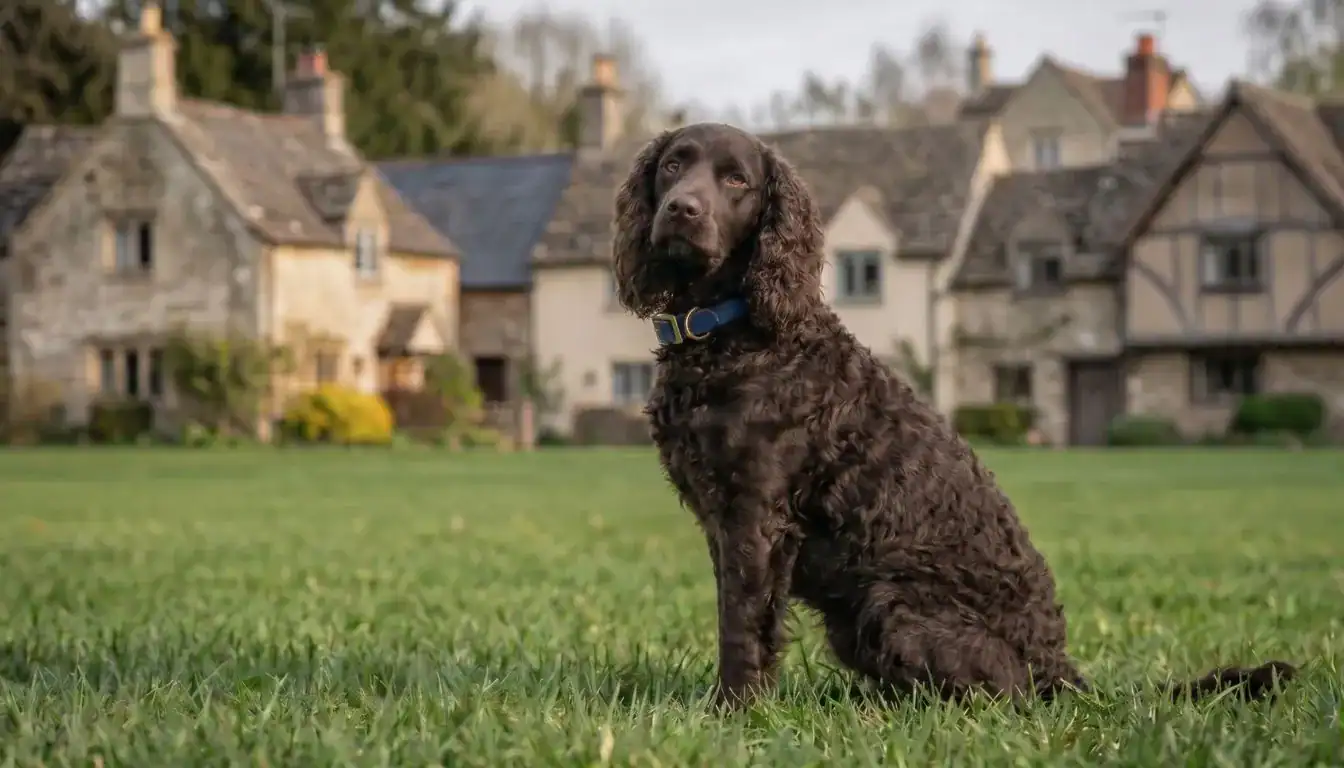
The American Water Spaniel is a small, muscular gun dog developed in the Great Lakes region of the USA to drive up and retrieve waterfowl from small skiffs. Despite the prestigious title of Wisconsin state dog, this versatile hunter remains surprisingly rare. Many hunting enthusiasts overlook them in favor of larger breeds, entirely missing a highly capable athlete built for both icy marshland and active home life.
You probably haven’t seen one at your local dog park. The Velcro attachment they form with their owners means they stay close, preferring the company of their trusted humans over chaotic social mixing. The American Water Spaniel Club and OFA CHIC data together build a clear reference for this hunting breed.
They carry an independent streak common to intelligent hunting companions. Their manageable frame and cheerful temperament are appealing, yet the care needs span canal hygiene, joint screening, and consistent mental work across the full lifespan.
A mature dog of this type thrives in a household that combines structured exercise, cognitive training, and regular access to water. Without that structure, the breed quickly becomes bored, destructive, and vocal.
While their waterproof outer layer and frame are ideal for duck hunting, their daily needs are heavily underestimated by novice owners looking for a medium-sized household pet.
Affiliate Disclosure: K9Sphere is a participant in the Amazon Services LLC Associates Program. As an Amazon Associate, K9Sphere earns from qualifying purchases of the best products made through links in this article at no extra cost to you.
Breed Snapshot
📊 Vitals and Lifespan
Height
15-18 inches (38-46 cm)
Weight
Males: 30-45 lb (14-20 kg)
Females: 25-40 lb (11-18 kg)
Lifespan
Typically 12-14 years
AKC Group
Sporting
Origin
United States (USA)
🇺🇸
⭐ Personality Traits
Ratings (1 to 5). This scarce breed offers excellent field ability but demands an engaged owner.
History and Origin
The origin story of this breed is deeply intertwined with the geography of the northern United States. In the mid-1800s, hunters in the marshy areas of the Fox River Valley needed a specific tool. They wanted a dog small enough to sit in a fragile canoe or skiff without tipping it over, but rugged enough to handle freezing lake temperatures while bringing back downed ducks.
No single moment defines the breed’s development. Instead, decades of practical selection by regional hunters shaped the dog you see today, confirmed by kennel registries and the American Kennel Club breed profile.
📌 19th Century Origins
Hunters in the Fox River Valley selectively bred talented dogs to create a multi-purpose water gun dog. While exact genetic records do not exist, experts believe the foundation stock included the now-extinct English Water Spaniel, the Irish Water Spaniel, and possibly the Curly-Coated Retriever. The goal was pure utility: a dog that could drive game from heavy cover and bring it back cleanly from cold water.
📌 Dr. Fred J. Pfeifer’s Legacy
By the early 1900s, the breed faced extinction as hunting practices evolved and larger breeds like the Lab gained massive popularity. Dr. Fred J. Pfeifer of New London almost single-handedly saved this spaniel. He established the first purebred registry and fiercely advocated for its preservation.
📌 1940: AKC Recognition
Thanks to Pfeifer’s dedicated work, the United Kennel Club recognized the breed in 1920. Two decades later, the American Kennel Club officially recognized the American Water Spaniel in 1940 and placed it in the Sporting Group, where it remains today. These dogs stayed a well-kept secret among regional duck hunters for decades after.
📌 State Dog Designation (1985)
The Wisconsin legislature officially named this spaniel its official canine in 1985. Today, they are among the scarcest AKC-recognized breeds, with only a small number of dedicated kennels actively maintaining the lines to strict field standards.
Physical Characteristics
This breed was engineered for practical field function, and their physical form reflects that utility flawlessly. They are solid, muscular, and agile for a spaniel of this build.
📏 Compact Frame
The dog is specifically proportioned to fit comfortably in small boats. Standing 15 to 18 inches at the shoulder with a typical adult size range of 25 to 45 pounds, they are a touch larger than a Cocker Spaniel but far more athletic and water-adapted. The strong, level back and deeply sprung ribs sit on a body slightly longer than tall, giving excellent balance when moving through thick marsh grass.
🧥 The Signature Jacket
Their curly outer layer is the defining feature. It consists of uniform waves (marcel) or tight curls. This double coat is dense and water-resistant, protecting them from icy wind and freezing conditions. The color ranges from solid liver to brown or dark chocolate, occasionally with a tiny white spot on the chest or toes.
Their broad skull and relatively long, heavily furred ears frame alert eyes. Unlike some larger water breeds like the Chesapeake Bay Retriever, this spaniel maintains a very natural, unexaggerated structure that seldom breaks down under the stress of fieldwork.
Temperament and Personality
This is an enthusiastic, happy-go-lucky companion that bonds intensely with its primary family. They are not naturally aloof, but they do tend to reserve their deepest affection for the people inside their close circle.
🧲 The Velcro Attachment
This breed thrives on human partnership. They want to be in the room with you, preferably touching your foot or resting near your chair. They are generally affectionate with every child in their own household when socialized from puppyhood, though supervision is still necessary with toddlers. If isolated in a backyard for long periods, they may develop separation-related behaviors and destructive habits. These are indoor companions that require outdoor jobs.
🦆 Intense Prey Drive
They are bird dogs through and through. The crisp snap of a breaking branch sends them instantly into alert mode. Fast-moving animals in the yard will be chased relentlessly. Careful early exposure matters if you intend to keep this breed in a home with cats or small pets.
🗣️ Vocal Tendencies
They are excellent watchdogs. They will bark sharply to announce visitors or strange noises. While not usually reactive, they are definitely vocal. Without proper boundary work early in life, the alert bark escalates into nuisance noise.
🧠 The Stubborn Streak
Sharp wits often pair with independent thinking. The dog wants to please you, but also wants to do things its own way. They bore easily with repetitive drills. Sessions must stay dynamic, engaging, and highly rewarding to keep attention focused on you rather than the environment.
Health and Screening
Veterinary Disclaimer: The information provided in this article is for educational purposes only and is not intended as a substitute for professional veterinary advice, diagnosis, or treatment. Always consult a licensed veterinarian for any concerns about your pet.
Information Sources: Data compiled from:
- OFA CHIC Program: Mandatory screening requirements for the breed
- American Water Spaniel Club: Parent club surveys and genetic data
- AVMA: General veterinary guidance
Always consult your licensed DVM for personalized medical advice.
Because the breeding population is small, dedicated preservation programs work closely together to monitor genetic soundness. Overall, these are sturdy dogs, but they are susceptible to a few specific inherited conditions every prospective owner should understand.
🟡 Cardiac Disease
What to watch for: The breed has a known susceptibility to certain heart defects, including mitral valve disease and pulmonary stenosis. Signs of advanced cardiac issues include lethargy, a chronic cough, or sudden fainting during activity.
Screening: A full cardiac evaluation, ideally by a board-certified veterinary cardiologist, is standard among responsible breeders before producing a litter.
🟡 Eye Disorders
What to watch for: Progressive Retinal Atrophy (PRA) is a serious eye disorder that, along with early-onset cataracts, appears in some bloodlines. PRA leads to gradual, irreversible blindness, often starting as poor night vision.
Screening: Annual exams by a veterinary ophthalmologist and clear genetic testing for PRA are strongly recommended for breeding stock.
🟡 Hip Dysplasia
What to watch for: Like many hunting breeds, this spaniel can develop hip dysplasia. This joint malformation causes bone-on-bone grinding, leading to early arthritis. Supporting joints with an orthopedic dog bed and a quality hip and joint supplement provides significant comfort after fieldwork.
Screening: Verified OFA or PennHIP evaluations on parent dogs significantly reduce the risk of passing on poor joint structure.
Consult your veterinarian before starting any supplement regimen for your dog.
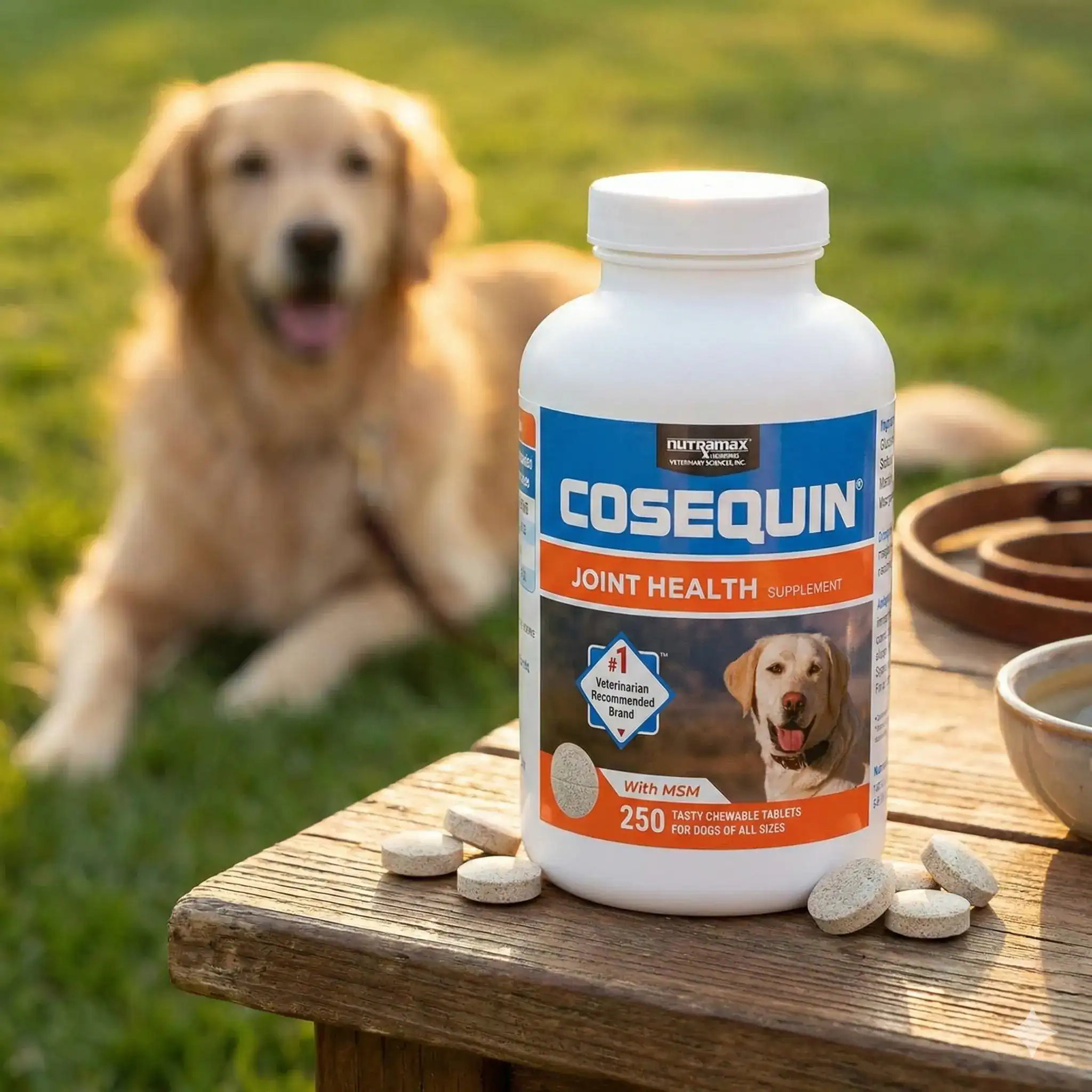
Nutramax Cosequin for Dogs Joint Health Supplement
Use for: Supporting joint mobility in working spaniels. Formulated with glucosamine and chondroitin to help maintain cartilage function in athletic hunting breeds that do repetitive fieldwork.
View on AmazonGrooming and Coat Care
Maintaining the water-resistant double jacket requires moderate grooming with careful canal cleaning. The oily topcoat naturally repels dirt and moisture, but that same oiliness means the dog can retain a distinct “doggy odor” if not bathed appropriately. A quick rinse after a swampy outing is usually enough to keep things fresh.
Brush twice a week to prevent the curls and waves from matting, particularly behind the flaps, under the armpits, and along the belly. During seasonal shedding periods, the dead undercoat needs to be pulled free to allow proper air circulation against the body.
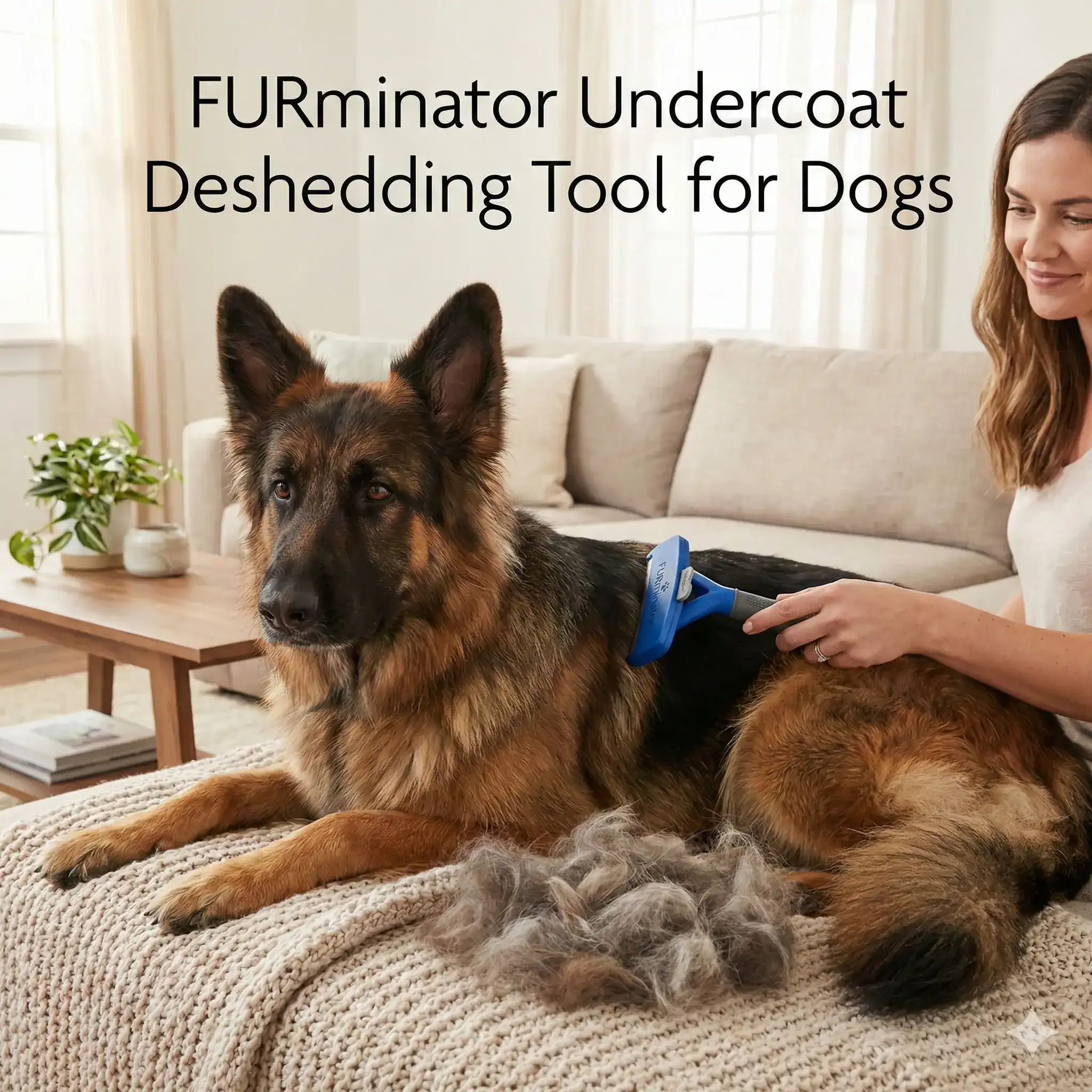
FURminator Undercoat Deshedding Tool for Dogs
Use for: Removing loose undercoat hair before it covers your furniture. Helps manage shedding in double-layered breeds and keeps the insulating fur breathable during seasonal blowouts without cutting the protective guard hairs.
View on AmazonRegular brushing with an appropriate grooming tool helps remove dead hair and reduces loose fur inside the home. Double-layered breeds benefit from tools designed specifically for reaching past dense curls rather than standard surface brushes.
The heavily furred, floppy flaps are prone to trapping moisture after swimming. This warm, damp environment is a breeding ground for yeast and bacterial infections. Dry each flap thoroughly after every water exposure, and inspect weekly for redness or odor.
Exercise Needs
It is not a couch potato. The breed demands vigorous movement to remain mentally stable and physically fit. A short walk around the neighborhood is seldom enough. The breed was built for endurance and thrive when given a distinct job to perform.
Plan to dedicate at least 60 to 90 minutes every day to serious physical work. Good options include fetch games, swimming, hiking, or agility drills. Swimming is the clear favorite. Their webbed feet and water-resistant fur make them efficient in lakes and ponds.
Physical exhaustion alone does not satisfy a working spaniel. They need cognitive engagement. Without mental stimulation, pent-up energy quickly manifests as destructive chewing, digging, or nuisance barking around the home.
Diet and Feeding
Proper feeding provides the fuel for this athlete. Because they love to work and play, they burn calories rapidly, but will happily overeat if allowed. Strict portion control prevents the obesity that ruins joint condition over time.
🐶 Pup Stage
During the first 12 months, feed a quality puppy formula with balanced protein levels, designed for medium-framed hunting breeds. The diet should have appropriately balanced calcium and phosphorus levels to promote steady, even bone growth. Rapid growth spikes significantly increase the risk of orthopedic issues later in life.
🐕 Adult Stage
An adult dog engaged in regular hunting or heavy movement needs a protein-rich diet to maintain muscle mass and a stable adult weight. Adjust portions during off-seasons or colder months when activity drops. You should be able to feel ribs beneath the fur without applying heavy pressure.
🐕🦺 Senior Stage
Around age 8, transition to a senior formula lower in total calories but rich in joint-supporting compounds like glucosamine. Splitting the ration into two smaller meals helps maintain healthy digestion and prevents age-related digestive discomfort.
Training Strategy
This breed is eager to please, yet they possess a famously independent streak. A highly intelligent spaniel bores fast, so if a session becomes repetitive, the dog will tune you out and find something else to do. Successful work requires patience, creativity, and absolute consistency.
🎾 Keep It Dynamic
They learn quickly but detest endless repetition. Once they understand a command, move to the next challenge. Use positive reinforcement with tasty treats and enthusiastic praise. These are emotionally sensitive animals. Harsh physical corrections typically cause the breed to shut down, lose trust, or become deeply obstinate.
🛑 Early Socialization is Mandatory
Because they naturally bond tightly with their immediate family, the breed can become wary or aloof with strangers if not properly exposed during the critical window between 8 and 16 weeks of age. Walk young dogs across varied surfaces, introduce them to dozens of calm adults, and expose them to routine household noise.
🎯 Build Reliable Come-Back
Because the prey drive pulls them toward birds and small mammals, a bulletproof recall is non-negotiable. Train this skill on a long line for the first six months, paying with tasty food every single time the dog returns. Never call your dog for something negative, or the cue will break.
Breed Comparison
When searching for a versatile water spaniel, prospective owners often weigh this spaniel vs other popular water hunters. Here is how the breed stacks up against the widely loved Labrador and the similarly-built Boykin Spaniel.
| Attribute | American Water Spaniel | Boykin Spaniel | Labrador Retriever |
|---|---|---|---|
| Height | 15-18 in (38-46 cm) | 14-18 in (35-46 cm) | 21.5-24.5 in (55-62 cm) |
| Weight | 25-45 lb (11-20 kg) | 25-40 lb (11-18 kg) | 55-80 lb (25-36 kg) |
| Coat Type | Wavy to tightly curled | Flat to moderately wavy | Short, dense, straight |
| Shedding | Moderate | Moderate | Heavy |
| Energy Level | Needs a job | Endless stamina | Peaks in youth, moderate later |
| Stranger Tolerance | Reserved, polite | Very friendly | Extremely outgoing |
The classic water retriever is friendly and significantly larger, making it heavier to haul back into a small skiff. Unlike the Chesapeake, which is built for open-bay retrieves, the Boykin Spaniel, South Carolina’s official canine, shares a remarkably similar frame and hunting role to the AWS. The Boykin generally presents a softer, more outgoing personality with strangers, whereas the AWS remains strictly focused on its owner. Hunters choosing between the two often decide based on regional cold tolerance, where the AWS holds a clear advantage in icy northern conditions.
Common Questions about American Water Spaniels
Do these spaniels shed a lot?
Direct Answer: They are moderate shedders, shedding less than many retrievers but more than a Poodle.
Context: The curly double coat traps dead hair against the skin rather than dropping it onto the floor. This means they require frequent brushing to pull loose hair out and prevent painful matting.
Management: Brush twice a week using a slicker or dedicated deshedding tool, increasing frequency during spring and fall blowouts.
Are they good apartment dogs?
Direct Answer: Generally no. The breed is challenging and usually not ideal for apartment living.
Context: While the frame seems perfect for small spaces, their stamina and tendency to alert-bark at hallway noises quickly cause friction with neighbors. They need space to move freely.
Management: Small-space owners must commit to multiple long, rigorous sessions every day without fail.
Do they get along with cats and other pets?
Direct Answer: Yes if raised with them from puppyhood, but caution is required with small animals.
Context: As a flushing dog, the breed has a strong prey drive hardwired into their genetics. They will naturally want to chase fleeing animals in the yard.
Management: Introduce your dog to household cats early and carefully. Teach strong “leave it” commands and never leave the dog unsupervised with pet rodents or birds.
Are they hypoallergenic?
Direct Answer: No. There is no such thing as a truly hypoallergenic dog, and this breed is not considered low-allergen.
Context: Although the tight waves visually resemble a Poodle’s, these dogs still produce dander. People with severe canine sensitivities will likely react to this spaniel.
Management: Spend time with an adult dog of the breed before committing if you have mild sensitivities, and maintain a strict bathing and vacuuming schedule.
Are these dogs confrontational?
Direct Answer: They are not naturally aggressive, but they are highly protective of their family.
Context: The dog forms an intense bond with its people and can be aloof or suspicious of strangers approaching the property. Without early exposure, this suspicion can manifest as fear-based reactivity or snapping.
Management: Expose young dogs to dozens of new people in positive, calm environments before they reach 16 weeks of age to build lasting confidence.
Do they like to swim?
Direct Answer: Yes, they are exceptional swimmers engineered specifically for the water.
Context: They possess webbed toes for powerful paddling and a water-resistant double coat that keeps them buoyant and warm in icy conditions. Swimming is arguably their favorite outlet.
Management: Provide safe access to clean water frequently, and always dry the long, heavy ears completely afterward to prevent painful fungal infections.
Why is the breed so uncommon?
Direct Answer: They remained a localized regional secret in the Midwest and were overshadowed by larger retrievers.
Context: As waterfowl hunting evolved, many sportsmen shifted toward the larger, easily trainable Lab. This spaniel stayed closely guarded by a small group of enthusiasts focused on field ability rather than show-ring popularity.
Management: Expect to wait on a seller’s list for several months to over a year for a well-bred young dog.
Are they easy to train for first-time owners?
Direct Answer: They can be challenging for true beginners due to their independent streak.
Context: While sharp-minded, they do not have the eager-to-please, robotic responsiveness of a Golden Retriever. If a training method is repetitive or harsh, the spaniel will simply refuse to participate.
Management: First-time owners should enroll in reward-based obedience classes early to establish a cooperative partnership.
Finding a Puppy
Because this spaniel ranks among the rarest breeds recognized by the AKC, finding a young dog requires significant patience. Before committing, honestly assess breed suitability for your household, climate, and weekly schedule. You will not find these dogs in pet stores, and they are uncommon in general shelters, though you may occasionally adopt one through breed-specific rescues.
The best starting point is the American Water Spaniel Club, the official parent organization. They maintain a list of ethical kennels who adhere to strict guidelines. A responsible breeder will insist on providing OFA cardiac, eye, and hip clearance certificates for both parent dogs before accepting a deposit.
When speaking with a breeder, discuss line differences. Field-bred lines possess an extremely high drive tailored for all-day hunting, while pet lines may be slightly more settled for home life. Expect to fill out a detailed application. Kennels raising this working breed are fiercely protective of their lines and want to ensure their young dogs are placed in homes that genuinely understand the commitment. Be prepared to wait six to twelve months for a litter to be born.
🚩 Red Flags to Walk Away From
- Seller cannot provide current OFA cardiac, eye, and hip dysplasia clearance certificates for both parents
- Young dogs listed for sale online with no waitlist, contract, or paperwork for a breed this scarce
- No questions asked about your lifestyle, daily routine, or housing
- Multiple litters available year-round from the same source
- Young dogs sold under 8 weeks of age or with no written guarantee
Personal Observation
💭 Personal Observation
Bruno, my Labrador, dealt with recurring malassezia yeast infections every humid season. The long, floppy flap sealed moisture against the inner canal, and the warm conditions did the rest. A proper blow-dry to the skin after every swim, a weekly check for yeast smell, and consistent inner-flap cleaning cut his flare-ups from monthly to rare. The American Water Spaniel faces that same problem, amplified. The breed carries a denser, more heavily furred flap designed to insulate against icy lake water, and unlike most dogs, it actively seeks water every chance it gets. What was a seasonal issue for Bruno becomes a year-round discipline with this spaniel. Post-swim drying is not optional grooming, it is part of the health protocol.
Conclusion
Weighing the pros and cons, this spaniel is a hidden gem in the sporting dog world. The breed offers the rugged fetching capability of much larger animals packaged into a canoe-friendly frame. Their fiercely loyal disposition makes them outstanding companions for households who spend weekends near water.
Owners who manage the independent streak with patient work, commit to rigorous workouts, and meticulously dry those floppy flaps gain a tireless athlete and a devoted friend across the breed’s full 12 to 14 year lifespan.
Disclaimer: This article is for informational purposes only and does not constitute veterinary or professional breeding advice. All information is based on publicly available breed data and should not replace a physical examination or treatment plan from a licensed veterinarian. Product recommendations contain affiliate links. K9Sphere earns from qualifying purchases at no additional cost to you.


