

It is easy to look at a medium-sized sporting dog playing fetch and assume it is just a smaller, more energetic version of a Golden Retriever. What you may not expect is the intense, piercing vocalization and a relentless desire to work that demands a real daily job.
The Nova Scotia Duck Tolling Retriever (often just called a Toller) is a highly intelligent, fetch-loving sporting dog from Canada that thrives on complex tasks. Without proper outlets, all that drive quickly turns into destructive behavior and stress-related habits. Its suitability is highest for experienced, active households willing to invest serious time outdoors.
This guide combines practical ownership experience with AKC breed standards, OFA CHIC testing protocols, and NSDTRC-USA health survey data.
Anyone who can match its pace is rewarded with a devoted, biddable partner that excels at retrieving, sport, and field work. This is a dog that wants to think and move all day, and it bonds tightly with the person who gives it that chance.
If you want an easygoing pet to relax with, this is probably not the breed for you. It is an alert, high-output athlete that can be vocal and stubborn, and one left without a routine will quickly invent its own work, usually involving noise or chewing.
Affiliate Disclosure: K9Sphere participates in the Amazon Services LLC Associates Program and other affiliate programs. K9Sphere earns from qualifying purchases made through links in this article at no additional cost to you. Product recommendations are based on independent research and editorial judgment, not paid placement.
Breed Snapshot
📊 Vitals and Lifespan
Height
Males: 18–21 in (46–53 cm)
Females: 17–20 in (43–51 cm)
Weight
Males: 45–51 lb (20–23 kg)
Females: 35–45 lb (16–20 kg)
Lifespan
12–14 years
Breed Group
Sporting Group
Origin
Canada (Nova Scotia)
🇨🇦
⭐ Personality Traits
Ratings (1 to 5). The smallest retriever, this athlete requires heavy physical and mental engagement to stay balanced and is best suited to outdoor-focused homes.
History and Origin
Developed in the early 19th century in the Little River district of Nova Scotia, this dog was bred for a highly specific style of Canadian waterfowl hunting. The word “tolling” comes from the Middle English tollen, meaning to lure or entice. That single idea shaped its entire development into the specialized gun dog it is today.
📌 Early 1800s: The Fox Illusion
Hunters noticed that foxes playing along the shoreline mysteriously drew curious ducks closer to the bank. They set out to recreate that effect with a fox-like dog that mirrored the animal’s size, color, and quick, playful movements to lure flocks within range.
📌 Mid-1800s: The Foundation Cross
To create the ultimate decoy and retriever, breeders in Nova Scotia mixed retriever types, including the Flat-Coated Retriever and Labrador, with spaniels, farm collies, and setters. The setter ancestry is often credited with the distinctive red color. The result combined the water-loving durability of a retriever with the quick, agile intelligence of a herding dog.
📌 1945: CKC Recognition
The Canadian Kennel Club officially recognized the Nova Scotia Duck Tolling Retriever. For decades the breed stayed virtually unknown outside the Maritime provinces, kept almost exclusively by working hunters who valued function over appearance.
📌 2003: AKC Recognition
The American Kennel Club admitted it into the Sporting Group, introducing it to a far larger audience. Numbers have grown steadily since, though it stays much less common than the Labrador or Golden. The largest population outside Canada is in Scandinavia, where duck hunting and field trials are popular.
The tolling technique itself is remarkable. The hunter stays hidden in a blind and tosses a stick along the water’s edge. The dog dashes out, retrieves it, and returns, completely ignoring the birds on the water. That flashing movement piques the curiosity of offshore ducks and draws them within shotgun range. Once the hunter fires, the dog switches roles instantly, plunging into freezing water to collect the downed waterfowl. Understanding that dual job, decoy and retriever, explains almost everything about how it behaves today.
Physical Characteristics
It is the smallest retriever breed recognized by the major kennel clubs, yet it is remarkably strong and agile for its medium frame. The build is dictated entirely by two jobs: mimicking a red fox on the shore and crossing icy water.
🦊 The Fox-Like Coat
The coat ranges from light golden red to deep, rich copper. White markings are prized on the tip of the tail, the feet, the chest, and the blaze of the face. That coloring is intentional, designed to catch the eye of distant ducks. It looks alert and almost mischievous rather than imposing.
💧 Built to Swim
The paws are heavily webbed, working like flippers in the water, and the dense, water-repellent double coat insulates against freezing temperatures. Unlike flat-faced breeds such as the French Bulldog, which struggle in water, this one is among the most capable swimmers around.
📏 Toller or Small Golden? Spotting the Difference
The reddish coat invites comparison with a Golden Retriever, but the two look different up close. This one is noticeably smaller and more compact, with a foxier, more wedge-shaped head and a lighter, springier way of moving. The white markings on the chest, feet, and tail tip are a signature you will rarely see on the Golden.
Personality tells them apart even faster. A Golden tends to greet the world openly, while this one stays watchful and reserved with strangers, saving its focus for its handler and its toy. If a red dog is hanging back and studying you rather than rushing in for a cuddle, you are probably looking at one.
Character and Temperament
If you are looking for a laid-back pet to watch television with, this is not the right breed. These are high-octane athletes with an obsessive desire to play and solve problems. They are affectionate with their family but reserved with strangers, and would usually rather focus on their handler or their toy than greet a room full of new people.
🗣️ The Toller Scream
This is a breed trademark. When excited or anticipating a retrieve, they let out a high-pitched, piercing shriek that sounds like a cross between a bark, a whine, and a scream. It is loud and startles people who are not expecting it. It is not aggression or distress, just pure anticipation.
🧠 Intelligent and Easily Bored
They learn commands incredibly fast and bore just as fast. Drilling the same cue over and over makes them shut down or invent their own variations. They need fresh, engaging challenges. A useful habit for new handlers is to rotate puzzle toys and training games weekly to keep them guessing.
🎾 Obsessive Retrievers
Their desire to fetch is intense and seemingly tireless. They will bring a ball back for hours, sometimes past the point of sensible self-care. Managing that intensity matters so they do not injure themselves through over-exertion, and recall work should start early, since their focus locks onto the object once they are in pursuit.
🛑 Reserved with Strangers
Unlike a Labrador Retriever that treats every stranger as a friend, this one tends to hang back. Early socialization is essential so the natural reserve does not harden into fearful or reactive behavior. Well-socialized dogs of this breed are not typically aggressive toward people and generally prefer their familiar circle.
Because they are so intelligent, they need real mental stimulation to prevent destructive behavior indoors. Providing puzzles and interactive games matters just as much as the physical running.
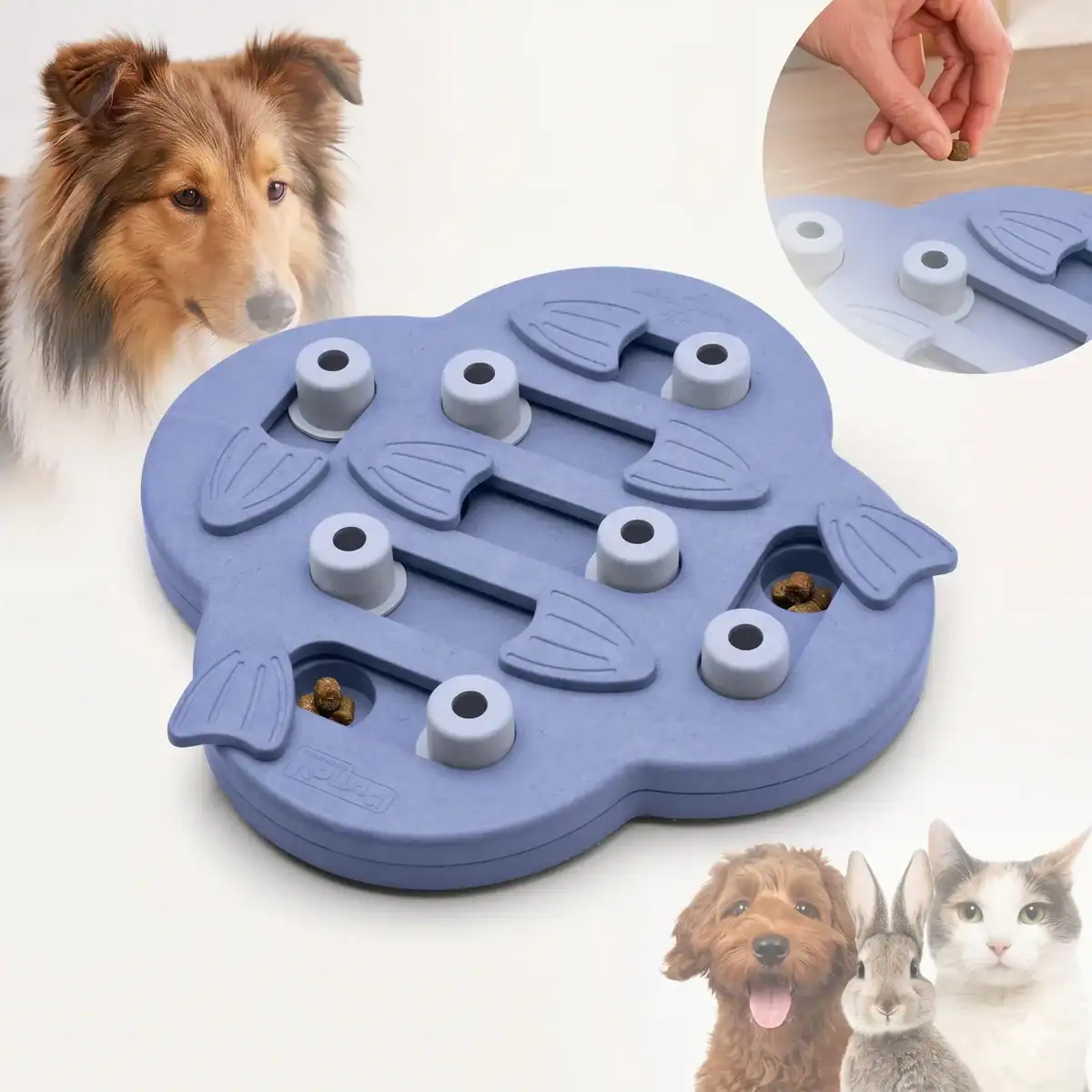
Outward Hound Nina Ottosson Dog Puzzle Toy
Use for: Draining the mental reserves this dog never seems to run out of. A food puzzle makes it problem-solve for rewards, which helps settle that busy mind on days when you cannot be outside throwing a ball.
Check price on AmazonScreening and Conditions
Veterinary Disclaimer: The information in this article is for educational purposes only and is not a substitute for professional veterinary advice, diagnosis, or treatment. K9Sphere’s authors are experienced dog owners, not licensed veterinarians. Always consult a qualified DVM regarding any health concerns about your pet.
Health Information Sources: Data compiled from:
- OFA CHIC: Toller testing protocol, including hips, elbows, eyes, and a PRA DNA test
- NSDTRC-USA: Nova Scotia Duck Tolling Retriever Club health surveys
- American Kennel Club: Breed reference and health guidance
Always consult your licensed DVM for personalized medical advice.
Generally robust and athletic, it still carries several documented genetic conditions tied to its relatively small gene pool, and responsible breeders screen for them rigorously. Skipping that DNA screening can lead to avoidable problems and higher long-term veterinary bills, so verified clearances matter more here than in many breeds.
Common Health Risks
🔴 Progressive Retinal Atrophy (PRA)
What to watch for: This inherited disease causes the retinal cells to degenerate, eventually leading to permanent blindness. It often begins with night-vision loss before advancing to total loss of sight.
Screening: A DNA test exists for the prcd-PRA mutation. Both parents should be tested so no puppy is born affected. Blind dogs adapt well when their home is kept stable and familiar.
🟡 Autoimmune and Thyroid Issues
What to watch for: It has a recognized susceptibility to immune-mediated disease, including Addison’s disease, Steroid-Responsive Meningitis-Arteritis (SRMA), and thyroid dysfunction. Signs can include lethargy, fever, neck stiffness, and gastrointestinal upset.
Screening: A DNA test is available for juvenile Addison’s disease, and careful breeders track family lines closely for the other immune-mediated conditions. Report any unexplained lethargy or collapse to your vet promptly.
🟡 Hip and Elbow Dysplasia
What to watch for: The hard jumping and twisting of high-speed fetching puts real strain on the joints. Dysplasia causes the joint to fit improperly, leading to painful arthritis over time.
Screening: OFA or PennHIP hip evaluation and an OFA elbow evaluation on both parents are part of CHIC certification. A quality hip and joint supplement can support cartilage as the dog ages.
🟡 Ear Infections
What to watch for: As a water-working breed, they trap moisture in their drop ears after a swim, which can lead to recurring infections, head shaking, odor, and scratching.
Management: Clean and dry the ears after every swim, and check them weekly. Catching the first signs of irritation early keeps a minor issue from becoming a chronic one.
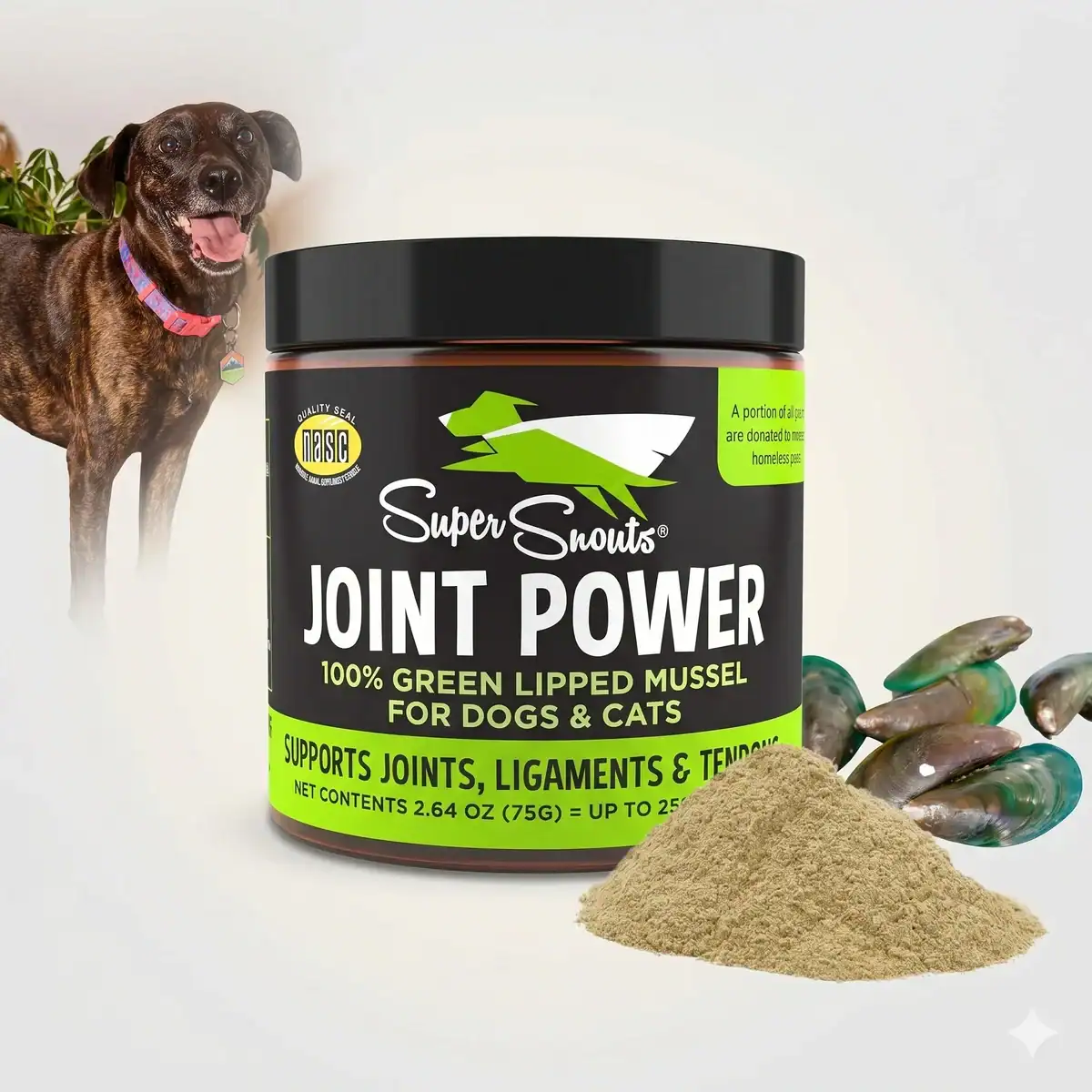
Super Snouts Joint Power Green-Lipped Mussel Supplement
Use for: Supporting the joints of an athlete that places repeated stress on its frame through high-impact fetching and water work. Green-lipped mussel is a natural source of glucosamine, chondroitin, and omega-3s that help maintain cartilage with age.
Check price on AmazonAn orthopedic dog bed is a smart addition for supporting the frame after hard field work, since hard floors create pressure points that worsen joint issues over time in dogs carrying repeated impact loads.
Grooming and Coat Care
That beautiful, water-repellent double coat takes consistent upkeep. They shed moderately year-round and heavily twice a year during seasonal coat blows. Avoid shaving a double-coated dog as routine coat care: the coat regulates body temperature in both heat and cold, and shaving can permanently damage the guard hairs. Light tidying of the feet and feathering is fine.
Weekly brushing keeps loose hair under control, moving to daily during the heavy shedding weeks. Pay attention to the feathering on the legs, chest, and tail, where mats form first. Trim the tufts of hair between the foot pads to cut down on tracked-in debris, and round out the routine with regular nail trims, tooth brushing, and that all-important after-swim ear check.
An undercoat tool reaches the dense woolly layer a standard brush cannot, which is exactly what they call for during a seasonal blow. Pairing weekly maintenance with one of the best brushes for shedding dogs keeps dead hair off your floors and the coat healthy through every season.
Exercise and Living Needs
A quick stroll around the block is nowhere near enough here. Plan on at least one to two hours of vigorous activity every single day, and treat that as a baseline rather than a bonus.
🏃 Physical Output
Their ideal day involves swimming, retrieving dummies from tricky terrain, or running an agility course. If you love hiking or running long distances, they can match you stride for stride. Many people find that structured dock diving or field-trial events are the most effective outlet, because they combine the chase, the water, and the retrieve all at once.
🧠 Mental Engagement
Physical exhaustion alone is not enough. Scent work, tracking puzzles, and structured fetch games keep that analytical mind busy between runs. A small flat rarely offers the room these dogs require, and their tendency toward loud vocalizations makes close neighbors a real challenge. They do best in homes with securely fenced yards, near open areas where they can safely stretch their legs.
Nutrition & Diet
An active sporting athlete burns calories quickly. They do best on a quality diet rich in animal protein to maintain lean muscle and support the frame through hard retrieving. The right food shows up directly in coat quality and stamina.
🐶 Puppy Stage
Puppies grow quickly and need a formula that manages calcium and phosphorus ratios for steady joint development. Divide feeding into three to four meals and monitor body condition closely. Overfeeding during growth places damaging stress on developing joints, so keep a young Toller lean rather than chubby.
🐕 Adult Stage
One in active hunting or field trials burns noticeably more calories, and a performance formula with higher fat and protein suits it well. A companion dog with moderate output does fine on quality maintenance kibble. Like most retrievers, they love food and gain weight fast if free-fed, so measure meals and feed on a schedule. You should be able to feel the ribs under a light layer of muscle without pressing hard.
🐕🦺 Senior Stage
As the pace slows with age, calories must come down to match. Joint supplements with glucosamine grow more useful for protecting a frame that carried an athlete’s workload for years. Move veterinary checkups to twice yearly so age-related changes are caught early.
Training
Training one takes creativity and patience. They are so smart that they pick up good behaviors and bad habits at the same astonishing speed. Obedience basics come quickly, but their character demands variety to stay engaged.
🎯 Fast Learners, Fast Quitters
They excel at structured work and despise mindless repetition. Ask for the same sit five times in a row and by the third the dog may simply check out, convinced you forgot it already did the job. Keep sessions short, highly rewarding, and varied, and build the dog’s day around structured engagement rather than expecting it to entertain itself.
📢 Impulse Control
The famous shriek is usually triggered by frustration or overwhelming excitement, especially at the sight of a ball or open water. Teaching impulse control early, such as requiring a calm sit before a toy is thrown, is critical so the vocalization does not become an automatic reflex. Some vocalizing is simply breed-typical, but much of the noisy reputation comes from dogs that were never given these boundaries in puppyhood.
🗣️ Why Do Nova Scotia Duck Tolling Retrievers Scream?
The “Toller scream” is a high-pitched, almost siren-like sound, and it confuses first-time owners who assume the dog is hurt or distressed. It is neither. The scream is an expression of intense excitement and anticipation, hardwired into a breed built to work itself into a frenzy on the shoreline to lure ducks. When a ball comes out, when the leash appears, or when open water is in sight, that same wiring fires and the sound comes with it.
Because it is rooted in excitement rather than anxiety, you cannot punish it away, and trying usually makes things worse. The realistic goal is management: teach a calm sit before any reward, keep arrivals and departures low-key, and avoid winding the dog up right before high-value activities. Most owners find the screaming softens with maturity and consistent impulse-control work, though a degree of it stays part of life with the breed.
Nova Scotia Duck Tolling Retriever vs Golden Retriever vs Border Collie vs Chesapeake Bay Retriever
It is most often compared to breeds it resembles or works alongside. Setting it next to the Golden Retriever, the Border Collie, and the Chesapeake Bay Retriever makes the trade-offs clear.
| Attribute | Nova Scotia Duck Tolling Retriever | Golden Retriever | Border Collie | Chesapeake Bay Retriever |
|---|---|---|---|---|
| Weight | 35–51 lb (16–23 kg) | 55–75 lb (25–34 kg) | 30–55 lb (14–25 kg) | 55–80 lb (25–36 kg) |
| Original Purpose | Luring and water retrieving | Upland bird retrieving | Herding livestock | Cold-water duck retrieving |
| Energy Type | Explosive bursts and endurance | High, steady | Relentless, obsessive | High, powerful |
| Trainability | Very high, bores quickly | Very high, eager to please | Exceptional, needs a job | High, independent streak |
| Grooming | Weekly brush, double coat | Frequent brush, heavy shed | Weekly brush, double coat | Weekly brush, oily coat |
| Threat Response | Alert, reserved with strangers | Friendly, minimal guarding | Alert, watchful | Protective, territorial |
| First-Time Owner? | With real commitment | Yes, excellent choice | No, experienced only | With commitment |
| Common Health Risks | PRA, autoimmune, hip dysplasia | Cancer, hip dysplasia | Hip dysplasia, eye issues | Hip dysplasia, eye issues |
| Living Space | House with yard ideal | Adaptable, house preferred | House with yard ideal | House with yard ideal |
The Golden comparison is the most common because of the shared coloring, but the resemblance is mostly skin deep. The Golden is adaptable, forgiving, and eager to please everyone; this one is more intense, more reserved with strangers, and wants far more mental engagement.
The Border Collie is the closest match for intensity and intelligence, though its instinct is to herd rather than to lure and retrieve. The Chesapeake is a heavier, more protective water dog that shares the cold-water retrieving heritage but not the Toller’s compact, foxy build.
Weighing the pros and cons, the main pro is the rare blend of small size and field versatility; the chief con is the package of the scream, the exercise demand, and the immune-mediated risk that makes careful sourcing essential.
Common Questions about the Nova Scotia Duck Tolling Retriever
Is a Toller just a small Golden Retriever?
Direct Answer: No. They are entirely different breeds with very different temperaments and output levels.
Context: They share a reddish-gold coat and retrieving instincts, but it is far more intense, reserved with strangers, and wants much more mental stimulation than the generally adaptable Golden.
Management: Do not adopt one expecting a relaxed couch companion. Prepare for a high-output partner that wants a daily job.
Are Tollers easy to train?
Direct Answer: They are highly trainable and learn fast, but they bore quickly and need variety to stay engaged.
Context: Their intelligence is a double-edged sword. They pick up commands in a few repetitions, yet mindless drilling makes them switch off or invent their own variations. They also learn bad habits as fast as good ones.
Management: Keep sessions short, varied, and highly rewarding, and channel that brainpower into dog sports, tricks, or scent work rather than rote repetition.
Are Tollers good with children?
Direct Answer: Yes, Tollers are generally very good and affectionate with children in their own family.
Context: They are playful and sturdy enough for family life, though their boisterous energy can accidentally knock over very young toddlers during enthusiastic play.
Management: Always supervise interactions and teach children to throw toys safely to channel the dog’s energy into productive play.
Can Tollers live in an apartment?
Direct Answer: It is challenging and usually not ideal without extreme dedication.
Context: Their exercise demands are heavy, and their vocal tendencies make close neighbors a real issue. A flat offers neither the space to burn off that drive nor the privacy a vocal breed like this calls for.
Management: If apartment living is your only option, commit to several hours of intense outdoor work every single day.
How much does a Nova Scotia Duck Tolling Retriever cost?
Direct Answer: Expect a premium relative to common retrievers. In North America, puppies from health-tested breeders typically run about USD 1,500 to 3,500, depending on region and pedigree.
Context: The population is small and responsible breeders run extensive DNA panels, so puppies carry a higher price and long waitlists. Pricing varies by country, with UK, Australia, and other regional rates differing.
Management: Budget for the purchase plus lifelong monitoring for autoimmune and eye conditions, and never shop on price alone.
Are Tollers good for first-time owners?
Direct Answer: Generally not, unless the owner is deeply committed to structured dog sports.
Context: Their intelligence means they learn bad habits as fast as good ones. An inexperienced owner who cannot provide enough mental boundaries often ends up with a noisy, hyperactive dog.
Management: First-time owners should enlist professional help and commit to ongoing obedience or agility classes from the start.
Do Tollers like to swim?
Direct Answer: Yes, they are exceptional swimmers built specifically for cold-water retrieving.
Context: With webbed feet and a water-repellent double coat, swimming is in their DNA. They are keen swimmers and usually take to cold water readily.
Management: Provide regular access to safe swimming spots to satisfy that instinct and burn energy without straining joints, and dry the ears afterward.
Are Nova Scotia Duck Tolling Retrievers aggressive?
Direct Answer: No, they are not typically aggressive toward people.
Context: They are naturally more reserved with strangers than breeds such as the Golden Retriever, but responsible breeding and early socialization usually produce confident, stable dogs.
Management: Expose puppies to different people, places, and experiences from an early age to build that stable temperament.
Do Tollers get along with other dogs?
Direct Answer: Generally yes, especially when socialized early.
Context: They are not typically aggressive toward other dogs, but their intensity during play can overwhelm calmer breeds. A laid-back companion like the Newfoundland would tolerate that bounce without matching it.
Management: Match them with similarly energetic playmates and supervise the first introductions carefully.
How long do Nova Scotia Duck Tolling Retrievers live?
Direct Answer: The typical lifespan is 12 to 14 years.
Context: For a medium sporting breed that stays active well into its senior years, that is a solid range, and good sourcing plus lean body weight help it reach the upper end.
Management: Keep them lean, stay current on eye and autoimmune monitoring, and schedule twice-yearly vet checks once the dog is older.
Finding a Puppy
Because this is relatively uncommon compared with standard retrievers, finding a puppy takes real patience. Waitlists with reputable breeders frequently stretch from twelve to eighteen months, and that wait is a good sign rather than a problem.
🏠 Responsible Breeders
A responsible breeder will show CHIC numbers proving the parents were tested for PRA, hip and elbow dysplasia, and eye health. They will interview you closely about your lifestyle, activity level, and experience with high-output sporting dogs. Start your search through the NSDTRC-USA or the AKC Sporting Group referral lists, and expect to be on a list rather than picking up a puppy this week.
🐾 Rescue and Adoption
Breed-specific rescues occasionally have young adults available. Dogs land in rescue when their previous people underestimated the physical and mental demands. Adopting a mature dog lets you assess its true temperament and skip the demanding puppy phase. Check NSDTRC-USA rescue contacts for dogs available in your region.
🚩 Red Flags to Watch For
- No CHIC numbers or PRA DNA results for the parent dogs.
- Puppies offered for immediate sale, with no waitlist or owner interview.
- No questions asked about your activity level, fencing, or experience.
- Advertising “miniature” or “toy” versions, which do not exist.
- Parent dogs that appear lethargic, fearful, or in poor coat condition.
Personal Observation
💭 Personal Observation
Rambo, one of my rescues, is a high-energy dog who taught me how much a job matters. In his early weeks he paced, chewed anything within reach, and could not settle. Once I gave him a structured daily outlet of controlled exercise, he turned into a focused, cooperative companion almost overnight.
This breed carries far more intensity than Rambo ever did. Leave one without a job or a puzzle to solve and it will pour that into the same restless, destructive patterns, only faster. Physical running on its own is never enough here. You have to tire out the brain too.
Conclusion
The Nova Scotia Duck Tolling Retriever is a highly specialized sporting dog. It is fast, fiercely intelligent, and able to work in conditions that would stop most dogs in their tracks, all in a compact, foxy package.
The honest bottom line is that this is a partner, not a low-maintenance pet. Its rare blend of small size, field versatility, and handler focus is matched by real demands: the piercing voice, the relentless drive for exercise, and the immune-mediated risk that makes careful sourcing essential. For a dedicated outdoor enthusiast willing to put in the miles, there are few dogs more capable or more devoted. For a household hoping for a quiet, low-effort red dog, this will be a beautiful but overwhelming force of nature.
Editorial Disclaimer: This article is for informational and educational purposes only. It does not constitute veterinary advice, medical diagnosis, or treatment recommendations. Always consult a licensed veterinarian before making health-related decisions for your pet.
Accuracy Notice: While every effort has been made to ensure the information presented here is accurate and current, breed information evolves and individual dogs vary. If you spot a factual error or have updated information from a verified source, please contact us so we can review and update.
Product Disclosure: Product recommendations are based on independent research and editorial judgment. Individual results may vary. K9Sphere participates in the Amazon Services LLC Associates Program and other affiliate programs, and earns from qualifying purchases at no additional cost to you.
Last reviewed: June 2026. Article reviewed for accuracy on the date shown above.


