

A working farm needs more than a fence. It needs a dog that will patrol the boundary, warn off predators, and stand between the family and trouble, day or night. The right farm guard dog does all of that on instinct, asking little more than a job to do and a place among its people. This guide highlights ten of the best farm guard dog breeds and explains what each one brings to the role.
Farm guarding really covers two jobs. Livestock guarding means living with the flock to protect livestock from predators, the work of true livestock protection dogs, while property and family protectors watch the home, barn, and yard. A few versatile breeds can lean toward either role, and this list mixes the two types so you can match a breed to whatever your land needs most.
Affiliate Disclosure: K9Sphere is a participant in the Amazon Services LLC Associates Program and other affiliate programs. As an Amazon Associate, and through other affiliate links, K9Sphere earns from qualifying purchases made through links in this article at no additional cost to you. Product recommendations are based on independent research and editorial judgment, not paid placement.
💡 Livestock Guardian vs Protection Dog
A livestock guardian bonds with the animals it protects and works independently, escalating from a bark to a charge to deter predators. A protection or guard breed bonds with people and property, responds to its handler, and watches over the home. Knowing which job you need most will point you toward the right breed.
10 Best Farm Guard Dog Breeds
There is no official ranking of farm guardians, so this is a curated list of well-known and widely used breeds rather than a strict best-to-worst order. Lists of the best livestock guardian dog breeds usually feature names like the Great Pyrenees, Kangal, and Anatolian Shepherd, and several breeds of livestock guardian dogs appear here alongside trusted property protectors. Each one developed for a particular kind of guarding, so the right choice depends on your predators, your stock, and how much the dog will live with people.
1. Great Pyrenees
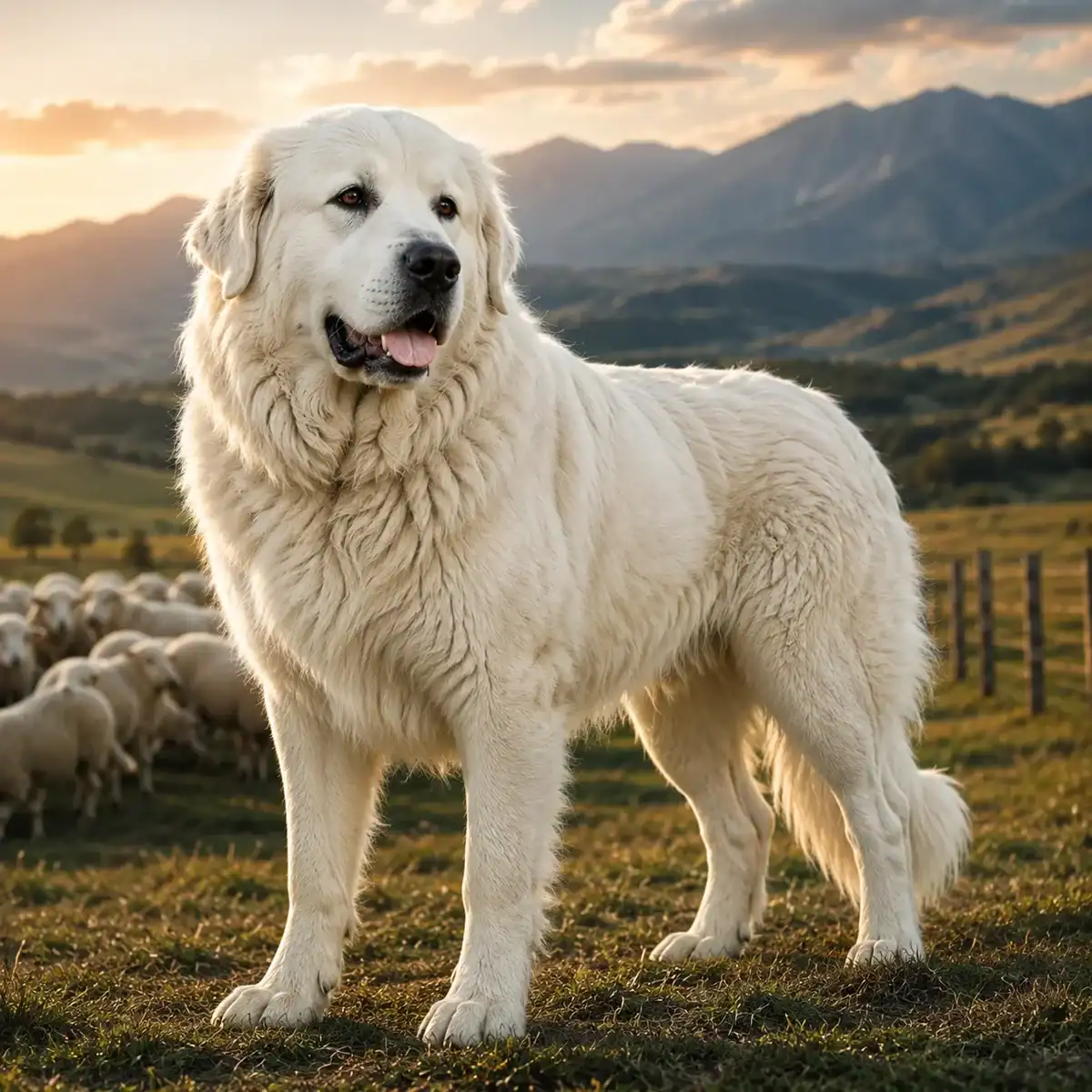
The Great Pyrenees is the guardian most people picture first and one of the most common livestock guardian dog breeds in North America. Bred to protect livestock in the mountains between France and Spain, it watched over flocks against wolves and bears with a thick white coat and a calm, steady manner.
On a farm it is a close guarder that stays with the stock and works through deterrence, barking and patrolling rather than chasing. It is gentle with the animals it protects and with its family, though its size, heavy night barking, and independent streak mean it needs space and an owner who understands the breed.
2. Anatolian Shepherd
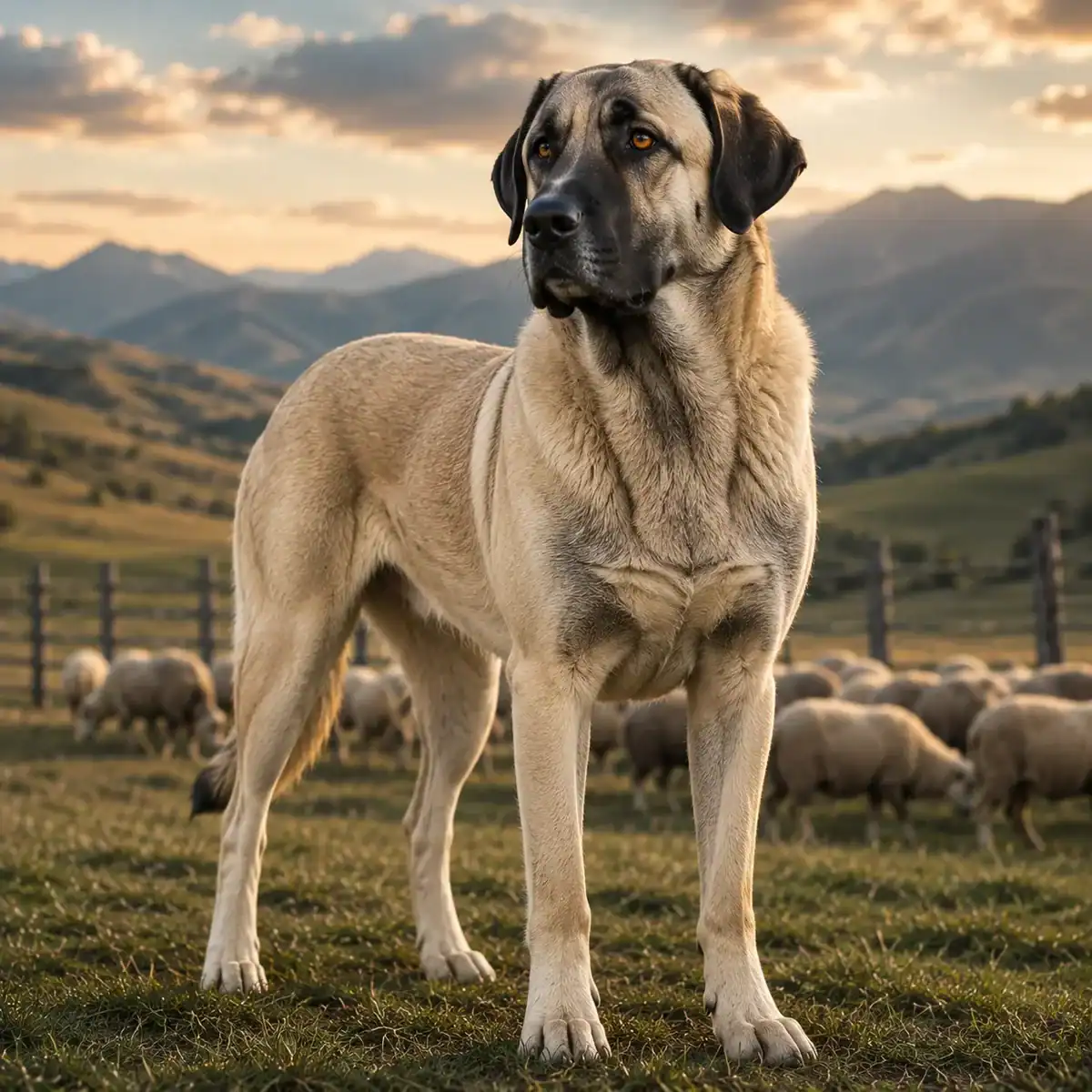
The Anatolian Shepherd Dog is one of the oldest guardian types, bred in Turkey to defend flocks across open country. Lean, fast, and heat-tolerant, it patrols a wide territory and assesses threats on its own, which makes it a powerful working farm dog on larger properties.
That same independence makes it a poor fit for an average home. The Anatolian thinks for itself, takes little direction, and needs secure fencing, early socialization, and a genuine guarding job. In the right rural setting it is an outstanding guardian, but it is not a breed for first-time owners.
3. Kangal Shepherd Dog
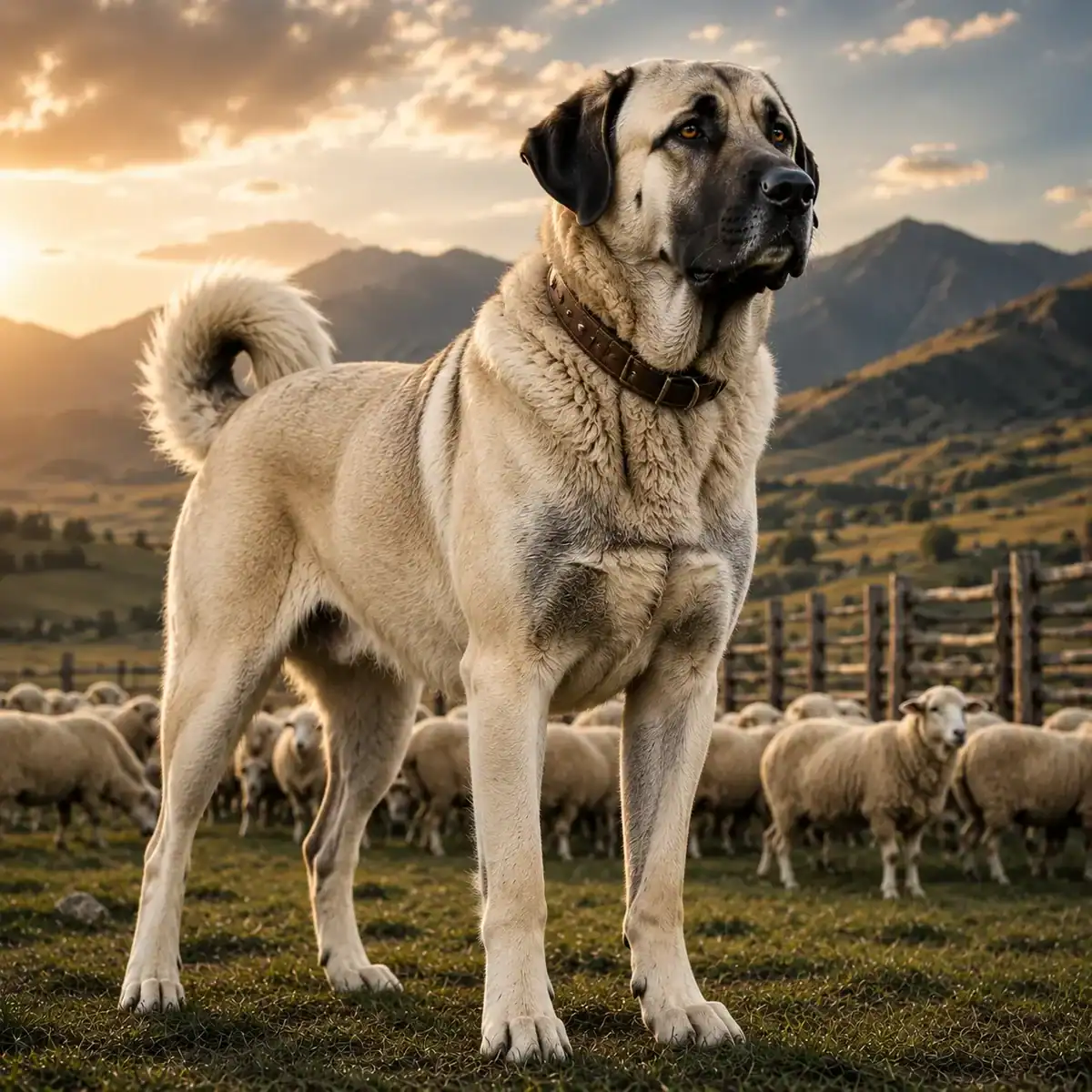
The Kangal Shepherd Dog comes from the Sivas-Kangal region of Turkey, where it has defended flocks against wolves for centuries. Widely regarded as the national dog of Turkey, it is a powerful, athletic guardian prized for its strength and courage against large predators.
On a farm the Kangal is calm and steady until a threat appears, then decisive. It bonds closely with its stock and family but stays wary of strangers, so it needs space, secure boundaries, and steady handling to channel that protective drive well.
4. Cane Corso
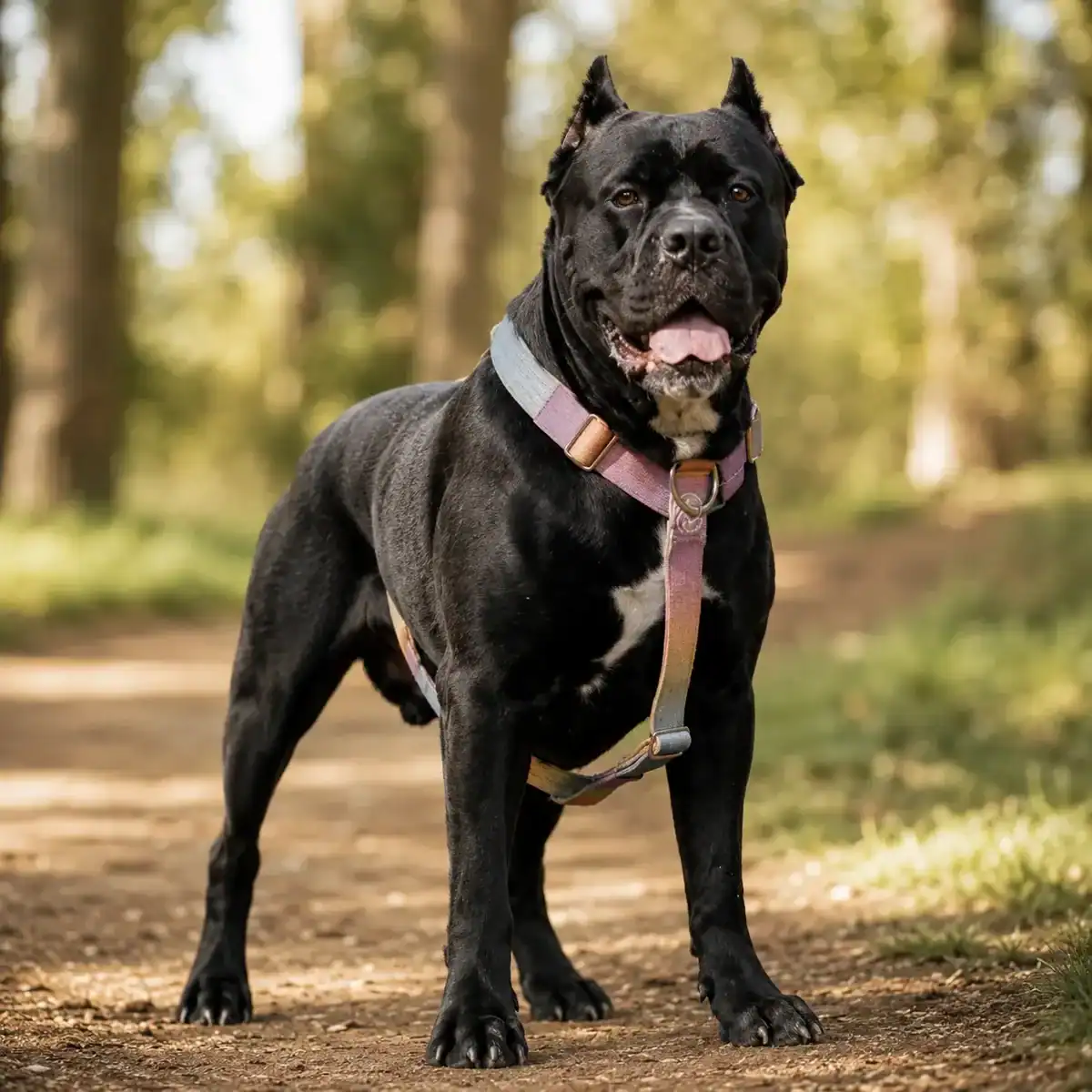
The Cane Corso is a muscular Italian mastiff that traces back to Roman war dogs and later worked as a farm guardian and hunter of large game. It is primarily a property and family guardian rather than a dedicated livestock dog, so on a farm it watches the home, barn, and yard and can help around stock under its handler rather than living full-time with the flock like a true LGD.
Confident, intelligent, and deeply loyal, the Cane Corso bonds strongly with its family and is naturally territorial. It responds well to its handler, unlike the independent livestock breeds, but it needs firm, consistent training and thorough socialization from puppyhood, which makes it best for experienced owners.
5. German Shepherd
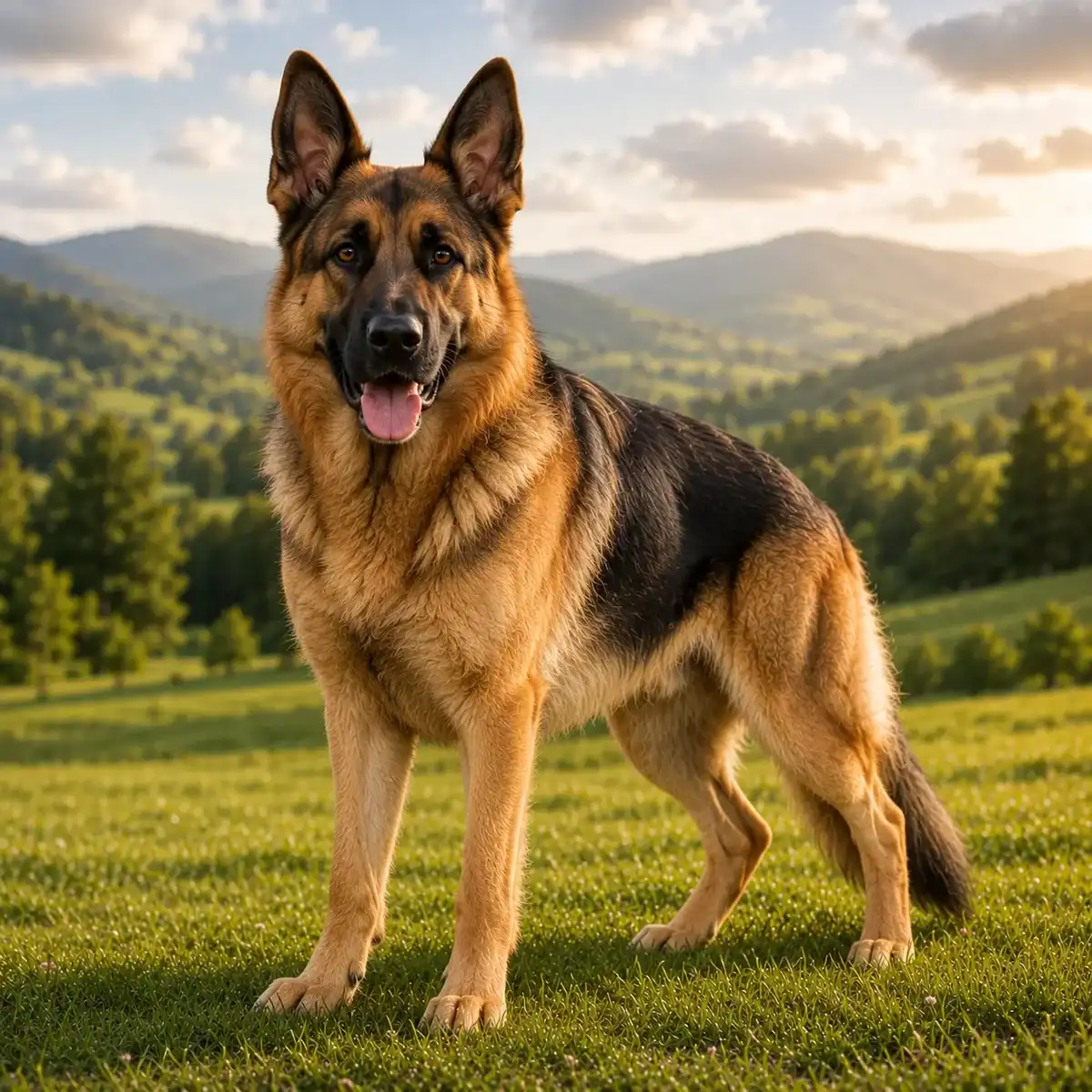
The German Shepherd began as a herding dog and remains one of the most versatile working dogs in the world, valued on a farm as an alert watchdog and herding helper. It guards the home, barn, and yard and can move stock under direction, but it works as a handler-led dog rather than an unsupervised guardian that lives in with the flock.
Intelligent and eager to work, the German Shepherd is far more biddable than the independent guardian breeds, which makes it a good choice for owners who want a protector they can train and direct. It does need daily exercise and mental work, since a bored Shepherd quickly finds its own jobs.
6. Rottweiler
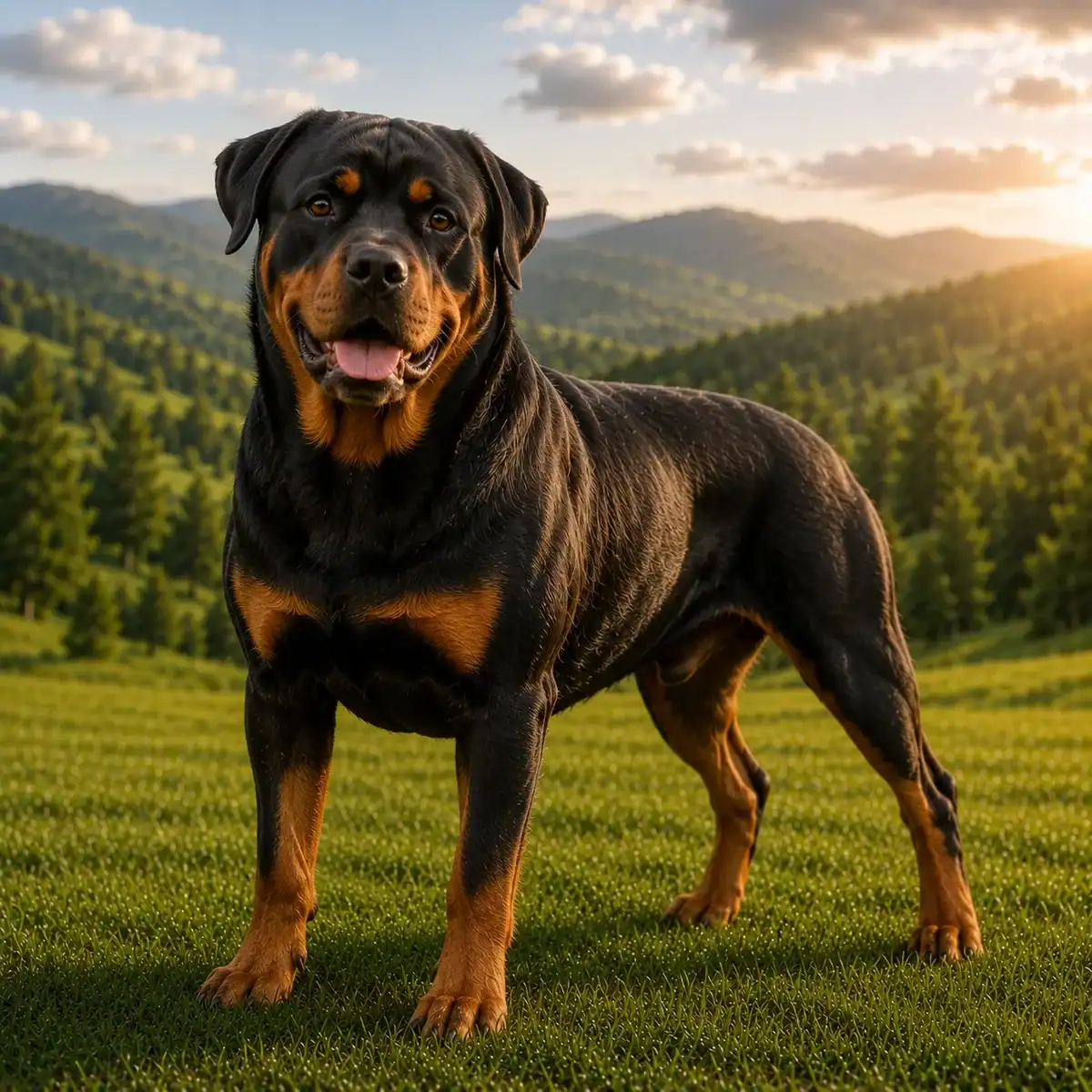
The Rottweiler is a powerful, confident guardian with a history of driving cattle and guarding stock and property in Germany. Calm and self-assured at home, it is naturally protective and makes an imposing deterrent on any farm or smallholding.
Loyal and people-oriented, the Rottweiler bonds closely with its family and responds well to training, but its strength and protective drive call for early socialization and consistent leadership. In the right hands it is a steady, reliable farm protector rather than an aggressive one.
7. Caucasian Shepherd Dog
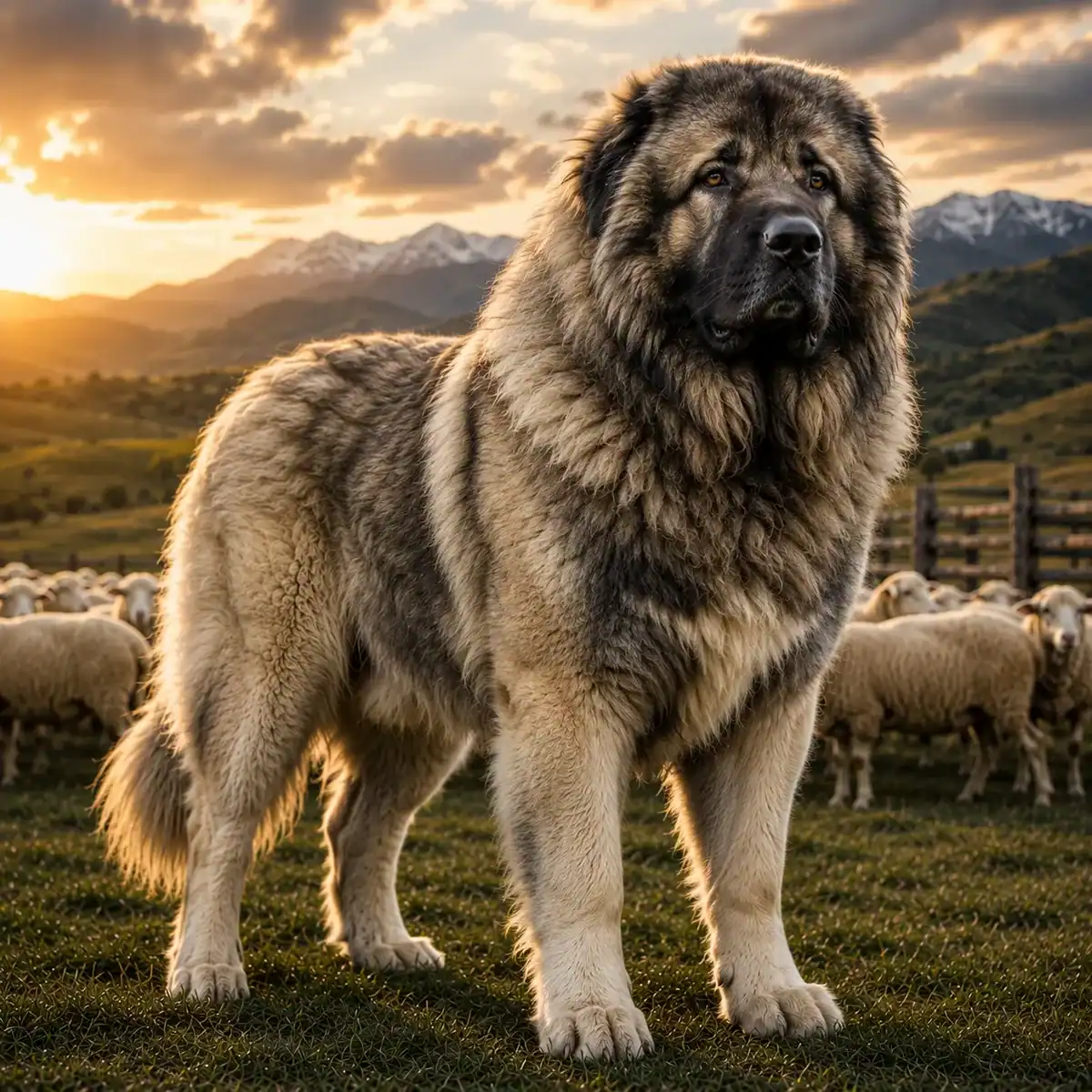
Sometimes called the Russian Bear Dog, the Caucasian Shepherd Dog is one of the largest guardians on earth. It comes from the Caucasus Mountains, where it was bred to face down wolves and protect flocks across rugged country.
Powerful, strong-willed, and intensely territorial, this livestock guardian breed bonds closely with its family but treats strangers with deep suspicion. Its size and guarding drive demand an experienced owner, early socialization, and secure fencing, which makes it unsuited to first-time owners or close neighbors.
8. Maremma Sheepdog
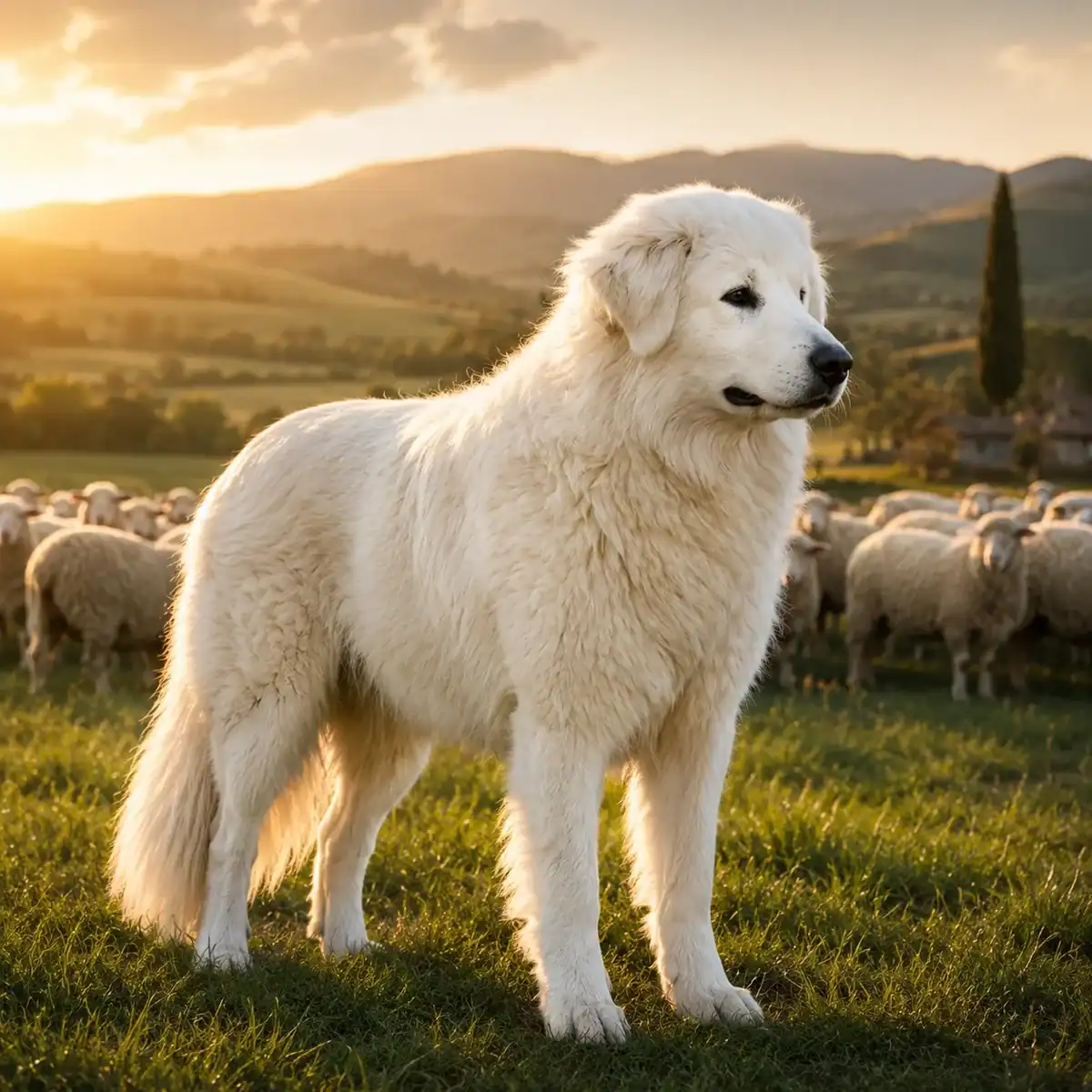
The Maremma Sheepdog is an ancient Italian livestock guardian that has defended flocks for more than two thousand years, particularly against wolves in the central Apennines. Its white, weatherproof coat lets it blend in with sheep, and it remains a true working breed used on farms in Italy, Australia, and North America today. It is recorded in the AKC Foundation Stock Service rather than the main registry.
Calm, loyal, and deeply bonded to its flock, the Maremma stays with the stock and patrols by night, relying on presence and barking before confrontation. It has a low prey drive toward livestock but is independent and territorial, so it needs space, a real guarding job, and an owner who understands livestock guardians rather than a typical pet home.
9. Central Asian Shepherd
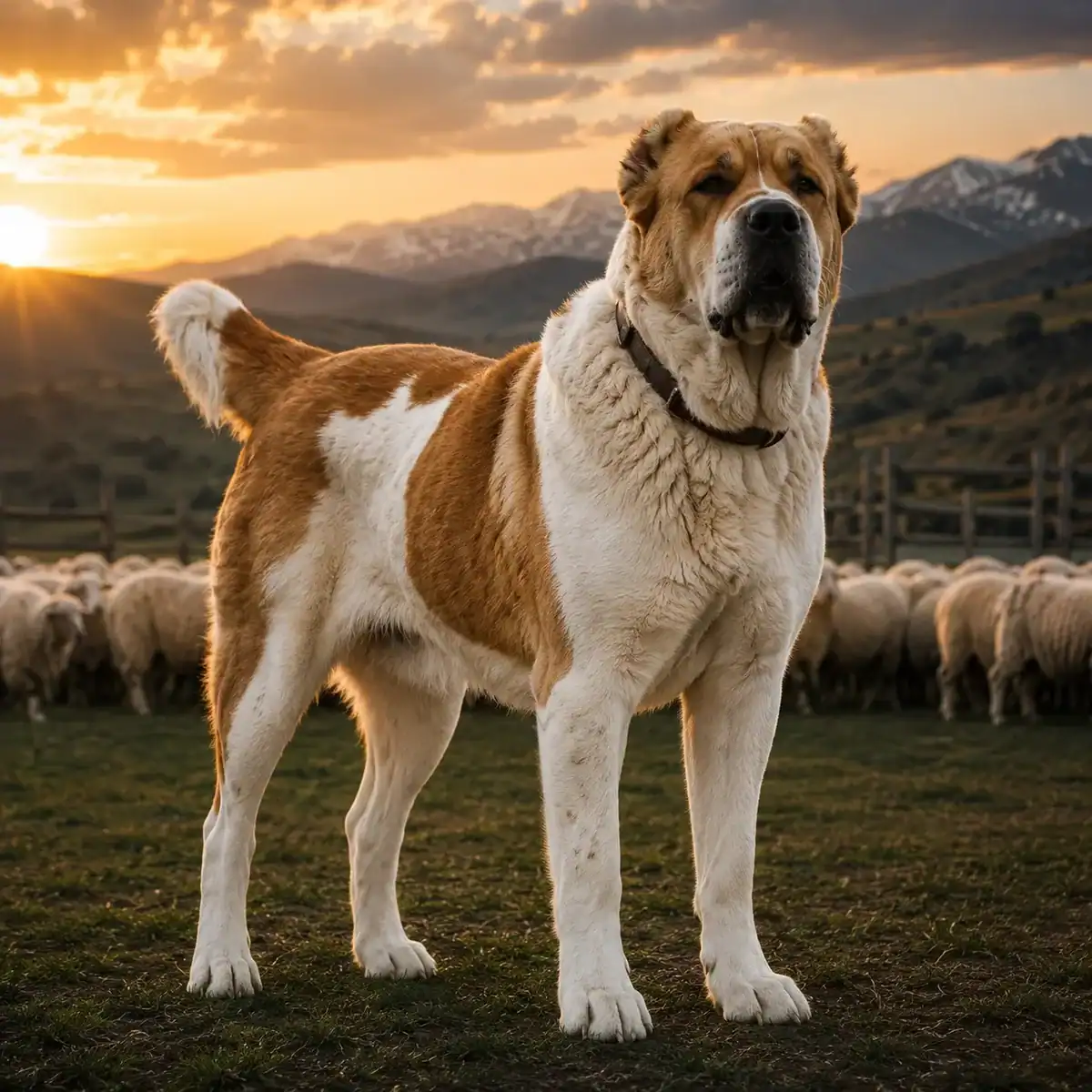
The Central Asian Shepherd Dog is an ancient guardian from a vast range across Central Asia, shaped more by working tradition than by a formal breed standard. Rugged and self-reliant, it has guarded flocks and camps against predators for thousands of years.
Calm, confident, and territorial, this breed makes its own decisions and guards instinctively. It is hardy and low-maintenance for its size, but like other livestock guardians it needs space, secure fencing, and an owner who respects its independent nature.
10. Akbash
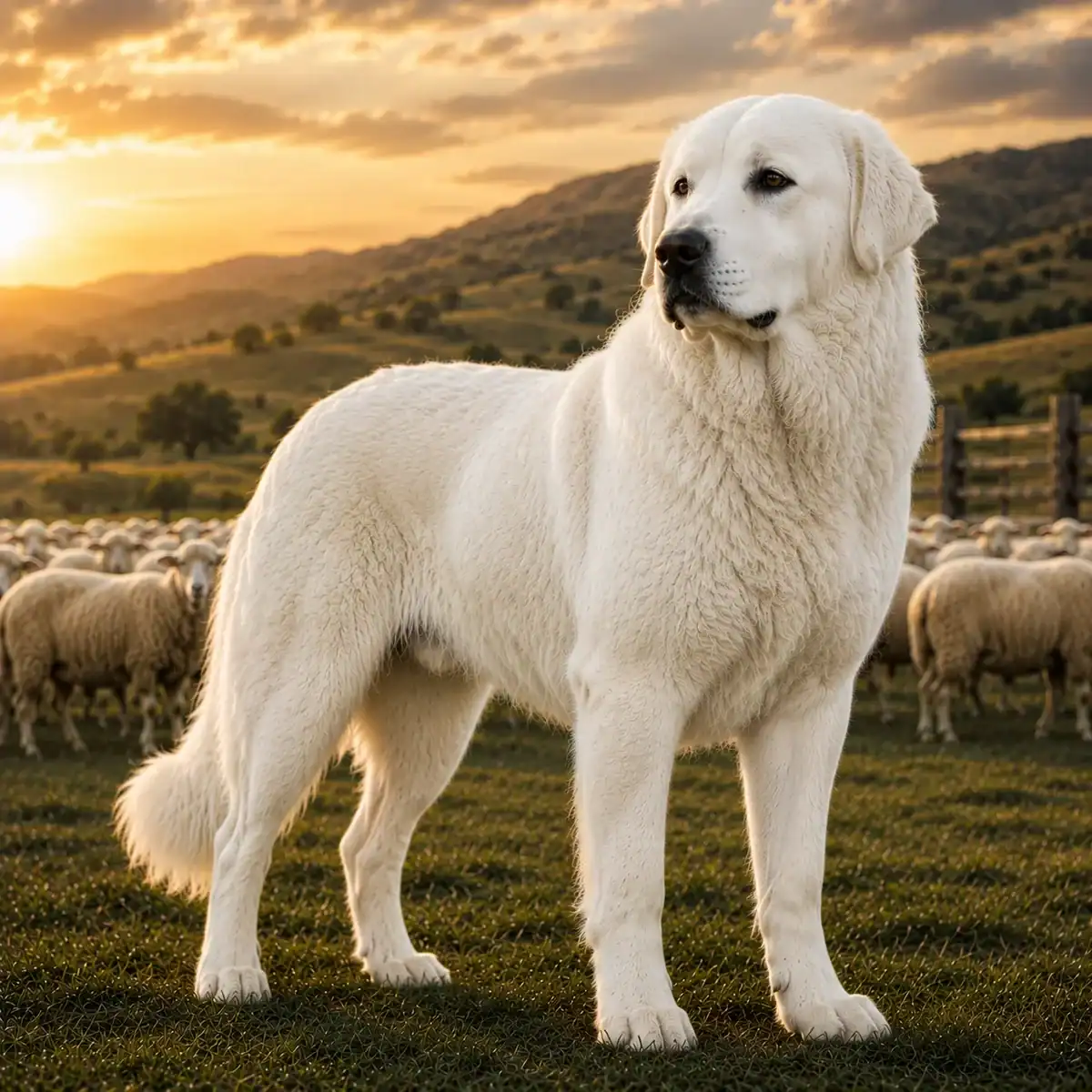
The Akbash is a white Turkish livestock guardian with a leaner, more agile frame than some other guardian breeds. The Akbash dog leans toward patrolling and pursuing predators across open ground rather than staying tight to the stock, a working style that sets it apart from heavier LGD breeds.
Independent and watchful, the Akbash thinks for itself and takes little direction from a handler. It suits a farm with room to roam and a real guarding role, paired with early socialization and a secure, spacious setup to keep it balanced.
How Farm Guard Dogs Protect
A farm guard dog works mainly through presence and deterrence rather than constant confrontation. Livestock guardians bond with their stock from puppyhood and treat the flock as family, staying with the animals day and night and escalating from a watchful posture to barking to a charge when something threatens them.
Property and family protectors work a little differently. They bond with people and territory, patrol the home and yard for security, and respond to their handler. In practice a single coyote or stray dog is often enough to trigger a guardian.
In some documented programs, several dogs working together have helped reduce losses to larger predators such as wolves, though outcomes vary and no dog is a guarantee against a determined threat. On many farms the two types work side by side, one minding the stock while the other watches the house.
Choosing the Right Farm Guardian
Start with the job. If you are looking for a livestock guardian to deter predators among sheep, goats, cattle, or even chickens, a breed like the Great Pyrenees, Kangal, or Central Asian Shepherd that lives with the stock is the natural fit. If you want a dog that guards the house, barn, and family and takes direction, a trainable protector like the German Shepherd, Rottweiler, or Cane Corso makes more sense.
A few more breeds are worth a look depending on your setup. The Komondor and Kuvasz are proven Hungarian flock guardians, the Tibetan Mastiff is an ancient Himalayan guardian, and the Bernese Mountain Dog is a gentle Swiss farm breed, better known for drafting and companionship than guarding, making them great family dogs for rural homes.
Climate, space, and experience matter too. Short-coated breeds handle heat better, heavy double coats suit cold, and most breeds here generally need room and secure boundaries on a farm or ranch. Many of these dogs are powerful and independent, so be honest about your experience to choose the best match, the one whose size, energy, and guarding style fit your land and stock.
Care and Training Needs
Veterinary Disclaimer: The information in this article is for educational purposes only and is not a substitute for professional veterinary advice. K9Sphere’s authors are experienced dog owners, not licensed veterinarians. Always consult a qualified DVM regarding any concerns about your pet.
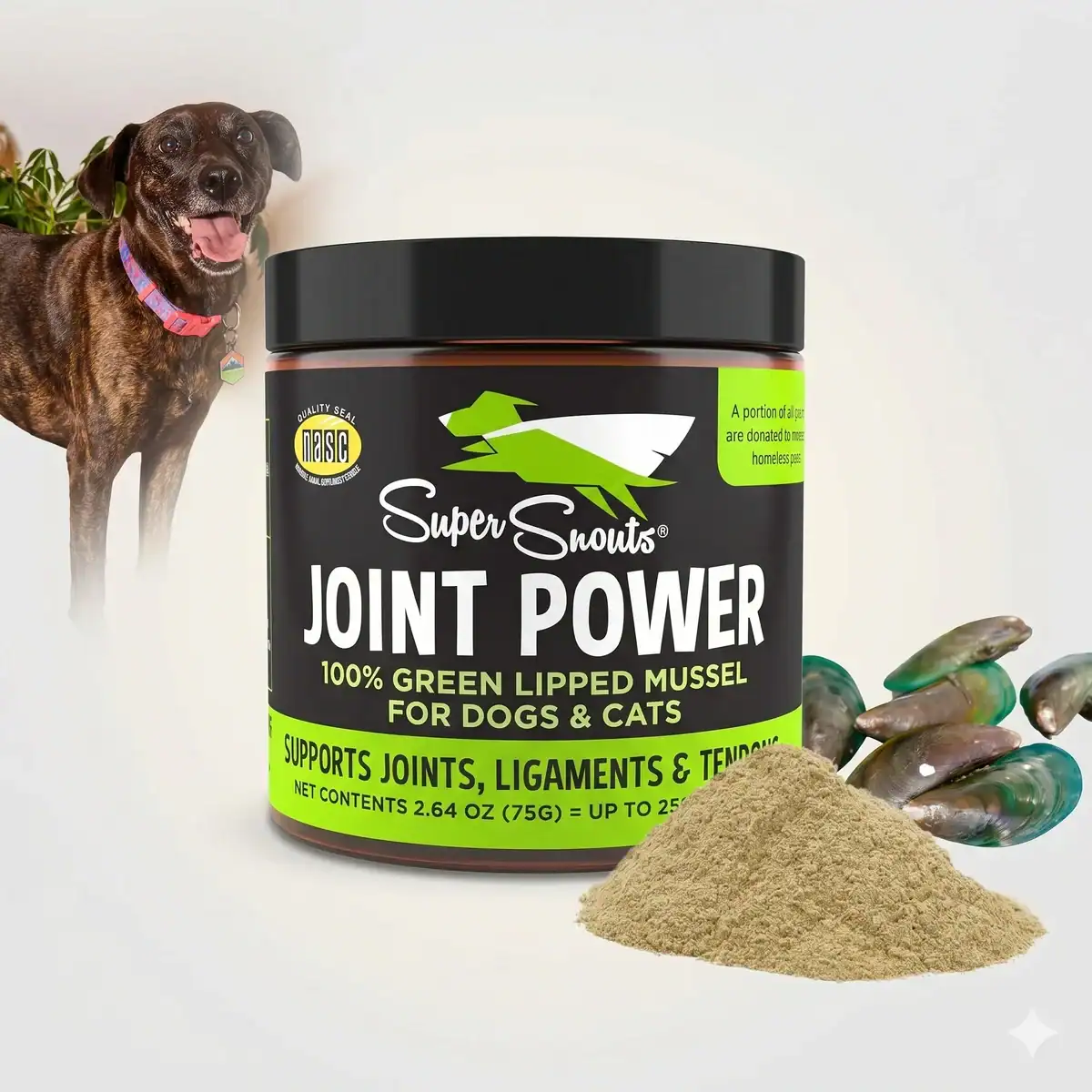
Most farm guard breeds are large dogs, and that size brings real care needs. These dogs require a measured diet to protect their joints, daily exercise suited to the breed, and routine veterinary care, since big dogs are prone to hip and elbow problems and some are at increased risk of bloat. A working guardian also eats a lot, so budget for feeding before you commit. Many owners ask their veterinarian about joint support early in a large guardian’s life.
Training is where these breeds split. Livestock guardians are independent by design and cannot be drilled like an obedience dog, so the focus is early bonding with stock and safe boundaries. Protection breeds are far more biddable and need structured training, socialization, and a clear job. Whichever type you choose, early socialization and secure fencing are essential for a powerful guardian.
A Note From My Own Dogs
💭 Personal Observation
Over years of handling high-drive rescue dogs, the thing I have learned about guarding breeds is that the instinct is already there. You do not teach it, you channel it. My rescue Chun Chun is the guard of the house, barking at every visitor at the gate long before I hear them. The work was never about creating that alertness. It was about teaching Chun Chun which alerts mattered and helping the dog settle once I had answered the door.
The other lesson is that a guardian needs a job and a boundary. When my dogs have a clear patch to watch and a routine, they are calm and steady. When they are bored or fenced badly, the same drive turns into nuisance barking and restlessness. Give a guarding breed real space, a real role, and steady leadership, and you see the best of it.
Pros and Cons of Farm Guard Dog Breeds
Farm guardians share many of the same strengths and challenges. Individual temperament varies by breed and dog, but the points below hold true across most of them.
Pros
- Strong natural guarding and protective instincts
- Deeply loyal and devoted to family or flock
- Imposing presence that deters predators and intruders
- Hardy and well-suited to outdoor rural life
- Many are calm and steady once mature
- Capable of working with little supervision
Cons
- Large, powerful, and demanding to handle
- Need space, secure fencing, and a real job
- Independent breeds resist standard obedience
- Heavy barking and wariness of strangers
- Early socialization and training are essential
- Not well suited to first-time owners or small homes
Quick Questions About Farm Guard Dogs
What is the best farm guard dog?
There is no single best breed, since it depends on the job. For guarding livestock against predators, the Great Pyrenees, Kangal, and Anatolian Shepherd are among the most trusted. For guarding the home, family, and property, the German Shepherd, Rottweiler, and Cane Corso are strong, trainable choices. Many farms keep more than one breed to cover both roles.
Do farm guard dogs make good family pets?
Many do, in the right home. Most are calm, loyal, and protective of their family, but they keep their size, their wariness of strangers, and often a strong independent streak. They suit experienced owners with space far better than first-time owners or apartment dwellers, and small children should always be supervised around a large guardian.
Are livestock guardians different from guard dogs?
Yes. Livestock guardians bond with the animals they protect, work independently, and deter predators without much direction. Guard or protection breeds bond with people and property, respond to a handler, and watch the home. Some breeds lean clearly one way, while trainable breeds like the German Shepherd lean toward the protection and herding side rather than living in with stock.
Do farm guard dogs need special training?
It depends on the type. Livestock guardians rely on instinct and early bonding with stock rather than formal obedience, so the priority is safe boundaries and supervised time with the animals. Protection breeds benefit from structured training and socialization. Neither type should be sharpened with aggression training, which can distort a sound guarding temperament.
Editorial Disclaimer: This article is for informational and educational purposes only. It does not constitute veterinary advice, medical diagnosis, or treatment recommendations. Always consult a licensed veterinarian before making health-related decisions for your pet.
Accuracy Notice: While every effort has been made to ensure the information presented here is accurate and current, breed information evolves and individual dogs vary. This list reflects widely recognized farm guard breeds and is not a strict ranking. If you spot a factual error or have updated information from a verified source, please contact us so we can review and update.
Product Disclosure: Product recommendations are based on independent research and editorial judgment. Individual results may vary. K9Sphere participates in the Amazon Services LLC Associates Program and other affiliate programs, and earns from qualifying purchases at no additional cost to you.
Last reviewed: June 2026. Article reviewed for accuracy on the date shown above.


