
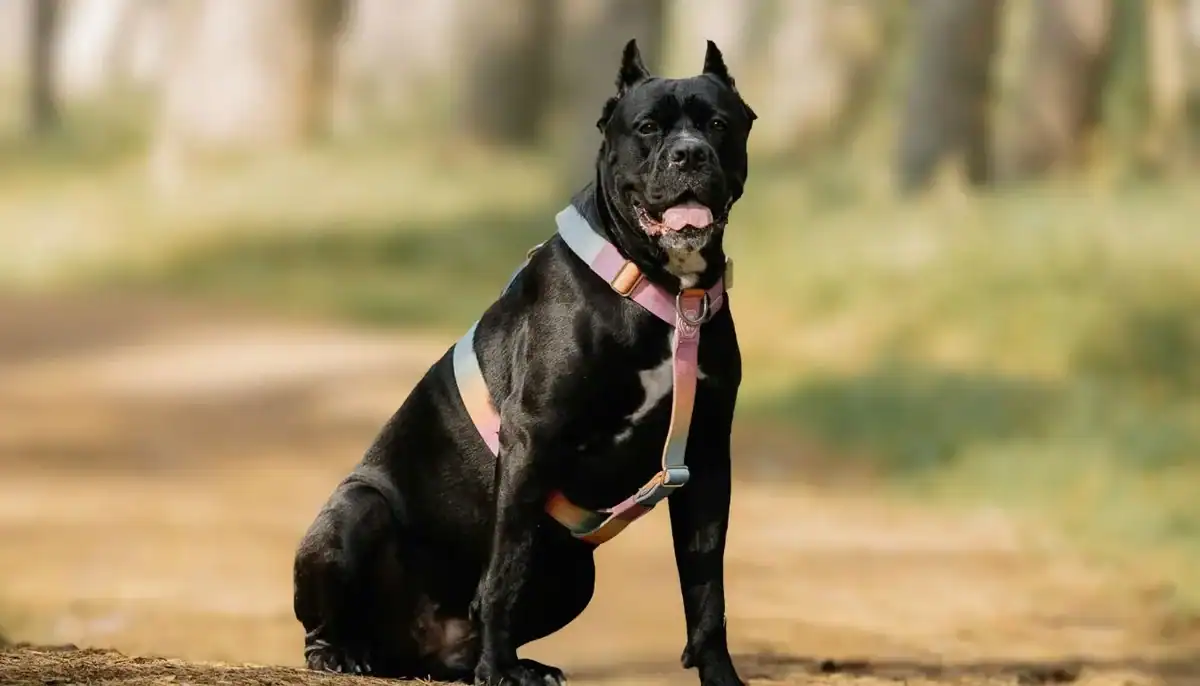
The Cane Corso dog is a large Italian breed and serious working dog originally utilized as an estate guardian and big-game hunter across rural farmlands. Its lineage is widely thought to connect back to Roman war dogs, resulting in a heavy-bodied frame historically used for property protection.
The main draw of the breed is its combination of physical strength and handler focus. Properly socialized Cane Corso puppies grow into deeply attached protectors that form strong bonds with their primary people. Many owners note that a mature adult displays a steady, quiet confidence when patrolling its home environment.
This guide draws on protocols from the Cane Corso Association of America, OFA testing requirements, and current American Kennel Club records to present an accurate picture of ownership. Understanding the true capability of the breed prevents placement failures.
These dogs require significant daily time investments, including structured obedience and broad environmental exposure. Corsos raised with clear boundaries typically develop into steady, calm companions.
If you have never owned a powerful working breed, the learning curve is steep. Review the realities of their size, exercise needs, and protective instincts honestly before bringing one into your home.
Affiliate Disclosure: K9Sphere is a participant in the Amazon Services LLC Associates Program. As an Amazon Associate, K9Sphere earns from qualifying purchases made through links in this article at no additional cost to you. Product recommendations are based on independent research and editorial judgment, not paid placement.
Breed Snapshot
📊 Vitals and Lifespan
Height
Males: 25–27.5 in
Females: 23.5–26 in
Weight
Males: 99–110 lb
Females: 88–99 lb
Lifespan
9–12 years
Breed Group
Working Group
Origin
Italy
🇮🇹
⭐ Personality Traits
Ratings (1 to 5). This mastiff combines exceptional trainability with a strong instinct to guard.
History and Origin
The lineage traces back to antiquity. This mastiff shares genetic roots with the Neapolitan Mastiff. Historical records suggest they descend from the heavy Roman dogs known as Canis Pugnax, though modern genetics show a complex evolution. Farmers utilized the breed to drive livestock, hunt wild boar, and protect homesteads across the Italian countryside.
📌 Roman Era
The ancestors served as fearless war companions and arena combatants for the Roman Empire. When the empire fell, the dogs adapted to civilian life, working the farms and estates of southern Italy.
📌 1970s
Mechanized farming and two World Wars nearly drove the animal to extinction. A dedicated group of fanciers located a few surviving specimens in the remote regions of southern Italy and began a structured breeding program to save them.
📌 2010
The breed entered the AKC Foundation Stock Service in 2007 and gained full recognition in 2010. Today, the cane corso association of america actively promotes responsible ownership and works to preserve the traditional working temperament.
Physical Characteristics
The breed standard mandates a large, muscular frame that projects strength without appearing sluggish. The head is large and imposing. A broad skull and a flat, deep muzzle define the classic mastiff silhouette.
💪 Athletic Build
Despite the large Cane Corso size, this is a remarkably agile animal. The heavy bone structure supports dense muscle mass capable of quick acceleration. Many Corsos maintain enough stamina to accompany owners on long hikes.
🎨 The Coat
The Cane Corso’s short coat includes a light undercoat that thickens seasonally. Acceptable colors include black, lighter shades of gray, red, and fawn. Brindle patterns are common and completely acceptable in the show ring.
Character and Temperament
A true Cane Corso temperament is a study in contrasts. They display deep affection toward their immediate family while maintaining a stoic, observant distance from strangers. Most Cane Corsos are naturally reserved with unfamiliar people entering their territory.
🛡️ Natural Guardian
Many Cane Corsos tend to assess situations quietly before reacting. They lack the manic barking habits seen in smaller breeds. Their physical presence is often enough to deter intruders without a single bark, making them exceptionally effective at property security.
🧠 Handler Focus
Unlike some independent livestock guardians, this mastiff wants to work in partnership with its handler. They possess a strong personality but respect confident, fair leadership. They constantly look to their owner for behavioral cues.
Screening and Conditions
Veterinary Disclaimer: The information in this article is for educational purposes only and is not a substitute for professional veterinary advice, diagnosis, or treatment. K9Sphere’s authors are experienced dog owners, not licensed veterinarians. Always consult a qualified DVM regarding any health concerns about your pet. Never disregard professional veterinary advice or delay seeking it because of something you have read on this site.
Health Information Sources: Data compiled from:
- American Kennel Club: Breed reference guidance
- OFA (Orthopedic Foundation for Animals): CHIC screening protocols
- Veterinary Literature: Peer-reviewed large-breed clinical guidelines
Always consult your licensed DVM for personalized medical advice.
To maximize the 9 to 12-year Cane Corso lifespan, a heavy structure places demands on joint mechanics that require attention. Responsible breeders screen thoroughly to prevent inherited defects from passing to the next generation.
Common Health Risks
🔴 Hip Dysplasia
What to watch for: Reluctance to jump, difficulty rising from a resting position, or a bunny-hopping gait when running. This structural defect causes the hip joint to deteriorate over time.
Screening: Both parents require OFA or PennHIP joint evaluation before breeding. Supplementing the diet with high-quality joint support formulas helps maintain cartilage integrity in active adults.
🔴 Gastric Dilatation-Volvulus (Bloat)
What to watch for: A swollen abdomen, pacing, unproductive retching, and visible distress. This is an immediate, life-threatening emergency where the stomach fills with gas and twists.
Management: Provide multiple smaller meals rather than one large portion. Many owners opt for a preventative gastropexy surgery during a routine spay or neuter procedure.
🟡 Idiopathic Epilepsy
What to watch for: Unexplained seizures that typically begin between six months and three years of age. Episodes vary from mild focal tremors to full grand mal convulsions.
Management: A veterinarian will prescribe daily anticonvulsant medication to minimize seizure frequency. Consistent dosing is mandatory.
🟡 Eyelid Abnormalities
What to watch for: Excessive tearing, squinting, or visible redness around the eyes. Entropion occurs when the eyelid rolls inward, causing eyelashes to scratch the cornea.
Management: Mild cases require lubricating drops. Severe cases require minor surgical correction by a veterinary ophthalmologist.

Nutramax Dasuquin with MSM Soft Chews
Use for: Supporting cartilage and joint function in heavy, deep-chested breeds prone to dysplasia. The formulation provides essential building blocks for joint health.
Check price on AmazonGrooming and Coat Care
The grooming burden is low compared to long-coated companions. A firm bristle brush removes loose hair effectively. It helps to brush them weekly to keep shedding under control, especially during the spring shedding season. Some owners use deshedding tools to manage the seasonal coat blow more efficiently.
You rarely need to bathe them unless they encounter mud or get dirty outdoors. When a bath is necessary, a mild oatmeal formula protects the skin barrier. For dogs with skin sensitivities, a specialized dog shampoo for itchy skin provides substantial relief. Keeping the nails trimmed short is vital to preserve correct foot posture under their heavy weight.
Exercise and Living Needs
How Much Exercise Does a Cane Corso Really Need?
Meeting Cane Corso exercise needs takes real commitment to physical conditioning. A healthy adult needs brisk daily walks coupled with focused mental tasks. An under-exercised mastiff with unspent energy quickly develops a destructive problem out of sheer boredom. Fenced-in yards provide a safe space for outdoor running.
Apartment living can be challenging unless exercise, structure, and training needs are met consistently. A securely fenced property generally provides a better setup. Keeping the dog safe near outdoor hazards requires strong fencing because their protective drive will prompt them to investigate anything approaching the property line.

Furbo 360° Dog Camera
Use for: Monitoring a large breed remotely. Some owners use two-way audio to monitor and interrupt unwanted behavior while away from home.
Check price on AmazonNutrition & Diet
Fueling a large frame requires precision. Providing a high protein diet is a basic requirement to sustain their impressive muscle definition. Feeding a high-quality large-breed formula ensures correct calcium and phosphorus ratios, which slows skeletal development in growing puppies to prevent joint malformations.
Adults need measured portions to prevent obesity. Extra weight severely stresses the hip joints. Splitting the daily dog food allowance into two smaller meals reduces the risk of bloating. Always provide ample fresh water, especially after heavy exertion.
Training
Can You Train a Cane Corso Easily?
Raising Cane Corso puppies means early socialization starts the week they come home. Expose them to varied environments, sounds, and people before sixteen weeks of age. This critical window shapes how the adult will react to novel situations and prevents fear-based aggression.
Basic obedience commands are non-negotiable. Walking politely on a leash, holding a reliable recall, and sitting calmly when guests arrive form the foundation of a manageable companion. You must maintain control of the environment at all times. If a specific behavioral problem arises during adolescence, working with a professional trainer is highly recommended to provide a helpful tip or technique.
Cane Corso vs Rottweiler vs Dogo Argentino vs American Pit Bull Terrier
Prospective owners often compare these powerful breeds to weigh every pro and con. The Cane Corso breed is generally tougher to manage for novices than some alternatives. Guardians like the Presa Canario or Doberman require similar advanced handling. The Rottweiler brings exceptional trainability to the table. The Dogo Argentino functions primarily as an explosive pack hunter. The American Pit Bull Terrier operates with intense terrier-like drive and athletic agility.
| Attribute | Cane Corso | Rottweiler | Dogo Argentino | American Pit Bull Terrier |
|---|---|---|---|---|
| Weight | 88–110 lb | 80–135 lb | 88–100 lb | 30–60 lb |
| Original Purpose | Estate guard and hunter | Cattle drover and guardian | Big-game pack hunting | Farm work and catch dog |
| Energy Type | Moderate, strong bursts | Moderate, steady worker | High, sustained athletic | High, intense drive |
| Trainability | Smart, handler-focused | Highly trainable | Smart but willful | Eager to please |
| Grooming | Weekly brush, moderate shed | Weekly brush, seasonal shed | Weekly brush, low shed | Weekly brush, low shed |
| Threat Response | Territorial guardian | Confident guardian bark | Guardian alert, prey-driven | Varies, often highly social |
| First-Time Owner? | No, capable handlers only | With dedication | No, capable handlers only | With dedication |
| Common Health Risks | Hip dysplasia, bloat, epilepsy | Hip dysplasia, cardiac issues | Deafness, hip dysplasia | Skin allergies, joint issues |
| Living Space | House with yard preferred | Flexible with exercise | House with secure yard | Flexible with exercise |
Common Questions about the Cane Corso
What is a Cane Corso?
Direct Answer: They belong to the molosser category of dogs, characterized by heavy bone, a broad skull, and a strong protective instinct.
Context: Originating from Italy, they were bred primarily for property protection and big-game hunting.
Management: Give them a job to do, whether that is advanced obedience, scent work, or structured guarding sports.
How much does a Cane Corso cost?
Direct Answer: Expect to spend between USD 1,500 and USD 4,000 for a well-bred puppy. Pricing varies by country, with UK, Canada, and Australia rates differing.
Context: Verified breeders invest heavily in OFA joint screening and temperament testing. Puppies offered for sale at deep discounts often come from lines that skip these vital medical checks.
Management: Factor in the cost of large-breed vet care, which requires a lot of budget planning and is consistently higher than care for a medium-sized dog.
Are Cane Corsos dangerous?
Direct Answer: While any heavy-bodied dog can inflict severe injury if mishandled, a well-bred Corso is remarkably stable.
Context: Are they naturally a Cane Corso aggressive type? No, but they are highly protective, and a poorly socialized animal might interpret normal interactions as threats.
Management: Work with a balanced trainer early to build a strong foundation of mutual respect.
Are Cane Corsos good family dogs?
Direct Answer: Yes, a Cane Corso can absolutely become a good family dog when experienced households set clear routines.
Context: They possess a soft side reserved exclusively for their family circle.
Management: Teach children how to read canine body language and never leave kids unsupervised with any heavy-bodied breed.
What is the bite force of a Cane Corso?
Direct Answer: They have an incredibly strong bite, often cited online as being around 700 PSI.
Context: While scientific measurements of bite force vary significantly among individual dogs, what is the Cane Corso bite force compared to others? It is undeniably higher than most domestic breeds because their broad skull is built for holding large prey.
Management: Because of this sheer power, bite inhibition training and early socialization are absolute requirements from day one.
How big does a Cane Corso get?
Direct Answer: Males reach up to 27.5 inches at the shoulder and can weigh 110 pounds or more.
Context: They grow rapidly during their first year.
Management: Monitor their weight condition regularly, as extra pounds place unnecessary stress on their hips.
How do you pronounce Cane Corso?
Direct Answer: It is pronounced KAH-neh KOR-so.
Context: “Cane” is Italian for dog, and “Corso” derives from the Latin word “cohors” meaning protector or guardian.
Management: Use the correct pronunciation when speaking with breeders or veterinarians to demonstrate familiarity with the breed.
Are Cane Corsos good with kids?
Direct Answer: A properly socialized Corso can bond closely with children, but strict supervision remains mandatory.
Context: Their protective nature means they might misinterpret rough play between your children and visiting friends as a threat.
Management: Create a designated quiet space in the home where the dog can retreat when household activity becomes overwhelming.
What does a Cane Corso dog look like?
Direct Answer: They exhibit a large rectangular frame, a broad head, distinct musculature, and a short stiff coat.
Context: The ears are sometimes cropped and the tail docked, though natural variations are increasingly common.
Management: Review the official breed standard published by the AKC to understand correct structural conformation before selecting a puppy.
How do you socialize a Cane Corso puppy?
Direct Answer: Introduce the puppy to a hundred new positive experiences within the first hundred days of coming home.
Context: Exposure to varied surfaces, sounds, umbrellas, hats, and non-threatening strangers builds lasting confidence.
Management: Keep experiences brief and positive. Pair novel encounters with high-value treats to build a positive association.
Finding a Puppy
Sourcing a large guardian requires diligence. A reputable breeder in the US will provide a list of OFA tests confirming healthy joint structure for both parents. Expect to answer extensive questions about your home environment, fencing, and training experience.
If you choose to adopt from a rescue organization, ask detailed questions about the dog’s known triggers. Adult dogs often settle into routines quickly and make excellent companions for experienced handlers. Adult rescues skip the difficult teething phase entirely.
Personal Observation
💭 Personal Observation
If you are used to typical companion breeds, the transition to a Corso requires a mental shift. Bruno (Labrador Retriever, passed 2021) greeted every stranger like an old friend, and the Cane Corso operates on the exact opposite wiring. Where Bruno assumed every visitor brought a treat, this mastiff assumes visitors need watching until proven otherwise. Chun Chun (10-year-old rescue mix) is one of the most vocal dogs I have lived with, and the Corso shares a similar protective instinct but applies it with quiet intensity rather than noise. I learned with my large rescues that pulling on a leash scales dramatically with weight. A large mastiff needs flawless heel obedience early because sheer strength fails as a reliable tool. If your last dog was a lightweight breed, expect a major adjustment in daily effort.
Conclusion
The Cane Corso brings excellent protective capability and quiet loyalty to the right household. It is a dominant presence that requires a confident handler who values structure.
The trade-off for this devotion involves navigating substantial physical strength and a naturally aloof demeanor toward strangers. A dedicated owner finds a remarkable partner. Those seeking an easier companion might explore the Labrador Retriever or a similar sporting breed.
📋 Before bringing one home, run this 4-step pre-buying check
- Handler experience. Do you have a proven track record training large, confident working breeds?
- Time and training. Can you dedicate an hour daily to structured obedience and socialization?
- Secure containment. Does your property feature robust fencing capable of holding a muscular guard dog?
- Living space fit. Does your home environment accommodate a large mastiff without creating cramped stress?
If any answer is no, reconsider the breed.
Editorial Disclaimer: This article is for informational and educational purposes only. It does not constitute veterinary advice, medical diagnosis, or treatment recommendations. Always consult a licensed veterinarian before making health-related decisions for your pet.
Accuracy Notice: While every effort has been made to ensure the information presented here is accurate and current, breed information evolves and individual dogs vary. If you spot a factual error or have updated information from a verified source, please contact us so we can review and update.
Product Disclosure: Product recommendations are based on independent research and editorial judgment. Individual results may vary. As an Amazon Associate, K9Sphere earns from qualifying purchases at no additional cost to you.
Last reviewed: May 2026. Article reviewed for accuracy on the date shown above.


