

Plenty of dog owners want to know which breeds stand out for intelligence, the ones that learn fast, solve problems, and respond well to training. This guide ranks the most intelligent dog breeds and explains what that intelligence actually means for daily life with a dog. Read on to discover the smartest dog breeds and see how the top contenders for smartest dog breed compare when the breeds are ranked side by side.
The ranking below follows the best-known study of canine intelligence, carried out by psychologist Stanley Coren for his book The Intelligence of Dogs. It is worth being clear about what that ranking measures, since “smart” means several different things in dogs, and the smartest breed for a competition handler is not always the easiest dog to live with at home.
Affiliate Disclosure: K9Sphere is a participant in the Amazon Services LLC Associates Program and other affiliate programs. As an Amazon Associate, and through other affiliate links, K9Sphere earns from qualifying purchases made through links in this article at no additional cost to you. Product and book recommendations are based on independent research and editorial judgment, not paid placement.
💡 What This Ranking Measures
Coren’s famous list ranks working and obedience intelligence, not overall cleverness. It is based on how quickly a breed learns a new command and how reliably it obeys. The top breeds learn a new cue in fewer than five repetitions and follow it on the first try about 95% of the time. Instinctive and adaptive intelligence, covered later, can look very different.
The 10 Most Intelligent Dog Breeds
These ten breeds top Coren’s working-intelligence ranking, in order. The list of the smartest dog breeds below starts with the quickest learner of all and works down through the rest of the 10 intelligent dog breeds at the top of his study. Ranking the smartest dog breeds this way is really a measure of how fast each one picks up and retains training, and every breed here thrives on having a job to do.
1. Border Collie
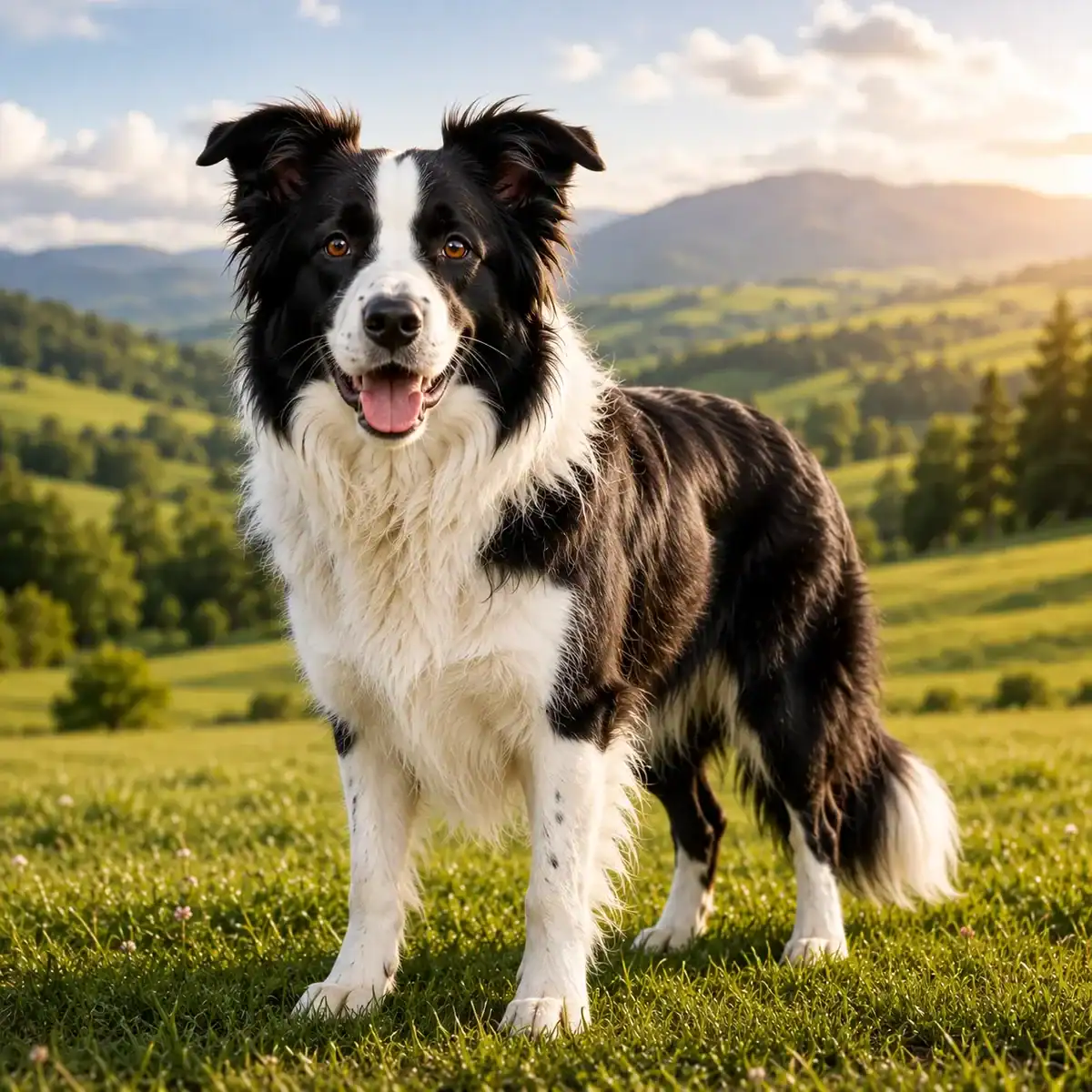
The Border Collie sits at the very top of Coren’s ranking and is widely regarded as the most trainable dog breed in the world. It shows extraordinary focus and problem-solving skill, often learning a new command in fewer than five repetitions and holding onto it over time with little review. The AKC breed profile describes the same workaholic drive that makes it such a standout.
Farmers bred the Border Collie to herd sheep along the border of Scotland and England, using eye contact, body posture, and quick movement to control livestock. That work demanded focus, stamina, and fast decision-making, and it left the modern herding dog needing serious daily mental and physical exercise. As one of the smartest dog breeds and among the most obedient, it learns fast, but without structured activity like obedience or agility a bored Border Collie will invent its own job, usually a destructive one.
2. Poodle
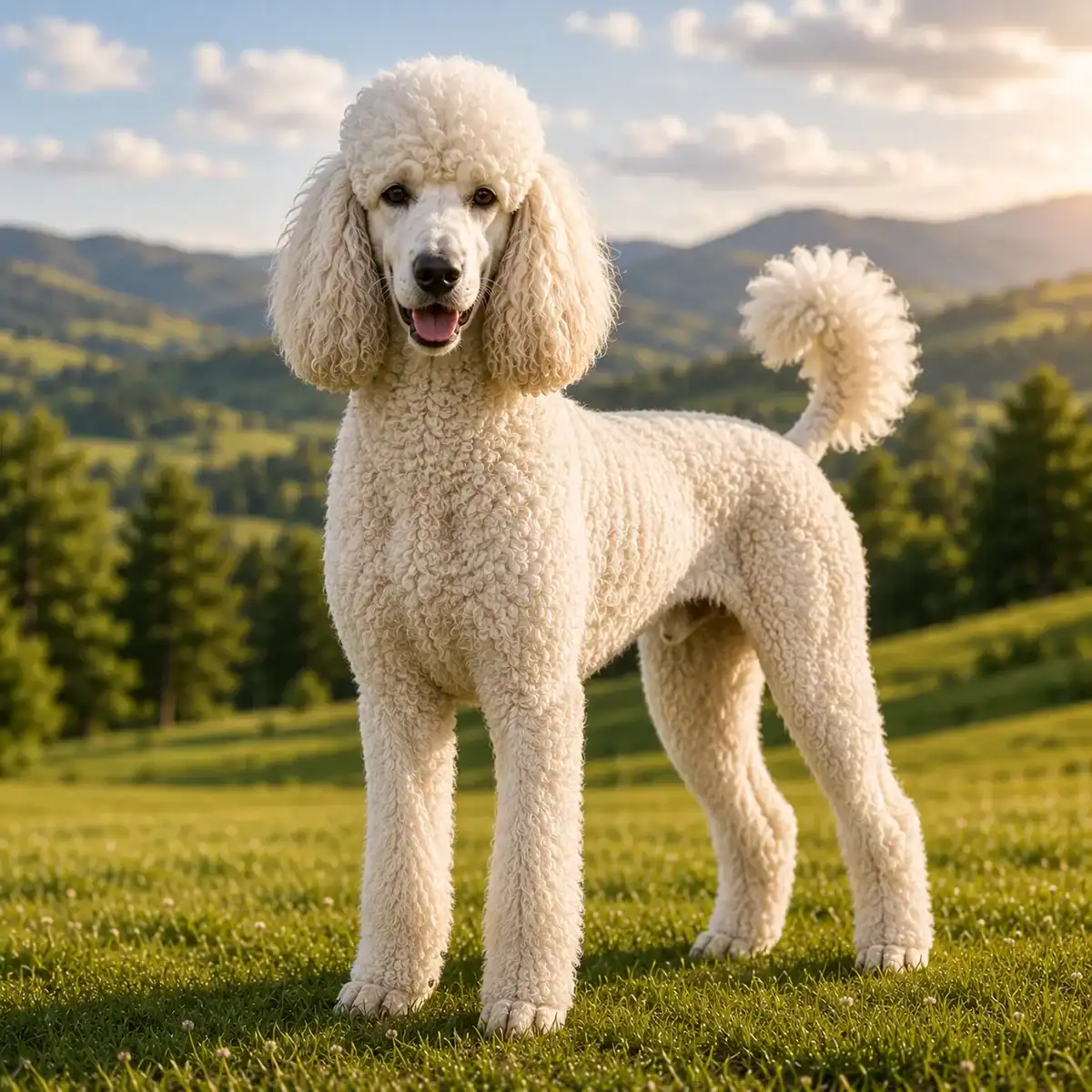
The Poodle takes the silver medal for working intelligence, just behind the Border Collie. It pays close attention to people and picks up both basic and advanced skills faster than almost any other breed, which is why it shows up so often in obedience, agility, and even circus and service work.
Despite the “French Poodle” nickname, the breed was actually developed in Germany as a water retriever, fetching downed waterfowl for hunters. The weight range is wide because the Poodle comes in Standard, Miniature, and Toy sizes, which share the same sharp mind. This is also a smart dog breed favored by allergy-prone families, since the low-shedding, hypoallergenic coat sheds far less than most. All sizes need daily mental work, since puzzle toys, training games, and regular practice are what keep a Poodle out of trouble.
3. German Shepherd
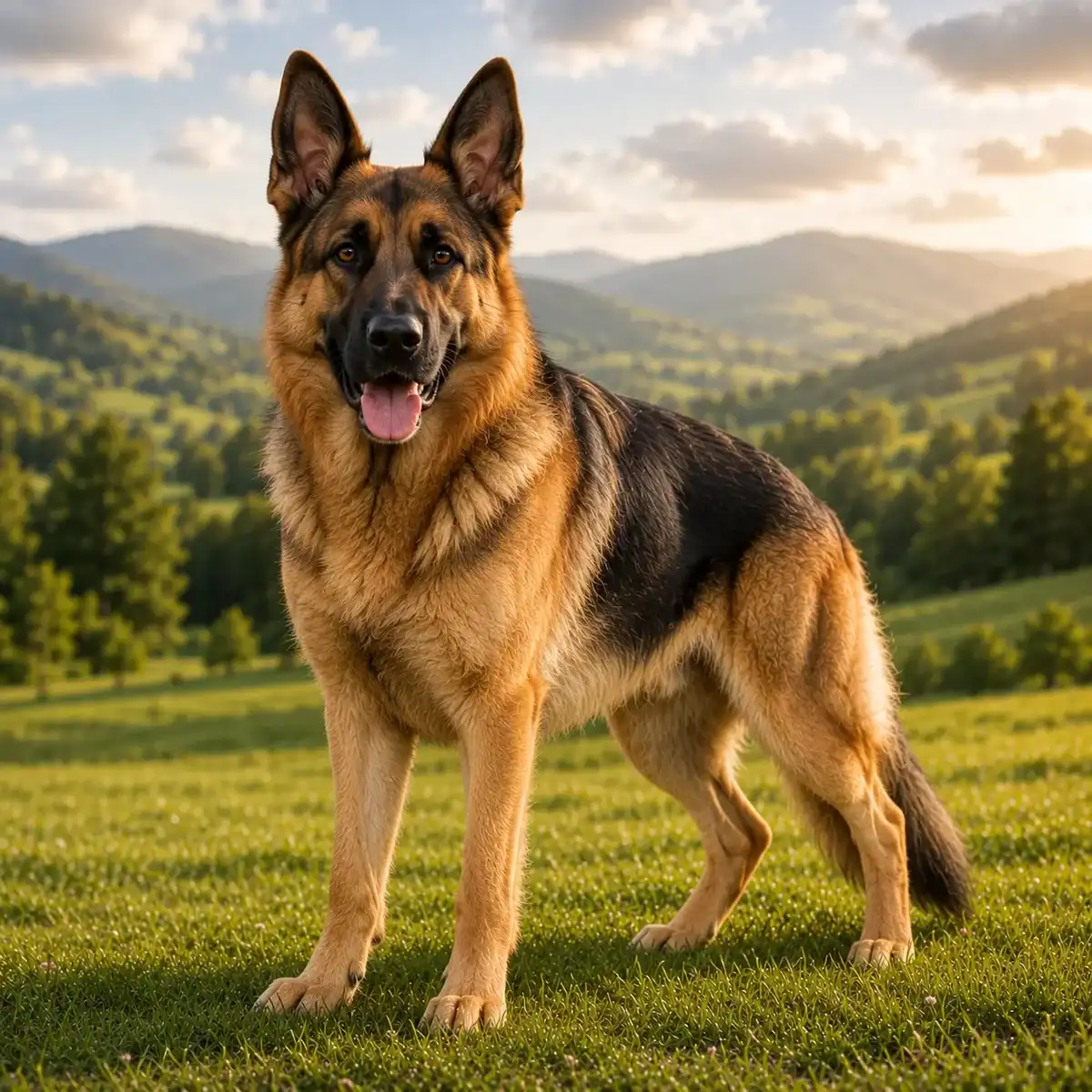
The German Shepherd ranks third and is one of the most capable working dogs anywhere. It learns detailed tasks with accuracy, follows direction reliably, and remembers lessons over time, which is exactly why it dominates police, military, and service roles, as the AKC breed profile notes.
Developed in Germany in the late 1800s to herd and guard flocks, the breed combined strength, speed, and an alert, biddable nature. That versatility carried it into modern working roles of every kind. A German Shepherd needs both daily physical exercise and a steady stream of training challenges to stay balanced and avoid the boredom-driven behavior problems that plague under-worked dogs.
4. Golden Retriever

The Golden Retriever ranks fourth, pairing quick learning with a steady, eager-to-please temperament. It responds beautifully to positive reinforcement, which is why it is a mainstay of obedience, search and rescue, and assistance work the world over.
The breed was developed in Scotland to retrieve game birds, carrying them gently to hand without damage. That history explains both its famous soft mouth and its deep desire to work alongside people. It is a hugely popular dog breed and a favorite family dog, and its steady temperament makes it a top choice for work as a service dog or therapy dog. Goldens need daily exercise and mental tasks, and a mix of training sessions and active play keeps this friendly breed balanced and happy.
5. Doberman Pinscher

The Doberman Pinscher ranks fifth, combining sharp intelligence with constant alertness. It reads human cues with ease, usually learns a new command in fewer than five repetitions, and follows known commands with high accuracy when trained with clear rules and rewards.
The breed was developed in Germany as a personal guard dog, bred to protect and to work closely with a single handler. That loyalty and focus remain its defining traits. A Doberman needs daily mental and physical exercise, and structured training paired with regular activity is the best way to keep this powerful, sensitive breed confident and free of stress.
6. Shetland Sheepdog
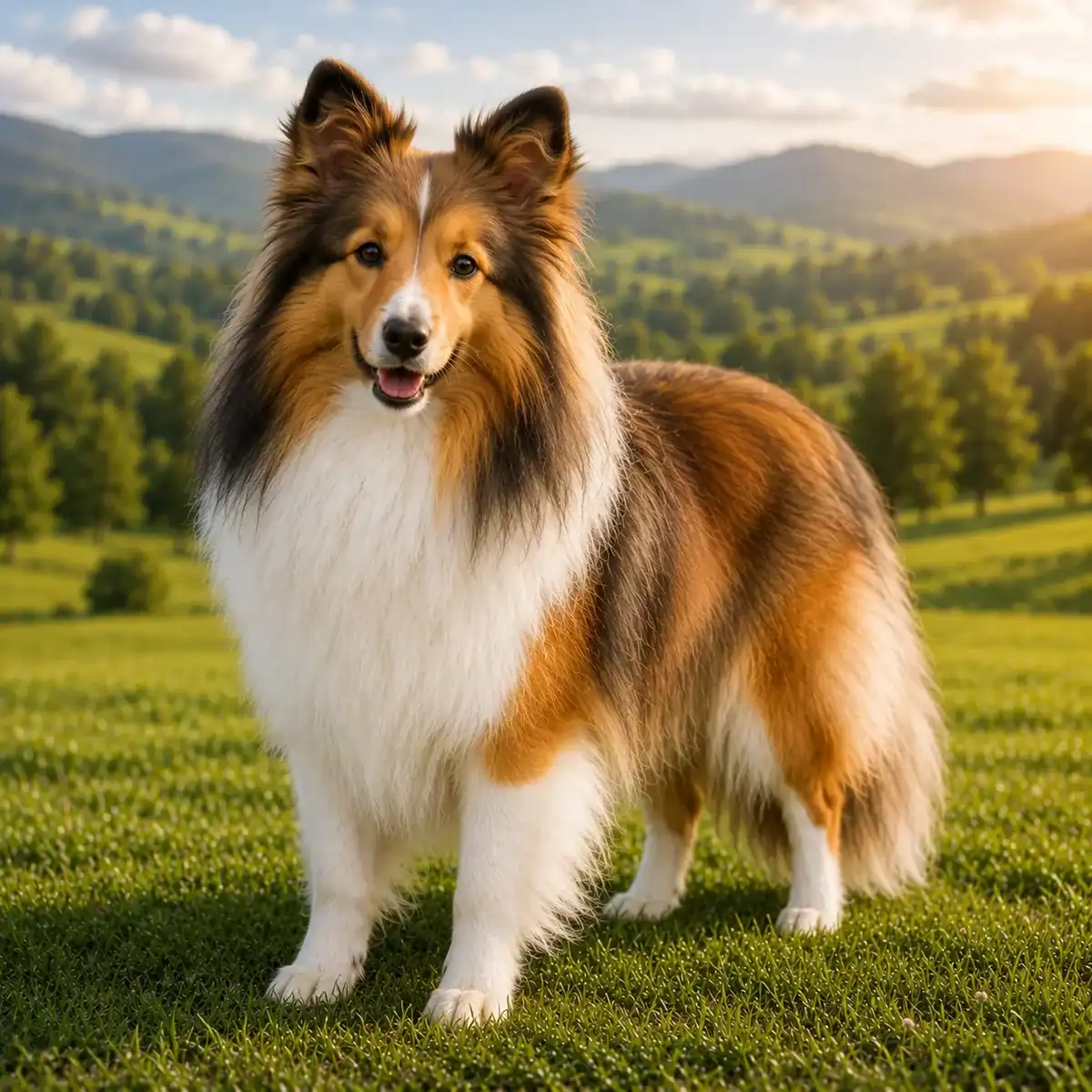
The Shetland Sheepdog ranks sixth, a small herding breed with a sharp mind and quick responses. It scores high in both obedience and problem-solving, and most owners find it picks up routines and new commands after only a few repetitions.
The “Sheltie” was bred to herd sheep on the rugged Shetland Islands of Scotland, where it had to think fast and respond to commands at a distance. That heritage shaped its strong focus and alert, sometimes vocal, nature. Regular mental and physical activity, along with short daily training sessions, keeps this sensitive breed happy and well-behaved.
7. Labrador Retriever

The Labrador Retriever ranks seventh, blending steady focus with a strong memory. It learns new commands quickly with clear training and responds well to positive reinforcement, which is part of why it remains one of the most popular dogs in the world and a favorite for assistance work.
The breed traces back to Newfoundland, where it helped fishermen haul nets and retrieve in cold water and rough weather. That origin explains its strong work ethic and love of carrying and fetching. To keep its mind sharp, a Labrador needs daily exercise and simple training games, both of which head off the boredom that leads to chewing and other mischief.
8. Papillon
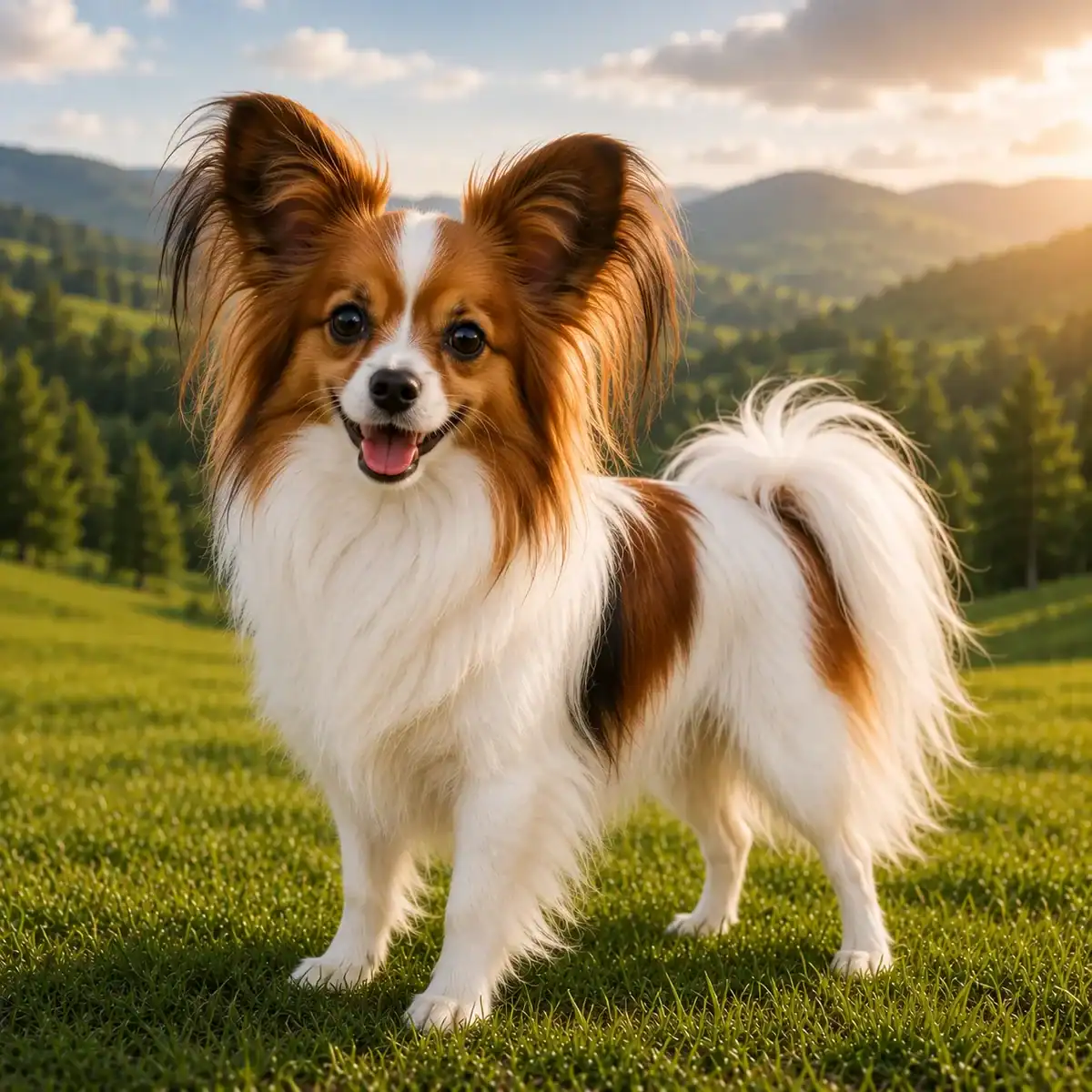
The Papillon ranks eighth and is widely considered one of the smartest small dogs. Despite its tiny size, it learns new commands after only a few short sessions, remembers them accurately, and consistently outperforms much larger breeds in obedience and agility rings.
The breed was developed as a companion to European nobility and takes its name from the French word for butterfly, after its distinctive winged ears. Behind the dainty looks sits a high-energy dog with real problem-solving drive. Daily mental exercise through short training games and puzzle toys keeps a Papillon engaged and prevents boredom-driven barking.
9. Rottweiler

The Rottweiler ranks ninth, a strong and focused working dog that understands complex tasks and responds well to clear direction. It masters basic obedience in a few steady sessions and stays alert and aware of its surroundings throughout.
The breed was originally bred to drive cattle and pull carts for butchers, later moving into police and guard work thanks to its strength and loyalty. Rottweilers respond best to firm, consistent training, and early socialization helps them grow into calm, confident adults. Daily mental challenges, clear rules, and positive reinforcement keep this powerful breed balanced and well-behaved.
10. Australian Cattle Dog

The Australian Cattle Dog rounds out Coren’s top ten, an intensely driven herder also known as the Blue Heeler or Queensland Heeler. It reads human cues easily, learns new commands after only a few repetitions, and genuinely thrives on advanced work like agility and competitive obedience.
The breed was developed in Australia to drive cattle across vast distances, and it is often credited with helping build the country’s beef industry. That background gave it boundless energy, a sharp mind, and a strong protective streak toward its family. Without enough daily mental and physical exercise it grows bored and inventive, so regular training, a real job, and active play are essential to keeping it balanced.
Understanding Canine Intelligence
Canine intelligence covers how dogs learn, solve problems, and respond to people, and it depends on both natural ability and life experience. There is no real canine IQ test, so the dog breeds ranked above are measured only on one slice of intelligence. A breed can be among the smartest by that measure, or one of the most intelligent in a completely different way, so it helps to understand the full picture.
The Three Types of Dog Intelligence
Coren grouped canine intelligence into three main types. Instinctive intelligence reflects what a dog was bred to do, like a Border Collie’s urge to herd or a retriever’s gentle carry, and it shows up with little training because it comes from deep genetic traits. Adaptive intelligence is how well a dog solves problems on its own, such as working out how to open a gate or find a hidden toy, and it varies widely between individuals even within one breed.
Working and obedience intelligence is the type the ranking measures: how quickly a dog learns commands and how reliably it follows them. Trainers test it by counting the repetitions a dog needs to learn a new cue, and the highest-scoring breeds learn in fewer than five repetitions and obey the first command most of the time. A breed can rank low here yet be brilliantly clever in the other two areas, which is why “ranked tenth” is nothing like “the tenth smartest dog.”
What Shapes a Dog’s Intelligence
Genetics play a major role, since selective breeding strengthens focus, memory, and responsiveness to human signals, which is why herding and sporting breeds tend to score high on trainability. Early socialization and training matter too, as puppies exposed to new sights, sounds, and people between 3 and 14 weeks of age tend to adapt faster later in life, and regular training builds stronger problem-solving skills.
Environment and health round out the picture. Mental stimulation, exercise, good nutrition, and social contact all support brain function, while chronic stress, poor diet, or a lack of activity can limit how well a dog learns and retains new information. Intelligence is never just genetics, in other words, since it is something owners actively shape.
Enrichment and Training Techniques
Intelligent breeds need daily mental work and clear, consistent training. The goal is simple: challenge the dog’s brain and reward the right behavior in ways it can understand.
Veterinary Disclaimer: The information in this article is for educational purposes only and is not a substitute for professional veterinary advice. K9Sphere’s authors are experienced dog owners, not licensed veterinarians. Always consult a qualified DVM regarding any concerns about your pet.
Mental Stimulation Activities
Smart dogs get bored fast, and boredom usually shows up as chewing, digging, or barking. Interactive toys like puzzle feeders and treat-dispensing balls make a dog solve a problem to earn food, tapping into natural hunting and problem-solving instincts. Short training games build focus too, whether that means hiding treats around a room for a “find it” game, teaching the names of several different toys, or running quick five-minute obedience drills.

A well-designed puzzle toy like the Outward Hound Nina Ottosson is one of the easiest ways to give a clever dog the mental workout it craves, since the dog has to slide, lift, or flip compartments to reveal hidden treats. Rotating toys each week keeps things fresh, and long sessions are not needed, since two or three short sessions a day beat one marathon.
Physical exercise works best when it includes thinking, so agility courses, scent work, and basic tracking give movement and mental effort at once. Brainy breeds like the Border Collie and Poodle especially thrive on these structured challenges.
Positive Reinforcement Methods
Intelligent dogs learn fast, but they also notice inconsistency, so clear rewards speed up learning and build trust. Positive reinforcement means rewarding the exact behavior you want, with small treats, calm praise, a favorite toy, or a short burst of play. Timing is everything, so the reward should land within a second or two of the correct action while the dog still connects the two.
Short, focused sessions work best, since ten minutes of clear practice often beats thirty minutes of mixed signals. If the dog makes a mistake, the handler should calmly reset and try again rather than punish. Harsh methods tend to backfire with smart breeds, which can turn anxious or stubborn, so consistent rewards and simple rules win every time.
Pros and Cons of Owning a Highly Intelligent Dog
A smart dog sounds like an easy dog, but that is not always true. High intelligence is a double-edged trait, and knowing both sides helps set realistic expectations before bringing one home.
Pros
- Learn commands and routines very quickly
- Excel at dog sports like agility and obedience
- Strong candidates for service and therapy work
- Highly responsive to positive training
- Capable problem-solvers and quick adapters
- Deeply rewarding for engaged, active owners
Cons
- Get bored fast and act out when under-stimulated
- Need substantial daily mental and physical work
- Quick to learn bad habits as well as good ones
- Can outsmart and manipulate inconsistent owners
- Often a poor fit for low-activity households
- May grow anxious or stubborn under harsh methods
Quick Questions About Dog Intelligence
What is the most intelligent dog breed?
The Border Collie is generally considered the most intelligent dog breed, topping Stanley Coren’s working-intelligence ranking. It can learn a new command in fewer than five repetitions and obey it on the first try around 95% of the time. The Poodle and German Shepherd follow in second and third place.
Does a high intelligence ranking mean a dog is easy to own?
Not at all, and often the opposite. The ranking measures trainability, not how easy a dog is to live with. Highly intelligent breeds need constant mental and physical work, get bored quickly, and can learn unwanted habits just as fast as good ones. A clever dog in an under-stimulated home is often harder to manage than a more laid-back breed, so don’t assume a top-ranked breed is the right pick for a busy household with a young kid unless you can meet its needs.
Are mixed-breed dogs intelligent?
Absolutely. Intelligence rankings cover purebreds because their traits are more predictable, but mixed-breed dogs can be every bit as smart, especially if they carry herding or sporting ancestry. Adaptive intelligence, the ability to solve new problems, varies as much between individual dogs as between breeds.
How can I tell if my dog is intelligent?
Watch how quickly it learns new commands, how well it solves simple problems like getting a treat out of a puzzle toy, and how readily it picks up on your routines and cues. Quick learning and creative problem-solving are good signs, though every dog has its own mix of instinctive, adaptive, and working intelligence.
Editorial Disclaimer: This article is for informational and educational purposes only. It does not constitute veterinary advice, medical diagnosis, or treatment recommendations. Always consult a licensed veterinarian before making decisions about your pet.
Accuracy Notice: Intelligence rankings are based on Stanley Coren’s published research and reflect working and obedience intelligence rather than overall cleverness. Individual dogs vary. If you spot a factual error or have updated information from a verified source, please contact us so we can review and update.
Last reviewed: June 2026.


