
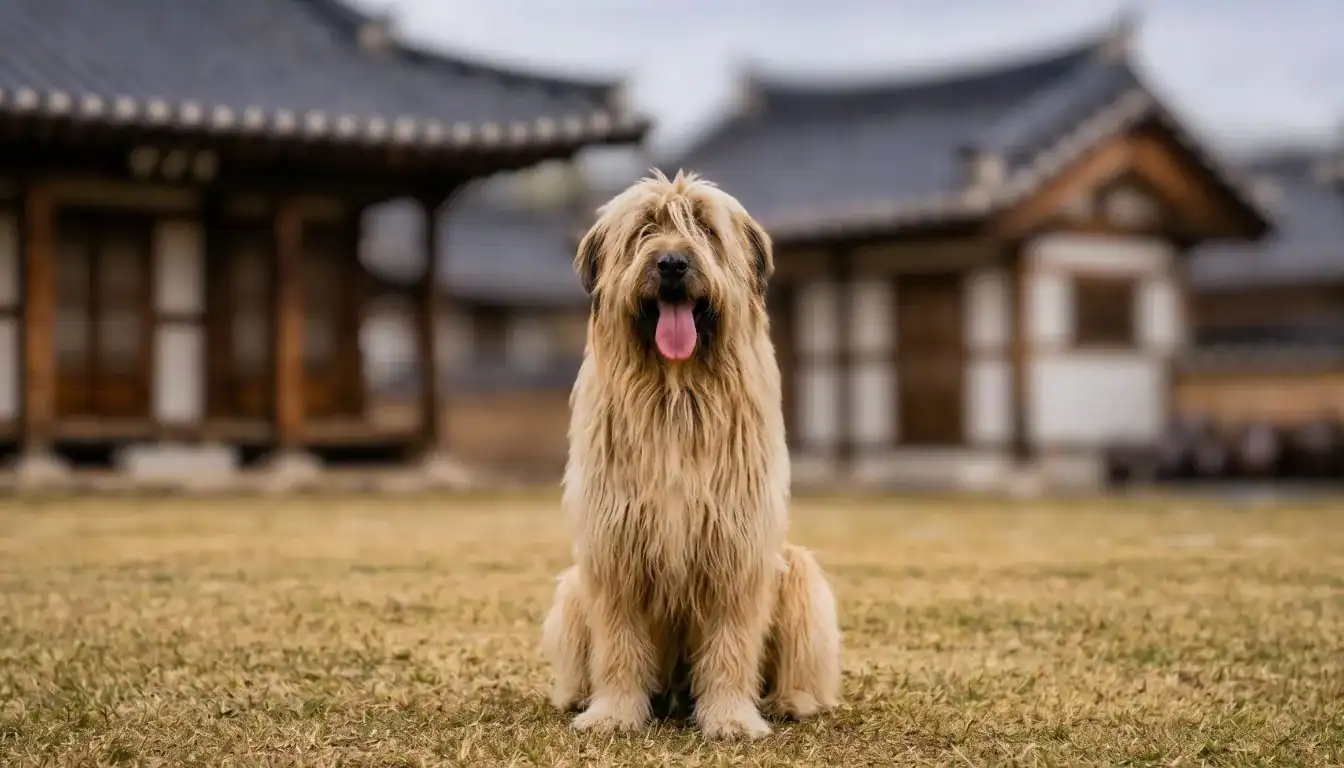
The Sapsali is a medium-sized South Korean heritage dog breed developed historically to ward off evil spirits and misfortune while serving as a deeply devoted household companion. As a Korean dog breed and one of the natural monuments of South Korea, this native breed nearly vanished entirely before a dedicated university-led conservation effort brought it back from the brink.
Most people see a walking ball of fluff with a long coat falling over its eyes, completely missing the profound resilience required to reestablish the breed and weed out congenital defects from a population that had been reduced to eight dogs. The Sapsali is known for intense loyalty, a gentle temperament, and a shaggy double coat that demands serious daily commitment.
This guide draws on canine conservation records from the restoration program, OFA CHIC screening protocols, and decades of high-maintenance coat experience to cover everything from Silla period folklore to modern grooming reality.
Daily commitments include deep brushing several times a week, thorough drying after any water exposure, 45 to 60 minutes of moderate exercise, and consistent positive-reinforcement training. People who meet that grooming bar are rewarded with one of the most emotionally intuitive companions in the dog world.
For owners who can commit to the coat and live in a suitable climate, the Sapsali delivers a decade or more of unwavering devotion. Anyone unable to manage the grooming workload, or living somewhere consistently hot and humid, should weigh that reality honestly before deciding, because the dense double coat is built for cold mountain winters, not heat.
Affiliate Disclosure: K9Sphere is a participant in the Amazon Services LLC Associates Program. As an Amazon Associate, K9Sphere earns from qualifying purchases made through links in this article at no extra cost to you. Product recommendations are based on independent research and editorial judgment, not paid placement.
Breed Snapshot
📊 Vitals and Lifespan
Height
Males: 20–24 in (51–60 cm)
Females: 19–23 in (48–58 cm)
Weight
Males: 40–60 lb (18–27 kg)
Females: 35–55 lb (16–25 kg)
Lifespan
10–12 years
Registry
Korean Kennel Federation; not AKC-recognized
Origin
South Korea
🇰🇷
⭐ Personality Traits
Ratings are from 1 to 5 and reflect typical adult traits.
History and Origin
This heritage breed holds a unique position in Asian canine history, moving from mythical protector to near-extinct casualty of occupation, before finally emerging as a symbol of modern conservation. The Sapsaree, an alternative spelling registered with the Korean Kennel Federation, reflects the same ancient lineage.
📌 37 BC to 935 AD: The Silla Period
During the Silla period the breed was deeply associated with military and royal households. These dogs were kept as companions and believed to possess supernatural qualities, frequently depicted in art and literature as brave protectors capable of driving away evil spirits. One enduring folk tale describes a faithful Sapsali that jumped into a river and used its wet fur to douse flames around its sleeping master, sacrificing itself to save him.
📌 1910 to 1945: Near Extinction Under Japanese Rule
When Korea was under Japanese rule, dogs of this breed were slaughtered in very large numbers, primarily to make coats and winter gear for the military serving in Manchuria’s bitter cold. By the end of this period the breed’s population was effectively devastated, and the Sapsali had nearly vanished from its homeland entirely.
📌 1960s to 1980s: The University Rescue
In the late 1960s, professors at Kyungpook National University collected about 30 Sapsali dogs in an effort to save the remaining bloodline. By the mid-1980s only eight dogs remained. Geneticist Ha Ji-hong took over the program with those few dogs and combined controlled breeding with DNA methods to reestablish the population and reduce inherited defects. By the late 1980s, approximately 500 dogs had been restored and registered with the Korean Kennel Federation.
📌 1992: National Heritage Designation
The breed was designated as one of the Natural Monuments of South Korea in 1992 (No. 368). That status provided crucial funding for its preservation as a part of Korean cultural history and identity. Today the Sapsali numbers in the thousands, is celebrated nationally, and is increasingly deployed as therapy support in hospitals and senior centers.
Physical Characteristics
This is a robust, medium-sized dog that is surprisingly athletic under that mop of fur. Their physical design developed to survive harsh winters, which means the Sapsali can struggle in hot, humid conditions because of its dense coat.
🏗️ Build
They have a sturdy frame with large paws and shaggy fur covering the entire body. The large paws provide stability on snow and rough terrain, and the raised tail and large head give the breed the lion-like silhouette that earned it the “lion dog” nickname. They are solidly built but capable of quick, agile movement.
🎨 Coat and Color
The breed has a particularly thick, double-layered coat. The outer coat is long, harsh, and textured, while the undercoat is soft and dense. The long hair falls heavily over the eyes, which historically provided protection from the elements. They come in solid shades of grey, black, gold, and brown, as well as mixed patterns.
Character and Personality
Historical texts called them “ghost hunters,” but modern behavioral assessments describe them as some of the most emotionally intuitive companions available. These dogs are eager to please their handlers and form bonds that run remarkably deep for a compact heritage breed.
☀️ Sunshine Disposition
In modern practice they are known affectionately as “sunshine dogs” for their remarkable capacity for empathy. Their gentle demeanor and patience make them excellent therapy dogs in hospitals and senior centers. Unlike independent hunting hounds, they prefer to be in the same room as their people at all times.
🛡️ Alert Presence
While they are not confrontational guard dogs, they are highly observant. They will bark to alert you to approaching strangers, fulfilling their historical role as watchful home protectors. Once properly introduced, they warm up quickly to guests. Most of their protective behavior is vocal rather than physical.
👪 Household Integration
They bond intensely with their human family and are tolerant and playful with respectful children. Where some breeds greet everyone with equal enthusiasm, the Sapsali reserves its deepest attachment for its core people while remaining friendly to visitors once introduced.
⚠️ Early Socialization
To ensure they remain confident rather than anxious, early socialization is critical. Exposing them to diverse environments, sounds, and other animals during the puppy months prevents their natural alertness from becoming nervous reactivity. This is straightforward when started during the 8 to 16 week window.
Screening and Conditions
Veterinary Disclaimer: The information in this article is for educational purposes only and is not a substitute for professional veterinary advice, diagnosis, or treatment. K9Sphere’s authors are experienced dog owners, not licensed veterinarians. Always consult a qualified DVM for any concerns about your dog.
Health Information Sources: Data compiled from:
- OFA CHIC Program recommended screening protocols for heritage breeds
- Sapsali breed conservation history documenting the genetic rebuilding program
- PetMD clinical reference on hip dysplasia and coat-related skin conditions
Always consult your licensed DVM for personalized medical advice.
Because the modern bloodline descended from a very small genetic pool, researchers had to be meticulous about screening for inherited defects. The breed is generally considered healthy, though long-term data is limited given the population bottleneck. Dogs should be screened annually for hip, eye, and skin conditions common to heavily coated breeds.
🔴 Hip Dysplasia
What to watch for: Like many structurally robust breeds, the Sapsali can develop hip dysplasia, where the joint fails to develop properly, leading to friction, pain, and early-onset arthritis. Watch for limping, reluctance to climb stairs, and stiffness after rest.
Screening: Sources must provide OFA or PennHIP evaluations on both parent dogs. A proven hip and joint supplement supports cartilage integrity as the dog ages, and an orthopedic dog bed reduces pressure on aging joints during rest.
🟡 Ocular Irritation and Skin Conditions
What to watch for: The signature long hair falling over the eyes can scratch the cornea or trap debris, leading to chronic infections or ulcers. The dense coat also acts like a sponge for moisture, making the breed highly susceptible to hot spots and fungal infections if not dried thoroughly after bathing or rain.
Management: Many owners trim the hair around the eyes or tie it with a soft band. After any water exposure, drying down to the skin with a high-velocity dryer is essential to prevent dermatological issues.
Consult your veterinarian before starting any supplement regimen.

Nutramax Dasuquin with MSM Soft Chews for Dogs
Use for: Supporting joint integrity in a robust heritage breed prone to hip dysplasia. Combines glucosamine, chondroitin, and MSM to help maintain cartilage function as the dog ages.
Check price on AmazonGrooming and Coat Care
There is no avoiding the reality: this breed requires a massive grooming commitment. The dense double coat will quickly turn into solid, painful mats if neglected. You must brush down to the skin at least three times a week. Surface brushing alone leaves the dense undercoat to tangle and pull painfully at the skin.
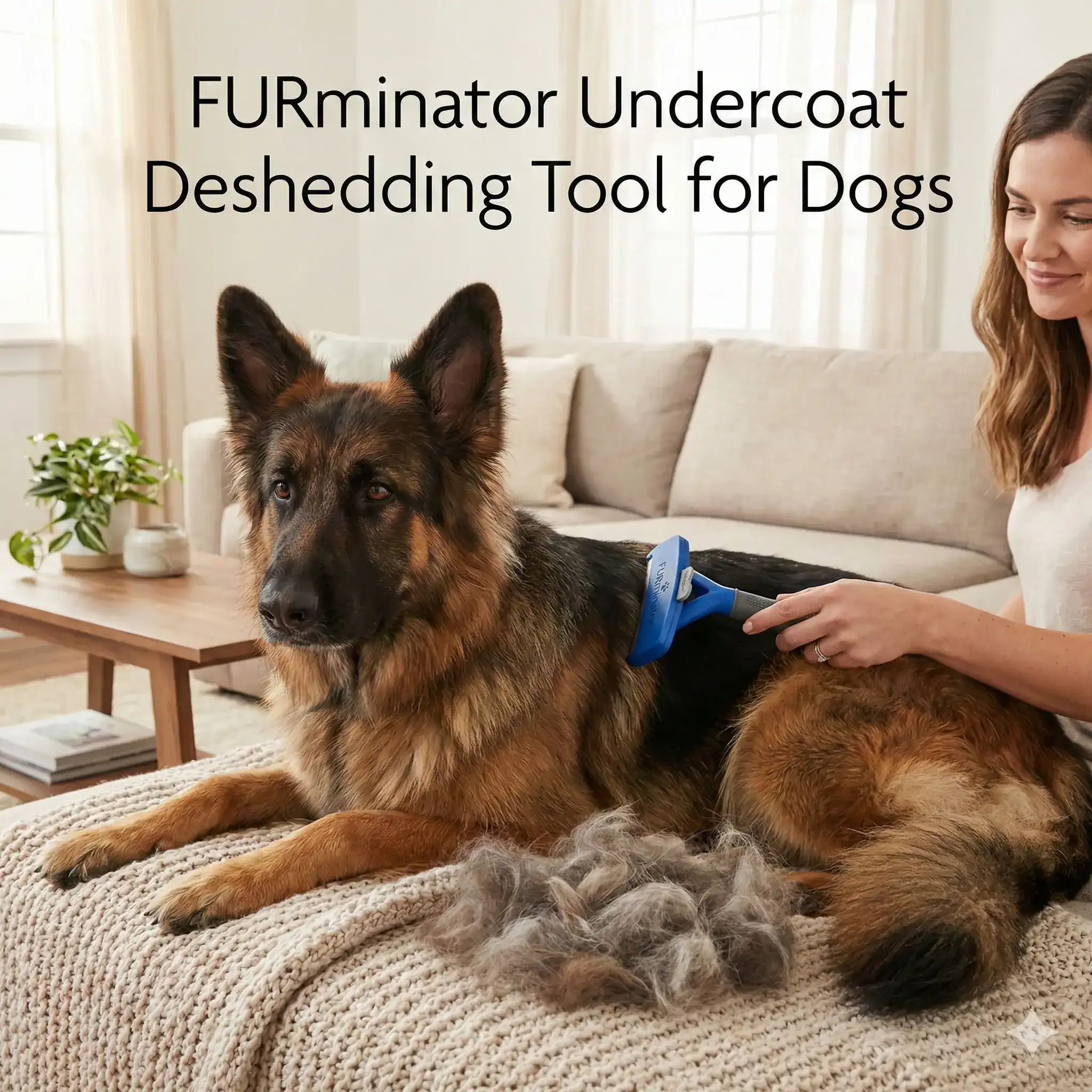
FURminator Undercoat Deshedding Tool for Dogs
Use for: Removing loose undercoat hair before it mats against the skin. Designed for heavily coated breeds, reaching the dense woolly layer that standard surface brushes cannot access. Essential during seasonal coat blows.
Check price on AmazonRegular brushing with an appropriate grooming tool removes dead hair and reduces loose fur inside the home. During seasonal shedding periods, daily brushing becomes mandatory, as they drop coat significantly in spring and fall transitions. When bathing, a high-velocity dryer is essential, since allowing a thick long coat to air-dry invites hot spots and yeast infections. Wipe the ears clean and dry after every bath to prevent bacterial growth.
Exercise and Living Needs
Unlike intense working breeds that demand hours of structured output, the Sapsali needs a moderate but consistent daily routine. Plan for 45 to 60 minutes of moderate movement split into two sessions, combined with unstructured playtime in a secure yard. They are not marathon runners, but they do need consistent engagement to stay physically balanced. A Border Collie would find this level of output laughably insufficient, but for this breed it is ideal.
Mental stimulation matters just as much as physical movement. Because they are highly intelligent and observant, they thrive on interactive games, scent work, and obedience sessions. A bored Sapsali may resort to excessive vocalization or destructive chewing. As a cold-weather breed, they should be exercised in the cooler parts of the day during warm weather, with plenty of water and shade available.
Nutrition & Diet
Proper nutrition provides the foundation for the heavy coat and active lifestyle. A high-quality formula rich in omega-3 fatty acids keeps the skin healthy and the fur resilient. Because the dense coat easily hides weight gain, you must physically feel the ribs to monitor body condition rather than relying on appearance.
Puppies need steady, controlled growth on a balanced puppy formula, which protects developing joints. Avoid supplementing with excess calcium unless your vet directs it. Adults should be fed two measured meals daily, with portions adjusted to body condition. As metabolism slows in the senior years, transition to a senior diet with fewer calories but highly digestible protein, and add a glucosamine joint supplement to support mobility.
Training
This breed is widely regarded as one of the most trainable dogs in Korea. Unlike the highly independent Akbash or the Korean Jindo, the Sapsali is deeply eager to please its handler and responds exceptionally well to positive reinforcement.
Keep sessions brief, upbeat, and rewarding. Their high emotional intelligence makes them quick learners, but harsh corrections damage their trust and cause them to shut down. This is a sensitive breed that reads human emotion better than most.
Because they were developed to monitor the home, they will bark to alert you to changes in their environment. Teach a “quiet” cue early. Acknowledge the warning, check the perceived concern, then redirect them to settle. Ignoring the vocalization simply causes them to escalate, assuming you did not hear the initial alert.
Sapsali vs Golden Retriever vs Newfoundland vs Chow Chow
Prospective owners drawn to a gentle, devoted, heavily coated companion often weigh the Sapsali against other affectionate or heavy-coated breeds. The Golden Retriever, the Newfoundland, and the Chow Chow are the most natural comparisons, each overlapping with the Sapsali on devotion, coat care, or heritage while differing in size, temperament, and lifespan.
| Attribute | Sapsali | Golden Retriever | Newfoundland | Chow Chow |
|---|---|---|---|---|
| Weight | 35–60 lb (16–27 kg) | 55–75 lb (25–34 kg) | 100–150 lb (45–68 kg) | 45–70 lb (20–32 kg) |
| Original Purpose | Household guardian, spiritual protector | Waterfowl retriever | Water rescue, draft work | Guarding, hunting, hauling |
| Energy Type | Moderate, steady | High, sustained | Low to moderate | Low, dignified |
| Trainability | High, eager to please | Very high, forgiving learner | Moderate, gentle | Low, aloof and independent |
| Grooming | Extremely high, daily in shed | Moderate, regular brushing | High, heavy seasonal shed | High, dense double coat |
| Reaction to Strangers | Alert then warms up | Very friendly | Gentle, open | Reserved, aloof |
| First-Time Owner? | Only with grooming commitment | Yes, widely recommended | Possible with space | Challenging, experienced owners |
| Common Health Risks | Hip dysplasia, eye and skin issues | Joint problems, cancer, eye conditions | Heart disease, joint problems, bloat | Hip and elbow dysplasia, eye and skin issues |
| Lifespan | 10–12 years | 10–12 years | 8–10 years | 8–12 years |
The Golden Retriever shares the Sapsali’s eagerness to please and deep household devotion, but drops more visible hair while needing less professional grooming. The Newfoundland is a much heavier breed with similar moisture-management challenges and a shorter lifespan. The Chow Chow is the closest match on coat density and Asian heritage, but its aloof, independent temperament is the opposite of the Sapsali’s eager, people-focused nature. For most owners, the deciding factor between these breeds comes down to how much grooming time they can realistically commit to.
Common Questions about the Sapsali
Are Sapsalis good family dogs?
Direct Answer: Yes. They are widely considered exceptional companions for active households.
Context: Their high emotional intelligence and patient nature make them tolerant with children. They form deep, lasting bonds and prefer to be involved in daily activities rather than left alone for long stretches.
Management: Always supervise interactions between young children and the dog so the child respects boundaries and avoids pulling the long hair.
Do Sapsali dogs shed a lot?
Direct Answer: Yes, they shed significantly, particularly during seasonal coat transitions.
Context: The dense double coat drops large amounts of undercoat twice a year. The long hair also catches burrs, dirt, and mud, meaning they bring a lot of the outdoors inside.
Management: Commit to deep brushing several times a week. During seasonal blows, daily brushing becomes mandatory.
Why are Sapsali dogs called ghost hunters?
Direct Answer: It stems from ancient Korean folklore originating in the Silla period.
Context: Historical texts depicted them as brave, pure-hearted dogs capable of seeing and warding off evil spirits. Their very name translates roughly as a dog that roots out evil and misfortune.
Management: While they do not actually detect spirits, their alert vocalization remains an effective real-world deterrent.
Are Sapsali dogs related to the Korean Jindo?
Direct Answer: They share a geographic origin but have distinct genetic backgrounds and very different dispositions.
Context: Both are native Korean breeds declared Natural Monuments. However, the Jindo is a sharp, independent hunting dog, while the Sapsali is a heavily coated, emotionally intuitive companion.
Management: If you want an independent dog, choose the Jindo. If you want one that actively seeks your affection and approval, choose the Sapsali.
How much does a Sapsali cost?
Direct Answer: Pricing is highly variable and the breed is rarely sold through standard Western channels. Expect a long waitlist and import costs rather than a simple purchase price. Pricing varies by country, with UK, Canada, and Australia rates differing.
Context: Because the bloodline is a protected national treasure, genuine conservation programs prioritize careful placement over volume sales. Most dogs outside Korea arrive through dedicated import arrangements. Ongoing grooming costs are the larger long-term expense for most owners.
Management: Budget for professional grooming or high-quality home grooming equipment as a fixed recurring cost, and factor in import and travel logistics if sourcing from Korea.
Can Sapsali dogs adapt to apartment living?
Direct Answer: Possible but challenging, and usually not ideal.
Context: While their exercise needs are moderate, their size and tendency to alert-vocalize at hallway noises can cause issues in shared spaces. They also bring substantial dirt and moisture in on their coats.
Management: If kept in an apartment, they require structured daily walks, immediate “quiet” cue conditioning, and a rigorous grooming routine to manage hair and odor.
Do Sapsali dogs have vision problems from their hair?
Direct Answer: The hair itself does not cause blindness, but it can obscure vision and cause corneal irritation.
Context: The traditional standard calls for hair falling over the eyes. In modern domestic settings, this can poke the eye, leading to excessive tearing, staining, and potentially painful corneal ulcers.
Management: Keep the eye area clean. Gently trim the hair bridging the nose or use soft hairbands to protect vision and prevent infection.
Are Sapsali dogs recognized internationally?
Direct Answer: Not by the AKC or most major Western registries.
Context: They are recognized by the Korean Kennel Federation and hold prestigious status as a Natural Monument nationally. Outside Korea, awareness and availability remain extremely limited.
Management: If you are looking to show in traditional AKC conformation in the United States, this breed is not eligible.
Are Sapsali dogs easy to train?
Direct Answer: Yes. They are highly intelligent and motivated by human approval, making them easy to train through positive reinforcement.
Context: Unlike stubborn hound breeds, they actively want to work with their handler. Their emotional connection makes basic obedience and advanced conditioning highly rewarding.
Management: Rely on positive reinforcement, praise, and high-value treats. Avoid harsh verbal corrections, which cause this sensitive breed to retreat and shut down.
Do Sapsali dogs handle hot weather well?
Direct Answer: No. The dense double coat is built for cold mountain winters, so they are far more comfortable in cool climates than in heat and humidity.
Context: In warm, humid conditions the heavy coat traps moisture against the skin, raising the risk of hot spots and fungal infections, and the dog can overheat more easily than a short-coated breed.
Management: Exercise during the cooler parts of the day, provide constant shade and water, never shave the coat to the skin (it protects against both cold and sun), and dry thoroughly after any water exposure.
Finding a Sapsali
Locating one internationally is exceptionally difficult. The breed remains rare outside Korea, with limited programs working to preserve the genetic health achieved after the population bottleneck. There are effectively no Sapsali puppies for sale through standard Western channels.
🏠 Responsible Source
If you find a source internationally, verify their connection to the official conservation groups. Ethical programs test for hip dysplasia and hereditary eye conditions. Be prepared for a long waitlist and thorough vetting. Genuine programs are deeply protective of this restored bloodline and will ask detailed questions about your coat-management experience and living conditions.
🐾 Rescue and Adoption
While rare globally, Sapsalis occasionally appear in rescues that work with dogs saved from difficult circumstances in Asia. Heavily stressed dogs require immense patience and rehabilitation, though this breed’s naturally forgiving disposition often emerges with time and safety. A Labrador owner transitioning to a Sapsali will find the emotional responsiveness comparable but the grooming workload dramatically higher.
🚩 Red Flags to Watch For
- A source selling cheaply or with immediate availability internationally.
- No OFA or equivalent joint screening on the parent dogs.
- Inability to trace lineage back to certified Korean conservation lines.
- Facilities refusing to let you see the mother or the living conditions.
- Claims that the breed needs “zero grooming” or is “hypoallergenic.” Neither is true.
Personal Observation
💭 Personal Observation
Living with five rescue dogs in a warm, humid climate taught me how aggressively moisture goes after any coat. Even my short-coated rescues need thorough drying after they get caught in the rain, or the skin underneath starts to protest within a day. The Sapsali carries a dramatically thicker, longer double coat built for harsh mountain winters, not humid heat, and that changes the math completely. In a warm, humid environment, every rain shower, every bath, every sticky afternoon becomes a potential skin event. The dogs I have that cope best with humidity are the ones I stay ahead of, drying them down to the skin and checking for damp spots before anything develops. With a coat as dense as this breed carries, that vigilance would need to be daily and non-negotiable. If you cannot commit to consistent drying with a high-velocity dryer and daily coat checks down to the skin, this is not the right breed for a warm climate.
Conclusion
The Sapsali represents one of the greatest success stories in canine genetic conservation. Bringing a heritage breed back from fewer than eight dogs to a nationally celebrated symbol required immense scientific dedication from Ha Ji-hong and the Kyungpook team.
On the pro side, you get an unmatched combination of gentle loyalty, emotional intelligence, and therapy suitability in a manageable medium-sized package with deep cultural significance. The main con is the extreme grooming commitment, the difficulty of sourcing one outside South Korea, and the serious moisture management required to prevent chronic skin issues in anything other than a cool, dry climate. For the household that can dedicate the time and live in a suitable environment, this ancient breed will return the same unwavering devotion that has been celebrated in Korean art and folklore for over two thousand years.
Editorial Disclaimer: This article is for informational and educational purposes only. It does not constitute veterinary advice, medical diagnosis, or treatment recommendations. Always consult a licensed veterinarian before making medical decisions for your pet.
Accuracy Notice: While every effort has been made to ensure the information presented here is accurate and current, breed information evolves and individual dogs vary. If you spot a factual error or have updated information from a verified source, please contact us so we can review and update.
Product Disclosure: Product recommendations are based on independent research and editorial judgment. Individual results may vary. As an Amazon Associate, K9Sphere earns from qualifying purchases at no additional cost to you.
Last reviewed: May 2026. Article reviewed for accuracy on the date shown above.


