
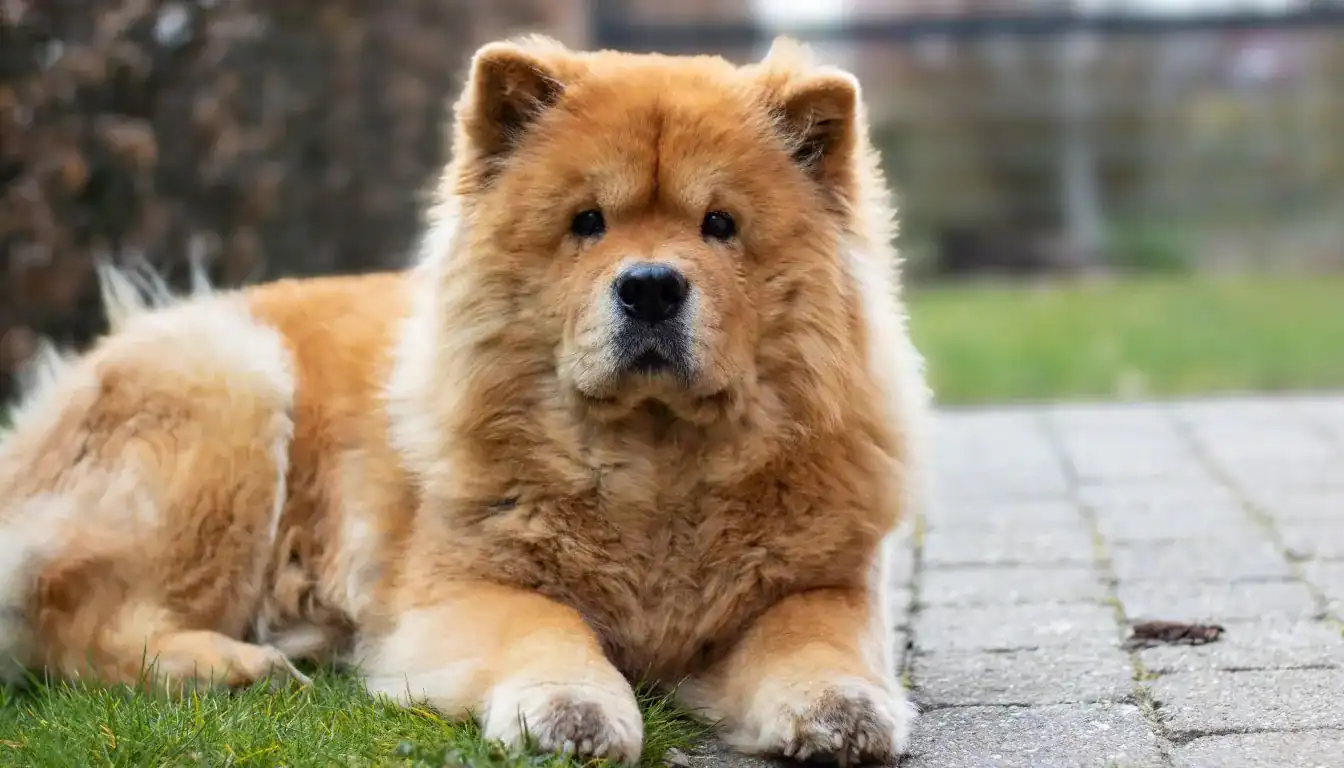
The Chow Chow is a sturdy, medium-sized indigenous Chinese dog originally developed to guard temples, pull carts, and hunt. Often called the lion dog because of the thick ruff around its head, this fluffy ancient breed looks like a giant teddy bear at first glance. Its history and behaviour tell a different story. Chow Chows are known for aloof, fiercely independent personalities and strong territorial instincts that trace directly back to their temple-guarding origins.
Chow chows may appear calm and easy, but they demand strict rules and extensive socialization from day one. They do not naturally love strangers and do not tolerate rough handling. While they typically give clear warning signals, they will defend their personal space if a handler repeatedly ignores those boundaries.
This guide for owning a chow chow combines practical ownership experience with AKC standards and clinical screening protocols. Because the modern chow chow is visually striking, many buyers skip the vital temperament research before bringing a pup home. For handlers who put in the work, the payoff is real: a quiet, dignified companion whose loyalty, once earned, is absolute.
Affiliate Disclosure: K9Sphere is a participant in the Amazon Services LLC Associates Program. As an Amazon Associate, K9Sphere earns from qualifying purchases made through links in this article at no extra cost to you.
Quick Snapshot
📊 Vitals and Lifespan
Height
Males: 17-20 inches (43-51 cm)
Females: 17-20 inches (43-51 cm)
Weight
Males: 45-70 lb (20-32 kg)
Females: 45-60 lb (20-27 kg)
Lifespan
8-12 years
AKC Group
Non-Sporting Group
Origin
China
🇨🇳
⭐ Personality Traits
Ratings (1 to 5). This ancient Chinese type combines extreme loyalty to a single family with deep suspicion of strangers. Early socialization is essential to prevent defensive aggression.
History and Origin
The Chow Chow is one of the world’s oldest recognizable canine lineages, a close genetic relative of the Samoyed, Akita, and Shiba Inu. Artifacts dating back to the Han Dynasty (206 B.C. to 22 A.D.) depict dogs with the solid, bear-like frame that defines the modern animal.
📌 Ancient Multi-Purpose Roots
Unlike modern companions, indigenous dogs in central China were heavily utilized for harsh labor. They guarded monasteries, pulled carts, performed general draft work, and historically coursed game. This hard-working background built a rugged, self-sufficient animal with high pain tolerance.
📌 Imperial China (Tang and Han Dynasties)
The Chow appears in Chinese art and literature across multiple dynasties. Emperors reportedly kept large numbers of these dogs for hunting and temple guarding. The distinctive blue-black tongue appears in historical descriptions, suggesting the trait has been consistent for centuries.
📌 Arrival in the West (1800s)
British traders brought the dog to England in the late 18th and 19th centuries. Queen Victoria’s fascination elevated the Chow’s status from a working curiosity to a celebrated companion, sparking broader interest across Europe.
📌 1903: AKC Recognition
The American Kennel Club officially recognized the chow chow dog in 1903, placing it in the Non-Sporting Group. By the time it arrived in the US, the dog’s primary role had shifted completely away from physical labor toward guarding and companionship.
Today, they are primarily kept as loyal family guardians and companions across the USA and Europe. Their ancient working instincts remain fully intact, which is why every Chow still requires firm, patient leadership rather than the eager-to-please approach that works for modern sporting types.
Physical Characteristics
The chow chow is unique in the canine world. A sound specimen is a masterpiece of compact power and solid bone. They move with a distinctively short, stilted gait caused by their unusually straight rear legs.
Their most famous physical feature is the blue-black tongue and dark oral tissue. Young pups are born with pink tongues that darken naturally as they mature. Per the AKC breed standard, the coat comes in two varieties: rough and smooth. The rough version is the fluffy “teddy bear” look, featuring a massive lion-like ruff around the head and neck. The smooth type lacks the ruff and tail plumes but maintains the same dense undercoat.
Because that dense double coat traps body heat, they face significant danger in warm weather. Handlers in hot climates must actively manage their dog’s core temperature during summer months to prevent overheating.
Temperament and Guarding
Many experts compare their personality to a cat. They are fiercely independent, remarkably clean, and generally indifferent to forced affection. They prefer to sit across the room monitoring the environment rather than curling up on your lap.
🛡️ Intense Loyalty
They typically bond deeply with one or two people in the household. Once that bond forms, they will defend their chosen humans with everything they have. This loyalty is quiet but absolute.
⛔ Stranger Suspicion
A natural wariness of unfamiliar people is baked into their ancient temple-watching instincts. If a guest enters the home, the dog will likely ignore them or watch them intently. Attempting to force a greeting often triggers a defensive growl or bite.
⚔️ Aggressive Toward Unfamiliar Dogs
Same-sex aggressive behavior can occur in this type, especially in poorly raised individuals or lines with unstable temperaments. They do not tolerate disrespect from other canines. An adult that lacks exposure is a significant liability at a public dog park.
👑 Low Eagerness to Please
They are highly intelligent but lack the desire to please a human handler. Unlike a Border Collie that lives for instructions, this breed analyzes a command and decides if it feels like obeying.
When raised with fair, consistent leadership, they become quiet, dignified companions. They rarely bark without reason. When their basic needs are met, they rarely pace nervously or destroy things out of boredom, traits common in high-drive working types.
Common Conditions
Veterinary Disclaimer: The information in this article is for educational purposes only and is not intended as a substitute for professional veterinary advice, diagnosis, or treatment. Always consult a licensed veterinarian for any medical concerns about your dog.
Clinical Sources: Information compiled from:
- CHIC Program: Recommended genetic and structural screening protocols for the chow chow’s typical issues.
- AKC Parent Club: Documented structural vulnerabilities and official clinical statements.
Always consult your licensed DVM for personalized medical advice.
Their solid build and deep facial folds expose them to specific structural and genetic vulnerabilities. A lifespan of 8 to 12 years is standard, though responsible breeding has improved overall hardiness.
🔴 Entropion (Eye Disease)
What to watch for: Their loose facial skin and deep-set eyes make them highly prone to entropion. The eyelid rolls inward, causing the eyelashes to scrape continuously against the cornea. Untreated, this causes severe pain, corneal ulcers, and blindness.
Screening: Both parents must have recent OFA eye clearances. If you notice persistent tearing, squinting, or pawing at the eye, see a vet immediately. Surgical correction is often required.
🔴 Hip and Elbow Dysplasia
What to watch for: Supporting a solid frame on remarkably straight rear legs puts immense pressure on the joints. Abnormal joint development happens when the socket forms improperly, causing bone to grind on bone. Arthritis inevitably follows.
Screening: Demand OFA or PennHIP scores from the seller. Keeping the dog lean is the single most effective way an owner can prevent joint deterioration.
🟡 Gastric Dilatation-Volvulus (Bloat)
What to watch for: While not among the highest-risk giant breeds, their build makes GDV (bloat) possible. The stomach fills with gas and twists, trapping air and cutting off blood flow.
This is a medical emergency. Do not attempt home treatment. Seek immediate veterinary care if the dog displays a swollen abdomen, dry heaving, or extreme restlessness.
🟡 Hypothyroidism
What to watch for: The chow chow’s lineage has a documented predisposition to autoimmune thyroiditis, which leads to hypothyroidism. Symptoms include unexplained weight gain, chronic skin issues, and extreme lethargy.
Screening: A full thyroid panel is highly recommended as part of routine adult veterinary care. It is easily managed with daily oral medication.
Consult your veterinarian before starting any supplement regimen for your dog.
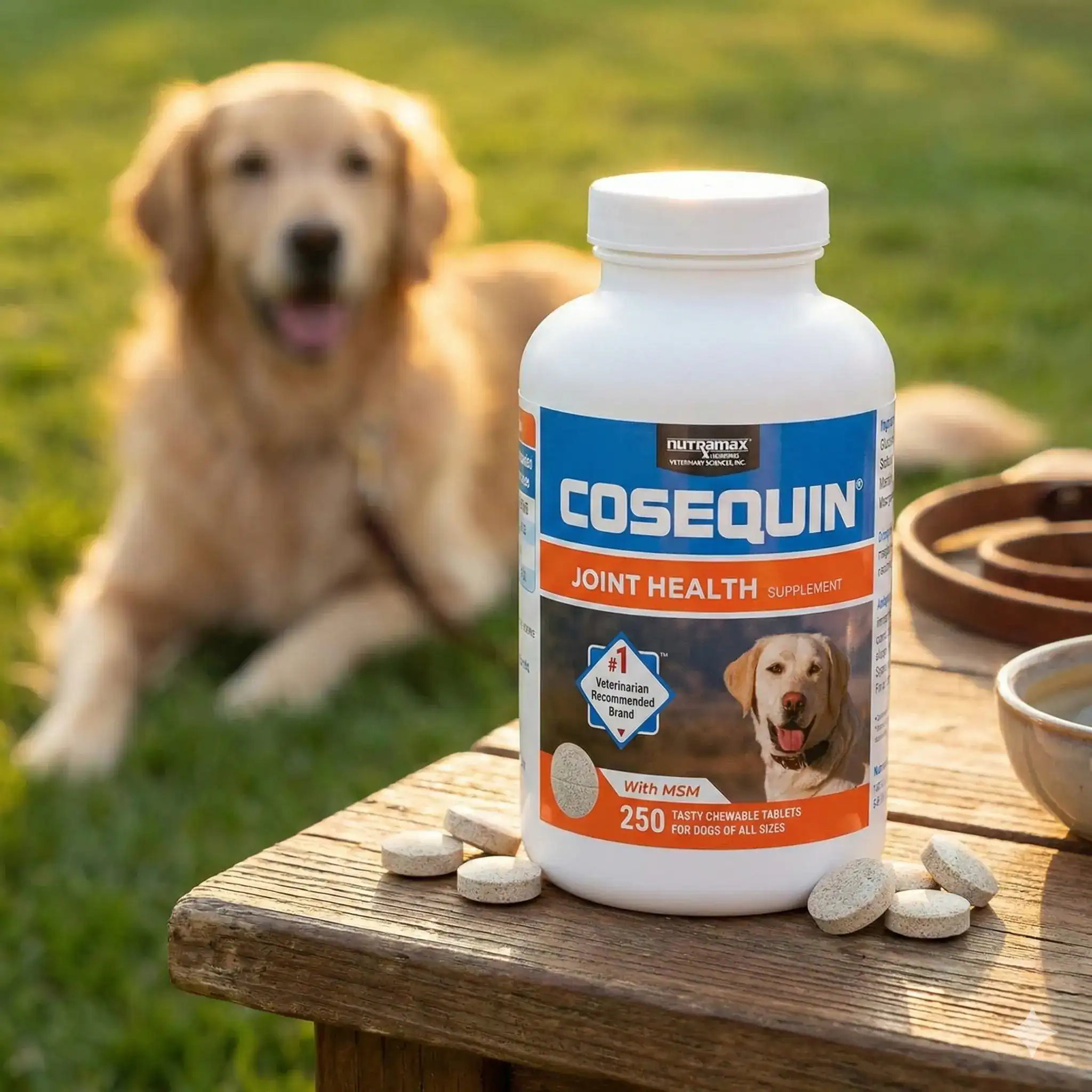
Nutramax Cosequin for Dogs Joint Health Supplement
Use for: Supporting joint function in dogs prone to hip and elbow dysplasia. Contains glucosamine and chondroitin to help maintain cartilage, which is essential for solid-framed dogs with extremely straight rear angulation.
View on AmazonProviding supportive resting surfaces is critically important for dogs carrying a solid adult mass. An orthopedic dog bed helps distribute their weight evenly, reducing pressure sores and overnight joint stiffness.
Grooming and Shedding
Owning a chow chow requires a massive commitment to long coat care and heavy shedding management. A useful tip: invest in a quality brush before the pup comes home. The rough-coated variety sheds continuously throughout the year and experiences intense seasonal blowouts where large clumps of undercoat detach entirely.
For the rough-coated variety, daily brushing is required to prevent severe matting. Smooth coats are less demanding but still need regular weekly care. If moisture gets trapped beneath a matted undercoat, it quickly develops into painful bacterial skin infections (hot spots). You must reach the skin, not just smooth over the top layer.
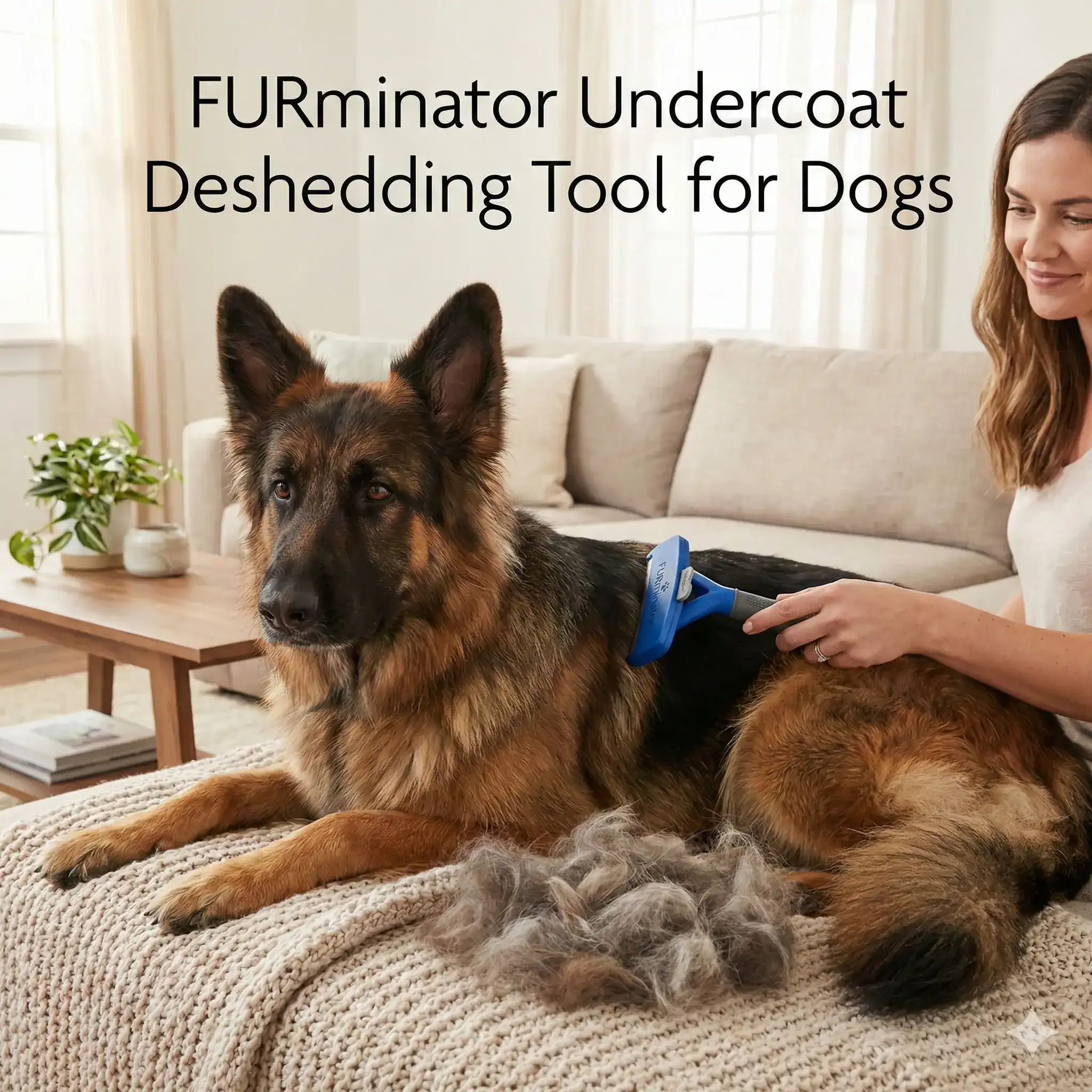
FURminator Undercoat Deshedding Tool for Dogs
Use for: Removing loose undercoat hair before it covers your furniture, reducing shedding by up to 90%, and keeping double-coated dogs comfortable during peak shedding seasons. Essential for managing the dense pet hair generated by a rough coat.
View on AmazonRegular grooming with an appropriate grooming tool helps remove dead hair and reduces shedding inside the home. Double-coated dogs like the Chow benefit from tools designed specifically to reach the dense underlayer rather than standard surface models.
Exercise Needs
Despite their sturdy appearance, they have low to moderate activity requirements. A solid walk of 30 to 45 minutes once a day is usually enough to keep an adult healthy and satisfied. They are completely unsuitable as running or cycling partners.
The chow’s unusually rigid rear angulation provides minimal shock absorption for impact. Combined with a dense ruff and a moderately shortened muzzle (which contributes to heat sensitivity), forced high-impact exercise in warm weather is dangerous and can cause heatstroke near any surface that radiates heat.
Nutrition
Feeding must be carefully controlled. Because they are not highly active dogs, they gain weight rapidly if overfed. Obesity puts devastating pressure on vulnerable elbow and joint tissue.
🐶 Young Stage
Slow growth is critical. Overfeeding a pup accelerates bone growth, dramatically increasing the risk of dysplasia. Use a high-quality large-type formula that regulates calcium and phosphorus ratios. A crate-feeding schedule with measured meals twice a day works better than free-feeding, which should be avoided.
🐕 Adult Stage
An adult typically needs significantly less food than handlers assume based on sheer visual volume. Most of that volume is fur. Monitor body condition by feeling for ribs beneath the fur. You should be able to feel the ribs without pressing hard, but you should not see them.
🐕🦺 Senior Stage
As metabolism slows further in old age, strict portion control becomes mandatory. Transition to a senior diet with lower caloric density and added joint-support compounds to maintain mobility.
Training
Training a chow requires absolute patience, consistency, and quiet authority. Physical punishment or harsh yelling will backfire instantly. They will shut down, refuse to comply, and may respond with defensive aggression.
🛑 Socialization is Mandatory
Because they are naturally suspicious of strangers, a lack of early exposure creates real problems for handlers down the line. Between 8 and 16 weeks of age, they must meet hundreds of different people, sounds, environments, and other animals. They need to learn that a stranger approaching the handler is a normal event, not a threat. A pro trainer or a structured obedience class can accelerate this window significantly.
👑 Establishing Leadership
They respect handlers who set clear, calm boundaries and enforce them consistently. If you allow a young chow to guard food bowls or dictate when they are handled, you will eventually have a 60-pound adult that growls when you try to move them off the couch. Resource guarding must be addressed immediately with positive-reinforcement trading games. A chow might test the rules several times before accepting them, which is normal for the breed.
Comparison with Similar Dogs
Comparing these thickly coated dogs reveals massive differences in daily management. The Siberian Husky is a high-energy endurance athlete built to run for hours. The Caucasian Shepherd Dog is a giant, confrontational livestock guardian built for combat. The Chow sits somewhere in the middle: an independent, low-energy watchdog.
| Attribute | Chow Chow | Siberian Husky | Caucasian Shepherd |
|---|---|---|---|
| Weight | 45-70 lb (20-32 kg) | 35-60 lb (16-27 kg) | 100-170+ lb (45-77+ kg) |
| Energy Level | Low to Moderate | Extremely High | Low (Patrol Energy) |
| Stranger Tolerance | Highly Suspicious | Very Friendly | Zero Tolerance |
| Primary Challenge | Aloofness / Aggression risk | Escaping / Destructive energy | Lethal guarding instinct |
| Trainability | Stubborn / Independent | Easily distracted | Autonomous thinker |
| Best Living Situation | Quiet home, strong leader | Active family, huge yard | Secure rural property |
For a handler who wants a quiet, clean, loyal companion that requires minimal intense activity but demands firm behavioral rules, the chow chow vs a high-energy Husky or overwhelming Caucasian Shepherd is often a better fit for calmer households.
Common Questions about Chow Chows
Are Chow Chows a risk to kids?
Direct Answer: They can pose a serious risk if they are unsocialized, improperly handled, or owned by someone who ignores their warning signs.
Context: This is a powerful breed with strong guarding instincts and zero tolerance for disrespect. They are not Golden Retrievers. If a stranger reaches over their head to pet them without permission, they may escalate from a warning stare to a bite rapidly.
Management: You must respect their space, socialize them heavily during puppyhood, and never force them into uncomfortable interactions with strangers.
Why do they have blue or black tongues?
Direct Answer: The blue-black tongue is a genetic trait specific to their ancient lineage, similar to the Shar-Pei.
Context: The distinctive darkening happens gradually between 8 and 10 weeks of age. By six months, the tongue should be entirely dark. A spotted tongue in an adult suggests mixed ancestry rather than purebred heritage.
Management: The dark tongue is purely cosmetic and does not affect the dog’s wellbeing or require special care.
Do they shed a lot?
Direct Answer: Yes. They shed constantly and have massive seasonal blowouts twice a year.
Context: The dense double coat requires constant care. During a coat blowout, the volume of dead undercoat they drop is staggering. If you dislike vacuuming or having much fur on your clothes, this is the wrong dog.
Management: Invest in high-quality undercoat rakes and establish a strict brushing routine to keep the coat healthy and your house relatively clean.
Are they good with children?
Direct Answer: They can be good with older, respectful children in their own family, but they are generally not recommended for toddlers.
Context: They do not tolerate ear-pulling, sudden hugging, or erratic movements. They are proud, aloof dogs that value their personal space. A child who ignores the dog’s warning signals is at severe risk of being bitten.
Management: Never leave young children unsupervised with this breed. Teach children exactly how to respect the dog’s boundaries.
Can a Chow live in an apartment?
Direct Answer: Yes, surprisingly well, provided their exercise needs are met and the building has air conditioning.
Context: Because they are generally quiet, clean, and low-energy indoors, they make excellent apartment dogs. Their naturally calm, dignified character makes confined living viable in a way it simply is not for most sporting types.
Management: Ensure they get daily walks outside the apartment and manage their stranger suspicion carefully in tight hallways or elevators.
Why do they walk stiffly?
Direct Answer: Their distinctive stilted gait is caused by extremely straight rear legs, a physical hallmark of the breed.
Context: Unlike most breeds that have significant angulation in their hindquarters for running and jumping, their rear legs are structured like pillars. This makes them excellent draft dogs but poor runners.
Management: Avoid forced running or jumping exercises, as their straight legs absorb shock poorly and are prone to joint injuries.
Are they good with other dogs?
Direct Answer: It depends heavily on socialization. They have a tendency toward same-sex dog aggression if not properly raised.
Context: They are highly territorial and often do not naturally enjoy the chaotic company of strange dogs. Dog parks are usually challenging and typically not ideal for a mature adult.
Management: If introducing a second dog to the household, choosing an opposite-sex dog significantly reduces the risk of conflict.
Is it hard to train a Chow?
Direct Answer: Yes. They are notoriously stubborn and independent.
Context: They learn quickly but only obey when they see a valid reason to do so. They lack the eager-to-please nature of a Retriever. If a training session becomes repetitive or harsh, they will simply walk away.
Management: Keep training sessions short, heavily positive, and maintain firm, consistent rules in daily life to build mutual respect.
Finding Your Dog
Because their striking appearance makes them highly profitable, they are heavily exploited by backyard sellers and mills. A chow chow dog breed on sale at a low price almost always signals trouble, and any such deal is likely to create a serious problem in terms of behavior, vet bills, and long-term maintenance down the road.
🏠 Reputable Breeder
A responsible seller will test stock for entropion, elbow dysplasia, and thyroid disease before producing a litter. They provide OFA certificates proving these tests were passed. Ethical operations emphasize early social exposure from birth to offset the chow’s natural aloofness, and they typically restrict adoption to families willing to commit to long-term training.
🐾 Rescue Adoption
They are commonly seen at shelters because novice handlers buy them for their looks and surrender them when the dog develops difficult behavior. Adopting an adult allows you to bypass the challenging young phase and see the dog’s fully developed character. Finding a dog through a foster home provides accurate insight into how that specific animal acts around a kid or other pets.
🚩 Red Flags List
- Sellers pushing “rare” colors (like pure white or merle) for inflated prices.
- No verifiable OFA or PennHIP joint clearances on the parent dogs.
- Litters raised in outdoor kennels away from household noise and handling.
- Parent dogs that act aggressive or overly fearful toward visitors.
- Sellers who do not ask questions about your training experience.
Personal Observation
💭 Personal Observation
Moti, one of my rescued dogs, once attacked another dog that walked into our compound uninvited. No warning bark, no gradual escalation. The other dog crossed what Moti had silently decided was the line, and he acted. Correcting that behavior afterward worked because Moti weighs roughly 25 kg (55 lb). I could physically intervene when needed, firmly reinforce boundary rules, and rehearse the correction until he learned to bark at intruders but stand down when told. A Chow Chow gives you far less forgiveness for getting it wrong. They are proud, territorial, and built to enforce their own rules without human input. The training window with this breed closes early, and the quiet warning signals they give are usually the only notice a handler gets. The work is real, but so is the bond you build when an animal this proud decides to trust you.
Conclusion
The chow chow is a magnificent, quiet, and deeply loyal companion for anyone who understands canine psychology and respects boundaries. They offer a relationship that feels more like a partnership with an equal than ownership of a pet.
However, they are emphatically not for everyone. Every chow will need extensive structure from the puppy stage onward, and the combination of intense grooming, potential vulnerabilities, and a naturally suspicious, stubborn character is the con for novice handlers. The upsides exist but the challenges are real. Though the name Chow Chow suggests something cuddly, this is a serious animal, not a Pomeranian in a bigger coat. If you want a friendly dog that greets everyone at the park and lives to fetch a tennis ball, look elsewhere. Looking for a dog that is a dignified, devoted guardian that values quality over quantity in its relationships, the chow chow is a remarkable choice.


