
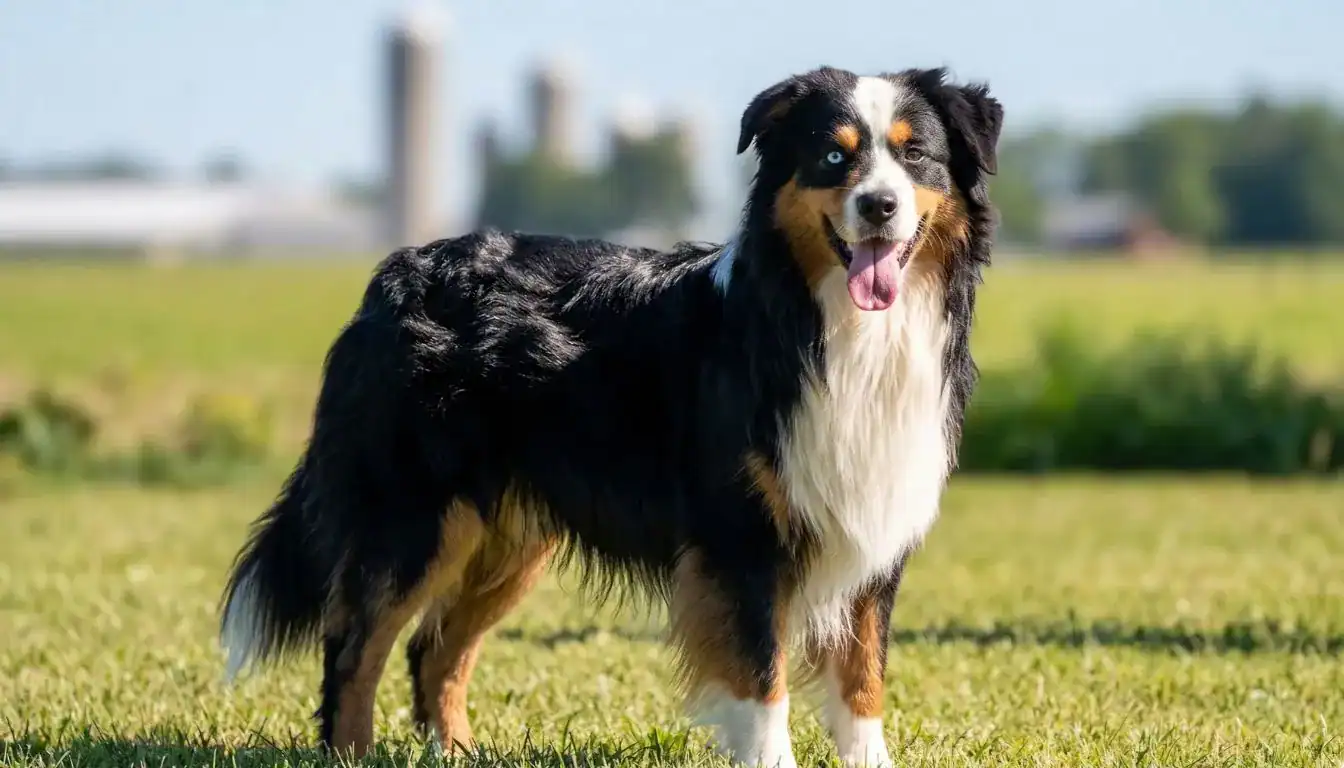
The Miniature American Shepherd looks exactly like a scaled-down version of the Australian Shepherd. Many people buy them expecting a calm, decorative companion perfectly suited for apartment living without extra effort.
This is often a massive mistake. This energetic dog breed packs the exact same intense working drive as its larger ancestors into a much smaller frame.
This guide combines two decades of working-dog experience with official breed standards and field trial records. It outlines exactly what this highly intelligent and physically demanding herding dog requires to thrive in a modern household.
Affiliate Disclosure: K9Sphere is a participant in the Amazon Services LLC Associates Program. As an Amazon Associate, I earn from qualifying purchases made through links in this article at no extra cost to you.
All About Miniature American Shepherd
📊 Vitals and Life Span
Height
13-18 inches (33-46 cm)
Weight
20-40 lb (9-18 kg)
Life Expectancy
12-13 years
AKC Group
Herding Group
Origin
United States
🇺🇸
In practice, the lifespan of a healthy Miniature American Shepherd often ranges into the low to mid‑teens when they receive good veterinary care and sensible exercise.
⭐ Personality Traits
Ratings (1 to 5). This is an intense, high-drive herding breed.
History and Origins
The history of the Miniature American Shepherd begins in California during the late 1960s. Breeders intentionally selected small Australian Shepherds working the equestrian circuit to create a more compact herding dog. These smaller dogs retained the impressive agility and intelligence of their ancestors.
For decades, breed enthusiasts knew them exclusively as the Miniature Australian Shepherd. Their compact size made them incredibly popular among travelers and rodeo competitors who needed a robust dog that could easily ride in horse trailers.
The American Kennel Club officially recognized the breed in 2015 under its current name. Today the official parent club is the Miniature American Shepherd Club of the USA, which represents the breed with the American Kennel Club and educates pet parents and breeders about responsible practices.
📌 1960s: Rodeo Roots
Breeders began selectively breeding the smallest working Australian Shepherds found on the US rodeo circuit to create a compact, travel-friendly herding dog.
📌 1990s: Breed Club Formation
Enthusiasts formed the MASCUSA to protect the health and structure of this small herding dog while maintaining its high working drive.
📌 2015: AKC Recognition
The AKC formally recognized the breed in the Herding Group as the Miniature American Shepherd. They officially became a separate breed from the Australian Shepherd.
In simple terms, this herding dog breed is a compact worker developed from Australian Shepherd ancestors. The breed is known for keeping the brain and endurance of a full‑sized Aussie in a smaller package that travels easily.
Physical Characteristics
The Miniature American Shepherd is a small herding dog, solidly built but compact enough to ride in trailers and travel with horse owners.
📏 Size and Build
The Miniature American Shepherd stands 13–18 inches tall at the shoulder (33–46 cm), so the American Shepherd stands 13–18 inches high while still looking like a serious stock dog. They typically weigh between 20 and 40 lb (9-18 kg). They are slightly longer than they are tall, providing exceptional balance and speed.
🎨 Coat and Eyes
Their weather-resistant double coat comes in black, blue merle, red, and red merle. They often possess striking eye colors. It is completely normal for a dog’s eyes to be different colors or to feature marbling within a single eye.
💡 The “Mini Aussie” Myth
The reality: Many people still search for a “Mini Aussie” puppy. While they share Australian Shepherd ancestors, the Miniature American Shepherd is now a completely separate breed, recognized by the AKC as a smaller version of the Australian‑type herding dog with its own standard.
Temperament
This is a brilliant, highly trainable dog that forms intense bonds with its family. To stay a well‑behaved dog, it needs heavy mental and physical work every single day, not just casual walks.
Anyone considering this breed as a potential dog for their home must genuinely enjoy training and interacting with smart, energetic dogs that always want a job.
🧠 Mental Athletes
They are incredibly smart and learn commands almost instantly. A dog in need of mental stimulation will often invent their own games, which can sometimes involve destructive chewing or obsessive behaviors.
⚡ The Herding Instinct
They carry strong herding instincts despite their small size. They will frequently attempt to herd small children, moving bicycles, and household pets. This behavior requires firm redirection early in life.
📢 Vocal Watchdogs
They are highly observant and will alert you to anything unusual. Barking excessively can become a serious problem if they are left alone in a yard without human interaction.
🛡️ Stranger Aloofness
Unlike a Golden Retriever, this breed is naturally reserved around new people. They are not aggressive, but they prefer to assess strangers from a distance before engaging.
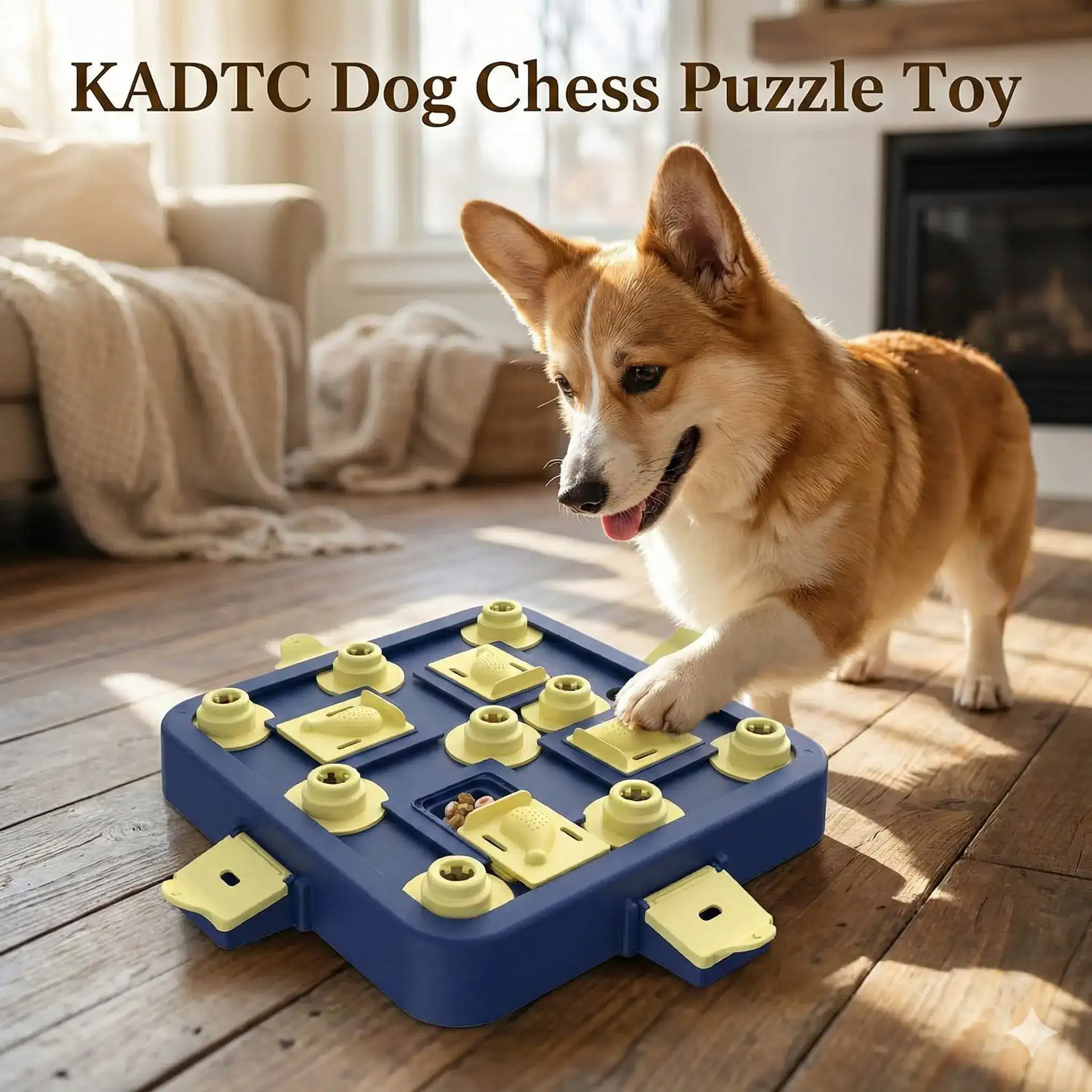
KADTC Dog Chess Puzzle Toy
Use for: Providing intense mental stimulation to this highly intelligent herding breed. Keeping their active brains busy helps prevent destructive chewing and obsessive behaviors.
View on AmazonHealth Considerations
⚕️ Veterinary Disclaimer: The information provided in this article is for educational purposes only and is not intended as a substitute for professional veterinary advice, diagnosis, or treatment. Always consult a licensed veterinarian for any health concerns about your pet.
📋 Health Information Sources: Health data compiled from:
Always consult your licensed DVM for personalized medical advice.
This is a generally healthy breed with a robust life expectancy. However, the breed is at risk for specific genetic conditions, including MDR1 and PRA. You must purchase puppies from breeders who actively screen their breeding stock using modern DNA tests.
🔴 MDR1 Gene Mutation
What it actually is: A severe genetic mutation common in herding breeds that causes dangerous sensitivities to common veterinary drugs, including certain heartworm preventatives and anesthetics.
Screening: A simple DNA test identifies whether a dog carries this mutation. Responsible breeders will provide this status upfront.
Management: If a dog is diagnosed with the MDR1 mutation, your veterinarian must alter their medication protocols for the rest of their life to prevent potentially fatal reactions.
🟡 Hereditary Eye Conditions
What to watch for: This breed is vulnerable to inherited eye conditions such as progressive retinal atrophy (PRA) and collie eye anomaly, both potentially leading to blindness. Iris coloboma is also a concern in merle-colored dogs.
Screening: Parent dogs should receive annual eye clearances from a board-certified veterinary ophthalmologist.
🟡 Joint Problems
What to watch for: Active dogs put significant stress on their joints. Hip dysplasia and luxating patella (slipping kneecaps) occur in the breed.
Screening: Verify passing OFA evaluations for hips and patellas on both parents before committing to a puppy. Many owners also use joint-support supplements under a vet’s guidance.
Protecting the Miniature American Shepherd’s joints and eyes starts with health‑tested parents and continues with sensible exercise on good footing throughout life.
General Care
🏃 Exercise Needs
You must exercise this breed every day; these are not casual pets but dogs that need serious jobs, such as hiking, running, or advanced training games, to stay sane.
✂️ Grooming the Double Coat
The Miniature American Shepherd has a medium-length double coat that requires consistent maintenance. They shed moderately year-round and heavily during seasonal changes.
You should brush them at least weekly to prevent severe matting, especially behind the ears and around the hindquarters. During shedding season, daily brushing becomes highly recommended to manage the sheer volume of hair.
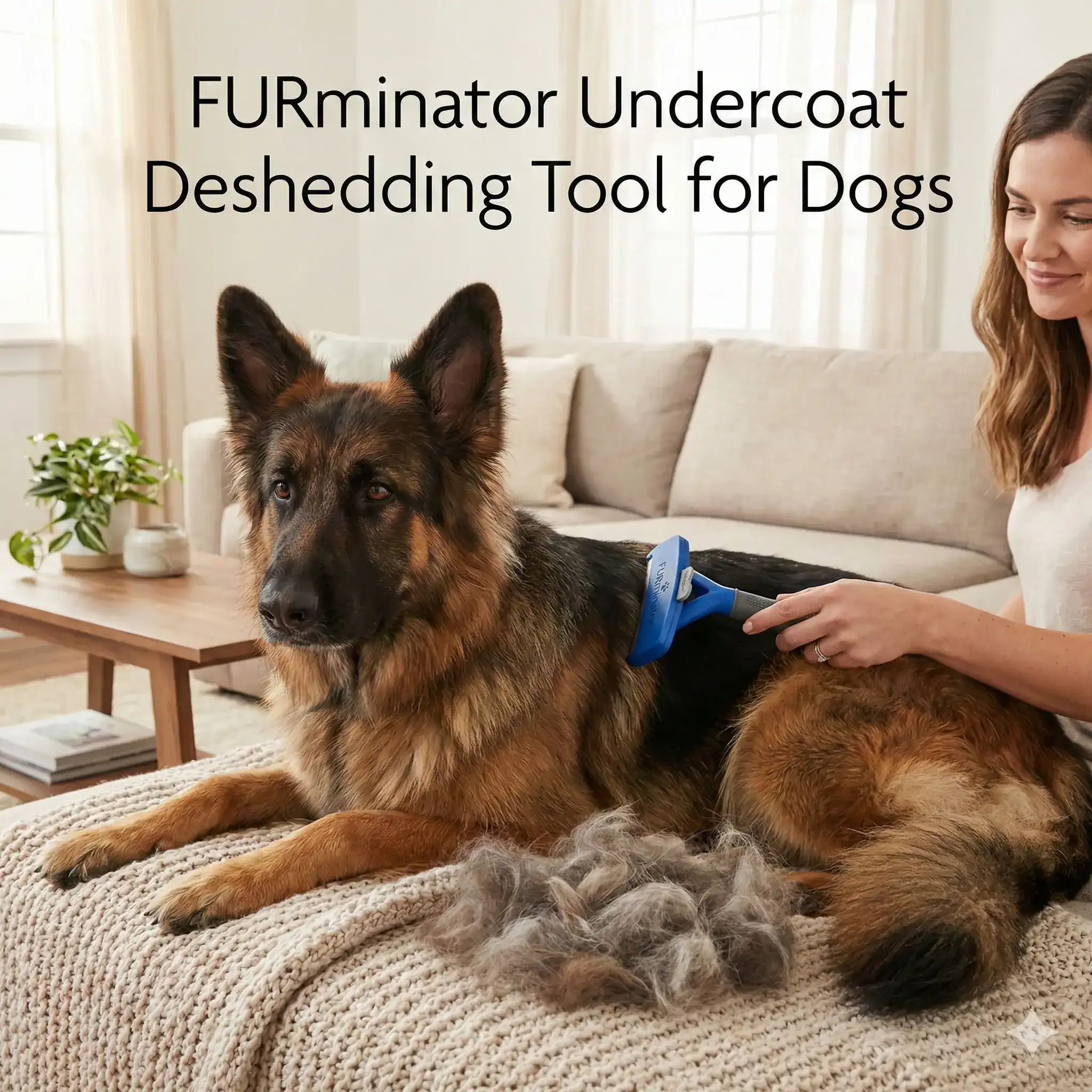
FURminator Undercoat Deshedding Tool for Dogs
Use for: Safely pulling dead undercoat hair from deep within this breed’s dense double coat before it covers your furniture.
View on AmazonNutrition & Diet
High-energy dogs burn calories quickly, but their small size means portions must be strictly controlled. Always weigh their daily food rather than estimating amounts, and read dog food packaging carefully so you can match calories to your dog’s activity level.
🐶 Puppy Stage: Feed a high-quality, AAFCO-approved dog food designed for small to medium breeds. Proper calcium ratios may help support steady growth and joint development.
🐕 Adult Stage: Active adults thrive on performance or active-breed diets rich in lean proteins. If your dog eats too quickly, consider using a slow feeder bowl to support healthy digestion.
🐕🦺 Senior Stage: As their metabolism slows down, transition to a senior formula. Adding a high-quality omega-3 fish oil supplement may help support cognitive function and joint health as they age, when used under veterinary guidance.
Adjust portions for each dog as needed, watching body condition and energy rather than copying another dog’s exact meal size.
Training
This breed excels in nearly every canine activity imaginable. Their high trainability makes them frequent champions in dog sports like agility, flyball, rally obedience, and advanced obedience.
🎯 Essential Socialization
Because they are naturally reserved, early socialization is critical. Expose puppies to a wide variety of people, sounds, and environments before they reach 16 weeks of age. This prevents their natural caution from developing into fear-based reactivity.
🛡️ Managing the Herding Drive
You typically cannot train the herding instinct out of them; instead, you must redirect it. Teach strong recall and “leave it” commands immediately. Providing a designated outlet for their energy helps prevent them from nipping at the heels of running children.
When you pair fair rules with plenty of outlets, this intense little shepherd turns into a calm, well‑behaved dog in the house and a rocket on the field.
Common Questions About the Miniature American Shepherd
Are they the same as a Mini Aussie?
Direct Answer: No. They are recognized as a completely separate breed.
Context: While they share early ancestors and physical traits, the AKC recognized them as distinct in 2015. They have their own standard and parent club.
Management: Always refer to them by their proper name when speaking to reputable breeders. Calling them Mini Aussies often signals you are dealing with a backyard breeder.
Do they bark excessively?
Direct Answer: Yes, they are generally highly vocal.
Context: Herding breeds use their voices to control livestock and alert their owners to changes in the environment. They are quick to sound the alarm.
Management: Teach a “quiet” command early. Ensure they receive adequate physical exercise, as bored dogs are much more likely to bark at everything.
Are they good for apartment living?
Direct Answer: Generally, yes, but only if you are incredibly active outside the home.
Context: Their small size fits comfortably in an apartment, but their energy level does not. They require a massive time commitment for outdoor exercise.
Management: If you live in an apartment, commit to two long walks and a rigorous training session at a park every single day.
How much does a puppy cost?
Direct Answer: Expect to pay between $1,500 and $3,000 for a well-bred puppy.
Context: The cost typically reflects the extensive genetic health testing (like MDR1 and eye screenings) required to produce healthy litters.
Management: Never bargain hunt for this breed. Cheap puppies often carry severe genetic defects that can cost thousands in veterinary bills later.
Do they shed a lot?
Direct Answer: Yes, they typically shed moderately year-round and blow their coat twice a year.
Context: Their weather-resistant double coat requires frequent maintenance. You will likely find dog hair on your clothes and furniture constantly.
Management: Invest in high-quality grooming tools and brush them thoroughly at least twice a week.
Are they good with children?
Direct Answer: Generally yes, if raised with them and properly supervised.
Context: They are affectionately devoted to their families. However, their herding instinct may trigger them to chase or nip at running kids.
Management: Teach children how to interact respectfully. Correct the dog immediately if it attempts to herd family members.
What is the MDR1 gene mutation?
Direct Answer: A genetic defect causing dangerous reactions to common medications.
Context: Dogs with this mutation lack a specific protein that protects the brain from certain drugs, including ivermectin (used in heartworm meds) and anesthetics. The breed is at high risk and should be tested.
Management: Demand MDR1 DNA test results from the breeder. If your dog carries the mutation, your vet must permanently adjust their medication protocols.
Are they difficult to train?
Direct Answer: Typically no, they are exceptionally easy to train.
Context: They are one of the smartest breeds available. They usually pick up new commands with very few repetitions.
Management: Use positive reinforcement. Their intelligence means they learn bad habits just as quickly as good ones, so consistency is mandatory.
Miniature American Shepherd: Quick Reference
| Attribute | Miniature American Shepherd | Best For | Not Ideal For |
|---|---|---|---|
| Exercise | 1-2 Hours Daily | Runners, Hikers, Athletes | Sedentary Owners |
| Trainability | Exceptional | Dog Sports Enthusiasts | Hands-off Owners |
| Shedding | Moderate to High | Daily Brushers | Clean Freaks |
| Mental Needs | Intense | Active Engaged Families | Busy Professionals |
Finding a Puppy
Finding a healthy puppy requires strict diligence and a willingness to walk away from flashy but careless shepherd breeders who focus only on coat color. Because they are highly sought after, unscrupulous breeders frequently cut corners on expensive genetic testing.
🔬 The Responsible Breeder
A reputable breeder registered with the Miniature American Shepherd Club of the USA or similar shepherd club of America for herding breeds will proudly show you OFA joint clearances and MDR1 DNA test results. They will interview you extensively to ensure you understand the breed’s energy demands before placing a puppy in your home.
🏠 Rescue and Adoption
Many of these dogs end up in rescue simply because their owners bought a “cute small dog” without realizing it possessed the engine of a working farm dog. Look for breed-specific herding rescues. Adopting an adult allows you to bypass the destructive puppy phase entirely.
🚩 Red Flags When Buying This Breed
- Breeder advertises them as “Mini Aussies” without mentioning the Mini American Shepherd or the AKC‑recognized Miniature American Shepherd breed
- Puppies are sold as a vague “mini Aussie mix” with no clear information about parent breeds or health testing
- No verifiable MDR1 or progressive retinal atrophy DNA test records
- Puppies are sold primarily on coat color or eye color
- Breeder promises a “calm, low-energy” herding puppy
- No questions asked about your fencing or exercise lifestyle
Personal Observation
💭 Personal Observation
When my rescue Rambo arrived abandoned in July 2022, his raw, unchanneled energy showed me exactly what happens when a high-drive dog lacks structure. Even today, at four years old, his athletic stamina is staggering. He runs alongside my bicycle for a full kilometer without breaking his pace. The Miniature American Shepherd possesses that exact same relentless working-breed stamina, amplified by generations of herding genetics. You cannot just put them in a backyard and expect them to settle down. If you do not provide intense physical outlets and structured mental work, their intelligence will quickly turn into destructive, obsessive behavior.
So, Should You Get a Miniature American Shepherd?
The Miniature American Shepherd is a brilliant, highly capable canine athlete. They offer the intelligence and loyalty of a large herding dog in a conveniently compact package.
However, they are absolutely not a low-maintenance pet. They typically require serious time commitments for daily exercise, advanced training, and consistent grooming.
If you enjoy dog sports, hiking, and active outdoor adventures, this breed makes an unmatched companion. If you prefer a quiet lap dog that only needs short walks, this intense working breed will likely drive you completely crazy.
For pet parents who love dog sports, hiking, and daily training, meeting the Miniature American Shepherd needs for work and connection can be incredibly rewarding. If that lifestyle does not appeal to you, this is not the right dog.
Disclaimer: This article is for informational and educational purposes only. It does not constitute veterinary advice, medical diagnosis, or treatment recommendations. Always consult a licensed veterinarian before making health-related decisions for your pet. Product recommendations are based on the author’s research and experience; individual results may vary. As an Amazon Associate, K9Sphere earns from qualifying purchases at no additional cost to you.


