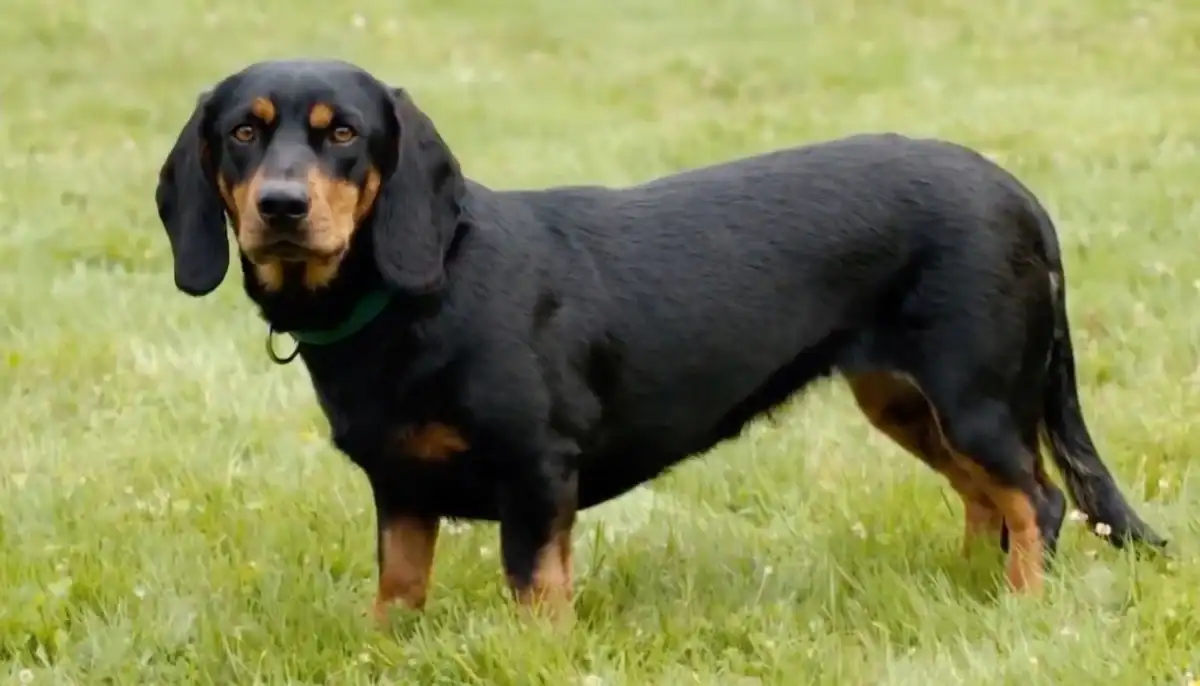
The Blue Picardy Spaniel is a French sporting breed developed in the Somme river valley as a versatile pointing dog and determined water retriever.
This handsome gun dog combines the endurance of a field hunter with a famously gentle temperament inside the home. Properly socialized Blue Picardy Spaniels become devoted family members that switch easily from intense outdoor activity to quiet indoor relaxation.
This guide draws its dog breed information from FCI and Canadian Kennel Club breed-standard data, field trial observations, and veterinary health screening protocols to present an accurate picture of what ownership involves.
Daily commitments include over an hour of rigorous field exercise, consistent brush maintenance for their feathered coat, and structured obedience work. Households that provide this level of activity are rewarded with an exceptionally eager and intelligent partner.
Households expecting a low-maintenance pet or lacking a secure outdoor area should review the exercise demands honestly before deciding. The breed rewards active owners who match its needs and challenges those who expect a sedentary companion.
Affiliate Disclosure: K9Sphere participates in the Amazon Services LLC Associates Program and other affiliate programs. K9Sphere earns from qualifying purchases made through links in this article at no additional cost to you. Product recommendations are based on independent research and editorial judgment, not paid placement.
Breed Snapshot
📊 Vitals and Lifespan
Height
22 to 24 in (57 to 60 cm)
Weight
43 to 45 lb (19 to 20 kg)
Lifespan
12 to 14 years
Breed Group
Sporting Group
Origin
France
🇫🇷
⭐ Personality Traits
Ratings (1 to 5). This athletic pointing dog balances intense field drive with a quiet indoor nature.
History and Origin
The history of the Blue Picardy Spaniel centers on the wetlands and marshes of the Somme river valley. Local hunters developed dogs in the Picardy area to locate game birds in dense, wet brush.
📌 19th Century: Foundation Crosses
Following relaxed hunting laws after the French Revolution, British hunters frequently visited northwestern France. They brought their English Setter dogs with them and housed them in local kennels. These setters were bred with the older Picard Spaniel, merging setter elegance with robust local spaniel stamina.
📌 1907: Distinguishing the Types
The resulting offspring were originally grouped under a single category. By the early 20th century, breeders recognized the distinct grayish-black speckled coat. The two Picardy breeds were formally separated into the standard brown Picardy and the specific blue-hued variant.
📌 1938: Official Club Formed
The Blue Picardy Spaniel club was established in France to protect the breed standard. They focused heavily on preserving the dog’s exceptional scent abilities and gentle nature.
📌 Modern Era: International Spread
While still considered rare globally, the breed gained traction in Canada as a reliable hunting companion. The Canadian Kennel Club officially recognized the breed, securing its place in modern dog sports and field work.
Physical Characteristics
The Blue Picardy Spaniel is a medium-sized gun dog with an elegant yet muscular build. The Picardy Spaniel’s frame sits fairly low to the ground but retains the long legs needed for speed across marshland.
🎨 The Blue Coat
The “blue” is not a blue gene at all. It is roan: black and white hairs mixed so densely that the coat reads grey-blue from a distance. There is no colour dilution involved, which is what separates a roan from a genuinely dilute dog such as a Weimaraner. The coat is flat or slightly wavy, with feathering on the ears, the back of the legs, and the underside of the tail.
🏗️ Setter-Like Build
Roan puppies are born with clear, open white markings that gradually fill in with flecking over the following weeks and darken with age, so a litter looks considerably paler than the adults it will produce. They possess a long, broad head with low-set drop ears. Their structure heavily reflects their English Setter ancestry. They lack the bulky chest of a retriever, favoring a streamlined torso that allows for tireless running and swift swimming.
Character and Temperament
The personality of the Blue Picardy balances high field drive with deep affection inside the home. They are famously sweet-natured and patient, making them excellent family dogs.
🛡️ Gentle Companionship
Blue Picardies bond closely with their owners and generally welcome strangers warmly. They show exceptional patience with children. A Blue Picardy rarely acts aggressive unless profoundly undersocialized or frightened.
🐕 Focused Hunter
In the field, their intelligence shines. Like other French spaniel breeds, this is a pointing dog rather than a flushing one, so it freezes and holds the bird instead of driving it up the way an English Springer would. They work methodically to scent and point birds. Their prey instinct is powerful outdoors, meaning off-leash walks in unsecured areas require absolute recall reliability.
🧠 Eager Trainability
Unlike more independent scent hounds or terriers, they genuinely want to please their handler. They respond swiftly to positive reinforcement. Heavy-handed corrections cause them to shut down completely.
🔊 Quiet Demeanor
They are not prone to nuisance barking. A Blue Picardy will alert you when someone arrives, but they quickly settle back down. They reserve their focus for tracking rather than guarding.
Screening and Conditions
Veterinary Disclaimer: The information in this article is for educational purposes only and is not a substitute for professional veterinary advice, diagnosis, or treatment. K9Sphere’s authors are experienced dog owners, not licensed veterinarians. Always consult a qualified DVM regarding any health concerns about your pet. Never disregard professional veterinary advice or delay seeking it because of something you have read on this site.
Health Information Sources: Data compiled from:
- Fédération Cynologique Internationale (FCI): breed standard
- Canadian Kennel Club (CKC): breed recognition and standard
- Orthopedic Foundation for Animals (OFA): hip and eye screening protocols
Always consult your licensed DVM for personalized medical advice.
This dog breed enjoys good overall health, benefiting from a working history that prioritized physical resilience. Published breed-specific health data are limited compared with more common breeds, so the concerns below reflect the screening any sporting dog of this build warrants.
Common Health Risks
🔴 Hip Dysplasia
What to watch for: Stiffness after long runs, a bunny-hopping gait, or reluctance to jump into a vehicle. This joint malformation accelerates painful arthritis in active dogs.
Screening: Ask whether parent dogs were evaluated through OFA or PennHIP and request the documentation. Keeping the dog lean throughout its life significantly reduces joint stress.
🟡 Ear Infections
What to watch for: Head shaking, scratching at the ears, or a strong odor. The heavy, feathered drop ears restrict airflow, creating a dark, moist environment ideal for yeast and bacteria.
Screening: Inspect and dry the ears thoroughly after every swimming session or rainy walk. Use a vet-approved cleaning solution weekly.
🟡 Eyelid Abnormalities (Entropion)
What to watch for: Excessive tearing, squinting, or pawing at the face. In some lines, the eyelid rolls inward, causing eyelashes to scratch the cornea.
Screening: Simple veterinary observation identifies the problem early. Mild cases require monitoring, while severe cases are resolved with a routine surgical correction.
Grooming and Coat Care
Proper Picardy Spaniel grooming prevents the long feathering from turning into painful mats. Use a slicker brush and a metal comb at least twice a week to clear debris trapped during walks. Pay special attention to the hair behind the ears, under the belly, and along the back of the legs.
They shed moderately year-round, so an appropriate grooming brush makes the routine faster. Bathing is only required when the dog rolls in something foul or becomes excessively muddy. Frequent washing damages the coat’s natural weather resistance. Ensure nails are trimmed short to maintain a proper running gait.

Oxyfresh Premium Pet Dental Care Water Additive
Use for: Daily dental maintenance for dogs that resist brushing. It is added to the water bowl as a supplement to, not a replacement for, tooth brushing and professional veterinary dental care.
Check price on AmazonExercise and Living Needs
As a dedicated sporting dog, they require significant daily activity to remain calm indoors. The exercise requirement is 60 to 90 minutes of vigorous work every day. They thrive on off-leash running, retrieving games, and long hikes.
They possess an innate love for water and will gladly swim for hours. Access to a securely fenced yard allows them to stretch their legs between formal exercise sessions. Confining this breed to a small apartment without massive daily outdoor commitments leads to boredom and anxiety.
Nutrition & Diet
Working dogs need a diet that matches their energy output. A high-quality kibble rich in animal protein supports their muscle recovery. Measure feeding portions carefully using a standard cup to prevent weight gain during periods of low activity.
If you use the dog heavily during hunting season, transition to a performance formula with higher fat content to sustain their stamina. Always drop the caloric density back to maintenance levels when the season ends. Some owners of hard-running sporting dogs also add a daily hip and joint supplement after discussing dosage with their veterinarian.

Nutramax Dasuquin with MSM Soft Chews
Use for: A commonly used joint supplement for hard-running sporting dogs. Supplements do not replace weight management, appropriate exercise, or veterinary diagnosis of lameness, so discuss use and dosage with your vet.
Check price on AmazonTraining
Training this breed requires a gentle but consistent hand. Their eagerness to please makes obedience training highly rewarding. They learn complex commands quickly but wilt under harsh yelling or physical corrections.
Use positive reinforcement and short, engaging sessions to build a strong bond. Focus heavily on recall training early. When their nose catches an interesting scent in the field, a solid recall foundation ensures they return safely.
Blue Picardy Spaniel vs Brittany vs Boykin Spaniel vs German Shorthaired Pointer
Prospective owners researching versatile bird dogs usually weigh the Blue Picardy against the Brittany, the Boykin Spaniel, and the German Shorthaired Pointer. The Picardy came out of the Somme river valley, while the Brittany was developed in a different French region entirely, and the differences run deeper than geography.
| Attribute | Blue Picardy Spaniel | Brittany | Boykin Spaniel | German Shorthaired Pointer |
|---|---|---|---|---|
| Weight | 43 to 45 lb | 30 to 40 lb | 25 to 40 lb | 45 to 70 lb |
| Original Purpose | Pointing and retrieving | Pointing bird dog | Flushing and retrieving | All-round pointing and retrieving |
| Energy Type | Steady endurance | Tireless running | Enthusiastic swimmer | Very high, athletic |
| Trainability | Eager, sensitive | Eager, sensitive | Highly trainable | Highly trainable |
| Grooming | Weekly brush, feathering | Weekly brush | Weekly brush | Minimal, short coat |
| Threat Response | Quiet observation | Friendly alert bark | Alert bark | Alert, watchful |
| First-Time Owner? | If highly active | If highly active | Yes, capable handler | No, needs experience |
| Common Health Risks | Hip dysplasia, ear infections | Hip dysplasia, epilepsy | Hip dysplasia, exercise collapse | Hip dysplasia, bloat |
| Living Space | House with yard | House with secure yard | House with yard | House with secure yard |
The Brittany is smaller and more intensely energetic than the Picardy, while the German Shorthaired Pointer is the big, wide-ranging one and needs a more experienced handler. The Blue Picardy sits between them, working closer to the gun with a calmer indoor temperament. If water work matters most, the American Water Spaniel and the Chesapeake Bay Retriever are worth comparing too.
Common Questions about the Blue Picardy Spaniel
How much does a Blue Picardy Spaniel cost?
Direct Answer: As an approximate, time-sensitive guide (as of 2026), expect roughly USD 1,200 to 2,500 for a well-bred puppy.
Context: Prices vary by breeder, location, pedigree, and availability. Because the breed remains rare outside France and Canada, securing a puppy often involves import fees and long waiting lists.
Management: Budget for quality food and routine veterinary care, and be ready to support an active sporting dog for over a decade.
Are they good family dogs?
Direct Answer: Yes, they are exceptional family companions known for their sweet and patient nature.
Context: They thrive on human interaction and form close bonds with household members. Their gentle demeanor makes them highly tolerant of respectful children.
Management: Provide plenty of daily exercise. A tired sporting dog is a calm and affectionate indoor pet.
Are Blue Picardy Spaniels good for first-time owners?
Direct Answer: Yes, provided the owner is genuinely active and prepared for daily field-level exercise.
Context: Their soft, biddable temperament forgives training mistakes far more than an independent hound would, so the challenge is stamina rather than handling.
Management: Be honest about your routine before committing. The breed suits a first-time owner who runs, hikes, or hunts, not one looking for a low-effort pet.
Do they shed a lot?
Direct Answer: They are moderate shedders that require consistent grooming to manage their coat.
Context: They do not blow a heavy undercoat like a Husky, but the feathered sections collect debris and drop noticeable fur around the house.
Management: Brush at least twice a week to remove dead hair and prevent mats forming on the legs and ears.
What is the difference between a Picardy Spaniel and a Blue Picardy Spaniel?
Direct Answer: The primary difference is coat color and the infusion of English Setter blood in the Blue variant.
Context: The traditional Picardy features a brown and white roan coat. The Blue Picardy resulted from crossing the traditional Picard with setters, creating the grayish-black speckled coat that looks blue.
Management: Both require similar exercise and training, so the choice comes down to availability and appearance.
Are they rare in the United States?
Direct Answer: Yes, they are highly uncommon in the US and are not fully recognized by the American Kennel Club.
Context: They enjoy greater popularity in France and Canada, where they are recognized by the Canadian Kennel Club and the FCI.
Management: Prospective US owners must seek out dedicated breed enthusiasts or look toward Canadian breeders to find a puppy.
How much exercise do they need?
Direct Answer: They need 60 to 90 minutes of vigorous daily exercise to stay healthy and settled.
Context: A quick walk around the neighborhood will not satisfy their stamina. They were bred to work marshland all day.
Management: Incorporate long hikes, fetching games, and swimming sessions into your daily routine.
Do they like to swim?
Direct Answer: Yes, they are enthusiastic swimmers bred specifically for working in wetlands.
Context: Their coat provides good protection in the water, making them natural retrievers for waterfowl hunters.
Management: Always dry their heavy drop ears thoroughly after a swim to prevent trapped moisture causing ear infections.
Are they easy to train?
Direct Answer: Yes, they are highly intelligent and eager to please, making them responsive students.
Context: They possess a soft temperament. They thrive under positive reinforcement but will shut down if treated harshly or yelled at.
Management: Keep training sessions upbeat and rewarding, focusing on clear communication and consistent boundaries.
Do they bark a lot?
Direct Answer: No, they are generally quiet dogs that only bark to alert you to something unusual.
Context: They are field dogs, not guard dogs. Their energy goes toward tracking scents rather than guarding the property line.
Management: If nuisance barking develops, it is almost always a sign of boredom and inadequate exercise.
Can they live in an apartment?
Direct Answer: It is possible but highly challenging, requiring massive daily effort from the owner.
Context: Their size and high energy levels make confined living spaces difficult without a dedicated outdoor routine.
Management: Commit to multiple long runs and off-leash play sessions every day, regardless of weather.
Finding a Puppy
Finding Blue Picardy puppies requires patience. Because they are among the genuinely rare dog breeds outside France and Canada, expect to join a waiting list. Look for a breeder who actively works their dogs in the field and provides thorough health clearances for hips and eyes.
🏠 Reputable Breeders
A responsible breeder asks detailed questions about your lifestyle to confirm you can meet the exercise demands, and provides documentation for hip and eye evaluations on both parents. Canadian breeders are often the most accessible route for North American buyers.
🐾 Rescue and Adoption
Breed-specific rescue is scarce for this breed, but adult dogs occasionally need rehoming through general sporting dog rescue networks. Adopting an adult lets you assess true energy level rather than guessing from a puppy.
🚩 Red Flags to Watch For
- Immediate availability with no health documentation for the parents.
- Anyone marketing the breed as a low-energy apartment companion.
- Parents demonstrating extreme fear or aggression.
- Refusal to allow you to inspect the whelping environment.
Personal Observation
💭 Personal Observation
Among my rescued street dogs, Rambo is the water dog. He loves water and throws himself into any puddle or stream he finds, and he runs alongside my bicycle with energy to spare. A Blue Picardy asks for that same water and that same distance, except it was purpose-built for it rather than making do.
Mun Mun sits at the other end. She shadows me room to room and shows real separation distress when left alone. That soft, people-bonded wiring is closer to a gun dog’s temperament than most people expect, and it is the part owners underestimate.
The lesson is simple. A sporting dog gives you a calm housemate only after the exercise is done. Skip the work and the same drive turns into pacing, chewing and frustration indoors.
Conclusion
The Blue Picardy Spaniel is an exceptional sporting dog that offers active handlers a willing, intelligent, and highly affectionate companion. They bring tireless energy to outdoor adventures while maintaining a calm, gentle presence inside the house.
The final verdict comes down to the daily commitment to exercise and grooming. Owners who provide vigorous activity and regular brush-outs will build an incredible bond with a striking, rare breed. Those seeking a low-maintenance lap dog will find the breed’s needs overwhelming.
📋 Before bringing one home, run this 4-step pre-buying check
- Exercise commitment. Can you guarantee 60 to 90 minutes of vigorous running or retrieving every day?
- Grooming reality. Are you prepared to brush their feathered coat multiple times a week to prevent matting?
- Time and training. Will you use gentle, positive reinforcement methods suited to a sensitive temperament?
- Living space fit. Do you have access to safe, open areas or a secure yard for off-leash running?
If any answer is no, reconsider the breed.
Editorial Disclaimer: This article is for informational and educational purposes only. It does not constitute veterinary advice, medical diagnosis, or treatment recommendations. Always consult a licensed veterinarian before making health-related decisions for your pet.
Accuracy Notice: While every effort has been made to ensure the information presented here is accurate and current, breed information evolves and individual dogs vary. If you spot a factual error or have updated information from a verified source, please contact us so we can review and update.
Product Disclosure: Product recommendations are based on independent research and editorial judgment. Individual results may vary. K9Sphere participates in the Amazon Services LLC Associates Program and other affiliate programs, and earns from qualifying purchases at no additional cost to you.
Last reviewed: September 2026. Article reviewed for accuracy on the date shown above.