
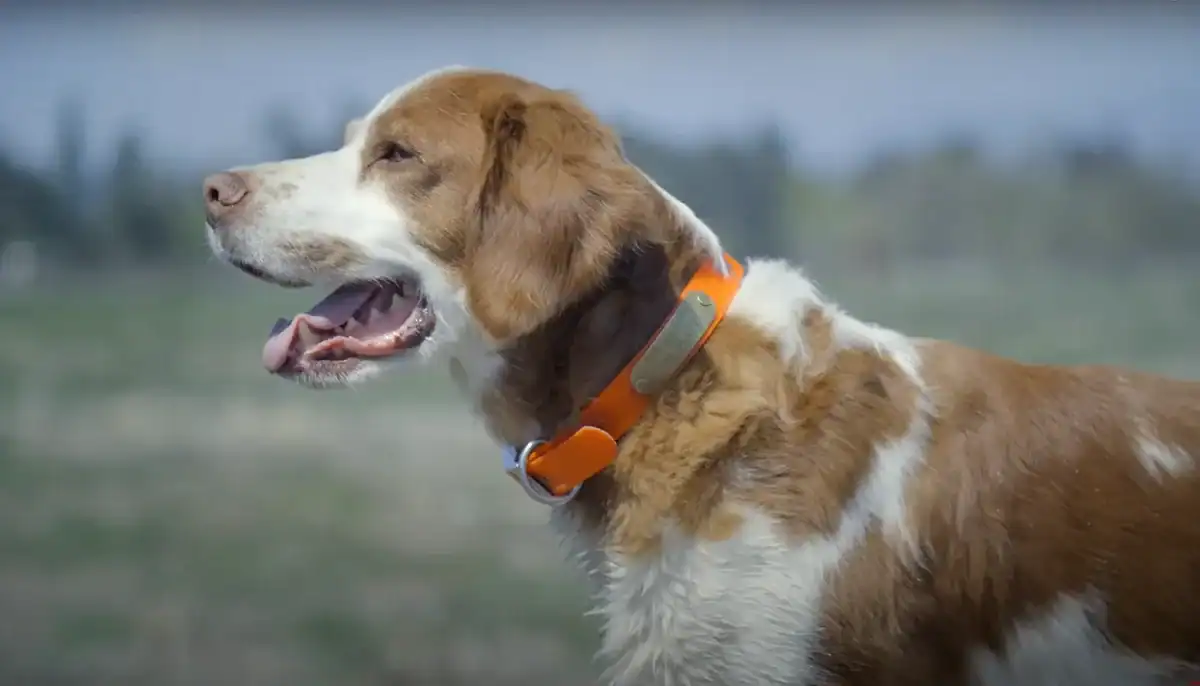
The Brittany Spaniel, registered simply as the Brittany since 1982, is a French sporting dog originally bred in the Brittany region as a versatile bird hunting companion.
What makes this active dog compelling is the combination of intense field energy and a deeply affectionate family temperament. Properly socialized Brittanys become eager partners capable of high endurance and deep loyalty.
This guide draws on American Kennel Club breed standard data, parent club health protocols, and veterinary literature to present an accurate picture of what ownership involves.
Daily commitments include extensive exercise, structured obedience work, and consistent mental activity to satisfy their drive. Households that provide this level of engagement are rewarded with a highly trainable, enthusiastic partner that thrives in an active home.
Households looking for a low-energy pet should review the demands honestly before deciding. The breed rewards active owners who match its needs and challenges those who expect a quiet couch companion.
Affiliate Disclosure: K9Sphere participates in the Amazon Services LLC Associates Program and other affiliate programs. K9Sphere earns from qualifying purchases made through links in this article at no additional cost to you. Product recommendations are based on independent research and editorial judgment, not paid placement.
Breed Snapshot
📊 Vitals and Lifespan
Height
17.5 to 20.5 in (44 to 52 cm)
Weight
30 to 40 lb (13 to 18 kg)
Lifespan
12 to 14 years
Breed Group
Sporting Group
Origin
France
🇫🇷
⭐ Personality Traits
Ratings (1 to 5). Full marks for energy and family devotion are deliberate, since this bird dog is a truly tireless runner that must live close to its people.
History and Origin
The history of the Brittany traces back to French provinces where local hunters needed an agile dog to navigate dense brush. The Brittany was bred by French sportsmen who required a versatile hunting dog capable of pointing and retrieving game efficiently.
📌 1800s: Foundation Crosses
Hunters in the Brittany region crossed local spaniels with English setters to increase their speed and scenting abilities. The goal was to create a dog that could work tirelessly in the field while maintaining a manageable size for easy transport.
📌 1907: First Breed Standard
The first official standard for the Brittany breed was written in France. Early enthusiasts recognized the unique pointing style that separated them from traditional flushing spaniels.
📌 1930s: Arrival in America
The breed arrived in the United States and quickly gained popularity among bird hunters. The American lines began to diverge slightly from the French lines, favoring a slightly taller, faster running dog for wide open spaces.
📌 1982: Name Change
The breed was formally known as the Brittany Spaniel until 1982. The AKC dropped the word spaniel because their working style resembles a setter rather than a true flushing spaniel. It is also known as the Brittany in modern registries, though European clubs often maintain the older title.
Physical Characteristics
The Brittany dog is a medium-sized athlete built for endurance and agility. They possess a compact, leggy frame that allows them to cover ground quickly without expending unnecessary energy.
🎨 The Coat
They sport a dense, flat or wavy coat that provides protection from briars in the field. The standard colors are orange and white or liver and white. Some dogs display heavy ticking patterns, making them appear roan. They lack the heavy feathering seen on other sporting breeds, which keeps field debris from accumulating.
🏗️ Structural Differences
Enthusiasts often distinguish between two types. The American Brittany standard prefers a slightly taller dog that covers open plains swiftly. The French Brittany maintains the original smaller frame and works closer to the hunter. Black markings are acceptable in the French standard but disqualify a dog in the American ring.
Character and Temperament
A Brittany is an intelligent partner in the field and a deeply affectionate companion at home. They thrive on physical exertion and mental challenges, meaning they rarely settle down until they have completed a job.
🛡️ Soft Personality
They are highly sensitive to their owner’s moods and corrections. Harsh training methods damage their confidence and cause them to shut down. They respond best to upbeat, positive reinforcement and a gentle but consistent handler.
🔥 Intense Energy
This is a hyper, tireless worker. An under-exercised Brittany will quickly develop behavioral problems ranging from destructive chewing to excessive barking. They require a rigorous daily outlet to remain balanced family dogs.
🐕 Separation Anxiety
They form intense bonds with their primary handlers and prefer constant companionship. Leaving them alone for long workdays often triggers severe separation distress, leading to howling and indoor destruction.
🧠 Strong Prey Drive
Bred to hunt birds, they possess an inherent drive to chase anything that moves. A secure yard is mandatory, and off-leash walks in unsecured areas are risky if their recall training is not absolute.
Screening and Conditions
Veterinary Disclaimer: The information in this article is for educational purposes only and is not a substitute for professional veterinary advice, diagnosis, or treatment. K9Sphere’s authors are experienced dog owners, not licensed veterinarians. Always consult a qualified DVM regarding any health concerns about your pet. Never disregard professional veterinary advice or delay seeking it because of something you have read on this site.
Health Information Sources: Data compiled from:
- American Kennel Club for breed information and the official standard
- American Brittany Club for parent-club health guidance
- Orthopedic Foundation for Animals (OFA) for joint and eye screening protocols
Always consult your licensed DVM for personalized medical advice.
Maintaining good dog health in this breed starts with sound genetics. They are generally healthy, but responsible screening remains essential before any breeding.
According to the American Brittany Club, all breeding Brittanys should receive an OFA or PennHIP hip evaluation and annual eye exams by a board-certified ACVO ophthalmologist from ages 2 to 8. They also need at least one additional screening from cardiac, elbow, or patellar luxation testing to qualify for a Canine Health Information Center (CHIC) number.
You can verify any dog’s results in the public OFA database before buying, and the full protocol appears in the American Brittany Club breeder health-check recommendations.
Common Inherited Conditions
🔴 Hip Dysplasia
What to watch for: Bunny-hopping gait, stiffness after exercise, or reluctance to jump. The hip joint forms improperly and wears down over time.
Screening: Responsible breeders evaluate both parents’ hips through the Orthopedic Foundation for Animals (OFA) before breeding. Keeping an active dog lean protects the joint long-term.
🟡 Epilepsy
What to watch for: Sudden seizures, collapsing, or unusual rhythmic movements, often starting between one and five years of age.
Management: Idiopathic epilepsy is often manageable with daily medication. Record any episode on video to help your vet reach an accurate diagnosis.
🟡 Hereditary Eye Conditions (CAER Screening)
What to watch for: Cloudiness, night-vision difficulty, or bumping into objects can signal hereditary cataracts or progressive retinal atrophy, both documented in the breed.
Screening: The American Brittany Club calls for annual CAER eye exams by a board-certified ACVO ophthalmologist from ages 2 to 8, with results registered through the OFA as part of the CHIC protocol.
🟡 Cleft Palate
What to watch for: Some puppies in this breed are born with an opening in the roof of the mouth, causing nursing difficulties and nasal discharge.
Screening: Veterinarians identify the defect during newborn examinations. Reputable breeders disclose any affected lines openly.
Grooming and Coat Care
The coat is refreshingly low-maintenance for a sporting breed. Brush them weekly to remove loose hair and check for burrs after field work. They shed moderately, with heavier drops during seasonal changes.
Check their pendant ears weekly, as the folded shape traps moisture and invites infections after swimming or rain. Trim nails monthly and bathe only when the coat is visibly dirty, since over-bathing strips protective oils.

Oxyfresh Premium Pet Dental Water Additive
Daily dental care is easier with an unflavored water additive. Added to the bowl between brushing sessions, it helps freshen breath and support gum health without needing cooperation from a busy, high-energy dog. It complements rather than replaces regular brushing and veterinary dental care.
Check price on AmazonExercise and Living Needs
Plan on at least one hour of hard exercise every day, and ideally more. A leashed neighborhood stroll does not count as real work for this breed. They need a lot of running, fetch sessions, swimming, or field time to burn their deep energy reserves.
They can adapt to suburban homes with secure yards, but they are a poor match for sedentary households. Successful Brittany owners treat daily exercise as a fixed appointment rather than an option. Canine sports like agility, dock diving, and hunt tests channel their athleticism productively.

FurHaven Orthopedic Dog Bed
An athlete that runs hard needs equally serious rest. A supportive orthopedic bed cushions the hips and elbows after long field sessions, which matters in a breed where hip dysplasia is the leading structural concern.
Check price on AmazonNutrition & Diet
Feed a high-quality dog food with strong protein content to fuel their muscle recovery. Active field dogs may need performance formulas during hunting season, then a calorie reduction during quieter months to prevent weight gain.
Split daily feeding into two servings. Monitor body condition closely, since an athletic frame hides extra pounds until they stress the joints. Fresh water must always be available after exercise sessions. On a complete diet they rarely need a supplement unless your veterinarian recommends one.
Training
Training a Brittany is a rewarding experience because they genuinely want to work with you. They learn commands rapidly and excel in obedience, agility, and field competition when handled with patience.
Keep sessions upbeat and varied. Their sensitive nature means a single harsh correction sets progress back further than a week of missed sessions. Early socialization prevents the timidity that occasionally appears in the breed. Early crate training also gives a young dog a calm place to settle after hard exercise.
Brittany vs Boykin Spaniel vs German Shorthaired Pointer vs Vizsla
Prospective owners often weigh several versatile bird dogs. The Boykin Spaniel is a smaller flushing dog with a calmer household presence. The German Shorthaired Pointer offers a larger frame and even greater running range. The Vizsla shares the velcro attachment style but carries a sleeker single coat.
| Attribute | Brittany | Boykin Spaniel | German Shorthaired Pointer | Vizsla |
|---|---|---|---|---|
| Weight | 30 to 40 lb | 25 to 40 lb | 45 to 70 lb | 44 to 60 lb |
| Original Purpose | Pointing and retrieving | Flushing and retrieving | Versatile pointing | Pointing and retrieving |
| Energy Type | Very high, tireless | High, moderate stamina | Very high, wide-ranging | Very high, endurance runner |
| Trainability | Eager, sensitive | Eager, biddable | Driven, needs firm structure | Eager, sensitive |
| Grooming | Weekly brush, moderate shed | Weekly brush, light trim | Minimal, short coat | Minimal, short coat |
| Threat Response | Alert bark, friendly | Alert bark, friendly | Alert bark, some guarding | Alert bark, friendly |
| First-Time Owner? | Active owners only | Active owners only | No | Active owners only |
| Common Health Risks | Hip dysplasia, epilepsy, eye conditions | Hip dysplasia, eye issues | Hip dysplasia, bloat | Hip dysplasia, epilepsy |
| Living Space | Home with secure yard | Flexible with exercise | Home with big yard | Home with secure yard |
The English Springer Spaniel is another frequent comparison, though it flushes game rather than pointing it. If you want the smallest pointing breed with maximum heart, the Brittany stands alone in its class.
Common Questions about the Brittany
How much does a Brittany cost?
Direct Answer: As an approximate, time-sensitive guide, expect to pay between USD 800 and USD 1,500 for a well-bred puppy. Prices vary by breeder, pedigree, and availability, and rates in the UK, Canada, and Australia differ.
Context: Field trial champion bloodlines command higher figures. The purchase amount is modest compared to lifetime expenses for food, gear, and veterinary care.
Management: Budget for quality food, preventive care, and possible sport or training fees from day one.
Are Brittanys good family dogs?
Direct Answer: Yes, they are affectionate, gentle with children, and eager to join every family activity.
Context: Their success depends entirely on exercise. A well-run Brittany is a calm housemate, while an under-exercised one is chaotic around small kids.
Management: Involve the whole family in walks, fetch, and training games to channel their enthusiasm safely.
Do Brittanys shed?
Direct Answer: Yes, they shed moderately year-round with heavier seasonal drops.
Context: Their medium-length coat releases hair steadily, though far less than double-coated breeds. Weekly brushing keeps most of it off the furniture.
Management: Increase brushing to several times weekly during spring and autumn coat changes.
Are Brittanys aggressive?
Direct Answer: No, Brittanys are not an aggressive breed. They were developed as gentle bird dogs that work closely with a handler, not as guard dogs.
Context: Their soft temperament makes harsh handling counterproductive, and a well-socialized Brittany stays friendly toward strangers and other dogs. Undersocialized lines sometimes show timidity, but true aggression is rare.
Management: Prioritize early socialization to prevent shyness. If any fear-based reactivity appears, work with a positive-reinforcement trainer promptly.
Do Brittanys bark a lot?
Direct Answer: No, they are not excessive barkers when they get enough exercise and mental work.
Context: A Brittany alert-barks when someone approaches but is not a territorial guard dog. Chronic barking usually signals under-exercise or separation distress rather than normal breed behavior.
Management: If barking becomes excessive, increase daily exercise first, then teach a quiet cue with positive reinforcement.
What is the difference between a French and American Brittany?
Direct Answer: The French Brittany is smaller and works closer to the hunter, while the American Brittany is taller and ranges wider in open country.
Context: Black coat markings are accepted in the French standard but disqualify a dog in the American show ring. Both share the same affectionate temperament.
Management: Choose the type that matches your hunting style or activity plans rather than appearance alone.
Is the Brittany a spaniel or a setter?
Direct Answer: Neither in function. It points game like a setter despite its spaniel ancestry, so the AKC dropped the word spaniel in 1982.
Context: True spaniels flush birds into flight, while the Brittany freezes on point. Its working style aligns with pointers and setters.
Management: Expect pointing instincts to appear in play, even in pet lines with no field training.
How much exercise does a Brittany need?
Direct Answer: At least one hour of vigorous activity daily, and ideally more.
Context: Casual leash walks do not satisfy their working stamina, and they do not tire on a normal neighborhood loop. They need running, retrieving, swimming, or structured dog sports.
Management: Split activity into morning and evening sessions, and add training games for mental work.
Are Brittanys good for first-time owners?
Direct Answer: Yes, but only for genuinely active first-time owners committed to daily exercise.
Context: They are forgiving, eager to please, and easy to train, which suits novices. Their energy, not their temperament, is the challenge.
Management: Be brutally honest about your activity level before committing to this breed.
Can a Brittany live in an apartment?
Direct Answer: It is possible but difficult, and only with an exceptional exercise commitment.
Context: They are quiet and clean indoors when fully exercised, but meeting that bar from an apartment demands multiple daily outings regardless of weather.
Management: A home with a secure yard suits this medium-sized dog far better than apartment life.
Do Brittanys have separation anxiety?
Direct Answer: Yes, the breed is strongly prone to separation distress when left alone for long periods.
Context: They bond intensely with their people and were never bred to work apart from a handler. Long solo workdays often produce howling and destruction.
Management: Build alone-time tolerance gradually from puppyhood, and arrange midday company or daycare for full workdays.
What is the Brittany lifespan?
Direct Answer: They typically live 12 to 14 years.
Context: This is excellent longevity for a sporting breed, supported by their generally sound genetics and athletic build.
Management: Keep them lean and active into their senior years, with annual wellness exams after age eight.
Finding a Puppy
Brittany puppies are widely available in North America thanks to the breed’s steady popularity with hunters and active families. Demand stays steady across the USA, and the American Brittany Club and the Brittany Spaniel Club of Canada maintain breeder directories worth consulting first. Both clubs are also the best places to learn more about the Brittany dog breed before searching for litters near you.
🏠 Reputable Breeders
A quality kennel provides OFA hip certifications and eye clearances for both parents. Expect questions about your activity level and plans for the dog, since good breeders match puppies to lifestyles.
🐾 Adoption and Rehoming
Brittany-specific rescue groups operate across the US and place dogs surrendered by overwhelmed owners. Adopting an adult lets you see the energy level and disposition you are actually taking home. National networks like American Brittany Rescue and NBRAN screen and rehome Britts nationwide.
🚩 Red Flags to Watch For
- No OFA hip or eye screening documentation for the parents.
- Sellers marketing the breed as a low-maintenance apartment pet.
- Parents showing extreme shyness or fear toward visitors.
- Litters offered for immediate sale without any screening questions.
- Refusal to let you meet the dam or see where the puppies are raised.
- Multiple litters available year-round, a sign of volume breeding.
❓ Questions to Ask the Breeder
- Can I see OFA hip and CAER eye results for both parents?
- Has epilepsy or cleft palate ever appeared in your lines?
- How do you socialize the litter before they go home?
- What is the temperament range across this litter?
- Do you breed for field, show, or companion homes?
- What health guarantee and return policy do you provide?
🔍 Questions a Good Breeder Asks You
- How much daily exercise can you realistically provide?
- Is someone home for most of the day?
- Do you have a securely fenced yard?
- Have you owned a high-energy sporting breed before?
- What is your plan if the placement does not work out?
A breeder who asks you nothing about your home is a warning sign, not a convenience.
Personal Observation
💭 Personal Observation
Two of my rescues map neatly onto this breed’s defining traits. My young Rambo happily runs alongside my bicycle and still comes home with fuel in the tank, and the Brittany carries that same tireless wiring in a smaller frame. Meanwhile Mun Mun shadows me from room to room and frets when I step out, the exact velcro attachment this breed is famous for.
That pattern lines up with what Brittany owners describe in breed communities. In a discussion on r/BrittanySpaniel, one owner reported their three-year-old Brittany still cannot be left alone for more than about 20 minutes without extreme distress and destructive behavior. That is not an outlier, but reflects the breed’s fundamental need for constant human companionship.
The takeaway for prospective owners is straightforward. If your lifestyle involves long workdays away or frequent solo travel, this breed will struggle, because Brittanys do not settle into isolation the way independent breeds do. They are purpose-built partners that need active, present owners able to match their physical and emotional intensity.
Conclusion
The Brittany rewards active owners who commit to the breed’s true needs. Families who treat daily exercise as a non-negotiable appointment discover a loyal, affectionate partner that thrives in an energetic household. That intense field stamina translates into years of hiking, running, and dog sports alongside an eager companion that never tires of working with you.
Prospective owners should weigh the daily reality honestly. A well-exercised Brittany is a calm, devoted housemate, while an under-exercised one becomes destructive, vocal, and anxious. The difference rests entirely on whether you can match their output every day, regardless of weather or schedule. If your household is sedentary, consider the calmer Boykin Spaniel instead.
For the right home, few breeds offer this combination of athleticism, trainability, and family devotion in a medium-sized package. What a Brittany needs most is simply a family that keeps up, and given the structure and activity this bird dog was bred for, it becomes the tireless partner you take everywhere.
📋 Before bringing one home, run this 4-step pre-buying check
- Activity honesty. Can you genuinely provide an hour or more of hard exercise every single day?
- Time at home. Is someone around most days, given their intense need for companionship?
- Secure containment. Do you have a fenced yard to manage a bird-obsessed chaser?
- Patience for sensitivity. Can you train with positive methods and skip harsh corrections entirely?
If any answer is no, reconsider the breed.
Editorial Disclaimer: This article is for informational and educational purposes only. It does not constitute veterinary advice, medical diagnosis, or treatment recommendations. Always consult a licensed veterinarian before making health-related decisions for your pet.
Accuracy Notice: While every effort has been made to ensure the information presented here is accurate and current, breed information evolves and individual dogs vary. If you spot a factual error or have updated information from a verified source, please contact us so we can review and update.
Product Disclosure: Product recommendations are based on independent research and editorial judgment. Individual results may vary. K9Sphere participates in the Amazon Services LLC Associates Program and other affiliate programs, and earns from qualifying purchases at no additional cost to you.
Last reviewed: July 2026. Article reviewed for accuracy on the date shown above.


