
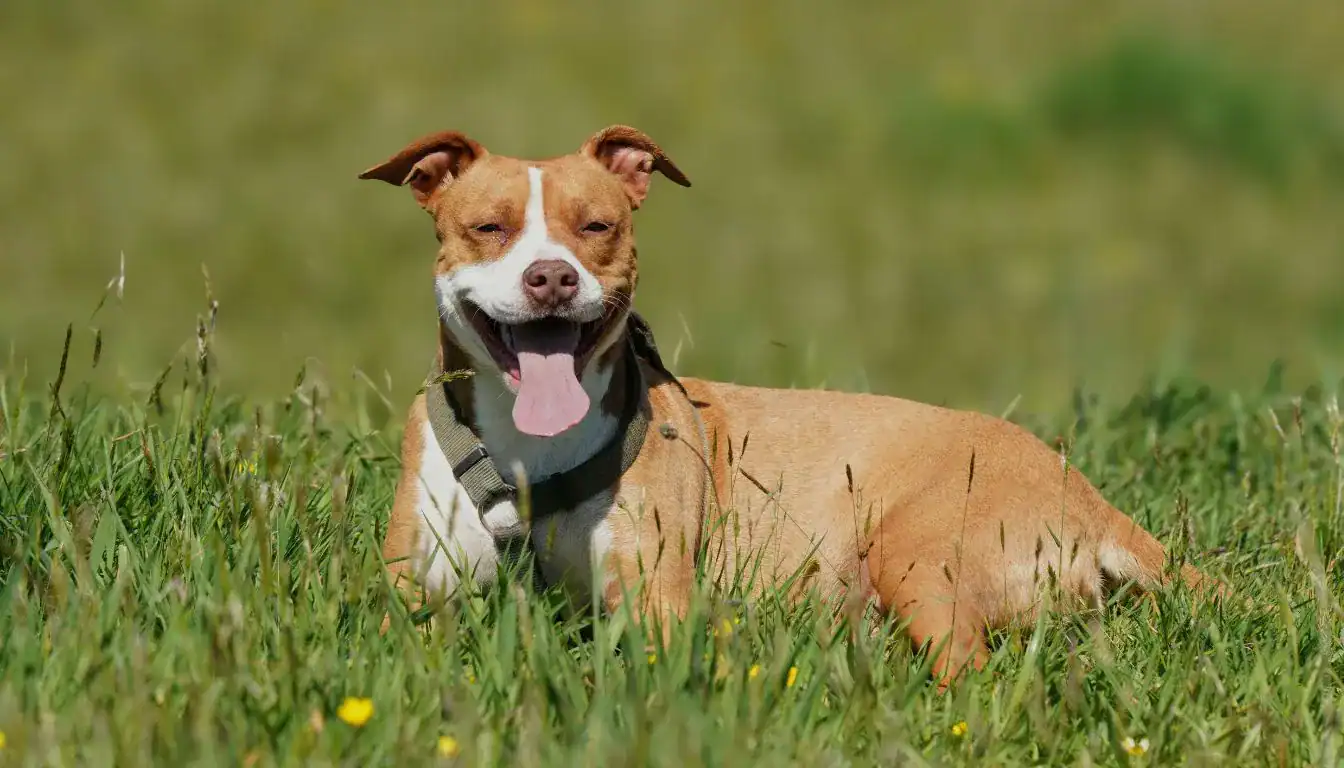
The American Pit Bull Terrier is a medium-sized American working and companion breed developed in the 19th-century USA as a versatile farm utility dog, catch dog, and competitive ratter. They possess a strong zest for life and an eagerness to please their handlers, often thriving in high-intensity sports and agility work.
However, their genetic history and immense physical strength require a handler who takes active management seriously. Despite popular myth, the American Pit Bull Terrier is not a guard dog by breeding; they are far too human-friendly for effective protection work. Many individuals display varying degrees of dog selectivity, making casual dog park visits a situation that can present risks.
While their blocky heads and strong builds intimidate some, enthusiasts know them as highly affectionate, human-oriented dogs that lean heavily against their favorite people. For the right household, the pro side of this terrier dog includes unmatched devotion and comedic personality paired with near-unlimited athletic capacity.
Their exercise needs and potential for dog reactivity are frequently underestimated by novice handlers, leading to high surrender rates in shelters across the country. An untrained American Pit Bull Terrier can develop a real behavior problem, and a poorly structured environment may result in destructive chewing if unmanaged.
This guide draws on United Kennel Club breed standards, American Dog Breeders Association records, OFA orthopedic, thyroid, and heart screening protocols, and veterinary research into canine atopic dermatitis to outline the realities of keeping this powerful terrier in a modern home.
Affiliate Disclosure: K9Sphere is a participant in the Amazon Services LLC Associates Program. As an Amazon Associate, K9Sphere earns from qualifying purchases made through links in this article at no extra cost to you.
Breed Snapshot
📊 Vitals and Lifespan
Height
Males: 18-21 in (45-53 cm)
Females: 17-20 in (43-50 cm)
Weight
Males: 35-60 lb (15-27 kg)
Females: 30-50 lb (14-22 kg)
Lifespan
12-14 years
Breed Group
Terrier (UKC) / Not AKC Recognized
Origin
United States
🇺🇸
⭐ Personality Traits
Ratings (1 to 5). They balance explosive athleticism with an intense desire for family affection, creating a powerful but needy companion.
History and Origin
The lineage of the American Pit Bull Terrier traces back to 19th-century Britain, where breeders combined the strength of early bulldogs with the agility of terriers. Immigrants brought these dogs to the United States, where they were bred larger and utilized as versatile farm workers, catch dogs for wild hogs, and loyal family companions. The United Kennel Club went on to formally recognize the American Pit Bull Terrier as a distinct breed in 1898.
📌 1800s: The British Foundation
Crosses between extinct bull-baiting dogs and quick, tenacious terriers produced the original “bull and terrier” breeds. These dogs were brought to America by immigrants seeking a capable, rugged farm companion.
📌 1898: UKC Recognition
C.Z. Bennett founded the United Kennel Club specifically to register the American Pit Bull Terrier, giving the breed its first official standard and registry in the United States.
📌 1909: ADBA Formation
The American Dog Breeders Association was established to register and preserve the APBT as a distinct working breed, maintaining strict standards focused on athletic function and proper structure.
📌 1936: AKC Recognition (AmStaff)
The American Kennel Club recognized the breed but registered it under the name Staffordshire Terrier (later renamed American Staffordshire Terrier). This created a permanent split, with AKC dogs bred primarily for conformation shows while UKC and ADBA lines continued to focus on athleticism.
📌 Modern Era: The Versatile Athlete
Today, the breed thrives in competitive weight pulling, agility, and dock diving. Despite enduring unfair legislative restrictions, they remain one of the most popular companion dogs in North America.
Their history is complex, tied both to rural utility and to unfortunate underground dog-fighting rings. Responsible modern breeders focus entirely on preserving their stable, people-oriented temperament and athletic capacity.
Physical Characteristics
The American Pit Bull Terrier is built for explosive power and agility. They carry significant body mass on a surprisingly compact frame, appearing slightly longer than they are tall. An adult American Pit Bull Terrier typically stands 18 to 21 inches tall and weighs between 30 and 60 pounds, with males at the heavier end of the range.
🧱 The Muscular Frame
A proper APBT should never look overly heavy or bulky. Their chest is deep but not excessively wide, allowing for maximum lung capacity and flexibility. Exaggerated bulk impedes their natural athleticism and stresses their joints.
🦷 Jaw and Head Structure
The head is distinctly broad with prominent cheek muscles framing a well-defined stop. Their powerful jaws require durable enrichment to satisfy their natural chewing instincts without destroying household items.
Character and Temperament
They are enthusiastic about life. A stable APBT approaches the world with confidence and a wagging tail, displaying a comical, almost clownish personality with their trusted people.
🧠 The People Pleaser
They are highly trainable because they desperately want to work with their handler and win praise from them. They respond beautifully to positive reinforcement and often excel in advanced training when motivated by play or treats.
🛡️ Intense Prey Drive
Their terrier heritage gives them a very high prey drive. They will instinctively chase squirrels, rabbits, or fleeing cats. Multi-species households require extremely careful management and secure containment.
👨👩👧 Family Devotion
They typically show minimal regard for personal space. They often want to be leaning on your legs, sitting on your feet, or sleeping under your blankets. They are genuinely affectionate and thrive on physical contact.
⛔ Dog Selectivity
Many mature American Pit Bull Terriers are dog-selective or dog-aggressive. A dog that played perfectly with others at six months old may become intolerant of strange dogs by age two. This has a strong genetic component rather than simply being a failure of socialization.
Screening and Conditions
Veterinary Disclaimer: The information provided in this article is for educational purposes only and is not intended as a substitute for professional veterinary advice, diagnosis, or treatment. Always consult a licensed veterinarian for any health concerns about your pet.
Health Information Sources: Data compiled from:
- OFA (Orthopedic Foundation for Animals): Required skeletal, cardiac, and thyroid screening protocols
- AVMA: Clinical data regarding canine atopic dermatitis and joint health
Always consult your licensed DVM for personalized medical advice.
While generally a robust and healthy breed, their popularity has led to careless breeding in many regions. They are particularly susceptible to joint deterioration, neurological disease, and chronic skin issues.
🔴 Hip Dysplasia
What to watch for: The hip joint develops improperly, causing the bones to grind during movement. This leads to early-onset arthritis, stiffness after resting, and a noticeable reluctance to jump or use stairs.
Screening: OFA or PennHIP evaluation of both parents is strongly recommended. Maintaining a lean weight and providing a supportive orthopedic dog bed can help reduce joint stress over time.
🔴 Cerebellar Ataxia (NCLA)
What to watch for: A progressive neurological disorder that most commonly appears between 3 and 6 years of age in APBTs and American Staffordshire Terriers, though onset ranges from late puppyhood to older adulthood depending on the dog. Subtle changes in stance and balance can occur as early as 6 months of age, with obvious neurological signs becoming apparent around 10 months in some cases. Symptoms include loss of balance, muscle tremors, progressive uncoordinated movement, clumsiness when turning quickly, difficulty climbing stairs, and eventual cognitive decline.
Screening: A specific DNA test exists for this mutation (ARSG gene). Responsible breeders clear their lines before breeding. Early detection through genetic testing allows handlers to monitor and manage progression through quality-of-life measures.
🔴 Hypothyroidism
What to watch for: The thyroid gland fails to produce adequate hormones, resulting in unexplained weight gain despite normal feeding, persistent lethargy, hair thinning on the flanks, and chronic coat infections. Behavioral changes including fearfulness or sudden reactivity are also documented in affected dogs.
Screening: Annual thyroid panels through OFA thyroid certification are strongly recommended for breeding stock. The condition is lifelong but highly manageable with ongoing levothyroxine supplementation under veterinary supervision.
🟡 Allergies and Atopic Dermatitis
What to watch for: They frequently suffer from environmental allergies (pollen, dust) and food sensitivities. Symptoms include red, inflamed patches, constant paw licking, and chronic ear infections.
Management: Veterinary dermatology tests can identify triggers. Management often requires special diets, hypoallergenic topical treatments, and targeted supplementation such as Omega-3 salmon oil to support the coat barrier and reduce inflammation.
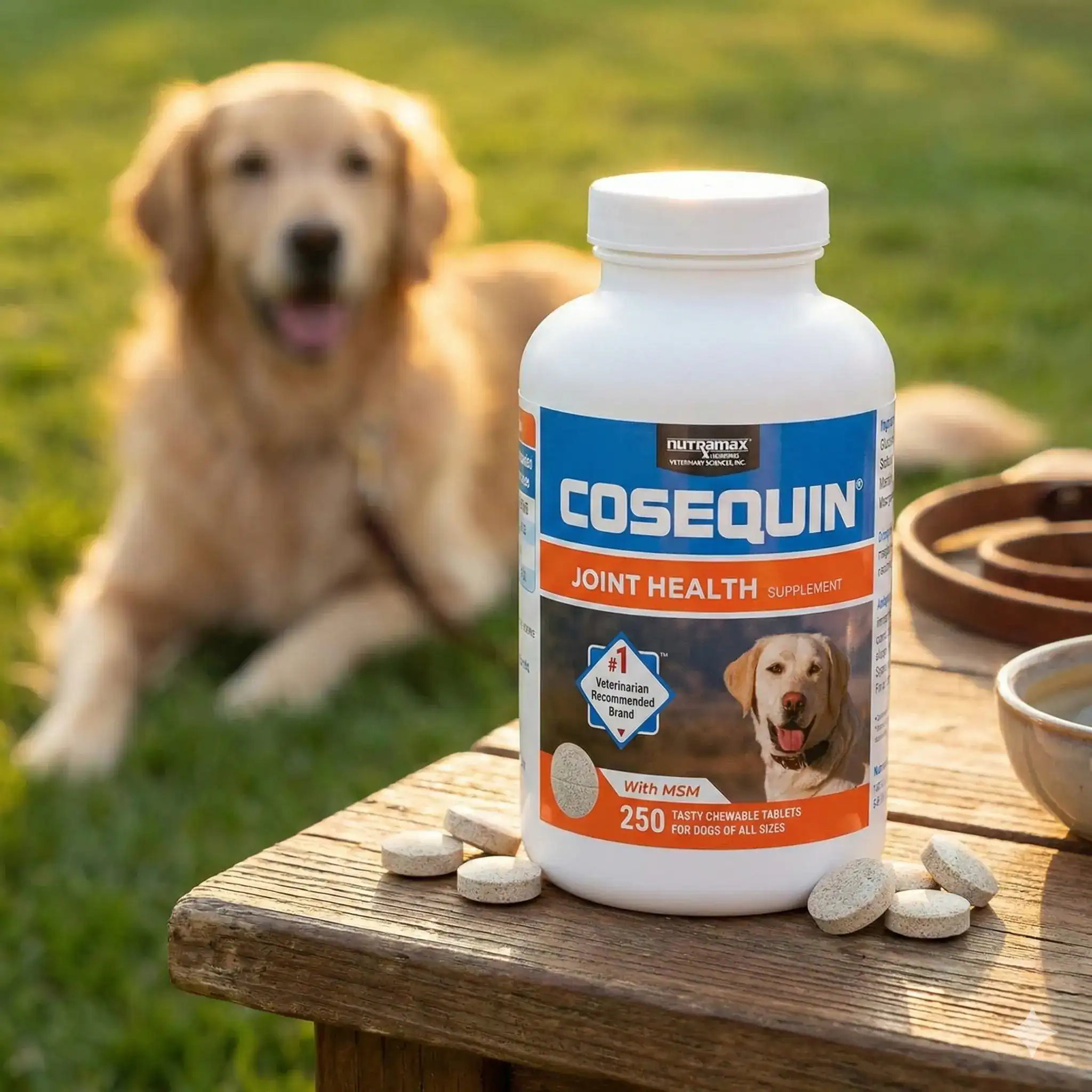
Nutramax Cosequin for Dogs Joint Health Supplement
Use for: Supporting joint health in breeds prone to hip dysplasia. Contains glucosamine and chondroitin to help maintain cartilage function and ease stiffness in active dogs.
Check price on AmazonGrooming and Coat Care
They sport a short, stiff, and glossy coat that lies flat against the body. They are low-maintenance regarding grooming volume, but their reactive coat barrier requires a thoughtful approach to bathing.
They are moderate shedders year-round. Regular brushing with an appropriate grooming tool, such as a rubber curry brush or a soft bristle brush, helps remove dead hair and distributes natural oils across their coat.

Vet’s Best Hypo-Allergenic Dog Shampoo
Use for: Bathing dogs with allergy-prone or irritated coats without triggering flare-ups. Ideal for short-coated breeds that suffer from environmental itching.
Check price on AmazonBathe them only when necessary to avoid stripping the natural protective barrier of the coat. Because they lack a thick undercoat, they should be protected from extreme cold during winter walks.
Exercise and Living Needs
A simple walk around the neighborhood is often insufficient for this breed. Expect to tire them out through vigorous activity each day to burn off their athletic drive and maintain structural health.
They excel in high-impact activities like sprinting, flirt pole chasing, and advanced agility. Their jaws are very strong, designed to grip and hold. Providing safe, durable chew toys helps redirect their natural chewing instincts away from furniture when they are resting indoors.
They can adapt to apartment living if the handler is committed to substantial outdoor activity each day. A crate at home plus a securely fenced yard is strongly recommended, but they generally should not be left outside unattended. They are capable escape artists who can scale standard fences if motivated by prey.
Nutrition & Diet
Due to their dense build and susceptibility to allergy flares, feeding a clean, high-quality diet is important across all life stages.
🐶 Puppy Stage
Feed a measured diet formulated for medium-to-large active breeds to ensure steady, controlled growth. Overfeeding during the early growth phase places unnecessary stress on developing joints and exacerbates dysplasia risks.
🐕 Adult Stage
Adults require diets rich in high-quality protein to support their dense physique. Because many suffer from poultry or beef allergies, fish-based or novel protein diets often yield the best results for maintaining a healthy coat barrier and a glossy appearance.
🐕🦺 Senior Stage
As their metabolism slows, caloric intake should be reduced to prevent obesity. Carrying extra weight places significant strain on aging joints. This is the time to consider consistent supplementation through a proven hip and joint supplement to preserve cartilage during the senior years.
Training
They are highly eager to please, making them quick learners. However, their strength means consistent boundaries are most effective when established early.
🛑 Socialization Priorities
Early, positive exposure to other dogs, people, and environments is strongly recommended. While socialization cannot erase genetic dog selectivity, it helps teach the dog to remain neutral and focused on the handler in distracting situations rather than reacting defensively.
👑 Leadership Through Trust
They are sensitive dogs that respond poorly to harsh physical corrections. Build leadership through consistency, structured routines, and rewarding calm behavior. They respect a calm, confident handler.
🚶 Leash Training
A 50-pound terrier pulling with all its strength can easily drag an unprepared handler. Loose-leash walking is a priority from puppyhood. They benefit greatly from learning that pulling gets them nowhere, while maintaining a heel position brings rewards.
APBT vs AmStaff vs Staffy Bull vs Boxer
Understanding how the American Pit Bull Terrier compares to closely related “bully breeds” and other muscular working dogs helps clarify what ownership actually entails. Prospective families frequently evaluate the APBT alongside the American Staffordshire Terrier, the Staffordshire Bull Terrier, and the Boxer. Owners drawn to a heavier guardian profile sometimes also consider breeds like the Rottweiler or the Dogo Argentino, though those breeds serve different functional roles.
| Attribute | APBT | AmStaff | Staffy Bull | Boxer |
|---|---|---|---|---|
| Weight | 30-60 lb (14-27 kg) | 40-70 lb (18-32 kg) | 24-38 lb (11-17 kg) | 50-80 lb (23-36 kg) |
| Original Purpose | Farm utility / catch dog | Conformation show dog | Bull-baiting / ratting | Hunting / guard dog |
| Energy Type | Explosive, high stamina | Steady, moderately high | Burst energy, quick fatigue | Playful, bouncy stamina |
| Trainability | High (eager to please) | High (focused, biddable) | Moderate (stubborn streak) | Moderate (easily distracted) |
| Grooming | Minimal, low shedding | Minimal, low shedding | Minimal, low shedding | Minimal, moderate shedding |
| Threat Response | Alert but not protective | Watchful, confident | Highly people-friendly | Alert bark, physical block |
| First-Time Owner? | Not ideal | Challenging | Yes, with research | Yes, with active lifestyle |
| Vet Cost Burden | Moderate-High (Skin/Joints) | Moderate-High | Moderate | High (Cancer/Cardiac) |
| Living Space | Secure yard preferred | Secure yard preferred | Flexible, flat-friendly | Flexible, needs daily runs |
The APBT is generally leaner, more athletic, and higher-drive than the American Staffordshire Terrier, which was bred heavily for the conformation ring. The Staffordshire Bull Terrier is significantly smaller and often more universally friendly with other dogs, making it a more apartment-friendly option for handlers drawn to the bull-and-terrier type. Compared to a Boxer, the APBT offers similar muscularity but significantly higher prey drive and a greater likelihood of dog reactivity. Handlers drawn to a muscular, people-oriented breed but wanting stronger natural guard instinct often consider the Rottweiler instead, while those seeking comparable drive in a working protection context look at the German Shepherd. Families who want a dog for casual off-leash park visits are usually better served by a Labrador Retriever or a Siberian Husky, both of which tend to be more reliably dog-social across adulthood.
Common Questions about the American Pit Bull Terrier
Are APBTs inherently dangerous?
Direct Answer: No, they are not inherently dangerous to humans when properly bred and raised.
Context: Historically, they were bred to be handled safely by humans even in high-arousal situations. A stable APBT is deeply affectionate toward us and people-oriented. However, their sheer strength means any behavioral issue or bite incident carries a higher risk than it would in a smaller breed.
Management: Never tolerate aggressive displays toward humans. Invest heavily in obedience training and source puppies only from breeders who prioritize stable temperaments.
Do they actually have locking jaws?
Direct Answer: No, the “locking jaw” is an anatomical myth.
Context: Their jaw structure and bone anatomy are exactly the same as any other domestic dog. They do not have a mechanism that locks their jaws in place. What they do possess is an intense terrier determination to grip and hold onto whatever they catch.
Management: Teach a reliable “drop it” command from puppyhood using high-value rewards, ensuring you can safely retrieve items from their mouth.
Are they good with other dogs?
Direct Answer: Many mature adults become dog-selective or dog-aggressive.
Context: While puppies often play well together, genetic traits typically emerge between 18 months and three years of age. A dog that previously loved the dog park may suddenly lose patience for other dogs.
Management: Avoid uncontrolled dog parks. Focus on teaching your dog to ignore other dogs while on walks, prioritizing handler engagement over dog-to-dog interactions.
How much exercise do they really need?
Direct Answer: Expect to provide 60 to 90 minutes of vigorous physical activity each day.
Context: They are elite canine athletes. A slow sniff-walk will not drain their drive. They need outlets for sprinting, tugging, and structured play to prevent destructive boredom at home.
Management: Incorporate tools like flirt poles, weight-pulling harnesses, and advanced training drills to exhaust both their bodies and their minds.
How much does an American Pit Bull Terrier cost?
Direct Answer: From reputable breeders, an APBT puppy with verified health testing typically costs between USD 800 and USD 2,000, while rescue adoption fees generally fall between USD 150 and USD 400.
Context: Price varies based on pedigree, the breeder’s OFA health screening records, and the bloodline’s working or show focus. Low-price puppies from unregistered sellers almost always skip genetic screening for hip dysplasia, hypothyroidism, and cerebellar ataxia, which can mean thousands of extra veterinary bills later.
Management: Budget an additional USD 1,200 to USD 2,500 per year for food, routine vet care, allergy management, and owner liability insurance in jurisdictions that allow the breed.
What’s the difference between a Pitbull and an American Pit Bull Terrier?
Direct Answer: “Pitbull” is an informal umbrella term covering several bully-type breeds, while the American Pit Bull Terrier is one specific UKC-registered breed within that umbrella.
Context: The term “Pitbull” in media, legislation, and shelter records often applies to the APBT, the American Staffordshire Terrier, the Staffordshire Bull Terrier, and any mix that looks similar. The APBT specifically refers to a recognized breed originating from 19th-century British bull-and-terrier crosses, bred larger and more athletic in the United States. The AmStaff diverged from the APBT in the 1930s when AKC recognized it for conformation showing.
Management: If you are buying a specific breed, request UKC or ADBA registration papers. If you are adopting, accept that many “pitbull” rescues are of uncertain lineage, and evaluate each dog on individual temperament rather than breed label.
Are they illegal to own?
Direct Answer: They are subject to Breed-Specific Legislation (BSL) in many cities, counties, and countries.
Context: Due to their history and media portrayal, countless municipalities have enacted bans or strict restrictions (requiring muzzles, specific insurance, or secure enclosures) on dogs matching their physical description.
Management: Thoroughly research local laws and housing restrictions in your specific area before bringing one home. Many landlords and home insurance policies explicitly ban them.
Can they live in apartments?
Direct Answer: Yes, but only if the handler is exceptionally dedicated to outdoor activity.
Context: Inside the home, they are often quiet couch potatoes who want nothing more than to snuggle. The challenge is ensuring they get enough high-intensity work outside the flat, as they cannot simply be let out into a yard to burn off steam.
Management: Commit to multiple long walks and dedicated training sessions. Ensure your housing complex does not have breed restrictions in place.
Is the American Pit Bull Terrier a good family dog?
Direct Answer: Yes, a stable APBT from screened lines can be an outstanding family companion in the right household.
Context: The breed is historically selected for human trust and tolerance of handling, making them deeply affectionate with the people they live with. They thrive in active households that include them in daily routines. However, their size, strength, and potential for dog selectivity mean they need engaged handlers rather than casual owners who leave them in a yard.
Management: Always supervise interactions between the dog and any young kid in the home, invest in professional training before adolescence, and commit to lifelong socialization and management of other pets in the home.
Do American Pit Bull Terriers shed a lot?
Direct Answer: They are moderate, year-round shedders rather than seasonal blowers.
Context: Their single coat does not shed in the dramatic “coat blow” that double-coated breeds experience, but their short, stiff hairs weave into fabrics, car seats, and carpets stubbornly, and their constant low-level shedding can surprise first-time handlers of short-coated breeds.
Management: Weekly brushing with a rubber curry mitt removes loose hair before it falls off in the home, and a high-quality diet plus omega-3 supplementation helps reduce excess shedding tied to nutrition.
Finding a Puppy
Locating a structurally sound American Pit Bull Terrier young dog requires patience. The market is saturated with commercial operations prioritizing exaggerated size and color over genetic integrity, and any puppy listed at a suspiciously low price or for immediate sale without a waitlist is a severe red flag for any handler doing due diligence. The 12-to-14-year lifespan of this breed means one major con of impulsive purchase decisions is a long-term mismatch that often ends in rehoming.
Before buying an American Pit Bull Terrier puppy, run this 4-step check: (1) Can you commit to 60 to 90 minutes of high-intensity physical and mental work each day for the next 12 to 14 years? (2) Is your budget prepared for potential skin allergy treatments, thyroid medication, and orthopedic care? (3) Have you enrolled in professional training focused on managing prey drive, dog-selectivity, and separation anxiety before the young dog arrives? (4) Have you met at least three adult APBTs in person to confirm their high-arousal temperament matches your expectations? If any answer is no, reconsider the breed.
🏠 Responsible Source
Seek breeders registered with the UKC or ADBA who actively title their dogs in sports like weight pull, agility, or obedience. Demand physical proof of OFA certifications for hips, cardiac health, and thyroid function. A reputable breeder will carefully screen you to ensure you understand the realities of dog-selectivity and breed stigma.
🐾 Rescue Organizations
Shelters and breed-specific rescues are constantly evaluating APBTs and “bully mixes” looking for homes. Adopting an adult allows you to accurately assess their final size, drive level, and exact tolerance for other animals, bypassing the unpredictable adolescent phase entirely.
🚩 Red Flags to Watch For
- Inability to provide official hip, cardiac, and thyroid scoring documents for both parents.
- Marketing puppies strictly based on extreme size, “blue” coloring, or exaggerated widths.
- Breeding dogs that display unprovoked aggression toward people or severe fearfulness.
- Selling puppies before eight weeks of age or operating without a clear return contract.
- Dismissing the genetic reality of dog-selectivity as simply “how you raise them.”
Personal Observation
💭 Personal Observation
Moti, one of my rescues, showed me how quickly dog-directed aggression can consolidate in an adult dog that was never given clear structure during adolescence. He was fine with other dogs as a young pup, then shifted over several months into a dog that needed careful management around any unfamiliar dog at the gate or on the street. The APBT carries the same pattern, amplified by athletic strength and a terrier grip instinct that makes any mistake costly. If you are considering this breed in a multi-dog environment, relying on park socialization as the complete plan is not enough. You will need to actively manage greetings, advocate for your dog’s space, reinforce calm responses from the first day, and accept that adolescence may reshape the social tolerance of an otherwise affectionate animal. Done right, this is one of the most devoted companions you will ever meet. Done casually, the mismatch becomes visible quickly and is difficult to reverse.
Conclusion
The American Pit Bull Terrier is an incredibly capable athlete wrapped in a deeply affectionate, people-oriented personality. When properly managed, the American Pit Bull Terrier dog is a joyful, eager partner that thrives in active homes and competitive sports.
However, owning one requires a handler willing to accept the reality of their genetics. Handlers must be prepared to manage their intense prey drive, navigate potential dog-selectivity, and face unfair public stigma with patience. For those ready to step into a structured leadership role, this dog will spend its entire life trying to earn your approval, and that level of devotion is genuinely hard to find in any other breed.


