
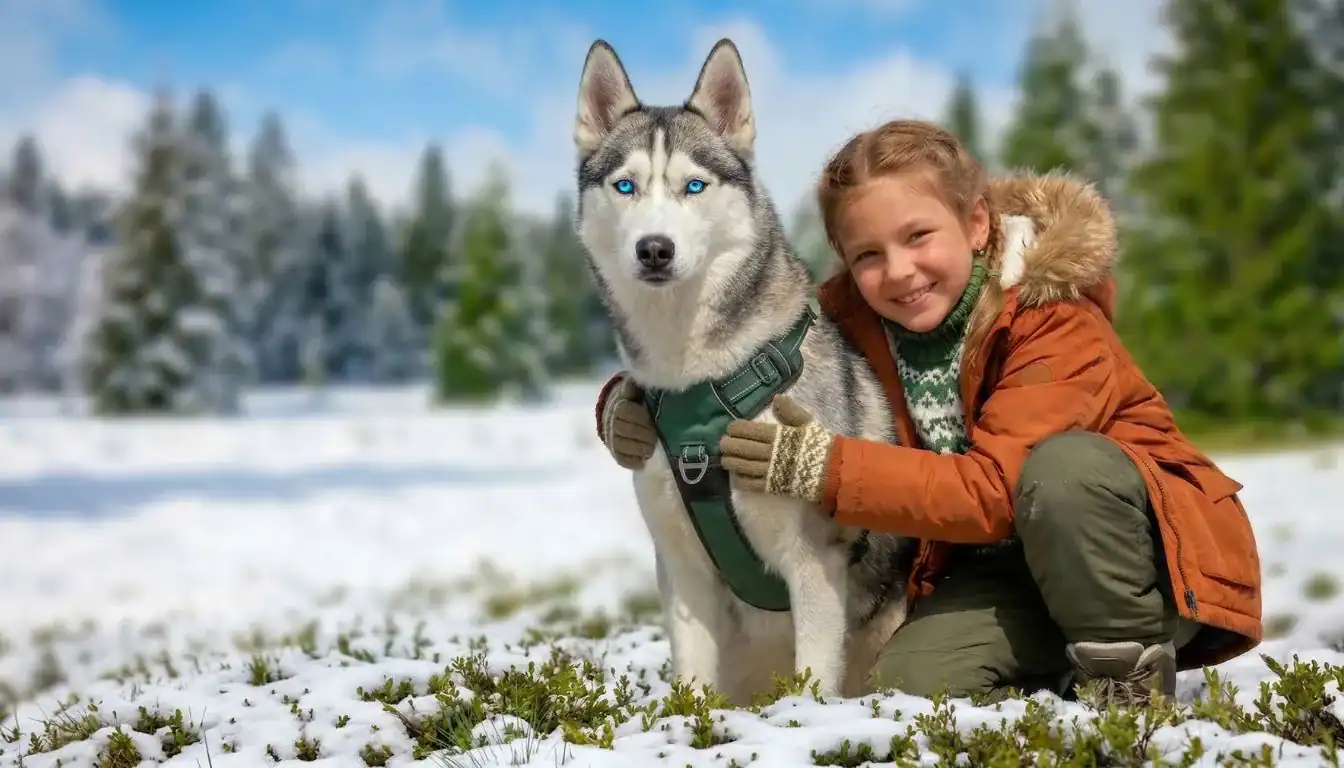
Few breeds generate as many shelter returns as the Siberian Husky. The look is irresistible, but the energy output, vocal volume, and escape instincts catch most families completely off guard. This is a sled dog operating on centuries of endurance-bred drive, not a companion animal that happens to look dramatic.
What many prospective owners underestimate is how demanding this breed can be in everyday life. Without enough exercise, structure, and environmental management, a Siberian Husky may become destructive, vocal, and difficult to manage indoors.
This article focuses on what daily Husky ownership actually looks like, especially in warm climates and homes without a proper outlet for working-breed energy.
While their appearance is striking and their personality is magnetic, their care requirements are often underestimated, especially in warm climates or low-activity households.
Affiliate Disclosure: K9Sphere is a participant in the Amazon Services LLC Associates Program. As an Amazon Associate, K9Sphere earns from qualifying purchases made through links in this article at no extra cost to you.
Breed Snapshot
📊 Vitals and Life Span
Height
20-24 inches (51-61 cm)
Weight
35-60 lb (16-27 kg)
Life Expectancy
12-14 years
AKC Group
Working Group
Origin
Siberia (Russia)
🇷🇺
⭐ Personality Traits
Ratings (1 to 5). The Siberian Husky breed is typically known for high energy, strong pack orientation, and a deep desire to run. Many Siberian Husky traits include resilience in cold weather, but they often struggle in hot climates without careful management.
History and Origins
Siberian Huskies were originally bred by the Chukchi people of northeastern Asia as endurance sled dogs. Unlike heavier draft breeds like the Canadian Eskimo Dog or Greenland Dog, the purebred Siberian was built for speed over vast distances of frozen terrain.
They lived closely with Chukchi families, sleeping among the children to provide warmth. This deep bond with humans is still visible in the Siberian Husky temperament today.
The American Kennel Club officially recognized the breed in 1930. Siberian Huskies gained legendary status during the 1925 serum run to Nome, Alaska, where sled dog teams helped deliver life-saving diphtheria antitoxin. Their involvement in competitive sled dog races and dog sledding events further cemented their global reputation.
📌 1909: Arrival in America
The first Siberian Huskies were brought to Alaska to compete in the All-Alaska Sweepstakes. Their smaller size was initially mocked until they proved their incredible stamina on the trail.
📌 1925: The Serum Run
Dog sled teams relayed life-saving diphtheria antitoxin over 658 miles to Nome, Alaska. A lead dog named Balto became globally famous, though a dog named Togo led the most dangerous stretch.
📌 WWII Era
Siberian Huskies also served in the military’s Arctic search and rescue unit during the Second World War, utilizing their weather resistance and keen navigation skills.
Physical Characteristics
The Siberian Husky is a medium-sized working dog breed developed for endurance, efficiency, and sustained movement over long distances. Males stand up to 24 inches (61 cm) tall at the withers and weigh 35 to 60 pounds (16-27 kg). Females top out around 60 pounds at the heavier end.
They have a dense double coat designed to insulate them in sub-zero conditions. This coat reflects their Arctic heritage and requires regular maintenance from dog parents throughout the year.
📏 Size and Build
Their body is compact and muscular, with a slightly arched neck and well-laid-back shoulders that allow effortless, ground-covering movement. They are lighter than different dog breeds like the Alaskan Malamute, which makes them faster over long distances.
🎨 Colors and Eyes
Siberian Huskies come in a variety of colors and patterns. You will commonly see striking combinations like red and white, black and white, or entirely pure white. Their eyes can be brown, blue, or one of each color. The Alaskan Klee Kai, a smaller companion breed, was specifically developed to resemble a miniature version of northern sled dogs like the Alaskan Malamute and Siberian Husky.
Temperament
The Siberian Husky personality is often described as pack-oriented, mischievous, and highly energetic. Their temperament is also notably independent, and they frequently decide that commands are merely suggestions rather than rules.
Because they are pack animals, they usually get along well with other dogs. However, they possess an exceptionally high prey drive. Many have a strong prey drive, which can make fast-moving small animals difficult to trust around them without careful management.
Many Huskies are highly vocal. Some bark less than other breeds, but they may howl, “talk,” or make a range of expressive sounds, especially when excited or under-stimulated. Despite their wolf-like appearance, most Siberian Huskies make poor guard dogs. They tend to be too friendly and social, often greeting strangers enthusiastically rather than with suspicion.
Health Considerations
⚕️ Veterinary Disclaimer: The information provided in this article is for educational purposes only and is not intended as a substitute for professional veterinary advice, diagnosis, or treatment. Always consult a licensed veterinarian for any health concerns about your pet.
📋 Health Information Sources: Health data compiled from: Husky health data compiled from:
- OFA: Recommended breed-specific health and temperament testing databases
- Siberian Husky Club of America: Official breed health statements and genetic screening requirements
Always consult your licensed DVM for personalized medical advice.
Siberian Huskies are generally a very healthy breed compared to other dog breeds, with an average Siberian Husky lifespan of 12 to 14 years. However, responsible breeders must still screen for specific genetic vulnerabilities before producing a litter.
🟡 Eye Conditions
What to watch for: The breed is prone to juvenile cataracts, corneal dystrophy, and progressive retinal atrophy (PRA). These conditions can lead to partial or total blindness.
Screening: Breeders must conduct annual eye exams certified by a veterinary ophthalmologist to ensure breeding stock is clear of hereditary eye diseases.
While less common than in heavier breeds, hip dysplasia remains a concern for pet parents. The hip joint forms improperly, causing bone to grind against bone. Always verify OFA screening results for the parent dogs.
Grooming and Care
Siberian Husky grooming is one of the biggest ongoing commitments for owners. Caring for Siberian Huskies means accepting that their thick coat provides crucial protection, but it sheds steadily year-round.
During shedding season, twice a year, they will “blow” their undercoat, dropping large amounts of fur that can quickly cover furniture, clothes, and floors. This is the most common Husky maintenance challenge new owners face.
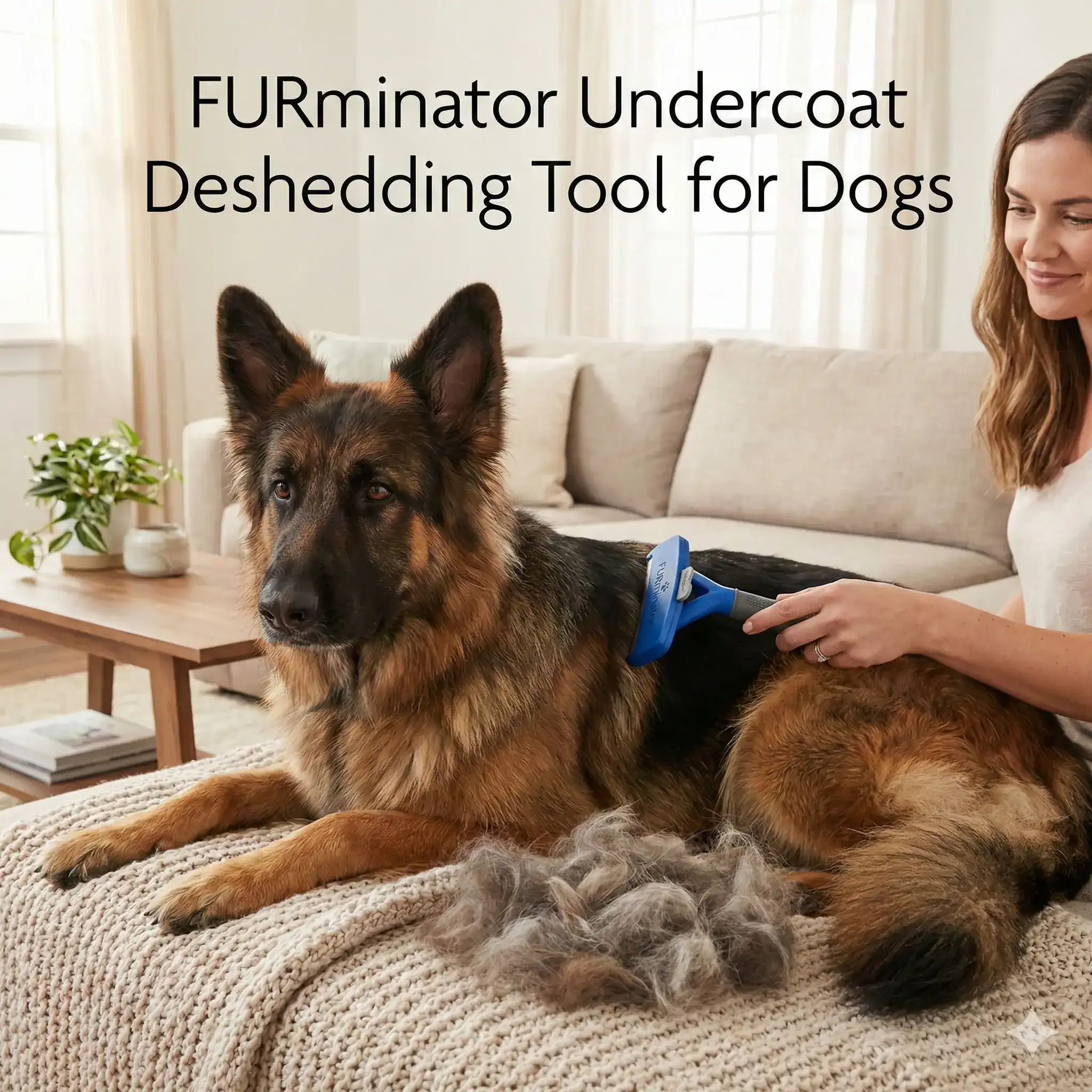
FURminator Undercoat Deshedding Tool for Dogs
Use for: Removing loose undercoat hair and reducing excess dog hair around the home. Helps manage seasonal shedding and pet hair buildup in double-coated breeds.
View on AmazonA Husky should generally not be shaved unless specifically advised by a veterinarian. The double coat helps regulate temperature and protect the skin, and shaving can increase the risk of sun exposure and coat damage. Use a gentle dog shampoo only when necessary, as over-washing strips natural oils and leaves the skin dry.
Regular brushing with an appropriate grooming tool helps remove dead hair and reduces the amount of shedding inside the home. Double-coated breeds like Huskies benefit from tools designed specifically for dense undercoats rather than standard brushes.
Exercise Requirements
This is a breed that needs to run. A casual walk around the block is rarely sufficient. Most pet parents find they need to provide substantial daily exercise through structured outlets like running, hiking, or pulling activities.
They were bred to pull sleds over vast distances. Alaskan Huskies, a related working type used in competitive dog sledding, share this same relentless drive. Without enough physical and mental stimulation, many become destructive, frustrated, or difficult to settle indoors.
How do you manage this breed in warm weather? In warm weather, exercise should be limited to the cooler early morning or late evening hours to reduce the risk of overheating.
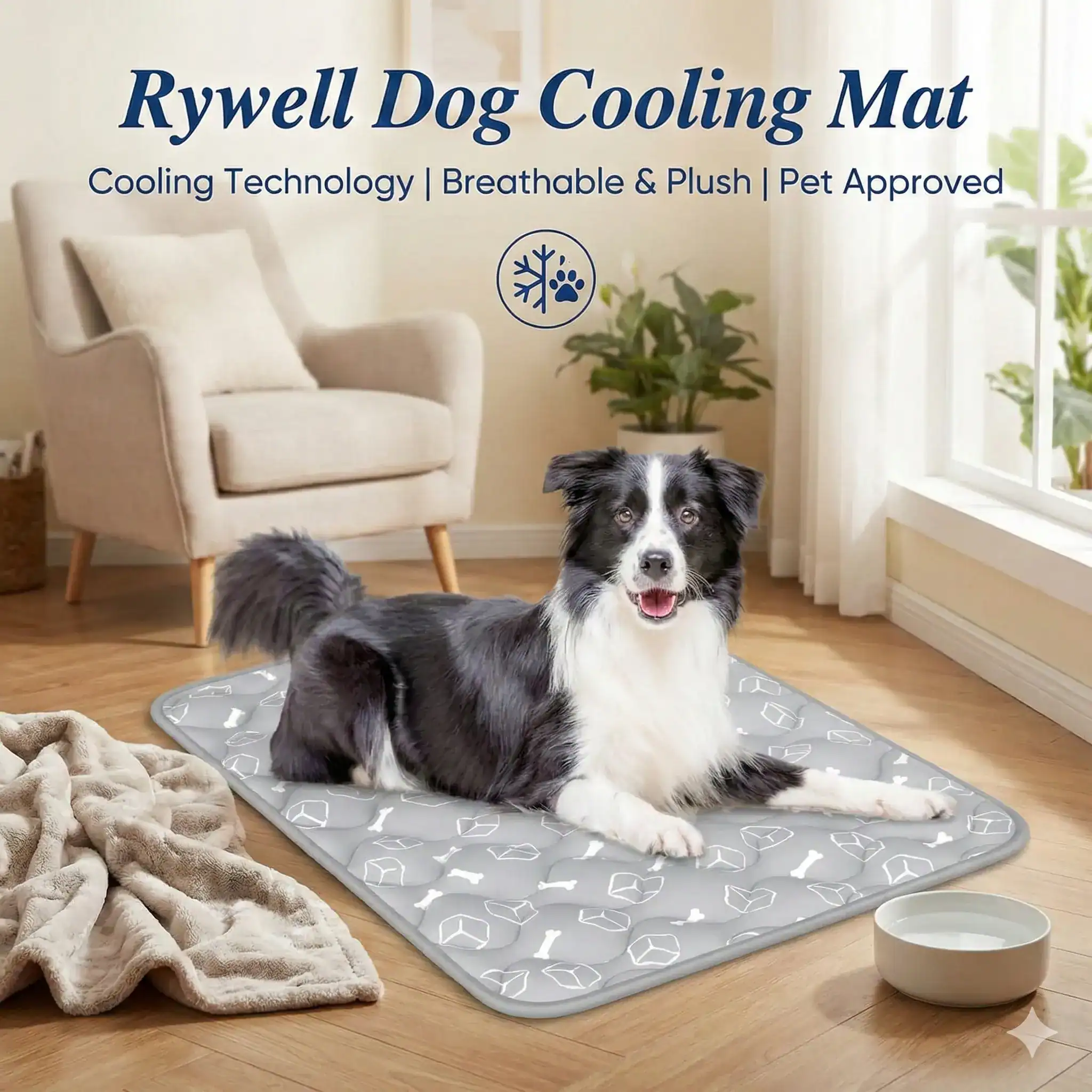
Rywell Dog Cooling Mat 2.0
Use for: Keeping heat-sensitive breeds comfortable during hot weather. Essential for double-coated Northern breeds when temperatures rise above 75°F.
View on AmazonNutrition & Diet
Huskies should be fed a high-quality dog food suited to their age, body condition, and activity level. Many Siberian Huskies are relatively efficient eaters compared with what owners expect from such an active breed, so intake should be adjusted to the individual dog.
🐶 Puppy Stage: When you feed your Husky puppy, remember they grow rapidly and need a controlled large-breed puppy formula that manages calcium and phosphorus ratios. Overfeeding Husky puppies during growth places damaging stress on developing joints.
🐕 Adult Stage: Their metabolism is highly efficient, a trait passed down from their harsh Siberian origins where food was scarce. Overfeeding quickly leads to obesity, which destroys their joints. Monitor their weight carefully. You should be able to easily feel their ribs beneath the thick coat.
🐕🦺 Senior Stage: As their activity naturally decreases, calories must be reduced. Joint supplements containing glucosamine become increasingly important to protect aging hips. The Siberian Husky lifespan of 12-14 years means senior care planning should begin around age 8.
Training
Training a Siberian Husky typically requires patience, consistency, and realistic expectations. They are intelligent but independent, often choosing to ignore commands they find boring or pointless.
🎯 Positive Methods Work Best
Positive reinforcement using high-value treats is typically the most effective training approach for this breed. Heavy-handed corrections often backfire with Huskies, making them less cooperative or more resistant to training.
🐕 Early Socialization
Early socialization is absolutely critical. Exposure to a wide variety of people, environments, and other animals during puppyhood prevents the development of fearful or reactive behavior in adulthood.
Siberian Husky FAQ
Are Siberian Huskies good family pets?
Direct Answer: Yes, they are highly affectionate and deeply bonded to their families, but they require an incredibly active household.
Context: They are patient and playful, making them generally excellent with children. However, their sheer energy and bouncy nature can easily knock over toddlers if they are not properly exercised beforehand.
Management: Supervise all interactions with young children and ensure the dog has received at least an hour of vigorous running before expecting calm indoor behavior.
Can a Husky live in an apartment?
Direct Answer: It can be done, but it is challenging and usually not ideal for this breed.
Context: They are highly vocal dogs that howl when bored, which will quickly trigger noise complaints from neighbors.
Management: They require a home with a large, securely fenced yard with fences at least six feet high, dug deep into the ground to prevent tunneling escapes.
Do they get along with cats?
Direct Answer: Many Siberian Huskies are not a safe match for cats or other small pets, especially without early socialization and careful management.
Context: A Siberian Husky sees a running cat as something to be chased and caught. Even if raised with a cat from puppyhood, their instincts can suddenly override their training.
Management: It is strongly recommended to keep purebred Siberian Huskies in a home without felines, rabbits, or small animals.
What is the difference between an Alaskan Malamute and a Siberian Husky?
Direct Answer: The Siberian is smaller, faster, and built for speed, while the Malamute is much larger and built for heavy freighting.
Context: While both are Arctic sled dogs, the Malamute is a heavy-duty draft animal. The Husky is an endurance racer. Huskies often have blue eyes, while purebred Malamutes only have brown eyes.
Management: If you want a jogging partner, choose the Husky. If you want a heavier, slightly calmer giant, look toward the Malamute.
Do they shed a lot?
Direct Answer: Yes, they shed heavily throughout the year and experience significant coat blowouts twice annually.
Context: Their weather-resistant double coat is designed to cycle out dead hair to regulate body temperature. During a blowout, you will pull handfuls of loose fur from their body every single day.
Management: Invest in a high-quality undercoat rake and a powerful vacuum cleaner. Brush them multiple times a week to keep the fur storm under control.
Are they good guard dogs?
Direct Answer: No, they are notoriously poor guard dogs despite their intimidating wolf-like appearance.
Context: They are pack animals that view almost every human as a potential friend or playmate. They lack the territorial suspicion required for protection work.
Management: If you need a dog for home security, look at traditional guarding breeds like the Doberman or Rottweiler instead.
How much exercise do Siberian Huskies need?
Direct Answer: They require a minimum of 90 minutes to two hours of intense, heart-pumping exercise daily.
Context: These dogs were bred to run for hours on end pulling sleds. A slow walk simply will not drain their energy, leading directly to anxiety and destructive behaviors.
Management: Engage them in dog sports like canicross, bikejoring, or urban mushing to safely simulate their historical working requirements.
Why do Huskies howl so much?
Direct Answer: Many Huskies are naturally vocal and may howl as part of their communication style, especially when excited, frustrated, or reacting to outside sounds.
Context: They use vocalizations to express frustration, joy, or to respond to sirens in the distance. This is a deep-rooted instinct that connects them to their pack across vast distances.
Management: You cannot train the howl out of them completely, but ensuring they are physically exhausted will drastically reduce boredom-induced vocalizations.
Siberian Husky: Quick Reference
| Attribute | Siberian Husky | Best For | Not Ideal For |
|---|---|---|---|
| Exercise | 2+ Hours Intense Running | Active Runners, Hikers | Sedentary Owners |
| Climate | Cold Weather Specialist | Northern/Cool Climates | Tropical/Hot Climates |
| Prey Drive | Extremely High | Single-Dog Homes | Homes with Cats/Rabbits |
| Grooming | Heavy Shedding/Blowouts | Owners Willing to Brush | Allergy Sufferers |
Finding a Puppy
If you are looking for purebred Siberian Huskies, locate a breeder registered with the Siberian Husky Club of America. They hold their members to strict ethical guidelines regarding genetic screening for health and temperament.
🔬 The Responsible Breeder
Avoid backyard breeders who focus solely on producing dogs with blue eyes or rare coat colors. Prioritize Siberian Husky health, temperament, and proper socialization over aesthetics. Expect breeders to provide OFA hip scores and annual eye clearances for both parent dogs.
🏠 Rescue and Adoption
Because owners frequently underestimate their exercise needs, rescue groups are overflowing with adolescent Siberian Husky puppies and young adults. Adopting an older dog allows you to bypass the destructive puppy phase and assess their true energy levels and Siberian Husky temperament directly.
🚩 Red Flags When Buying
- Breeder charges premium prices exclusively for blue eyes or rare coat colors
- No OFA hip scores or annual eye clearance certificates provided
- Puppies are sold as “calm family pets” with zero exercise warnings
- Breeder does not ask about your fencing or previous working-dog experience
- Parent dogs show signs of severe anxiety, neurotic spinning, or poor coat condition
Siberian Husky vs Alaskan Malamute
The Siberian Husky and Alaskan Malamute are the two most commonly confused Arctic breeds. Both are AKC Working Group dogs built for cold climates, but they serve fundamentally different roles, the Siberian is a speed-focused sled racer while the Malamute is a freight hauler built for sheer load-carrying power. The Alaskan Husky, a separate unregistered working type, outperforms both in modern competitive racing.
| Attribute | Siberian Husky | Alaskan Malamute |
|---|---|---|
| AKC Status | Recognized, Working Group | Recognized, Working Group |
| Primary Purpose | Mid-distance sled racing | Heavy freight hauling |
| Build | Medium, agile, wolf-like | Heavy, powerful, thick-boned |
| Weight | 35-60 lb (16-27 kg) | 75-85 lb (34-39 kg) |
| Energy Level | Very high, needs daily running | High, needs sustained work |
| Vocalization | Frequent howling | Loud, but less vocal than Husky |
| Heat Tolerance | Poor, Arctic bred | Poor, Arctic bred |
| Family Suitability | Friendly but independent | Loyal but strong-willed |
Personal Observation
💭 Personal Observation
Unlike the Siberian Husky’s genetic need for sub-zero temperatures, my rescue dogs have thrived through every summer without ever needing air-conditioning. Meanwhile, my Labrador my own Labrador, weighing roughly 45 kg (99 lb), needed ceiling fans and eventually full AC just to breathe comfortably from April to June. If you live anywhere that regularly hits 85°F (29°C) or above, you are fighting the Husky’s biology every single day. A heavy-coated Arctic dog in a warm climate is in constant danger of heatstroke without rigorous human intervention, and that daily management burden never decreases.
Conclusion
The Siberian Husky is an athletic marvel, combining speed, endurance, and a striking, wild beauty. They are deeply loyal pack animals that bring joy and laughter to the right household.
However, bringing an Arctic sled breed into a modern home is a major lifestyle commitment. Owners need to be prepared for high exercise needs, regular shedding, escape management, and careful heat precautions in warmer climates.
For highly active owners who can provide structure, exercise, and climate-aware care, the Siberian Husky can be a deeply rewarding companion. For households looking for a lower-maintenance breed, they may be a difficult fit.
Disclaimer: This article is for informational and educational purposes only. It does not constitute veterinary advice, medical diagnosis, or treatment recommendations. Always consult a licensed veterinarian before making health-related decisions for your pet. Product recommendations are based on the author’s research and experience; individual results may vary. As an Amazon Associate, K9Sphere earns from qualifying purchases at no additional cost to you.


