
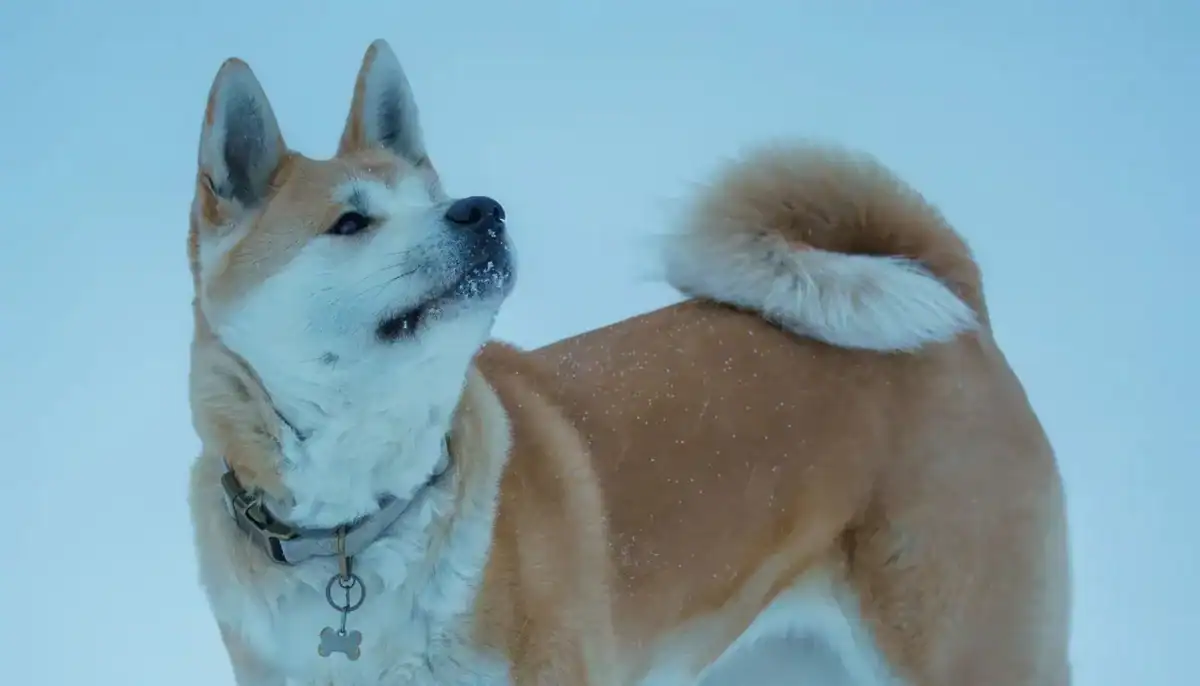
The Akita is a large Japanese working dog developed in the snowy mountains of Odate for tracking big game. The Akita is a large, powerful breed that needs an owner prepared for its size and strength. They are known for incredible physical power, a dignified presence, and deep devotion to their family.
What sets this breed apart is the combination of profound loyalty to their household and a quiet, watchful nature toward outsiders. An Akita bonds intensely with their people and carries strong natural guarding instincts without needing to be taught them.
This Akita breed guide draws on American Kennel Club standards, Akita Club of America guidelines, and clinical veterinary data to give an accurate picture of what ownership actually involves.
Households that provide consistent guidance from day one and commit to ongoing socialization are rewarded with a remarkably capable companion. Akitas do best with calm, consistent handling and an owner who understands the breed’s temperament.
First-time owners often face a steep learning curve with a dog this independent and powerful. If you have never handled a large guardian breed, review the demands honestly before deciding the Akita is right for you.
Affiliate Disclosure: K9Sphere is a participant in the Amazon Services LLC Associates Program. As an Amazon Associate, K9Sphere earns from qualifying purchases made through links in this article at no additional cost to you. Product recommendations are based on independent research and editorial judgment, not paid placement.
Breed Snapshot
📊 Vitals and Lifespan
Height
Males: 26–28 in (66–71 cm)
Females: 24–26 in (61–66 cm)
Weight
Males: 100–130 lb (45–59 kg)
Females: 70–100 lb (32–45 kg)
Lifespan
10–13 years
Breed Group
Working Group
Origin
Japan
🇯🇵
⭐ Personality Traits
Ratings (1 to 5). This powerful guardian balances deep devotion to family with a cautious nature toward outsiders.
History and Origin
The history of the Akita begins in the snowy, mountainous regions of Odate in the Akita prefecture of northern Japan. Its ancestors are ancient, with spitz-type dogs documented in Japan for well over a thousand years. The hunting dogs that shaped the modern breed were known as the Akita Matagi, working alongside hunters to track and hold large game such as wild boar, elk, and the Yezo bear.
📌 Ancient Roots: The Matagi Dog
The Akita descends from ancient Japanese hunting dogs refined over centuries into the Matagi type. Hunters needed a fearless tracking companion able to survive deep snow and hold dangerous prey at bay until the hunter arrived, and the breed earned a lasting reputation for bravery in the field.
📌 1937: Helen Keller’s Akita
During a visit to Japan, Helen Keller was given a puppy named Kamikaze-go. She is widely credited with bringing one of the first Akitas to the United States. She admired the breed’s gentle loyalty toward her and its calm, dignified character.
📌 Post-WWII: The Breed Split
Returning American service members brought many Akitas home to the USA after World War II. Over the following decades the type diverged. The American Akita grew larger with heavier bone and a bear-like head, while the Japanese Akita Inu kept a lighter, more fox-like appearance.
📌 Modern Era: Recognition
The AKC recognized the Akita in 1973, and enthusiasts worldwide now work to preserve the original Akita type and character. Unlike the smaller Shiba Inu, the Akita is Japan’s largest native spitz dog and holds national monument status in its home country.
Physical Characteristics
The appearance of the Akita is striking and unmistakable. They have a massive head that forms a blunt triangle, small dark eyes, and thick erect ears that angle slightly forward. Every physical trait reflects their heritage as a cold-weather hunter.
🎨 The Double Coat
They carry a double coat made up of a dense, plush undercoat and a harsh, straight outer coat. This combination let them work comfortably in freezing temperatures. The coat stands slightly off the body, giving them a thick, imposing silhouette. All colors are permitted in the American standard.
🏗️ Muscular Build
The build is heavy and robust, with a broad chest, a thick neck, and a powerful stance. Their most recognizable feature is the large, plush tail that curls over the back, sometimes in a single curl and sometimes in a double.
Character and Personality
Akitas are naturally reserved with strangers and tend to bond closely with their own family. They stay watchful around people they do not know, weighing up new situations before reacting, which is what makes them such effective home guardians.
🛡️ Calm Guardian
Their calm, watchful nature can make them feel like natural guardians. They will often position themselves between their owner and anything unfamiliar, preferring a steady, watchful posture over reaction. They are loyal without being clingy and carry themselves with quiet dignity indoors.
🔥 Independent Thinkers
They learn quickly but tend to weigh whether a task is actually worth doing. That independence is why prior handler experience matters so much for building trust and consistency as they grow up.
🐾 Selective Socializer
They are frequently intolerant of unfamiliar dogs, especially of the same sex. Many do best as the only pet in the home, or carefully managed alongside an opposite-sex companion.
🧠 Silent Strength
Unlike guard breeds that bark at every passing leaf, the Akita is relatively quiet. Akitas are relatively quiet, so a bark is often worth paying attention to. They communicate far more through body language and low grumbles.
Screening and Conditions
Veterinary Disclaimer: The information in this article is for educational purposes only and is not a substitute for professional veterinary advice, diagnosis, or treatment. K9Sphere’s authors are experienced dog owners, not licensed veterinarians. Always consult a qualified DVM regarding any health concerns about your pet. Never disregard professional veterinary advice or delay seeking it because of something you have read on this site.
Health Information Sources: Data compiled from:
- American Kennel Club breed reference and standard
- Akita Club of America recommended health screening
- OFA joint and thyroid screening protocols
Always consult your licensed DVM for personalized medical advice.
While generally robust, the Akita faces specific health risks tied to its size and genetic background. Proactive screening and early veterinary intervention make a real difference to their long-term outlook.
Common Inherited Conditions
🔴 Gastric Dilatation-Volvulus (Bloat)
What to watch for: A swollen or hard abdomen, unproductive retching, pacing, and obvious distress. Bloat is a sudden, life-threatening emergency in which the stomach twists and traps gas.
Management: This requires immediate surgical intervention. Preventative steps include feeding two smaller meals a day rather than one large one and avoiding heavy exercise right after eating.
🔴 Hip Dysplasia
What to watch for: Stiffness when standing up, reluctance to climb stairs, or a bunny-hopping gait. Hip dysplasia affects the joint structure and leads to painful arthritis as the dog ages.
Screening: Make sure breeders provide OFA or PennHIP scores for both parents. Keeping the dog lean and maintaining gentle, regular exercise helps protect the joints as they age.
🟡 Autoimmune Conditions (Sebaceous Adenitis)
What to watch for: Patchy hair loss, scaly skin, and a musty odor. This immune-mediated condition attacks the sebaceous glands and damages coat quality.
Veterinary Care: Treatment involves medicated shampoos, oil soaks, and sometimes medication to manage inflammation. The Akita Club of America strongly advises screening breeding dogs for this issue.
🟡 Hypothyroidism
What to watch for: Unexplained weight gain, lethargy, poor coat quality, and increased sensitivity to cold. The thyroid gland fails to produce enough hormone.
Veterinary Care: Diagnosis is straightforward with a blood test. Hypothyroidism is usually manageable with daily medication and routine veterinary monitoring.
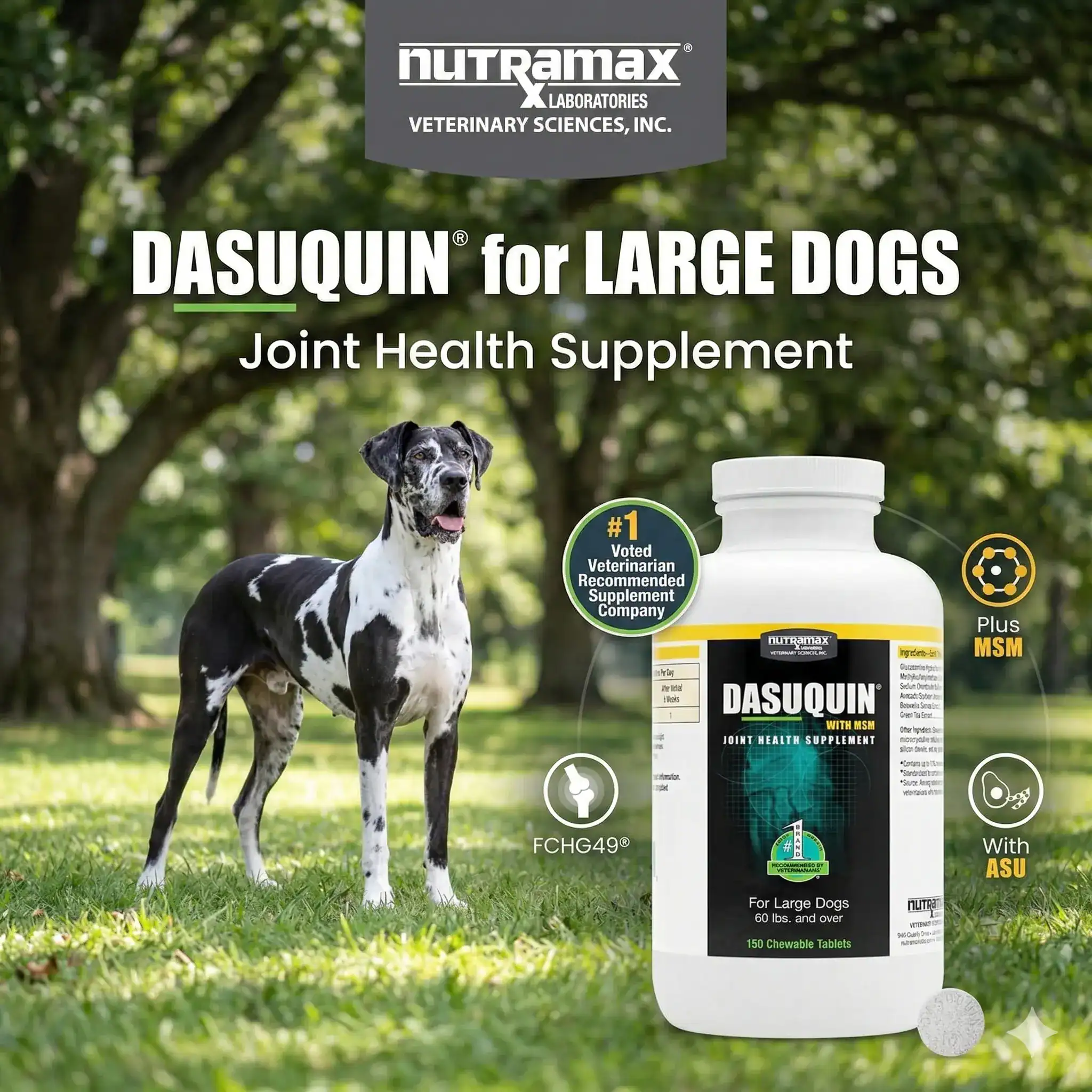
Nutramax Dasuquin with MSM for Large Dogs
Use for: Supporting joint health in large-framed dogs prone to hip dysplasia. This supplement combines glucosamine and chondroitin to help maintain cartilage integrity through adulthood.
Check price on AmazonGrooming and Coat Care
If you bring this dog home, be prepared for fur. They shed steadily at a manageable rate most of the year, then blow their entire undercoat twice a year. During those seasonal shifts the undercoat comes out in large clumps.
Brush weekly during normal months with a slicker brush and a metal comb. When the coat blow begins, daily brushing with a deshedding tool becomes necessary to stay ahead of the loose hair. Avoid shaving the coat. Shaving is not recommended because it can disrupt coat regrowth and reduce the coat’s insulating function. Our guide to the best brushes for shedding dogs covers the undercoat rakes that work best on a dense double coat.
Bathe them occasionally, roughly every two to three months or when visibly dirty. Because the coat is so dense, dry them thoroughly down to the skin to prevent hot spots and fungal infections. Regular nail trims and weekly ear checks round out their routine care.
Exercise and Living Needs
Despite their size, Akitas have moderate exercise needs. They do not tire easily on a hike, but they also do not require hours of running to settle at home. A brisk 30 to 45 minute walk daily, plus some play in a securely fenced yard, covers their physical needs.
They are athletic enough to clear a low fence if something catches their interest, so a secure fence at least six feet high is a safer choice. A privacy-style fence can also help reduce outside distractions.
Because many Akitas are selective with other dogs, dog parks are often not a good fit, and off-leash mixing with unfamiliar dogs is best approached with caution. Keep them under control on a strong leash during neighborhood walks. They adapt well to indoor living as long as they get their daily outdoor time.
Because they are a heavy breed prone to hip dysplasia, a supportive place to rest matters more than it does for a lighter dog. An orthopedic bed sized for large breeds helps cushion the joints, and our review of the FurHaven orthopedic dog bed covers what to look for.
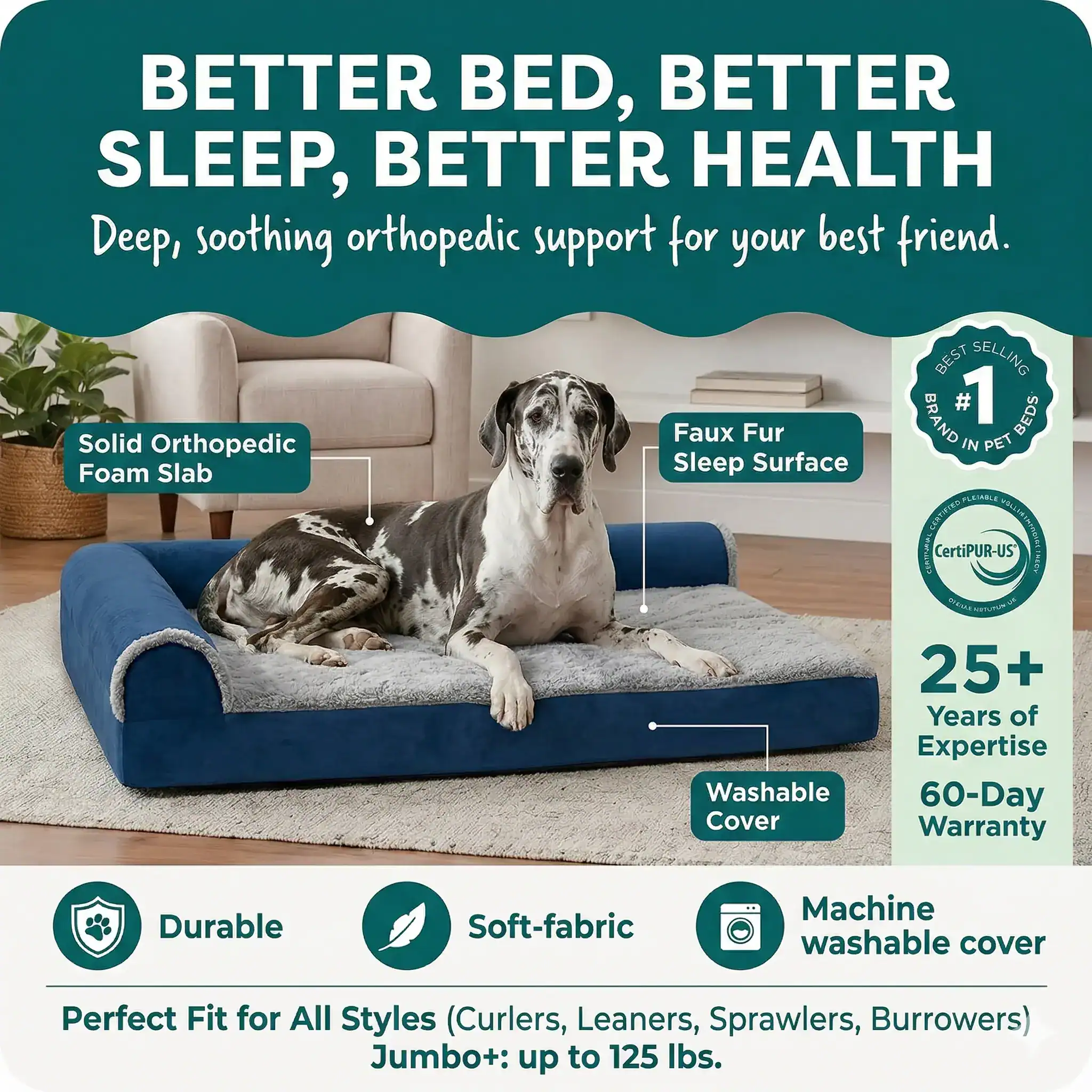
FurHaven Orthopedic Dog Bed for Large Dogs (Jumbo)
Use for: Cushioning the joints of a large, heavy-framed breed prone to hip dysplasia. The Jumbo size suits a full-grown Akita, and the supportive foam base helps take pressure off the hips and elbows during rest.
Check price on AmazonNutrition & Diet
Feeding a large dog takes careful management to avoid rapid growth in puppyhood and obesity in adulthood. A quality large-breed formula with adequate protein provides the right calcium and phosphorus balance for healthy bone development.
Adults typically eat between 3 and 5 cups of high-quality dry food a day, split into two meals. A structured feeding schedule is much safer than leaving food out all day. Because they are deep-chested, restrict vigorous activity for an hour after meals to lower bloat risk.
Watch their weight carefully, since all that fur hides extra pounds easily. You should be able to feel their ribs under a light layer of fat. Keeping them lean takes real strain off their hips and elbows as they age.
Training
Training takes patience. They are smart enough to learn any command, but they tend to weigh a request before acting on it. Use positive reinforcement, and hold boundaries with calm consistency rather than endless repetition.
Early socialization is the single most important part of raising an Akita puppy. Expose them to a wide range of people, sounds, and environments before sixteen weeks of age. Without that foundation, natural caution around strangers can harden into difficult reactivity.
Separation training matters too. Because they bond so intensely, separation anxiety can develop if they are never left alone. A sturdy crate teaches them that quiet alone time is safe and normal. Solid basic obedience from day one ensures you can physically manage them once they reach full size.
Akita vs Siberian Husky vs Chow Chow vs Shiba Inu
Comparing the Akita with other northern and Asian spitz breeds helps clarify exactly what kind of dog you are bringing home. The differences in handler focus, energy, and territorial instinct are significant.
| Attribute | Akita | Siberian Husky | Chow Chow | Shiba Inu |
|---|---|---|---|---|
| Weight | 70–130 lb (32–59 kg) | 35–60 lb (16–27 kg) | 45–70 lb (20–32 kg) | 17–23 lb (8–10 kg) |
| Original Purpose | Large game hunting | Sled pulling | Guarding and hunting | Small game hunting |
| Energy Type | Moderate, deliberate | Very high, running | Low, sedentary | Moderate, active |
| Trainability | Independent, thoughtful | Independent, distractible | Aloof, stubborn | Independent, cat-like |
| Grooming | Heavy seasonal shedding | Heavy seasonal shedding | High maintenance | Moderate shedding |
| Reaction to Strangers | Protective, watchful | Friendly to strangers | Suspicious, protective | Alert barker |
| First-Time Owner? | Best for experienced owners | Challenging | Best for experienced owners | Challenging |
| Common Health Risks | Bloat, hip dysplasia, autoimmune thyroiditis | Cataracts, hip dysplasia, progressive retinal atrophy | Entropion, hip dysplasia, elbow dysplasia | Patellar luxation, allergies, hip dysplasia |
| Living Space | House with secure yard | House with tall fence | Apartment friendly if walked | Apartment friendly if exercised |
The Siberian Husky is built to run for miles and greets strangers as friends, which makes a poor guard dog but an excellent running partner. The Chow Chow shares the aloof nature and guarding instinct but runs on much lower energy. The Shiba Inu is essentially a smaller, more agile cousin that brings the same independent attitude into a far more portable frame.
Common Questions about the Akita
How much does an Akita dog cost?
Direct Answer: The cost of owning an Akita starts with a puppy price of roughly USD 1,500 to USD 3,000 from a reputable breeder. Prices vary by country and by bloodline, so expect different figures in the UK, Canada, and Australia.
Context: The purchase price is only the start. Large-breed food, sturdy gear, routine vet care, and potential bills for joint issues or bloat surgery push the lifetime cost high.
Management: Secure pet insurance early while the dog is young, and budget for premium food and professional training in the first year.
Are Akita dogs dangerous or aggressive?
Direct Answer: They are not usually human-aggressive, but they are naturally protective and need good socialization from early on.
Context: Their guarding instinct means they usually will not welcome strangers onto your property without your clear approval. Poor socialization can let that natural suspicion harden into difficult reactivity.
Management: Prioritize socialization from puppyhood. Introduce new people calmly and often so the dog learns to read normal situations without overreacting.
How long do Akitas live?
Direct Answer: The typical lifespan is 10 to 13 years, which is quite good for a dog of this size.
Context: Longevity depends heavily on keeping them lean, managing joint stress, and catching autoimmune or thyroid issues early through routine blood work.
Management: Schedule annual veterinary exams and request a full thyroid panel once the dog reaches middle age.
Are Akitas hard to train?
Direct Answer: Yes. They are intelligent but very independent, which makes them challenging for handlers who expect instant, eager compliance.
Context: They tend to weigh whether a command is worth doing. Repetitive drilling bores them quickly and they simply disengage.
Management: Keep sessions short, varied, and well rewarded. Hold calm, consistent boundaries at home so they respect your guidance naturally.
What health problems do Akitas have?
Direct Answer: The main concerns are bloat, hip dysplasia, hypothyroidism, and autoimmune skin conditions such as sebaceous adenitis.
Context: Because they are stoic, they often hide pain until a problem is advanced. Even a mild limp can signal real joint trouble.
Management: Check the parents’ OFA clearances before buying, feed twice daily to lower bloat risk, and watch the skin closely during grooming.
Do Akitas shed a lot?
Direct Answer: Yes. They shed steadily at a low level and blow their entire undercoat twice a year, producing huge amounts of loose hair.
Context: During shedding season the hair comes out in tufts, ending up on clothes, furniture, and floating through the air.
Management: A good vacuum and an undercoat rake are essentials. Daily brushing through the shedding weeks is the only real way to manage it.
Can an Akita live in an apartment?
Direct Answer: Yes, but it takes work. They are surprisingly quiet indoors, though their size makes tight hallways and shared spaces tricky.
Context: They do not need a huge yard, but passing strange dogs daily in an elevator or lobby can trigger territorial instincts.
Management: Commit to daily walks and have a clear plan for managing hallway encounters with neighbors and their pets.
Are male Akitas more protective than females?
Direct Answer: Both sexes are highly protective, but males tend to be larger, more physically imposing, and more prone to same-sex tension with other dogs.
Context: Females are often quicker to react to a perceived threat, while males rely more on sheer size for presence.
Management: Keeping two males in one household is generally discouraged. With a male, experienced training is important to manage his strength safely.
Are Akitas good with kids?
Direct Answer: They can be excellent with children in their own family if raised with them, but they are often less tolerant of visiting kids.
Context: They may misread rough play between your child and a friend as a threat and step in, which carries genuine risk given their size.
Management: Never leave an Akita unsupervised with young children, and give the dog a separate space when your kids have friends over.
What should I know before getting an Akita?
Direct Answer: Many Akita owners will tell you the breed changes your daily routine. This is an independent, protective breed that needs structure, not a casual, easygoing park dog.
Context: The loyalty is genuinely remarkable, but the day-to-day reality of owning a stranger-wary breed catches many people off guard.
Management: Commit to professional training and realistic expectations, and plan ahead for how vacations and house guests will be handled.
Finding a Puppy
Finding a reputable breeder is the most important step you will take. The Akita Club of America maintains a breeder directory that is a sound place to start. Puppies from backyard breeders or pet stores carry real risks of unstable temperament and serious health problems.
🏠 Breeder Screening
A good breeder will ask you detailed questions about your fencing, your experience with strong-willed breeds, and your training plans. They will readily show OFA joint, thyroid, and eye clearances for both parents. Expect to wait several months for a well-bred litter.
🐾 Rescue and Adoption
If you would rather adopt, look for a dedicated Akita rescue near you. Many wonderful adult dogs enter rescue simply because their previous owners underestimated their strength and needs. An adult rescue lets you skip the puppy phase and see the mature personality clearly.
🚩 Red Flags to Watch For
- No OFA or PennHIP health testing provided for the parent dogs.
- A breeder who downplays the breed’s guarding nature or promises an easygoing, social temperament.
- Puppies raised in outdoor kennels with little daily human contact.
- A sale price far below the normal range, which usually signals corners cut on health and care.
- Parents that seem unstable or extremely fearful around the breeder.
Personal Observation
💭 Personal Observation
My own Labrador, Bruno, greeted every visitor like a long-lost friend. The Akita is the opposite in temperament, and that is the thing I would want any first-time owner to really sit with. This is a breed that stays reserved with strangers and bonds closely with its own family, so if you picture a dog that loves the whole neighborhood, this is not it. The closest comparison I can offer is Rusty, one of my rescues, a twelve-year-old who has always been content to share a room without needing to be in my lap. Akitas carry that same self-reliant streak indoors, present and loyal without being clingy. The honest takeaway is that a dog this large and this independent needs an owner who provides calm, clear structure from day one, because without it, a strong-willed dog may start making its own decisions.
Conclusion
The Akita is a majestic, devoted guardian that bonds completely with its family while staying naturally cautious toward the outside world. They offer quiet protection, moderate exercise needs, and a depth of loyalty that owners of the breed treasure.
Weigh the pros and cons honestly. Ownership means managing a powerful, independent dog every time guests arrive. If you want a more easygoing, sociable dog, a Golden Retriever or Labrador Retriever is generally a more forgiving choice for a first-time owner.
📋 Before bringing one home, run this 4-step pre-buying check
- Handler experience. Have you successfully trained and managed a large, independent dog before?
- Secure containment. Do you have a solid fence of at least six feet to safely contain them?
- Socialization commitment. Are you ready to spend the first year intensively exposing them to the world?
- Grooming reality. Can your household tolerate heavy shedding twice a year?
If any answer is no, reconsider the breed.
Editorial Disclaimer: This article is for informational and educational purposes only. It does not constitute veterinary advice, medical diagnosis, or treatment recommendations. Always consult a licensed veterinarian before making health-related decisions for your pet.
Accuracy Notice: While every effort has been made to ensure the information presented here is accurate and current, breed information evolves and individual dogs vary. If you spot a factual error or have updated information from a verified source, please contact us so we can review and update.
Product Disclosure: Product recommendations are based on independent research and editorial judgment. Individual results may vary. As an Amazon Associate, K9Sphere earns from qualifying purchases at no additional cost to you.
Last reviewed: May 2026. Article reviewed for accuracy on the date shown above.


