
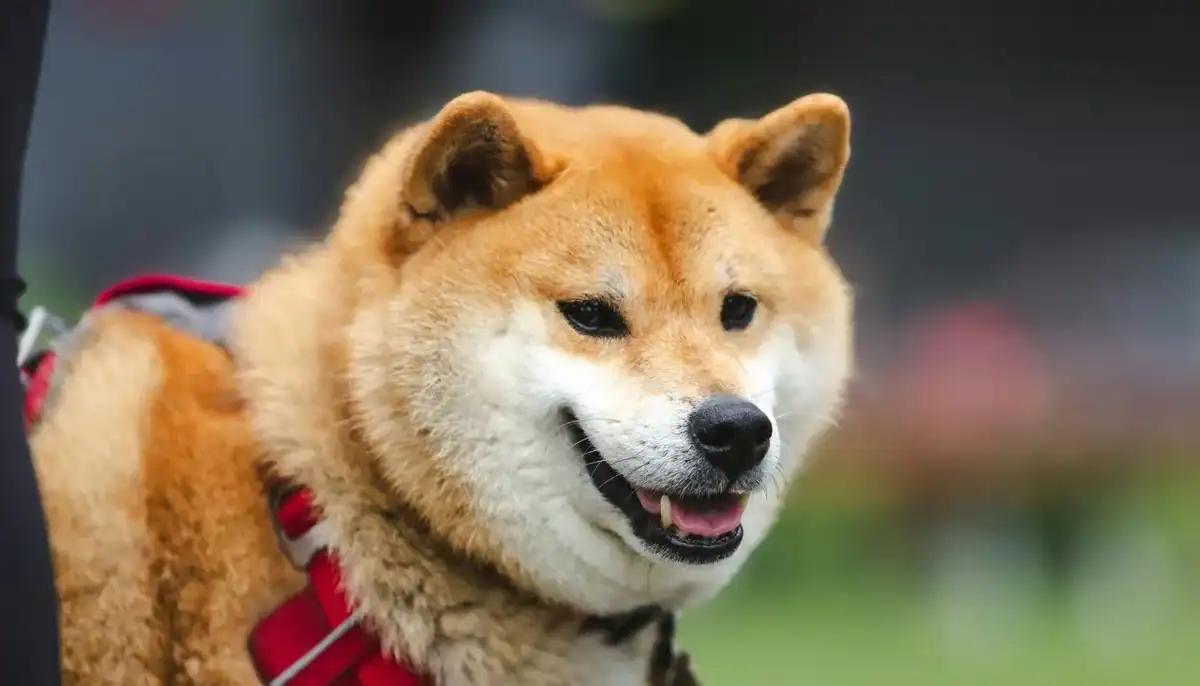
The Shiba Inu looks like a small fox and acts like a cat with a stubborn streak. This ancient Japanese breed was developed centuries ago in mountainous terrain for flushing birds and small game through dense brush, and that hunting heritage still shapes how it behaves today.
What makes this companion dog appealing is its combination of a fox-like appearance, natural cleanliness, and a quiet independence. A Shiba Inu owner quickly learns that this dog requires far less physical attention than needier dogs.
This guide draws on National Shiba Club of America health protocols, OFA CHIC testing requirements, and veterinary literature to present an accurate picture of what ownership involves.
Stay consistent, and you are rewarded with a partner that bonds deeply with its household. The first year of training sets the foundation for a reliable adult dog.
If you want an off-leash, people-pleasing dog, this probably isn’t the right breed. You need consistency and trust with a Shiba Inu dog before they reliably cooperate.
Affiliate Disclosure: K9Sphere is a participant in the Amazon Services LLC Associates Program. As an Amazon Associate, K9Sphere earns from qualifying purchases made through links in this article at no additional cost to you. Product recommendations are based on independent research and editorial judgment, not paid placement.
Breed Snapshot
📊 Vitals and Lifespan
Height
Males: 14.5–16.5 in (37–42 cm)
Females: 13.5–15.5 in (34–39 cm)
Weight
Males: 23 lb (10 kg)
Females: 17 lb (8 kg)
Lifespan
13–16 years
Breed Group
Non-Sporting Group
Origin
Japan
🇯🇵
⭐ Personality Traits
Ratings (1 to 5). This dog requires a patient owner ready to manage high prey drive and occasional selective hearing.
History and Origin
The Shiba Inu is the smallest and oldest of the native Japanese dogs. Its ancestors date back to ancient Japan, with evidence of similar small dogs appearing in the Jomon period. Hunters bred them to flush birds and track small game through dense undergrowth in the rugged mountain regions. The name roughly translates to brushwood dog, reflecting the terrain where they hunted.
📌 300 BC: Ancient Origins
Artifacts from the Jomon period in Japan show small dogs with curled tails and prick ears. These early ancestors established the foundation for the six native Japanese Spitz types known as the Nihon Ken.
📌 1936: Cultural Monument
Through the standardized breeding efforts of preservation societies, the modern Shiba Inu type was formally recognized and protected. Japan declared the breed a national monument to safeguard the bloodlines from foreign crosses.
📌 1945: Near Extinction
World War II bombing raids and a subsequent distemper epidemic pushed the breed near extinction. Dedicated breeders combined the three surviving distinct bloodlines to save the dogs.
📌 1954: Arrival in the USA
An American military family brought the first Shiba Inu to the USA. The American Kennel Club officially recognized the breed standard in 1992. Today they thrive as a popular companion dog in Japan and around the world.
Physical Characteristics
What does a shiba inu dog look like in person? The body is compact, well-muscled, and built for agility. Their distinct fox-like face features deep-set triangular eyes and small prick ears leaning slightly forward. A thick curled tail rests high over the back.
🎨 The Double Coat
The outer coat consists of stiff, straight guard hairs standing off a thick, soft undercoat. This double layer provides excellent insulation in cold weather and repels dirt naturally. Recognized coat colors include red, black and tan, sesame, and cream. Red is the most common and classic appearance.
🏗️ The Urajiro Markings
A defining physical trait is the Urajiro, which refers to specific white markings strongly preferred on the face and body. These white areas traditionally appear on the sides of the muzzle, on the cheeks, inside the ears, on the underjaw, upper throat, chest, and stomach. A Shiba without correct Urajiro does not meet the show standard.
Character and Personality
The Shiba Inu behaves more like a cat than a typical dog. They keep themselves clean, dislike being fussed over, and tend to size up a situation before getting involved. Smart and self-possessed, they do things on their own terms.
🛡️ Aloof Guardian
They bond deeply with their owners but remain reserved with strangers. They will not rush to greet every visitor. They prefer to watch from a distance until they feel comfortable. This natural suspicion makes them alert watchdogs. They bark only when necessary.
🔥 High Prey Drive
Centuries of hunting small game created an intense urge to chase. They will pursue squirrels, birds, and neighborhood cats without hesitation. Recall is notoriously poor once they lock onto a target. Many Shibas are unreliable off leash for this reason.
💪 The Shiba Scream
While usually quiet, they are capable of the famous shiba scream, a high-pitched, dramatic protest they let out when they feel anxious, restrained, or unhappy. Nail trims and vet visits are common triggers.
🧠 Fastidious Nature
They are famously easy to house train. Many puppies arrive from the breeder already keeping their living space clean. They avoid puddles on walks and spend a lot of time grooming their coat. This cleanliness is a major benefit for an indoor companion dog.
Screening and Conditions
Veterinary Disclaimer: The information in this article is for educational purposes only and is not a substitute for professional veterinary advice, diagnosis, or treatment. K9Sphere’s authors are experienced dog owners, not licensed veterinarians. Always consult a qualified DVM regarding any health concerns about your pet. Never disregard professional veterinary advice or delay seeking it because of something you have read on this site.
Health Information Sources: Data compiled from:
- National Shiba Club of America (NSCA) recommended health tests
- OFA CHIC testing requirements for the breed
- American Kennel Club breed health resources
Always consult your licensed vet for personalized medical advice.
The Shiba Inu is a sturdy and generally healthy breed with an impressive lifespan. However, they are prone to specific inherited conditions. A reputable breeder will run extensive tests on the parent dogs before a litter is born to reduce these risks for the future pup.
Common Inherited Conditions
🔴 Patellar Luxation
What to watch for: An intermittent skip in the step, holding one hind leg up briefly while running, or sudden lameness. The kneecap slips out of its normal groove. This is common in small dogs.
Screening: A veterinarian evaluates the knees manually to check for laxity. OFA patellar evaluation of both parents is a recommended CHIC test for serious breeding programs. Severe cases require surgical correction to prevent arthritis.
🔴 Hip Dysplasia
What to watch for: Reluctance to jump, difficulty rising from a resting position, or a bunny-hopping gait. Even a small dog can suffer from joint malformation where the hip socket does not cover the ball joint properly.
Screening: OFA or PennHIP joint evaluation of parent dogs helps identify carriers. Keeping your dog at a lean weight helps reduce stress on the joints as they age.
🟡 Eye Conditions
What to watch for: Cloudiness in the eye, excessive tearing, or rubbing at the face. Glaucoma and cataracts are documented in the breed. Glaucoma causes painful pressure buildup and can lead to rapid blindness.
Screening: Annual exams by a veterinary ophthalmologist catch early changes. Parent dogs should have a current eye screening on record, such as an OFA/CAER eye certification.
🟡 Skin Allergies (Atopy)
What to watch for: Constant scratching, biting at the paws, red belly skin, and recurrent ear infections. An allergy to environmental triggers like pollen or dust mites causes severe itching.
Management: Work with your vet to manage flare-ups, and a quality omega-3 supplement can help support the skin barrier through allergy season.
Grooming and Coat Care
They have a thick double coat that sheds a moderate amount year round. Twice a year, they blow their undercoat in a heavy shedding season lasting several weeks. During this time, hair will cover your house. You will need to brush them daily to remove dead hair and stimulate the skin.
Outside of shedding season, a quick weekly brush is usually enough, and sessions never take long. Selecting the right tool makes a huge difference. Our guide to the best brushes for shedding dogs covers the top deshedding rakes for thick undercoats. They are naturally clean dogs with minimal odor. You only need to bathe them every few months unless they roll in mud. Over-bathing strips essential oils and creates dry skin problems.
If you notice persistent scratching or dry patches, switching to a gentle dog shampoo for itchy skin can soothe the irritation. Because the breed is prone to atopy, a soothing shampoo formulated for dry, itchy skin is a sensible staple to keep on hand.
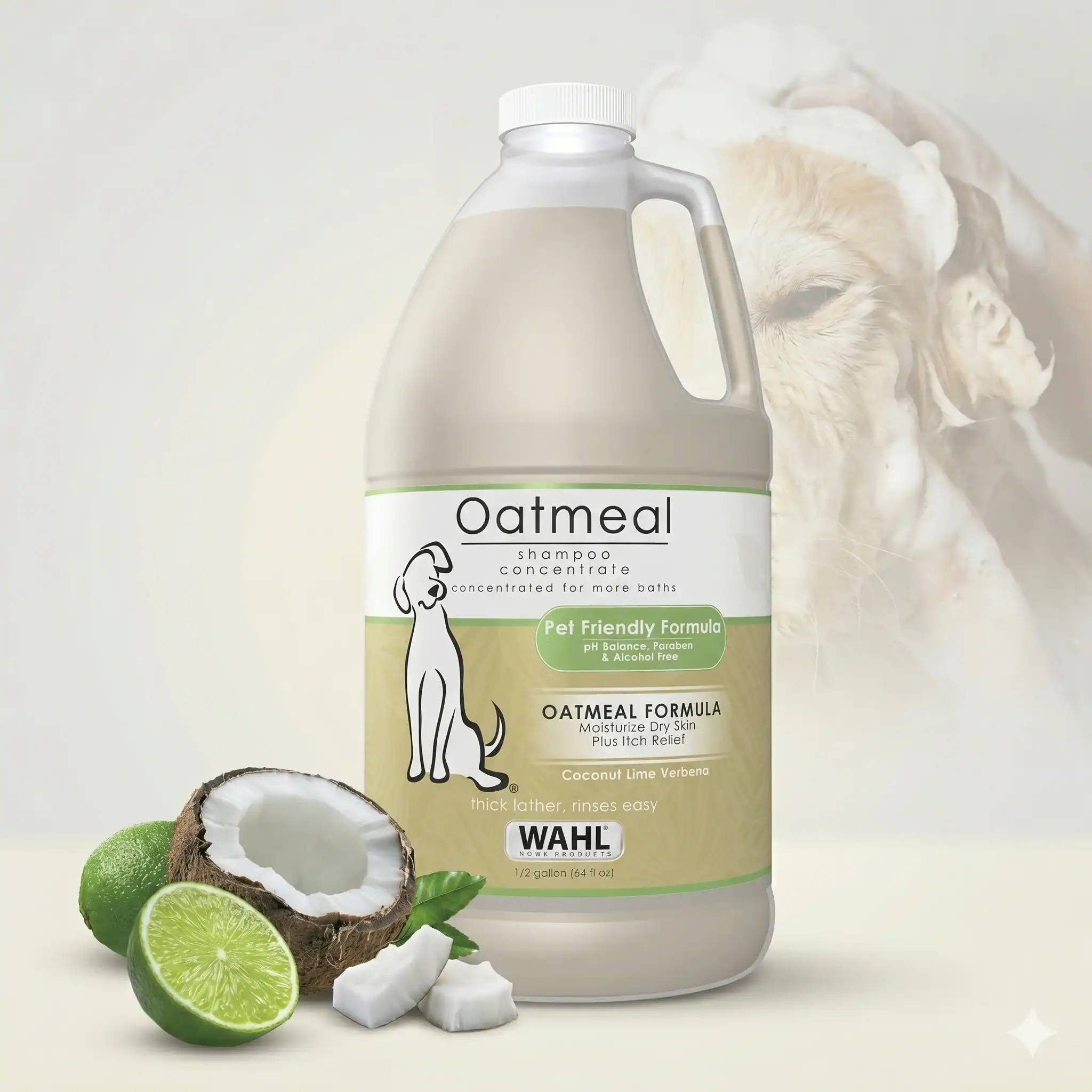
Wahl USA Dry Skin & Itch Relief Shampoo
Use for: Soothing the dry, itchy skin that double-coated breeds prone to atopy often develop during allergy season. The oatmeal and coconut-derived formula calms irritation and supports the skin barrier without stripping the coat’s natural oils.
Check price on AmazonTrim nails every three to four weeks. Introduce nail clippers to your puppy early and reward them generously. Adult dogs that missed early handling socialization often strongly resist nail trims. Check ears weekly and brush teeth regularly to prevent dental disease.
Exercise and Living Needs
The Shiba Inu dog packs surprising stamina into a small frame. They need a moderate amount of daily exercise to stay content. A brisk 45-minute walk each day, plus a little playtime in a secure area, satisfies their physical needs. They enjoy hiking and can handle rough trails easily.
A fenced yard is highly recommended, and it must be tall and dig-proof since they are clever escape artists. In open areas, keep them leashed.
They adapt well to apartment living provided they receive adequate outdoor activity. They are generally peaceful indoors and do not need a massive house to feel comfortable. They settle down nicely after a good walk and will happily nap near their owner.
Nutrition & Diet
Feed a high-quality diet formulated for small to medium breeds. A Shiba Inu owner should measure meals carefully. These dogs have a moderate food drive and can easily gain weight if overfed, so stick to a consistent feeding schedule rather than free-feeding. Monitor their body condition and adjust portions based on their activity level. You should be able to feel their ribs without pressing hard.
Because they are prone to skin allergies, some dogs benefit from diets featuring novel proteins or limited ingredients. Adding a marine omega-3 supplement supports skin health and coat shine. An excellent choice is Zesty Paws Salmon Oil, which provides EPA and DHA to reduce inflammation. Always consult your vet before making major diet changes.
Training
Training a Shiba Inu requires patience, a sense of humor, and firm consistency. They are highly intelligent but rarely eager to please, so the best approach relies on positive reinforcement and high-value treats rather than repetition alone.
🛑 The Strong-Willed Student
Obedience classes are essential. You must establish clear boundaries early. Do not use harsh physical corrections. They are sensitive to harsh handling, and a strong-willed dog will simply shut down or react defensively. Keep training sessions short and engaging. Once they get bored, they stop participating. Recall training is the hardest part. You must practice coming when called repeatedly, but never trust that a Shiba will listen near a busy road.
🎯 Early Socialization
Extensive early socialization prevents fear-based reactive or aggressive behavior. Introduce your puppy to a wide variety of people, dogs, and environments during their first four months. They tend to be dog selective as adults, particularly with same-sex dogs. Controlled introductions help them learn appropriate canine manners.
👑 Managing Separation Anxiety
While they are generally content on their own, a sudden change in routine can occasionally trigger separation anxiety. Crate training provides a safe, quiet space for the dog to relax when you leave the house. Build up alone time gradually.
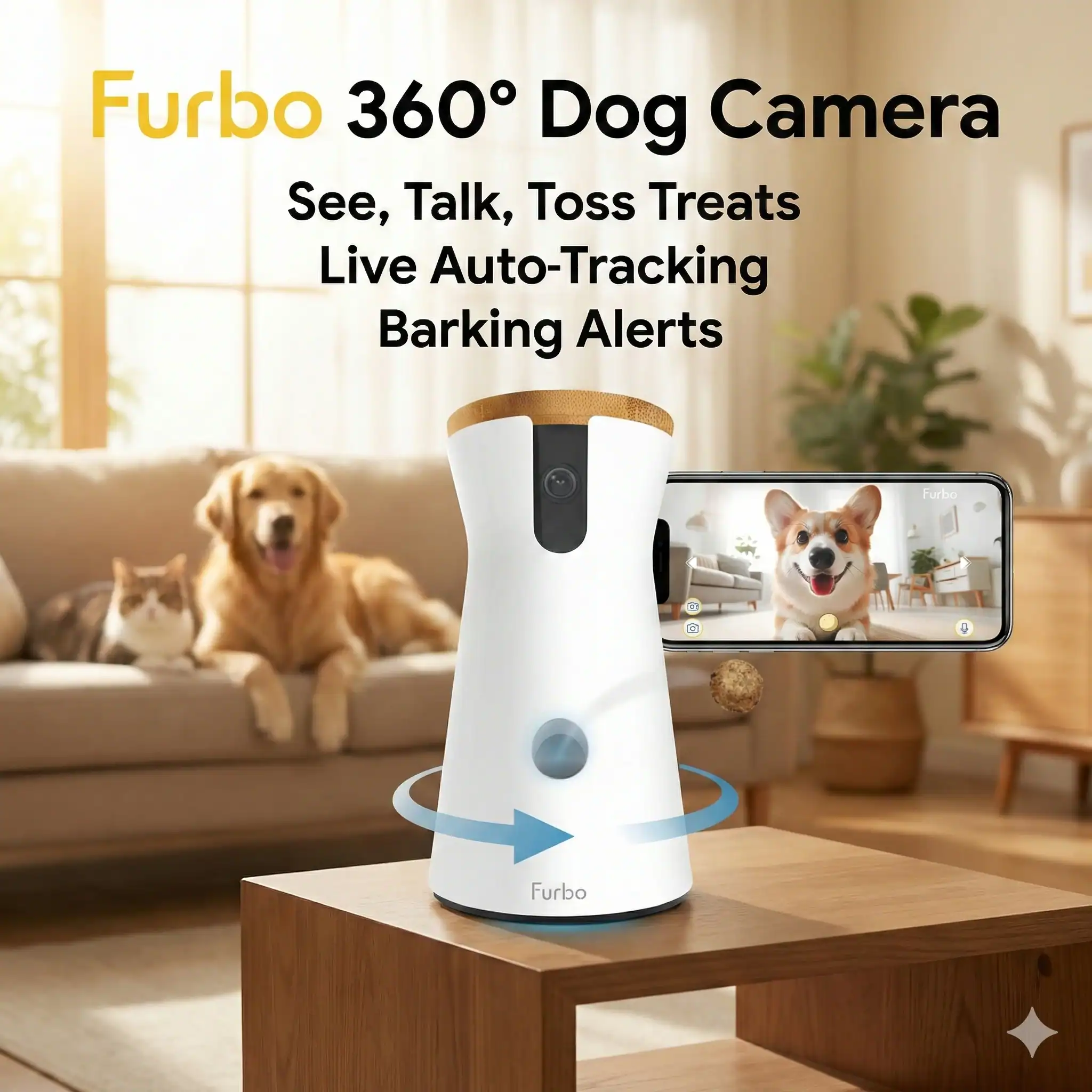
Furbo 360° Dog Camera
Use for: Checking in on a dog that is adjusting to a new schedule. The two-way audio allows you to interrupt pacing or alert barking while you are away, and the treat dispenser provides positive reinforcement remotely.
Check price on AmazonShiba Inu vs Akita vs Pomeranian vs Corgi
Prospective owners often compare the Shiba Inu against related Spitz dogs or popular small breeds. Understanding how they differ from the Akita or the Pomeranian clarifies what daily ownership actually demands.
| Attribute | Shiba Inu | Akita | Pomeranian | Corgi |
|---|---|---|---|---|
| Weight | 17–23 lb (8–10 kg) | 70–130 lb (32–59 kg) | 3–7 lb (1–3 kg) | 25–30 lb (11–14 kg) |
| Original Purpose | Small game hunting | Large game and guarding | Companion dog | Herding cattle |
| Energy Type | Moderate, agile | Moderate, powerful | Moderate indoor play | High, steady worker |
| Trainability | Independent, stubborn | Independent, willful | Smart, eager to learn | Smart, bossy |
| Grooming | Heavy seasonal shedding | Heavy seasonal shedding | Frequent daily brushing | Heavy shedding |
| Threat Response | Alert watchdog, quiet | Protective guardian | Vocal alert barker | Vocal alert barker |
| First-Time Owner? | With dedication | No, experienced only | Yes, with care | Yes, active homes |
| Common Health Risks | Patellar luxation, allergies, hip dysplasia, eye conditions | Hip dysplasia, bloat, autoimmune thyroiditis, eye issues | Patellar luxation, collapsing trachea, dental disease | IVDD, hip dysplasia, eye conditions, degenerative myelopathy |
| Living Space | Adaptable, needs secure yard | House with secure yard | Excellent for apartments | Adaptable with exercise |
The Shiba Inu and the Akita share ancient Japanese roots and a generally aloof character. The Akita adds massive size and a serious guarding instinct that requires expert handling. The Pomeranian is a tiny, vocal companion that demands constant attention, contrasting sharply with the self-sufficient Shiba. The Corgi is a working herder built to boss cattle around. Choose the Shiba Inu when you want a clean, quiet dog and are willing to navigate the stubborn streak and high prey drive.
Common Questions about the Shiba Inu
How much does a Shiba Inu dog cost?
Direct Answer: Expect to pay USD 1,500 to USD 3,000 for a well-bred puppy from a reputable breeder. Pricing varies by country, with UK, Canada, and Australia rates differing.
Context: They are an expensive breed upfront, and that initial price reflects the cost of health testing the parent dogs.
Management: Budget for a high-quality diet and routine veterinary care. Pet insurance is a smart move given the cost of treating joint issues or allergies if they do crop up.
What is a Shiba Inu dog?
Direct Answer: It is a small, agile Japanese hunting breed known for its fox-like appearance, curled tail, and quiet personality.
Context: Originally bred to flush small game in dense brush, they serve primarily as companion animals today.
Management: Understand that this ancient lineage retains strong instincts and requires an owner who respects their boundaries.
Is a Shiba Inu a good family dog?
Direct Answer: They are better suited for calm households or older children rather than busy homes with toddlers.
Context: They dislike being fussed over and do not tolerate rough handling from young children well. An adult dog will quickly lose patience with a chaotic environment.
Management: Supervise interactions between any kid and the dog. Teach children how to read canine body language and provide the dog with a quiet retreat area.
Can a Shiba Inu be a service dog?
Direct Answer: They are generally a poor candidate for formal service work.
Context: Service dogs require a strong desire to please the handler in distracting environments. The self-directed nature works against the strict requirements of service training.
Management: If you need a reliable service animal, breeds bred specifically for biddability and focus are generally a safer choice.
Do Shiba Inus shed a lot?
Direct Answer: Yes. They shed moderately year round and heavily twice a year when they blow their undercoat.
Context: During the seasonal blowout, which lasts a few weeks in spring and fall, loose undercoat comes out in large amounts. The rest of the year shedding is steady but manageable.
Management: Brush daily during the blowout and weekly otherwise. A deshedding tool removes far more loose hair than a standard brush.
Can a Shiba Inu live in an apartment?
Direct Answer: Yes, Shibas adapt well to apartments as long as they get enough daily exercise.
Context: They are quiet indoors and do not bark excessively, which suits shared buildings. Their compact size and clean habits make small spaces workable.
Management: Commit to a solid daily walk and some play, and keep them leashed in shared outdoor areas given their strong chase instinct.
Where to buy a Shiba Inu dog?
Direct Answer: Prioritize breeders associated with the National Shiba Club of America, other reputable breed clubs, or dedicated breed rescue organizations.
Context: A reputable breeder will interview you to ensure your lifestyle matches the breed and will typically provide OFA health certificates or similar screening records for the parents.
Management: Visit the breeder in person, meet the mother dog, and ask directly about the socialization done during the first eight weeks.
Are Shiba Inus reactive with other dogs?
Direct Answer: Shibas are not typically aggressive toward people, but they can be reserved or dog-selective if poorly socialized.
Context: They have strong resource guarding tendencies and may guard food or toys. Dog-selective behavior is more likely when puppies miss the critical early socialization window.
Management: Enroll in a positive reinforcement puppy class early to expose them safely to new experiences before they reach sixteen weeks of age.
How long do Shiba Inus live?
Direct Answer: Most Shiba Inus live 13 to 16 years, which is long even for a small breed.
Context: They are generally hardy, but inherited issues like patellar luxation, hip dysplasia, eye conditions, and skin allergies can affect quality of life if a line is not health tested.
Management: Buy from a breeder who screens the parents, keep your dog lean, and stay current on vet checks to support a full lifespan.
How to handle the Shiba scream?
Direct Answer: Desensitize them slowly to handling, grooming, and vet visits to reduce the chances of the scream triggering.
Context: The scream is a dramatic vocalization used when they feel forced or panicked. Pushing through it with force only makes the dog resist harder next time.
Management: A practical tip is to use high-value treats to teach them to tolerate nail clippers and ear exams. Hire a fear-free certified professional if you struggle with grooming tasks.
Finding a Puppy
Finding the right dog requires patience and research. The popularity of the breed means Shiba Inu puppies are in high demand, which has led to an increase in irresponsible breeding. A puppy from an untested line carries a significantly higher risk of lifelong skin allergies, joint problems, and unstable temperaments.
🏠 Reputable Breeders
The best practice is to locate a breeder recognized by the National Shiba Club of America. They will provide OFA documentation for hip and patella, plus a CAER eye screening, on both parents. A dedicated breeder raises the puppies indoors, exposing them to household noises and handling from birth. They will ask you detailed questions about your home, your fenced yard, and your experience with similar breeds.
🐾 Rescue and Adoption
Consider adopting a rescue dog. Many young adults enter rescue networks when a first-time owner fails to handle the shedding or the stubborn training demands. An adult dog offers the huge advantage of a known personality. Breed-specific rescues evaluate dogs carefully and can match you with an individual that fits your specific activity level and household dynamic.
🚩 Red Flags to Watch For
- No OFA health testing provided for the parent dogs.
- Breeder promises an off-leash reliable dog or guarantees an eager-to-please temperament.
- Puppies raised in outdoor kennels away from daily human interaction.
- Sale price significantly below the normal range, indicating corners cut on health and care.
- Parents showing extreme fear or unstable reactions toward visitors.
Personal Observation
💭 Personal Observation
My own Labrador, Bruno, lived to please people. Ask him to do something and he would do it just to see you happy. The Shiba Inu is the opposite kind of mind, and that catches a lot of new owners off guard. This is a dog that hears the command, understands it perfectly, and then quietly decides whether the reward is worth the effort. It is not stubbornness exactly. It is a dog that thinks for itself and expects you to make a good case.
The other thing I would tell anyone considering one is that the affection looks different from what most people expect. One of my rescues, Rusty, has always wanted to be in the same room as me without needing to be in my lap, and that is the closest comparison I can give for how a Shiba shows attachment. They are present and loyal, just not clingy. If your last dog followed you from room to room, the independence can feel cold at first until you learn to read it. The practical lesson, learned the hard way over the years, is simple: get them comfortable with a brush and nail clippers in the first few months, because the grooming habits you skip early become a real fight later on.
Conclusion
The Shiba Inu offers a unique blend of wild heritage and domestic companionship. For the right person, they are the best dog imaginable: they fit perfectly into households that respect a self-directed thinker and value a naturally clean, quiet companion. Owners who put the time into early socialization and positive reinforcement gain a fiercely loyal partner.
Weighing the pros and cons, the main trade-off is that reliable recall is difficult for most Shibas and they have heavy seasonal shedding. A secure environment is essential, and you must commit to brushing out the thick undercoat. They require an owner with a sense of humor who will not take their selective hearing personally.
📋 Before bringing one home, run this 4-step pre-buying check
- Secure containment. Do you have a tall, dig-proof fence or a strict leash policy for all outdoor activity?
- Training patience. Are you prepared to use positive reinforcement with a dog that thinks for itself instead of blindly obeying?
- Grooming reality. Can you handle heavy shedding twice a year and commit to regular brushing?
- Children safety. Is your household free of toddlers or very young children who might push the dog’s boundaries?
If any answer is no, reconsider the breed.
Editorial Disclaimer: This article is for informational and educational purposes only. It does not constitute veterinary advice, medical diagnosis, or treatment recommendations. Always consult a licensed veterinarian before making health-related decisions for your pet.
Accuracy Notice: While every effort has been made to ensure the information presented here is accurate and current, breed information evolves and individual dogs vary. If you spot a factual error or have updated information from a verified source, please contact us so we can review and update.
Product Disclosure: Product recommendations are based on independent research and editorial judgment. Individual results may vary. As an Amazon Associate, K9Sphere earns from qualifying purchases at no additional cost to you.
Last reviewed: May 2026. Article reviewed for accuracy on the date shown above.


