
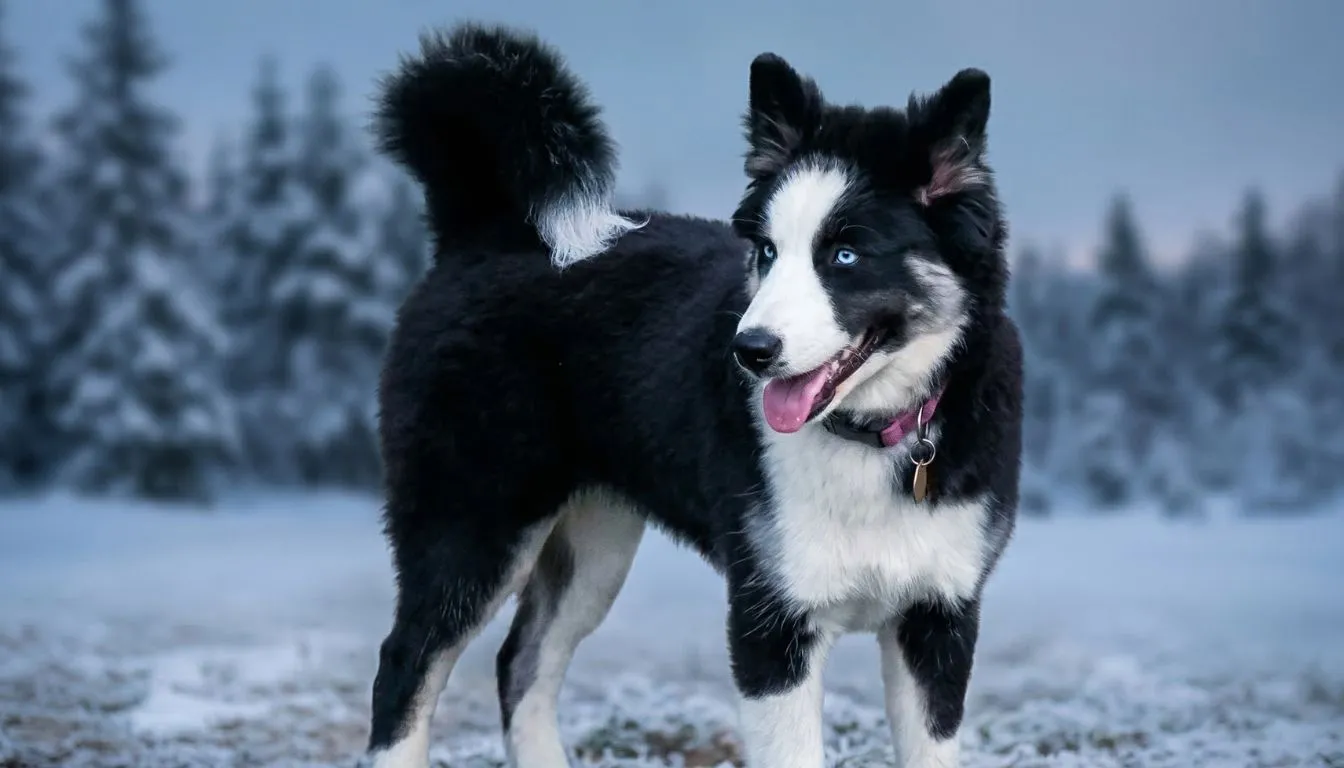
The Yakutian Laika commands attention instantly. With their striking wolf-like appearance and piercing eyes, they look like a wild creature plucked straight from the arctic tundra. Behind that beautiful exterior lies an intense working dog born to pull loads and herd reindeer across frozen landscapes.
The Yakutian Laika is an ancient aboriginal breed from the Yakutia region of Russian Siberia, also known as the Yakutskaya Laika. What most people fail to realize is the sheer destruction these dogs can cause in a modern, sedentary home without a serious job to do. Dog owners must understand this is not a typical domesticated pet.
This guide uses AKC Foundation Stock Service records, OFA CHIC screening data, and Russian Kynological Federation standards to explain why this Yakutian Laika breed requires a completely different approach than standard companion dogs.
Affiliate Disclosure: K9Sphere is a participant in the Amazon Services LLC Associates Program. As an Amazon Associate, K9Sphere earns from qualifying purchases made through links in this article at no extra cost to you.
Breed Snapshot
📊 Vitals and Lifespan
Height
Males: 21-23 in (53-59 cm)
Females: 20-22 in (51-57 cm)
Weight
Males: 45-55 lb (20-25 kg)
Females: 40-50 lb (18-23 kg)
Lifespan
10-12 years
Registry
AKC FSS / FCI Group 5
Origin
Russia (Yakutia)
🇷🇺
⭐ Personality Traits
Ratings (1 to 5). A medium size, high-drive arctic dog with strong natural instincts and deep loyalty to its household. Best suited to experienced, active handlers in cooler climates.
History and Origin
The Yakutian Laika is an ancient breed that developed in the harsh Siberian tundra of northeastern Russia. This breed developed its exceptional resilience through centuries of natural selection alongside indigenous Yakut people, who relied on these versatile sled dog partners to pull sleds across frozen terrain, manage reindeer, and track game. Sledding was not recreation for the Yakut people. It was the primary means of winter transportation, and a dog that could not perform these grueling tasks simply did not survive.
📌 Ancient Origins: Yakut People
Indigenous Yakut communities in the Yakutia region developed these dogs over centuries for pulling loads across frozen terrain, managing reindeer, and tracking game in temperatures reaching minus 60 degrees Celsius. The breed served a triple purpose that no single modern companion dog is expected to fulfill.
📌 2004: Russian Recognition
The Russian Kynological Federation officially published the first breed standard, formally recognizing the Yakutian Laika after decades of documentation efforts. The Yakutian Laika Club and dedicated Yakutskaya enthusiasts played a central role in preserving lineage records and breed information for the kennel club submission.
📌 2019: FCI Recognition
The Federation Cynologique Internationale granted full recognition, placing the Yakutian Laika in Group 5 (Spitz and Primitive Types). This confirmed its status as a distinct working dog separate from the related Siberian Laika, West Siberian Laika, and other northern spitz varieties.
📌 2020: AKC Foundation Stock Service
The American Kennel Club accepted the Yakutian Laika into its Foundation Stock Service, the first step toward eventual full recognition in the United States. Enthusiasts associated with Northstar Siberian Huskies and other northern breed programs helped introduce the Yakutian Laika to the North American dog community.
Today, they are kept primarily as active companions and dog sports competitors. However, their physical and behavioral adaptations for sub-freezing conditions remain fully intact in every litter. The closely related Siberian Husky shares some of this same northern working heritage but was refined for different terrain and running style.
Physical Characteristics
The Yakutian Laika is a medium size, healthy breed built for arctic endurance rather than brute strength. They possess a muscular frame, a deep chest for lung capacity, and strong legs designed to navigate deep snow without sinking.
📏 Arctic Build
Their compact, muscular frame is slightly longer than tall, supported by powerful hindquarters designed for explosive pulling power. The body proportions reflect centuries of natural selection for covering vast frozen distances while hauling weight. Their paws are large and well-furred between the toes, providing natural insulation and traction on ice.
🎨 Coat and Eyes
They carry a dense double coat with harsh outer guard hairs and a thick, wooly inner layer that provides vital insulation against Russian Siberia’s freezing temperatures. They come in striking color combinations including white, black and white, and piebald patterns. One of the most captivating features is their eyes, which can be blue, brown, or one of each (heterochromia).
Temperament
When you bring a Yakutian Laika into your home, you are attempting to house a versatile working dog whose biology demands rigorous outdoor output. The Yakutian Laika’s high prey drive toward small animals like cats and squirrels remains fully intact from their hunting origins. This is a primitive breed, and what makes this special breed remarkable is that their instincts have barely been diluted by modern domestication. A stray cat darting across the yard is not a curiosity to them. It is a target.
🧠 Pack-Oriented Intelligence
Despite their intensity outdoors, they are surprisingly affectionate with their inner circle. They bond deeply with their household and require significant social interaction. Isolating them in a backyard all day leads straight to excessive vocalization and property destruction.
🐺 Primitive Wariness
As an aboriginal breed shaped by natural selection rather than show-ring aesthetics, they retain a natural wariness of strangers that is fundamentally different from the open friendliness of a Golden Retriever or Labrador. Early socialization is not optional with this dog. It is the difference between a confident companion and a reactive liability.
💡 The “Wolf Dog” Myth
The reality: Despite their wild appearance, they are a fully domesticated, healthy breed with thousands of years of partnership with humans. They are not wolves, wolf hybrids, or feral animals. Their temperament is cooperative and handler-oriented when properly socialized, making them far more biddable than their looks suggest.
Screening and Conditions
Veterinary Disclaimer: The information provided in this article is for educational purposes only and is not intended as a substitute for professional veterinary advice, diagnosis, or treatment. Always consult a licensed veterinarian for any concerns about your dog.
Sources: Data compiled from:
- CHIC: Recommended testing database for the Yakutian Laika
- Russian Kynological Federation: Breed-specific veterinary guidelines
Always consult your licensed DVM for personalized medical advice.
As a primitive type shaped by natural selection in one of the harshest environments on earth, the Yakutian Laika is a remarkably robust animal. Weakness simply did not survive the Yakutia winter. However, responsible ownership requires vigilance regarding a few known genetic conditions.
🟡 Hip and Elbow Dysplasia
What to watch for: Structural issues where the joint fits improperly, causing deterioration, pain, and lameness over time. Common in active, medium-to-large dogs that place repeated stress on their frame.
Screening: Sources must provide OFA or PennHIP evaluations on parent dogs. Starting a proven hip and joint supplement supports cartilage as the dog ages.
🟡 Eye Conditions (PRA and Cataracts)
What to watch for: Progressive retinal atrophy causes gradual vision loss and eventual blindness. Cataracts cloud the lens. Watch for bumping into furniture in dim light or reluctance to navigate unfamiliar spaces at night.
Screening: Annual eye exams by a board-certified veterinary ophthalmologist. Responsible sources test stock for hereditary eye diseases before producing litters.
Consult your veterinarian before starting any supplement regimen for your dog.

Nutramax Cosequin for Dogs Joint Health Supplement
Use for: Supporting joint integrity in active northern dogs that place repeated stress on their frame during pulling and running. Helps maintain cartilage function as the dog ages.
View on AmazonGrooming
They shed moderately year-round, but they completely blow their inner layer twice a year. During these seasonal shifts, you will find massive tumbleweeds of fur drifting across your floors. Brushing several times per week becomes mandatory unless you want your home to look like it snowed indoors.
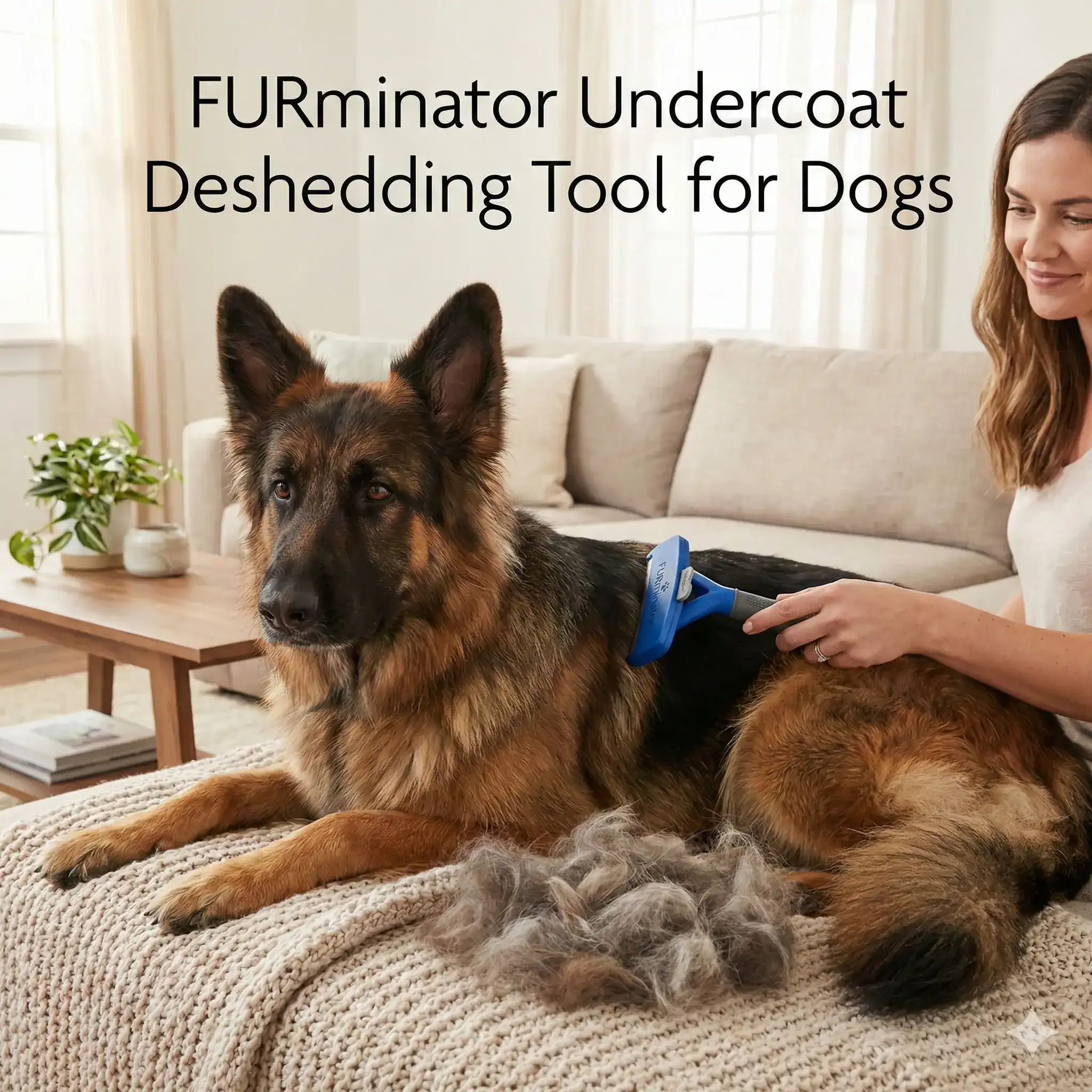
FURminator Undercoat Deshedding Tool for Dogs
Use for: Removing loose inner-layer hair before it covers your furniture. Designed for thick double coat arctic dogs, reaching the dense woolly layer that standard brushes cannot access.
View on AmazonRegular brushing with an appropriate grooming tool helps remove dead hair and reduces the volume of loose fur inside the home. Bathing should be infrequent to preserve the coat’s natural oils. An orthopedic dog bed supports recovery after long running sessions and cushions their frame during rest.
Activity
Do not underestimate the stamina of a dog built to pull loads across frozen tundra. They require exercise and mental stimulation for a minimum of two hours daily. A casual stroll around the neighborhood is entirely insufficient.
🏃 Physical Output
They thrive in dog sports like skijoring, bikejoring, canicross, or advanced agility. If you are a long-distance runner looking for a partner, this dog will gladly match your pace and then ask for more. In cooler weather, they are in their element and will happily spend hours outside.
🧠 Mental Engagement
Physical exhaustion alone is not enough. Scent work, tracking puzzles, and structured fetch games keep their working brain engaged between running sessions. Without mental outlets, they channel their intelligence into finding creative ways to escape your yard or dismantle your furniture.

No Pull Dog Harness, Collar and Leash Set
Use for: Strong, enthusiastic pullers that drag handlers on walks. A front-clip harness helps safely redirect a northern dog’s natural instinct to lean forward and pull.
View on AmazonNutrition
A dog with this level of metabolic output requires premium fuel. A high-quality, protein-rich formula is essential to support their lean muscle mass and sustain their endurance.
🐶 Puppy Stage
Yakutian Laika puppies grow rapidly and need a controlled large-breed formula that manages calcium and phosphorus ratios. Overfeeding during growth places damaging stress on developing joints. Feed measured meals three to four times daily and monitor body condition closely.
🐕 Adult Stage
If actively participating in dog sports or pulling loads, their caloric requirements will increase significantly. A performance formula with higher fat and protein is appropriate. For companion dogs with moderate activity, standard high-quality kibble prevents obesity. Split feeding into two meals to reduce bloat risk.
🐕🦺 Senior Stage
As their pace naturally decreases, calories must be reduced to prevent weight gain. Joint supplements containing glucosamine become increasingly important to protect aging hips and elbows that carried an athlete’s workload for years. Increase veterinary checkups to twice yearly.
Conditioning
This is a highly intelligent breed, and they are relatively easy to train compared to some other fiercely independent arctic types. While they are easy to train in structured settings with clear rewards, they are not push-button robots that will blindly follow commands without question. They want to work in partnership with their human handlers.
🎯 Partnership Approach
They require firm, consistent leadership and positive reinforcement. Because they are a primitive type, harsh methods will destroy their trust and cause them to shut down or become defensive. Keep sessions varied and reward-based. Their intelligence means they bore quickly with repetitive drills.
🐕 Socialization
Exposure to a wide variety of people, environments, and other animals during puppyhood is critical. Without thorough early socialization, their natural wariness of strangers can shift into fearful or reactive behavior. A fearful dog of this size and drive level is a serious liability.
Breed Comparison
| Attribute | Yakutian Laika | Siberian Husky | Alaskan Malamute |
|---|---|---|---|
| Weight | 40-55 lb (18-25 kg) | 35-60 lb (16-27 kg) | 75-100 lb (34-45 kg) |
| Primary Role | Multi-purpose (pull, hunt, herd) | Long-distance running | Heavy freight hauling |
| Handler Focus | Moderate (cooperative) | Low (independent) | Moderate (stubborn) |
| Chase Instinct | Very High | Very High | High |
| Lifespan | 10-12 years | 12-14 years | 10-14 years |
The Siberian Husky is the most commonly compared alternative. While both are northern dogs, the Husky is a notorious escape artist with an independent streak that borders on defiance. The Yakutian Laika is generally more handler-oriented and slightly easier to work with in structured conditioning. The Alaskan Malamute is substantially larger and was refined for raw power rather than the multi-purpose versatility of the Yakutian Laika. The biggest pro of the Yakutian Laika is its cooperative working disposition combined with striking appearance. The biggest con is the relentless output demands and chase instinct that make them unsuitable for sedentary households or homes with small animals.
FAQ
Are they good household dogs?
Direct Answer: Yes, but only for highly active households who understand the demands of a working type and have a secure yard.
Context: They are deeply loyal, affectionate, and generally excellent with children in their own circle. However, their output levels mean they can accidentally knock over toddlers during enthusiastic play.
Management: Supervise interactions with small children and commit to exhausting the dog physically before expecting them to settle.
How much output do they actually need?
Direct Answer: A minimum of two hours of intense, structured physical movement every day.
Context: This is a dog built to pull loads over miles of frozen tundra. A casual walk on a leash will not drain their reserves. They need to run hard, sprint, and engage their brains simultaneously.
Management: Incorporate high-intensity activities like running alongside a bicycle, long-distance hiking, or structured dog sports.
What is their chase instinct like?
Direct Answer: Extremely high. They will instinctively pursue smaller animals.
Context: Historically, they helped track game for the Yakut people. That instinct has not been diminished. A squirrel, a rabbit, or a neighborhood cat will trigger an immediate pursuit response.
Management: They should never be trusted off-leash in an unfenced area, and careful introductions are required if you have other small pets.
Can one survive in an apartment?
Direct Answer: It is highly discouraged and generally not workable for most people.
Context: These are vocal, high-output dogs that need space to move. They are prone to alert vocalization and can easily become destructive in confined spaces if their needs are not met.
Management: Unless you are an elite athlete who takes the dog out for hours of running every single day, consider a different type.
How do they differ from a Siberian Husky?
Direct Answer: While both are northern dogs, the Yakutian Laika is generally more versatile, more focused on their people, and slightly easier to work with.
Context: Huskies are notorious escape artists with independent streaks that border on stubbornness. The Yakutian variety was developed for multiple purposes (pulling, hunting, herding), making them slightly more handler-oriented.
Management: Both require massive physical output, but you may find the Laika more responsive during structured conditioning sessions.
Are they confrontational?
Direct Answer: No, they are not inherently confrontational toward humans, though they can be aloof with strangers.
Context: They are protective of their people and territory, which makes them excellent alert dogs. Any hostility usually stems from poor sourcing or insufficient early socialization.
Management: Prioritize positive exposure to many different people and environments during the 8-to-16-week socialization window.
Are they recognized internationally?
Direct Answer: Yes, they are recognized by the FCI and the Russian Kynological Federation. In the United States, they are recorded in the AKC Foundation Stock Service.
Context: Full AKC recognition is pending. The FCI granted recognition in 2019, placing them in Group 5 alongside other spitz and primitive types.
Management: If you are interested in conformation showing in the US, check current AKC regulations regarding FSS participation.
Is the Yakutian Laika a hypoallergenic dog?
Direct Answer: No. This is not a hypoallergenic dog. Their thick double coat sheds heavily twice yearly, releasing significant amounts of dander and loose hair.
Context: Brushing reduces but does not eliminate allergens. If allergies are a concern, spend significant time around the dog before committing.
Management: Air purifiers and frequent vacuuming help manage allergens, but this will never be a low-shedding household dog.
Finding a Yakutian Laika
Because this is a rare breed outside of Russia, finding a responsible breeder requires significant effort and patience. Responsible dog ownership with this type starts before the puppy even arrives. You will not find these dogs in a local pet store, and you should avoid any online seller offering to ship a puppy immediately without a rigorous vetting process.
🏠 Responsible Source
Start your search through the national breed club, the Yakutian Laika Club, or the AKC Foundation Stock Service records. Expect to join a waitlist that could span a year or longer. A responsible dog source will interrogate your lifestyle, ask about your fencing, and verify that you understand the staggering physical demands of an aboriginal northern dog.
🐾 Rescue and Adoption
Occasionally, a Yakutian Laika will end up in a northern type rescue because the original handler drastically underestimated the dog’s chase instinct and shedding. If you have experience with Siberian Huskies or Alaskan Malamutes, adopting a mature dog allows you to bypass the destructive adolescent phase and assess the adult disposition directly.
🚩 Red Flags
- Source cannot provide OFA hip or eye clearances for parent dogs
- Puppies are advertised as “calm household pets” without mentioning output demands
- No mention of chase instinct management or fencing requirements
- Source ships puppies immediately without a waitlist or interview process
- Parent dogs appear lethargic, fearful, or show signs of poor coat condition
Personal Observation
💭 Personal Observation
Rambo arrived at my home in July 2022, abandoned during a monsoon storm with a belt around his neck. His unchanneled energy was overwhelming in those first weeks. It was not until I gave him a structured daily outlet that he finally settled. He now runs alongside my bicycle for a full kilometer without breaking pace, and that single routine transformed him from a destructive force into a focused, cooperative dog. For an aboriginal type like the Yakutian Laika, that same level of exhausting physical commitment must be replicated every single day, but at double the intensity. If rigorous output cannot be provided, a dog with this much primitive drive will systematically dismantle your house out of sheer frustration.
Conclusion
The Yakutian Laika is a magnificent survivor of the Siberian tundra. They offer unwavering loyalty, striking beauty, and a working spirit that has endured for centuries.
The biggest pro is a cooperative, intelligent working dog with stunning looks and genuine versatility across pulling, hunting, and herding roles. The biggest con is the relentless physical demands, intense chase instinct, and heavy shedding that make them completely unsuitable for sedentary households. For the dedicated outdoor enthusiast willing to put in the miles, there are few partners more capable or devoted.
Disclaimer: This article is for informational purposes only and does not constitute veterinary or professional advice. All information is based on publicly available data and should not replace a physical examination or treatment plan from a licensed veterinarian. Product recommendations contain affiliate links. K9Sphere earns from qualifying purchases at no additional cost to you.


