
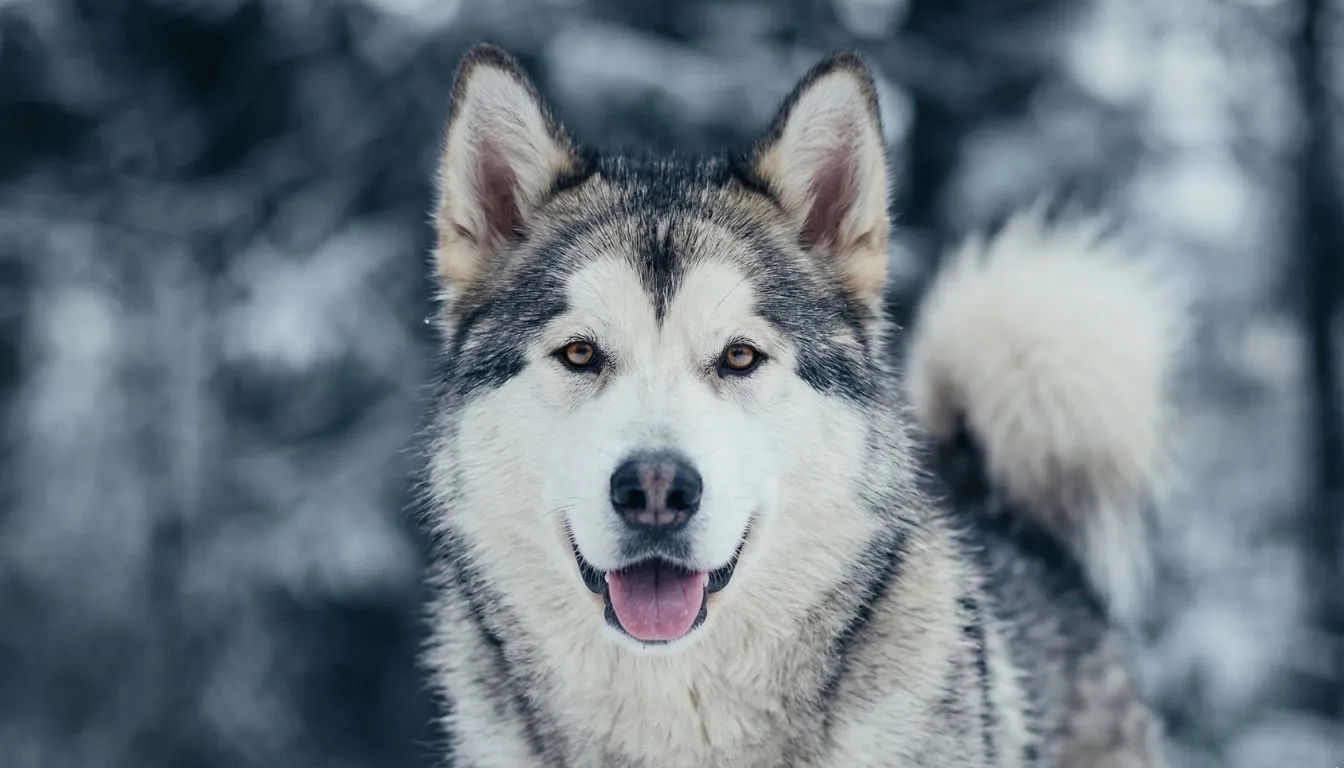
The Alaskan Malamute is a big American Arctic draft breed developed by the Mahlemut people of northwestern Alaska to haul heavy freight at low speed across great distances over frozen terrain. Built with heavy bone, deep chests, and immense physical power, they remain one of the oldest and most strikingly powerful Arctic sled dogs in existence.
Beneath that imposing exterior lies an independent, heavily muscled athlete that demands a specific and committed lifestyle. What many prospective owners miss is the profound difference between a dog bred to sprint and a dog bred to haul immense weight, with far stronger activity demands and far stronger prey drive than novice people typically expect.
This guide draws on the Alaskan Malamute Club of America standards list, OFA screening protocols, and AKC Canine Health Foundation research to explain the real care requirements of this dog. It is designed for prospective handlers who want a realistic understanding of what living with a powerful Arctic draft dog involves on a routine basis.
Both their size and their genetic predispositions create real care commitments. Substantial vet bills, intense year-round shedding, and a serious workload for physical work add up faster than most novice keepers expect across the USA. Skipping any of these realities tends to result in a dog that becomes overwhelming for the family.
The pro side is profound loyalty and a fiercely affectionate companion for the right handler; the con is that an unprepared household will struggle. Lifespan typically runs 10 to 14 years, giving committed owners over a decade of partnership, but only if the workload is honestly understood from day one.
Affiliate Disclosure: K9Sphere is a participant in the Amazon Services LLC Associates Program. As an Amazon Associate, K9Sphere earns from qualifying purchases made through links in this article at no extra cost to you.
Breed Snapshot
📊 Vitals and Lifespan
Height
Males: 25 inches (64 cm)
Females: 23 inches (58 cm)
Weight
Males: 85 lb (39 kg)
Females: 75 lb (34 kg)
Lifespan
10-14 years
AKC Group
Working Group
Origin
United States (Alaska)
🇺🇸
⭐ Personality Traits
Ratings (1 to 5). The Malamute is a powerful draft animal built for endurance, balanced by deep family devotion when raised correctly.
History and Origins
The history of this remarkable line is deeply intertwined with the Mahlemut people of the Norton Sound region in northwestern Alaska. Unlike many modern lines developed for appearance, these dogs were shaped entirely by function and survival across centuries of harsh Arctic conditions.
📌 Ancient Origins: Mahlemut People
The Mahlemut Inuit of northwestern Alaska developed these dogs over centuries for heavy draft work, hunting assistance, and warmth in sub-zero conditions. Unlike the lighter Siberian Husky bred for rapid transport of light cargo, the dog functioned as the heavy freight engine of the north.
📌 1896: Klondike Gold Rush Impact
The Klondike Gold Rush brought massive demand for sled dogs. Crossbreeding with imported breeds threatened the purity of the original Malamute lines until enthusiasts intervened to preserve the genetic line.
📌 1935: AKC Recognition
The American Kennel Club officially recognized the Alaskan Malamute, solidifying their status as a separate line within this Group.
📌 Modern Era: Working and Companion Roles
Beyond traditional dog sledding and freighting, Malamutes have been used in small numbers for search and rescue work in harsh winter conditions. Many were historically raised inside family dwellings alongside children, establishing their affectionate nature with people while preserving rugged independence.
Today, this Arctic line remains heavily utilized in recreational mushing, weight-pulling sport, as a deeply devoted household companion, carrying the draft ethic established over centuries of Arctic survival. They handle a lot of physical work each season without showing wear, and a properly conditioned adult tires only after hours of work. Like its northern cousin the Canadian Eskimo Dog, this Arctic line represents for us a living link to the indigenous freight-dog traditions of the far north.
Physical Characteristics
An adult male Alaskan Malamute stands roughly 25 inches at the shoulder and weighs approximately 85 pounds. Females are slightly smaller at around 23 inches and 75 pounds. Their build features substantial bone density and heavily muscled shoulders engineered to generate sustained forward traction rather than sprint speed. People often note how much they look like a fluffy, oversized wolf, though their build is far more compact than a true wild canid.
🏗️ Build and Structure
Their substantial bone density, deep chest, and heavily muscled shoulders are engineered for sustained forward traction over frozen terrain. Every element of their anatomy supports hauling rather than sprinting.
🎨 The Double Coat
They carry a thick, weatherproof double coat that traps air close to the skin and sheds snow before it can melt. The dense, oily undercoat sits beneath a coarse outer guard hair. This natural insulation provides remarkable protection against freezing temperatures, wind, and snow.
Character and Temperament
Understanding the Alaskan Alaskan Malamute personality requires accepting that they are not eager-to-please retrievers in wolf suits. They are dignified, intelligent, and stubborn independent thinkers who use their intelligence to evaluate commands rather than blindly obey. Their demeanor in a home setting often differs sharply from their behavior in harness.
👨👩👧 Family Affection
They thrive on inclusion and form deep bonds with their human pack. They are generally patient and playful with children, though their size requires constant adult supervision around toddlers.
🐺 Intense Prey Drive
These dogs possess a hardwired prey drive toward small, fast-moving animals. Cats, rabbits, and small livestock may be viewed as targets. Managing this instinct requires vigilance and secure physical boundaries.
🛑 Not Guard Dogs
Despite their intimidating wolf-like appearance, they generally make poor guard dogs. They tend to be too friendly and are more likely to greet a stranger with a wagging tail than a defensive posture.
⚡ Same-Sex Aggression
Many of these dogs are prone to same-sex confrontation. Placing two adult males or two adult females in the same household can lead to ongoing territorial conflicts without careful management. Some dogs also struggle with separation anxiety when left alone for extended periods, particularly young adults transitioning out of constant household contact.
One temperament note worth flagging: some Malamutes develop separation anxiety when transitioning out of constant household contact, particularly during their first year. Crate training paired with gradual independence-building helps prevent this from becoming a lasting recurring problem.
Screening and Conditions
Veterinary Disclaimer: The information provided in this article is for educational purposes only and is not intended as a substitute for professional veterinary advice, diagnosis, or treatment. Always consult a licensed veterinarian for any wellbeing concerns about your pet.
Reference Sources: Health data compiled from:
- OFA CHIC Program: Required screening protocols for the line
- Alaskan Malamute Club of America: Official wellness statements
Always consult your licensed DVM for personalized medical advice.
Alaskan Malamutes are generally healthy dogs with a rugged constitution inherited from generations of harsh Arctic survival. With good care, the typical Alaskan Malamute lifespan falls around 10 to 14 years. However, their build and specific genetics make them vulnerable to several key conditions, and strict parental screening is your primary defense against future heartache.
Common Inherited Conditions
🔴 Hip Dysplasia
What to watch for: Hip dysplasia is the most significant skeletal concern for this line. The joint socket forms improperly, leading to painful arthritis as bone grinds against bone over years of activity. An affected dog often tires quickly during walks or hesitates to climb stairs.
Screening: Verify both parents have excellent or good OFA hip evaluations before purchase. Keeping the dog lean throughout life reduces joint stress, and providing a supportive orthopedic dog bed helps distribute weight in senior years.
🔴 Inherited Polyneuropathy
What to watch for: A nerve disorder that causes progressive weakness, lack of coordination in the limbs, and lethargy. Affected dogs may stumble, knuckle over on their paws, or appear unsteady.
Screening: Responsible programs use a specialized DNA test to ensure they do not produce affected puppies. Always request documented results for both parents.
🟡 Hypothyroidism
What to watch for: Low thyroid function is relatively common in this group and can contribute to unexplained weight gain, dull or thinning coat, lethargy, and cold intolerance if left untreated.
Screening: Annual blood panels detect this early. Once diagnosed, daily thyroid medication is inexpensive and very effective at restoring normal stamina and overall condition.
🟡 Cataracts and Day Blindness
What to watch for: Inherited eye conditions including cataracts and day blindness (cone degeneration) appear in some lines. Day blindness causes the dog to navigate poorly in bright light while seeing normally in dim conditions.
Screening: An annual exam by a veterinary ophthalmologist on parent dogs is an important part of ethical breeding practices for this line.
Consult your veterinarian before starting any supplementation regimen for your dog.
Because of the line’s documented joint vulnerability, many handlers begin a multi-year glucosamine-and-chondroitin protocol well before any clinical signs appear.

Nutramax Cosequin for Dogs Joint Care Supplement
Use for: Supporting joint integrity and mobility in large, heavy-boned breeds prone to limb problems. Contains glucosamine to maintain cartilage and connective tissue in draft dogs with demanding physical routines.
Check price on AmazonGrooming and Coat Care
Caring for an Alaskan Malamute involves a serious commitment to fur management. They possess a thick weatherproof layer designed for sub-zero survival, and they drop hair steadily throughout the year, punctuated by twice-yearly massive coat blowouts that drop their entire thick inner layer over several weeks.
Most owners find an undercoat-specific deshedding tool removes far more loose fur per session than a standard brush, dramatically cutting the volume that ends up on furniture and floors.
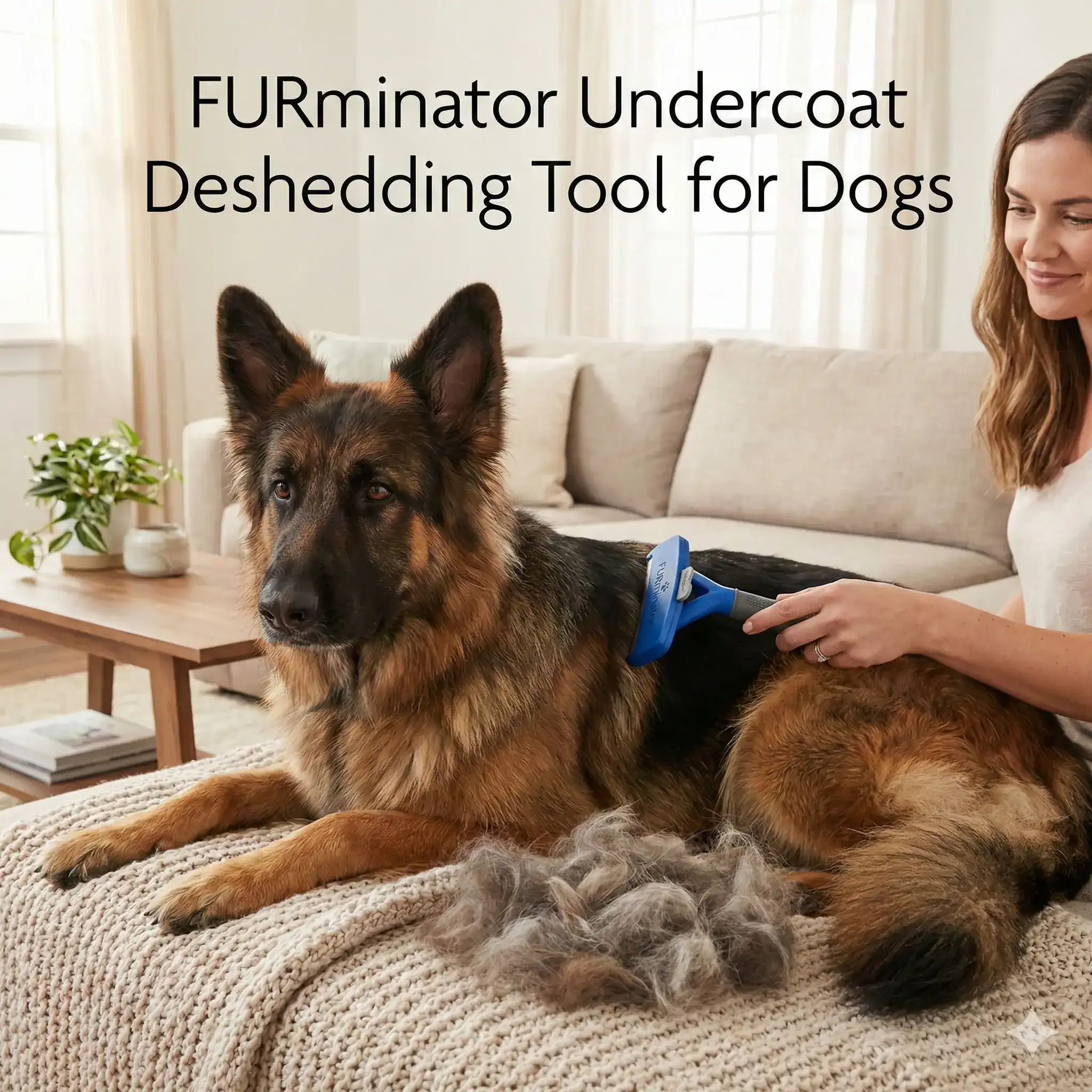
FURminator Undercoat Deshedding Tool for Dogs
Use for: Removing loose undercoat hair before it covers your furniture, reducing heavy shedding by up to 90 percent, and keeping heavily-coated breeds comfortable during intense seasonal transitions.
Check price on AmazonRegular brushing with an appropriate grooming tool helps remove dead hair and reduces the amount of shedding inside the home. Heavily-coated dogs such as the Malamute benefit from tools designed specifically for reaching the dense underlayer rather than standard surface brushes.
Beyond grooming, temperature management is critically important. They are most comfortable in genuinely cold environments where their coat and metabolism work as intended. In warm regions, work should be restricted to early mornings and late evenings, and the dog should have access to cooler living environments, especially during the hottest parts of the day.
Exercise and Living Needs
Malamutes are intelligent dogs, but their primary intelligence lies in physical problem-solving and stamina. A slow walk around the block is rarely enough for this line. They typically need a minimum of 90 minutes to two hours of vigorous physical work each day. This high energy demand is non-negotiable and the single biggest factor first-time owners underestimate.
Because they were bred to pull heavy loads, they excel at dog sports like weight pulling, carting, and recreational mushing. Harnessing their pulling instinct is far more effective than trying to suppress it during casual walks. Without adequate physical work, a frustrated dog may become destructive, often digging, chewing through household items, or developing repetitive behaviors out of physical frustration.
They thrive best when living inside closely integrated with the household, with secure open space for off-leash work in cooler weather. Smaller living spaces are challenging due to their large size and vocal “talking” tendency that often draws noise complaints from neighbors.
Nutrition & Diet
Despite their substantial build, Malamutes have a remarkably efficient metabolism. They evolved in an environment where food was scarce, meaning they often require fewer calories than a similarly sized Labrador or Golden Retriever.
🐶 Puppy Stage
Feed a diet specifically formulated for big breeds to ensure controlled bone growth. Overfeeding youngsters places stress on growing joints, increasing the risk of structural problems. Free-feeding is strongly discouraged.
🐕 Adult Stage
Strict portion control during feeding is recommended. Obesity in this group is common and dramatically accelerates joint deterioration. You should easily feel their ribs beneath the thick fur without pressing hard. Divide each day’s caloric intake into two separate meals of a balanced oversized-breed formula with adequate protein, and avoid rigorous activity immediately before or after eating to minimize the risk of bloat (gastric torsion).
🐕🦺 Senior Stage
As activity levels naturally decrease, caloric intake should be reduced and a senior-formula diet introduced. This is the optimal time to integrate hip and joint supplements formulated with high-quality glucosamine and chondroitin to support older joints in a dog that may have worked hard throughout life.
Training
Training an Alaskan Malamute requires patience, consistency, and realistic expectations. They are intelligent but use that intelligence to assess whether a command makes sense to them rather than blindly obeying. Group obedience classes from puppyhood, before any kid in the household becomes too attached to a dog who has not yet learned manners, are highly recommended.
🛑 Socialization Priorities
Intensive socialization between 8 and 16 weeks is critically important. Expose them to diverse environments, sounds, and other dogs. Because of their hardwired prey drive and tendency toward same-sex aggression, controlled positive encounters with other dogs and small animals during early development build confidence and better lifetime tolerance.
👑 Positive Reinforcement
Many dogs in this breed will test boundaries during adolescence, so structure matters most between 6 and 18 months. Positive reinforcement is typically the most effective strategy. Heavy-handed corrections often backfire, causing the dog to shut down or become defensive. Find what motivates your specific dog and use it strategically.
🎯 Off-Leash Reality
Most should not be trusted off-leash in open areas. Their intense prey drive means that if they spot a running squirrel or deer, recall commands are usually ignored. A securely fenced yard is strongly recommended, on-leash work in unfenced areas should be the default for life, and crate training during the early phase builds the calm independence they need as adults.
Alaskan Malamute vs Husky vs white spitz vs Alaskan Husky
Understanding how this Alaskan Malamute dog breed stacks up against other Arctic draft lines helps clarify exactly what owning this Malamute dog entails. The dogs people actually compare them against in search are the Siberian Husky, the Samoyed, and the Alaskan Husky. Some prospective handlers also weigh this dog against the German Shepherd, though that breed offers a very different protective drive. All four Arctic breeds share Arctic ancestry but operate with entirely different physical specifications and temperaments.
| Attribute | Alaskan Malamute | Siberian Husky | Samoyed | Alaskan Husky |
|---|---|---|---|---|
| Weight | 75-85 lb (34-39 kg) | 35-60 lb (16-27 kg) | 35-65 lb (16-29 kg) | 35-60 lb (16-27 kg) |
| Original Purpose | Heavy freight hauling | Fast light-cargo sledding | Reindeer herding / sledding | Distance racing sled dog |
| Drive Type | Sustained, powerful draft | Endless light stamina | Steady, cheerful work | Elite endurance racing |
| Trainability | Independent thinker | Independent, mischievous | Eager and people-oriented | Highly biddable on harness |
| Grooming | Heavy seasonal blowout | Heavy seasonal blowout | Constant heavy shedding | Moderate shedding |
| Threat Response | Friendly, not protective | Friendly, not protective | Friendly, vocal | Friendly, work-focused |
| First-Time Owner? | Not Recommended | Not Recommended | Possible | Strongly Discouraged |
| Vet Cost Burden | Moderate (Joints / Thyroid) | Moderate (Eyes / Hips) | Moderate-High (Cardiac / Eyes) | Low-Moderate |
| Living Space | Yard strongly preferred | Yard required | Yard preferred | Working kennel ideal |
The Alaskan Malamute occupies a specific position in this group: substantially heavier and slower than the speed-bred cousin breeds, more independent than the people-oriented Samoyed, and built for raw freight rather than racing distances. Where the cousin brings light-cargo speed and the Alaskan Husky brings elite endurance, this line brings draft-dog power. The pro side: an unmatched freight athlete that doubles as a fiercely loyal household companion. If you want a smaller, faster sled-dog cousin, the cousin is the better fit. If you want maximum endurance for distance racing, the Alaskan Husky is the honest answer.
Common Questions about the Alaskan Malamute
Are these dogs good house dogs?
Direct Answer: Yes, when properly exercised, they are typically affectionate companions deeply devoted to their human owners.
Context: They are pack-oriented dogs that thrive on being included in indoor pack activities. They are generally patient with children, viewing them as valued pack members. Their thick weatherproof layer does mean they prefer cool living environments rather than warm rooms.
Management: Due to their 85-pound frame and bouncy zest when young, they can easily knock over toddlers. All interactions between big dogs and young children should be supervised by an adult.
Can an Alaskan Malamute live in an apartment?
Direct Answer: It is challenging and usually not ideal for the average household.
Context: These are big, powerful dogs that need space and physical outlets. They are also vocal, often “talking” or howling when bored, which can lead to noise complaints.
Management: While a dedicated handler can make it work with hours of outdoor work, most experts advise against small-space living. They generally do best with a secure, heavily fenced yard.
What is the difference between an Alaskan Malamute and a Husky Husky?
Direct Answer: Malamutes are considerably bigger, heavier, and built for hauling freight, while the Siberian breed is lighter and built for speed.
Context: An adult Malamute often outweighs the Siberian breed by 30 pounds or more. Malamutes only have brown eyes according to the breed standard, whereas Huskies frequently have blue eyes.
Management: Choose the Siberian breed if you want a jogging partner. Choose this breed if you want a heavier, more grounded draft dog suited for carting and weight pulling.
Do they shed heavily?
Direct Answer: Yes, they drop coat constantly and experience massive shedding episodes twice a year.
Context: Their dense undercoat requires intensive maintenance. When they blow their fur, you can expect to remove handfuls of dead hair daily for weeks.
Management: Commit to brushing them several times a week with a quality undercoat rake, and invest in a powerful vacuum designed for pet hair.
How much does an Alaskan Malamute cost?
Direct Answer: A puppy from a breeder conducting proper health tests generally costs between USD 1,500 and USD 2,500.
Context: Pricing varies based on lineage, OFA orthopedic clearances, polyneuropathy DNA testing, and whether the parents have been shown or worked in pulling sport. Cheaper backyard-bred lines often lead to substantially larger expenses over the dog’s lifetime.
Management: Budget substantial ongoing funds for premium large-dog food, joint supplements, and routine veterinary care over the 10 to 14 year lifespan.
Are they aggressive guard dogs?
Direct Answer: No, they generally make poor guard dogs despite their intimidating presence.
Context: They tend to be fundamentally friendly toward humans. Most view strangers as friends they have not met yet and lack the territorial suspicion needed for protection work.
Management: While their size alone acts as a visual deterrent, they should not be relied upon for personal protection or property guarding.
Do they get along with cats and small dogs?
Direct Answer: Generally, they are not a safe match for cats or very small pets without careful management.
Context: They possess a powerful prey drive. While some can coexist peacefully if raised with a cat from puppyhood, their instinct to chase fast-moving animals remains deeply ingrained.
Management: It is typically safest to keep Malamutes in a home without small, vulnerable animals.
How much exercise does a Malamute need?
Direct Answer: Most need a minimum of 90 minutes to two hours of vigorous play each day.
Context: These are endurance athletes bred to pull heavy loads through snow for hours. Insufficient physical output often leads directly to recurring problems and property damage.
Management: Long hikes, running, and specialized dog sports like weight pulling are excellent outlets.
Can they tolerate hot weather?
Direct Answer: Their thick weatherproof coat makes them susceptible to overheating in warm conditions.
Context: They were bred for Arctic survival. In warm conditions, especially during physical work, they are at increased risk of overheating and should be monitored closely for signs of heat stress.
Management: Keep them in air-conditioned spaces during summer, provide cooling mats, and restrict work to the coolest hours of the day.
Are Alaskan Malamutes aggressive?
Direct Answer: No, they are rarely hostile, but they often display same-sex aggression toward other dogs and have a strong prey drive toward small animals.
Context: They are typically friendly and welcoming with people, including strangers, which is why they make poor guard dogs. The concerns center around dog-on-dog aggression (especially same-sex pairings) and predatory behavior toward cats, rabbits, and small livestock. They are not typically named on regulatory restricted-breed lists.
Management: Early socialization between 8 and 16 weeks reduces reactivity. Avoid same-sex pairings in the same household, keep them leashed in unfenced areas, and supervise carefully around small pets.
Finding a Puppy
Locating a stable, structurally sound Alaskan Malamute pup from a reputable source requires patience. Quality pups from screened lines command a higher cost than uncertified litters, and any litter offered for immediate sale near you without health-test documentation is a red flag of medium-to-high severity. Seek out breeders registered with the Alaskan Malamute Club of America.
Before buying an Alaskan Malamute youngster, run this 4-step check: (1) Can you commit to 90 minutes to two hours of structured physical activity every single day for the next 10 to 14 years? (2) Is your budget prepared for substantial veterinary reserves covering potential orthopedic surgery, thyroid medication, and senior orthopedic care? (3) Have you arranged a securely fenced yard or kennel area to manage their intense prey drive? (4) Have you met at least three adult Malamutes in person to confirm their size, drive, and shedding match your expectations? If any answer is no, reconsider the breed.
🏠 Responsible Source
Responsible programs provide OFA documentation proving parents have been screened for orthopedic problems, elbow issues, and eye anomalies, plus DNA test results for inherited polyneuropathy. A reputable program will interview you extensively about your fencing, climate, and prior experience with large northern dogs.
🐾 Rescue Organizations
Because many people underestimate the dog’s bulk, shedding, and drive, regional shelters frequently have adolescent and adult Malamutes available. Adopting an older dog allows you to assess their true drive level and structural soundness directly.
🚩 Red Flags to Watch For
- Inability to provide official OFA scoring documents for both parents.
- No DNA test results for inherited polyneuropathy on the parent dogs.
- Litters available immediately without any waitlist or handler screening.
- Parents exhibiting extreme fear, pacing, or unprovoked attacks.
- Sales through pet stores or online brokers without complete health documentation.
Personal Observation
💭 Personal Observation
When my Labrador Bruno dealt with recurring yeast infections in his ear canal and skin folds every humid season, I learned how quickly a double-coated dog can develop dermatological problems when moisture gets trapped against the skin. The Alaskan Malamute carries an even denser coat than a Labrador, with an oily inner layer specifically designed to repel water in sub-zero conditions. That same insulation becomes a problem in warm, humid environments: heat builds up at skin level, sweat and moisture cannot evaporate, and the dense undercoat creates ideal conditions for malassezia (yeast) and bacterial overgrowth. Anyone considering a Malamute outside genuinely cold regions should plan ahead for routine deep-coat drying after any swimming or rain exposure, weekly skin checks under the dense fur, and a backup plan for chronic ear and skin care during humid months.
Conclusion
The Alaskan breed is a remarkable athlete with a heart dedicated to its human family. They offer unmatched companionship, strength, and a profound connection to the sled-dog heritage of the north.
However, this exceptional loyalty comes with an equally exceptional workload. They require a handler who understands draft dynamics. You should be prepared to manage their strong prey drive, provide substantial physical workout, schedule regular vet checkups, and accept the reality of intense seasonal shedding twice each year. For those ready to step into a leadership role, sharing your life with a partner is a deeply rewarding experience.


