
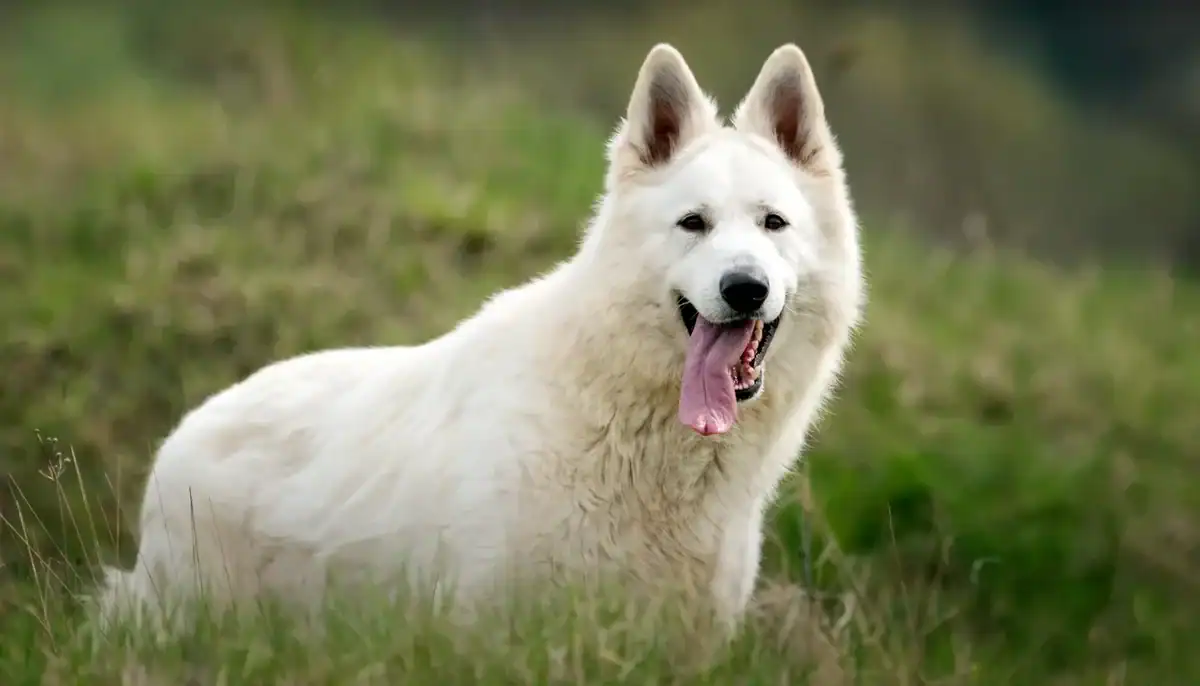
The White German Shepherd is a German-American herding dog originally developed from the same European working lines used to herd and protect livestock. Depending on the registry, these dogs are classified either as a white-coated German Shepherd variation or as a distinct breed known as the White Shepherd, with the pure white coat being the defining visual marker.
Many long-time handlers describe them as slightly more family-oriented than the high-drive working lines you see in police and military programs. You get the classic intelligence of a sheepdog without the extreme protection edge.
This guide draws on the American Kennel Club reference data on German Shepherd Dogs, United Kennel Club White Shepherd standard, OFA CHIC testing requirements, and peer-reviewed veterinary literature to explain the daily reality of keeping one.
Homes that build a solid obedience routine in the first six months get a highly capable partner for hiking, agility, or canine sports. The breed thrives on having a job and a person to do it with.
Know what you are getting into before bringing a puppy home. That bright double coat comes with heavy year-round shedding. The exercise demand is real. The need to be involved in family life every day is real. Households without the schedule or active lifestyle should review the commitments honestly before deciding.
Affiliate Disclosure: K9Sphere is a participant in the Amazon Services LLC Associates Program. As an Amazon Associate, K9Sphere earns from qualifying purchases made through links in this article at no additional cost to you. Product recommendations are based on independent research and editorial judgment, not paid placement.
Breed Snapshot
📊 Vitals and Lifespan
Height
Males: 24–26 in (61–66 cm)
Females: 22–24 in (56–61 cm)
Weight
Males: 75–85 lb (34–39 kg)
Females: 60–70 lb (27–32 kg)
Lifespan
12–14 years
Breed Group
Herding Group
Origin
Germany / USA
🇩🇪 🇺🇸
⭐ Personality Traits
Ratings (1 to 5). This athletic herder balances high intelligence and deep loyalty against serious shedding and exercise demands.
History and Origin
The White Shepherd is a direct descendant of the German Shepherd Dog and traces back to the original European herding lines. While they share early genetics with the standard German Shepherd and were treated as part of the German Shepherd breed for decades, modern programs eventually split them into distinct registries. Historically, breeders treated the white-coated German Shepherd Dog as an integral and accepted part of the broader breed gene pool before show standards changed.
📌 1899: Foundation Lines
Captain Max von Stephanitz, considered the father of the German Shepherd, established the breed standard. Historical records show the white color gene existed in early foundation lines through the white stud Greiff, who was the grandfather of Horand von Grafrath, the first registered German Shepherd dog. The heritage of the white-coated German Shepherd was an inseparable part of the German Shepherd story from the start.
📌 1964: First White Shepherd Club Formed
The first White Shepherd club was formed in Sacramento, California, by supporters who wanted to safeguard the white-coated lines. By 1969, supporters across the USA joined to create the White German Shepherd Dog Club of America, which in 1977 became the White German Shepherd Dog Club International. This was the first organized effort to protect the breed near extinction in show registries.
📌 1968: AKC Show Ring Disqualification
The German Shepherd Dog Club of America made the pale coat a disqualifying fault, and on April 9, 1968 the American Kennel Club barred white-coated dogs from the conformation show ring. The breed could no longer compete in traditional shows, but the AKC continued to register white coat dogs in its German Shepherd registry, where white remains one of the most commonly registered coat colors.
📌 2000: UKC Recognition as Distinct Breed
On January 1, 2000, the United Kennel Club formally recognized the White Shepherd as a distinct breed in North America. Around the same period, the Berger Blanc Suisse or White Swiss Shepherd was developed from North American imports in Switzerland and gained Fédération Cynologique Internationale recognition under standard 347. The White Swiss Shepherd is now registered separately from the standard German Shepherd in most European countries.
Physical Characteristics
Built for endurance and agility, their structure reflects decades of careful selection aimed at preserving the classic athletic herding profile of the original German lines.
🎨 The Double Coat
The coat is the defining feature. The undercoat is short and dense, providing excellent insulation, while the weather-resistant outer coat repels rain and snow effectively. Cream or light biscuit shading on the ears does not deviate from breed type in independent registries.
🏗️ Structure and Movement
They possess a strong, muscular frame slightly longer than it is tall. They move with a smooth, ground-covering stride that shows genuine power, reflecting historical pasture work.
Character and Temperament
A White German Shepherd combines sharp problem-solving skills with a strong attachment to its handler. They make excellent household members when given enough daily activity and a clear leadership structure.
🛡️ Protective Guardian
They will alert you to approaching strangers. A well-socialized individual evaluates threats calmly rather than reacting with immediate aggression. They prefer to observe quietly before deciding a visitor is safe.
🧠 High Intelligence
Boredom is your biggest enemy. Without daily mental stimulation, a frustrated puppy left alone in the yard will quickly develop bad habits like chewing, digging, or excessive pacing.
❤️ Pack Attachment
Because they bond so closely with their people, isolation is genuinely hard on them. Separation anxiety is a real problem in this line when adults are left alone all day. They thrive when included in daily activities and struggle in households where everyone works extended hours away.
Screening and Conditions
Veterinary Disclaimer: The information in this article is for educational purposes only and is not a substitute for professional veterinary advice, diagnosis, or treatment. K9Sphere’s authors are experienced dog owners, not licensed veterinarians. Always consult a qualified DVM regarding any health concerns about your pet. Never disregard professional veterinary advice or delay seeking it because of something you have read on this site.
Health Information Sources: Data compiled from:
- Orthopedic Foundation for Animals (OFA): CHIC screening requirements for herding breeds
- American Kennel Club: German Shepherd Dog breed reference and parent-club guidance
- Peer-reviewed veterinary literature: Studies on degenerative myelopathy progression
Always consult your licensed DVM for personalized medical advice.
While generally robust, these large dogs share several genetic vulnerabilities with the standard lines they descended from. The White Shepherd developed as an integral part of the German Shepherd gene pool, which means the same screening protocols apply. Proactive testing and careful growth management significantly improve outcomes.
Common Health Risks
🔴 Hip Dysplasia
What to watch for: Stiffness after resting, reluctance to climb stairs, or a bunny-hopping gait when running. This inherited malformation of the hip joint causes progressive cartilage wear and chronic pain.
Screening: OFA or PennHIP joint evaluation of both parents is mandatory before purchasing a puppy. Keeping the body lean and adding a quality hip and joint supplement helps manage early-onset mobility issues.
🔴 Degenerative Myelopathy (DM)
What to watch for: Gradual weakness in the hind legs, dragging of the rear paws, and eventual loss of mobility. This progressive spinal disease usually affects older adults and has no cure.
Screening: DNA testing reliably identifies carriers. Ethical programs never pair two carrier animals, eliminating the risk of affected offspring.
🟡 Elbow Dysplasia
What to watch for: Front leg lameness or outward rotation of the paws. A structural defect in the elbow joint causes localized arthritis and limits activity levels.
Screening: OFA elbow grading of parent stock is standard practice. Keeping your growing puppy lean reduces stress on developing joints.
🟡 Skin Allergies and Sun Sensitivity
What to watch for: Recurrent itching, hot spots, ear infections, and irritated paws driven by environmental or food allergies. The lighter pigmentation also makes the nose and ear edges more vulnerable to sunburn during summer.
Management: Marine omega-3 supplementation supports skin barrier function. Switching to a gentle dog shampoo for itchy skin reduces irritation between vet visits. Apply pet-safe sunscreen to exposed pink areas during extended outdoor time.

Nutramax Dasuquin with MSM Soft Chews for Large Dogs
Use for: Joint support in active herding lines prone to hip and elbow dysplasia. Combines glucosamine, chondroitin, and MSM to maintain cartilage health.
Check price on AmazonGrooming and Coat Care
Owners must brush the thick undercoat several times a week to prevent matting and remove dead hair. Managing the shedding means expecting a lot of loose fur on your floors year-round, particularly during spring and fall blow-outs.
Bathe the dog occasionally using a mild formulation to protect natural skin oils. Over-washing strips the weather-resistant barriers and causes dry skin. Using the best brushes for shedding dogs makes a noticeable difference in managing the volume of shed hair. Establish a calm grooming routine early so adults tolerate nail trims and ear checks without struggling.
Exercise and Living Needs
They need vigorous physical activity. A short walk around the block will not cut it. Plan for at least 60 to 90 minutes of dedicated work to properly tire them out and keep their minds engaged.
Apartment living can work for very committed owners who commit to extended outdoor excursions. A house with a securely fenced yard is much easier on everyone. They excel in agility courses, tracking exercises, and distance hiking alongside active owners.
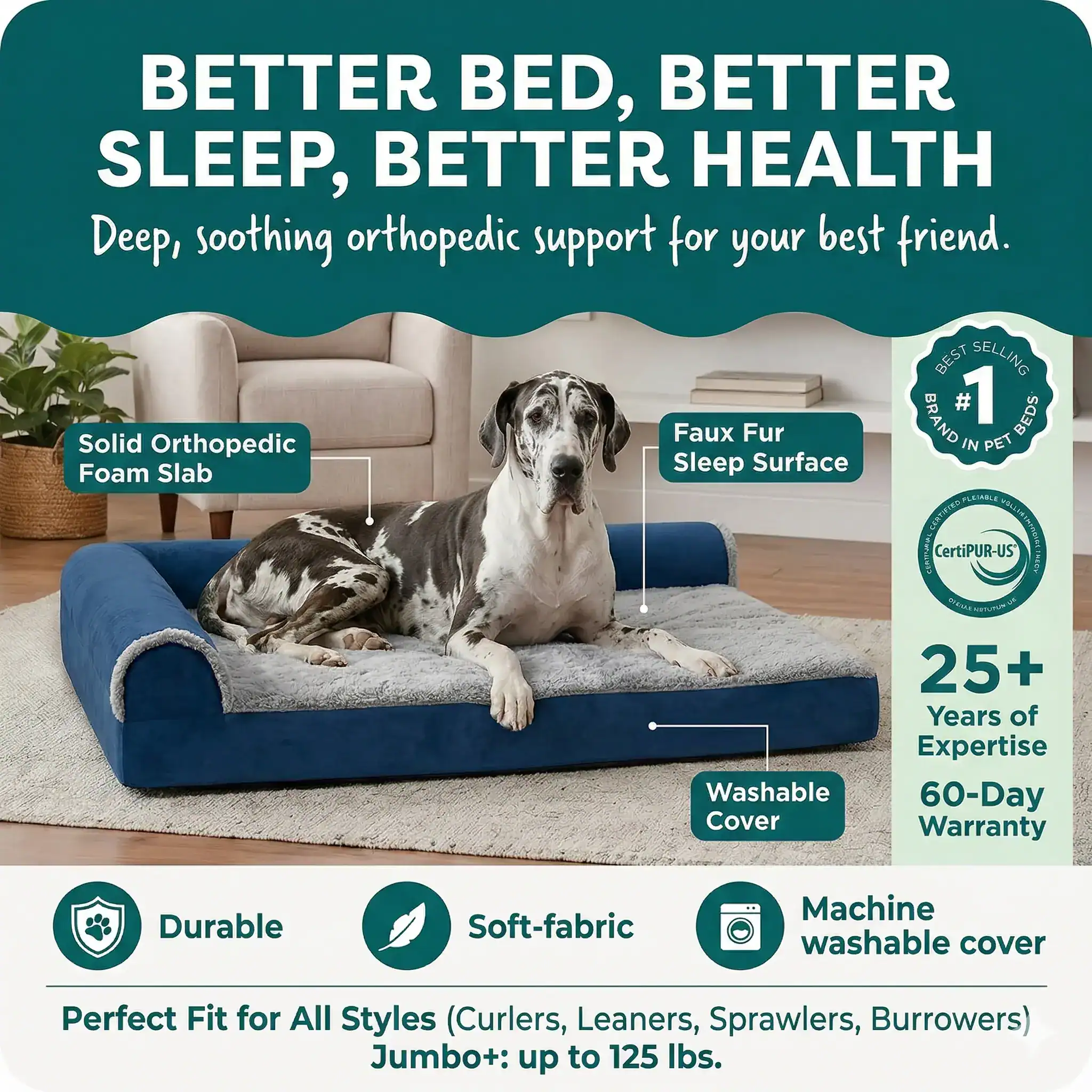
FurHaven Orthopedic Dog Bed for Large Dogs (Jumbo)
Use for: Pressure relief in large herding breeds carrying hip and elbow dysplasia risk. The egg-crate orthopedic foam supports aging joints and helps adults rest properly after long working sessions outdoors.
Check price on AmazonNutrition & Diet
Feed a top-grade large-breed puppy formula to manage bone growth rates safely. Adults require a diet rich in lean protein to fuel their activity levels. Avoid overfeeding, as excess weight places unnecessary stress on the hips and elbows.
Routine feeding schedules work better than leaving food out all day. Adding a marine-sourced supplement, such as Zesty Paws Salmon Oil, supports skin health and keeps the coat bright and resilient against the elements.
Training
Begin obedience work during the first few months of life. Their deep intelligence makes them very responsive to positive reinforcement techniques. Crate training provides a secure personal space and helps with early house manners.
Handlers must control introductions to new people and environments to build confidence. Without consistent habits, a naturally cautious puppy can develop fear-based reactivity. Clear boundaries create a reliable adult companion that can handle hiking, agility, or any structured work.
White German Shepherd vs German Shepherd vs Siberian Husky vs Golden Retriever
Prospective owners often compare this line against the standard German Shepherd, the Siberian Husky, and the Golden Retriever. Understanding their distinct working backgrounds helps clarify daily realities of ownership.
| Attribute | White Shepherd | Standard Shepherd | Siberian Husky | Golden Retriever |
|---|---|---|---|---|
| Weight | 60–85 lb (27–39 kg) | 50–90 lb (23–41 kg) | 35–60 lb (16–27 kg) | 55–75 lb (25–34 kg) |
| Original Purpose | Herding and guarding | Herding and guarding | Sled pulling | Water retrieval |
| Energy Type | Focused worker | Intense worker | Endurance runner | Playful retriever |
| Trainability | Highly trainable | Highly trainable | Independent, stubborn | Eager to please |
| Grooming | Heavy shedding | Heavy shedding | Heavy seasonal blow-out | Moderate shedding |
| Threat Response | Alert, watchful | Assertive guard | Friendly, vocal | Welcoming bark |
| First-Time Owner? | With dedication | Challenging | Challenging | Yes |
| Common Health Risks | Hip dysplasia, DM, allergies | Hip dysplasia, DM, bloat | Cataracts, hip dysplasia | Cancer, joint dysplasia |
| Living Space | House with yard | House with yard | Secure 6-foot fence | Adaptable with exercise |
Compared to the standard line, the white variant is generally calmer with strangers and slightly less inclined toward sharp protection work. The Siberian Husky offers different endurance with a cold-weather build, while the Golden Retriever trades the herding-guardian profile for a softer, more universally friendly disposition. Choose this variety when you want the working intelligence and athletic build without the heavier protection drive of show-line standards.
Common Questions about the White German Shepherd
Are these dogs rare?
Direct Answer: No, you can find them through specialty breeders.
Context: Major kennel groups following traditional standards consider the color a fault, creating an illusion of rarity. They are common enough through alternative groups.
Management: Seek out breeders registered with the United Kennel Club or White Shepherd-specific clubs who prioritize health testing.
How much does a puppy cost?
Direct Answer: Expect to pay USD 1,500 to USD 3,000 for a well-bred puppy. Pricing varies by country, with UK, Canada, and Australia rates differing.
Context: The cost covers mandatory joint evaluations, DM testing, and quality early rearing. Adoption through breed-specific rescues typically runs USD 200 to USD 500.
Management: Verify OFA paperwork before committing. Bargain puppies often come from untested genetic lines and may have hidden inherited issues.
What is this dog called?
Direct Answer: North America uses “White Shepherd” (UKC registration), while Europe uses “Berger Blanc Suisse” or White Swiss Shepherd (FCI registration). The American Kennel Club still registers them as German Shepherds.
Context: The official name depends entirely on which registry organization recognizes the specific bloodline. Both refer to the same underlying genetic group.
Management: Check which registry a breeder uses to understand the exact pedigree background and what shows or sports the dog may compete in.
Why do some standard puppies have white hair?
Direct Answer: A simple recessive masking gene causes the white color in puppies from standard-coated parents.
Context: Two standard-colored parents carrying this recessive gene can produce a white puppy naturally. It is a coat color variation, not an indicator of poor selection by itself.
Management: Avoid breeders who market these spontaneous puppies as “rare” to inflate prices without doing proper health testing.
What does one look like?
Direct Answer: They share the classic herding dog outline but feature a snow-colored coat with dark pigmentation on the nose, lips, and paw pads.
Context: These are not albino dogs. Proper specimens have dark eyes, black lips, and black paw pads. Pure albinism with pink eyes and lips is a disqualifying fault.
Management: Provide shade during summer. Lighter coats reflect heat well, but lightly pigmented areas can still burn during extended sun exposure.
How do you train this puppy?
Direct Answer: Use positive reinforcement and start early socialization immediately, ideally within the first week home.
Context: They respond poorly to harsh physical corrections and learn faster with trust and reward-based training. Their sensitive nature means a fearful early experience can affect them for years.
Management: Enroll in a a basic obedience class by sixteen weeks. Daily five-minute sessions outperform weekend marathon training.
Is this a good family dog?
Direct Answer: Yes, they do well with older children when raised together.
Context: Natural herding instincts might cause them to nip at running heels, which makes toddlers a tougher mix. With older kids who understand respectful handling, they form solid bonds with everyone in the household.
Management: Teach kids respectful handling rules and set up a quiet retreat space for the dog. Supervise interactions until both sides know the boundaries.
What is the lifespan?
Direct Answer: They typically live 12 to 14 years.
Context: This is on the longer end of the average for dogs in this size bracket. Tested lines tend to outlive commercial bloodlines.
Management: Keep them lean to protect their joints and schedule annual veterinary exams. Early intervention on any mobility issues extends quality of life significantly.
Can they adapt to apartment living?
Direct Answer: Only if you are incredibly dedicated to daily outdoor exercise and mental stimulation.
Context: Without a yard, the owner bears the entire burden of draining the dog’s energy through daily park visits, long walks, and structured play sessions. The size also requires more indoor space than a small breed.
Management: Secure reliable access to safe off-leash areas before attempting this setup. Build a consistent two-walk daily routine that does not slip on bad-weather days.
Do they make good guard dogs?
Direct Answer: They are excellent alert watchdogs but generally less aggressive than working-line standards.
Context: Their size deters intruders, and they will bark at unfamiliar activity, but their default response is to stand their ground and assess rather than attack. They tend to be calmer with visitors once introduced.
Management: Rely on their natural alert instincts rather than training forced protection behaviors. For active protection work, the standard German Shepherd is a better starting point.
Finding a Puppy
Finding a healthy puppy takes patience. Connect with established lines through the parent club community. Avoid kennels that prioritize coat color over joint health and stable disposition.
🏠 Reputable Breeders
Responsible breeders near you will readily provide OFA documentation for hips, elbows, and cardiac evaluations for both parents. They DNA-test for degenerative myelopathy and will not pair two carriers. They interview you about your lifestyle, work schedule, and experience with driven herding lines before accepting a deposit.
🐾 Rescue and Adoption
Look for White Shepherd rescue networks to adopt an adult dog in need of a home. Adults often bypass the destructive puppy phase entirely and arrive with established personalities you can assess. Many enter shelter networks due to owner illness or lifestyle change rather than behavior problems.
🚩 Red Flags to Watch For
- Red Flag 1: No OFA hip and elbow certifications for both parents. This is non-negotiable for any herding breed of this size.
- Red Flag 2: No DNA testing results for degenerative myelopathy from either parent.
- Red Flag 3: Sellers marketing puppies as “rare” or “exotic” to inflate the price without health documentation.
- Red Flag 4: Puppies offered for sale without a contract requiring return to the breeder if you can no longer keep the dog.
- Red Flag 5: Parents showing fear-based reactivity or extreme shyness. Disposition is strongly heritable in this line.
Personal Observation
💭 Personal Observation
Rusty (12-year-old rescue mix) has been with me for over a decade and still watches everyone who walks past the gate before deciding they are safe. That is the same alert-but-thinking style you get from a well-bred White Shepherd. They evaluate first, react second. Compare that to my high-energy rescue Rambo (4-year-old rescue mix), who needs real working exercise every single day or finds his own job around the yard. A White Shepherd needs the same outlet, and the herding intelligence makes them more demanding than a casual companion breed. The thick double coat is the part most owners underestimate. Hair on your floors year-round is not an exaggeration. Build a brushing routine in the first six months and it becomes background work. Skip that window and you will fight it for the next decade.
Conclusion
This dog asks a lot from you and gives back focus and loyalty. Weighing the pros against the cons is straightforward. The pro side is intelligence, work ethic, and deep loyalty. The con side is heavy shedding, exercise demands, and the hard truth that they cannot be left alone for long workdays. They want to be part of whatever you are doing, whether that is hiking a trail or working through obedience drills in the living room.
If you have the patience to shape a sharp working dog, this is a phenomenal partner. If you prefer a more independent or lower-maintenance pet, a Golden Retriever offers similar trainability with less shedding pressure, while a Labrador Retriever trades the herding edge for a more universally friendly disposition.
📋 Before bringing one home, run this 4-step pre-buying check
- Exercise commitment. Are you ready for an hour or more of demanding activity every day, regardless of weather?
- Grooming reality. Can you handle the heavy fur load that drops year-round and twice-yearly blow-outs?
- Time and training. Do you have the schedule flexibility to build socialization habits in the first six months?
- Living space fit. Does your property allow an alert dog to move around safely with secure containment?
If any answer is no, reconsider the breed.
Editorial Disclaimer: This article is for informational and educational purposes only. It does not constitute veterinary advice, medical diagnosis, or treatment recommendations. Always consult a licensed veterinarian before making health-related decisions for your pet.
Accuracy Notice: While every effort has been made to ensure the information presented here is accurate and current, breed information evolves and individual dogs vary. If you spot a factual error or have updated information from a verified source, please contact us so we can review and update.
Product Disclosure: Product recommendations are based on independent research and editorial judgment. Individual results may vary. As an Amazon Associate, K9Sphere earns from qualifying purchases at no additional cost to you.
Last reviewed: May 2026. Article reviewed for accuracy on the date shown above.


