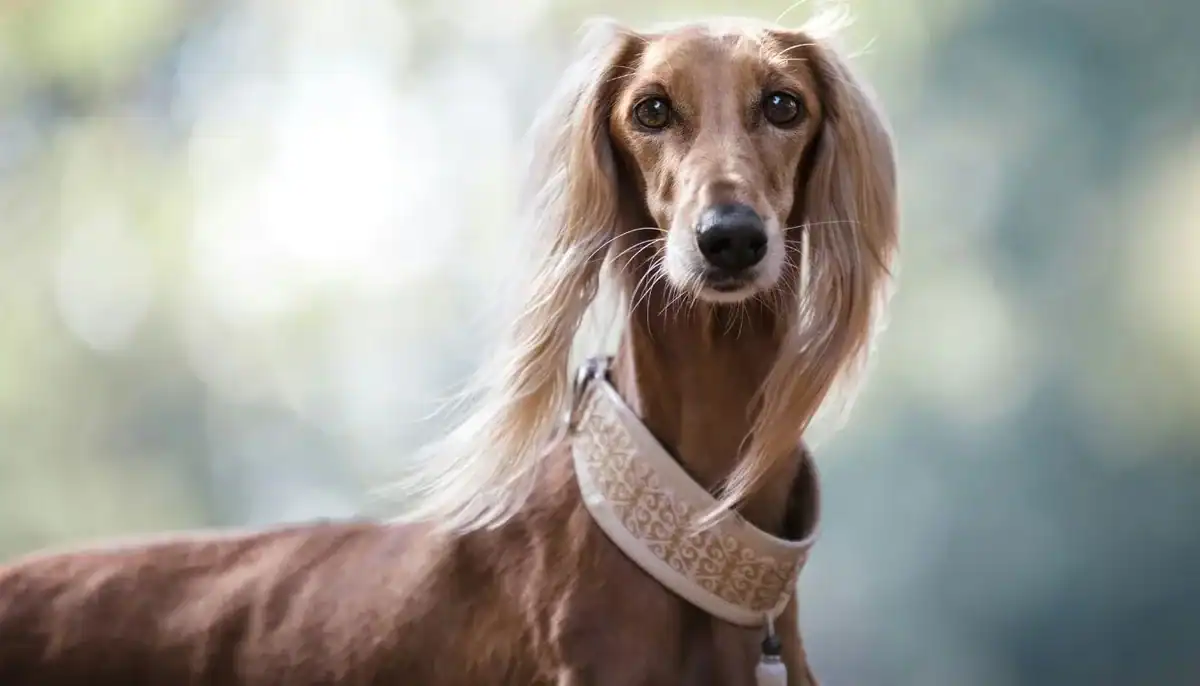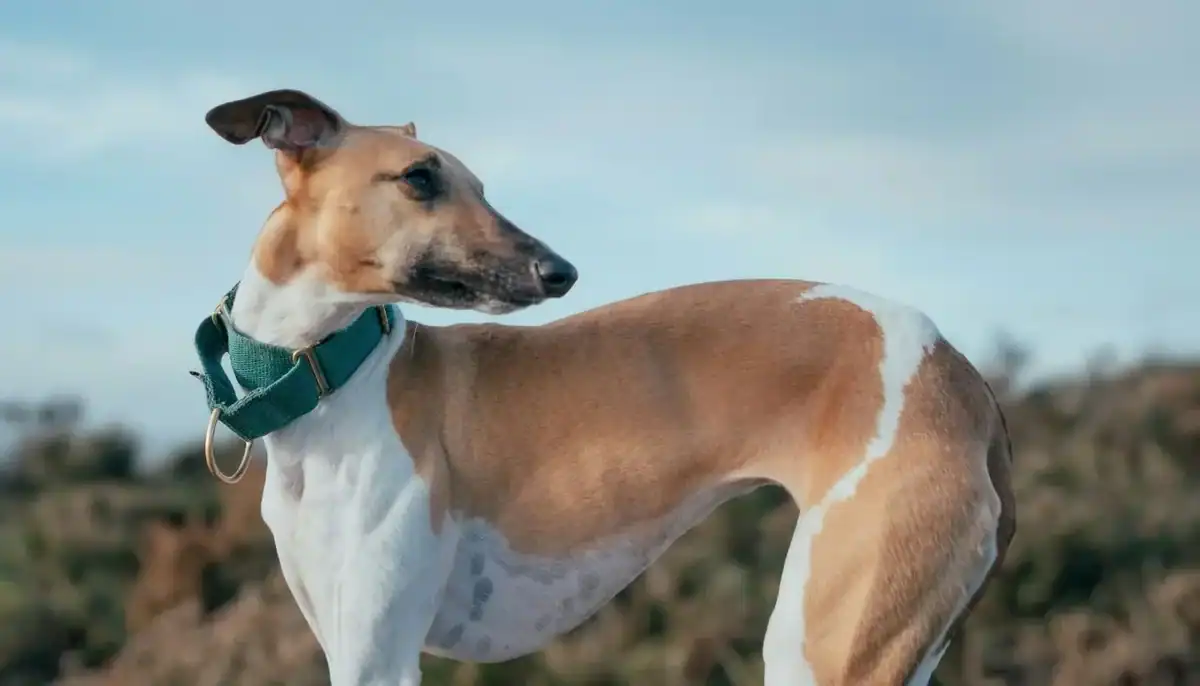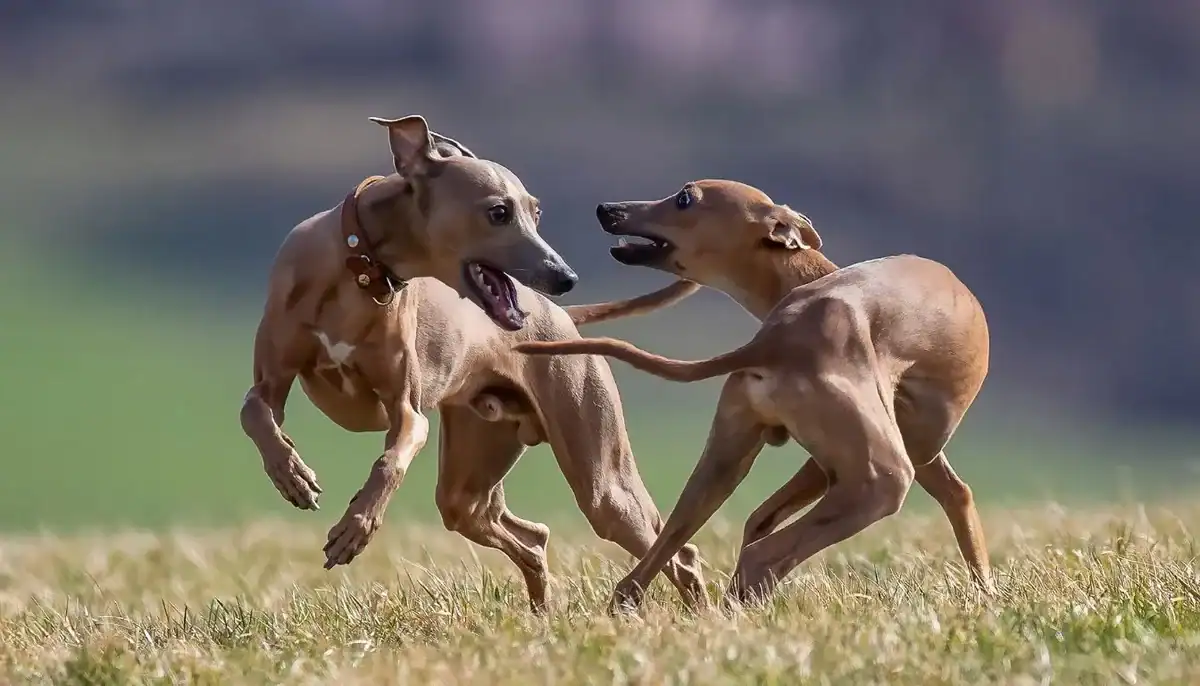
The Italian Greyhound is the smallest of the sighthounds, and a real one. It has the same shape, the same chase instinct and the same running gear as its larger cousins, in a dog small enough to sit on your lap. It can reach around 25 miles per hour.
A lifespan of around 14 to 15 years is commonly cited for the breed. That is a long commitment for a dog that needs a good deal of protection along the way.
This guide draws on the American Kennel Club breed standard and the Italian Greyhound Club of America’s own health testing recommendations. The AKC first registered the Italian Greyhound dog breed in the USA in 1886.
Two things shape daily life with this breed more than anything else. Its teeth need daily attention, and its fine bone makes accidental injury a real risk, especially in puppyhood.
Get those two right and you have an affectionate, quiet, easy housemate that is very low-shedding and will happily spend the afternoon under a blanket.
Affiliate Disclosure: K9Sphere participates in the Amazon Services LLC Associates Program and other affiliate programs. K9Sphere earns from qualifying purchases made through links in this article at no additional cost to you. Product recommendations are based on independent research and editorial judgment, not paid placement.
Breed Snapshot
📊 Vitals and Lifespan
Height
13 to 15 in (33 to 38 cm) at the shoulder
Weight
7 to 14 lb (3 to 6 kg)
Lifespan
About 14 to 15 years
Breed Group
AKC Toy Group
Origin
Italy
🇮🇹
⭐ Personality Traits
K9Sphere editorial ratings (1 to 5). A small sighthound that is affectionate and quiet at home, and surprisingly athletic outdoors.
History and Origin
Small sighthounds have been around for a very long time, and the Italian Greyhound breed is among the oldest of the toy breeds. The breed club describes it as a true greyhound whose small size is the result of selective breeding. Its exact early history is uncertain, but the breed has existed in recognizable form for many centuries.
📌 Ancient Beginnings
Small sighthound-type dogs appear in Mediterranean art going back thousands of years. Where exactly the breed began is not settled, but its type is clearly very old.
📌 Renaissance Italy
The breed takes its name from Italy, where it became a favorite of the nobility. It appears in paintings of the period often enough that the dogs are easy to identify.
📌 Across Europe
Royal owners and households included Anne of Denmark, consort of James I, Frederick the Great of Prussia, Catherine the Great of Russia and Queen Victoria. Catherine had a favorite named Zemira buried in the park at Peterhof. The breed became closely associated with life as a companion dog, though historical accounts also describe it hunting small game.
📌 Today
The AKC places the Italian Greyhound in the Toy Group. It remains an uncommon breed, and most people meet one through an owner rather than at a shelter.
Physical Characteristics
An Italian Greyhound looks like a Greyhound seen from a long way off. Deep chest, tucked waist, arched back, and very fine legs. The outline is a Greyhound in miniature, though it is distinctly smaller and more slender in proportion, and it moves with the same galloping stride.
🎨 Coat and Color
The coat is short, fine and glossy, with very little insulation, and it sheds very little. Most colors are accepted, including fawn, blue, black, red and cream, often with white markings.
🦴 Very Fine Bone
The legs are slender, and in a young dog the bones are still thin. That fine bone makes accidental fractures an important management issue, particularly during puppyhood, and it shapes how you set up the house.
Character and Temperament
At home they are affectionate, quiet and very attached to their people. Outdoors they are a different dog, fast and keen to chase anything that moves.
🛋️ A Blanket Dog
They seek out warmth and will burrow under blankets, cushions and anyone sitting still. Check before you sit down, which is genuinely worth saying for a dog this small and this fond of hiding.
🐇 A Real Sighthound
The chase instinct is intact. A small dog moving at speed after a squirrel is just as hard to recall as a large one, and it is far easier to lose sight of.
😟 Sensitive and Shy
Like the Papillon and other small companions, they can be reserved with strangers and startle at noise. Early, gentle socialization matters, and harsh handling produces a nervous adult rather than an obedient one.
👨👩👧 Better With Older Children
They are affectionate and playful with family, but a dropped or tripped-over Italian Greyhound can break a leg. Because of that fine bone, many breeders are cautious about placing puppies in homes with a very young or boisterous kid.
Screening and Conditions
Veterinary Disclaimer: The information in this article is for educational purposes only and is not a substitute for professional veterinary advice, diagnosis, or treatment. K9Sphere’s authors are experienced dog owners, not licensed veterinarians. Always consult a qualified DVM regarding any health concerns about your pet. Never disregard professional veterinary advice or delay seeking it because of something you have read on this site.
Health Information Sources: Data compiled from:
- Italian Greyhound Club of America health testing recommendations for the breed’s screening panel and DNA tests
- American Kennel Club breed page for the standard and general breed guidance
Always consult your licensed DVM for personalized medical advice.
Teeth and accidental injury dominate day-to-day care, but Italian Greyhound health also covers inherited conditions, which is what the screening is for. The breed club recommends three ongoing evaluations. A patella evaluation once after twelve months, thyroid testing annually from ages two through four and then every two years until age eight, and an eye exam by a specialist annually until age ten.
On top of those, the club recommends DNA tests for susceptibility to progressive retinal atrophy, primary closed angle glaucoma, and familial enamel hypoplasia, an inherited enamel fault, along with canine genetic diversity testing. Brucellosis testing is recommended before each breeding.
Common Health Concerns
🔴 Broken Legs
What to watch for: Sudden limping or refusing to put a foot down after a jump or a fall. The forelegs are the usual site. Young dogs are most at risk, because an adventurous puppy has not yet worked out what it cannot do.
Prevention: Block access to high furniture and stairs while the dog is young, use ramps, and supervise play with larger dogs. The breed club specifically advises watching young Italian Greyhounds during activity. A suspected fracture needs prompt veterinary assessment, and many Italian Greyhound limb fractures need surgical repair.
🔴 Dental Disease
What to watch for: Bad breath, red gums, tartar, and loose teeth. Small mouths can develop dental crowding and tartar buildup, and this breed is known for losing teeth early without care.
Prevention: Brush regularly from puppyhood and have your vet check the mouth at every visit. There is also a DNA test for familial enamel hypoplasia, an inherited fault in tooth enamel that the breed club lists among its recommended tests.
🟡 Progressive Retinal Atrophy
What to watch for: Bumping into things in dim light, or reluctance to move around at night. The retina degenerates slowly and the dog gradually loses sight.
Screening: A DNA test is on the club’s recommended list, so a breeder should be able to show results for both parents. The DNA test assesses inherited susceptibility, while the annual eye exam checks the eyes themselves. They answer different questions, so one does not replace the other.
🟡 Luxating Patella
What to watch for: A skip or hop in the back legs, or the dog carrying a hind leg for a few steps and then carrying on normally. The kneecap slips out of its groove.
Screening: An OFA patella evaluation after twelve months is one of the three health evaluations the club currently recommends. Mild cases are managed, and more severe ones may need surgery.
🟡 Hypothyroidism
What to watch for: Weight gain without eating more, low energy, thinning coat and skin trouble, usually in middle age.
Screening: The club recommends thyroid testing from two years old, repeated through adulthood. Your vet reads the results alongside the dog’s symptoms rather than on their own.
Grooming and Coat Care
Grooming is about as easy as it gets. A wipe with a soft cloth or a rubber mitt once a week is enough, and they shed very little.
They have almost no coat odor and rarely need bathing. If the skin gets dry or itchy, a gentle shampoo for itchy skin is kinder than a standard one, and our guide to the best brushes for shedding dogs covers soft tools that suit a fine coat.
Dental care is the part of grooming that deserves the most attention in this breed. Daily brushing does more for an Italian Greyhound than anything you do to its coat, and it starts in puppyhood so the dog accepts it.

Oxyfresh Premium Pet Dental Care Water Additive
A tasteless water additive commonly used by owners of small breeds whose dogs resist a toothbrush. It supplements brushing and veterinary dental care rather than replacing either, which matters in a breed this prone to early tooth loss.
Check price on AmazonExercise and Living Needs
They need less than you would guess from the shape. Moderate daily exercise suits most adults, meaning a couple of short walks plus the chance to run in a safely fenced space.
Keep them on leash outside a fenced area. At around 25 miles per hour they are quick, low to the ground and hard to see once moving, and the prey drive overrides a recall. A short sprint will tire one out faster than a long walk.
They feel the cold badly and many need a coat outdoors in winter. Indoors they will find the warmest spot in the house, and an padded bed away from drafts is appreciated.
They suit apartments well. The bigger consideration is not space but height, since furniture a larger dog would step off is a jump this breed can injure itself on.
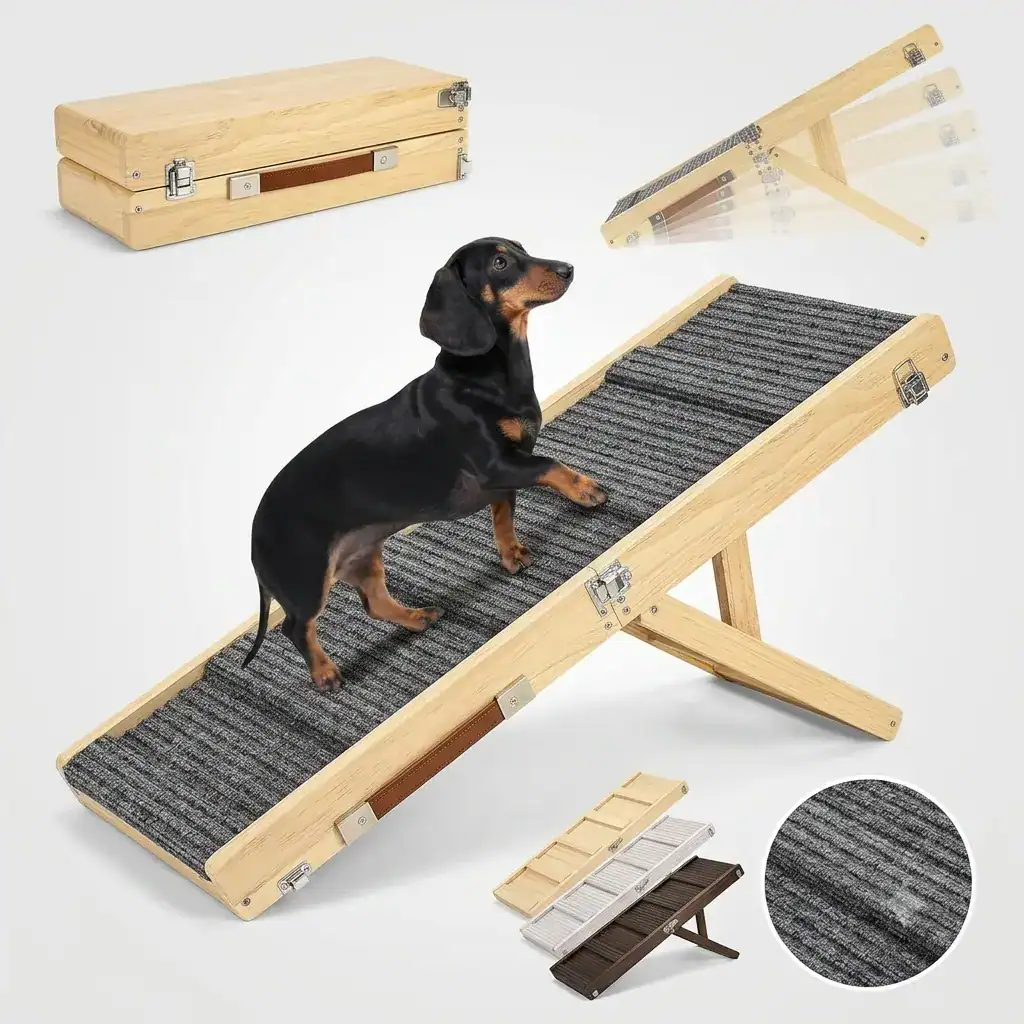
Pawaboo Foldable Small Dog Ramp for Couch
A ramp lets a small dog reach the sofa or bed without jumping down, which is the situation most often behind a broken leg in this breed. It folds away when not in use. A ramp only helps if the dog is taught to use it, and if jumping down is blocked while it learns.
Check price on AmazonNutrition & Diet
Feed a complete, balanced food made for small breeds. The kibble size matters, both for small jaws and for teeth that already have enough working against them.
Keep the dog lean. A visible tuck and easily felt ribs are normal for a sighthound, so do not feed toward a rounder shape. Extra weight loads those fine legs.
Portions are small, so a little overfeeding goes a long way. Owners of older dogs sometimes raise joint supplements with their vet, though evidence for them varies.
Training
They are intelligent but can be independent, particularly when the instinct to chase takes over. Reward-based training works, and pressure does not. Many do well in obedience, agility and other sports.
House-training is the part owners find hardest. A small bladder, a dislike of cold and wet, and a tendency to slip away quietly make accidents common. Patience, a routine, and an indoor option in bad weather all help, and many owners crate an Italian Greyhound puppy when unsupervised, which also keeps it off the furniture while its bones are still developing.
Socialize early and gently. This is a sensitive breed, and a confident adult is built in the first few months rather than fixed later.
Italian Greyhound vs Whippet vs Chihuahua vs Miniature Pinscher
Buyers usually weigh the Italian Greyhound against the Whippet if they want a sighthound, or against the Chihuahua and Miniature Pinscher if size is the priority. The table shows typical tendencies, and individual dogs vary.
| Attribute | Italian Greyhound | Whippet | Chihuahua | Miniature Pinscher |
|---|---|---|---|---|
| Weight | 7 to 14 lb | 25 to 40 lb | Up to 6 lb | 8 to 10 lb |
| Breed Type | Sighthound | Sighthound | Companion | Toy breed, former vermin control |
| Coat | Very short and fine | Very short | Smooth or long | Short and hard |
| Build | Fine-boned | Fine-boned | Compact | Sturdy for its size |
| Activity Level | Calm indoors, sprints outdoors | Calm indoors, needs daily activity | Modest | Busy and curious |
| Cold Tolerance | Very low | Low | Low | Low |
| Signature Care Point | Teeth and fragile legs | Secure fencing | Teeth and knees | Mental stimulation |
| Owner Experience | Fine for a prepared first-time owner | Fine for a prepared first-time owner | Fine for a prepared first-time owner | Fine for a prepared first-time owner |
| Space and Activity Needs | Modest, plus secure sprint space | Calm indoors, needs secure sprint space | Modest | Modest, needs daily engagement |
Among these four, the Italian Greyhound has the finest bone and needs the most careful management around jumping, falls and rough play with larger dogs. It is also the smallest of the sighthounds.
Common Questions about the Italian Greyhound
How much does an Italian Greyhound cost?
Direct Answer: As an approximate, time-sensitive guide (as of 2026), expect roughly USD 1,200 to USD 3,000 from a reputable breeder.
Context: Prices vary by breeder, location, pedigree, and availability, with show lines at the top of the range. Because the breed is uncommon, waiting lists are normal and travel costs are worth budgeting for.
Management: Budget for dental care across the dog’s life, which is the running cost owners most often underestimate.
Are Italian Greyhounds good family dogs?
Direct Answer: Yes, in calm homes, and generally better with older children than toddlers.
Context: They are affectionate and want to be near their people. The concern is physical rather than temperamental, since a dropped or trodden-on dog can break a leg.
Management: Teach children to sit on the floor to handle the dog, and never to pick it up and carry it around.
Do Italian Greyhounds break their legs easily?
Direct Answer: Their legs are fine-boned and fractures are a known risk, especially in young dogs.
Context: Fractures can follow relatively minor accidents, particularly in young dogs. Jumping down from furniture, falls and rough play are the situations to manage. Adults are steadier than puppies.
Management: Use ramps, block off high furniture while the dog is young, and supervise play with bigger dogs.
Are Italian Greyhounds hard to house-train?
Direct Answer: Often, yes. It is one of the most frequently reported challenges with the breed.
Context: A small bladder and a strong dislike of cold and wet weather work against you. Many simply refuse to go outside in the rain.
Management: Keep a strict routine, reward outdoors every time, and have an indoor option for bad weather.
Do Italian Greyhounds shed?
Direct Answer: Very little. There is no undercoat and the hair is fine and short.
Context: They are not hypoallergenic, but they are among the lowest-shedding breeds of any size.
Management: A weekly wipe with a soft cloth is enough.
Why do Italian Greyhounds shiver so much?
Direct Answer: Usually cold. Little body fat and a thin coat leave them poorly insulated, so they shake easily.
Context: They also shiver when excited or anxious, so it is not always temperature. Persistent shivering in a warm room is worth a vet visit.
Management: Use a sweater or coat outdoors in cold weather and keep a warm bed away from drafts.
Can an Italian Greyhound live in an apartment?
Direct Answer: Yes. They are quiet, small, and undemanding indoors.
Context: Exercise needs are modest, and they are content to sleep most of the day.
Management: Find a safely fenced space nearby for occasional off-leash sprinting.
What is the difference between an Italian Greyhound and a Whippet?
Direct Answer: Size, mostly. A Whippet weighs roughly three times as much and is a separate breed.
Context: Both are sighthounds with a similar shape and temperament. The Whippet sits in the Hound Group and the Italian Greyhound in the Toy Group.
Management: Size and fragility are the clearest differences, though the two breeds do differ in activity level too.
What health tests should the parents have?
Direct Answer: A patella evaluation, a thyroid test, and an eye exam by a specialist, plus the recommended DNA tests.
Context: The DNA tests cover progressive retinal atrophy, primary closed angle glaucoma, familial enamel hypoplasia, and genetic diversity. A breeder should show results rather than describe them.
Management: Ask for the eye exam date, since the club recommends repeating it every year.
Do Italian Greyhounds have separation anxiety?
Direct Answer: Some do. They bond very closely and many dislike being left alone.
Context: A dog left too long may bark, chew or toilet indoors. Some households keep two because the breed is so social, but a second dog does not replace alone-time training.
Management: Build up time alone in short steps from the start rather than testing it with a full day.
How long do Italian Greyhounds live?
Direct Answer: Commonly 14 to 15 years, which is long even among small breeds.
Context: They are generally healthy. Teeth and accidental injury account for a lot of their veterinary visits.
Management: Brush the teeth, keep the dog lean, and manage its access to heights.
Are Italian Greyhounds good for first-time owners?
Direct Answer: They can be, for someone prepared for house-training difficulty and careful handling.
Context: They are easy in most daily respects. The learning curve is the fragility and the toileting rather than the temperament.
Management: Talk to breeders honestly about your home, your floors, and your furniture before committing.
Finding a Puppy
This is an uncommon breed, so few puppies are offered for sale at any one time and a waiting list is normal. Italian Greyhound rescue groups also place adults, which is worth considering if you would rather adopt than skip through the fragile puppy stage.
🏠 Reputable Breeders
A good breeder shows patella, thyroid and eye results for both parents, plus the recommended DNA tests. They raise puppies in the house, talk frankly about house-training and broken legs, and ask about your stairs and furniture.
🐾 Rescue and Adoption
Breed rescues take in Italian Greyhounds regularly, often adults whose owners underestimated the toileting. An adult lets you see an established temperament and skips the intensive puppy-stage management, though adult Italian Greyhounds can still break a leg.
🚩 Red Flags to Watch For
- No patella, thyroid or eye results for either parent.
- No mention of the recommended DNA tests.
- A seller who describes the breed as easy to house-train.
- No discussion of fracture risk or careful puppy management.
- No written contract or return policy.
- A seller who will not let you meet the mother or see where the puppies are raised.
❓ Questions to Ask the Breeder
- May I see the patella and thyroid results for both parents?
- When was each parent’s last eye exam?
- Which DNA tests have you run, and what were the results?
- Has any dog in this line broken a leg?
- How are the puppies raised and socialized?
- What does your health guarantee cover?
🔍 Questions a Good Breeder Asks You
- Do you have stairs, and high beds or sofas?
- Are there young children or large dogs at home?
- How many hours a day will the dog be alone?
- How will you handle house-training in bad weather?
- What is your plan if it does not work out?
A seller who asks you nothing about your home is unusual among careful breeders of this breed, and worth a second look before you commit.
Personal Observation
💭 Personal Observation
One of my older rescues, Mun Mun, will not go outside when it is raining. Not for a walk, not for anything.
That matters more than it sounds. When a dog refuses to step outside in bad weather, house-training can become much harder, especially with a young dog.
House-training is one of the commonly reported difficulties with this breed, and a thin coat and sensitivity to cold and wet weather can be part of the problem. Not every Italian Greyhound will refuse the rain, but enough do that it is worth planning for.
So have somewhere ready on the first day. A covered patch of ground outside, or an indoor spot the dog is allowed to use. It is much easier to set it up in advance than to solve the problem later.
Conclusion
The Italian Greyhound gives you a real sighthound in a dog small enough to pick up. Affectionate, quiet, very low-shedding, and often good for 14 or 15 years.
The main management challenges are specific rather than general. Dental care, preventing accidental injuries during puppyhood, and house-training.
None of those is a reason to avoid the breed. They are reasons to know what you are taking on. If you can live with them, this is the right breed for a quiet home, and you should set the house up for it before the dog arrives.
📋 Before bringing one home, run this 4-step pre-buying check
- Heights. Can you block off high furniture and stairs, or add ramps, while the dog is young?
- Toileting plan. Do you have a covered or indoor option for cold and wet days?
- Dental routine. Are you ready to brush a small dog’s teeth regularly for its whole life?
- Health paperwork. Have you seen patella, thyroid, eye and DNA results for both parents?
If any answer is no, reconsider the breed.
Editorial Disclaimer: This article is for informational and educational purposes only. It does not constitute veterinary advice, medical diagnosis, or treatment recommendations. Always consult a licensed veterinarian before making health-related decisions for your pet.
Accuracy Notice: While every effort has been made to ensure the information presented here is accurate and current, breed information evolves and individual dogs vary. If you spot a factual error or have updated information from a verified source, please contact us so we can review and update.
Product Disclosure: Product recommendations are based on independent research and editorial judgment. Individual results may vary. K9Sphere participates in the Amazon Services LLC Associates Program and other affiliate programs, and earns from qualifying purchases at no additional cost to you.
Last reviewed: September 2026. Article reviewed for accuracy on the date shown above.