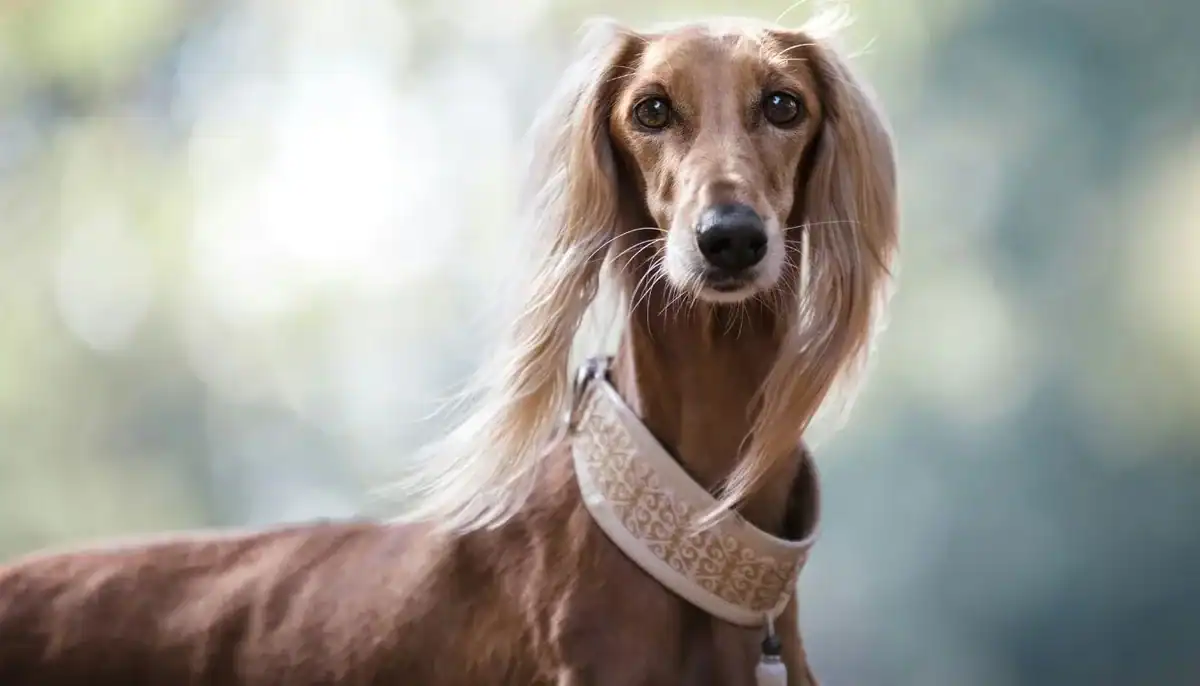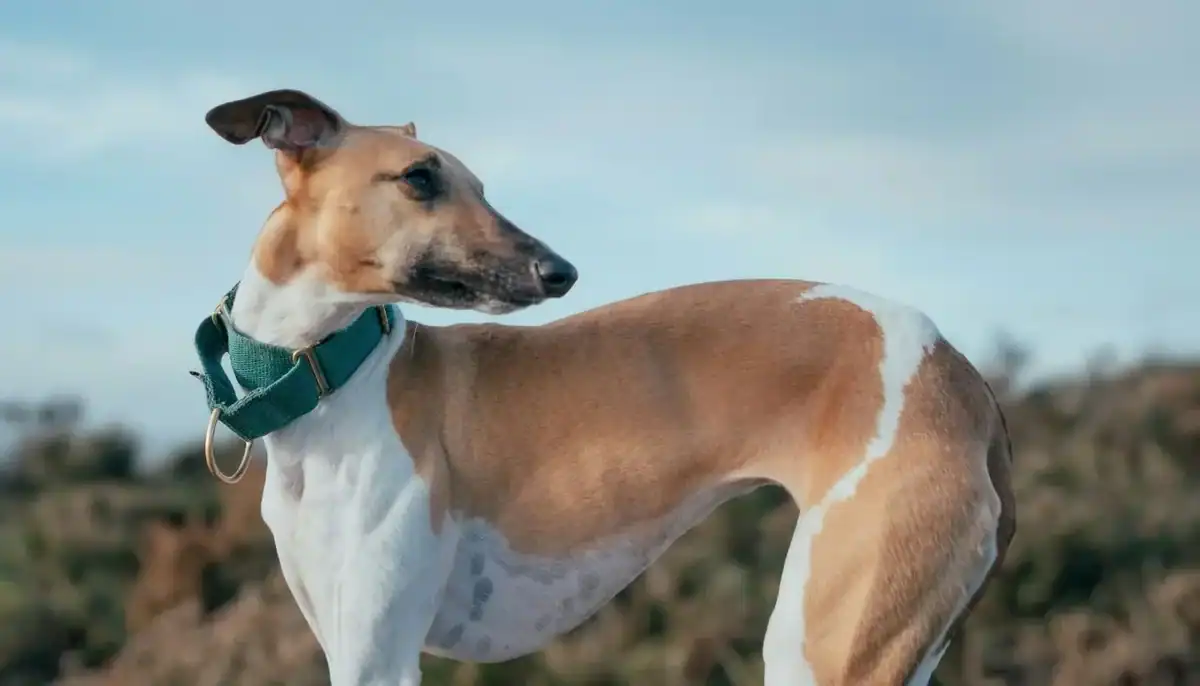
The Whippet is the middle sighthound, sitting between the Greyhound and the Italian Greyhound in size and needing far less exercise than its build suggests.
It was developed in the north of England by working people who wanted a racing and rabbiting dog they could afford to keep. The old nickname was the poor man’s racehorse.
This guide draws on the AKC breed standard and the screening tests recommended by the American Whippet Club and the Whippet Health Foundation.
Daily life is easier than most people expect. Two walks, a safe place to sprint, a soft bed and a warm room cover almost everything.
The two things to plan for are the chase instinct, which training improves but does not remove, and the thin skin and light build, which change how you exercise and where the dog sleeps.
Affiliate Disclosure: K9Sphere participates in the Amazon Services LLC Associates Program and other affiliate programs. K9Sphere earns from qualifying purchases made through links in this article at no additional cost to you. Product recommendations are based on independent research and editorial judgment, not paid placement.
Breed Snapshot
📊 Vitals and Lifespan
Height
Males 19 to 22 in (48 to 56 cm)
Females 18 to 21 in (45 to 53 cm)
Weight
About 25 to 40 lb (11 to 18 kg)
Lifespan
About 12 to 15 years
Breed Group
AKC Hound Group
Origin
England
🇬🇧
⭐ Personality Traits
K9Sphere editorial ratings (1 to 5). A quiet, gentle housemate with a serious turn of speed and a very high chase instinct.
History and Origin
The Whippet is a working-class breed, which is unusual among the hound breeds. It was made by miners and mill workers in northern England who wanted a sighthound small enough to feed on a working wage.
📌 Northern England
Small sighthounds had existed for a long time, but the Whippet took shape in the industrial north. Greyhounds and various terriers are believed to have contributed, though the exact breeding recipe is not known.
📌 The Poor Man’s Racehorse
Workers raced their dogs down straight tracks toward a waved rag, and used them to catch rabbits. A dog that could win on a Saturday and feed the family in the week was worth keeping.
📌 1888. AKC Recognition
English mill workers moving to New England brought their dogs and their racing with them. The American Kennel Club recognized the Whippet in 1888.
📌 Today
Whippets still race and course, and they compete in lure coursing and fast sprint events. Most, though, live as family dogs, with their running provided through walks, play, fenced exercise, or sports like lure coursing and agility.
Physical Characteristics
The Whippet is built on the same plan as the Greyhound, scaled down. Deep chest, hard muscle over a light frame, and a back that flexes at the gallop. It is one of the fastest dog breeds for its size, reaching around 35 miles per hour.
🎨 Coat and Color
Short, close and smooth, in any color or mix of colors. Brindle, fawn, blue, black and white all appear, often combined. The standard does not restrict color at all, which is unusual. There is very little coat to groom and very little to keep the dog warm.
🩹 Thin Skin
Thin skin over a lean build makes cuts and scrapes more consequential. A run through brambles or wire can leave a wound that needs stitching, which is worth knowing before you pick a place to let one run. Sand on a quiet beach is kinder ground than a hedgerow.
Why Some Whippets Look Like Bodybuilders
Occasionally a Whippet appears with enormous shoulders and thighs, looking nothing like the breed. These are called bully whippets, and they are not crossbred or over-exercised.
They carry two copies of a mutation in the myostatin gene, which normally limits muscle growth. The mutation was first described in this breed and has been documented in Whippets used for competitive racing.
A dog with one copy looks normal in appearance and was significantly faster in the racing population studied, which is a real advantage in competition. A DNA test identifies which a dog carries, and it is one of the tests the health foundation recommends.
Character and Temperament
Indoors a Whippet is quiet, gentle and often asleep. Outdoors it is a hunting dog. Owners describe the switch between the two as the thing that surprises them most.
😴 Calm in the House
They rarely bark and settle easily, which makes them good neighbors. They are affectionate and will cuddle under a blanket or climb into a lap despite their size. They are not a protective breed and make poor guard dogs.
🐇 High Chase Instinct
They were bred to catch rabbits and the drive is intact. Many cannot be let off leash in open ground, because a moving animal will pull the dog away faster than any recall works.
👥 Attached to People
Whippets are companion dogs as much as running dogs and do not do well left alone for long stretches. Many owners build up time alone gradually from the start.
😟 Sensitive to Handling
They respond to a calm voice and shut down under harsh correction. Gentle, consistent handling produces a confident adult, and pressure does the opposite.
Screening and Conditions
Veterinary Disclaimer: The information in this article is for educational purposes only and is not a substitute for professional veterinary advice, diagnosis, or treatment. K9Sphere’s authors are experienced dog owners, not licensed veterinarians. Always consult a qualified DVM regarding any health concerns about your pet. Never disregard professional veterinary advice or delay seeking it because of something you have read on this site.
Health Information Sources: Data compiled from:
- American Whippet Club health statement for the club’s pre-breeding screening tests
- American Kennel Club breed page for the standard and general breed guidance
Always consult your licensed DVM for personalized medical advice.
The Whippet Health Foundation updated its pre-breeding screening framework in 2026. Three tests are required. A CAER eye exam yearly, an echocardiogram by a board-certified cardiologist every two years, and a one-time BAER hearing test.
Thyroid testing every two years and a one-time myostatin deficiency test are also recommended. Results should be available through the Whippet Health Foundation database, and OFA records matter for CHIC certification. A breeder should show you all of these for both parents.
Common Health Concerns
🔴 Heart Disease
What to watch for: Tiring easily, coughing, or fast breathing. Mitral valve problems are the usual concern. A vet may also hear a murmur in a healthy Whippet. Murmurs in this breed can be benign as well as a sign of structural heart disease, so a murmur alone does not establish a diagnosis.
Screening: An echocardiogram by a board-certified cardiologist is one of the club’s three tests. Ask when each parent was last examined rather than whether they ever were.
🔴 Anesthesia Sensitivity
What to watch for: A slow or rough recovery after a procedure. Like other sighthounds, Whippets can take longer to come round from some anesthetic drugs, and they can have blood values that differ from general canine reference ranges.
What to do: Tell your vet the dog is a sighthound before any procedure, including a dental. Ask whether the clinic has used sighthound protocols for drug choice, dosing and recovery.
🟡 Delayed Bleeding After Surgery
What to watch for: Bruising, swelling or bleeding a day or two after an operation that seemed to go well. Sighthounds including Whippets have been associated with delayed postoperative bleeding, and the health foundation flags it for owners.
What to do: This is a breed-associated risk, not something every Whippet has. Tell your vet the breed before any surgery, including a neuter or spay, and ask about monitoring in the days afterward rather than just the first evening.
🟡 Congenital Deafness
What to watch for: A puppy that does not startle at sound or fails to turn toward a voice. Deafness can affect one ear or both, and a dog deaf in one ear often seems entirely normal.
Screening: A BAER test gives a clear answer and is one of the club’s three recommended tests. It is done once and holds for life, so ask for the puppy’s own result.
🟡 Eye Disease
What to watch for: Bumping into things in low light, or cloudiness in the eye. Progressive retinal atrophy and other inherited eye problems are the concern.
Screening: An eye exam by a veterinary ophthalmologist, repeated rather than done once, is the third of the club’s tests. A breeder should have one dated within a year of the mating.
🟡 Cuts and Tears
What to watch for: Cuts after a run in rough ground. Thin skin over little fat means a scrape that would be nothing on another dog can open up and need stitches.
What to do: No test applies. Check the ground where you let the dog run, avoid wire and brambles, and keep a basic first aid kit at home.
Grooming and Coat Care
This is a low maintenance coat. A rubber mitt or soft brush once a week lifts the loose hair and keeps it shining.
They shed lightly and have very little smell, so bathe only when the dog is genuinely dirty. Our guide to the best brushes for shedding dogs covers soft tools that suit a short coat.
Check the skin while you brush, since cuts hide easily on a dog this color-varied. Nails, teeth and a weekly ear check finish the job.
Exercise and Living Needs
Less than the racing shape suggests, though not nothing. Most adults need regular daily exercise, which can come from walks, vigorous play, or running safely in a fenced area. Needs vary with age, health and conditioning.
They are sprint-oriented athletes rather than purpose-bred distance runners. A Whippet will run hard for a short burst and then sleep for hours.
Keep them on leash outside a fenced area, even on an open beach. A narrow head slips a flat collar easily, so most owners use a martingale collar or a harness, and the same applies to securing the dog in a car.
A Whippet in chase mode can run into dangerous places before you can stop it. Lure coursing and sprint events near you are a good outlet for a dog that needs to chase safely.
They suit apartments well because of how little they do indoors. A soft bed matters, though, since there is little padding over the hips and elbows, and an orthopedic bed is a common choice.
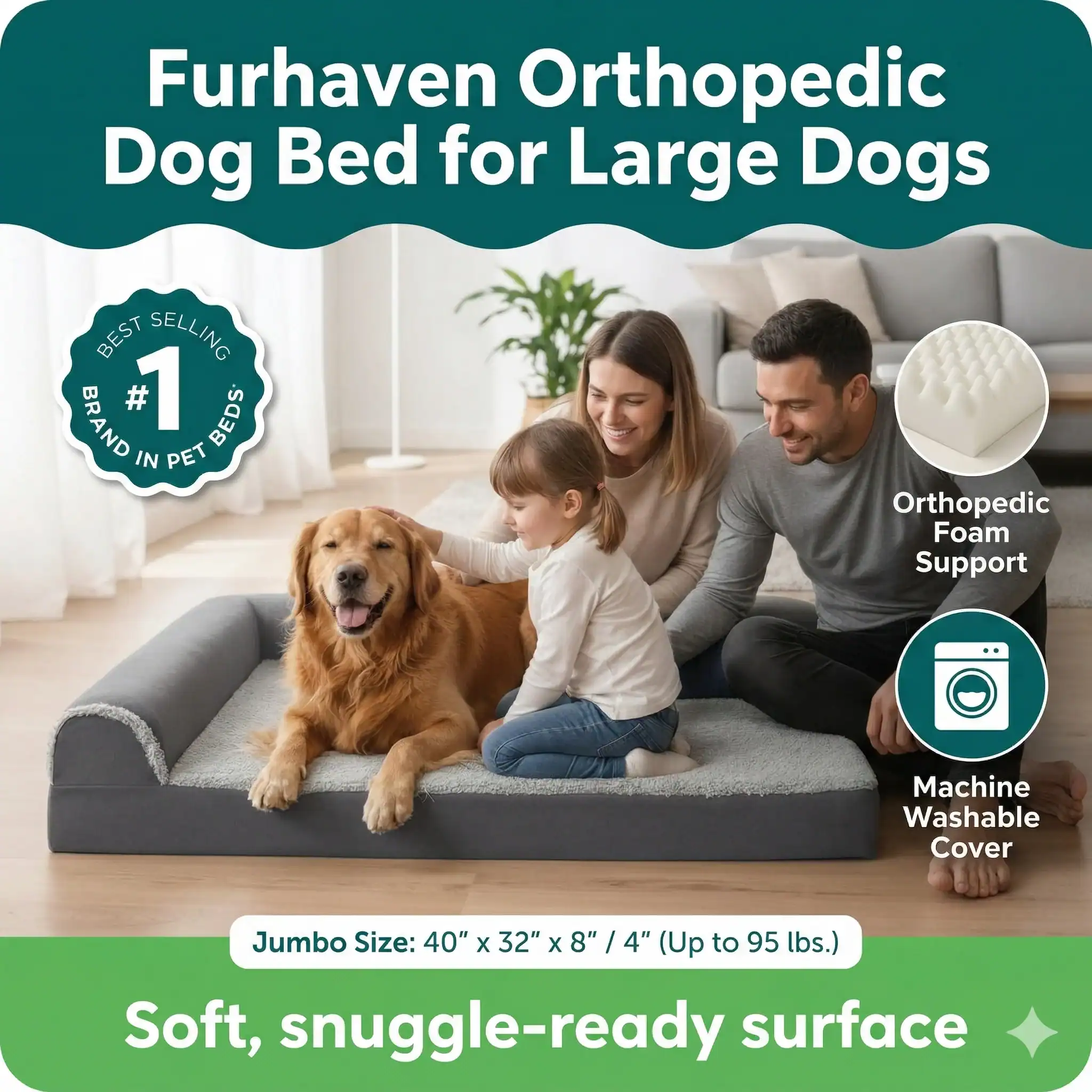
FurHaven Orthopedic Dog Bed
A padded bed spreads the weight of a lean dog rather than concentrating it on hips and elbows, which is why sighthound owners tend to buy one early. It is a comfort measure rather than a treatment for any joint condition.
Check price on AmazonNutrition & Diet
Feed a complete, balanced food suited to an active medium-sized dog. Whippets burn energy in short bursts rather than steadily, so most do well on ordinary amounts.
Keep the dog lean. Visible ribs and a deep tuck are normal for a sighthound and are not a sign of underfeeding, so do not feed toward a rounder outline.
Many owners split the daily ration into two meals. Owners of senior dogs showing signs of arthritis sometimes raise joint supplements with their vet, though the evidence for them varies.
Training
Whippets are willing and sensitive. Reward-based training works well and harsh handling backfires quickly with this breed.
Training improves recall and impulse control, but it does not reliably remove the instinct to pursue a moving animal. You can have a good everyday recall and still need a fence.
Socialize early and gently, and keep it going through adolescence. Many take well to a crate, which helps with house-training. Agility and lure coursing suit a dog with this much natural ability and give the chase instinct a job.
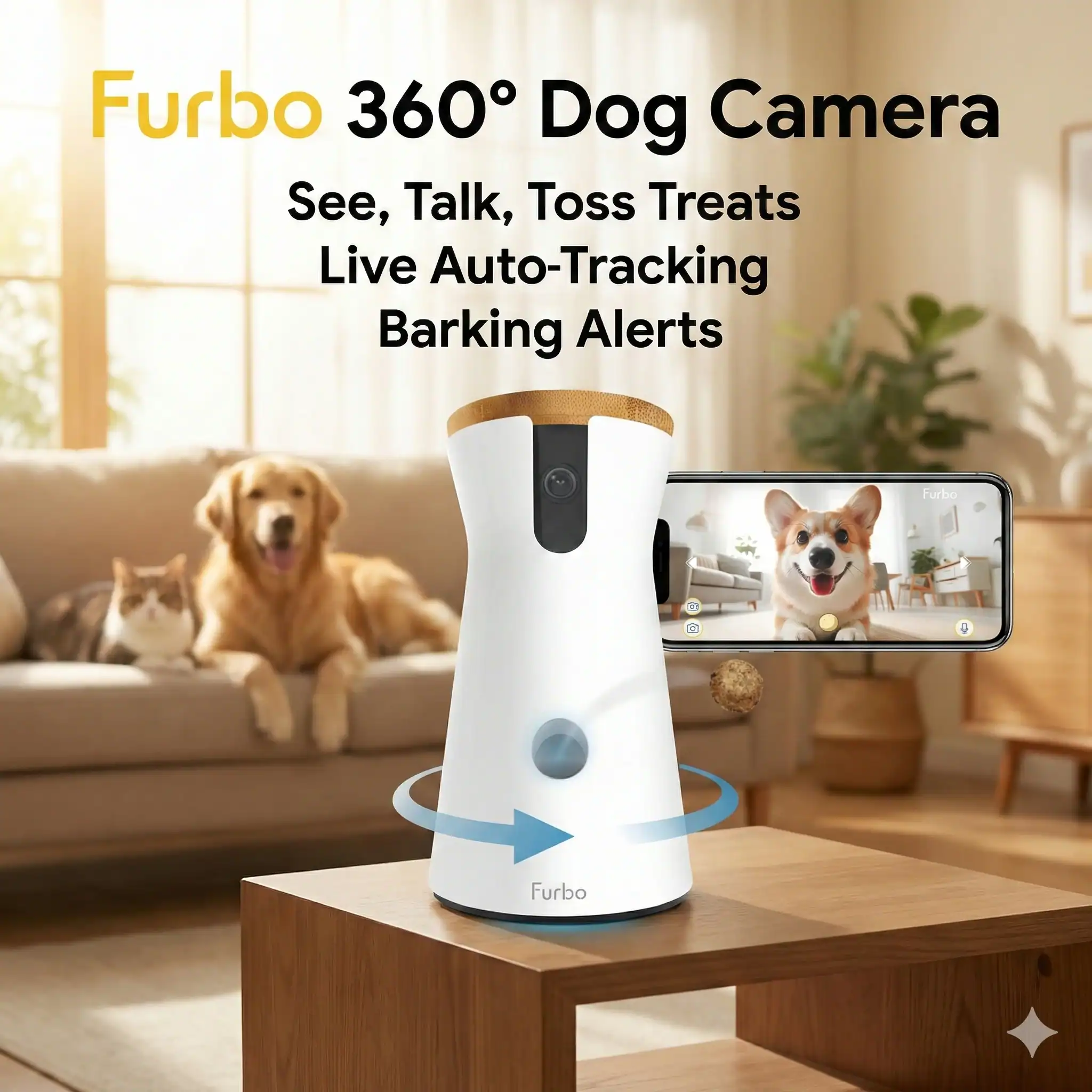
Furbo 360 Dog Camera
A camera with two-way audio can help an owner see how a dog copes when left alone, which matters in a breed this attached to its people. It is a monitoring tool rather than a treatment for separation-related behavior, which needs a training plan.
Check price on AmazonWhippet vs Greyhound vs Italian Greyhound vs Saluki
The three English sighthounds differ mainly in scale, and the Greyhound and Italian Greyhound sit either side of the Whippet. The table shows typical tendencies, and individual dogs vary.
| Attribute | Whippet | Greyhound | Italian Greyhound | Saluki |
|---|---|---|---|---|
| Weight | 25 to 40 lb | 60 to 70 lb | 7 to 14 lb | 40 to 65 lb |
| Original Purpose | Rabbit coursing and racing | Coursing and hunting, later track racing | Companion and small-game hunting, a Toy breed | Hunting and coursing |
| Coat | Very short | Very short | Very short and fine | Short, often feathered |
| Activity Level | Calm indoors, sprints outdoors | Calm indoors, sprints outdoors | Calm indoors, modest needs | Moderate, good stamina |
| Cold Tolerance | Low | Low | Very low | Low to moderate |
| Usual Route to a Home | Breeder | Adopting a retired racer | Breeder | Breeder |
| Signature Care Point | Thin skin and secure fencing | Sighthound blood work and anesthesia | Teeth and fine bone | Coat feathering and secure space |
| Management Considerations | Fine for a prepared first-time owner | Fine for a prepared first-time owner | Fine for a prepared first-time owner | Better with some sighthound experience |
| Space and Activity Needs | Calm indoors, needs secure sprint space | Low, plus secure sprint space | Modest, plus secure sprint space | Needs regular exercise and secure space |
Its medium size, calm indoor temperament and moderate exercise needs make the Whippet adaptable to many households. It is sturdier than an Italian Greyhound, needs less room than a Greyhound, and carries the same chase instinct as both.
Common Questions about the Whippet
How much does a Whippet cost?
Direct Answer: As an approximate, time-sensitive guide (as of 2026), expect roughly USD 1,000 to USD 2,500 from a reputable breeder.
Context: Prices vary by breeder, location, pedigree, and availability. Breed rescues also place adults for a smaller fee, usually covering the neuter and vaccinations.
Management: Budget for a winter coat, a good bed, and pet insurance, which is easiest to arrange before any condition appears.
Are Whippets good family dogs?
Direct Answer: Yes, for calm households. They are gentle, quiet and affectionate indoors.
Context: They are sturdier than an Italian Greyhound but still lightly built, and a sleeping Whippet can startle if woken suddenly.
Management: Teach children to leave a sleeping dog alone and to sit on the floor rather than pick the dog up.
How much exercise does a Whippet need?
Direct Answer: Regular daily walks suit most adults, plus a chance to sprint in a fenced space.
Context: They are built for short bursts rather than endurance, so long runs suit them less well than a hard sprint.
Management: Find a securely fenced field, or try lure coursing, which gives the chase instinct a safe outlet.
Can a Whippet be trusted off leash?
Direct Answer: Usually not in open ground. The chase instinct overrides training in most dogs of this breed.
Context: A Whippet can be out of sight in seconds and will not hear a recall mid-chase. Some owners manage off-leash time in safe places, many do not risk it.
Management: Use securely fenced spaces, or a long line in open areas.
Do Whippets bark a lot?
Direct Answer: No. They are among the quieter breeds and rarely bark without a reason, and they are not an aggressive breed.
Context: That makes them well suited to apartments and shared walls. They are not a traditional guard dog, but they can still alert you when something unusual is happening.
Management: Do not expect a Whippet to alert you to visitors.
Do Whippets shed?
Direct Answer: Lightly, and all year. The short coat drops fine hairs rather than clumps.
Context: They are not hypoallergenic and can still trigger an allergy, but grooming is about as easy as it gets.
Management: A rubber mitt once a week keeps it under control.
Are Whippets good with cats?
Direct Answer: Some are, particularly when raised with them, but the chase instinct makes it unpredictable.
Context: A cat that runs may trigger a response the dog cannot easily stop. Dogs raised alongside cats often do better.
Management: Introduce slowly, supervise, and never assume a settled arrangement is permanent.
What health tests should the parents have?
Direct Answer: A yearly CAER eye exam, an echocardiogram by a cardiologist every two years, and a one-time BAER hearing test.
Context: Those are the three required tests. Thyroid testing every two years and a one-time myostatin test are recommended on top, and results go to the Whippet Health Foundation database.
Management: Ask to see the certificates, and check the date on the heart and eye exams.
What is a bully whippet?
Direct Answer: A Whippet with two copies of a myostatin mutation, which leaves it far more heavily muscled than the breed normally is.
Context: The mutation was first described in this breed. One copy produces a normal-looking, often faster dog, which is how it persisted in racing lines.
Management: A DNA test shows what a dog carries, which matters when planning a mating rather than for a pet.
Do Whippets need a coat in winter?
Direct Answer: Many do. A thin coat over little body fat leaves them poorly insulated.
Context: They also seek out warmth indoors, which is why so many end up under blankets.
Management: Use a fitted coat in cold weather and keep a warm bed away from drafts.
Do Whippets have separation anxiety?
Direct Answer: Some do. They bond closely and many dislike long stretches alone.
Context: A dog left too long may pace, chew or bark. It varies a great deal between individuals.
Management: Build up time alone in short steps from the first week rather than testing it with a full day.
Are Whippets good for first-time owners?
Direct Answer: They suit owners prepared for the exercise, the fencing, the prey drive and the breed’s sensitivity.
Context: The parts that need learning are the chase instinct, the fencing and the cold sensitivity rather than daily handling.
Management: Talk to breeders about your fencing and your routine before committing.
Finding a Puppy
Whippets are reasonably available, with puppies offered for sale by breeders through the year, and breed rescues place adults too. The three health tests are what separate a careful breeder from a casual one.
🏠 Reputable Breeders
A good breeder shows the echocardiogram, eye exam and BAER certificates for both parents, verifiable through OFA and the Whippet Health Foundation database where applicable. They will ask about your fencing and how long the dog would be alone.
🐾 Rescue and Adoption
Breed rescues place Whippets regularly, often young adults. Taking an adult lets you see the temperament and the chase drive before committing, rather than guessing at them.
🚩 Red Flags to Watch For
- No heart, eye or hearing results for either parent.
- A heart exam several years old, or done without an echocardiogram.
- A seller who says the breed can be exercised off leash anywhere.
- No written contract or return policy.
- No discussion of the chase instinct or fencing.
- A seller who will not let you meet the mother.
❓ Questions to Ask the Breeder
- When was each parent’s last echocardiogram, and who performed it?
- When was each parent’s last eye exam?
- May I see the BAER results for both parents?
- Are your results in the Whippet Health Foundation database?
- How are the puppies raised and socialized?
- What does your health guarantee cover?
🔍 Questions a Good Breeder Asks You
- How is your yard fenced, and how tall?
- Do you have cats or small pets?
- How many hours a day will the dog be alone?
- Where will the dog get to run safely?
- What is your plan if it does not work out?
A seller who asks nothing about your fencing is unusual among careful Whippet breeders, and worth a second look before you commit.
Personal Observation
💭 Personal Observation
Rambo is the fastest of my rescues and he also needs the most exercise. A long run, every day, or he does not settle. Fast dog, high demands. That is what most people expect, and with him it happens to be true.
It is not a rule though, and the Whippet is where it breaks. It has the outline of a racing animal, so buyers assume they are signing up for long runs every morning.
What the breed actually asks for is regular daily exercise, some short bursts of hard running, and then a great deal of sleeping indoors. So the thing to get right is not the mileage. It is having somewhere safe for the dog to sprint, which means the fence comes before the running shoes.
Conclusion
The Whippet is one of the easiest dogs to live with indoors. Quiet, clean, affectionate, and content to sleep through most of the day.
What it asks for is a safe place to run and an owner who accepts that the chase instinct will not be trained away.
Ask a breeder for the heart, eye and hearing results, plan your fencing, and buy a warm bed. Those are three things to sort before the dog arrives, alongside daily exercise, training and routine veterinary care.
📋 Before bringing one home, run this 4-step pre-buying check
- Secure space. Do you have a fenced yard or access to a safely fenced field where the dog can sprint?
- Small pets. Do you have cats or small animals, and are you ready to manage introductions carefully?
- Comfort. Are you ready to buy a winter coat and a padded bed for a dog with very little insulation?
- Health paperwork. Have you seen recent heart, eye and BAER results for both parents?
If any answer is no, reconsider the breed.
Editorial Disclaimer: This article is for informational and educational purposes only. It does not constitute veterinary advice, medical diagnosis, or treatment recommendations. Always consult a licensed veterinarian before making health-related decisions for your pet.
Accuracy Notice: While every effort has been made to ensure the information presented here is accurate and current, breed information evolves and individual dogs vary. If you spot a factual error or have updated information from a verified source, please contact us so we can review and update.
Product Disclosure: Product recommendations are based on independent research and editorial judgment. Individual results may vary. K9Sphere participates in the Amazon Services LLC Associates Program and other affiliate programs, and earns from qualifying purchases at no additional cost to you.
Last reviewed: September 2026. Article reviewed for accuracy on the date shown above.