
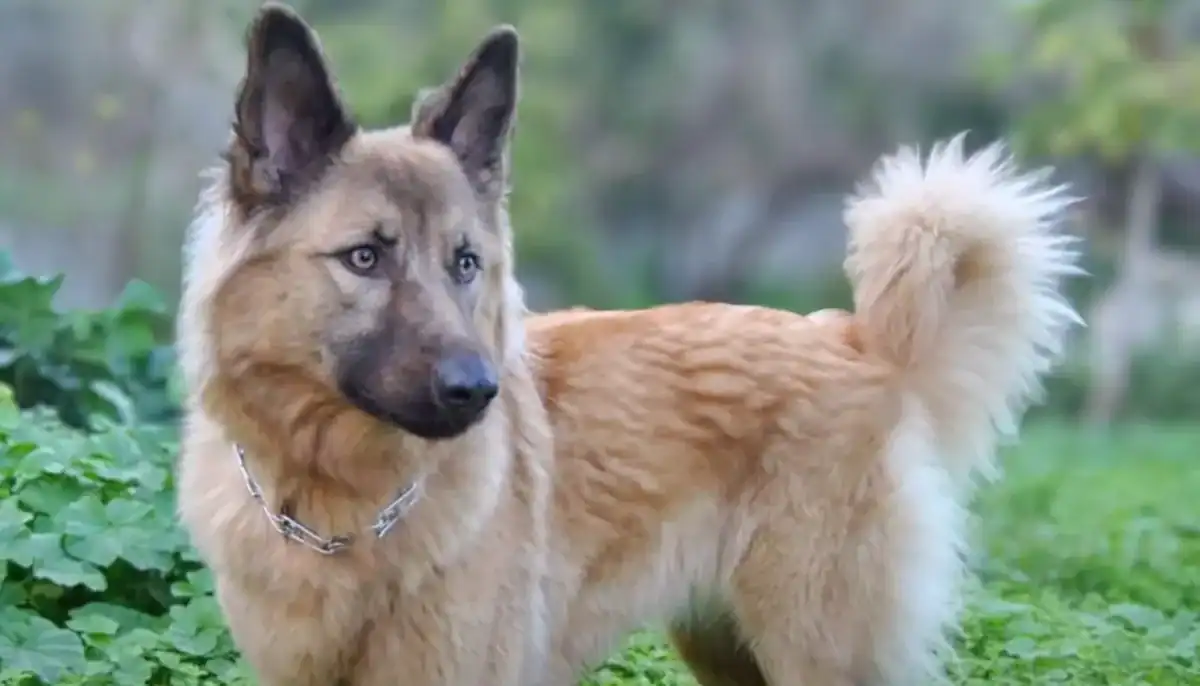
The Garafian Shepherd (Pastor Garafiano) is one of Spain’s rarest working dogs , a medium-sized, long-haired breed, developed to herd sheep and goat flocks across the steep and rocky terrain of La Palma in the Canary Islands. Fiercely independent and far more demanding than most families expect, this breed is built for purposeful work, not casual companionship.
Their tawny fur, wolf-like silhouette, and striking presence draw immediate admiration. For the right person, that initial impression is matched by a deeply loyal, capable companion for more than a decade. The challenge is that these dogs were bred to solve problems without waiting for direction, and that quality shapes every aspect of life with them.
This guide draws on the Royal Canine Society of Spain breed standards, OFA orthopedic screening protocols for herding breeds, and AVMA clinical research to provide a realistic picture of what owning this breed demands.
For households ready to provide structured daily exercise and consistent boundary-setting, and routine brushing, the reward is a deeply loyal and capable companion over their 10-to-14-year life. It becomes manageable once handlers understand the instincts driving its behavior.
For families hoping for a relaxed companion that settles easily after a short walk, a calmer companion will lead to a far happier outcome for both household and dog. This is a specialist built for experienced handlers, and that distinction matters before any commitment is made.
Affiliate Disclosure: K9Sphere is a participant in the Amazon Services LLC Associates Program. As an Amazon Associate, K9Sphere earns from qualifying purchases made through links in this article at no extra cost to you.
Breed Snapshot
📊 Vitals and Lifespan
Height
Males: 22.5–26 in (57–66 cm)
Females: 21.5–25 in (55–63 cm)
Weight
Males: 62–77 lb (28–35 kg)
Females: 53–66 lb (24–30 kg)
Lifespan
10–14 years
Registry
Not AKC Recognized
Origin
Spain / Canary Islands
🇪🇸
⭐ Personality Traits
Ratings (1 to 5). This robust island worker requires extensive movement and dedicated coat upkeep to show their best.
History and Origin
This breed, also referred to as the Garafiano Shepherd Dog or simply Garafiano dogs in older regional records, developed on the island of La Palma, one of Spain’s Canary Islands. Used by shepherds to herd goat and sheep flocks across the steep and rocky areas of the island’s volcanic interior, the breed was most common in the north of the island, particularly in the municipality of Garafía. Found throughout the island’s most isolated farming zones, it became indispensable to communities that had no other reliable option for livestock control on that terrain.
Because the terrain demanded an agile, sure-footed animal, it evolved a lean, muscular build capable of tremendous bursts of speed and sustained cardiovascular output. Thick fur offered protection against sharp brush and the changing microclimates typical of the region.
📌 Pre-1900s: Island Isolation
Developed specifically to work goat and sheep flocks across mountainous volcanic terrain. Geographic isolation created a breed perfectly adapted to local agricultural demands.
📌 1960s: Decline and Dilution
The introduction of the German Shepherd to the islands led to widespread interbreeding. Crossings with other breeds, including German lines introduced by mainland settlers, diluted the pure Garafian type to the point where the breed was on the verge of extinction within two generations.
📌 1980: Revival Efforts
A dedicated group of enthusiasts recognized the threat and formed a working group to locate and preserve remaining purebred specimens. Their efforts contributed to the development of the formal recovery program that would eventually lead to national recognition.
📌 2003: Spanish Recognition
The development of the Garafian Shepherd into a formally recognised breed took decades of coordinated selective breeding under the breed association. In 2003, the breed was officially recognized by the Royal Canine Society of Spain (RSCE), securing national heritage status and establishing the formal breed standard.
📌 Present: International Status
it remains unrecognized by the American Kennel Club. It continues to be cultivated primarily in Spain as a pastoral companion and an increasingly popular companion for outdoor households.
Physical Characteristics
The Garafian Shepherd is a medium-sized dog with a wolf-like profile characterized by a wedge-shaped head, small semi-erect ears, and a deep chest. They are slightly longer than they are tall, giving them a rectangular silhouette that supports a fluid, effortless gait over uneven ground.
Their most defining visual trait is the abundant double-layered, long-haired coat. The hair is harsh on the outside with a soft, dense undercoat, forming a distinct ruff around the neck and feathering on the legs and tail. The standard color is tawny or fawn, ranging from light sand to a deep reddish hue.
Puppies are born brown and gradually develop their lighter tawny shades as their mature fur develops. A few small white markings on the chest or toes are common and accepted within regional breed standards.
Character and Drive
This is a breed with high intelligence, strong territorial instincts, and deep loyalty to its household. These dogs bond intensely with their primary handlers and maintain a watchful, slightly aloof presence around strangers until formally introduced.
🛡️ Natural Guardian
They possess a strong territorial instinct. While not typically aggressive without cause, they will alert heavily to unusual activity and place themselves between perceived threats and their family. Proper socialization is required to ensure this instinct remains manageable throughout adulthood.
🧠 Independent Thinker
Like many dogs from remote pastoral regions, they were bred to navigate challenges without waiting for human commands. This independence makes them brilliant problem solvers but can manifest as stubbornness during repetitive obedience drills if instruction lacks variety and purpose.
🏃 High Drive
Their stamina is extraordinary. A dog without enough daily exercise is prone to becoming restless, vocal, and destructive. They thrive when given disciplined activities and mentally engaging routines, whether that involves formal dog sports, hiking, or advanced command work.
💛 Deep Loyalty
Once trust is established, their devotion is strong. They thrive on physical proximity to their people, and some individuals may develop distress if isolated for prolonged periods despite their rugged exterior.
Screening, Health Conditions, and What to Test For
Veterinary Disclaimer: The information provided in this article is for educational purposes only and is not intended as a substitute for professional veterinary advice, diagnosis, or treatment. Always consult a licensed veterinarian for any veterinary issues about your pet.
Health Information Sources: Health data compiled from:
- OFA: Canine Health Information Center OFA protocols for large pastoral breeds
- RSCE Data: Royal Canine Society of Spain breed conservation records
- AVMA: Clinical research on large-breed orthopedic and gastric conditions
Always consult your licensed DVM for personalized medical advice.
🔴 Hip Dysplasia
What to watch for: A genetic malformation of the socket where the ball and socket do not fit smoothly. Symptoms include reluctance to jump, a bunny-hopping gait on stairs, stiffness after rest, and eventual severe arthritis. The breed’s drive can mask early pain signals.
Screening: Both parents should have an OFA evaluation via OFA or PennHIP before pairing. Young dogs should be kept lean and avoid forced running on hard surfaces before growth plates close at around 18 months. An orthopedic dog bed supports aging dogs.
🔴 Gastric Dilatation-Volvulus (Bloat)
What to watch for: A life-threatening emergency where the stomach fills with gas and twists, cutting off blood supply. Symptoms include an enlarged abdomen, unproductive retching, excessive drooling, and sudden extreme lethargy. This condition can become fatal within hours without emergency surgical intervention.
Management: Feed multiple small meals instead of one large one, use a slow-feeder bowl, and prevent vigorous movement for at least an hour before and after eating. Discuss prophylactic gastropexy with your veterinarian before maturity.
🟡 Eye Conditions
What to watch for: As with many medium-to-large dogs, the Garafian may be susceptible to Progressive Retinal Atrophy (PRA) and hereditary cataracts. Watch for clumsiness in low light, cloudy pupils, or sudden reluctance to navigate dark rooms or stairs.
Screening: Annual veterinary ophthalmologist exams are recommended to catch degenerative conditions early. Breeding stock should carry clear eye certifications from an approved canine ophthalmologist.
🟡 Elbow Dysplasia
What to watch for: A developmental condition where abnormal bone growth in the elbow creates fragments that cause progressive lameness in the front legs. Dogs may favor one foreleg, show a shortened stride, or resist extending the affected limb. Onset is often seen in young dogs aged four to twelve months.
Screening: OFA elbow evaluation of both parents before producing litters reduces the risk substantially. Keeping young dogs at a lean body weight and limiting intense activity in early development supports healthy structural development. A quality the joint supplement supports cartilage function during the active adult years.
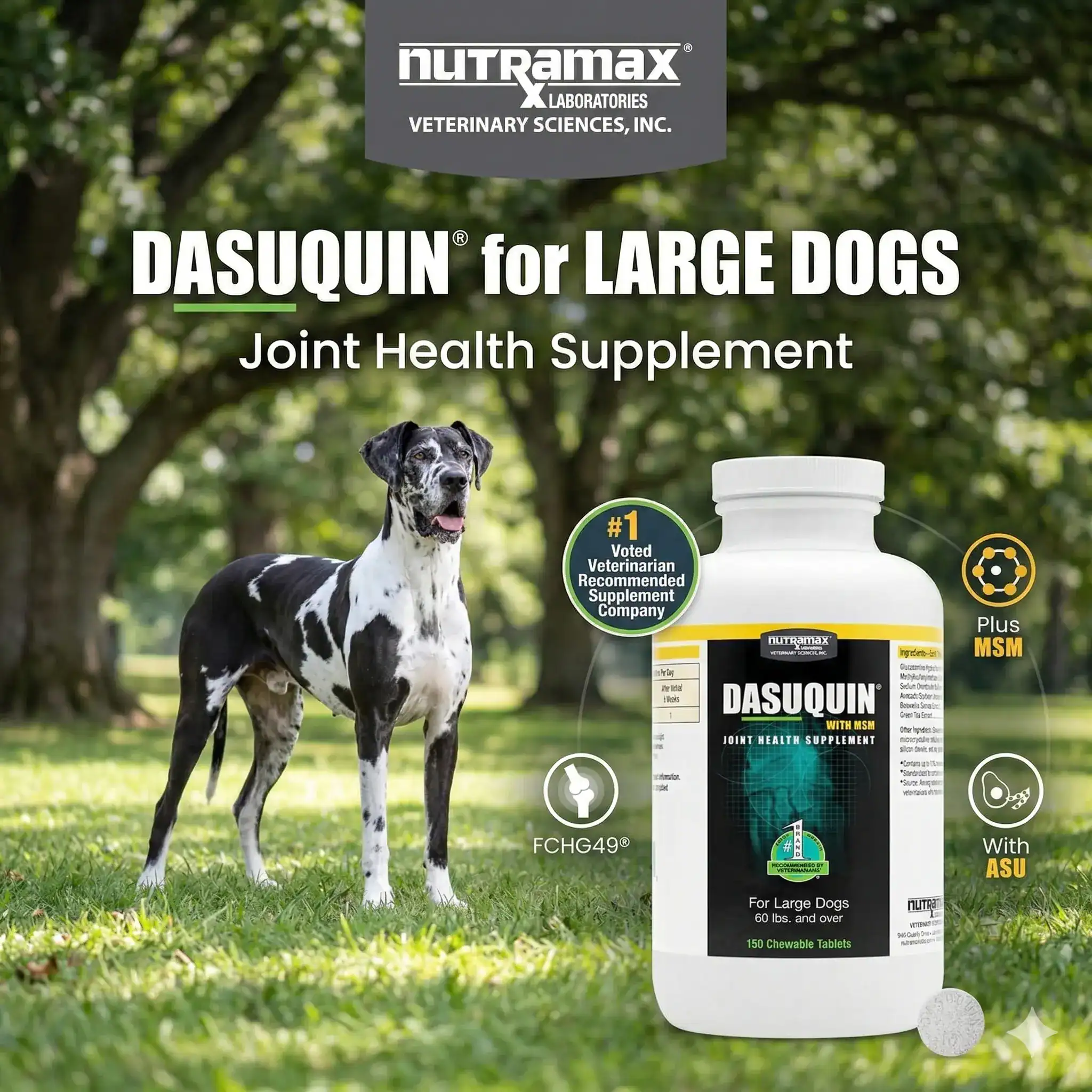
Nutramax Dasuquin Joint Health Supplement for Large Dogs
Use for: Supporting overall health in active dogs prone to orthopedic problems. Helps maintain cartilage integrity as the dog navigates demanding daily activity.
Check price on AmazonGrooming and Coat Care: What the Long Coat Actually Demands
This breed carries a dense, weather-resistant double-layered coat that sheds continuously, with two periods of extreme shedding during seasonal changes. Keeping the fur in good condition is a significant commitment, not an occasional task.
Plan thorough grooming sessions two to three times a week, increasing to daily brushing during the spring and autumn blowouts. Brushing with an appropriate grooming tool for double-coated breeds removes dead undercoat before it mats and distributes natural oils through the outer layer. Pay special attention to the thick ruff around the neck and the feathering on the legs, where tangles form quickly when upkeep is delayed.
Bathe the Garafian only when visibly dirty, as over-bathing strips the natural waterproofing oils and leaves the dense undercoat prone to rapid matting. Most handlers bathe no more than once every six to eight weeks, using a gentle dog-safe shampoo. Nail trimming every three to four weeks and weekly ear checks for moisture and debris complete the routine.
Exercise, Activity, and Daily Living Needs
Built to traverse volcanic mountains all day and cannot be satisfied with brief neighborhood strolls. Most adults thrive with 60 to 90 minutes of vigorous daily movement plus dedicated mental stimulation sessions.
Activities should engage both body and mind. Hiking, trail running, agility courses, and scent work are excellent outlets. Because they are exceptionally agile and responsive, they make superb companions for outdoor enthusiasts who want a dog capable of keeping pace on wilderness treks.
Apartment living is genuinely difficult unless the handler provides several hours of intense outdoor activity and mental engagement daily. These dogs thrive in homes with securely fenced yards where they can patrol and move freely. A dog restricted to a small indoor space typically develops excessive vocalization, destructive chewing, and escape attempts within weeks.

Furbo 360 Dog Camera
Use for: Monitoring this driven breed prone to separation-related behaviors when left alone. Two-way audio and treat-toss features help interrupt distress vocalization during work hours.
Check price on AmazonNutrition & Diet
🐶 Puppy Stage
Growing dogs require controlled, steady growth to protect growing bones. Feed a high-quality large-breed puppy formula that carefully regulates calcium and phosphorus intake. Overfeeding or encouraging rapid weight gain significantly increases the risk of orthopedic problems later in life.
🐕 Adult Stage
Adults need a nutrient-dense diet rich in animal protein to sustain their output. A high-quality dry dog food formulated for active large breeds is the standard recommendation, fed Feeding in two measured meals daily keeps portion size controlled. During periods of peak output, a performance-oriented formula with elevated protein supports their lean muscle mass. while less active months call for a reduced-calorie option to prevent weight gain and the skeletal strain that comes with it.
🐕🦺 Senior Stage
As their metabolism slows around age seven or eight, transition to a lower-calorie senior diet. This is the stage to introduce targeted supplements and monitor weight meticulously. Keeping the dog lean in its senior years is the most effective single measure for extending their mobility and quality of life into the later years.
Training: Structure Over Repetition
Instruction requires a balance of firm consistency and engaging variety. They learn quickly but will test boundaries if they sense hesitation or inconsistency from their handler. Repetitive drills cause them to disengage rapidly.
🛑 Socialization Priorities
Early and extensive socialization is essential. Because they are naturally watchful and suspicious of strangers, they must be exposed to a wide variety of people, environments, and other dogs during the critical development window before four months of age. Inadequate socialization allows their natural guarding instinct to shift into fear-based aggression that becomes very difficult to modify in adulthood.
👑 Leadership Through Trust
These dogs respond to confident, calm leadership. Harsh corrective methods often backfire, causing the dog to shut down or become defensive. Use positive reinforcement and establish clear rules with consistent follow-through. They excel when they understand what their role is within the household structure and when that role is reinforced through daily routine and purposeful exercise.
🐑 Managing Herding Instinct
The drive to herd is deeply ingrained. They may attempt to nip at the heels of running children or give chase to moving vehicles if this instinct is not properly redirected immediately. Teach a strong recall command early and provide appropriate outlets such as fetch, treibball, or formal herding trials to satisfy their urge to control movement.
Garafian Shepherd vs Border Collie vs Australian Shepherd vs Basque Shepherd Dog
The temperament and physical demands of this breed become clearer when set alongside comparable herding dogs. Originally developed as a breed of sheep dog and goat herder on the Canary Islands, this breed of dog shares some drive traits with the Belgian Malinois, though the Garafian is considerably less handler-reactive and more independent. People often compare this dog against others with comparable working backgrounds before committing.
| Attribute | Garafian Shepherd | Border Collie | Australian Shepherd | Basque Shepherd Dog | Belgian Malinois |
|---|---|---|---|---|---|
| Weight | 53–77 lb (24–35 kg) | 30–55 lb (14–25 kg) | 40–65 lb (18–29 kg) | 37–79 lb (17–36 kg) | 40–80 lb (18–36 kg) |
| Original Purpose | Steep-terrain livestock herder | Sheep herder | Ranch herder | Sheep herder | Police, military, protection |
| Energy Type | Sustained, independent | Intense, handler-focused | Sustained, attentive | Sustained, independent | Explosive, handler-driven |
| Trainability | Smart but independent | Intensely handler-focused | Highly attentive | Loyal but independent | Highly trainable |
| Grooming | High (2–3x weekly brushing) | Moderate to High | Moderate to High | Moderate | Low (short coat) |
| Threat Response | Protective alert barker | Reserved, alarm barker | Protective, wary of strangers | Alert, territorial | Intense, reactive |
| First-Time Owner? | Challenging, usually not ideal | With expert guidance only | With active lifestyle and prior experience | Challenging | Not recommended |
| Common Health Risks | Hip dysplasia, bloat, elbow problems, eye conditions | Hip dysplasia, PRA, Collie Eye Anomaly, epilepsy | Hip dysplasia, MDR1 mutation, epilepsy, eye conditions | Hip dysplasia, general orthopedic concerns | Hip dysplasia, elbow dysplasia, progressive retinal atrophy |
| Living Space | Secure yard required | Secure yard or acreage required | Secure yard required | Secure yard or acreage required | Secure yard or professional environment required |
This dog offers a larger, more independently minded alternative to the intensely handler-focused Border Collie. While the Australian Shepherd shares a comparable need for a defined job, the Garafian brings a distinct guarding edge born from guarding isolated island flocks. The Basque Shepherd Dog provides the closest regional comparison, sharing both Spanish heritage and an independent pastoral style.
Common Questions about the Garafian Shepherd
How much does a Garafian Shepherd cost?
Direct Answer: Prices typically range between USD 800 and USD 1,500 in Spain, but importing to other regions significantly increases the full amount. Pricing varies by country, with UK, Canada, and Australia rates differing from US market figures.
Context: Because it remains rare outside the Canary Islands and mainland Spain, locating a seller in North America or the UK is extremely difficult. Import fees, flight costs, and quarantine regulations can easily add thousands to the puppy acquisition cost.
Management: Never finalize a sale without reviewing OFA health documentation for both parents. Budget for substantial transport costs and prepare for a lengthy waitlist with Spanish sellers who prioritize working ability and documented health screening. The long-term commitment of owning a Garafian Shepherd extends well beyond the purchase price.
Does the Garafian Shepherd shed a lot?
Direct Answer: Yes. Moderate year-round fur loss with two heavy seasonal releases in spring and autumn.
Context: The dense double-layered fur designed to protect them from coastal winds and mountain brush drops significant amounts of dead hair. Without consistent maintenance, this hair accumulates rapidly on floors and furniture.
Management: Commit to maintaining the fur thoroughly at least twice a week and invest in a quality deshedding rake and slicker brush to penetrate the thick undercoat, particularly during peak shedding periods.
Are Garafian Shepherds good with kids?
Direct Answer: Yes, they are generally affectionate with family children when raised alongside them from an early age.
Context: Their working instinct means they may attempt to corral running children by nipping at heels. Their size and strong drive also make them capable of accidentally knocking over toddlers during enthusiastic play.
Management: Never leave the dog unsupervised with young children. Teach children how to interact respectfully, and correct any heel-nipping behavior immediately and consistently from day one.
Can a Garafian Shepherd handle apartment living?
Direct Answer: Apartment living can work, but only if the handler commits to several hours of vigorous daily movement and mental stimulation.
Context: They possess a strong instinct to patrol their territory and respond to unfamiliar sounds with alert barking. Confining them without access to a yard typically produces frustration, nuisance vocalization at hallway sounds, and destructive habits within weeks.
Management: They thrive best in homes with securely fenced yards. If kept in a smaller space, the handler must provide extensive outdoor activity and mental enrichment daily to maintain a stable character.
How long do Garafian Shepherds live?
Direct Answer: Most live 10 to 14 years.
Context: This is a solid lifespan for a dog of this size. Because the Garafian was bred for rugged function on volcanic terrain rather than show-ring conformational extremes, it has avoided the shortened lifespans that affect many heavily modified breeds.
Management: Support their longevity by keeping them lean to protect bones, providing adequate nutrition appropriate to their drive level, and scheduling annual veterinary exams with orthopedic assessments from middle age onward.
Do Garafian Shepherds have separation anxiety?
Direct Answer: They form deep bonds, and some individuals develop separation-related behaviors if isolated for extended periods without conditioning.
Context: Despite their rugged independence while on task, they are deeply pack-oriented. A Garafian left isolated in a yard all day may resort to escape attempts, digging, or nuisance barking to cope with the stress of separation from their household.
Management: Practice leaving the dog alone for short, graduated periods starting in puppyhood. Provide puzzle feeders or safe chews to occupy their mind during absences, and ensure they are physically tired before you leave the house.
How much exercise does a Garafian Shepherd need?
Direct Answer: Plan for at least 60 to 90 minutes of vigorous effort daily, alongside mental stimulation.
Context: Because they were bred to work all day, their bodies process fatigue differently than companion dogs. A tired Garafian is a well-behaved one, while unspent drive quickly converts into destructive behavior inside the home.
Management: Rotate activities to prevent boredom. If you provide an extended run one day, focus on scent work or obedience challenges the next to ensure the mind receives as much engagement as the body.
Is the Garafian Shepherd a recognized breed?
Direct Answer: Yes, by the Royal Canine Society of Spain (RSCE) since 2003, but not by major international registries like the AKC.
Context: It gained formal recognition in Spain after a concerted effort to save it from extinction. Because the population remains small and geographically concentrated, international kennel clubs have not yet granted full recognition.
Management: When evaluating sources, look for those registered with the breed association or the RSCE, as they adhere to the established health and structural standards for this breed.
Are Garafian Shepherds good for first-time handlers?
Direct Answer: Generally not recommended for first-time owners without prior experience managing independent, high-drive breeds.
Context: Their combination of strong territorial instincts, independent problem-solving, and very intensive demands creates a challenging management picture for households unfamiliar with this breed type. Without structure from day one, they can develop persistent barking, resource guarding, and fence-testing habits that are difficult to reverse.
Management: If you are a first-time owner determined to take on this dog, commit to sessions with an experienced instructor from their initial days at home. Enrolling in structured classes specifically designed for this type of dog provides the framework these dogs respond to best.
Is the Garafian Shepherd the right dog for me?
Direct Answer: If you are an experienced handler with a securely fenced property, a genuine interest in dog training, and at least 90 minutes daily for outdoor activity, the Garafian Shepherd can be an outstanding match. If you want a low-maintenance companion or live in a flat, it is not.
Context: The Garafian suits handlers with experience with pastoral dogs, an outdoor lifestyle, and the patience to work through the independent streak that makes the Garafian simultaneously impressive and demanding. Young families with toddlers, apartment dwellers, and people with long daily work schedules typically find the breed overwhelming within the opening year.
Management: Before committing, spend time around adult Garafian Shepherds through Spanish breed clubs or working dog events. Read about Belgian Malinois and Border Collie demands as a benchmark. The Garafian sits in a comparable intensity bracket, with more independence and less handler focus.
Finding a Puppy
The development of this Spanish breed as a distinct Spanish breed took place in near-total geographic isolation on the island of La Palma, and the breed is still concentrated primarily in the Canary Islands and mainland Spain today. Ownership anywhere outside that region requires direct contact with Spanish breed clubs or the Asociación Española del Perro Pastor Garafiano.
🏠 Responsible Sellers
Look for breeders actively involved with the Asociación Española del Perro Pastor Garafiano who prioritize pastoral temperament and provide clear orthopedic screening records for both parents. They should be willing to discuss orthopedic evaluations and allow you to interact with the litter’s dam before committing.
🐾 Rescue and Adoption
Adoption is almost nonexistent outside of Spain. However, dedicated Spanish rescue organizations occasionally have adult dogs available. Adopting an adult allows you to bypass the demanding initial adjustment phase and assess the dog’s fully developed drive levels and territorial instincts before bringing them home.
🚩 Red Flags to Watch For
- Inability to provide OFA or PennHIP screening documents for both parents’ OFA-screened areas.
- Sellers who cannot confirm RSCE or breed association registration for their breeding stock.
- Prices significantly below the regional USD 800 to USD 1,500 range from verified Spanish sellers.
- Parents displaying extreme fearfulness, unprovoked snapping, or obvious physical lameness during your visit.
- Litters raised in outdoor kennel runs without consistent human handling and household sound exposure.
- Refusal to let you meet the dam or see the environment where the litter was raised.
Before bringing home a Garafian Shepherd, run this 4-step pre-buying check: (1) Can you provide 60 to 90 minutes of vigorous daily movement and mental stimulation for the long term? (2) Is your budget prepared for orthopedic screening, potential skeletal care, and professional grooming support? (3) Are you ready to manage strong territorial instincts and consistent command work? (4) Have you observed adult dogs of this type before committing? If any answer is no, reconsider the Garafian.
Personal Observation
💭 Personal Observation
Handlers who take on this independent, high-drive breed for the first time frequently underestimate how differently these dogs experience confinement compared to companion breeds. A dog bred to make autonomous decisions across open terrain does not simply accept an urban routine without structure. It carries centuries of that innate independence, and without a clear daily purpose (vigorous movement, mental challenges, defined boundaries), that intelligence turns inward and becomes destructive behavior. Handlers who manage this dog successfully are the ones who stop trying to limit the dog’s drive and start channeling it deliberately. That shift in approach makes the difference between a difficult experience and an exceptional one.
Conclusion
This breed is a remarkable piece of Spanish pastoral heritage, offering deep loyalty and impressive stamina to the right household. The Garafian Shepherd’s most demanding quality is its need for a handler who views outdoor exertion and purposeful instruction as a routine rather than an occasional obligation.
The ideal handler is someone who views structured training, vigorous outdoor activity, and consistent leadership as genuine pleasures rather than obligations. In those hands, this rare island breed delivers extraordinary loyalty and capability throughout its lifetime. For households seeking a dog content to nap on the sofa between short walks, a calmer breed will serve everyone better.
Disclaimer: This article is for informational and educational purposes only. It does not constitute veterinary advice, medical diagnosis, or treatment recommendations. Always consult a licensed veterinarian before making health-related decisions for your pet. While every effort has been made to ensure accuracy, dog information evolves and individual dogs vary. If you spot a factual error, please contact us so we can review and update. Product recommendations are based on independent research, and individual results may vary. As an Amazon Associate, K9Sphere earns from qualifying purchases at no additional cost to you.


