
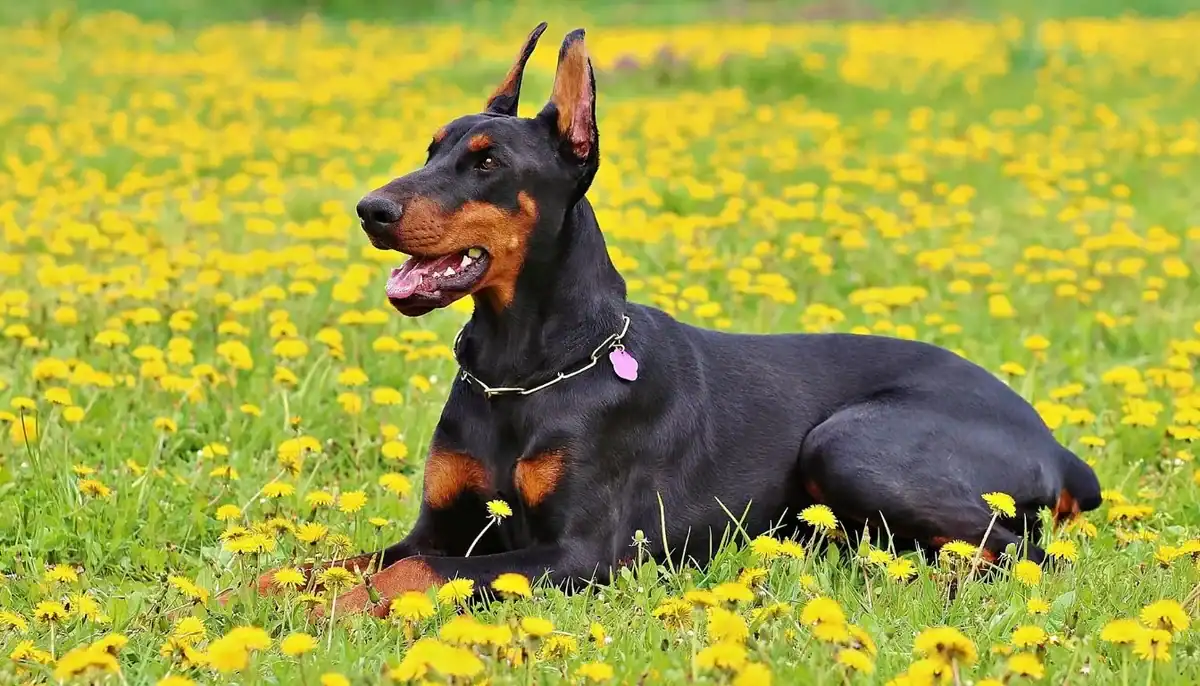
The Doberman Pinscher dog breed is a German guard and protection breed developed in the 1890s. It is fast, athletic, and very closely bonded to its family, and it is one of the most capable working dogs you can own.
It also carries one of the breed’s most important inherited health concerns, dilated cardiomyopathy. That heart condition is the main reason health testing matters so much here.
This guide draws on the AKC breed standard, the Doberman Pinscher Club of America’s health guidance, and published veterinary research on heart disease in the breed.
Daily needs include real exercise, regular training, and plenty of time with the people it lives with. Grooming, by contrast, is easy.
Anyone thinking about this breed should read the section on Doberman Pinscher health before contacting a breeder. Knowing which tests to ask for is the most useful thing a Doberman buyer can do.
Affiliate Disclosure: K9Sphere participates in the Amazon Services LLC Associates Program and other affiliate programs. K9Sphere earns from qualifying purchases made through links in this article at no additional cost to you. Product recommendations are based on independent research and editorial judgment, not paid placement.
Breed Snapshot
📊 Vitals and Lifespan
Height
Males 26 to 28 in (66 to 71 cm)
Females 24 to 26 in (61 to 66 cm)
Weight
About 60 to 100 lb (27 to 45 kg), males generally larger
Lifespan
About 10 years
Breed Group
AKC Working Group
Origin
Germany
🇩🇪
⭐ Personality Traits
K9Sphere editorial ratings (1 to 5). This is an athletic working breed that is loyal to its family and needs both exercise and training to stay settled.
History and Origin
The breed is named after the man who started it. Its history is relatively recent by dog breed standards, taking shape in Germany in the late 1800s, which is part of why so much of it is well recorded.
📌 The 1890s. A Tax Collector’s Dog
Louis Dobermann was a tax collector in Apolda, Germany, who wanted a protective dog to travel with him. He began breeding the dogs that became the Doberman in the 1890s.
📌 Softening the Temperament
The early Doberman was generally described as sharper in temperament and hard to handle. Later breeders, including Otto Goeller, put more weight on a steady, manageable dog while keeping its protective instinct.
📌 1908. AKC Recognition
The American Kennel Club recognized the breed in 1908, and the Doberman Pinscher Club of America followed in 1921. The UK Kennel Club recognized the breed in 1948.
📌 Today
Dobermans still work in police, military, and search roles, but most today are family dogs. It sits in the working breeds group, and that working background still shows in how it lives.
Physical Characteristics
The Doberman is lean, muscular, and built for speed. It looks powerful without looking heavy, and it moves with a smooth, easy stride.
🎨 Coat and Color
The coat is short, smooth, and close to the body. The standard colors are black, red, blue, and fawn, each with rust markings above the eyes and on the muzzle, chest, and legs. The black and tan look is the one most people picture.
🏗️ Ears and Tail
In the USA, ears are often cropped to stand upright and tails are often docked. Natural drop ears and natural tails are also seen, especially where cropping and docking are restricted or banned. The rules differ by country, so check local law.
What About White Dobermans?
White Dobermans are sometimes sold as rare. They are not a color variety. They are an albinistic form linked to a genetic mutation, traced back to one dog registered in the 1970s.
Since 1996 the AKC has added the letter Z to the registration numbers of dogs descended from that line, so breeders can check for it. The breed club advises against breeding from these lines. A white Doberman is not a reason to pay more.
Character and Temperament
Doberman Pinscher temperament, in a well-bred dog, is loyal, alert, and affectionate with its own family. A typical Doberman is reserved with strangers, which is part of what makes it a good watchdog.
💛 Close to Its People
Dobermans want to be near the people they live with. Many follow their owners from room to room. Some do poorly when left alone for long periods, so this is not a breed for someone out of the house all day.
🛡️ Watchful, Not Wild
They notice everything and will alert you to strangers. With good training and early socialization they are steady and controlled, not jumpy. Their history as protection dogs feeds a tough reputation, while modern breed guidance stresses a stable, confident temperament.
They are sensitive dogs. They respond well to calm, consistent training and badly to harsh handling. Early socialization with people, places, and other dogs makes a big difference to the adult dog.
Screening and Conditions
Veterinary Disclaimer: The information in this article is for educational purposes only and is not a substitute for professional veterinary advice, diagnosis, or treatment. K9Sphere’s authors are experienced dog owners, not licensed veterinarians. Always consult a qualified DVM regarding any health concerns about your pet. Never disregard professional veterinary advice or delay seeking it because of something you have read on this site.
Health Information Sources: Data compiled from:
- Doberman Pinscher Club of America health information for the parent club’s list of conditions and tests
- AKC and DPCA breed health statement for cardiac, thyroid, and vWD screening guidance
- American Kennel Club breed page for the standard and general breed guidance
Always consult your licensed DVM for personalized medical advice.
The breed club’s CHIC program combines five health screens with one separate temperament test. The health screens are a hip evaluation, an advanced heart exam by a board-certified cardiologist, a thyroid test, a DNA test for von Willebrand’s disease, and an eye exam. The club’s Working Aptitude Evaluation is the extra step, and it assesses temperament rather than health.
The heart exam deserves special attention in this breed, because DCM can show no signs and may be missed by a single check. It uses both an echocardiogram, which is an ultrasound of the heart, and a Holter monitor, which records the heart rhythm over 24 hours.
Common Health Concerns
🔴 Dilated Cardiomyopathy
What to watch for: Tiring easily, coughing, fainting, or fast breathing. The heart muscle weakens and the heart enlarges. Many dogs show no signs at all before a serious problem, and some die suddenly. A European long-term study of 412 Dobermans reported a cumulative cardiomyopathy prevalence of 58.2 percent in its study population, with risk rising sharply with age.
Screening: Ask for a recent heart exam on both parents, with both an echocardiogram and a Holter result. The breed club notes that a clear heart exam today does not guarantee the dog will stay clear later, which is why the exam is repeated regularly.
🔴 Wobbler Syndrome
What to watch for: An unsteady, wobbly walk, especially in the back legs, or neck pain. The spinal cord gets squeezed in the neck. The same problem is seen in the Great Dane and other large breeds.
Screening: There is no test that predicts it before signs appear. The breed club lists it as a hereditary condition, so ask breeders whether it has appeared in their lines.
🟡 Von Willebrand’s Disease
What to watch for: Bleeding that takes longer than normal to stop, after an injury or surgery. It is a clotting problem. In Dobermans it is usually a mild form of the disease.
Screening: A DNA test gives a clear answer and can be done on puppies. Clear and carrier dogs do not have the problem themselves. Tell your vet the result before any surgery.
🟡 Chronic Active Hepatitis
What to watch for: Weight loss, poor appetite, increased thirst, or yellowing of the gums or eyes. This is a long-term liver disease. The breed club lists it among the hereditary conditions in Dobermans.
Screening: The breed club notes there is no test that predicts which dogs will be affected. Routine blood work at vet checkups can pick up liver changes, and it is worth asking a breeder whether liver disease has appeared in their lines.
🟡 Hypothyroidism
What to watch for: Weight gain without eating more, low energy, a thinning coat, and skin problems. The thyroid does not make enough hormone.
Screening: Your vet uses thyroid blood tests to help diagnose it, reading the results alongside the dog’s signs. It is treated with a daily tablet and most dogs do well once it is managed.
🟡 Hip Dysplasia
What to watch for: Stiffness after rest, trouble on stairs, or a hopping walk. The hip joint does not form properly and wears early.
Screening: Ask for OFA or PennHIP hip results on both parents. Keeping the dog lean helps protect its joints for life.
Grooming and Coat Care
Grooming is one of the easiest parts of owning a Doberman. A quick brush several times a week, or daily if you want less loose hair around the house, keeps the short coat in good shape.
They shed a little all year. Our guide to the best brushes for shedding dogs covers tools that work well on a short coat.
Bathe only when needed. The short coat gives little protection from cold, so many Dobermans need a coat in cold weather. Trim nails regularly, clean the ears, and brush the teeth.
Exercise and Living Needs
Plan on plenty of daily exercise. Around an hour is a reasonable starting point for many healthy adults, adjusted for age and health. Running, fetch, and long walks all help. A short walk around the block is not enough.
They also need things to think about. Many Doberman owners use training games, puzzle toys, and dog sports like obedience or agility to keep their minds busy. A bored Doberman may start chewing or barking.
A house with a fenced yard suits them best, but an active owner can make an apartment work. They are house dogs and should live indoors with the family, not outside in a yard.

Furbo 360 Dog Camera
A camera with two-way audio and a treat dispenser, commonly used by owners who want to see how their dog copes while they are out. It is a monitoring tool rather than a fix for separation problems, which need a training plan.
Check price on AmazonNutrition & Diet
Feed a complete, balanced diet with enough protein for a large, active dog. Puppies should get a large-breed puppy food, which is made to support steady growth.
Keep the dog lean. Extra weight puts strain on the heart and joints, both of which matter in this breed. Many owners split the daily food into two meals, and your vet can advise on the right amount.
Some owners of older dogs use joint supplements as part of a wider care plan. The evidence for them varies, so talk to your vet first.

Nutramax Dasuquin with MSM Soft Chews
A glucosamine and chondroitin supplement commonly used in large, active dogs. The evidence for it varies and it is not a treatment for joint disease, so check with your vet before starting.
Check price on AmazonTraining
Dobermans are generally very trainable and respond well to consistent, reward-based training. They learn fast and want to work with you. Short, upbeat sessions work best.
Start socialization early with a Doberman puppy and keep it going. Crate training from the start also helps with house training and gives the puppy a safe place to rest. Meeting many people, places, and calm dogs while young helps the adult dog stay steady instead of suspicious.
Avoid harsh corrections. This breed is sensitive, and rough handling can make a dog anxious or defensive. A good trainer who uses reward-based methods is worth finding early.
Doberman Pinscher vs Rottweiler vs German Shepherd vs Cane Corso
People looking at a Doberman often compare it with the Rottweiler, the German Shepherd, and the Cane Corso. All four are strong, protective working dogs, but they differ in size, build, and care. The table shows typical tendencies, and individual dogs vary.
| Attribute | Doberman Pinscher | Rottweiler | German Shepherd | Cane Corso |
|---|---|---|---|---|
| Weight | 60 to 100 lb | 80 to 135 lb | 50 to 90 lb | 88 to 110 lb |
| Original Purpose | Personal protection | Droving and guarding | Herding | Guarding and hunting |
| Build | Lean and fast | Heavy and powerful | Athletic | Heavy and muscular |
| Coat | Short and smooth | Short double coat | Medium double coat | Short and dense |
| Shedding | Light | Moderate | Heavy | Light to moderate |
| Activity Level | High | Moderate | High | Moderate |
| Cold Tolerance | Low | Moderate | Good | Moderate |
| Owner Experience | Committed training needed | Committed training needed | Committed training needed | Better suited to experienced owners |
| Space and Activity Needs | High, indoor dog | High, secure yard | High, secure yard | High, secure yard |
Of the four, the Doberman has the most streamlined build, while the Rottweiler and Cane Corso are heavier in bone and body and the German Shepherd carries a thicker double coat. Heart screening deserves particular attention in the Doberman because inherited DCM is a major concern for the breed.
Common Questions about the Doberman Pinscher
How much does a Doberman Pinscher cost?
Direct Answer: As an approximate, time-sensitive guide (as of 2026), expect roughly USD 1,500 to USD 3,000 from a reputable breeder.
Context: Prices vary by breeder, location, pedigree, and availability. Part of the price reflects the heart testing a good breeder does, which is not cheap.
Management: Treat a very cheap puppy as a warning sign that heart screening may have been skipped.
Are Doberman Pinschers good family dogs?
Direct Answer: Yes, for active families who can give them exercise, training, and company.
Context: They are loyal and affectionate at home and often good with children they are raised with. They do not do well left alone for long hours.
Management: Supervise with young children and teach both the dog and the kids how to behave around each other.
Are Doberman Pinschers aggressive?
Direct Answer: A well-bred, well-raised Doberman is generally alert and protective rather than aggressive.
Context: The breed was once sharper, and later breeders worked to make it more manageable. Individual temperament still varies.
Management: Socialize early and train consistently. Meet both parents to see their temperament.
Do Doberman Pinschers shed?
Direct Answer: Yes, lightly and steadily through the year.
Context: The short coat drops fine hairs, but much less than a double-coated breed.
Management: A quick weekly brush keeps shedding under control.
How much exercise does a Doberman Pinscher need?
Direct Answer: Around an hour of real exercise a day is a good starting point for most healthy adults, plus training.
Context: Needs vary with age and health. They are athletic dogs and a short walk is not enough.
Management: Mix running or fetch with training games to tire both body and mind.
Do Doberman Pinschers have separation anxiety?
Direct Answer: Some do. They are very attached to their people and many dislike being left alone.
Context: A dog left alone too long may bark, chew, or pace.
Management: Build up time alone slowly from puppyhood, and arrange company on long workdays.
Can a Doberman Pinscher live in an apartment?
Direct Answer: It can work with an active owner who gives it plenty of exercise every day.
Context: Space matters less than daily exercise and time with its people.
Management: Plan for daily runs or park time, not just short walks.
What health tests should the parents have?
Direct Answer: A heart exam with echocardiogram and Holter, plus hip, thyroid, eye, and von Willebrand’s DNA tests.
Context: Those are part of the breed club’s CHIC program. The heart exam is the most important, and it should be recent.
Management: Ask to see the actual results, and check the date on the heart exam.
What is dilated cardiomyopathy in Dobermans?
Direct Answer: A heart disease where the heart muscle weakens and the heart enlarges. It is a major concern in this breed.
Context: Many dogs show no signs before a serious problem. Regular heart checks can find it early.
Management: Ask your vet about regular heart screening as your dog gets older.
Are Doberman Pinschers easy to train?
Direct Answer: Yes. They are smart, learn quickly, and want to work with their owners.
Context: They are also sensitive, so harsh methods backfire.
Management: Use rewards and keep sessions short and consistent.
Are Doberman Pinschers good for first-time owners?
Direct Answer: A prepared first-time owner can succeed with one, if they are active and willing to train and learn about the heart risk.
Context: They train easily, which helps. The exercise needs and health testing are what first-time owners most often underestimate.
Management: Join a training class early and find a breeder who explains the health tests clearly.
What is the difference between a German Pinscher and a Doberman Pinscher?
Direct Answer: They are separate breeds. The Doberman is much larger and was bred for protection.
Context: Both come from Germany and share the word Pinscher, which is why people mix up the two. The German Pinscher breed is a medium-sized dog.
Management: Check which breed a listing actually means before you contact a seller.
Finding a Puppy
Because heart disease is a major concern in this breed, where you buy from matters more than usual, and a puppy offered for sale without heart results is a red flag. Look for a breeder who can show recent heart test results for both parents.
🏠 Reputable Breeders
A good breeder shows recent heart exams with echocardiogram and Holter for both parents, plus hip, thyroid, eye, and von Willebrand’s results. They will ask about your home and routine to make sure the puppy is a good fit.
🐾 Rescue and Adoption
Doberman rescue groups often have young adult dogs looking for homes. Adopting an adult lets you see the dog’s size and temperament before you commit, and skips the puppy stage.
🚩 Red Flags to Watch For
- No recent heart exam for either parent.
- A heart exam that is several years old.
- White Dobermans sold as rare or at a higher price.
- No von Willebrand’s DNA result on request.
- Puppies always available with no questions asked.
- A seller who will not let you meet the mother.
❓ Questions to Ask the Breeder
- When were the parents’ hearts last checked?
- Did the heart exam include both an echocardiogram and a Holter?
- What are the hip and thyroid results?
- What is each parent’s von Willebrand’s status?
- How long did the grandparents live?
- What does your health guarantee cover?
🔍 Questions a Good Breeder Asks You
- How many hours a day will the dog be alone?
- How much exercise can you give each day?
- Have you owned a working breed before?
- Do you plan to train or do dog sports?
- What will you do if it does not work out?
A seller who asks you nothing about your home is unusual among careful breeders, and worth a second look before you commit.
Personal Observation
💭 Personal Observation
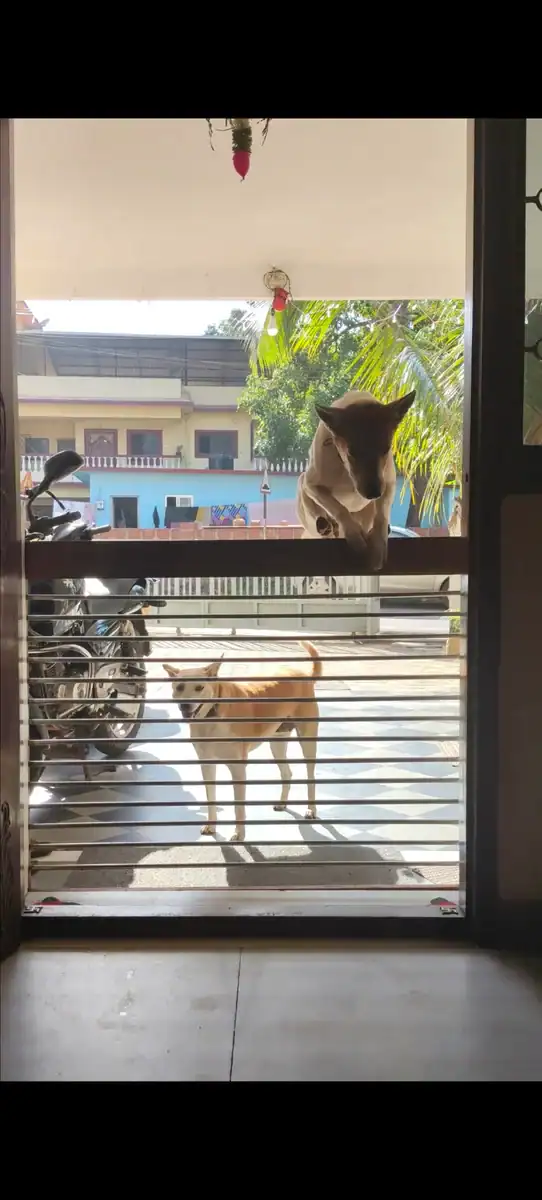
Rambo is the youngest of my rescues. He is very fast and agile, a lot like a Belgian Malinois, and he can jump clean over the top of a fence. He is sharp too. He deals with many stray dogs on the street and knows when to back off and when to stand his ground.
So speed and a quick mind are not what set a Doberman apart. A dog like Rambo already has both. The real difference is size. A Doberman brings that same athletic drive in a much bigger and heavier body.
That matters most for your fence. A fence that holds a calm dog may not hold an athletic one. Before you bring a Doberman home, make sure your fencing is tall and secure.
Conclusion
The Doberman Pinscher is a loyal, smart, and athletic dog that bonds closely with its family. For an active household that trains and exercises it well, it is an excellent companion.
The biggest thing to know is its heart. Dilated cardiomyopathy is a major concern in the breed, so health testing deserves particular attention when you choose a breeder.
Ask every breeder for recent heart results on both parents, and read them. Because DCM can develop after a normal exam, recent heart results are one of the most important things to check when you choose a litter.
📋 Before bringing one home, run this 4-step pre-buying check
- Heart testing. Have you seen a recent echocardiogram and Holter result for both parents?
- Daily exercise. Can you give at least an hour of real exercise every day, for years?
- Time at home. Is someone around enough that the dog is not alone all day?
- Other health papers. Have you seen hip, thyroid, eye, and von Willebrand’s results?
If any answer is no, reconsider the breed.
Editorial Disclaimer: This article is for informational and educational purposes only. It does not constitute veterinary advice, medical diagnosis, or treatment recommendations. Always consult a licensed veterinarian before making health-related decisions for your pet.
Accuracy Notice: While every effort has been made to ensure the information presented here is accurate and current, breed information evolves and individual dogs vary. If you spot a factual error or have updated information from a verified source, please contact us so we can review and update.
Product Disclosure: Product recommendations are based on independent research and editorial judgment. Individual results may vary. K9Sphere participates in the Amazon Services LLC Associates Program and other affiliate programs, and earns from qualifying purchases at no additional cost to you.
Last reviewed: September 2026. Article reviewed for accuracy on the date shown above.


