
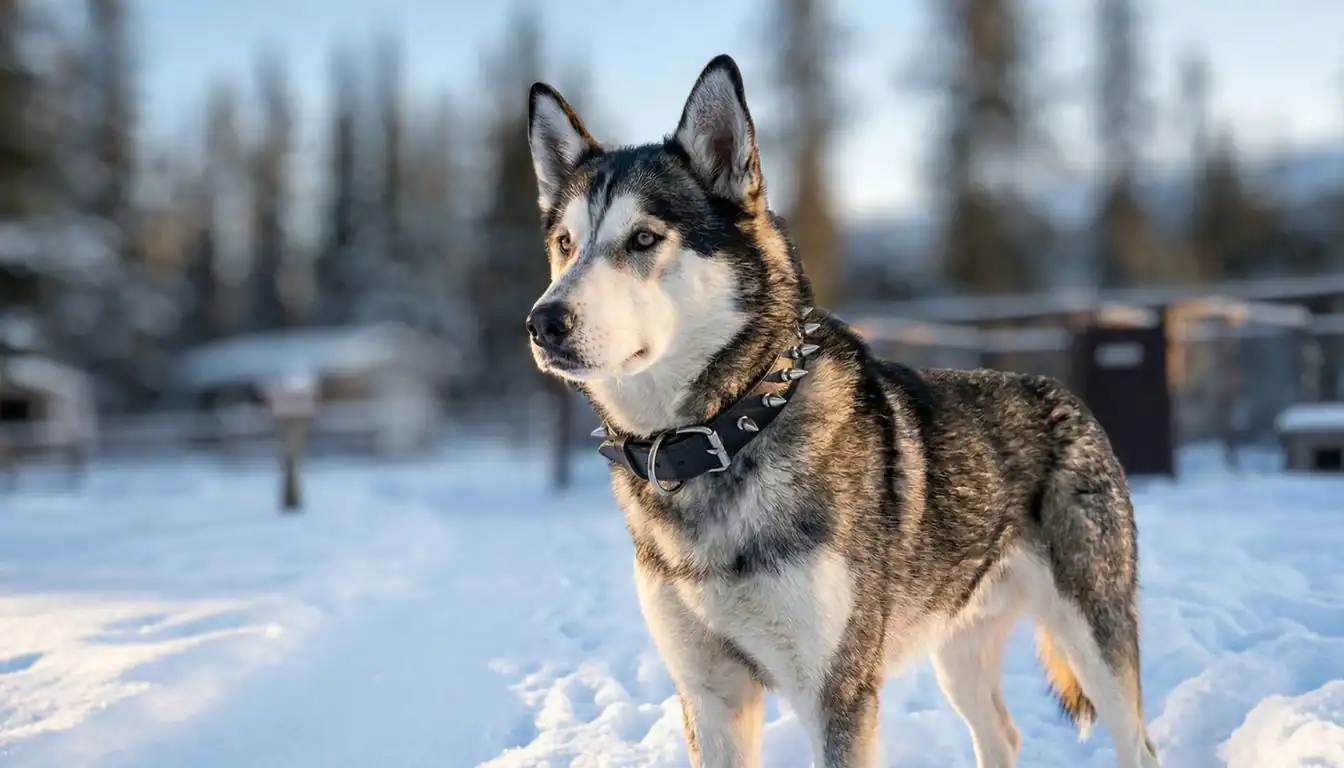
The Alaskan Husky is an American working sled dog type developed in the rural villages and racing kennels of Alaska for distance pulling, sprint racing, and long-trail mushing. Unlike the Siberian Husky or the Alaskan Malamute, this is not a registered purebred and is not recognized by any major kennel club. It is defined entirely by performance.
What most prospective owners miss is that this category covers two very different working blueprints. Distance lines are heavily double-coated and built to run for hours in sub-zero conditions, while sprint lines crossed with Pointer blood are leaner, shorter-coated, and built for explosive speed. Buying or adopting one without knowing which line you are bringing home is one of the most common reasons these dogs end up rehomed within their first year.
This guide draws on AKC and Foundation Stock Service references, the International Sled Dog Racing Association working-dog standards, and Iditarod kennel veterinary literature to lay out exactly what living with this dog demands from day one.
The Alaskan Husky’s daily care commitments are not optional. Two or more hours of structured aerobic work, careful heat management in any climate above mild, dense double-coat grooming during seasonal blowouts, and constant pack social contact are the baseline, not the upper end. Households that cannot deliver these consistently typically see destructive chewing, escape attempts, and chronic vocalization within months.
The pro side is unmatched athletic partnership and a typical lifespan of 12 to 15 years of trail-ready companionship. The con side is that an under-stimulated or wrong-climate placement turns this brilliant working dog into a difficult and unhappy pet. For the right active household in a cool climate, the Alaskan Husky offers a level of physical partnership that standard companion breeds simply cannot match.
Affiliate Disclosure: K9Sphere is a participant in the Amazon Services LLC Associates Program. As an Amazon Associate, K9Sphere earns from qualifying purchases made through links in this article at no extra cost to you.
Breed Snapshot
📊 Vitals and Lifespan
Height
Males: 22-26 inches (56-66 cm)
Females: 20-24 inches (51-61 cm)
Weight
Males: 45-60 lb (20-27 kg)
Females: 35-50 lb (16-23 kg)
Lifespan
12-15 years
Registry
Not AKC Recognized
Origin
Alaska, USA
🇺🇸
⭐ Personality Traits
Ratings (1 to 5). The Alaskan Husky is defined by its working drive and pack sociability, balanced by extreme exercise demands and limited heat tolerance in warm climates.
History and Origin
The Alaskan Husky traces back to the indigenous village dogs of the North American Arctic. Inuit and other Indigenous Arctic communities relied on these dogs for travel, hunting support, and survival long before any organized racing existed. They were selected over generations for endurance, cold-weather toughness, and pulling power rather than appearance.
📌 Pre-1800s: Arctic Village Origins
Indigenous peoples of the North American Arctic developed working dogs optimized for hauling loads across frozen terrain. These village dogs formed the genetic foundation of what would become the Alaskan Husky, bred entirely for utility rather than appearance.
📌 Late 1800s: Klondike Gold Rush
The 1896 Klondike Gold Rush dramatically increased demand for reliable sled transport. Prospectors and traders crossed native dogs with imported breeds including hounds and setters to produce faster, more durable freight animals capable of covering long distances under load.
📌 1973: Iditarod Era
The first Iditarod Trail Sled Dog Race in 1973 cemented modern Alaskan Husky breeding around long-distance racing. Mushers refined bloodlines for speed, recovery, and trail mentality, with no interest in registry conformation.
📌 Modern Sprint Lines
Over the past four decades, sprint racing kennels have integrated Pointer, hound, and other working-breed genetics to produce the Eurohound and similar Pointer-Husky crosses for short, high-speed events. These dogs differ markedly from traditional distance lines in coat, build, and cold tolerance.
Today, the Alaskan Husky exists almost entirely within racing and working kennels rather than the pet market, which is why prospective owners rarely encounter them in standard breeder listings.
Physical Characteristics
Because they are bred strictly for performance rather than show standards, appearance varies widely from kennel to kennel. There is no singular look that defines this dog, only the functional traits that make them fast and durable under load.
📏 Size and Build
Generally leaner and leggier than purebred cousins. Males typically stand 22 to 26 inches (56-66 cm) tall and weigh 45 to 60 pounds (20-27 kg). Females are smaller and exceptionally swift. Their deep chest, long stride, and lean musculature are built for sustained output rather than short bursts.
🛡️ Coat and Weather Adaptations
Traditional long-distance lines retain a thick double coat to survive sub-zero nights, along with tough resilient paw pads and a bushy tail used to cover the nose and eyes when sleeping outside. Sprint lines crossed with Pointer blood have shorter coats, larger lung capacity, and a leaner build suited for rapid bursts rather than 1,000-mile treks.
The Coat Color Question
Common Alaskan Husky colors include black and white, gray and white, red and white, sable, agouti, brindle, and solid coats ranging from cream to chocolate. Eye color varies from pale blue to amber to brown, with heterochromia (two different colored eyes) appearing occasionally. Because there is no breed standard, no color or pattern is preferred or rejected. Colors are selected only when they happen to be linked to lines with strong working performance.
Character and Temperament
If you want a dog that thrives on intense outdoor work, this is your breed. They possess an intense drive to pull and run, wired into their genetics over generations of selective breeding for one purpose.
🐺 Pack Mentality
They are highly social pack animals. A single Alaskan kept isolated in a backyard will almost certainly develop severe behavioral problems, ranging from chronic howling to destructive digging and escape attempts. They need a working outlet and regular companionship to stay settled, which is why most racing kennels keep them in groups rather than as solo pets.
🎯 Human Friendliness
They generally show excellent friendliness toward humans, including strangers, which makes them poor guard dogs. Their strong prey drive, however, means small fast-moving animals in the yard are frequently viewed as targets. Households with cats or small pets must manage this carefully from day one.
🏃 Working Drive
The desire to pull against resistance is hardwired. A leashed Alaskan Husky will lean into the harness instinctively, which is wonderful for sled work but exhausting on a daily neighborhood walk. Channeling this drive through bikejoring, canicross, or skijoring is the only sustainable approach for active pet homes.
🗣️ Vocal Tendencies
Like the Siberian Husky, these dogs howl, woo, and vocalize extensively rather than bark. This is genuine communication, not noise pollution from their perspective, but it does make them unsuitable for shared-wall apartments or close-neighbor settings.
Screening and Conditions
Veterinary Disclaimer: The information provided in this article is for educational purposes only and is not intended as a substitute for professional veterinary advice, diagnosis, or treatment. Always consult a licensed veterinarian for any health concerns about your pet.
Health Information Sources: Health data compiled from:
- OFA (Orthopedic Foundation for Animals): Working dog orthopedic and genetic screening guidelines
- American Kennel Club: Sled-dog breed health monographs (Siberian Husky and Alaskan Malamute)
- AVMA: Working dog injury prevention and athletic medicine guidelines
Always consult your licensed DVM for personalized medical advice.
Because they are bred for performance and stamina rather than show conformation, the Alaskan Husky is generally considered a healthy working dog. They bypass many of the exaggerated structural issues that affect heavily inbred show-ring purebreds. Their primary vulnerabilities stem from their extremely demanding working lifestyle and the genetic variability that comes with mixed-breed status.
Common Working-Dog Conditions
🔴 Athletic Injuries (Carpal, Shoulder, Soft Tissue)
What to watch for: Chronic repetitive stress can contribute to carpal (wrist) injuries, shoulder strains, and muscle tears, especially in hard-driving teams. Subtle signs include shortened stride, reluctance to lead, or reduced pulling power on familiar trails.
Screening: Sled-dog handlers use protective booties routinely and palpate joints after each run. Adding a quality hip and joint supplement supports cartilage maintenance in working adults, and an orthopedic dog bed aids recovery between hard sessions.
🔴 Exercise-Induced Heat Stress
What to watch for: Any temperature above 60°F (15°C) increases heat-stress risk during sustained exercise. Symptoms include excessive panting, bright red gums, glassy eyes, and a dazed or stumbling gait.
This is a medical emergency. Stop exercise immediately, move to shade, apply cool (not ice-cold) water to paw pads and belly, and seek veterinary care if recovery is slow.
🔴 Stress-Induced Gastric Ulcers
What to watch for: Working sled dogs are documented to develop gastric ulcers during intense racing seasons, with symptoms including reduced appetite, vomiting after meals, and dark or tarry stool.
Screening: Endurance kennels often use prophylactic acid suppression during peak season. Pet owners pushing intense conditioning should consult a sports-medicine veterinarian about preventive protocols.
🟡 Hip and Elbow Issues
What to watch for: Although the Alaskan Husky’s mixed genetics reduce some inherited risks, hip and elbow dysplasia still appears in lines with heavier or larger ancestors. Look for a bunny-hopping gait, reluctance to climb stairs, or stiffness after rest.
Screening: OFA hip and elbow evaluation on parent dogs is recommended where available. Reputable racing kennels track soundness across generations through working performance rather than formal scoring.
🟡 Paw Pad and Frostbite Damage
What to watch for: Cracked pads, ice cuts between toes, and early frostbite signs (pale or grayish skin) appear during extended winter runs. Sprint-line dogs with shorter coats are especially vulnerable in extreme cold.
Management: Protective booties on snow and ice runs, paw balm applied before and after sessions, and post-run inspections are routine practice in working kennels.
Grooming and Coat Care
Coat type varies by line. Distance dogs carry a dense double coat, while Pointer-influenced sprint lines have shorter, smoother coats with less undercoat. Both types require active management.
Double-coated lines shed continuously year-round, with massive blowouts twice annually as the seasons change. During a coat blow, daily outdoor brushing for 15 to 20 minutes is the only effective way to manage the volume of loose undercoat. Without this, mats develop close to the skin and the dog’s home environment fills with airborne fur within days.
Regular brushing with an appropriate grooming tool helps remove dead hair and reduces the amount of shedding inside the home. Double-coated breeds like the Alaskan Husky benefit from tools designed specifically for dense undercoats rather than standard bristle brushes.
Bathing should remain infrequent (every 2 to 3 months unless the dog has rolled in something foul), since over-washing strips the protective oils that keep the double coat weatherproof. Nail trimming every 3 to 4 weeks, paw pad inspection after every run, and routine ear checks complete the basic maintenance routine.
Exercise and Living Needs
A standard daily walk around the neighborhood is rarely enough for this breed. They do best with sustained, heart-pumping exertion most days. Working kennels typically run their teams two or more hours daily during the racing season, and pet homes should aim for at least 90 minutes to two hours of vigorous activity year-round.
Activities like bikejoring, skijoring, canicross, and weight-pull training allow them to fulfill their innate drive to pull against resistance safely. Working teams rely on a small set of clear command words such as “gee” and “haw,” and the dog’s ability to follow them instantly at speed is a core part of what makes a sled dog useful rather than just fast. Channeling the pulling drive into structured sports prevents the leash-pulling and escape behaviors that frustrate pet owners who try to manage these dogs through standard obedience walks alone.
Climate management is the single biggest constraint for pet placements. Exercising a heavy-coated Arctic dog in warm or humid conditions carries a real risk of overheating. Owners in any climate that regularly exceeds 70°F (21°C) need to restrict hard exercise to early morning and late evening, provide constant access to cool water, and consider an active cooling mat for indoor recovery.
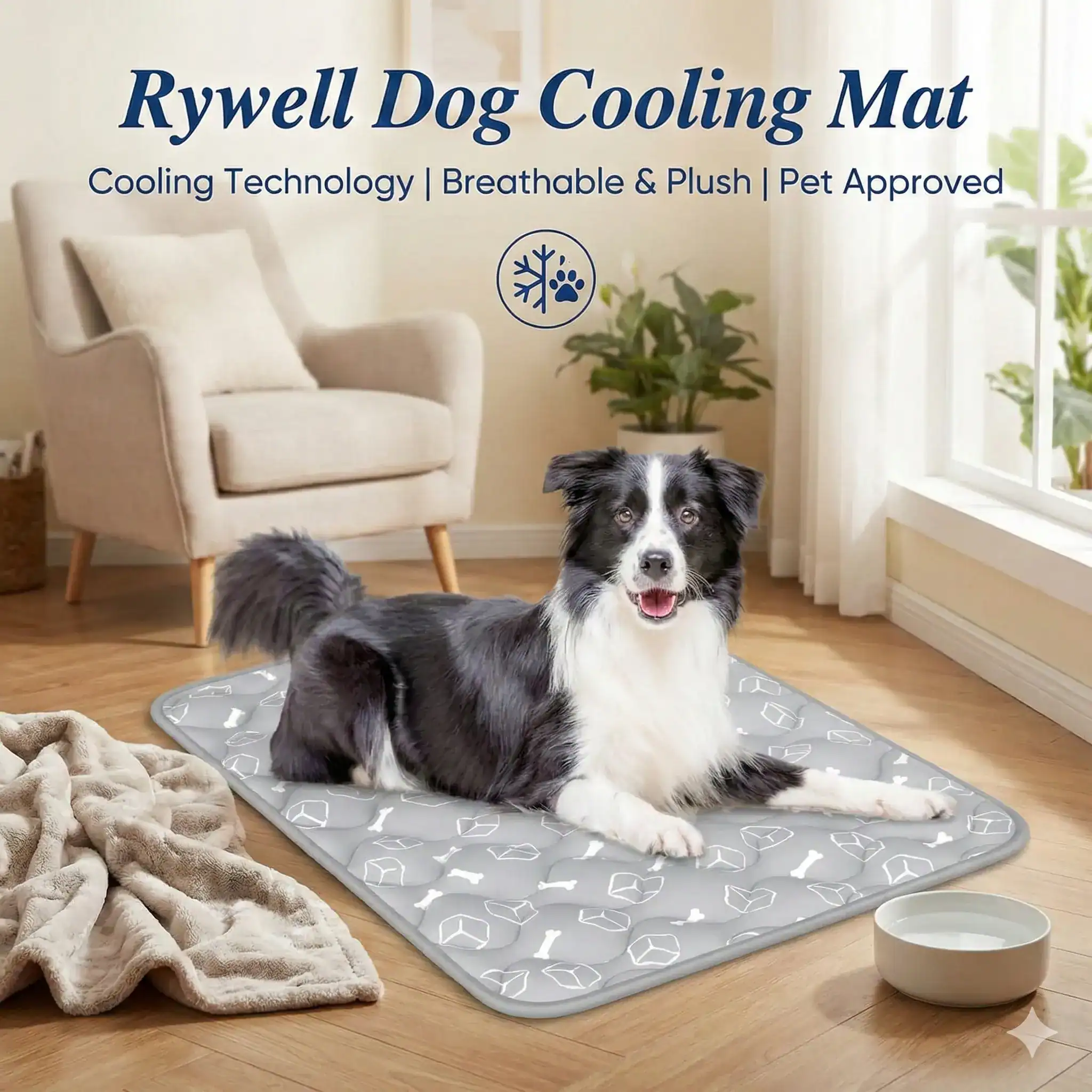
Rywell Dog Cooling Mat 2.0
Use for: Keeping heat-sensitive Arctic breeds comfortable during warm weather. Essential for preventing overheating after exercise in regions outside their traditional cold habitat.
Check price on AmazonNutrition & Diet
A working Alaskan Husky burns calories at an astonishing rate. Sled-dog veterinary literature documents that racing teams during peak winter work can consume well above 10,000 calories per day, requiring highly specialized diets packed with fat and protein. For a retired sled dog or active pet, these massive caloric loads must be scaled back significantly to prevent obesity.
🐶 Puppy Stage
Puppies need a large-breed puppy formula with controlled calcium and phosphorus levels to support steady joint development. Avoid free-feeding, which can accelerate growth and increase joint stress. Three to four measured meals daily through six months supports stable energy and healthy weight gain.
🐕 Adult Stage
Active adults thrive on high-protein, high-fat performance kibbles formulated for sporting and working breeds. Adjust portion size based on actual daily output rather than the bag’s feeding chart, since a working Alaskan in winter and the same dog as a retired pet have dramatically different caloric needs. They are incredibly efficient metabolizers, a trait inherited from ancestors who survived on lean rations in frozen villages.
🐕🦺 Senior Stage
As metabolism slows after age 8 to 9, reduce caloric intake gradually and shift to a senior or active-senior formula with joint-support ingredients. Many older Alaskan Huskies develop reduced appetite and may need food warmed slightly or moistened with low-sodium broth to maintain interest. Cardiac and kidney screening become more important during this phase.
Training
The Alaskan Husky is highly trainable for working purposes but independent and selectively obedient outside of those contexts. They are bred to make decisions on the trail, which means rote obedience drills bore them quickly.
🛑 Recall and Off-Leash Reality
Off-leash work is genuinely dangerous for this breed. Their prey drive and roaming instinct override even well-conditioned recall in 9 cases out of 10 when a deer, rabbit, or unfamiliar dog appears. Use long lines and securely fenced areas (minimum 6-foot fences with dig-proof barriers) for any free-running.
🎯 Channeling the Pull
Rather than fighting the leash-pulling instinct, redirect it into harness sports. A well-fitted X-back or H-back pulling harness, combined with a hands-free running belt, transforms the daily exercise session from a frustrating tug-of-war into productive work for both dog and handler.
🏠 Crate and Den Training
Den-style crate training matches their working-kennel background, where most racing dogs sleep in individual houses or sectioned shelters. A securely installed indoor crate provides a calm rest space and prevents destructive chewing during recovery hours.

MidWest Homes for Pets iCrate
Use for: Secure den-style crate training for medium-large working breeds, supporting recovery rest after intense sessions and preventing destructive chewing during downtime.
Check price on AmazonAlaskan Husky vs Siberian Husky vs Alaskan Malamute vs Eurohound
The most common point of confusion is how the Alaskan Husky differs from the Siberian Husky, the heavier Alaskan Malamute, and the sprint-bred Eurohound. The four occupy distinct working niches, and matching the right type to the right owner matters enormously.
| Attribute | Alaskan Husky | Siberian Husky | Alaskan Malamute | Eurohound |
|---|---|---|---|---|
| Weight | 35-60 lb (16-27 kg) | 35-60 lb (16-27 kg) | 75-100 lb (34-45 kg) | 40-55 lb (18-25 kg) |
| Original Purpose | Distance racing | Mid-distance sled work | Heavy freight hauling | Sprint sled racing |
| Energy Type | Sustained, endurance | Sustained, moderate | Steady, powerful | Explosive, sprint |
| Trainability | Biddable for work | Independent, stubborn | Independent, willful | Biddable, focused |
| Grooming | Heavy seasonal blowouts | Heavy seasonal blowouts | Very heavy double coat | Low (Pointer-influenced) |
| Threat Response | Friendly to strangers | Friendly to strangers | Reserved with strangers | Friendly, focused |
| First-Time Owner? | Challenging | Challenging | Very challenging | Very challenging |
| Vet Cost Burden | Moderate (athletic injuries) | Moderate (eyes, hips) | High (joints, hips) | Moderate (sport-related) |
| Living Space | Cool climate, large yard | Cool climate, secure yard | Cool climate, large yard | Cool climate, active home |
The Alaskan Husky occupies a distinct niche: faster and leaner than the registry-recognized Siberian, lighter and more biddable than the freight-built Malamute, and more cold-hardy than the Pointer-influenced Eurohound. If you want a working partnership and access to mushing or canicross sports, this is the right type. If you want a registered show dog or a more independent companion suited to less athletic homes, the Siberian Husky or Malamute will fit better.
Common Questions about the Alaskan Husky
What’s the difference between an Alaskan Husky and a Siberian Husky?
Direct Answer: The Siberian Husky is an AKC-recognized purebred with a fixed breed standard, while the Alaskan Husky is a working-type crossbreed defined by performance rather than appearance.
Context: The Siberian is built for moderate speed over long distances and is identified by its facial mask, often-blue eyes, and uniform double coat. The Alaskan is typically taller, leaner, and faster, with widely variable coat colors, eye colors, and ear shapes depending on which breeds were crossed into the line.
Management: Choose a Siberian Husky for predictable appearance and registry papers. Choose an Alaskan Husky for racing performance and working partnership in a cold-climate, athletic household.
Is an Alaskan Husky a good family dog?
Direct Answer: Yes for highly active families in cool climates, but a poor choice for sedentary or hot-climate households.
Context: They are pack-oriented, friendly, and generally affectionate with children, which suits family life well. However, a bored or under-exercised Alaskan Husky becomes destructive within weeks, and their prey drive makes them unsafe around free-roaming cats or small pets.
Management: Commit to 90+ minutes of intense daily exercise before evaluating fit. Active families that already run, bike, or hike together typically integrate this dog smoothly, while standard family routines do not.
Are Alaskan Huskies a real breed?
Direct Answer: They are a recognized working-dog type but not a registered purebred. No major kennel club, including the AKC, UKC, or FCI, lists them as a standardized breed.
Context: Despite the lack of registry status, they are a real, distinctive working-dog category bred deliberately within mushing kennels for over a century. Their genetic lineage is tracked through working performance and racing pedigree rather than conformation papers.
Management: If registry papers matter for showing or breeding, choose a Siberian Husky or Alaskan Malamute. For sled work, racing, or athletic pet ownership, the Alaskan Husky’s working pedigree is more meaningful than any registry stamp.
What are the common health issues in Alaskan Huskies?
Direct Answer: The most common issues are athletic soft-tissue injuries, exercise-induced heat stress, stress-related gastric ulcers in working dogs, and occasional hip or elbow problems from larger ancestor lines.
Context: Their mixed-breed status protects them from many show-ring genetic diseases, but their extreme working lifestyle exposes them to repetitive-stress injuries that less athletic breeds rarely face. Heat stress is the single most common emergency in pet placements outside cool climates.
Management: Schedule annual sports-medicine veterinary checkups for active adults, use protective booties on rough or icy ground, and never exercise hard above 70°F (21°C) without active cooling protocols.
How much does an Alaskan Husky cost?
Direct Answer: Prices typically range from USD 500 to USD 2,000 for a puppy from a working kennel, with retired racing dogs available through rescue for USD 200 to USD 500.
Context: Working kennels rarely sell pups as pets and usually only offer dogs that lack the competitive edge required at elite level. Lifetime ownership costs run higher than average due to high-protein performance feed, harness equipment, and active-medicine veterinary care, often totaling USD 18,000 to USD 25,000 across a 12-to-15-year life.
Management: Adopting a retired racing dog through sled-dog rescue networks is often both cheaper and a better fit for pet homes, since the dog is already past the destructive young-adult phase.
What is the temperament of an Alaskan Husky like?
Direct Answer: Friendly with humans, highly social with other dogs, deeply driven to work, and notably independent outside of working contexts.
Context: They thrive on pack contact and structured activity, showing very little aggression toward people. Their independence on the trail (where they make split-second pulling decisions) translates into selective obedience around the home, particularly when prey or new dogs appear.
Management: Channel the working drive through harness sports rather than fighting it through obedience drills. Always use secure containment for any off-leash time.
What are the grooming requirements for an Alaskan Husky?
Direct Answer: Daily brushing during seasonal blowouts (typically spring and fall), with 2 to 3 weekly brushings the rest of the year for double-coated lines.
Context: Sprint-bred lines with Pointer influence have shorter coats and need only weekly brushing year-round. Both types should bathe infrequently (every 2 to 3 months) to preserve protective skin oils, with nail trims every 3 to 4 weeks.
Management: Use an undercoat rake or deshedding tool designed for double coats during blowout season. Avoid shaving the coat, which compromises both insulation and cooling function.
What are the common colors of Alaskan Huskies?
Direct Answer: Black and white, gray and white, red and white, sable, agouti, brindle, and solid coats from cream to chocolate are all common.
Context: Because there is no breed standard, no color is preferred or rejected. Eye color also varies widely, including blue, amber, brown, and heterochromia (one of each). Coat and eye color are inherited along with whatever working line a kennel happens to favor.
Management: Choose a dog based on working pedigree and temperament rather than coat or eye color. Cosmetic preferences are the wrong filter for selecting an athletic working dog.
Can an Alaskan Husky live in an apartment?
Direct Answer: It is highly challenging and usually not ideal for this breed.
Context: They are vocal (howling and “wooing” rather than barking), require significant physical space, and benefit from a securely fenced yard for between-walk movement. Apartment settings restrict their movement and amplify noise complaints from neighbors.
Management: If apartment living is unavoidable, commit to 2 hours of hard outdoor exercise daily, choose a ground-floor unit with direct yard access, and discuss the howling reality honestly with neighbors before signing a lease.
What is a Eurohound and how does it relate to the Alaskan Husky?
Direct Answer: A Eurohound is a deliberate cross between an Alaskan Husky and a German Shorthaired Pointer or English Pointer, developed in Scandinavia for sprint sled racing.
Context: The Eurohound represents a direct offshoot of Alaskan Husky sprint breeding. They are very fast over short distances, have shorter coats and leaner builds, and require different cold-condition management than traditional distance dogs.
Management: Eurohounds typically need protective coats and booties in deep winter because they lack the dense Arctic undercoat of traditional sled dogs. Match the cross to your climate and racing distance before acquiring one.
Finding a Puppy
Because they are bred for trail work rather than the pet market, true Alaskan Husky litters are rarely advertised for sale in general classifieds. Acquisition happens almost exclusively through racing kennels, working-dog networks, and sled-dog rescue organizations.
🏠 Racing and Working Kennels
The most reliable path is direct contact with mushing kennels. Many racing yards actively look for active, loving homes for dogs that are either retiring from competitive teams or lack the extreme drive required at elite level. Ask to see working history and race records for both parent dogs, and confirm the kennel actively competes in sanctioned events.
🐾 Rescue and Adoption
Adopting a retiring sled dog offers a unique opportunity to bring a well-socialized, highly athletic companion into your life. These dogs are already past the destructive puppy phase, accustomed to working alongside humans, and fully formed in temperament. Sled dog rescue organizations across the northern United States and Canada regularly place retired athletes in pet homes.
🚩 Red Flags to Watch For
- Breeder cannot provide race records or working history for parent dogs.
- Puppies marketed as easy, low-maintenance companions with no mention of working drive or exercise requirements.
- No questions asked about your activity level, yard size, or experience with working breeds.
- Sale prices significantly below regional averages, frequently a sign of unscreened parents or commercial operations.
- No knowledge of bloodlines or cross percentages in the litter.
- Immediate availability with no interview, waitlist, or vetting process.
Before bringing home an Alaskan Husky puppy or adopted retiree, run this 4-step pre-buying check: (1) Can you commit to 90 to 120 minutes of intense aerobic exercise every day, in every season? (2) Is your climate genuinely suitable, with most days below 70°F (21°C) and reliable cool-down options for hot stretches? (3) Do you have a securely fenced yard with a minimum 6-foot fence and dig-proof barriers? (4) Are you prepared for vocal howling, heavy seasonal shedding, and a dog that views cats and small pets as prey? If any answer is no, reconsider the breed.
Personal Observation
💭 Personal Observation
My Labrador Retriever Bruno reached roughly 45 kg (99 lb) in adulthood and lived with me from 2012 to 2021. He was not bred for cold-climate work, but his coat was still dense enough that hot weather visibly drained him. He needed ceiling fans through most of the warm months and full air-conditioning during the peak summer weeks just to rest comfortably indoors. That experience taught me something that applies directly to anyone considering an Alaskan Husky in a warmer region: coat genetics override conditioning every time. An Alaskan Husky carries a dense undercoat designed for sub-zero Arctic survival, which is far more insulating than a Labrador’s. You cannot acclimate or condition away a dog’s underlying coat structure. If you live anywhere that regularly hits 85°F (29°C) or higher in summer, you are fighting this dog’s fundamental biology for several months a year. Budget heavily for indoor temperature control, restrict hard exercise to pre-dawn or late-evening hours, and consider whether the climate match makes the placement fair to the dog before bringing one home.
Conclusion
The Alaskan Husky represents the pinnacle of canine athletic endurance. They are purpose-built working dogs capable of performing in conditions that would stop nearly any other breed, and their social pack mentality makes them genuinely warm companions for the right active household.
That same drive makes them a difficult dog for an average home. The 12-to-15-year commitment requires daily aerobic work, careful climate management, dense double-coat grooming, and acceptance of their vocal habits and prey drive. For elite runners, mushers, and outdoor families in cool climates, they offer a level of athletic partnership unmatched by registry breeds. For everyone else, a less demanding companion will lead to a happier dog and a happier handler.


