
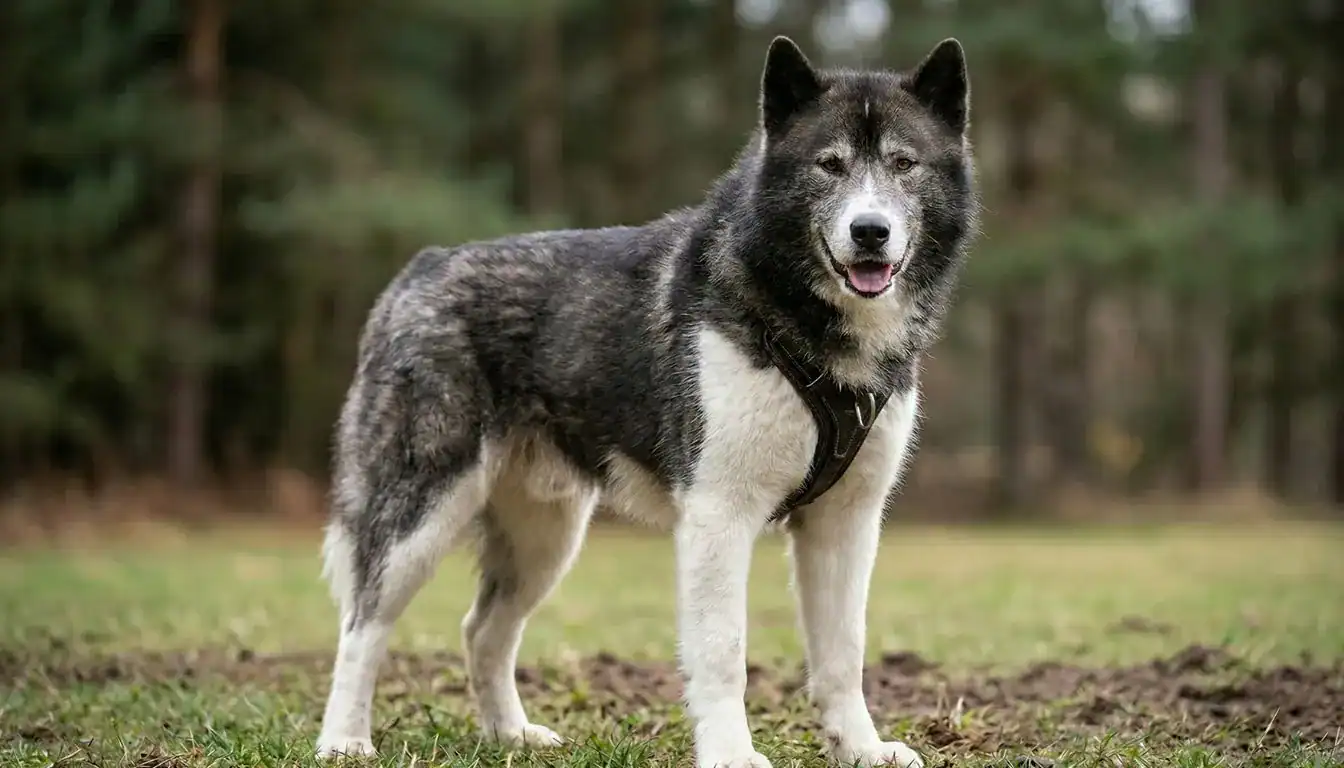
Most people who look up the Canadian Eskimo Dog see photographs and imagine a slightly larger Siberian Husky. That assumption is a serious mistake. What they are actually looking at is one of the oldest and rarest working sled breeds in existence, built for conditions that would kill most modern breeds.
Behind that wolf-like appearance is an ancient draft dog built for hauling substantial loads across frozen northern terrain. This is not a suburban companion dog looking for weekend hikes. This is a working animal with intense drive and a remarkable history.
This article focuses on the realities of owning a true northern working dog, not a typical companion breed. It draws on Canadian Kennel Club standards and OFA screening data throughout.
While their appearance is striking and their history is fascinating, their care requirements go far beyond what most dog owners are prepared for, especially in warmer regions.
Affiliate Disclosure: K9Sphere is a participant in the Amazon Services LLC Associates Program. As an Amazon Associate, K9Sphere earns from qualifying purchases made through links in this article at no extra cost to you.
Breed Snapshot
📊 Vitals and Life Span
Height
20-28 inches (51-71 cm)
Weight
40-88 lb (18-40 kg)
Life Expectancy
10-15 years
AKC Group
Foundation Stock Service
Origin
Canada (Arctic)
🇨🇦
⭐ Personality Traits
Ratings (1 to 5). This breed thrives in sub-zero temperatures and typically requires a tremendous amount of physical work. They are highly pack-oriented and generally unsuitable for warm regions or sedentary homes.
History and Cultural Significance
The Canadian Eskimo Dog holds a unique and sacred place in the history of the North. Known to the Inuit as the Qimmiq, these dogs were central to survival in the far North. They are estimated to have existed alongside indigenous communities in Northern Canada for thousands of years. Closely related northern sled types such as the Greenland Dog and Alaskan Malamute share similar working roles, but the Canadian Eskimo Dog was developed as a distinct Inuit dog for life in the Canadian far North.
Unlike modern recreational sled dogs built for speed, this breed was developed for brute force and utility. They hauled loaded sleds across treacherous sea ice and historically helped course polar bears and muskoxen near hunting camps. The Canadian territory of Nunavut officially recognizes the breed as its territorial animal. Teams of these dogs once powered exploration and routine winter transportation for native communities before snowmobiles arrived. Their heritage is tightly woven into the daily survival traditions of Inuit hunters.
By the 1960s, the breed faced near extinction due to the introduction of snowmobiles and documented population declines linked to government interventions in Northern communities. Dedicated conservation efforts by the Eskimo Dog Research Foundation helped save the remaining genetic lines.
📌 Ancient Origins: Inuit Peoples
Indigenous communities in the Canadian Arctic developed these dogs over centuries for hard draft work, hunting assistance, and warmth in sub-zero conditions.
📌 1950s-60s: Population Decline
The introduction of snowmobiles and documented government interventions led to dramatic population losses. The breed came close to disappearing entirely.
📌 1972: Preservation Begins
The Eskimo Dog Research Foundation and the Canadian Kennel Club began formal conservation efforts to save the remaining purebred lines from extinction. Most modern descriptions trace back to the Canadian Eskimo Dog breed standard maintained by the Canadian Kennel Club and other registry partners.
Physical Characteristics
Everything about the Canadian Eskimo Dog’s physical form is designed for survival in extreme cold. They are significantly stockier and more powerfully built than a Siberian Husky. A mature male can weigh up to 88 pounds (40 kg) of dense, solid muscle.
📏 Build and Structure
Their ears are small and thick to prevent frostbite. Their paws are broad and thickly padded, acting as natural snowshoes that distribute weight over ice and snow. Males stand 23-28 inches (58-71 cm) while females are typically 20-24 inches (51-61 cm).
🎨 Coat and Insulation
Their double coat provides remarkable insulation. The outer guard hairs are harsh and stiff, designed to repel snow and ice. Beneath that lies a dense, wooly undercoat that traps body heat effectively. They come in a wide range of colors and markings.
Temperament and Behavior
This is a traditional working breed with strong instincts that remain fully intact. This breed is pack-oriented, constantly assessing the hierarchy of their household and other dogs. They respond to confident, calm leadership but may ignore weak or inconsistent handlers.
🐺 Pack Dynamics
They establish strict social orders. Squabbles over food or rank are common if multiple dogs live together. Owners should act as fair but firm leaders to maintain peace within the household.
📢 Vocal Nature
Like many Northern breeds, they do not bark like typical watchdogs. They communicate through complex howls, yips, and growls that carry long distances across open terrain.
🎯 Prey Drive
Their prey drive is strong and deeply ingrained. Smaller animals, including cats or small dogs, may be viewed as prey. This instinct is difficult to manage with standard obedience training alone.
❤️ Loyalty and Attachment
When their needs are met, they can be loyal and affectionate with their own people. They form deep, lasting attachments to the people they respect and trust.
Health Considerations
⚕️ Veterinary Disclaimer: The information provided in this article is for educational purposes only and is not intended as a substitute for professional veterinary advice, diagnosis, or treatment. Always consult a licensed veterinarian for any health concerns about your pet.
📋 Health Information Sources: Health data compiled from:
- OFA CHIC Program: Recommended canine screening databases
- American Kennel Club: FSS breed breed records
Always consult your licensed DVM for personalized medical advice.
The Canadian Eskimo Dog is generally a robust breed. Natural selection in the harsh northern environment filtered out weak genetics over many generations. However, their size means joint disease can still be a serious issue in poorly bred or overweight dogs.
🦴 Hip Dysplasia
What to watch for: Hip dysplasia is a notable concern for this large, powerful breed. The ball and socket of the hip joint can malform, leading to arthritis and lameness.
Screening: Responsible breeders use PennHIP or OFA evaluations before breeding. Maintaining a lean body weight throughout the dog’s life can help reduce joint stress.
🫁 Gastric Dilatation-Volvulus (Bloat)
What to watch for: Like many deep-chested breeds, they face a risk of gastric dilatation-volvulus (GDV). The stomach fills with gas and can twist on itself, cutting off blood supply.
Management: This is a medical emergency that requires immediate veterinary care. Feed smaller, more frequent meals and avoid vigorous activity immediately after eating.
Grooming and Care
Managing the coat of a Canadian Eskimo Dog requires serious commitment. They blow their dense undercoat completely once or twice a year, and during these periods, the shedding can cover floors and furniture in thick tufts of fur.
Outside of coat-blowing season, weekly brushing keeps the coat in good condition. Bathing is rarely needed as the harsh outer coat naturally repels dirt.
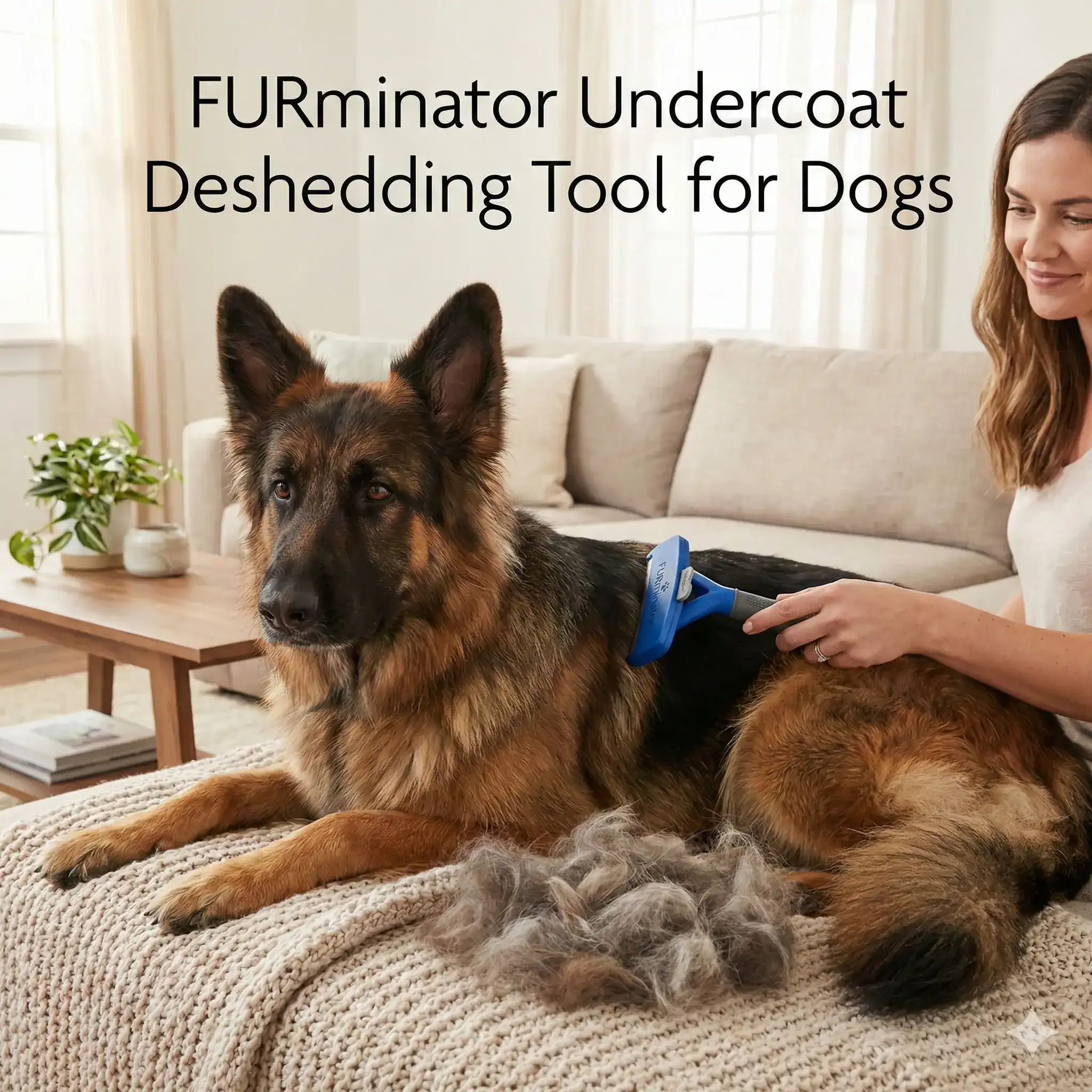
FURminator Undercoat Deshedding Tool for Dogs
Removing loose undercoat hair and reducing excess dog hair around the home. Helps manage seasonal shedding and pet hair buildup in heavy double-coated northern breeds.
View on AmazonRegular brushing with an appropriate grooming tool helps remove dead hair and reduces the amount of shedding inside the home. Double-coated northern breeds like this one benefit from tools designed specifically for dense insulation rather than standard brushes.
Temperature management is perhaps the most important aspect of their daily care. This breed generally does not do well in heat and elevated humidity, and owners in warmer regions should be especially proactive about temperature management. One practical tip is to schedule their hardest work during the coldest hours of the day and keep summer activity to short, carefully monitored sessions.

Rywell Dog Cooling Mat 2.0
Helping heat-sensitive breeds stay more comfortable in warm conditions. Particularly useful for northern-origin breeds living in temperate or warmer regions.
View on AmazonExercise and Work Requirements
A Canadian Eskimo Dog typically cannot be satisfied with a simple walk around the block. They are draft animals built to haul serious weight over long distances, and most require substantial structured physical work to stay balanced.
Activities like carting, bikejoring, or pulling weighted sleds on grass are excellent outlets for dogs living outside traditional working environments. They tend to require intense, structured physical labor to remain mentally stable. They are famously hardy and valued for their endurance when working for hours in sub-zero conditions.
They should generally not be allowed off-leash in open areas. Their recall tends to be poor when their strong prey drive is triggered by local wildlife.
Nutrition & Diet
Their metabolism is an evolutionary marvel. Traditional Inuit diets for these dogs consisted of seal meat, walrus, and cold-water fish. They are remarkably efficient at digesting protein and fat to generate body heat.
🐶 Puppy Stage: Canadian Eskimo Dog puppies grow rapidly and need a controlled large-breed puppy formula that manages calcium and phosphorus ratios to protect developing joints.
🐕 Adult Stage: In a modern domestic setting, their metabolic efficiency means they can become overweight if overfed. They often require fewer calories per pound than many other large breeds, especially during warmer months when they are less active. Feed a premium diet appropriate for large working breeds.
🐕🦺 Senior Stage: As activity levels decrease, caloric intake should be reduced accordingly. Joint supplements containing glucosamine become increasingly important for a breed that may have carried long hours in harness throughout their working life.
Training
Training a Canadian Eskimo Dog requires patience, experience, and realistic expectations. This is an ancient working breed that was never selectively bred for obedience or handler compliance in the way that retrievers or herding dogs were.
🎯 Firm and Fair Leadership
They respond to confident, consistent handling but may shut down or become defensive with harsh corrections. Positive reinforcement combined with firm structure tends to produce the best results with this breed.
🐕 Early Socialization
Early socialization is critically important. Exposure to a wide variety of people, environments, and other animals during puppyhood helps reduce the natural wariness and reactivity that can develop in under-socialized ancient breeds.
Canadian Eskimo Dog FAQ
Is the Canadian Eskimo Dog a good household pet?
Direct Answer: They can be deeply loyal to their family, but they are challenging and usually not ideal for average households.
Context: This is a primitive working breed that requires firm leadership, substantial daily work, and specific temperature management. They do not typically tolerate rough handling from small children.
Management: Only experienced dog owners who live active, outdoor lifestyles in cooler conditions should consider this breed as a companion.
What is the difference between a Siberian Husky and a Canadian Eskimo Dog?
Direct Answer: The Siberian Husky is lighter and built for speed, while the Canadian Eskimo Dog is significantly heavier and built for pulling immense weight.
Context: The Canadian Eskimo Dog is a pure freight dog. They are stockier, have a harsher coat, and generally possess an even more intensely pack-oriented temperament than the Husky.
Management: If you want a fast running companion, the Husky is the better fit. If you are doing serious draft work in cold conditions, this breed is built for the task.
Can they live in an apartment?
Direct Answer: This breed is generally not suited for apartment living due to its size, energy needs, and vocal nature.
Context: They are large, vocal, profuse-shedding dogs with substantial work requirements. Confinement in small spaces often leads to behavioral problems and destructive behavior.
Management: They typically require a large, securely fenced yard or compound, preferably in a climate that allows them to spend significant time outdoors in cold weather.
Do they get along with other dogs?
Direct Answer: They can live in a pack, but they have intense dominance instincts that require careful management.
Context: Sled dog teams operate on strict hierarchies. If an owner does not establish clear leadership, Canadian Eskimo Dogs may fight to determine rank among themselves.
Management: Socialize them extensively from puppyhood. Avoid leaving them unsupervised with unfamiliar dogs, especially smaller breeds that might trigger their prey drive.
Are Canadian Eskimo Dogs aggressive?
Direct Answer: They are not inherently aggressive toward humans, but they have a very strong prey drive toward small animals.
Context: Historically, they had to help hunt to survive in the Arctic. That instinct remains fully intact. Cats, rabbits, and small livestock are generally not safe around them without strict management.
Management: Treat them as a intense working breed. Manage their environment carefully and provide appropriate outlets for their energy.
How much does a Canadian Eskimo Dog cost?
Direct Answer: Because they are very uncommon, purchasing a healthy puppy can run several thousand dollars.
Context: There are only a few hundred registered Canadian Eskimo Dogs remaining globally. Ethical conservation-minded breeders invest heavily in genetic screening and genetic diversity.
Management: Prepare for significant initial expenses, possible travel expenses to collect the puppy, and ongoing spending on premium food and joint supplements.
How much exercise do they need?
Direct Answer: Most Canadian Eskimo Dogs need a minimum of two hours of intense, strenuous activity daily.
Context: These dogs were bred to haul sleds weighing hundreds of pounds for hours on end. A casual stroll rarely drains their energy reserves.
Management: Owners should commit to regular dog-powered sports like mushing, carting, or rigorous hiking with the dog wearing a weighted pack.
Why are they so rare?
Direct Answer: The breed was nearly wiped out in the mid-20th century due to modernization and population decline events in Northern communities.
Context: As snowmobiles replaced dog sleds in the Arctic, the need for working sled dogs dropped dramatically. Population losses during the 1950s and 60s brought the breed close to extinction.
Management: Supporting ethical conservation-minded breeders is currently one of the most important ways to help ensure this historic breed survives.
Canadian Eskimo Dog: Quick Reference
| Attribute | Canadian Eskimo Dog | Best For | Not Ideal For |
|---|---|---|---|
| Exercise | 2+ Hours Heavy Work | Active mushers, hikers | Sedentary owners |
| Climate | Cold Weather Specialist | Northern/Cool conditions | Tropical/Hot regions |
| Prey Drive | Very High | Single-pet homes | Homes with cats/small pets |
| Grooming | Intense Seasonal Blowouts | Owners willing to brush | Allergy sufferers |
Finding a Puppy
Finding a purebred Canadian Eskimo Dog requires significant patience. They are one of the most uncommon dog breeds in the world, and you will likely have to join a waitlist with a dedicated conservation-minded breeder.
🔬 Responsible Breeding Programs
A legitimate conservation-minded breeder will provide extensive documentation, including OFA joint screening and genetic lineage tracking. They will also interview you thoroughly. Ethical breeders understand the severe requirements of this breed and will typically refuse to place a dog of this breed in an unprepared home or a warm environment.
🏠 Breed Resources
Start your search through the Canadian Kennel Club and the Eskimo Dog Research Foundation. Be wary of sellers advertising “rare northern Huskies” or mixed breeds under the guise of genuine Canadian Eskimo Dogs.
🚩 Red Flags When Buying
- Seller cannot provide OFA joint screening or genetic lineage documentation
- No interview process or questions about your environment, fencing, or experience
- Dog advertised as a “family-friendly polar pet” without mentioning work requirements
- Seller offers immediate availability with no waitlist (extremely suspicious for this uncommon breed)
- Parent dogs appear overweight, anxious, or show poor coat condition
Canadian Eskimo Dog vs Siberian Husky vs Alaskan Malamute
The Canadian Eskimo Dog is often mistaken for either a Siberian Husky or an Alaskan Malamute, but it is a distinct and critically rare breed with a separate cultural history. Unlike the Siberian, which is globally common, the Canadian Eskimo Dog numbers only in the hundreds worldwide, making it one of the rarest working breeds still in existence.
| Attribute | Canadian Eskimo Dog | Siberian Husky | Alaskan Malamute |
|---|---|---|---|
| AKC Status | Recognized, Working Group | Recognized, Working Group | Recognized, Working Group |
| Origin | Canadian Arctic (Inuit) | Siberia (Chukchi people) | Alaska (Mahlemut people) |
| Rarity | Critically rare, few hundred worldwide | Common, top 20 globally | Common, widely available |
| Build | Heavy, powerful, thick double coat | Medium, agile, wolf-like | Very heavy, freight-built |
| Weight | 40-88 lb (18-40 kg) | 35-60 lb (16-27 kg) | 75-85 lb (34-39 kg) |
| Primary Role | Heavy freight + hunting assistance | Mid-distance sled racing | Heavy freight hauling |
| Temperament | Loyal but extremely dominant | Friendly but independent | Devoted but strong-willed |
| Heat Tolerance | Very poor | Poor | Very poor |
Personal Observation
💭 Personal Observation
The single most important thing managing heat-sensitive dogs has taught me is that biology always wins over intention. My Labrador my own Labrador, weighing roughly 45 kg (99 lb), needed ceiling fans and eventually full air-conditioning just to breathe comfortably from April to June. A Canadian Eskimo Dog in a warm environment faces a far more severe version of that same biological challenge. Their thick double coat and cold-adapted metabolism mean that even with cooling mats and restricted exercise hours, owners in warmer regions are working against the breed’s fundamental design every single day. If your climate regularly exceeds 85°F (29°C), the daily management burden for this breed is substantial and never decreases.
Conclusion
The Canadian Eskimo Dog is a living monument to human and canine survival in some of the harshest environments on Earth. They are strong, intensely driven, and strikingly beautiful.
For the experienced handler with the space, conditions, and dedication to provide sustained draft work, preserving this breed is a genuine honor. For the average household looking for a hiking companion, there are more suitable breeds available.
Owning a Qimmiq is less about having a pet and more about acting as a custodian for a vital piece of Arctic history.
Disclaimer: This article is for informational and educational purposes only. It does not constitute veterinary advice, medical diagnosis, or treatment recommendations. Always consult a licensed veterinarian before making health-related decisions for your pet. Product recommendations are based on the author’s research and experience; individual results may vary. As an Amazon Associate, K9Sphere earns from qualifying purchases at no additional cost to you.


