
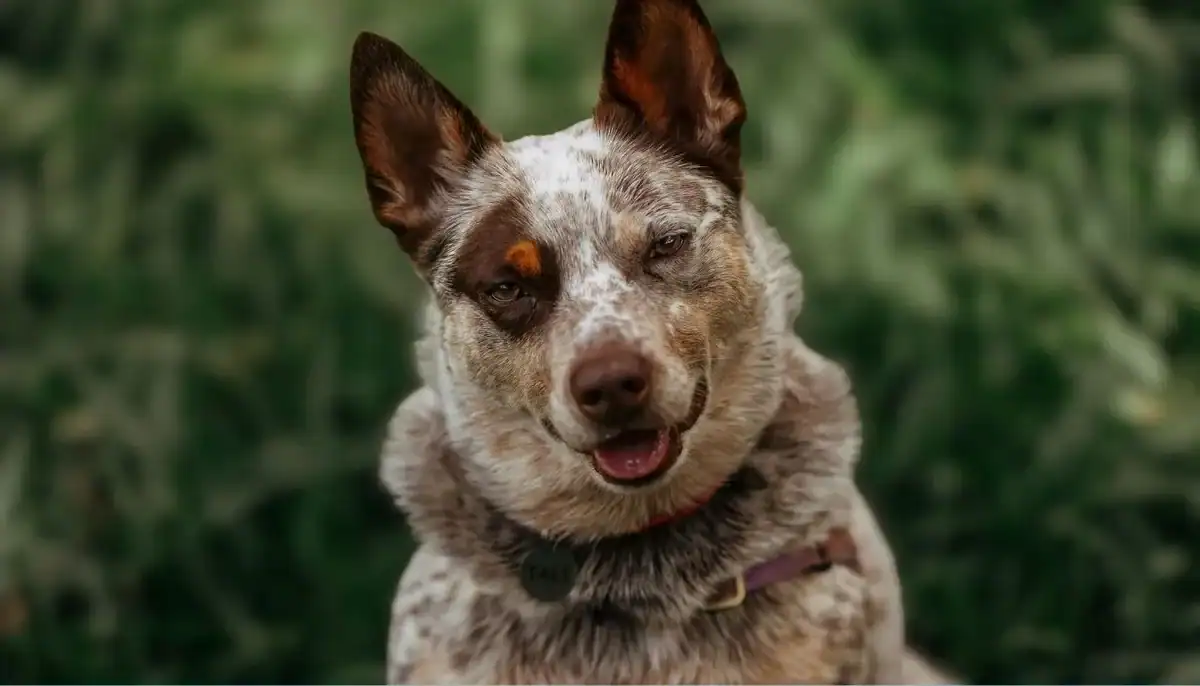
The Australian Stumpy Tail Cattle Dog is a capable herding breed built for moving livestock across harsh outback terrain. Bred for a time when stock was managed across open range rather than fenced paddocks, this independent problem-solver thrives on outdoor activity and open space.
What draws many to it is the combination of serious working stamina, a naturally bobbed rear, and a strong bond with its family. It moves with a swift, agile stride originally meant for controlling cattle on large rural properties. While independent on the job, a stumpy generally remains highly attentive to its primary owner at home.
This guide draws on protocols from the American Kennel Club, the Australian Stumpy Tail Cattle Dog Society, and peer-reviewed veterinary literature to present an accurate picture of ownership. Moving a working breed into a modern home takes intentional management and a suitable environment.
Households that provide consistent outdoor activity and clear boundaries gain a highly athletic partner that excels at agility and farm tasks. When given a clear job, they settle into family life and form enduring bonds with their people.
What it asks in return is space and a job to do. Households without a secure yard or an active lifestyle should weigh that commitment honestly before deciding.
Affiliate Disclosure: K9Sphere is a participant in the Amazon Services LLC Associates Program. As an Amazon Associate, K9Sphere earns from qualifying purchases made through links in this article at no additional cost to you. Product recommendations are based on independent research and editorial judgment, not paid placement.
Breed Snapshot
📊 Vitals and Lifespan
Height
Males: 18–20 in (46–51 cm)
Females: 17–19 in (43–48 cm)
Weight
32–45 lb (14–20 kg)
Lifespan
12–15 years
Breed Group
Foundation Stock Service (AKC)
Origin
Australia
🇦🇺
⭐ Personality Traits
Ratings (1 to 5). This active worker blends endurance with natural herding instincts and requires an owner who can provide daily mental and physical tasks.
History and Origin
The story of the stumpy tail cattle dog begins in the early 19th century. Australian settlers needed a robust herder capable of surviving extreme heat, rough terrain, and long distances while managing semi-wild cattle. Traditional European herding dogs lacked the stamina and resilience for the outback.
📌 1830s: The Foundation Crosses
The early foundation is believed to involve crosses between the imported Smithfield dog and the native Australian Dingo. The resulting offspring, sometimes called “Timmins’ Biters,” were energetic and tough but initially too sharp with livestock. Further crosses refined the temperament while keeping the rugged endurance.
📌 Late 1800s: Divergence
During the late 19th century, breeders began separating the bobtailed dogs from those with long tails. This early split laid the genetic foundation that eventually produced two distinct cattle dog lines. The bobtailed line proved exceptionally capable on large cattle stations.
📌 1988: Breed Revival
By the late 20th century, numbers had dwindled significantly. The Australian National Kennel Council launched a breed survival scheme in 1988 to prevent extinction. Dedicated breeders gathered the remaining high-quality stock to stabilize the bloodlines.
📌 2001 to 2018: Modern Recognition
The breed was formally named the Australian Stumpy Tail Cattle Dog in 2001, and the Federation Cynologique Internationale recognized it in the years that followed. The American Kennel Club accepted the breed into its Foundation Stock Service in 2018, an early step on the path toward full recognition in the United States.
Physical Characteristics
It is built for sustained athletic performance. Every structural feature traces back to the demands of moving stubborn livestock across vast, unforgiving landscapes. The body is well-muscled, squarely proportioned, and noticeably lighter on its feet than some heavier working peers.
🐾 The Bobtail
It has a naturally short tail, typically measuring four inches or less. It is not docked. Historically, the short tail is thought to have reduced the risk of injury when working in dense brush, and it identifies the breed instantly in the field.
🎨 Coat and Color
The short, straight double coat provides excellent weather resistance. They come in blue or red speckled patterns. A blue coat often features dark mottling, while the red variation shows distinct speckling. Unlike the standard Australian Cattle Dog, the true stumpy does not carry tan points or markings.
Character and Personality
This dog is an intelligent, alert, and highly active worker. An active household that provides a clear daily routine will find a reliable companion. Expecting a passive house pet, however, often leads to frustration that gets channeled into destructive ways of burning energy.
🧠 Independent Thinker
Because they were bred to handle cattle on their own, they quickly size up a situation before acting. This intelligence makes them highly capable in dog sports, but it also means they will exploit inconsistent household rules.
🛡️ Guarding Instinct
They tend to be wary of strangers and protective of their home territory. Early socialization helps them tell the difference between a normal visitor and a genuine concern. Without that exposure, their protective nature can tip into unwanted reactivity.
🔥 Herding Drive
The instinct remains fully intact. Like any heeler, a stumpy may try to round up running children or other household pets by nipping at the heels. This is tricky in a home setting and usually needs consistent redirection starting in puppyhood.
💪 Single-Person Bond
While they stay attached to the whole family, these dogs often form a particularly strong bond with one primary person and like to keep that person in sight. It makes them attentive working partners, but it can also lead to separation distress if they are left alone too often.
Screening and Conditions
Veterinary Disclaimer: The information in this article is for educational purposes only and is not a substitute for professional veterinary advice, diagnosis, or treatment. K9Sphere’s authors are experienced dog owners, not licensed veterinarians. Always consult a qualified DVM regarding any health concerns about your pet. Never disregard professional veterinary advice or delay seeking it because of something you have read on this site.
Health Information Sources: Data compiled from:
- Orthopedic Foundation for Animals (OFA) CHIC-required screening protocols
- American Kennel Club breed reference and standard
- Australian Stumpy Tail Cattle Dog Society recommended evaluations
Always consult your licensed DVM for personalized medical advice.
While working dogs are bred for hardiness, the breed still carries specific genetic health risks that call for proactive screening from responsible breeders and attentive owners throughout the dog’s life.
Common Health Risks
🔴 Progressive Retinal Atrophy (PRA)
What to watch for: Night blindness is usually the first sign. The dog may hesitate to go outside in the dark, bump into furniture in dim lighting, or show dilated pupils that react slowly to light. The condition gradually destroys retinal cells, leading to total blindness.
Screening: DNA testing of breeding stock identifies carriers, and responsible breeders use these tests to avoid producing affected puppies. Annual eye exams by a board-certified veterinary ophthalmologist monitor ocular health through adulthood.
🔴 Congenital Deafness
What to watch for: Puppies that fail to respond to sound, sleep through loud noises, or startle when approached from behind. Deafness can affect one ear or both. Bilateral cases require hand-signal training and careful leash management.
Screening: Reputable programs use individual BAER (Brainstem Auditory Evoked Response) testing to confirm normal hearing before a puppy goes home. Ask for individual BAER results documenting hearing in both ears.
🟡 Hip Dysplasia
What to watch for: Limping, reluctance to jump or climb stairs, a bunny-hopping gait when running, and stiffness when rising after rest. Signs may appear in young dogs but often emerge as arthritis in middle age from ongoing joint wear.
Screening: OFA or PennHIP evaluations of both parents are essential. Keeping the dog at a lean body condition reduces mechanical stress on the joints over a lifetime of activity.
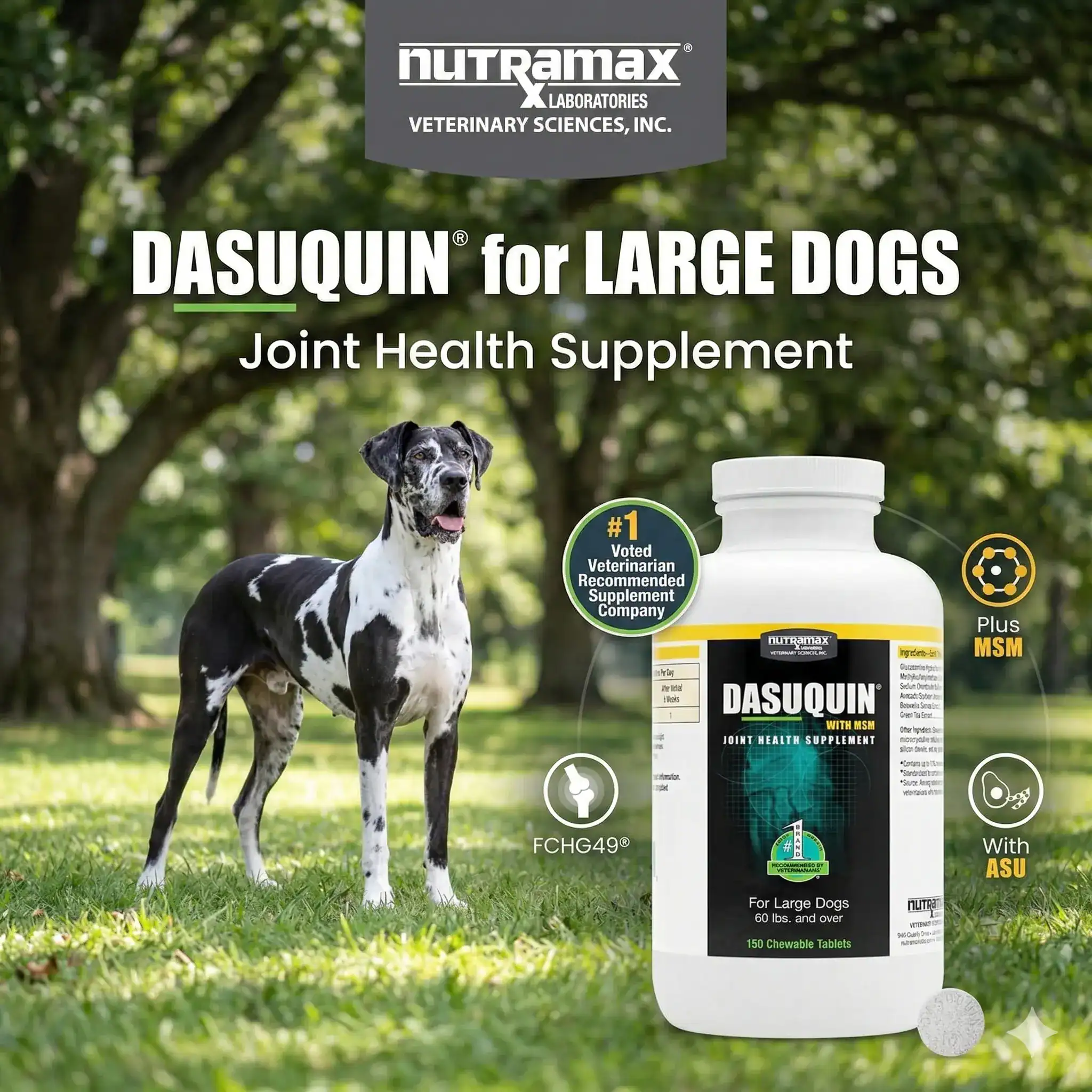
Nutramax Dasuquin with MSM Soft Chews
Use for: Joint support in highly active dogs facing heavy daily wear. Glucosamine and chondroitin help support cartilage integrity during strenuous work and exercise.
Check price on AmazonGrooming and Coat Care
This breed has a hard, flat outer coat over a dense undercoat designed to repel water, dirt, and harsh outback weather. Grooming needs are low, making it an easy wash-and-go companion for busy households. It naturally sheds dirt once dry, staying relatively clean even after a muddy day on the farm.
While daily maintenance is minimal, they do shed year-round, with a heavier blowout twice a year as the seasons change. A weekly going-over with a slicker brush or shedding rake removes dead hair and distributes skin oils. During the heavy shedding phases, brushing daily keeps loose hair from piling up indoors. Our review of the best brushes for shedding dogs covers tools that work well on double-coated working breeds.
Bathing is generally only needed every few months or when the dog gets especially dirty, since over-bathing strips the coat of its natural weatherproofing oils. Round out the routine by checking the ears weekly for debris, brushing the teeth several times a week, and trimming the nails if they do not wear down on hard surfaces.
Exercise and Living Needs
The stumpy is not built for a sedentary life. They have deep energy reserves designed to last through a long workday, so a short walk around the block is rarely enough. Expect to provide significant daily activity, often approaching 90 minutes of running or structured exercise.
Apartment living is generally unsuitable for most households. They need room to stretch their legs and release tension, so a home with a large, securely fenced yard is preferred. Simply turning them out into a yard does not count, though; they need active engagement with their handler to satisfy both physical and mental demands.
Dog sports give them an excellent outlet, and they excel at agility, obedience, flyball, and herding trials. A tired one is a well-behaved housemate, while an under-exercised one commonly develops habits like excessive barking or digging. A clear daily routine prevents most of these problems from taking root.
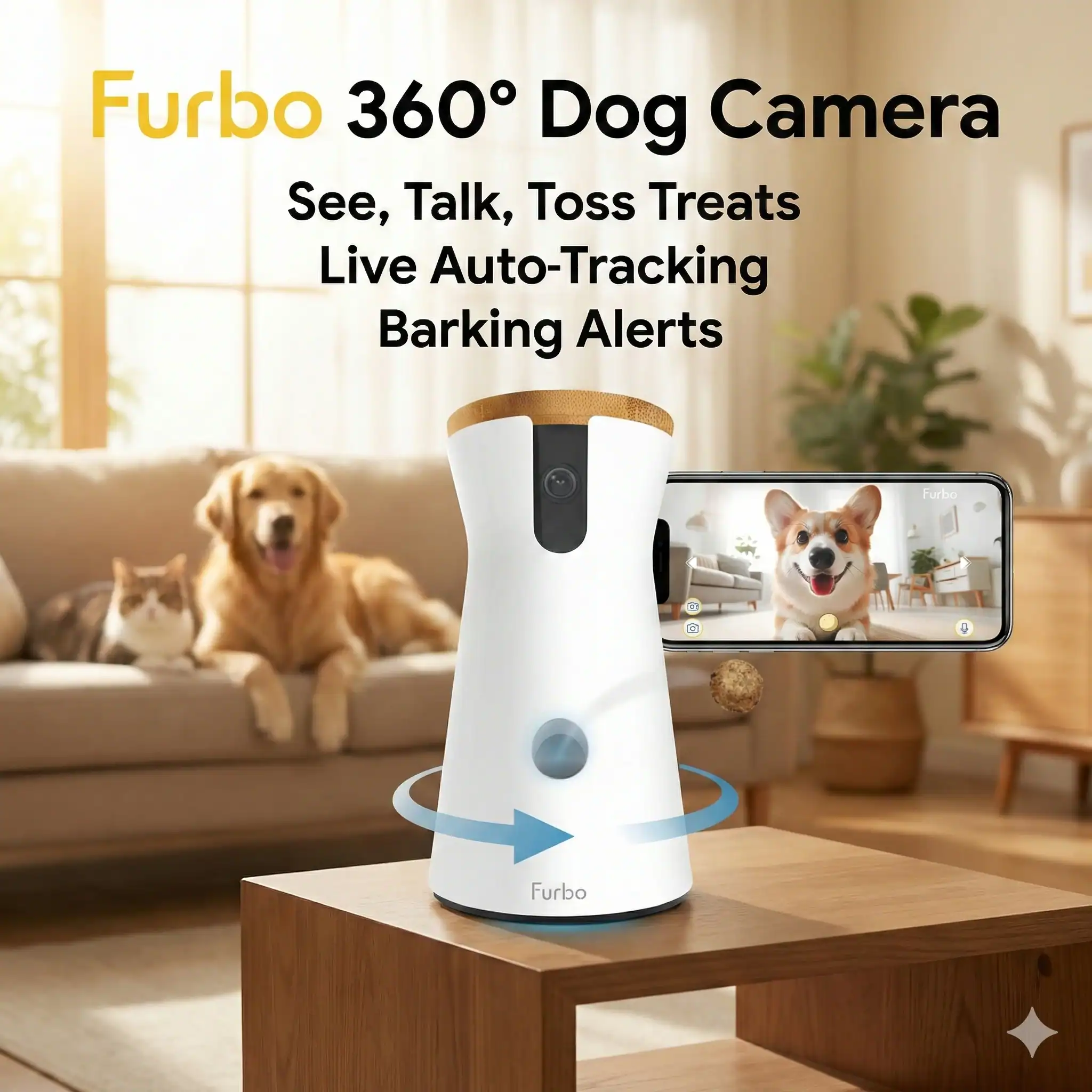
Furbo 360° Dog Camera
Use for: Monitoring a dog prone to separation distress. The 360-degree rotation lets you track movement while the two-way audio helps you interrupt destructive behaviors remotely.
Check price on AmazonNutrition & Diet
A high-output working breed needs nutrient-dense food. A quality commercial diet with real animal protein as the primary ingredient supports muscle output and recovery. Active working days burn far more calories than quiet days resting at home.
🐶 Puppy Stage
A balanced medium-breed puppy formula supports steady, appropriate growth. Overfeeding accelerates growth improperly, which stresses young joints and raises dysplasia risk. Dividing the daily ration into three meals during early puppyhood helps keep energy stable and prevents stomach upset.
🐕 Adult Stage
Adult feeding amounts shift with daily activity. A dog working livestock all day needs more food than one on a rest day. Monitor body condition closely: you should easily feel the ribs under a thin layer of fat, with a clear waist visible from above. Split the daily ration into two meals to support digestion.
🦮 Senior Stage
As the dog ages and activity naturally tapers, move to a senior formula with fewer calories to prevent obesity. An omega-3 supplement may help support aging joints. Regular veterinary weight checks keep the senior diet matched to the dog’s changing needs.
Training
The breed’s intelligence cuts both ways. They learn new commands quickly, but they pick up bad habits just as fast if you are inconsistent. Training should begin the day the puppy arrives and continue throughout the dog’s life.
🛑 Early Socialization
Because they tend to be wary of strangers, early and broad socialization is important. Expose the puppy to a variety of people, environments, sounds, and other animals before sixteen weeks of age. Positive exposure helps build a confident adult that assesses situations calmly rather than reacting with fear.
👑 Firm, Fair Guidance
They respond best to positive reinforcement using treats, toys, and praise. Harsh corrections damage trust and often lead to resistance or disengagement. Apply rules consistently: if the couch is off-limits on Tuesday, it should be off-limits on Saturday too.
🎯 Managing the Herding Instinct
You cannot train the herding instinct out of the dog, but you can redirect it. When it tries to nip heels or chase running children, interrupt the behavior and offer an acceptable alternative task. Basic obedience gives you the foundation to call the dog off a target, and a crate helps prevent the behavior from being rehearsed when you cannot supervise.
Australian Stumpy Tail Cattle Dog vs Australian Cattle Dog vs Australian Kelpie vs Border Collie
Because of their similar appearance, buyers frequently weigh the Australian Stumpy Tail Cattle Dog against the standard Australian Cattle Dog. Comparing these lines with other iconic herders like the Australian Kelpie or Border Collie helps clarify which working style fits your household.
| Attribute | Australian Stumpy Tail Cattle Dog | Australian Cattle Dog | Australian Kelpie | Border Collie |
|---|---|---|---|---|
| Weight | 32–45 lb (14–20 kg) | 35–50 lb (16–23 kg) | 31–46 lb (14–21 kg) | 30–55 lb (14–25 kg) |
| Original Purpose | Cattle droving | Cattle droving | Sheep mustering | Sheep herding |
| Energy Type | Tireless, rugged endurance | Intense, durable stamina | Endless, fast-paced | High-speed, agile burst |
| Trainability | Independent thinker | Highly intelligent, stubborn | Highly responsive | Eager to please |
| Grooming | Low, seasonal shedding | Low, seasonal shedding | Low, occasional brush | Moderate, regular brush |
| Reaction to Strangers | Protective, alert | Protective, wary | Vocal alert | Reserved, alert |
| First-Time Owner? | Best for experienced owners | Best for experienced owners | Best for experienced owners | Best for experienced owners |
| Common Health Risks | Deafness, PRA, hip dysplasia | Deafness, PRA, hip dysplasia | Cerebellar abiotrophy, PRA | Collie eye anomaly, epilepsy |
| Living Space | Farm or secure large yard | Farm or secure large yard | Acreage preferred | Active home with yard |
People often line up the Australian Cattle Dog and Australian Stumpy Tail Cattle Dog side by side, but the main difference between the stumpy and the standard Australian Cattle Dog is structural. The stumpy has a naturally short tail, slightly lighter bone, and longer legs than the standard cattle dog. The Kelpie works sheep independently across huge distances, while the Border Collie works in close partnership with its handler, using intense eye contact to control stock.
Common Questions about the Australian Stumpy Tail Cattle Dog
Are Australian Stumpy Tail Cattle Dogs good with family?
Direct Answer: Yes, they can be excellent with their own family, but they need early socialization and clear boundaries.
Context: These dogs often form a tight bond with their primary person while staying loyal to the family. Their herding instinct, though, means they may nip at the heels of running children, since rapid movement triggers their pursuit drive.
Management: Teach every kid in the home to interact respectfully, and never leave young children unsupervised with them. Redirect the behavior immediately and consistently.
What is the difference between an Australian Cattle Dog and a stumpy?
Direct Answer: The most obvious difference is the naturally short tail on the stumpy.
Context: The stumpy is closely related to the Australian Cattle Dog, and it is often confused with the Australian Cattle Dog at a glance, but it is not simply a standard cattle dog with a docked tail; they are separate breeds. The stumpy has a lighter, leggier build for swift movement, and true stumpies do not have the tan markings commonly seen on standard heelers.
Management: If you buy a puppy, verify the pedigree. A reputable breeder will provide documentation showing the dog is a purebred stumpy rather than a docked mix.
How much does a Stumpy Tail Cattle Dog cost?
Direct Answer: Expect to pay USD 800 to USD 2,000 for a well-bred puppy from health-tested parents. Pricing varies by country, with UK, Canada, and Australia rates differing.
Context: Because the breed remains rare outside Australia, finding a reputable breeder often takes time, and breeders in the USA frequently keep waitlists.
Management: Budget for premium food, durable chew toys, joint supplements, and routine vet care across a 12 to 15-year lifespan. A well-bred dog costs more upfront but can save money on genetic health issues later.
Can they live in an apartment?
Direct Answer: Apartment living is strongly discouraged.
Context: They need plenty of space to burn off energy. A small, confined space can lead to frustration that shows up as destructive chewing, excessive barking, and hyper, restless behavior. They are rural working dogs at heart.
Management: Consider this dog mainly if you have a securely fenced yard or live on a large property where the dog can run safely.
Are they prone to separation anxiety?
Direct Answer: Yes, their loyalty can lead to separation distress if they are left alone for long periods.
Context: The same close bond that makes them attentive partners means some do not cope well with being left alone, and isolation can leave them anxious and destructive.
Management: Practice leaving the dog alone for short intervals early on. Make sure they get plenty of physical activity before you leave, and offer puzzle toys to keep their mind busy. A well-exercised dog settles far more easily while you are out.
Do they shed a lot?
Direct Answer: They shed moderately year-round and heavily twice a year.
Context: The weather-resistant double coat goes through a seasonal blowout where the undercoat comes out in clumps. During those weeks you will find hair on furniture and clothing without regular brushing.
Management: Brush weekly during normal periods and daily through the heavy shedding seasons to catch loose hair before it falls indoors.
Are Stumpy Tail Cattle Dogs aggressive?
Direct Answer: They are not inherently aggressive, but they are highly protective and wary of strangers.
Context: Without proper socialization, their natural suspicion can turn into fear-based reactivity. They were bred to move stubborn cattle, which takes confidence and a willingness to hold boundaries with livestock, and that drive needs to be channeled correctly.
Management: Expose the puppy to friendly strangers, neutral dogs, and new environments often. Group obedience classes help build focus in distracting settings.
What health problems do they have?
Direct Answer: The main concerns are progressive retinal atrophy (PRA), congenital deafness, and hip dysplasia.
Context: Like many breeds carrying genes for specific coat patterns, they carry a risk for deafness. PRA causes progressive blindness, while dysplasia affects mobility. Responsible breeders test for these conditions before breeding.
Management: Ask for BAER hearing results and OFA joint clearances before buying a puppy, and schedule annual veterinary eye exams.
Is it hard to train a stumpy?
Direct Answer: They are quick learners but need a confident, consistent owner.
Context: Their intelligence means they pick up commands in a few repetitions, but they also think for themselves. If they sense a lack of direction, they may ignore commands and make their own decisions.
Management: Keep training sessions short, upbeat, and challenging. Use high-value rewards and keep household rules consistent.
Where can I find dog breed information on the stumpy?
Direct Answer: The best resources are the Australian Stumpy Tail Cattle Dog Society and the AKC Foundation Stock Service page.
Context: Because it is a rare breed, trustworthy information matters. The parent club maintains the official breed standard and offers guidance on ethical breeding.
Management: Read the official standard and connect with breed club members for firsthand accounts of living with this demanding but rewarding dog.
Finding a Puppy
Because the breed remains rare worldwide, finding a stumpy tail cattle dog puppy takes patience. You will likely need to join a waitlist and travel to secure a well-bred puppy.
🏠 Reputable Breeders
Look for a stumpy tail cattle dog breeder who registers their dogs with the AKC Foundation Stock Service and belongs to the national breed club. A responsible breeder asks detailed questions about your lifestyle, your fencing, and how you plan to exercise the dog. They provide individual BAER test results for the puppy and OFA hip clearances for the parents. The facility should be clean, and the parents should be approachable and confident.
🐾 Rescue and Adoption
Though rare in shelters, working-dog rescues near you sometimes take in stumpies whose owners underestimated their energy. Adopting an adult is a great option because the personality and drive level are already established. A rescue assesses each dog’s behavior and matches it to a suitable home, skipping the chaotic puppy teething and training phases.
🚩 Red Flags to Watch For
- No BAER hearing test documentation for the specific puppy.
- No OFA hip or elbow clearances for the parents.
- A breeder with puppies available immediately year-round.
- A sale price far below the breed average.
- A breeder pushing a sale without asking about your yard or handler experience.
- Unsanitary kennel conditions, or parents that show extreme fear or aggression.
Personal Observation
💭 Personal Observation
Rambo, one of my rescues, needs real physical exertion every single day, and the Australian Stumpy Tail Cattle Dog shares that same athletic drive. Where Rusty, my twelve-year-old rescue, settled into a quiet routine easily, a high-drive working dog like this generally needs a job to feel settled. The thing I have learned with my more energetic rescues is that a bored dog will invent its own job, and for an intelligent herder that usually means finding entertainment that rarely ends well for the furniture. If you have raised a high-drive working dog before, this energy profile will feel familiar. If your last dog was a low-energy companion, expect a real lifestyle adjustment.
Conclusion
The Australian Stumpy Tail Cattle Dog is a capable working partner that thrives when given daily tasks. They offer serious stamina, natural intelligence, and a steady loyalty that makes them exceptional companions for the right household.
Owning a stumpy is rewarding, but the trade-off is real. The biggest pro is a tireless, intelligent working partner, while the main con is that they need significant daily investment in physical exercise and mental engagement. Many struggle with prolonged isolation and will test inconsistent guidance quickly. If you want the look of a herder but lead a quieter life, a lower-energy breed is usually a better match.
📋 Before bringing one home, run this 4-step pre-buying check
- Exercise commitment. Can you commit to 90+ minutes of vigorous daily exercise, rain or shine?
- Secure containment. Do you have a securely fenced yard or acreage that allows safe, off-leash running?
- Time and training. Are you ready to apply consistent rules and keep up ongoing training to manage the herding drive?
- Handling confidence. Do you have the experience to guide an independent, highly intelligent working breed?
If any answer is no, reconsider the breed.
Editorial Disclaimer: This article is for informational and educational purposes only. It does not constitute veterinary advice, medical diagnosis, or treatment recommendations. Always consult a licensed veterinarian before making health-related decisions for your pet.
Accuracy Notice: While every effort has been made to ensure the information presented here is accurate and current, breed information evolves and individual dogs vary. If you spot a factual error or have updated information from a verified source, please contact us so we can review and update.
Product Disclosure: Product recommendations are based on independent research and editorial judgment. Individual results may vary. As an Amazon Associate, K9Sphere earns from qualifying purchases at no additional cost to you.
Last reviewed: May 2026. Article reviewed for accuracy on the date shown above.


