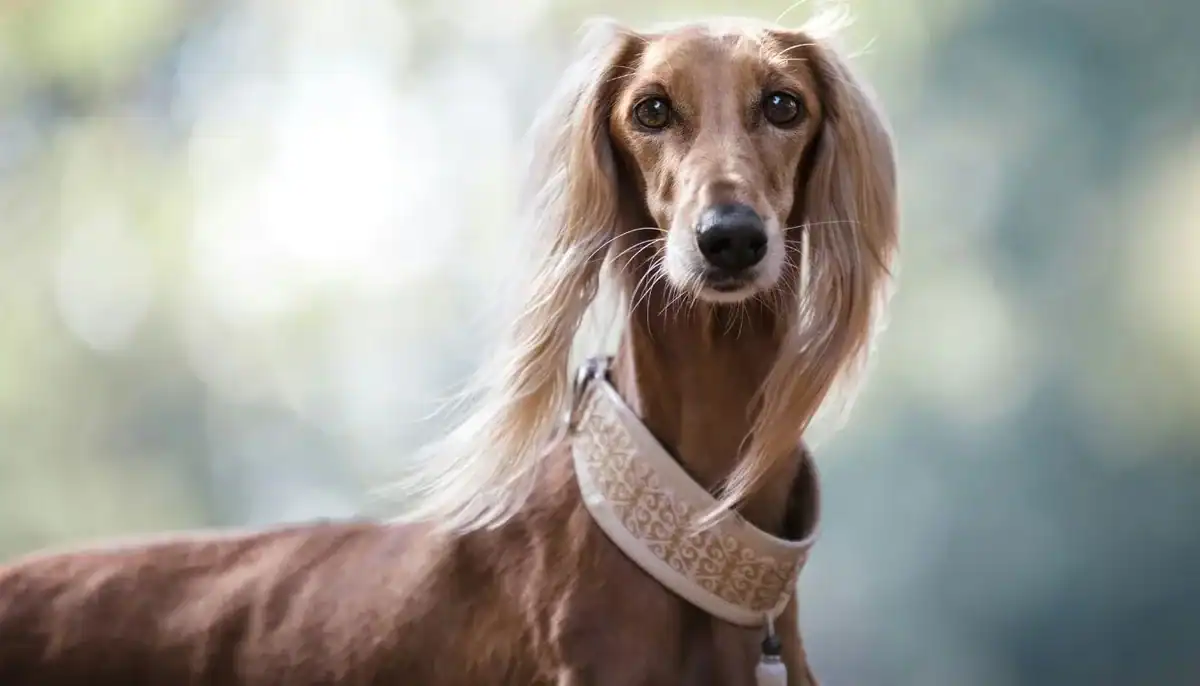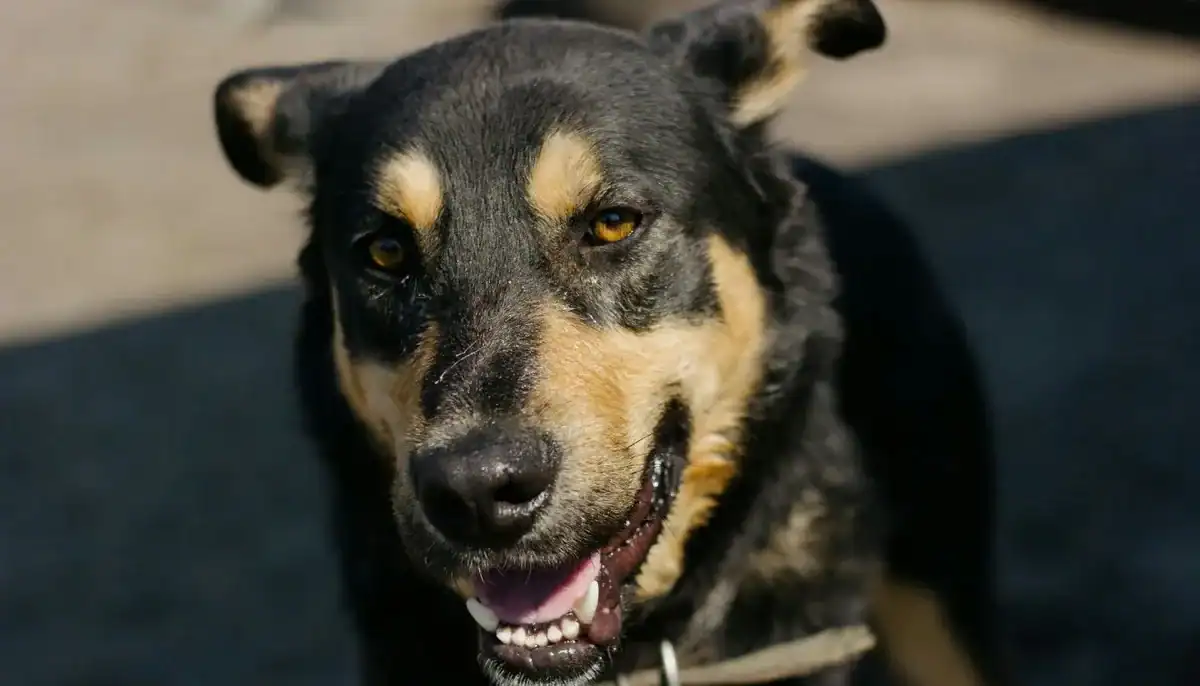
The Australian Kelpie is a medium-sized herding breed from Australia developed for mustering and droving livestock across outback stations. Built to handle warm weather and cover long distances daily, they remain a staple on many livestock farms today.
What makes the kelpie stand out is its high stamina combined with the ability to solve problems on the move. A well-trained kelpie can manage large flocks of sheep or cattle with very little human direction, showing real skill in turning livestock at speed.
This guide draws on standard breed registry data including the American Kennel Club breed reference, veterinary literature on herding breeds, and historical documentation from the Working Kelpie Council of Australia to show what ownership actually involves.
Active families and farmers who commit to daily outdoor work and provide clear rules are rewarded with a loyal partner. When their mind and body are busy, they settle into companionship and will perform almost any task asked of them.
Households without a secure yard or the daily time to manage a busy active kelpie should review these needs honestly before deciding. Without enough activity and mental work, a kelpie can become a handful very quickly.
Affiliate Disclosure: K9Sphere is a participant in the Amazon Services LLC Associates Program. As an Amazon Associate, K9Sphere earns from qualifying purchases made through links in this article at no additional cost to you. Product recommendations are based on independent research and editorial judgment, not paid placement.
Breed Snapshot
📊 Vitals and Lifespan
Height
17–20 inches (43–51 cm)
Weight
30–46 pounds (14–21 kg)
Lifespan
12–15 years
Breed Group
Herding Group
Origin
Australia
🇦🇺
⭐ Personality Traits
Ratings (1 to 5). This active herd-driven dog offers high trainability and deep loyalty, offset by a daily exercise requirement that challenges casual owners.
History and Origin
The development of the Australian Kelpie dog breed was driven entirely by necessity. As sheep farming expanded across the Australian landscape in the 19th century, traditional heavy-coated European dogs struggled with the heat and the distances required to manage the flocks.
📌 1870s: The Foundation Stock
The foundation of the breed traces back to imported Scottish herding collies. These early dogs, often black and tan, were brought to Australia by landowners needing tough herding animals. A foundation kelpie named Kelpie, owned by Jack Gleeson, demonstrated an exceptional natural ability to work stock.
📌 1879: A Working Trial Victory
A descendant of Gleeson’s original dog, known as “King’s Kelpie,” won a major sheepdog trial in Forbes, New South Wales in 1879. Her performance was so impressive that her offspring became highly sought after by local farmers. The strain was soon popularly referred to as “Kelpie’s pups,” which eventually shortened to the breed name used today.
📌 Early 1900s: The Breed Standard
Robert Kaleski published the first formal breed standard in 1904. The focus remained heavily on stock-handling ability rather than appearance. Breeders carefully selected for kelpies that could run across the backs of tightly packed sheep, endure dust and high temperatures, and think independently when out of sight of their handler.
📌 Present Day: Working vs Show Lines
Today, there is a distinct difference between the working-line kelpie, which is bred purely for its livestock management skills, and the show lines bred under kennel club registries. Both types retain the energy and intelligence that made the original strain legendary on the sheep stations.
The Dingo Cross Myth
For decades, a popular rumor claimed the kelpie was created by crossing a collie with a wild dingo to improve heat tolerance. Modern genomic studies have largely debunked this claim. Genetic studies have found no evidence of significant dingo DNA, showing that they descend from British herding lines.
Physical Characteristics
This is a medium-sized herding dog developed for cattle and sheep work, with a physical structure built entirely for endurance. The frame is lithe, athletic, and slightly longer than it is tall, allowing the kelpie to turn suddenly at speed without losing balance. Their physical structure directly supports their ability to crouch low, creep stealthily, and maneuver around unpredictable livestock.
🎨 The Double Coat
The short to medium-length coat is highly weather-resistant. A dense undercoat protects against extreme temperatures, while the straight outer hairs shed dirt and burrs easily. Colors vary widely and include solid black, chocolate, red, smoky blue, fawn, black and tan, and red and tan variations.
🏗️ Prick Ears and Alert Expression
The ears are naturally upright and pointed, giving the kelpie an expression of constant readiness. The eyes are almond-shaped and usually match the color of the coat. A defining feature is their focused gaze, often referred to as the “eye,” which they use effectively to control and intimidate stubborn sheep or cattle.
Character and Personality
The kelpie is defined by its work ethic. They rarely switch off when there is activity around them. Their minds are constantly analyzing their environment, making them capable partners for an active owner, but demanding pets for a relaxed household.
🧠 Independent Intelligence
Unlike breeds that wait for their owner’s next command, this breed is bred to solve problems miles away from a handler. This independent thinking makes them well-suited to dog sports and complex tasks, but it also means they will quickly outsmart an inconsistent owner and invent their own rules if left unchallenged.
🔥 Strong Herding Instinct
The urge to herd is hardwired. If there are no sheep available, a bored dog will herd children, bicycles, or other pets, often nipping at heels to enforce movement. This instinct requires active management from puppyhood to prevent it from becoming a behavioral problem in a residential setting.
🛡️ Alert and Reserved
They are deeply devoted to their primary family but often remain aloof or indifferent toward strangers. They make excellent watchdogs, readily barking to announce approaching visitors, though they are generally not aggressive unless directly threatened.
⚡ Prone to Boredom
Under-stimulated kelpies can become destructive or develop separation anxiety and problem behaviors when left alone too long. A dog digging up a lawn or barking endlessly is usually not a bad dog. It is simply a bored dog looking for an outlet.
Screening and Conditions
Veterinary Disclaimer: The information in this article is for educational purposes only and is not a substitute for professional veterinary advice, diagnosis, or treatment. K9Sphere’s authors are experienced dog owners, not licensed veterinarians. Always consult a qualified DVM regarding any health concerns about your pet. Never disregard professional veterinary advice or delay seeking it because of something you have read on this site.
Health Information Sources: Data compiled from:
- Orthopedic Foundation for Animals (OFA): Joint and eye disease screening registries for herding breeds
- Working Kelpie Council of Australia: Historical and genetic health documentation
- American Kennel Club (AKC): Breed standard and registry information
Always consult your licensed DVM for personalized medical advice.
Because early breeders focused strictly on stamina and natural skill, the kelpie is generally considered a healthy, hardy breed. They did not have the physical extremes that cause health problems in other breeds. However, they share some genetic vulnerabilities common to the broader collie family.
Common Health Risks
🔴 Joint Dysplasia
What to watch for: Hip and elbow dysplasia can occur, causing stiffness, a bunny-hopping gait, or reluctance to jump. While the lean build reduces some stress, the constant high-impact running required by their lifestyle puts wear on abnormal joints.
Screening: High-quality breeding programs conduct OFA or PennHIP joint evaluations on parents before breeding. Annual vet checks of joint mobility, keeping your dog lean, and using a quality hip and joint supplement can support long-term mobility.
🟡 Progressive Retinal Atrophy (PRA)
What to watch for: PRA is a gradual degeneration of the retina that eventually leads to blindness. Night blindness is usually the first noticeable symptom, where the kelpie becomes hesitant in low light or bumps into furniture after dusk.
Screening: Genetic DNA testing of the parents can identify carriers of the PRA gene. Annual eye exams by a veterinary ophthalmologist are recommended for all adult dogs.
🟡 Collie Eye Anomaly (CEA)
What to watch for: This is an inherited developmental disease that affects the tissues of the eye. Mild cases may cause no visible vision loss, but severe cases can lead to retinal detachment and blindness.
Screening: Like PRA, CEA can be screened via DNA testing. Puppies should ideally have their eyes cleared by a specialist before leaving the breeder.
🟡 Cerebellar Abiotrophy (CA)
What to watch for: This neurological disease affects the cerebellum, which controls balance and coordination. Symptoms include an unsteady gait, tremors, and exaggerated stepping movements. It typically presents in young adults and is progressive.
Screening: This is a recessive genetic condition. Reputable breeders test their breeding stock to ensure two carriers are never mated together, thereby preventing affected puppies.
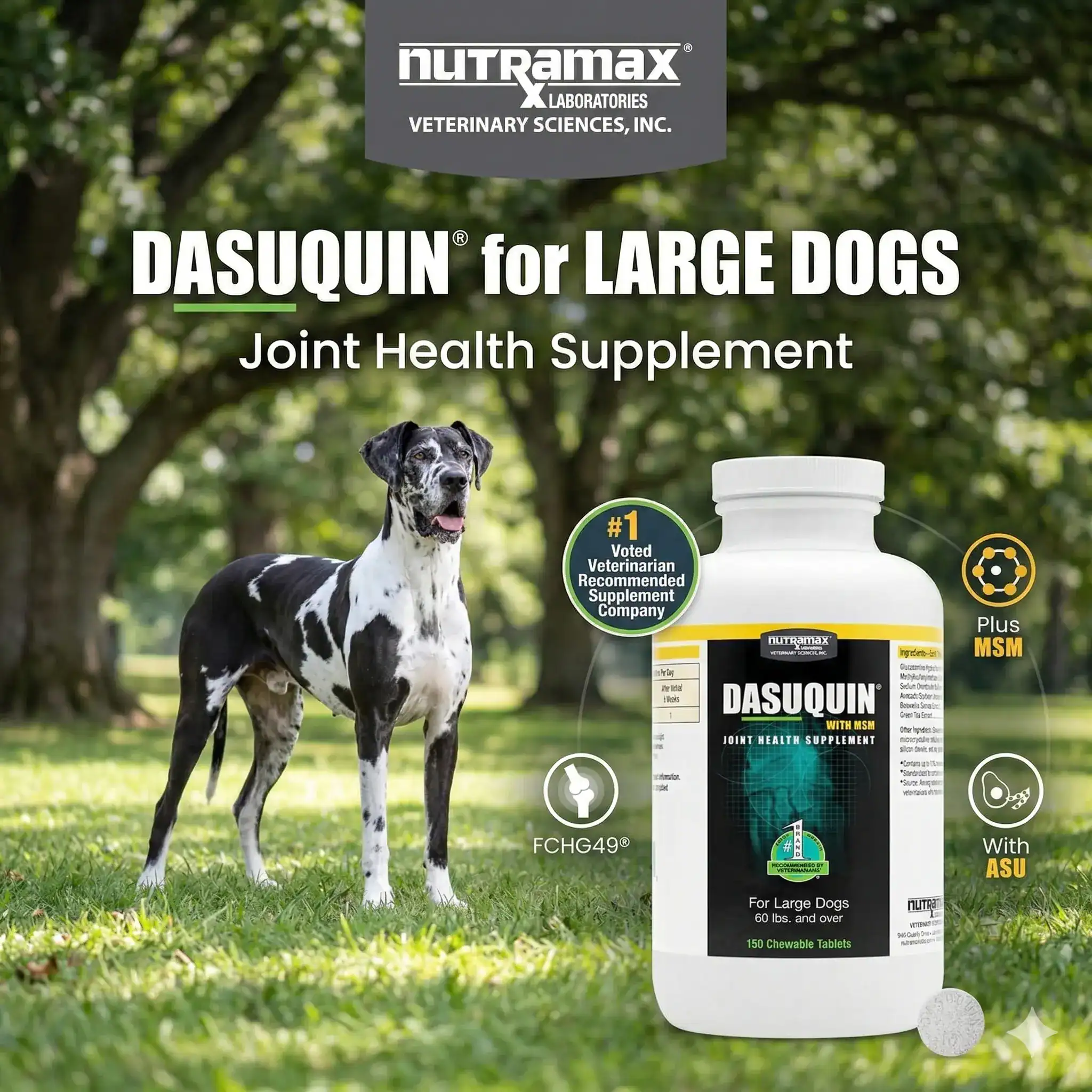
Nutramax Dasuquin with MSM Soft Chews
Use for: Supporting joint cartilage in highly active herding breeds. The daily high-impact running and sudden turns the kelpie performs can accelerate wear on hips and elbows as they age.
Check price on AmazonGrooming and Coat Care
The kelpie is a true wash-and-go breed. Their short, weather-resistant double coat repels dirt naturally, making them very easy to groom despite spending long hours outdoors in the elements.
A quick weekly brush is usually enough to remove dead hair and distribute natural skin oils. During the spring and fall, they will drop their undercoat in a heavier seasonal shed. Stepping up brushing to a few times a week with one of the best brushes for shedding dogs will keep the loose fur contained before it covers the house.
Bathing is only necessary when they roll in something foul, and when you do bathe them, use lukewarm water. Over-bathing strips the protective oils that make their coat so efficient. Focus routine care on keeping their nails trimmed short to prevent joint alignment issues, and check their prick ears occasionally to ensure no debris has accumulated from running through brush.
Exercise and Living Needs
If there is one absolute truth about the kelpie breed, it is that they cannot be tired out with physical exercise alone. They need mental challenges too. The breed needs a minimum of 90 minutes to two hours of active work or play every single day. They are built to cover vast distances managing stock and can run for long stretches.
Apartment living is difficult for most kelpies and only realistic for highly committed owners who can meet their demanding daily exercise needs. A house with a large, securely fenced yard is a much easier starting point, and rural properties or farms are the ideal setting. Because they are athletic jumpers, a solid 6-foot fence is highly recommended to prevent an under-stimulated dog from escaping the yard.
Exercise must include a mental component. Running them alongside a bicycle will burn physical energy, but without scent work, advanced obedience, or agility training, their active minds will remain restless. They need to feel they are completing a task alongside their owner.
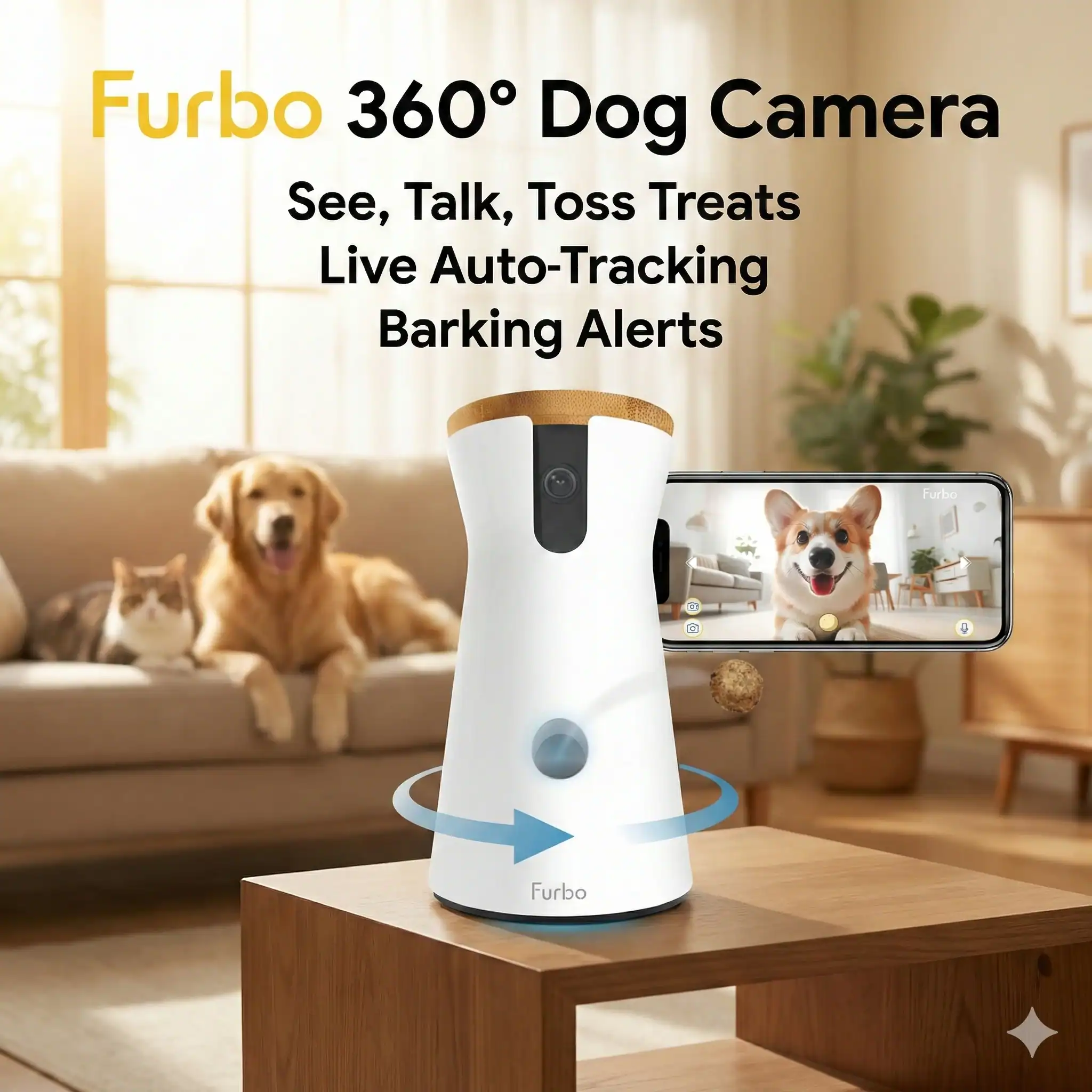
Furbo 360° Dog Camera
Use for: Monitoring a high-drive kelpie when you leave the house. The two-way audio feature allows you to interrupt pacing or barking behaviors before they escalate into destructive anxiety.
Check price on AmazonNutrition & Diet
An active dog like the kelpie burns calories at a significantly higher rate than a standard companion animal. Nutrition must match their daily output to prevent muscle loss and sustain their energy levels.
🐶 Puppy Stage
Feed a high-quality puppy formula designed for medium breeds, splitting feeding into three portions per day to support steady growth. Avoid overfeeding, as carrying excess weight during the first 12 months places unnecessary stress on developing joints. A lean puppy is a healthy puppy.
🐕 Adult Stage
Adults thrive on foods with quality protein as the first ingredient, designed for active or herding breeds. If the kelpie is actually on livestock duty or competing in high-level dog sports, they will require an energy-dense formula. For a pet kelpie getting standard vigorous exercise, measure portions carefully to prevent weight gain. Adding an omega-rich supplement like Zesty Paws Salmon Oil helps maintain their skin barrier and supports cognitive function.
Training
Training a kelpie can be hard work despite their intelligence. They learn quickly and can master complex commands with ease, but their double-edged nature shows in independent decision-making. However, they are also independent thinkers who will question the necessity of a command if they feel they know a better way to do the job.
🛑 Managing the Herding Drive
The instinct to control movement is hardwired. You cannot train it out of them, so you have to manage it. From the day a puppy enters the home, provide clear rules about what is acceptable to herd (toys, balls, specific training objects) and what is completely off-limits (children, guests, vehicles, other pets). Positive reinforcement works best, as harsh corrections can damage the trust required for a strong handler partnership.
👑 The Need for a Job
Basic obedience is not enough to satisfy this breed. They do well in advanced dog sports like agility, flyball, and rally obedience. Trick training is also a good way to exhaust them mentally. If you do not assign them a task, they will assign themselves one, and you likely will not appreciate their choice of occupation.
Australian Kelpie vs Border Collie vs Australian Shepherd vs Australian Cattle Dog
Prospective owners often struggle to choose between the top herding breeds. While they share a common purpose, the Australian Kelpie differs from the Border Collie and the Australian Shepherd in both working style and physical resilience.
| Attribute | Australian Kelpie | Border Collie | Australian Shepherd | Australian Cattle Dog |
|---|---|---|---|---|
| Weight | 30–46 lb (14–21 kg) | 30–55 lb (14–25 kg) | 40–65 lb (18–29 kg) | 35–50 lb (16–23 kg) |
| Original Purpose | Sheep mustering in harsh outback | Sheep gathering in UK hills | All-purpose farm and ranch work | Driving cattle over long distances |
| Energy Type | High, steady stamina | High, intense focus | High, versatile worker | High, tough and persistent |
| Trainability | Smart but independent thinker | Highly biddable, eager to please | Highly trainable | Smart but stubborn |
| Grooming | Low, short weather-resistant coat | Moderate, frequent brushing | High, thick double coat | Low, short dense coat |
| Threat Response | Alert watchdog, reserved | Alert but generally friendly | Protective watchdog | Highly protective, suspicious |
| First-Time Owner? | No, needs experienced handler | No, requires high engagement | Challenging, needs activity | No, requires firm leadership |
| Common Health Risks | Hip dysplasia, PRA, Cerebellar Abiotrophy | Hip dysplasia, Epilepsy, CEA | Hip dysplasia, Epilepsy, MDR1 sensitivity | Hip dysplasia, Deafness, PRA |
| Living Space | Farm or house with large yard | House with large yard | House with large yard | House with secure yard |
The Border Collie uses intense eye contact and a stalking posture to gather sheep, while the kelpie relies more on agility, running upright and often leaping onto the backs of sheep to move a jammed flock. The Australian Shepherd carries a much heavier coat and sits slightly larger, making it less suited for extreme heat than the kelpie. The Australian Cattle Dog was built specifically for driving stubborn cattle and uses force (heeling) much more readily than the sheep-focused kelpie.
Common Questions about the Australian Kelpie
How much does an Australian Kelpie cost?
Direct Answer: In the USA, you can expect to pay between USD 800 and USD 2,000 for a puppy from a reputable breeder. Pricing varies by country, with UK, Canada, and Australia rates differing.
Context: Working lines bred for farm utility are often less expensive than show lines bred for conformation. Adopting from a rescue specific to herding breeds usually costs between USD 200 and USD 400.
Management: Factor in the ongoing costs of high-quality food, joint supplements, and potential dog sports or training classes, which quickly exceed the initial purchase price.
How big does an Australian Kelpie get?
Direct Answer: The Australian Kelpie is a medium-sized dog. Adults typically stand 17 to 20 inches at the shoulder and weigh between 30 and 46 pounds.
Context: Males are generally slightly larger and heavier than females. Their lean, muscular build means they often feel stronger than their total weight suggests.
Management: Monitor weight carefully through adult years. Their joints are designed for a lean frame, and excess weight accelerates joint wear.
Do Australian Kelpies shed a lot?
Direct Answer: Yes, they shed moderately year-round and heavily twice a year as they drop their undercoat.
Context: The double coat is built for outdoor work in extreme weather. The dense undercoat protects against heat and cold, but it sheds in big seasonal pushes during spring and fall as the dog adjusts to changing temperatures.
Management: A quick weekly brushing handles routine shedding. During seasonal coat changes, brush every two to three days with a deshedding tool to pull dead undercoat before it covers furniture and clothing.
Can Australian Kelpies live in an apartment?
Direct Answer: It is difficult but possible for owners committed to two or more hours of vigorous outdoor exercise every single day.
Context: The breed was developed to cover long distances managing livestock. Without that physical and mental outlet, a kelpie in a small space often develops destructive behaviors, excessive barking, or anxiety. The space itself is less important than what happens outside it.
Management: If apartment life is unavoidable, commit to twice-daily runs, weekly dog sports classes, scent work, crate-based downtime, and a strict mental enrichment routine. A house with a securely fenced yard remains a much better fit.
What is the difference between an Australian Kelpie and a Border Collie?
Direct Answer: Both are intelligent herding breeds, but they differ in herding style, coat, and overall biddability.
Context: The Border Collie uses intense eye contact and a stalking, low-to-the-ground posture to gather sheep. The kelpie relies more on agility and stamina, often running upright and even leaping onto the backs of tightly packed sheep to move a stuck flock. Border Collies are highly biddable and eager to please, while Kelpies tend to be more independent thinkers.
Management: Choose the Border Collie if you want one that craves direction. Choose the kelpie if you want a more self-directed working dog suited to harsh climates and long days.
How long does an Australian Kelpie live?
Direct Answer: They enjoy a long lifespan of 12 to 15 years, with many healthy individuals living well into their mid-teens.
Context: A lack of structural exaggerations like flat faces or long backs keeps them healthy. Their hardy, working-bred genetics support good longevity compared to many other purebreds.
Management: Keep exercise low-impact (such as scent games) in their senior years. Conduct annual veterinary wellness checks starting from age seven. Introduce high-quality joint supplements early in adulthood.
Are Australian Kelpies good for first-time owners?
Direct Answer: No, this breed is generally not suitable for first-time dog owners.
Context: Their hyper energy level, independent thinking, strong herding instinct, and need for consistent boundary training challenge even experienced handlers. A novice owner can quickly find themselves with a frustrated, destructive dog that has trained itself rather than the other way around.
Management: First-time owners drawn to active herding breeds often find a Golden Retriever or Labrador Retriever a more forgiving entry point. If you have your heart set on a kelpie, work with a trainer experienced in active herding breeds from week one.
Can Australian Kelpies handle hot weather?
Direct Answer: Yes. They were specifically developed to work in the harsh Australian outback and tolerate high temperatures better than most herding breeds.
Context: Their lean build, short to medium coat, and efficient panting allow them to work in conditions that would overwhelm heavier breeds like the Australian Shepherd or Bernese Mountain Dog. That said, no dog is heat-proof, and prolonged exposure to extreme heat still carries risk.
Management: Provide constant access to shade and fresh water during hot months. Shift vigorous exercise to early morning or evening when temperatures drop. Watch for signs of heat stress including excessive panting, drooling, or lethargy, and end activity immediately if they appear.
Are Australian Kelpies good family dogs?
Direct Answer: Kelpies can fit into highly active households, but they require strict boundary training to live safely around children.
Context: Because of their herding ancestry, they may naturally nip at the heels of running kids. This is not aggression, but instinct, and it must be redirected from puppyhood.
Management: Never allow the dog to herd children or guests during play. Ensure the dog has a quiet space where they can retreat and rest undisturbed. Teach children to avoid running frantically or screaming around the dog.
Do Australian Kelpies bark a lot?
Direct Answer: Some kelpies are vocal, especially working lines, but barking varies greatly depending on training, environment, and stimulation.
Context: Barking is a tool they use while herding. If left alone in a yard without mental or physical exhaustion, nuisance barking can become a major issue for neighbors.
Management: Train a quiet command early and ensure they receive adequate daily exercise to prevent anxiety-driven vocalization. Address the boredom root cause, not just the noise.
Finding a Puppy
Because this dog breed is primarily bred for farm utility rather than the pet market, finding the right source for Australian Kelpie puppies requires diligence. You must decide immediately whether your lifestyle supports a high-octane working line or a slightly more moderate show line.
🏠 Breeder Selection
Seek breeders who actively run their dogs or compete in high-level agility and obedience. A reputable breeder will interview you extensively about your yard size, exercise habits, and plans for the dog. They should readily provide OFA joint clearances and DNA test results for eye conditions for both parents. Ask to see the mother interacting with the puppies.
🐾 Rescue and Adoption
Many kelpies end up in rescue shelters simply because their original owners underestimated the exercise requirement. Adopting an adult is often a better alternative to buying a puppy for sale through unknown channels, since you can bypass the chaotic puppy chewing phase and see the dog’s true personality before committing. Look for breed-specific herding dog rescues near you, which often foster them in homes to evaluate their drive before placement.
🚩 Red Flags to Watch For
- Breeders selling puppies without any genetic health testing or joint clearances.
- Anyone marketing the breed as an easy, low-maintenance pet suitable for apartments.
- Litters raised entirely outdoors in a barn without early human socialization and handling.
- Breeders who cannot explain the difference between working lines and show lines in their specific dogs.
- Puppies that show extreme fear, cowering, or unprovoked reactivity during a visit.
Personal Observation
💭 Personal Observation
Rambo (4-year-old rescue mix) requires plenty of daily activity to stay settled, and the Australian Kelpie needs that same kind of physical outlet with an added layer of mental focus. My late Labrador, Bruno (passed 2021), was thrilled with a casual neighborhood walk, but high-energy herding dogs are entirely different. In my experience, these breeds only settle when they have a proper task to focus on, not just free time in the yard.
Conclusion
The Australian Kelpie is a capable farm worker, offering endurance, loyalty, and a strong problem-solving mind. For the active farmer, the dog sports competitor, or the avid runner, few breeds match this dog’s physical capability and willingness to work.
The reality of ownership is that this capability requires daily time. The volume of exercise and mental engagement needed to keep them balanced makes them a poor fit for casual owners looking for a weekend hiking buddy. Weighing the pro and con arguments of owning the Australian Kelpie breed is important before bringing a puppy home.
📋 Before bringing one home, run this 4-step pre-buying check
- Exercise commitment. Can you provide over 90 minutes of vigorous running or task-driven activity every single day?
- Mental stimulation. Do you have the time to train this intelligent dog for advanced tasks or dog sports?
- Secure containment. Does your property have a solid 6-foot fence to safely contain an athletic jumper?
- Herding management. Are you prepared to redirect natural nipping and chasing behaviors around children or moving objects?
If any answer is no, reconsider the breed.
For households that admire the intelligence of herding breeds but cannot meet these exercise demands, a Golden Retriever offers trainability with a much more forgiving energy level.
Editorial Disclaimer: This article is for informational and educational purposes only. It does not constitute veterinary advice, medical diagnosis, or treatment recommendations. Always consult a licensed veterinarian before making health-related decisions for your pet.
Accuracy Notice: While every effort has been made to ensure the information presented here is accurate and current, breed information evolves and individual dogs vary. If you spot a factual error or have updated information from a verified source, please contact us so we can review and update.
Product Disclosure: Product recommendations are based on independent research and editorial judgment. Individual results may vary. As an Amazon Associate, K9Sphere earns from qualifying purchases at no additional cost to you.
Last reviewed: May 2026. Article reviewed for accuracy on the date shown above.