

The Perro de Presa Canario is a powerful working breed developed in the Canary Islands as a catch dog and cattle protector.
What makes this breed genuinely impressive is its combination of intense loyalty and strong physical presence. Raised well, they tend to be calm, steady companions capable of deep affection for their people.
This guide draws on the Presa Canario Club of America health protocols, AKC breed reference, OFA testing requirements, and established veterinary literature to present an accurate picture of what ownership involves.
Daily commitments include structured leash walking, firm boundaries from week one, broad socialization throughout puppyhood, and careful management around visitors. Households that invest in this structure are rewarded with a capable protector that adapts well to family routines.
For handlers ready to match the leadership demands, this breed delivers powerful loyalty and around a decade of devoted companionship. Households without large-dog experience or a secure yard should review the demands honestly first. The breed rewards homes that match its needs and challenges those that do not.
Affiliate Disclosure: K9Sphere participates in the Amazon Services LLC Associates Program and other affiliate programs. K9Sphere earns from qualifying purchases made through links in this article at no additional cost to you. Product recommendations are based on independent research and editorial judgment, not paid placement.
Breed Snapshot
📊 Vitals and Lifespan
Height
Males: 23.5 to 26 in (60 to 66 cm)
Females: 22 to 24.5 in (56 to 62 cm)
Weight
Males: 110 to 130 lb (50 to 59 kg)
Females: 85 to 110 lb (39 to 50 kg)
Lifespan
9 to 11 years
Breed Group
Working (AKC FSS); FCI Group 2
Origin
Canary Islands (Spain)
🇪🇸
⭐ Personality Traits
Ratings (1 to 5). This massive breed takes consistent work and careful management around strangers. A low friendliness score reflects its guarding nature, not a flaw.
History and Origin
The history of the Perro de Presa Canario is deeply tied to the rugged terrain of the Canary Islands, particularly Tenerife and Gran Canaria. Spanish settlers arriving in the 15th century brought their own heavy farm dogs to protect property and handle livestock.
📌 15th and 16th Centuries: Foundation
Settlers crossed the native Majorero dogs with imported Iberian mastiffs. The resulting dogs were tasked with guarding property and catching semi-wild cattle. The environment demanded an animal with both massive physical power and the resilience to survive harsh island conditions.
📌 1700s to 1940s: Dark Period
As English settlers arrived, they introduced bulldog and terrier types. Crossing these with the local mastiffs raised the fighting drive in the population. The breed was heavily used in rural dog fighting rings until the practice was banned in the 1940s, after which its numbers fell sharply.
📌 1970s: The Revival
A dedicated group of breeders worked to recover the remaining traditional working dogs on the islands. They prioritized restoring the original guardian and cattle-handling traits rather than the fighting characteristics, carefully rebuilding the breed around stability and strength.
📌 1990s to Present: International Recognition
The breed gained international attention and was accepted by several registries. The Presa Canario Club of America was established to guide development in the United States. Today the breed is recorded by the AKC in the Foundation Stock Service under the name Perro de Presa Canario.
Dogo Canario vs Perro de Presa Canario
You will frequently see the name Dogo Canario used interchangeably with this breed. The Fédération Cynologique Internationale (FCI) originally accepted it under that name in 2001, dropping the word “presa” (which means catch or grip) to distance the dog from its fighting past. In 2018, following pressure from Spanish purists, the FCI reverted the official name to Perro de Presa Canario.
Physical Characteristics
A mature Presa is a showcase of raw power, with a physical structure built for functional force and agility.
🏗️ Massive Frame
The body is slightly longer than it is tall, with a broad, deep chest and heavily muscled hindquarters. The head is large and cuboid, sitting on a thick, powerful neck. The loose skin around the neck offers protection during a physical confrontation. Where it is legal, ears are sometimes cropped to a short point, though natural drop ears are increasingly common.
🎨 The Coat
The coat is short, flat, and harsh to the touch. Accepted colors range from fawn to various shades of brindle. A defining feature of the breed standard is the black mask, which should not extend above the eyes. White markings are permitted on the chest and toes but should be minimal.
Character and Temperament
The temperament of the Presa is the single biggest factor to consider before acquisition. This is a territorial, highly self-assured dog that does not easily back down from a challenge.
🛡️ Strong Guardian Instinct
They are naturally suspicious of strangers and deeply devoted to their primary family. Many Presas take on a protective role without any formal teaching, which means managing visitors requires active handler involvement. Most do not welcome unknown guests casually.
💪 Willful and Confident
These dogs test boundaries. They look to a handler who operates with calm, unwavering authority. If a Presa senses hesitation or inconsistency in leadership, it may begin testing boundaries.
🐕 Dog Reactivity
Reactivity toward unknown dogs, particularly those of the same sex, is a common reality for the breed. Off-leash dog parks are not an appropriate environment for an adult Presa Canario.
🧠 Quiet Intelligence
Unlike some breeds that bark constantly, a Presa is typically quiet. It watches its surroundings carefully and usually barks only when it perceives a real threat. Its intelligence makes it responsive to structure, provided it respects the handler.
Screening and Conditions
Veterinary Disclaimer: The information in this article is for educational purposes only and is not a substitute for professional veterinary advice, diagnosis, or treatment. K9Sphere’s authors are experienced dog owners, not licensed veterinarians. Always consult a qualified DVM regarding any health concerns about your pet. Never disregard professional veterinary advice or delay seeking it because of something you have read on this site.
Health and Breed Information Sources:
- American Kennel Club (AKC) for the breed reference and Foundation Stock Service status
- Presa Canario Club of America (PCCA) for the parent-club standard and health guidance
- Orthopedic Foundation for Animals (OFA) for joint-screening recommendations for large breeds
Always consult your licensed DVM for personalized medical advice.
A well-bred Presa is generally robust, but one of the key perro de presa canario facts is that the breed’s sheer bulk makes it vulnerable to specific orthopedic and systemic conditions. Diligent screening by breeders is essential.
Common Health Risks
🔴 Hip and Elbow Dysplasia
What to watch for: Limping after exercise, difficulty rising from rest, and reluctance to run or climb stairs. In massive breeds, joint malformation causes severe early-onset arthritis that drastically reduces quality of life.
Screening: Both parents should have passing OFA or PennHIP scores before breeding. Keeping puppies lean through the rapid growth phase minimizes joint stress. A quality hip and joint supplement can help support cartilage early.
🔴 Gastric Dilatation-Volvulus (Bloat)
What to watch for: A distended abdomen, pacing, unproductive retching, and extreme distress. Bloat is a medical emergency that kills quickly if the stomach twists and cuts off blood supply.
Management: Immediate surgery is required. Owners lower the risk by feeding two smaller meals daily rather than one large meal, and by preventing heavy exercise right after eating.
🟡 Entropion
What to watch for: Excessive tearing, squinting, and rubbing the eyes. The heavy facial skin can cause the eyelid to roll inward, letting the lashes scrape the cornea.
Management: Mild cases are monitored, but persistent entropion needs a simple surgical correction to prevent permanent corneal damage and vision loss.
🟡 Epilepsy
What to watch for: Unexplained seizures that typically appear between one and five years of age, ranging from mild facial twitching to full convulsions.
Management: Diagnosis involves ruling out toxins and brain lesions. Idiopathic epilepsy is managed with daily medication prescribed by a veterinarian.

Nutramax Dasuquin with MSM Soft Chews for Large Dogs
Use for: Joint support in a heavy breed prone to hip and elbow dysplasia. Glucosamine, chondroitin, and MSM supply cartilage building blocks for big, muscular dogs. Consult your veterinarian before starting any supplement.
Check price on AmazonGrooming and Coat Care
The single coat of the Presa is flat, harsh, and exceptionally easy to maintain. It drops some hair, but the volume is manageable with a basic weekly routine.
Brushing once a week with a rubber curry brush or a short-bristled brush removes dead hair and spreads skin oils. Bathing is only needed when the dog gets dirty, since over-bathing strips the natural oils and causes dryness and irritation.
The dog’s heavy weight makes proper nail care essential. Overgrown nails force the toes to splay and change the walking gait, adding stress to already vulnerable joints. Check the ears weekly for redness or odor, wiping them with a vet-approved cleaner to prevent infection.
Exercise and Living Needs
Despite their bulk, these dogs are athletes. A Presa needs daily structured work to stay physically fit and mentally balanced, and is not suited to long periods of confinement.
Plan on a minimum of 60 minutes daily, including brisk walking, obedience practice, and safe play in a secure area. Structured leash walks are vital for reinforcing handler authority, and free running in a yard does not replace the mental work of a walk.
A house with a securely fenced yard is important. The fencing must be strong enough to contain a dog capable of tremendous power. Apartment living is generally a poor fit unless you can consistently meet the breed’s exercise and management needs.
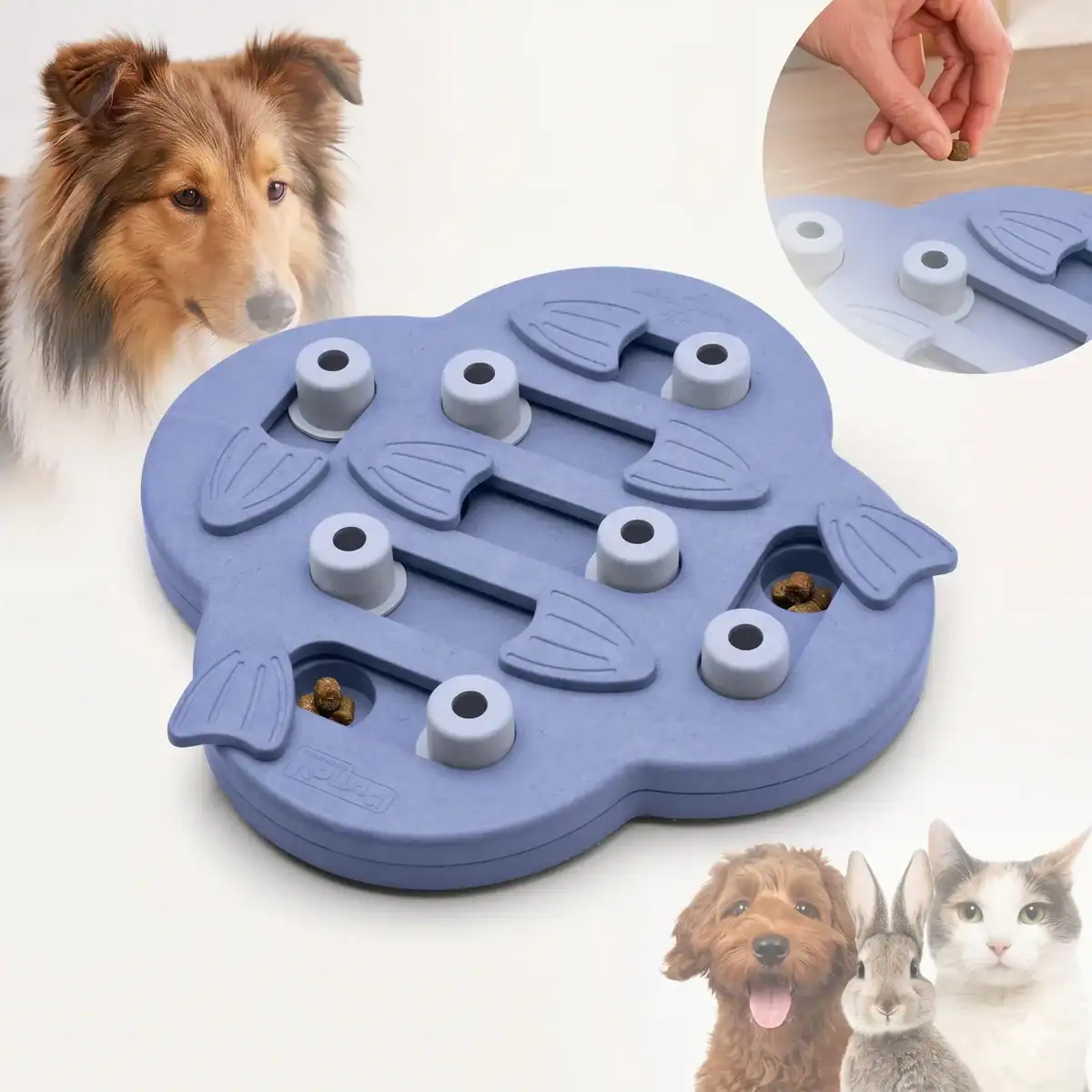
Outward Hound Nina Ottosson Dog Puzzle Toy
Use for: Channeling the quiet intelligence of a Presa into productive mental work. A food puzzle gives this watchful dog a job to solve on days when a full workout is not possible, helping curb the boredom that leads to destructive behavior.
Check price on AmazonNutrition & Diet
Feeding this breed properly takes careful attention to growth rates and joints. The needs change significantly from puppyhood to the senior years.
🐶 Puppy Stage
A young Presa needs a diet formulated for large-breed puppies. These formulas control calcium and phosphorus levels to keep the bones from growing too quickly. Overfeeding at this stage raises the risk of lifelong orthopedic damage, so keep them lean.
🐕 Adult Stage
Adults need high-quality protein to maintain their heavy muscle mass. Divide the daily food into two meals to reduce bloat risk, and avoid vigorous activity for an hour before and after feeding.
🐕🦺 Senior Stage
As the dog ages and metabolism slows, calorie intake must drop to prevent obesity, because extra weight is hard on aging joints. Senior formulas with added glucosamine give a useful baseline of support.
Training
Training a Presa is not optional. An untrained dog of this size and capability is a serious liability, so it takes a handler who understands working-dog psychology.
🛑 Early Socialization
The single most important early task is intense socialization. Puppies should meet various people, sounds, environments, and stable adult dogs from the moment they come home. This broad exposure teaches the dog to tell normal daily life apart from a real threat.
👑 Firm Leadership
This breed takes absolute consistency. A rule enforced on Monday must be enforced on Friday. They are intelligent and will quickly learn to exploit a handler who yields. Positive reinforcement works well, but it has to be paired with firm boundaries.
🎯 Obedience Demands
Basic commands such as sit, stay, down, and a reliable recall are essential. Given their prey drive and defensive nature, the dog must learn to look to the handler for direction before reacting to a stimulus. Professional classes with an instructor experienced in mastiff breeds are highly recommended.
Presa Canario vs Cane Corso vs Rottweiler vs Dogo Argentino
Prospective buyers often weigh the Presa against other powerful guardians, from the Bullmastiff and Boerboel to the breeds below. Comparing it with the Cane Corso, the Rottweiler, and the Dogo Argentino helps clarify what it asks of an owner.
| Attribute | Presa Canario | Cane Corso | Rottweiler | Dogo Argentino |
|---|---|---|---|---|
| Weight | 85 to 130 lb | 88 to 110 lb | 80 to 135 lb | 88 to 100 lb |
| Original Purpose | Catch dog, guardian | Estate guardian | Drover, guardian | Big-game hunting |
| Energy Type | Moderate, powerful | Moderate bursts | Steady worker | Sustained athletic |
| Trainability | Willful, challenging | Handler-focused | Highly trainable | Intelligent, willful |
| Grooming | Low shed, weekly brush | Moderate shed | Seasonal shed | Low shed |
| Threat Response | Territorial, physical | Territorial guardian | Confident alert | Prey-driven pursuit |
| First-Time Owner? | No, expert only | No, capable handler | With dedication | No, capable handler |
| Common Health Risks | Hip dysplasia, bloat, entropion, epilepsy | Hip dysplasia, bloat, cardiac issues | Hip dysplasia, bloat, bone cancer | Deafness, hip dysplasia, allergies |
| Living Space | House with secure yard | House with yard | Flexible with exercise | House with secure yard |
The Presa takes a firmer hand and offers less natural handler focus than the Rottweiler. The Corso is a demanding estate dog but generally shows slightly more eagerness to please. The Dogo matches the intensity but channels it into athletic pursuit rather than property defense. Choose the Presa only if you have the experience to manage a serious protection dog.
Common Questions about the Presa Canario
Are Presa Canarios dangerous?
Direct Answer: They are massive, capable dogs that can be dangerous if poorly bred, under-socialized, or handled by inexperienced owners.
Context: The honest pro and con picture pairs their extreme loyalty with their potential to cause harm. A confident, well-adjusted adult is stable, while an anxious or unsocialized one is a serious liability.
Management: Commit to rigorous training and daily management of the dog’s environment to protect public and family safety.
How much does a Presa Canario cost?
Direct Answer: The cost of a Presa Canario from a reputable source is approximate and market-dependent, but typically ranges from about USD 1,500 to 3,000.
Context: That purchase price is only the beginning. Food bills for a 120-pound mastiff are substantial, and veterinary care, preventives, and heavy-duty gear add thousands over a lifetime. Pricing varies by country, with UK, Canada, and Australia rates differing.
Management: Budget for the full lifetime expense of a giant breed, and consider insurance early to help cover potential orthopedic surgery.
Are Presa Canario dogs banned anywhere?
Direct Answer: Yes, in some places. Ownership is restricted or banned in several countries, including Australia and New Zealand, and in numerous local jurisdictions in the US. These rules change over time and vary by location.
Context: Breed-specific legislation frequently targets molosser and fighting-heritage breeds, and some landlords and insurers refuse to cover households that own them.
Management: Always verify your local laws, city ordinances, and insurance policies before bringing this breed home.
Is the Presa Canario stronger than a Cane Corso?
Direct Answer: Both are exceptionally powerful, but the Presa is generally slightly heavier with a broader, more muscular chest.
Context: The Cane Corso is more agile, while the Presa relies on raw physical mass. Neither breed should ever be allowed to use its strength unchecked.
Management: Whichever is technically stronger, both need physical leverage and excellent leash training to walk safely.
Do Presa Canarios shed much?
Direct Answer: They are moderate shedders, dropping hair year-round, but the short coat keeps it manageable.
Context: The hair is short and stiff, so it tends to weave into fabrics and furniture rather than float in the air.
Management: A weekly session with a rubber curry brush removes the dead hair effectively.
Are they good family dogs?
Direct Answer: They are very loyal to their immediate family, but not easygoing pets for households with frequent guests or young children.
Context: Its loyalty is reserved for its own household, and it can misread the roughhousing of neighborhood children as an attack on its family.
Management: Supervise all interactions with children, and set clear routines for securing the dog when unknown visitors arrive.
What is the bite force of a Presa Canario?
Direct Answer: Bite-force estimates for the breed vary widely and reliable figures are not settled; a commonly repeated but unverified number is around 540 PSI.
Context: Like other large guardian breeds, it has a powerful bite capable of causing serious injury. Its jaws were historically built to catch and hold large animals.
Management: Bite-inhibition training should start early in puppyhood, and owners must prevent situations where the dog feels compelled to bite.
What is the difference between Perro de Presa Canario and Dogo Canario?
Direct Answer: They are the same breed. The difference is purely in the naming conventions used by different kennel clubs.
Context: For reliable Presa Canario dog breed information, note that the FCI changed the name to Dogo Canario in 2001, then reverted to Perro de Presa Canario in 2018.
Management: When researching bloodlines or talking with breeders, treat both terms as the identical Spanish dog.
How much exercise does a Presa Canario need?
Direct Answer: Plan on at least an hour of structured, vigorous activity daily to keep the dog balanced.
Context: Owning this breed means committing to daily physical work. Without it, they grow bored, frustrated, and destructive.
Management: Provide long walks combined with training sessions that tire the dog mentally as well as physically.
Are they good for first-time owners?
Direct Answer: No. The Presa Canario is not recommended for a first-time dog owner.
Context: The biggest con of ownership is the intense demand for experienced leadership. A novice handler is easily overwhelmed by the dog’s size, willfulness, and protective instincts.
Management: If you lack experience with large, dominant working breeds, start with a more manageable breed.
Finding a Puppy
Because temperament problems in this breed carry such serious consequences, finding healthy Presa Canario puppies takes patience and intensive screening. Reputable Perro de Presa Canario puppies are never rushed to market.
🏠 Responsible Breeders
A responsible source tests their stock for hip dysplasia, elbow dysplasia, and cardiac issues, and interviews you about your home, your experience with mastiff breeds, and your containment plans. Walk away from anyone breeding purely for bulk or aggressive appearance. Well-raised puppies grow up inside the home with normal household traffic.
🐾 Rescue and Adoption
Many Perro de Presa Canarios enter breed-specific rescue networks when homes realize they cannot handle a Perro de Presa Canario’s size or defensiveness. Adopting an adult lets you see an established personality, but it takes a handler with the skill to manage any behavioral baggage, ideally with a professional assessment first.
Personal Observation
💭 Personal Observation
My senior rescue Rusty, around twelve now, guards his patch of the yard with a quiet, serious intent, and the Presa carries that same protective instinct in a far larger and stronger frame. My younger rescue Rambo is bold and watchful too, and managing a strong, self-assured dog has taught me how much daily structure matters before size ever enters the picture.
With a mastiff this heavy, that lesson scales up fast. A Presa Canario’s default is to treat unfamiliar people as something to assess rather than greet, so you manage their access to guests deliberately. If you have raised strong working breeds before, the loyalty is unmatched. If you expect a dog that loves everyone on sight, expect a steep adjustment.
Conclusion
The Perro de Presa Canario breed is a magnificent, purpose-built guardian mastiff that thrives under an experienced handler. The Presa Canario breed offers unmatched devotion to its family, paired with a strong protective instinct that calls for careful visitor management and secure handling.
The trade-off for that loyalty is a heavy burden of responsibility. Every time you leave the house, invite a guest in, or meet a strange dog, you have to actively manage the situation. This is not a dog that fits a chaotic, open-door lifestyle. For households willing to put in the training time, they are phenomenal partners.
📋 Before bringing one home, run this 4-step pre-buying check
- Handler experience. Have you successfully raised and trained large, dominant guard dogs before?
- Secure containment. Do you have a tall, reinforced fence that can contain an athletic 120-pound dog?
- Legal reality. Have you verified that your city ordinances and homeowner’s insurance allow this specific breed?
- Visitor management. Are you prepared to secure the dog every time unknown guests enter your property?
If any answer is no, reconsider the breed.
Editorial Disclaimer: This article is for informational and educational purposes only. It does not constitute veterinary advice, medical diagnosis, or treatment recommendations. Always consult a licensed veterinarian before making health-related decisions for your pet.
Accuracy Notice: While every effort has been made to ensure the information presented here is accurate and current, breed information evolves and individual dogs vary. If you spot a factual error or have updated information from a verified source, please contact us so we can review and update.
Product Disclosure: Product recommendations are based on independent research and editorial judgment. Individual results may vary. K9Sphere participates in the Amazon Services LLC Associates Program and other affiliate programs, and earns from qualifying purchases at no additional cost to you.
Last reviewed: June 2026. Article reviewed for accuracy on the date shown above.


