
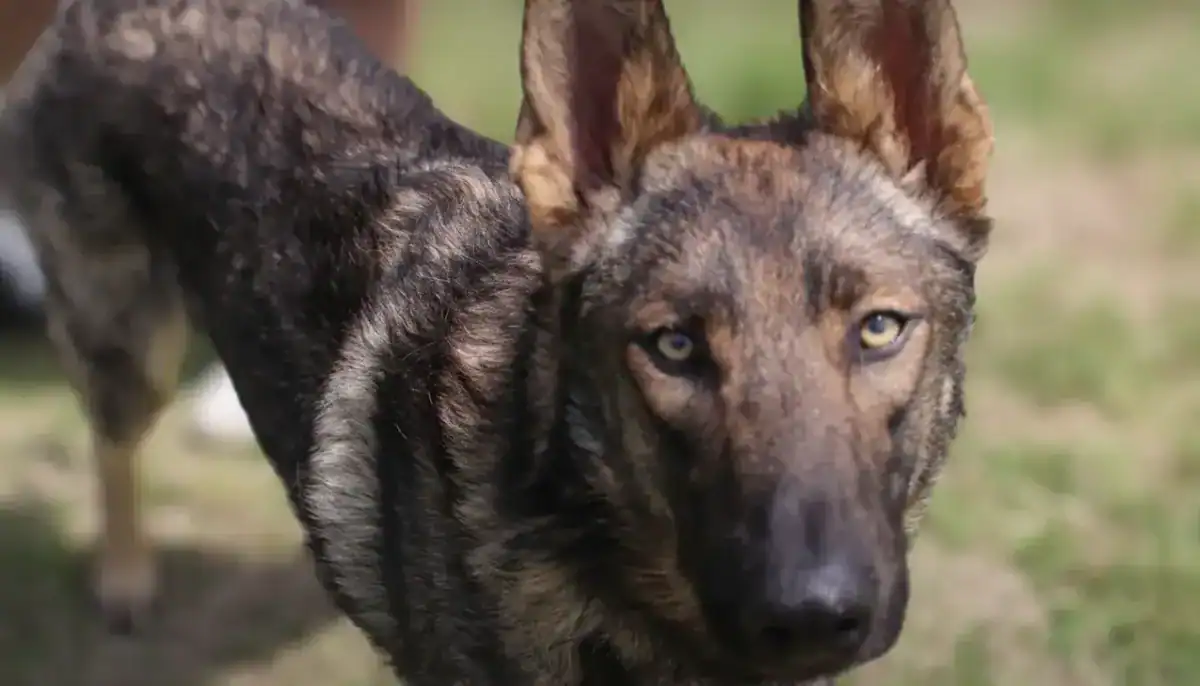
The Lupo Italiano is a rare Italian working breed developed in the 1960s for demanding search and rescue work across rugged mountain terrain.
What makes it unique is its blend of wolf-like ancestry and deep loyalty. Also known as the Italian Wolf Dog, or simply the Italian Wolf, these animals excel at avalanche recovery and disaster response while bonding intensely with a single primary handler. They show fierce dedication to the task and an independence that most pets simply do not have.
This guide draws on the breed’s documented past, the protocols built around it, and the guidelines of the Italian organization that manages it today. The goal is a clear picture of what living and working alongside one actually requires.
Daily life with one means hours of vigorous outdoor activity and firm, calm leadership from week one, with broad socialization running right through puppyhood. Handlers who commit to that structure are rewarded with a highly capable partner suited to extreme physical demands.
If you want a standard household companion, this is probably not the right choice for you. It rewards active handlers who can match its intensity, and it returns remarkable devotion to the right home, but it remains a working animal first.
Affiliate Disclosure: K9Sphere participates in the Amazon Services LLC Associates Program and other affiliate programs. K9Sphere earns from qualifying purchases made through links in this article at no additional cost to you. Product recommendations are based on independent research and editorial judgment, not paid placement.
Breed Snapshot
📊 Vitals and Lifespan
Height
Males: 23.5 to 27.5 in (60 to 70 cm)
Females: 22.8 to 25.5 in (58 to 65 cm)
Weight
Males: 77 to 88 lb (35 to 40 kg)
Females: 55 to 70 lb (25 to 32 kg)
Lifespan
12 to 14 years
Breed Group
Working type (not AKC, FCI, or ENCI recognized)
Origin
Italy
🇮🇹
⭐ Personality Traits
Ratings (1 to 5). This robust working dog needs an experienced handler and returns immense loyalty in exchange.
History and Origin
The Lupo Italiano was the product of a deliberate, privately funded project that later drew Italian state involvement. Its creator, former banker Mario Messi, began the program in 1966 with a clear goal. He wanted an animal robust enough for avalanche recovery and agile enough to work dense mountain terrain.
📌 1966: The Foundation Cross
The line traces back to a single hybrid, “Zorro,” born from a female Italian wolf of the Northern Lazio Apennines and a male German Shepherd trained for mountain work. He is regarded as the foundation animal of the breed.
📌 1970s to 1980s: Selective Breeding
Zorro and his descendants were bred back to German Shepherds under a strict selection program to fix the traits Messi wanted. They proved unusually willing to cooperate with people, unlike most wolf crosses, which made them valuable to Italian civil protection units.
📌 1988: Official State Recognition
The Italian Ministry of Agriculture and Forestry officially recognized the Lupo Italiano. Management was placed under a state-backed nonprofit, the Ente per la Tutela del Lupo Italiano (ETLI), and from its inception the breed could not be sold commercially, with breeding kept under controlled, non-profit oversight.
📌 2000s: Rescue Deployment
The breed proved its value during multiple disasters in Italy. A keen nose and a strong tolerance for cold made these animals valuable to alpine teams and the State Forestry Corps, locating avalanche and earthquake victims.
One important note on that origin story. While the founding narrative centers on wolf ancestry, some genetic analyses suggest that little measurable wolf DNA survives today, placing these animals close to the German Shepherd. The Italian Wolfdog is probably best understood as a distinct breed with a wolf-cross legacy rather than a true present-day hybrid. Crossing a German Shepherd with a wolf was not unique to Italy either; the earlier Dutch Saarloos Wolfdog had attempted a similar pairing, which makes the working success of il Lupo Italiano all the more notable.
Physical Characteristics
The look of this Italian dog reflects its wolf-cross legacy. These dogs are powerful, athletic animals built for endurance rather than speed. They move with a fluid, effortless gait that lets them cover rough ground for hours without tiring.
🐺 Wolf-Like Features
The head is distinctly wedge-shaped with strong jaws and erect ears that tip slightly forward. The eyes are often a striking amber or yellow. The overall expression is alert and watchful, and the build favors stamina and balance over bulk.
🧥 The Double Coat
A weather-resistant double coat, dense and slightly coarse on top, ranges from light beige and gray to darker, natural camouflage tones. It insulates well enough that these dogs work comfortably in deep snow and freezing temperatures.
🐕 Lupo Italiano or German Shepherd? Telling Them Apart
At a glance the two resemble each other, which is no surprise given the shared ancestry. The Lupo Italiano tends to be leaner and more wolf-like in the head, with a narrower, more wedge-shaped muzzle and amber eyes, where the German Shepherd usually has a broader head and a darker, more open expression.
The bigger differences are behavioral and legal. The German Shepherd Dog is widely recognized, available through registered breeders, and famously eager to please, while the Lupo has a far more independent temperament, is more reserved with strangers, and, according to the breed’s protected status, remains effectively unavailable to the public outside Italy’s entrustment system.
📏 What the Breed Standard Describes
According to the breed standard established by the Associazione degli Affidatari Allevatori del Cane Lupo Italiano (AAALI), the Lupo Italiano should show a wolf-like muzzle, powerful jaws, and pointed, medium-length ears, with almond-shaped eyes ideally gold in color. Adults stand roughly 58 to 68 cm at the shoulder, with a robust chest and a light, even tread. The coat is typically gray with tan, beige, or yellow-brown shades, though the standard also allows solid black or a small white patch on the chest. The result is an athletic, balanced appearance built for endurance rather than show-ring looks.
Character and Temperament
The Lupo Italiano’s temperament and behavior are complex. These animals are highly intelligent, deeply devoted to their handler, and naturally wary of strangers. A sound, balanced temperament depends heavily on early work; this is not a dog that wants to play fetch with unfamiliar people at the park. Its focus stays on the job and its trusted human partner.
🎯 Intense Loyalty
Once a bond forms, they are utterly devoted. They thrive when given a specific job to do alongside their person. Sharp minds mean they learn quickly, but they will tune out a handler they do not respect. Firm, calm leadership is a daily expectation.
🔥 Strong Prey Drive
The instinct to chase moving things runs deep. They need secure fencing and should not be trusted off-leash in open areas. Introducing one to a home with small pets calls for extreme caution and careful, early socialization.
🛡️ Protective Instincts
They carry a strong natural guarding instinct and will watch their territory and handler closely. That makes early, broad socialization vital. Without enough exposure to different people and places, that guarding side can tip into reactivity.
🧠 Problem Solving
Their search heritage gives them a real gift for problem-solving. A bored dog may use that intelligence to escape enclosures or become destructive indoors. Scent games, agility, or formal tracking exercises keep the mind occupied.
Because they are so smart, mental work matters as much as physical activity. A Lupo Italiano left idle will usually invent a job of its own, often something destructive.
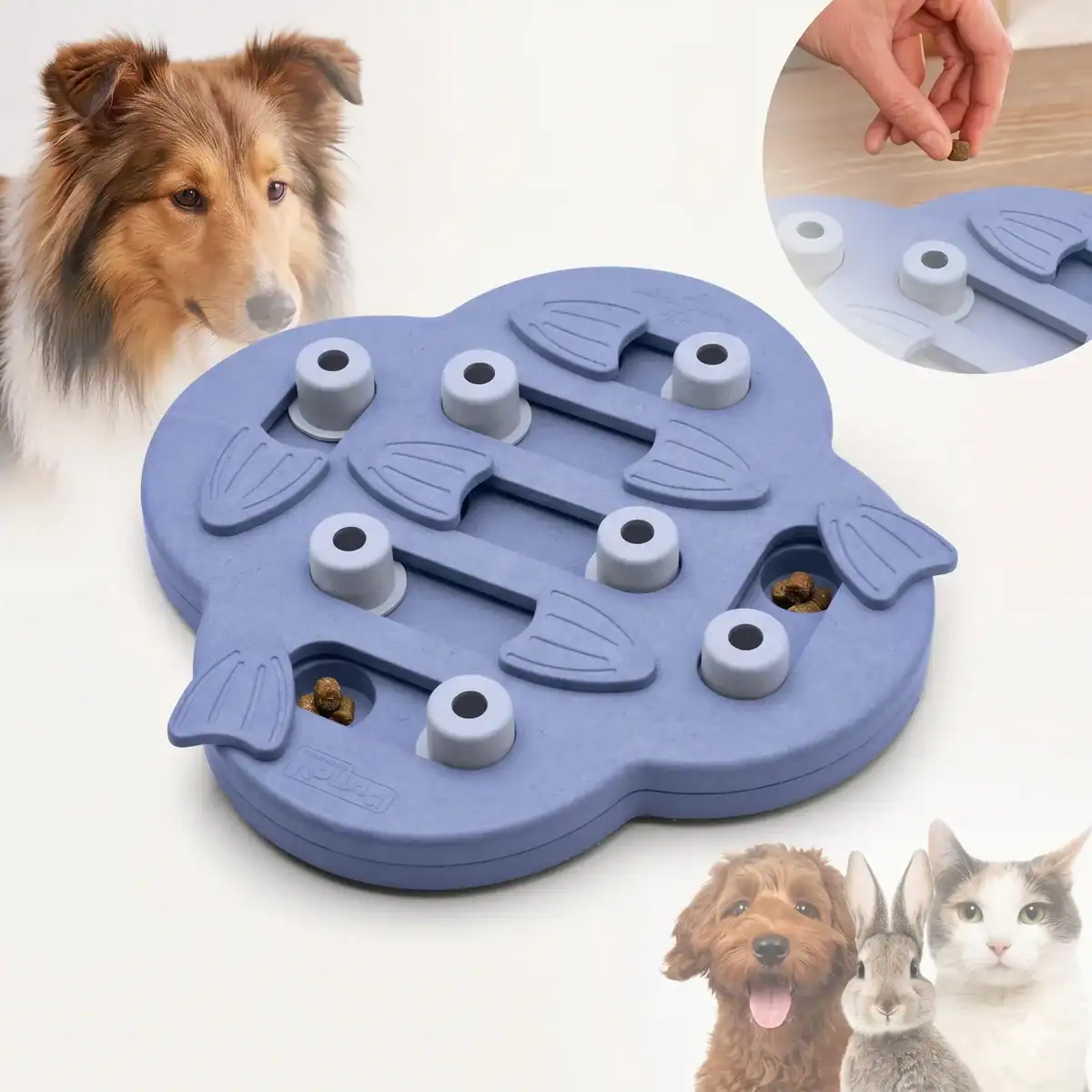
Outward Hound Nina Ottosson Dog Puzzle Toy
Use for: Giving a clever, restless mind something constructive to do indoors. A food puzzle makes the animal work for its rewards, which helps curb the escaping and destruction that come from boredom.
Check price on AmazonScreening and Conditions
Veterinary Disclaimer: The information in this article is for educational purposes only and is not a substitute for professional veterinary advice, diagnosis, or treatment. K9Sphere’s authors are experienced dog owners, not licensed veterinarians. Always consult a qualified DVM regarding any health concerns about your pet.
Health and Breed Information Sources:
- AAALI, the organization that manages the breed’s registry and entrustment for the Italian Ministry of Agriculture and Forestry
- Lupo Italiano breed reference for documented history, recognition status, and genetic studies
- OFA for standard joint-testing guidance used across large working breeds
Always consult your licensed DVM for personalized medical advice.
Because the Lupo Italiano was bred for function over looks, it is generally regarded as robust. Supporters credit its controlled breeding program with limiting some of the genetic bottlenecks seen in popular show lines, though independent data on it is limited. Even so, its large size and deep chest carry a few predictable risks worth screening for.
Common Health Risks
🔴 Gastric Dilatation-Volvulus (Bloat)
What to watch for: A swollen or hard abdomen, unproductive retching, heavy drooling, and obvious distress. Bloat happens when the stomach fills with gas and twists, cutting off blood supply. It is a life-threatening emergency that needs immediate surgery.
Management: Feed two or three smaller meals rather than one large bowl, and avoid hard activity for at least an hour before and after eating. Know the route to your nearest emergency vet.
🟡 Hip Dysplasia
What to watch for: Stiffness after rest, reluctance on stairs, and a bunny-hopping gait at speed. This joint malformation is common in large breeds and can shorten a working dog’s career if it progresses.
Screening: In structured working programs, dogs are typically x-rayed for joint health before active service. Keeping puppies lean through the growth phase reduces strain on developing joints.
🟡 Elbow Dysplasia
What to watch for: Front-leg lameness, especially after hard activity, with joint swelling that becomes more noticeable as cartilage wears with age.
Management: Maintaining lean muscle and providing joint-supporting nutrients helps delay the arthritis that can follow this condition.
🟡 Eye Conditions
What to watch for: Cloudiness in the lens, excess tearing, or bumping into things in low light. Large shepherd-type breeds can occasionally develop cataracts or progressive retinal atrophy later in life.
Screening: Annual veterinary exams should include an eye assessment to catch age-related changes early.

Nutramax Dasuquin with MSM Soft Chews for Large Dogs
Use for: Joint support in a large, hard-working animal prone to hip and elbow dysplasia. Glucosamine, chondroitin, and MSM supply cartilage building blocks that help an active dog hold its mobility under heavy physical demands.
Check price on AmazonAn orthopedic dog bed is worth adding to support the joints after long days in the field, since hard floors create pressure points that worsen joint issues over time in heavy, active animals.
Grooming and Coat Care
The thick double coat sheds steadily year-round and blows out heavily twice a year. These animals are not hypoallergenic. Plan on brushing at least three times a week to lift dead undercoat and prevent matting, moving to daily during a heavy blow.
Bathe only when the animal is genuinely dirty. The coat carries natural oils that repel water and dirt, and frequent shampooing strips those oils and irritates the skin. Round out the routine with nail trims every few weeks and an ear check after time outdoors in wooded country, where debris and moisture collect. During a heavy seasonal blow, an undercoat rake reaches the dense woolly layer a standard brush misses and keeps the loose hair off your floors.
Exercise and Living Needs
The Lupo Italiano demands a large amount of daily activity. Most adults require at least two hours of intense physical and mental work each day, through running, hiking, or structured scent games, to stay settled. They were built to cover mountain ground and locate people buried in snow, so a quick neighborhood walk tends to leave them frustrated and destructive indoors.
They are not suited to apartment living. A large property with high, secure fencing is essential, because their athleticism lets them clear standard fences when something worth chasing appears. They enjoy spending time outdoors and tolerate cold weather exceptionally well, though they always require access to warm, dry shelter.
Nutrition & Diet
A working animal needs quality fuel. Active adults do best on a premium diet rich in animal protein and healthy fats to sustain energy through long hours outside. Adjust portions to daily output, since one in active field service burns far more than one resting at home.
Puppies need a large-breed formula so their bones grow slowly and steadily; overfeeding a large-breed puppy accelerates joint issues like hip dysplasia. Keep the animal lean for life. You should be able to feel the ribs under the coat without pressing hard, and see a waistline from above.
Training
Training one takes an experienced handler who understands canine behavior. They do not respond to harsh physical corrections, which tend to trigger defensive aggression, and they tune out handlers who fail to set clear boundaries. Consistency, patience, and positive reinforcement with meaningful rewards build the mutual respect they work from.
Socialization should begin early and continue throughout adolescence and adulthood. Expose a puppy to different people, loud noises, vehicles, and varied environments while it is young. Because the protective instinct is so strong, the dog has to learn early how to tell normal human activity from a genuine threat. Formal obedience work is non-negotiable for safety and control.
Recall is the hardest skill to build and the most important. An independent, high-prey-drive animal will not return reliably once something worth chasing has its attention, so recall has to be trained early, rewarded heavily, and practiced for years on a long line before you ever trust it loose. For most handlers, true off-leash reliability in an open, unfenced area is a realistic goal only after extensive proofing, and many owners of the Italian Wolfdog never reach that point with full confidence. A securely fenced space remains the safe default.
Where they shine is scent and tracking work. The same nose and drive that made the breed valuable to mountain teams make tracking, nosework, and find-the-article games some of the most satisfying ways to occupy the mind. These tasks tap directly into what the animal was built to do, which keeps it engaged far longer than repetitive obedience drills.
Punishment-based methods tend to backfire badly here. Harsh corrections erode trust and can provoke defensive aggression rather than compliance, since a wary, independent animal reads force as a threat rather than a lesson. Short, varied, reward-based sessions that give it a reason to cooperate produce far better results than any attempt to dominate it.
Lupo Italiano vs German Shepherd vs Tamaskan Dog vs Czechoslovakian Wolfdog
Seeing how the Lupo Italiano stacks up against relatives makes the demands of ownership clearer. The German Shepherd sets the baseline for trainable intelligence, while the Tamaskan Dog offers a wolf-like look without the legal hurdles or hybrid legacy.
| Attribute | Lupo Italiano | German Shepherd | Tamaskan Dog | Czechoslovakian Wolfdog |
|---|---|---|---|---|
| Weight | 55 to 88 lb (25 to 40 kg) | 50 to 90 lb (22 to 41 kg) | 55 to 95 lb (25 to 43 kg) | 44 to 57 lb (20 to 26 kg) |
| Original Purpose | Search and rescue | Herding and guarding | Sled dog companion | Border patrol |
| Energy Type | High, extreme stamina | High, focused work | High, endurance runner | High, relentless |
| Trainability | Smart but independent | Highly eager to please | Smart but stubborn | Challenging, independent |
| Grooming | Heavy shedding, brush often | Heavy shedding | Heavy seasonal shedding | Heavy shedding |
| Threat Response | Protective, cautious | Alert, active guardian | Generally friendly but independent | Suspicious, defensive |
| First-Time Owner? | No, expert handlers only | Requires dedication | No, needs experience | No, expert handlers only |
| Common Health Risks | Bloat, hip and elbow dysplasia | Hip dysplasia, DM, bloat | Hip dysplasia, epilepsy | Hip dysplasia, EPI, dwarfism |
| Living Space | Acreage with secure fencing | House with large yard | House with secure yard | Acreage with secure fencing |
The German Shepherd is the easier choice for most owners. It is trainable, widely available, and eager to please. The Tamaskan delivers the wolf-like aesthetic with a friendlier temperament and no legal grey area. The Czechoslovakian Wolfdog is the closest match for the Lupo’s intensity and independence, and it too demands an expert handler. For most people, the appeal of the Lupo Italiano comes down to its search heritage and stamina, weighed against the reality that you cannot simply go out and acquire one.
Common Questions about the Lupo Italiano
How much does a Lupo Italiano cost?
Direct Answer: In practice you cannot buy one. Genuine examples are not sold commercially; they remain protected and are entrusted to approved handlers rather than purchased.
Context: Under the Italian rules that govern the breed, these animals are not commercialized. They are placed with approved handlers, usually people in search and rescue or civil protection, rather than offered for sale in any country.
Management: Treat any seller advertising a Lupo Italiano puppy for a cash price as a red flag. They are almost certainly offering a crossbred animal under a false label.
Is the Lupo Italiano a recognized dog breed?
Direct Answer: It is recognized and protected by the Italian government, but not by the AKC, the FCI, or Italy’s own ENCI.
Context: Its development was controlled for state rescue work rather than the show ring, and its wolf-cross origins sit outside the closed-pedigree rules most kennel clubs require. It remains a rare, specialized working dog.
Management: Look to the Italian state organizations that manage the breed, rather than standard kennel clubs, for accurate standards and working requirements.
Are Lupo Italianos aggressive?
Direct Answer: A well-bred, properly socialized Lupo Italiano is not typically aggressive toward people, but its strong guarding instincts and prey drive call for experienced handling.
Context: They are naturally cautious with strangers. An unsocialized one may read unfamiliar people or animals as threats and react defensively.
Management: Commit to rigorous daily obedience and broad early exposure to public settings so the dog stays neutral and stable around strangers.
Is the Lupo Italiano really a wolf hybrid?
Direct Answer: Its founding story is built on a 1966 wolf cross, but modern genetic studies suggest little surviving wolf ancestry in today’s dogs.
Context: The foundation dog, Zorro, did come from a wolf and German Shepherd pairing. Decades of breeding back to German Shepherds, however, leave current dogs genetically very close to that breed rather than to wolves.
Management: Treat them as high-drive working animals, not wild ones, and still check local wolfdog laws, which can apply based on reputation rather than DNA.
What is the lifespan of a Lupo Italiano?
Direct Answer: They typically live 12 to 14 years in good health.
Context: That is a solid range for a large working breed, helped by selection that prioritized functional health and stamina over appearance.
Management: Quality nutrition, lean body weight, and joint support help them stay mobile into their senior years.
Is the Lupo Italiano a good family dog?
Direct Answer: They are fiercely devoted to their household but are not a fit for typical families or anyone wanting a casual companion.
Context: Their size, intensity, and independence are too much for most homes. They do best with one primary handler who provides firm structure and a real daily job.
Management: If you want a similar look with a more adaptable temperament, a Tamaskan Dog or a well-bred shepherd is a far more realistic choice.
How much exercise does a Lupo Italiano need?
Direct Answer: At least two hours of hard, purpose-driven exercise every single day.
Context: Casual walking is not enough. They need work that tires both body and mind, such as agility, tracking, or long-distance running.
Management: Build your routine around that demand. A properly exercised working animal is a calm, well-behaved one.
Is the Lupo Italiano legal in the United States?
Direct Answer: In many states, yes, but regulations vary by state and local jurisdiction.
Context: Although modern dogs of this breed carry little measurable wolf ancestry, some authorities regulate or restrict breeds associated with wolfdog heritage regardless of actual DNA.
Management: Always check your state and local laws on wolfdogs before owning or importing any wolf-associated breed, since penalties can be severe.
Can anyone own a Lupo Italiano?
Direct Answer: No, ownership is heavily restricted and generally limited to approved handlers and official personnel in Italy.
Context: The AAALI manages where these dogs are placed, entrusting them to people who will use them for their intended search and rescue purpose.
Management: If you admire the breed but do not work in Italian rescue, look at legally available alternatives with a similar look and drive.
Why is the Lupo Italiano so rare?
Direct Answer: Because breeding is tightly controlled by Italian organizations and the dogs are not sold commercially.
Context: Unlike most breeds, the Italian Wolfdog was developed primarily for rescue and civil protection, and breeding stays restricted to preserve that ability and its protected status.
Management: Expect very limited availability, especially outside Italy, and treat any “readily available” litter with suspicion.
Finding a Puppy
Getting a genuine Lupo Italiano is nothing like buying a normal purebred puppy. Because the breed is protected by the Italian state, these animals cannot be bought or sold commercially. Placement runs through a strict entrustment program managed by the organization dedicated to its preservation.
🏠 The Entrustment Process
The AAALI, which succeeded the original ETLI organization, oversees the breed today and places these animals only with approved handlers, who are almost always volunteers tied to civil protection, alpine teams, or the State Forestry Corps. An applicant has to prove the experience, the environment, and a genuine operational reason to house and train one effectively. This is a vetting process, not a sale.
🐾 Alternatives to Consider
Because legal ownership outside that Italian system is nearly impossible, people drawn to the look and capability often turn to the Czechoslovakian Wolfdog or the Tamaskan Dog. Both are available through reputable breeders and offer similar physical traits, though they still demand serious handler experience.
🚩 Scams and Fake Breeders
- Any breeder advertising puppies for a cash price is almost certainly running a scam. Genuine examples of this lineage are not sold.
- Sellers claiming AKC registration are misrepresenting the dog, since the breed is unrecognized in the US.
- Be wary of undocumented German Shepherd crosses marketed as rare Italian wolfdogs to inflate the price.
- A legitimate handler can trace paperwork back to the official Italian registry.
Personal Observation
💭 Personal Observation
My rescue Rambo is a high-energy boy who needs real athletic output every day, and a working breed like the Lupo Italiano runs on that same relentless stamina, only more so. My senior rescue Rusty, who is around twelve, takes the outdoors in stride with a hardy independence, and this Italian line shows a similar toughness in rough weather.
What Rambo taught me is simple. Skip a morning run and the day fills up with restlessness and chewed-up yard items by evening. High-drive dogs need a job to stay balanced. Give them clear work and you get a wonderful partner. Expect a quiet companion and you will struggle fast.
Conclusion
The Lupo Italiano is an extraordinary working breed built for mountain search and disaster recovery. It offers deep stamina, keen intelligence, and intense devotion to a handler who provides the firm leadership and heavy daily activity it demands. In the right professional setting, it is a remarkable partner.
The trade-off is that casual ownership is essentially off the table. The prey drive, the independence, and the heavy shedding all demand constant management, and its protected legal status in Italy keeps it out of reach for the public. Anyone wanting an easier companion is far better served by a Labrador Retriever or a standard shepherd.
📋 Before pursuing one, run this 4-step check
- Exercise commitment. Can you provide two hours of intense, job-focused activity every day?
- Legal availability. Are you part of an official rescue organization that qualifies for entrustment?
- Handler experience. Have you trained strong-willed, independent working breeds before?
- Secure containment. Do you have a large property with high, escape-proof fencing?
If any answer is no, reconsider the breed.
Editorial Disclaimer: This article is for informational and educational purposes only. It does not constitute veterinary advice, medical diagnosis, or treatment recommendations. Always consult a licensed veterinarian before making health-related decisions for your pet.
Accuracy Notice: While every effort has been made to ensure the information presented here is accurate and current, breed information evolves and individual dogs vary. If you spot a factual error or have updated information from a verified source, please contact us so we can review and update.
Product Disclosure: Product recommendations are based on independent research and editorial judgment. Individual results may vary. K9Sphere participates in the Amazon Services LLC Associates Program and other affiliate programs, and earns from qualifying purchases at no additional cost to you.
Last reviewed: June 2026. Article reviewed for accuracy on the date shown above.


