

The Goldador is a substantial designer crossbreed popularized in the United States, developed by pairing the Golden Retriever and the Labrador Retriever to create a highly trainable, affectionate, and capable working dog. Combining America’s two most beloved family breeds into a single hybrid breed has made the Goldador dog breed an easy choice for service-dog programs near major US cities.
What many prospective owners miss is the intense physical reality of combining two relentless retrieving specialists into one substantial frame. They do not cancel out each other’s drive; they compound it.
This guide draws on established Goldador dog breed information from veterinary sources covering both parent breeds to outline the exact exercise, shedding, and orthopedic requirements of managing a Golden Lab mix. As a hybrid breed of dog, accurate care guidance for these breed dogs depends on understanding both parental lineages.
Both parent lines bring known genetic predispositions to hip and elbow dysplasia, obesity, and certain cancers. While hybrid vigor can offer some genetic benefits, ignoring structural support in a dog weighing up to 80 pounds commonly results in long-term mobility issues.
While their sensitive and tolerant working dog temperament makes them exceptional family members, their care requirements are often underestimated. The pro side is profound bonding and trainability; the con is that the Goldador demands moderate grooming but heavy shedding management, strict dietary control, and consistent mental stimulation and structured activity. With a typical lifespan of 10 to 12 years, families across the USA should plan for over a decade of consistent commitment.
Affiliate Disclosure: K9Sphere is a participant in the Amazon Services LLC Associates Program. As an Amazon Associate, K9Sphere earns from qualifying purchases made through links in this article at no extra cost to you.
Breed Snapshot
📊 Vitals and Lifespan
Height
Males: 23-24 inches (58-61 cm)
Females: 21.5-22.5 inches (55-57 cm)
Weight
Males: 65-80 lb (29-36 kg)
Females: 55-70 lb (25-32 kg)
Lifespan
10-12 years
Registry
Not AKC Recognized
Origin
United States
🇺🇸
⭐ Personality Traits
Ratings (1 to 5). This hybrid blends extreme biddability with high drive, resulting in a demanding but rewarding family companion.
History and Origin
Unlike ancient foundation breeds, the Goldador is a relatively recent breed developed with a specific utility in mind. Breeders intentionally crossed the two most successful retrieving lines to maximize working intelligence and physical stamina. The result is a designer cross that captures the workmanlike reliability of both parent breeds in a single dog, though without the genetic predictability of a recognized purebred.
📌 Pre-1990s: The Parent Stock
Both parent breeds share common ancestry. The Labrador descends from the St. John’s water dog of Newfoundland, designed to haul fishing nets in freezing waters. The Golden Retriever was refined in Scotland to retrieve waterfowl over rugged terrain. Both are specialist working athletes.
📌 1990s: The Intentional Cross
Organizations dedicated to guide dog and search-and-rescue work began intentionally crossing the two breeds in the United States. The goal was to combine the Labrador’s robust physical tolerance with the Golden Retriever’s intense sensitivity to human emotion.
📌 2000s: Service Dog Prominence
The crossbreed rapidly proved its value. Goldadors became commonly used in service and assistance roles, thanks to their predictable temperament and high food drive.
📌 2026: Registry Status
Because it is a mixed breed, the Goldador is not recognized by major kennel clubs such as the AKC or FCI. Some designer-dog registries list the cross, but there is no universal official breed standard. This lack of formal oversight makes parental testing entirely dependent on the individual breeder’s ethics.
Physical Characteristics
Because they are a crossbreed, appearance varies widely even within the same litter. Some individuals take on the blocky head and shorter coat of the Labrador, while others inherit the longer furnishings and slightly softer expression of the Golden Retriever. Either way, this is an athletic dog built for sustained physical work.
🦴 Athletic Frame
They possess a deep chest and a sturdy, well-muscled build capable of sustained sprinting. Their robust paws reflect their retrieving heritage, and many are powerful and enthusiastic swimmers.
🎨 The Double Coat
They carry a dense, water-resistant undercoat beneath a protective topcoat. Coat color ranges heavily from pale cream and rich gold to solid black or chocolate, depending entirely on the specific genetics of the Labrador parent.
Character and Temperament
The goldador personality is defined by an overwhelming desire to interact with humans. They do not do well with isolation and require active integration into daily household routines.
🤝 Extreme Sociability
They greet strangers and family members with equal enthusiasm. This makes them outstanding companions but effectively useless as guard dogs. They are far more likely to retrieve a toy for an intruder than bark at one.
🎾 Relentless Drive
The retrieving instinct is hardwired. They will carry objects in their mouths constantly and require constructive outlets for this behavior. Without a job to do, there is a high likelihood they will invent one, which frequently involves chewing household items.
🧠 Cognitive Processing
They are exceptionally intelligent and learn complex tasks rapidly. This cognitive speed means they thrive in structured obedience and scent-work sports, but they become highly frustrated if left alone in a backyard with nothing to analyze.
🫂 Separation Sensitivity
Their intense bond with their human handlers makes them highly prone to separation anxiety. They need to be taught independence from an early age to prevent destructive panic when the house is empty.
Screening and Conditions
Veterinary Disclaimer: The information provided in this article is for educational purposes only and is not intended as a substitute for professional veterinary advice, diagnosis, or treatment. Always consult a licensed veterinarian for any concerns about your pet.
Reference Sources: Health data compiled from:
- OFA (Orthopedic Foundation for Animals): Required skeletal screening protocols for parent breeds
- AKC: Veterinary data on Golden Retriever cancer prevalence and Labrador obesity risks
Always consult your licensed DVM for personalized medical advice.
Hybrid vigor is not a guarantee of soundness. A Goldador inherits risks from both sides of the genetic line. Both parent lines bring inherited risks, especially regarding orthopedic concerns and the cancer prevalence noted in the Golden Retriever lineage. Goldador health relies entirely on rigorous parental testing.
Common Inherited Conditions
🔴 Joint Dysplasia (Hip and Elbow)
What to watch for: Abnormal development in the hip or elbow joints causes bone to grind on bone, leading to severe arthritis, pain, and eventual lameness in big, active dogs.
Screening: OFA or PennHIP evaluation on both parent dogs is essential for responsible breeding. Early intervention and providing an orthopedic dog bed can mitigate orthopedic stress.
🔴 Progressive Retinal Atrophy (PRA)
What to watch for: A genetic disease common in retrievers that causes gradual deterioration of the retina. Symptoms often begin as night blindness and progress to total loss of vision.
Screening: A clear DNA test and annual examinations by a veterinary ophthalmologist are highly recommended for breeding stock.
🔴 Cancer (Golden Retriever Inheritance)
What to watch for: The Golden Retriever side of the lineage carries one of the highest documented cancer rates of any dog breed, with hemangiosarcoma and lymphoma being the leading causes of death. Watch for unexplained lethargy, persistent lumps, sudden weight loss, or pale gums in middle-aged and senior dogs.
Screening: Annual veterinary checkups including bloodwork become essential after age 6. Choose breeders whose Golden Retriever parent line has documented longevity records and whose dogs have lived past 11 to 12 years without cancer-related deaths.
🟡 Skin and Ear Infections
What to watch for: Their dense double coat and heavy, floppy ears trap moisture efficiently. This creates an ideal environment for recurring yeast and bacterial infections (malassezia), especially in humid climates.
Screening: Routine ear cleaning after swimming and thorough drying of the coat are essential preventive measures.
Consult your veterinarian before starting any supplement regimen for your dog.
Because of the breed’s documented joint vulnerability, many handlers begin a daily glucosamine-and-chondroitin protocol well before any clinical signs appear.
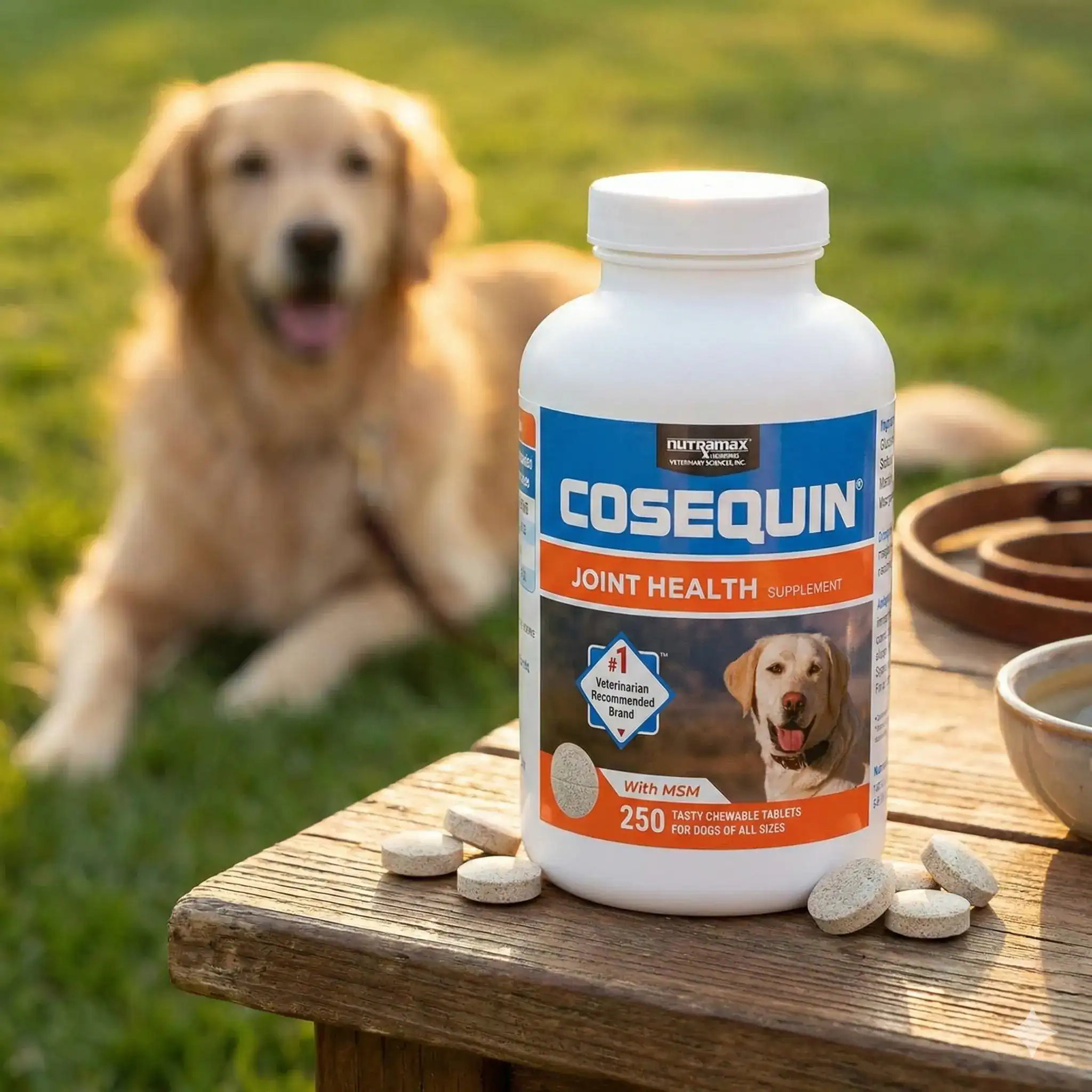
Nutramax Cosequin for Dogs Joint Care Supplement
Use for: Supporting joint health in heavy retriever mixes prone to hip and elbow dysplasia. Contains glucosamine to help protect cartilage during vigorous physical activity.
Check price on AmazonGrooming and Coat Care
Do not underestimate the grooming commitment. The Goldador is a heavy shedder that drops loose fur year-round, punctuated by two massive seasonal coat blowouts. Your vacuum cleaner will work overtime.
Most owners find an undercoat-specific deshedding tool removes far more loose fur per session than a standard brush, dramatically cutting the volume that ends up on furniture and floors.
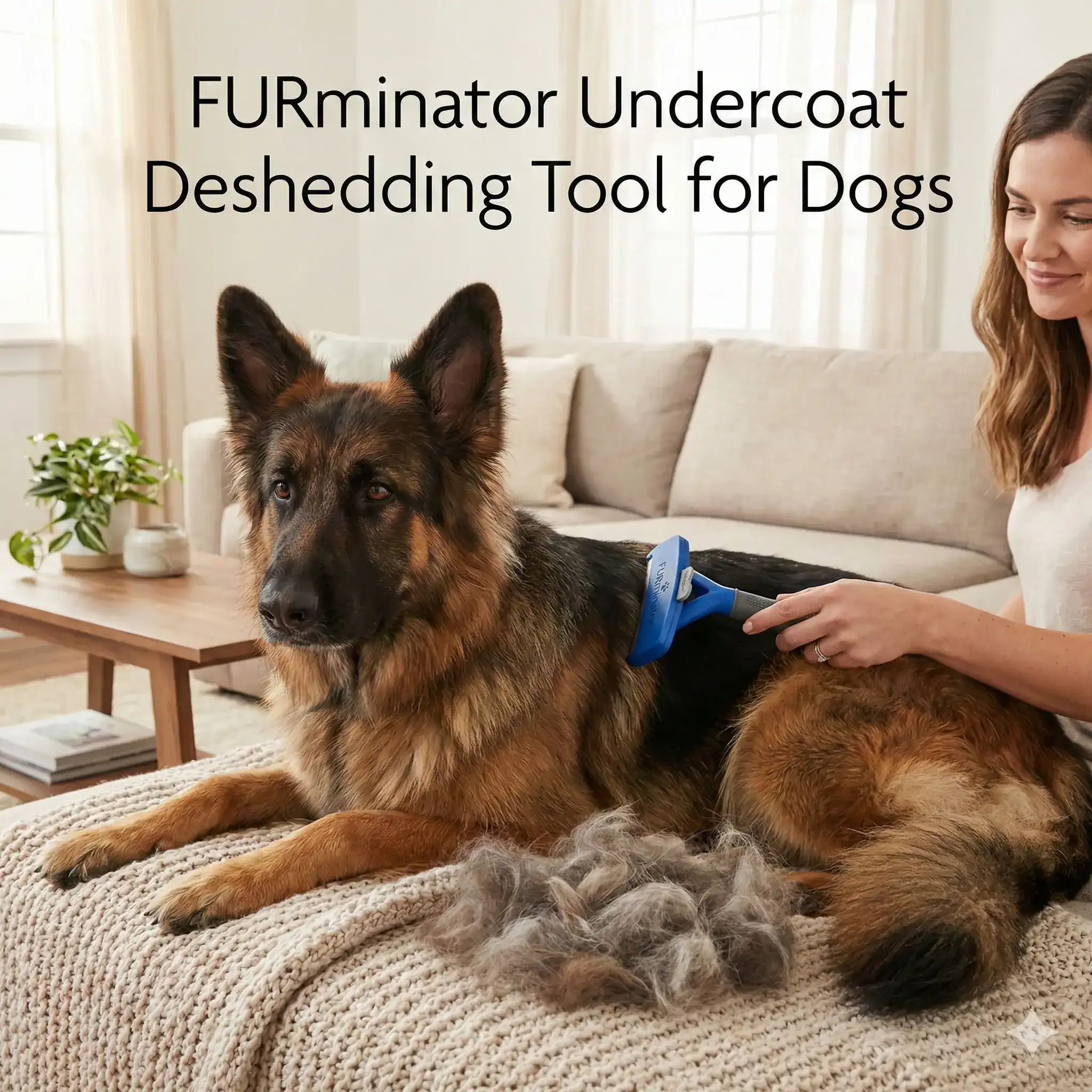
FURminator Undercoat Deshedding Tool for Dogs
Use for: Reaching through the dense, water-resistant topcoat to remove loose undercoat dog hair before it covers furniture, helping to reduce shedding inside the home.
Check price on AmazonRegular brushing with an appropriate grooming tool helps remove dead hair and reduces the amount of shedding inside the home. Double-coated breeds like the Goldador benefit from tools designed specifically for reaching the dense underlayer rather than standard surface brushes.
Bathing should be done infrequently to preserve the natural oils that waterproof their coat. However, thorough drying after any swim is critically important to prevent hotspots and bacterial infections in the dense fur.
Exercise and Living Needs
A quick stroll around the block is rarely enough for this breed. They require at least 60 to 90 minutes of vigorous workout to maintain their physical condition and behavioral stability. Swimming, hiking, and intensive games of fetch are mandatory.
Physical exhaustion must be paired with mental work. Use puzzle toys, hide-and-seek games, and advanced obedience drills to tire their brains. A bored Goldador will quickly turn to chewing furniture or excessive barking to alleviate their frustration.
Nutrition & Diet
Dietary management is crucial. Both parent breeds have a well-documented genetic propensity for obesity, which acts as a multiplier for skeletal deterioration.
🐶 Puppy Stage
Growth must be strictly controlled using a big-breed puppy formula. Rapid weight gain stresses developing cartilage and triggers permanent skeletal damage. Establish scheduled feeding times and avoid leaving bowls of food out all day.
🐕 Adult Stage
Measure every meal. You should easily feel their ribs beneath the thick coat. Given the deep chest inherited from the Labrador side, divide their food intake into two smaller meals of a balanced large-breed formula with adequate protein, and enforce a rest period after eating to minimize the risk of gastric torsion (bloat).
🐕🦺 Senior Stage
As their metabolism drops, transition to a lower-calorie senior diet. This is the optimal time to integrate hip and joint supplements to preserve mobility and manage the onset of age-related arthritis. Your vet should review the senior nutrition plan annually.
Training
Their eagerness to please makes them highly trainable, but their size means poor manners quickly become a massive physical liability.
🛑 Hard Limits and Consistency
They use their mouths to interact with the world. You must teach bite inhibition from day one. Do not allow puppies to nip hands or clothing, as an 80-pound adult dog mouthing an arm is dangerous, regardless of their friendly intent. Crate training during the puppy stage builds independence and prevents destructive chewing when you cannot supervise.
🎯 Focus Under Distraction
Because they love everyone, their default reaction is to pull toward passing people and dogs. Leash training must focus on maintaining a heel position past high-value distractions. Reward eye contact and calm behavior heavily.
Goldador vs Labrador Retriever vs Golden Retriever vs Borador
Understanding how the Goldador compares to similar retriever types helps clarify exactly what ownership entails. The primary alternatives are the parent breeds and the Borador.
| Attribute | Goldador | Labrador Retriever | Golden Retriever | Borador |
|---|---|---|---|---|
| Weight | 55-80 lb (25-36 kg) | 55-80 lb (25-36 kg) | 55-75 lb (25-34 kg) | 40-60 lb (18-27 kg) |
| Original Purpose | Service & Retrieval | Waterfowl Retrieval | Upland Retrieval | Herding & Retrieval |
| Energy Type | Sustained drive | Enthusiastic bursts | Steady and reliable | Intense, restless drive |
| Trainability | Exceptional | Excellent | Exceptional | Highly intense |
| Grooming | Heavy shedding | Moderate-heavy | High maintenance | Moderate shedding |
| Threat Response | Welcoming | Friendly | Friendly | Alert, occasionally vocal |
| First-Time Owner? | Yes | Yes | Yes | Challenging |
| Vet Cost Burden | Moderate-High (Joints / Cancer) | Moderate (Joints / Obesity) | Elevated (Cancer prevalence) | Moderate (Joints / Eye) |
| Living Space | Yard strongly preferred | Flexible with exercise | Yard preferred | Large yard mandatory |
The Goldador sits squarely between its parents in terms of coat maintenance and sheer physical power. They are less neurotic than a Borador, which introduces intense herding genetics into the mix, making the Goldador a more predictable family companion. However, if you want a guaranteed short coat, the purebred Labrador Retriever is the safer choice.
Common Questions about the Goldador
Is a Goldador a good dog?
Direct Answer: Yes, a well-bred Goldador is widely considered one of the best family and service dogs available, prized for friendly, tolerant, and non-aggressive nature.
Context: Both parent breeds are renowned for their stable temperaments. Aggression in a Goldador is highly atypical and usually points to severe under-socialization, fear, or an underlying medical issue causing pain. Their intelligence and eagerness to please make them outstanding companions for active families.
Management: Expose puppies to diverse environments, sounds, and people during their critical socialization window to build confidence into adulthood.
Do Goldadors bark a lot?
Direct Answer: They are moderate barkers, typically only vocalizing to alert you to arrivals or when deeply bored.
Context: They are not nuisance barkers by nature, but their intelligence means they will use their voice to demand attention if their physical and mental activity needs are ignored.
Management: Ensure they receive at least an hour of rigorous daily workouts. Never reward demand barking with attention.
Can they live in an apartment?
Direct Answer: It is challenging and usually not ideal for a dog of this size level.
Context: A 80-pound retrieving mix needs significant room to stretch. While they can adapt to apartment living if the owner is exceptionally dedicated to outdoor activity, a home with a securely fenced yard is far more suitable.
Management: If living in an apartment, commit to two long walks and a rigorous off-leash play session every single day, rain or shine.
How much does a Goldador cost?
Direct Answer: A puppy from a breeder conducting proper health tests generally costs between USD 800 and USD 1,500.
Context: Because they are a designer hybrid, prices can fluctuate wildly. Beware of breeders charging inflated rates for “rare” colors without providing OFA orthopedic clearances for the parent dogs.
Management: Budget substantial budgets for premium food, supplementation, and routine veterinary care across the 10 to 12 year lifespan.
How long will a Goldador live?
Direct Answer: A healthy Goldador typically lives 10 to 12 years, though some well-bred individuals reach 13 to 14 years.
Context: Lifespan correlates strongly with the longevity records of the parent breeds. Goldens with documented family longevity past 11 years and Labradors with clean orthopedic scoring tend to produce the longest-lived offspring. Cancer is the leading cause of premature death in this hybrid.
Management: Maintain lean body weight to extend mobility years, schedule annual senior bloodwork starting at age 6, and feed a high-quality large-breed diet throughout life.
Do they shed a lot?
Direct Answer: Yes, they shed continuously year-round and experience heavy seasonal blowouts.
Context: You cannot breed a Golden Retriever to a Labrador and expect a low-shedding dog. Their dense double coat is designed to protect them in water and brush, and it drops dead hair constantly.
Management: Commit to brushing them at least three times a week with an undercoat rake or deshedding tool to keep the hair manageable inside the house.
Are they good with kids?
Direct Answer: Yes, they are highly tolerant and affectionate, making them excellent family companions.
Context: Their stable temperament allows them to handle the chaotic energy of children well. However, their large size and bouncy enthusiasm mean a young Goldador can easily knock over a toddler by accident.
Management: Always supervise interactions between big dogs and small children, and teach kids how to respect the dog’s physical boundaries.
Are Goldadors hypoallergenic?
Direct Answer: Absolutely not. They produce a significant amount of dander and shed heavily.
Context: Neither parent breed carries the genetic traits required for a low-allergen coat. If someone in your household suffers from severe dog allergies, this is the wrong breed choice entirely.
Management: Families requiring a hypoallergenic dog should look toward Poodle crosses or purebreds with hair rather than fur.
Do they like water?
Direct Answer: Yes, most inherit a deep love for swimming from both sides of their lineage.
Context: With water-resistant coats and sturdy paws, they are natural aquatic athletes. Swimming provides excellent, low-impact exercise that protects their vulnerable joints.
Management: Introduce them to water positively when young. Always rinse their coat and thoroughly dry their floppy ears after swimming to prevent bacterial infections.
When does a Goldador stop growing?
Direct Answer: Most Goldadors reach their full adult height by 12 to 18 months of age, with muscle and chest filling out until roughly 24 months.
Context: Like both parent breeds, Goldadors are slow-maturing large dogs. Their skeletal frame finishes developing earlier than their muscular build, which is why over-exercising young puppies on hard surfaces can permanently damage joints before growth plates fully close.
Management: Avoid forced jogging, repetitive jumping, and stair-climbing during the first year. Stick to flat-ground play and short on-leash walks, and feed a controlled large-breed puppy formula until at least 15 months.
Finding a Puppy
Locating a puppy from a reputable breeder requires patience. Any litter offered for immediate sale near you without health-test documentation is a red flag.
Before buying a Goldador puppy, run this 4-step check: (1) Can you provide 90 minutes of daily retrieving or vigorous exercise? (2) Are you prepared for the veterinary expenses associated with big-breed dysplasia and cancer evaluation? (3) Can you commit to early obedience training to manage their sheer physical size and enthusiasm? (4) Have you met adult Golden Retriever and Labrador Retriever crosses to understand their intense shedding and spatial needs? If any answer is no, reconsider the breed.
🏠 Responsible Source
Finding an ethical breeder for a designer cross is difficult. You must demand physical proof of OFA certifications for the skeletal joints, and cardiac results on both the Labrador and Golden Retriever parents. Good breeders select for stable temperament and longevity, not just coat color.
🐾 Rescue Organizations
Retriever mixes are commonly seen in rescue networks and local shelters, often surrendered by owners overwhelmed by their daily needs and shedding needs. Adopting an adult dog lets you bypass the destructive puppy phase and accurately assess their structural health.
🚩 Red Flags to Watch For
- Inability to provide official skeletal scoring documents for the parents.
- Marketing puppies as “hypoallergenic” or “non-shedding.”
- Litters available immediately without any waitlist or handler screening.
- Parents exhibiting extreme fear, pacing, or unprovoked aggression.
- Breeding specifically for “rare” colors like silver while ignoring orthopedic health.
Personal Observation
💭 Personal Observation
When Bruno, my Labrador, dealt with recurring yeast infections in his ear canal and skin folds every humid season, I learned how quickly a double-coated retriever can develop dermatological issues. The heavy ear flap sealed moisture against the skin, creating an ideal environment for malassezia (fungus) to thrive. The Goldador faces that same problem, amplified by the longer furnishings inherited from the Golden Retriever side. The extra fur traps heat and dampness even more effectively after a swim or a walk in the rain. Thoroughly drying the coat down to the skin and wiping out the ears is an essential health protocol. If you ignore it, there is a high likelihood you will spend your summer fighting chronic skin infections and paying high veterinary dermatology bills.
Conclusion
The Goldador merges the finest traits of the Golden Retriever and the Labrador into one highly capable, deeply affectionate working dog. They offer unmatched sociability and a natural willingness to cooperate with human handlers.
However, this exceptional temperament comes wrapped in a demanding physical package. They require an owner willing to manage heavy year-round shedding, enforce strict dietary limits to protect vulnerable joints, and provide consistent mental stimulation and structured activity. For families willing to meet those needs, the Goldador is an incredibly rewarding companion.


