
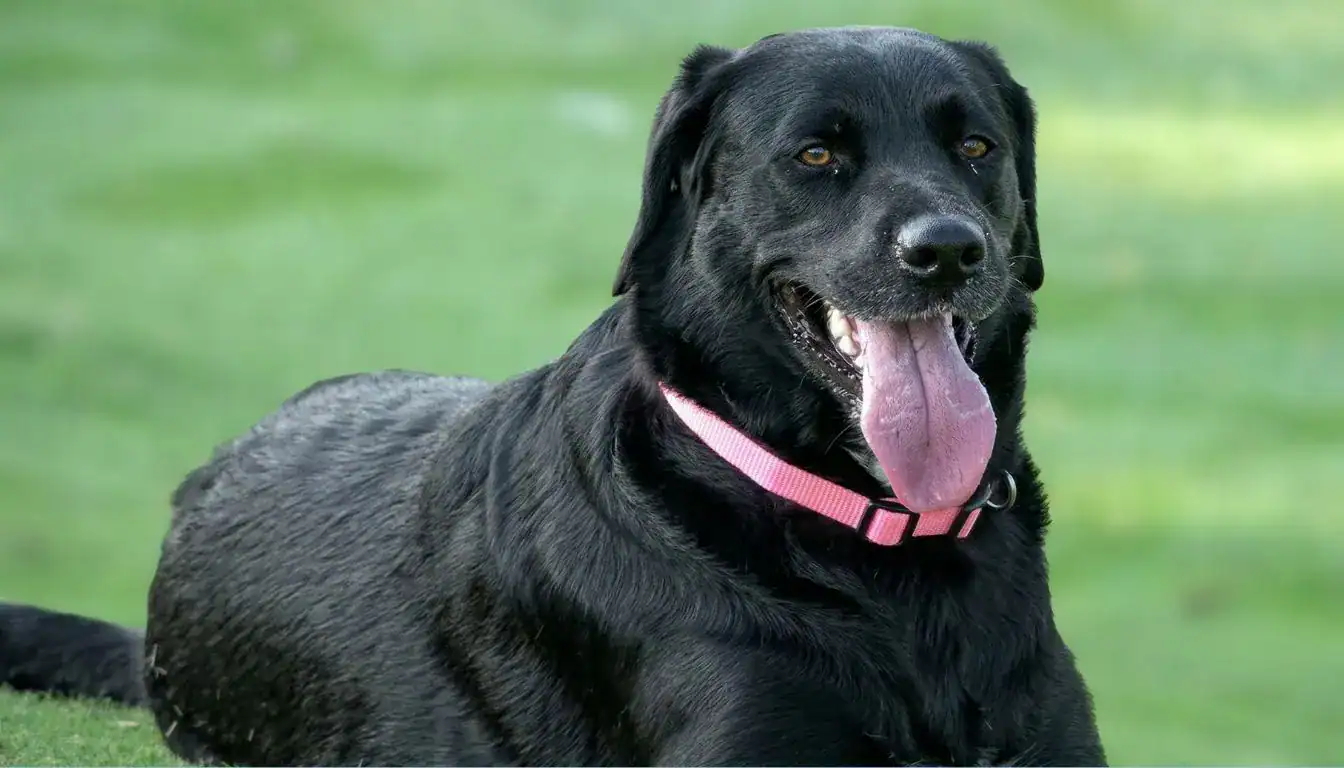
The Borador is an intentional American designer crossbreed developed from the Labrador Retriever and Border Collie, combining the Lab’s friendly steady nature with the Collie’s razor-sharp working focus. The result is a medium-sized hybrid engineered for perpetual motion and close human partnership.
Families often adopt this hybrid expecting a mellow companion that occasionally plays fetch. Instead, many find themselves sharing space with a brilliant, restless athlete that requires a dedicated daily job to remain balanced. High-drive working genetics from both parent lines shape every aspect of ownership.
While their quick minds and loyalty are remarkable, their care requirements are often underestimated by first-time dog people seeking an easy first pet.
Affiliate Disclosure: K9Sphere is a participant in the Amazon Services LLC Associates Program. As an Amazon Associate, K9Sphere earns from qualifying purchases made through links in this article at no extra cost to you.
Breed Snapshot
📊 Vitals and Life Span
Height
19-24 inches (48-61 cm)
Weight
40-65 lb (18-29 kg)
Life Expectancy
12-15 years
Registry
Not AKC Recognized
Origin
United States
🇺🇸
⭐ Personality Traits
Ratings (1 to 5). As a working crossbreed, expect intense physical stamina and a deep need for daily mental stimulation.
History and Origins
The intentional crossing of purebred dogs gained massive popularity in North America during the late 20th century. Breeders sought to combine the friendly, steady nature of the Labrador Retriever with the razor-sharp focus of the Border Collie.
📌 Border Collie Origins
Developed in the border country between Scotland and England, the Border Collie was bred to control sheep using an intense, hypnotic stare known as “the eye,” working independently across rugged terrain for hours without human direction.
📌 Labrador Origins
The Labrador Retriever originated as a rugged water dog working alongside fishermen in Newfoundland, Canada. Their soft mouth, love of water, and eagerness to please made them the world’s most widely adopted retrieval breed by the 20th century.
📌 The Borador Cross Emerges
The deliberate Border Collie-Labrador pairing was engineered to combine the Lab’s steady, people-focused temperament with the Border Collie’s exceptional working intelligence. The result is a high-drive hybrid that excels at almost any task it is given, from service work to competitive dog sports.
📌 Current Registry Status
The Borador remains a designer hybrid and is not recognized by the American Kennel Club or other major purebred registries. It is, however, documented by organizations that track intentional crossbreeds such as the International Designer Canine Registry. This unregistered status means working-line health screening and parent verification become the buyer’s responsibility.
Because they are a hybrid, they are not recognized by the American Kennel Club as a distinct breed. However, both parent lines bring centuries of specialized working genetics to the cross. When you combine their two histories, you do not simply water down their intensity. You create a dog that wants to work closely with humans all day long.
Physical Characteristics
Predicting the exact appearance of any mixed breed is difficult. Some puppies strongly favor their Lab parent, while others look entirely like overgrown Border Collies. Most fall squarely in the middle, with a medium build that is larger than many companion breeds but smaller than true working giants, physically manageable for most adults.
📏 Size and Build
They typically stand 19 to 24 inches (48-61 cm) at the shoulder and weigh 40 to 65 pounds (18-29 kg). Their build is athletic and leaner than a bench-bred Labrador, with deep chests for stamina and muscular hindquarters built for sudden acceleration and quick directional changes.
🎨 Coat and Color
Coat colors vary widely. Black with white chest markings is the most common. You will also see solid black, chocolate, yellow, or merle patterns if the Border Collie parent carried that gene. They have a dense double coat from both parent lines. They are not natural couch potatoes, but with enough structured exercise they settle into a calm indoor routine in the evenings.
Temperament and Personality
The personality of this crossbreed is defined by an absolute eagerness to engage with their environment. They do not want to sit passively on the sidelines; they want to be actively involved in whatever you are doing. This is an unusually intelligent cross, capable of picking up new cues after only a few repetitions. If you want a truly fetch-loving partner, this mix often brings both the Lab’s ball obsession and the Collie’s focus to every session.
🧠 The Scholar
They learn commands with terrifying speed. This high intelligence means they can master complex tricks easily. It also means they will quickly figure out how to open gates, bypass baby gates, and manipulate you into giving them extra treats.
🎾 The Fetch Addict
Labradors live to retrieve. Border Collies obsess over moving objects. Put them together, and you get a dog with an almost clinical obsession with tennis balls and frisbees. They will happily play until they physically exhaust themselves.
🏃 The Shadow
They bond intensely with their primary handlers. Expect a dog that follows you from the kitchen to the bathroom to the couch. This Velcro attachment makes them wonderfully affectionate but prone to separation anxiety if left alone too often.
🐑 The Herder
Many inherit the Border Collie’s strong herding instinct. They may attempt to circle, stare down, or gently nip at the heels of running children or other pets in an attempt to keep everyone in a neat, orderly group.
Most Boradors genuinely love being involved in every family activity and will follow you from room to room just to stay included. With supervision, many do well as a kid-friendly companion because they enjoy games and training sessions as much as children do. Their background as a working dog mix means they are happiest when given real tasks instead of being treated as a decorative pet. One standout trait is their eagerness to check in with their people and look for the next thing to do together.
To keep that brilliant mind occupied and prevent destructive behavior, mental challenges through puzzle feeders, scent work, and rotating obedience drills are just as critical as physical runs. The Borador’s active brain needs daily engagement, not just a leash walk.
Health and Genetics
Veterinary Disclaimer: The information provided in this article is for educational purposes only and is not intended as a substitute for professional veterinary advice, diagnosis, or treatment. Always consult a licensed veterinarian for any health concerns about your pet.
Health Information Sources: Health data compiled from:
- OFA CHIC Program: Screening guidelines for both parent breeds.
- AKC Parent Clubs: Labrador Retriever Club and Border Collie Society of America health statements.
Always consult your licensed DVM for personalized medical advice.
Hybrid vigor often makes mixed breeds healthier than heavily inbred purebreds. However, Boradors can still inherit genetic conditions common to either parent line. Their expected lifespan is 12 to 15 years.
Common Inherited Conditions
🦴 Hip and Elbow Dysplasia
What to watch for: Both parent breeds are susceptible to hip dysplasia and elbow dysplasia. The joint forms improperly, causing bone to grind against bone and leading to painful arthritis as the dog ages.
Screening: Confirm that any breeder provides OFA scores for both parent dogs. Keeping the dog lean throughout life reduces joint stress significantly.
👁️ Eye Conditions (CEA / PRA)
What to watch for: Border Collies are prone to Collie Eye Anomaly (CEA), which can impair vision or cause blindness. Progressive Retinal Atrophy (PRA) is also a concern in both bloodlines and leads to gradual vision loss.
Screening: Ethical breeders use a veterinary ophthalmologist to screen parent dogs before breeding. Ask for CAER exam results.
⚡ Exercise-Induced Collapse (EIC)
What to watch for: Inherited primarily from the Labrador side, Exercise-Induced Collapse causes severe weakness in the hind legs after 5 to 15 minutes of strenuous activity. Episodes can appear without warning during intense play or work.
Screening: A simple DNA test on the parents confirms whether puppies are at risk. Always ask breeders for EIC test results before purchasing.
Consult your veterinarian before starting any supplement regimen for your dog.

Nutramax Cosequin for Dogs Joint Health Supplement
Use for: Supporting joint function in dogs prone to hip and elbow dysplasia. Contains glucosamine and chondroitin to help maintain cartilage, important for active crossbreeds with working-line parents.
View on AmazonProviding joint support early is particularly valuable for active crossbreeds. Pair supplementation with an overview of hip and joint supplements for dogs and an orthopedic dog bed to reduce daily wear on hips and elbows.
Grooming and Coat Care
Prepare for hair. Both Labs and Border Collies possess dense double coats designed to repel water and insulate against harsh weather. Consequently, this crossbreed drops hair constantly throughout the year.
Twice a year, during seasonal transitions, they will blow their undercoat. During these periods, daily brushing becomes mandatory unless you enjoy vacuuming your furniture every few hours.
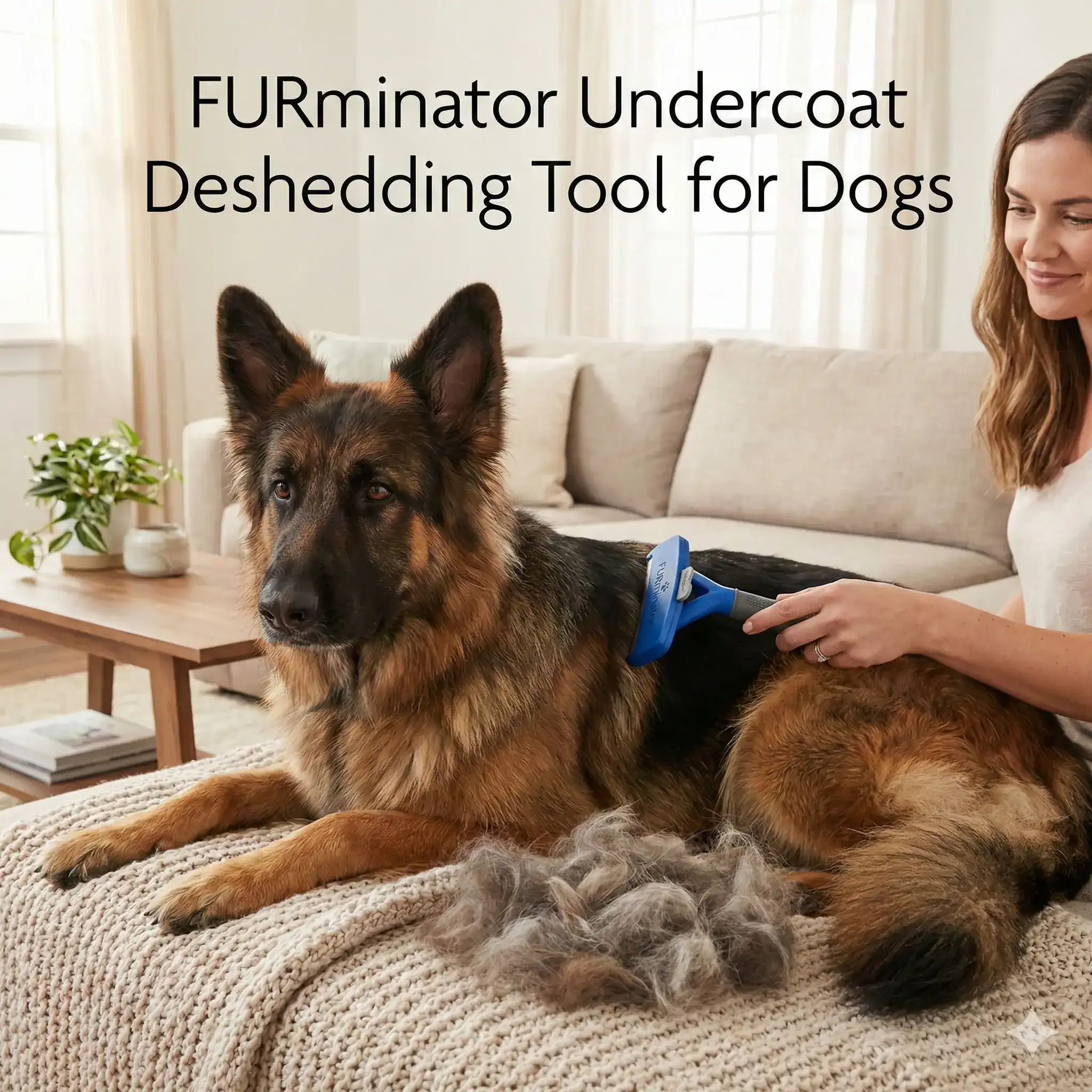
FURminator Undercoat Deshedding Tool for Dogs
Use for: Removing loose undercoat hair before it covers your furniture, reducing loose hair around the home by up to 90%, and keeping double-coated breeds comfortable during heavy coat seasons.
View on AmazonRegular brushing with an appropriate grooming tool helps remove dead hair and reduces the amount of fur building up inside the home. Double-coated breeds like the Borador benefit from tools designed specifically for dense undercoats rather than standard brushes.
They only need bathing when they get noticeably dirty or roll in something unpleasant. Their coats distribute natural oils effectively, and over-bathing can cause dry, itchy skin.
Exercise Requirements
This is where many new families struggle. A casual twenty-minute stroll around the neighborhood is completely useless for a young Borador. They require vigorous, sustained physical activity on a consistent daily schedule, not just when the weather is pleasant or when the owner feels like it.
Aim for a minimum of 90 minutes to two hours of hard exercise per day, split across two or three sessions. They excel as jogging partners, hiking companions, and enthusiastic participants in dog sports like agility, dock diving, flyball, and herding trials. Off-leash runs in a secured area, long-distance fetch with a chuck-it launcher, and swimming sessions are all excellent ways to drain that athletic capacity safely.
Mental exercise is just as vital. Fifteen minutes of nose work, obedience drills, or trick training can tire them more than a long walk. Rotating activities prevents boredom and keeps their working mind engaged.
If you fail to provide an outlet for their physical and mental energy, they will invent their own jobs. Usually, their chosen jobs involve excavating your lawn, redesigning your baseboards with their teeth, or pacing restlessly through the house. This is not a behavior problem. It is a working dog responding logically to an environment without structure.
Training and Socialization
Because they are highly trainable, they are also highly capable of learning the wrong lessons quickly. Consistency is your greatest weapon when training this hybrid.
🎯 The Double-Edged Sword of Intelligence
They respond beautifully to positive reinforcement training using high-value treats and enthusiastic praise. However, they will quickly realize if you issue a command without intending to enforce it.
🐑 Managing the Herding Instinct
Early socialization is critical to prevent their herding drive from becoming a nuisance. Expose them to running children, bicycles, and smaller animals while rewarding calm, focused behavior alongside you. One simple tip is to rotate two or three different jobs, such as fetch, scent games, and obedience, so they never rehearse just one pattern all day.
🛑 Building a Reliable Recall
A strong recall is non-negotiable for a dog this fast and driven. Practice daily in low-distraction environments first, pairing the recall word with high-value rewards every single time. Graduate slowly to longer distances, outdoor spaces, and finally controlled off-leash situations. Never call them to come for something unpleasant, and never repeat the cue if they ignore it. Consistency now prevents dangerous roaming later.
Diet and Nutrition
Fueling a high-metabolism athlete requires high-quality nutrition. Food formulated for active medium to large breeds usually meets their nutritional needs when portions are carefully measured. Split meals into two portions per day to maintain steady stamina and reduce the risk of bloat during heavy exercise.
🐶 Puppy Stage
Controlled growth is critical for this medium-to-large crossbreed. Overfeeding a puppy accelerates bone development, increasing the risk of hip and elbow dysplasia later in life. Use a high-quality large-breed puppy formula that regulates calcium and phosphorus ratios. Feed measured meals three times daily until six months of age, then transition to twice daily.
🐕 Adult Stage
Adult Boradors require calorie-dense nutrition proportional to their activity level. An active working dog needs more fuel than a pet dog that gets moderate exercise. Monitor body condition closely: while the Border Collie side is usually lean and active, the Labrador side is notorious for overeating and rapid weight gain. You should be able to feel their ribs under a slight layer of fat without pressing hard.
🐕🦺 Senior Stage
Around age 8 to 10, metabolism slows and joint issues often surface. Transition to a senior formula with reduced caloric density and added glucosamine and chondroitin to support aging joints. Keep portion control strict to prevent weight gain that would stress already compromised hips and elbows.
Borador vs Labradoodle vs Goldador
All three are intentional Labrador-based crossbreeds popular with active North American households. They share the Lab’s friendly, people-focused temperament and a medium build suited to most family homes. The differences lie in working drive, coat type, and the level of daily engagement each one demands.
| Attribute | Borador | Labradoodle | Goldador |
|---|---|---|---|
| Height | 19-24 in (48-61 cm) | 14-24 in (36-61 cm) | 22-24 in (56-61 cm) |
| Weight | 40-65 lb (18-29 kg) | 15-65 lb (7-29 kg) | 60-80 lb (27-36 kg) |
| Parent Breeds | Labrador + Border Collie | Labrador + Poodle | Labrador + Golden Retriever |
| Work Drive | Extreme (Border Collie side) | Moderate | Moderate |
| Exercise Need | 90-120 min vigorous | 45-60 min moderate | 60-90 min moderate |
| Shedding | Heavy double coat | Low to minimal | Moderate to heavy |
| Trainability | Very high, needs structure | High, eager to please | High, eager to please |
| Best Living Situation | Active home with secure yard | Adaptable, apartment possible | Family home with yard |
The Borador carries the highest working drive of the three, inheriting the Border Collie’s obsessive focus and the Labrador’s retrieving stamina. The Labradoodle is usually the most adaptable in low-shedding households and tolerates a quieter lifestyle better. The Goldador is the softest and most sociable, well suited to first-time dog households with time for moderate daily exercise. For active owners who run, hike, or compete in dog sports, the Borador is the clearest match of the three.
Common Questions about Boradors
Are Boradors good for first-time owners?
Direct Answer: They can be, but only if the person is highly active and committed to consistent training.
Context: Their quick learning makes them easy to train, which benefits beginners. However, their massive energy requirements often overwhelm people who just want a relaxed house pet.
Management: Enroll in basic obedience classes immediately and commit to at least 90 minutes of vigorous daily exercise.
How big do they get?
Direct Answer: They typically reach 40 to 65 pounds (18-29 kg) and stand 19 to 24 inches tall.
Context: Because they are a crossbreed, size varies. Females leaning toward the Border Collie side will be much smaller and leaner than males favoring the Labrador side.
Management: Look at both parent dogs to get a better estimate of your puppy’s final adult size.
Do they shed a lot?
Direct Answer: Yes, they shed continuously year-round and experience heavy seasonal blowouts.
Context: Both parent breeds possess thick double coats. They leave fur on clothing, furniture, and floors daily. They are not hypoallergenic.
Management: Invest in a high-quality undercoat rake and a powerful vacuum cleaner. Brush them outside multiple times a week.
Can they live in apartments?
Direct Answer: It is highly challenging and usually not ideal for this active crossbreed.
Context: They thrive when they have safe outdoor space to run. In an apartment, their physical and mental needs require the owner to be outside with them constantly.
Management: If you live in an apartment, you must commit to long structured outings and frequent trips to off-leash areas.
Are they aggressive?
Direct Answer: No, they are typically friendly and social dogs.
Context: The Labrador influence usually makes them welcoming to strangers and other dogs. However, unsocialized dogs or those frustrated by lack of exercise can become reactive or develop leash anxiety.
Management: Prioritize positive socialization during their first 16 weeks to build confidence around new people and environments.
How much exercise is required?
Direct Answer: They need a minimum of 90 to 120 minutes of intense activity.
Context: A slow walk around the block is rarely enough for this breed. They require heart-pumping exercise like fast off-leash play, intense fetch sessions, or swimming.
Management: Combine outdoor exertion with mental tasks, like hide-and-seek or advanced obedience, to tire them out completely.
Do they bark much?
Direct Answer: They are moderate barkers, usually sounding the alarm only when someone approaches the house.
Context: They are not typically nuisance barkers. If a Borador is barking constantly, it usually points to boredom, isolation, or severe separation anxiety.
Management: Address the root cause of the barking by increasing physical exercise and providing engaging puzzle toys when you leave.
What is the lifespan of a Borador?
Direct Answer: A healthy Borador generally lives between 12 and 15 years.
Context: Their hybrid status often protects them from some extreme genetic bottlenecks, allowing for a long, active life if their weight is managed properly.
Management: Keep them lean, provide senior joint supplements as they age, and maintain annual veterinary checkups.
Borador: Quick Reference
| Attribute | Borador | Suited For | Not Ideal For |
|---|---|---|---|
| Exercise | 90-120 min vigorous daily | Runners, hikers, active families | Low-activity households |
| Training | Very quick to learn | Consistent, engaged handlers | Inconsistent or passive owners |
| Grooming | Heavy shedding year-round | Homes prepared for hair | Allergy sufferers |
| Living Space | House with secure yard | Active suburban or rural | Small apartments |
| Mental Needs | High, requires daily stimulation | Dog sport enthusiasts | People seeking a relaxed pet |
Finding a Puppy or Rescue
Because this mix is popular but still relatively rare in formal breed registries, you are more likely to encounter Boradors through local shelters or adoption events than in big commercial kennels. Rather than searching for “Borador puppies for sale near me” and picking the first listing, treat this decision like any serious working-breed placement.
🔬 Finding a Responsible Breeder
Many breeders simply put two dogs together without conducting the required OFA or genetic health screenings on the parents. A responsible breeder will provide OFA hip scores, EIC DNA test results, and CAER eye exam certificates for both parent dogs. They should also ask questions about your property, exercise plan, and experience with working breeds.
🏠 Rescue and Adoption
Many families adopt the cute puppy only to surrender the dog at eight months old when the extreme working drive finally kicks in. Adopting through a working-breed rescue allows you to assess the dog’s fully formed temperament before committing. Adult Boradors in rescue are often already house-trained and past the destructive puppy phase.
🚩 Red Flags When Buying
- No OFA hip scores, EIC DNA results, or CAER eye exams for parent dogs
- Breeder cannot describe the working history or temperament of both parents
- Puppies marketed purely as “family pets” with no mention of exercise or drive requirements
- No questions asked about your activity level, yard size, or previous dog experience
- Immediate availability with no interview or waitlist process
Personal Observation
💭 Personal Observation
When Rambo, one of my rescued dogs, arrived abandoned with a belt around his neck in July 2022, his restlessness showed me exactly what happens when an athletic dog has zero structure or outlet. He runs alongside my bicycle for a kilometer without breaking pace, and that steady working stamina is inherited directly from his mixed working-dog ancestry. The Borador carries that same relentless physical capability, but with two intense parent lines feeding it rather than one. If you cannot provide a structured daily physical outlet, that pent-up drive turns inward, resulting in shredded furniture, chronic anxiety, and a dog that is genuinely miserable indoors. Buy running shoes before you buy the dog.
Conclusion
The Borador brings the eager-to-please nature of the Labrador Retriever together with the intense, laser-focused intelligence of the Border Collie. For dedicated owners who run, hike, and train consistently, few crossbreeds can match this combination.
They will follow you on any adventure, learn any skill you commit to teaching, and work alongside you with a focus that most breeds simply do not have.
The shedding is real, the exercise demand is non-negotiable, and the mental stimulation requirement is constant. Come prepared for all three, and this hybrid delivers.
Disclaimer: This article is for informational and educational purposes only. It does not constitute veterinary advice, medical diagnosis, or treatment recommendations. Always consult a licensed veterinarian before making health-related decisions for your pet. Product recommendations are based on the author’s research and experience; individual results may vary. As an Amazon Associate, K9Sphere earns from qualifying purchases at no additional cost to you.


