

If you are comparing a German Shepherd vs Golden Retriever, you are weighing two of the most popular and capable family dogs in the world, both highly intelligent and trainable, but built for very different lives. One is a watchful working guardian, the other a friendly sporting companion that rarely meets a stranger it dislikes.
Whether you frame it as German Shepherd vs Golden Retriever or Golden Retriever vs German Shepherd, the same core questions decide the match.
The German Shepherd, often shortened to GSD, is a German herding and protection breed prized for intelligence, drive, and loyalty, often bonding most intensely with one primary handler, a protective companion with a strong guarding instinct. The Golden Retriever is a Scottish gun dog bred to retrieve waterfowl, turned ultimate household companion, famous for greeting almost everyone with a wagging tail and a toy in its mouth.
Each is large, double-coated, heavy-shedding dogs that need real daily exercise and form deep bonds with their people. The key differences come down to temperament, protective instinct, energy levels, owner experience level, and each breed’s specific health risks. One leans demanding and protective, the other easygoing and social.
This guide compares them across the areas that actually decide the match, from temperament and trainability to exercise, family fit, health, grooming, and cost. Every section ends with a clear take on who that round favors.
Read it as a decision tool for choosing between a German Shepherd and a Golden Retriever. By the final verdict you should have a clear sense of which breed fits your home, your experience, and the kind of companion you actually want.
Affiliate Disclosure: K9Sphere is a participant in the Amazon Services LLC Associates Program. As an Amazon Associate, K9Sphere earns from qualifying purchases made through links in this article at no additional cost to you. Product recommendations are based on independent research and editorial judgment, not paid placement.
Quick Answer and Who Each Round Favors
⚡ The 30-Second Answer
Choose the German Shepherd if you want a highly trainable working dog with a natural protective instinct, and you can meet its serious exercise and structure needs. Choose the Golden Retriever if you want a friendly, easygoing family companion that is more forgiving for first-time owners and welcomes almost everyone it meets.
German Shepherds and Golden Retrievers are brilliant, deeply loyal, and heavy-shedding, and both need daily exercise and early socialization. The Shepherd asks more of its owner, while the Golden is the softer, more beginner-friendly choice but carries a significant cancer burden.
| Category | Favors |
|---|---|
| Temperament | Depends on goals |
| Trainability | Roughly even |
| Protective instinct | German Shepherd |
| Friendliness to all | Golden Retriever |
| Family fit | Golden (slightly) |
| Grooming and shedding | Roughly even |
| Health and longevity | Depends on screening |
| Cost of ownership | Roughly even |
| First-time owners | Golden Retriever |
German Shepherd vs Golden Retriever at a Glance
This German Shepherd vs Golden Retriever table lays out the core differences in size, purpose, temperament, and lifestyle fit. Scan the rows that matter most to you, then read the detailed sections below.
| Attribute | German Shepherd | Golden Retriever |
|---|---|---|
| Height (male) | 24–26 in (61–66 cm) | 23–24 in (58–61 cm) |
| Weight (male) | 65–90 lb (29–41 kg) | 65–75 lb (29–34 kg) |
| Lifespan | 9–13 years | 10–12 years |
| Origin | Germany | Scotland |
| Breed group | Herding (AKC) | Sporting (AKC) |
| Original purpose | Herding and protection | Retrieving game birds |
| Energy type | Intense, focused drive | Enthusiastic, playful |
| Trainability | Excellent, biddable | Excellent, food-motivated |
| With strangers | Watchful, reserved | Friendly, welcoming |
| Protective instinct | Strong | Minimal |
| Coat | Double coat, heavy shed | Double coat with feathering |
| Main health risks | Hip dysplasia, bloat, DM | Cancer, hip dysplasia |
| First-time owner? | Challenging | Beginner-friendly |
📜 A Quick Origin Story
The two breeds were created for very different jobs. The German Shepherd was developed in Germany at the end of the 1800s by Captain Max von Stephanitz, who founded the breed around a single foundation dog named Horand. He standardized it for herding and protection work, so it was bred for herding from the start.
The AKC recognized the breed in 1908, and it has ranked among the most popular breeds in the United States ever since.
The Golden Retriever was developed in the Scottish Highlands in the mid-1800s by Lord Tweedmouth, who crossed a yellow retriever with a Tweed Water Spaniel to build a gun dog that could retrieve birds from water and rough cover. The AKC recognized the breed in 1925, and it has been a household favorite across North America ever since.
Who Should Choose the German Shepherd
🐕 The German Shepherd is the right pick if:
- You want a working dog with a natural protective and guarding instinct.
- You can provide up to two hours of structured physical and mental work daily.
- You have experience with high-drive breeds or will commit to professional training.
- You want a deeply bonded companion that often attaches most to one handler and thrives on having a job.
- You can manage heavy shedding and a strong-willed companion through adolescence.
Who Should Choose the Golden Retriever
🐕 The Golden Retriever is the right pick if:
- You want a friendly, easygoing family dog that welcomes almost everyone.
- You are a first-time owner who wants a forgiving, beginner-friendly breed.
- You have an active household that enjoys fetch, swimming, and daily walks.
- You want a soft-tempered companion rather than a watchdog or guardian.
- You are prepared for the breed’s significant cancer burden and proactive vet care.
Temperament and Personality
This is where the two breeds differ most. The German Shepherd is confident, watchful, and naturally aloof with strangers, bonding intensely with its family and often attaching most strongly to one person. GSDs frequently pick a single primary handler.
It is a thinking dog that wants a job, with working line dogs running more intense than calmer show lines. Without enough structure, that drive can turn into pacing, barking, or frustration.
The Golden Retriever sits at the opposite end of the spectrum. It is famously friendly, gentle, and devoted, greeting almost everyone like a long-lost friend. Goldens are a Velcro breed that wants to be wherever their people are, and their tolerant attitude makes them more forgiving of handler mistakes, which is a big part of their beginner-friendly reputation.
Each breed bonds deeply, but the flavor is different. The Shepherd offers focused, sometimes intense loyalty with a protective edge, while the Golden offers open, affectionate companionship with no guarding agenda. Neither does well isolated in a yard, since both want to live indoors as part of the household.
🎯 Verdict: This round depends entirely on the personality you want. The German Shepherd suits an owner who wants a focused, protective working partner, while the Golden Retriever suits someone who wants an open, friendly companion. Each is devoted in its own way.
Trainability and Intelligence
These two breeds are among the most trainable dogs in the world, which makes this round genuinely close. The German Shepherd is a brilliant problem-solver with an intense desire to work, learning commands quickly and excelling as a police, military, and service dog. That same drive means it needs real mental stimulation, and it learns bad habits just as fast when an owner is inconsistent.
The Golden Retriever is equally bright but softer and more food-motivated, which makes positive-reinforcement training straightforward and forgiving. Its eagerness to please is exactly why it dominates as a guide dog, assistance dog, and search-and-rescue partner, and why it tends to be easier for a first-time owner to train.
The practical difference is temperament under training, not which breed is smarter, since each is exceptionally bright. The Shepherd needs a confident handler who can channel its drive and stay consistent, while the Golden is more tolerant of beginner mistakes. Each responds best to positive methods and early socialization, and harsh correction backfires with both.
🎯 Verdict: Call it roughly even, with a beginner edge to the Golden. Each is exceptionally smart and trainable, but the Golden’s softer, food-motivated nature is more forgiving, while the Shepherd’s drive rewards an experienced, consistent handler.
Protective Instinct
This round has a clear split. The German Shepherd has a strong natural guarding instinct and is one of the most respected protection and police breeds in the world. A stable, well-socialized Shepherd observes a stranger with quiet alertness, takes cues from its handler, and acts as a genuine deterrent without being indiscriminately reactive.
The Golden Retriever has almost no guarding instinct. It may bark when someone approaches, but it is far more likely to greet a visitor with a wagging tail and a toy than to defend the home. The breed standard prizes a trusting, friendly nature, which makes the Golden a wonderful companion but a poor property protector.
Neither instinct should be encouraged toward aggression. A Shepherd’s protective drive needs to be shaped by professional training and intense early socialization so it stays stable and under control, while a Golden’s friendliness simply means owners wanting security should look elsewhere for that role.
🎯 Verdict: The German Shepherd wins this round decisively if protection matters to you. It offers a strong, trainable guarding instinct, while the Golden Retriever is a famously poor guard dog. If you want a watchdog, this is the deciding factor.
Exercise Needs
These two breeds are active and need real daily exercise, so this round is close. The German Shepherd is the more demanding of the two, often needing up to two hours of vigorous activity a day, combined with mental work like scent games, obedience drills, or structured fetch. Physical exhaustion alone will not settle a Shepherd, since its mind needs a job too.
The Golden Retriever needs one to two hours of daily activity and is happiest with fetch, swimming, and hiking, all of which tap its retrieving heritage. Its enthusiasm makes exercise feel easy and fun, though a bored, under-exercised Golden will invent its own job, usually chewing or digging.
For each breed, growth-plate protection matters, so forced running and repetitive jumping should wait until the joints mature. A securely fenced yard suits each one, and both turn boredom into destructive behavior without a real physical and mental outlet. Neither is a low-energy apartment dog without serious daily commitment.
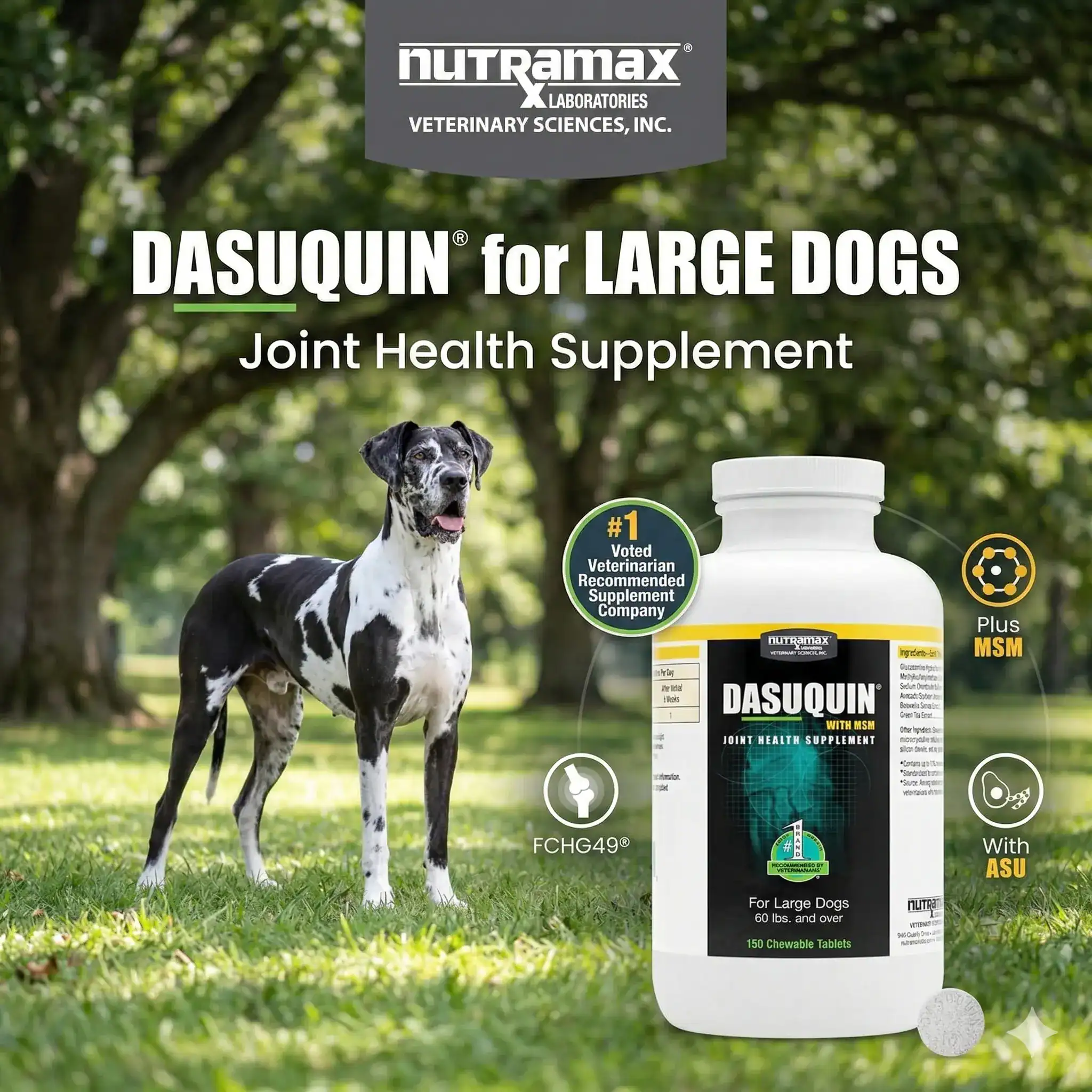
Nutramax Dasuquin with MSM Soft Chews for Dogs
Use for: Both breeds are active, large dogs prone to hip and elbow dysplasia. Glucosamine, chondroitin, and MSM help support cartilage and cushion joints through years of running, fetch, and swimming.
Check price on Amazon🎯 Verdict: A slight edge in demand goes to the Shepherd, which needs more structured mental work, but the two are close. Both need one to two hours of daily exercise plus enrichment, and neither tolerates a sedentary household.
Family Fit
Each breed can be a wonderful family dog, and each is known to be gentle and devoted with children they are raised with. The Golden Retriever is often considered one of the most reliable family dogs of all, with a high tolerance for the noise and chaos of young kids, though its enthusiastic size can knock over a small child by accident.
The German Shepherd is also deeply devoted and protective of its family, often acting as a gentle supervisor for its own children. Its herding heritage can show up as nipping at the heels of running toddlers, and its watchful nature means visiting children and their friends need calm, structured introductions.
For each breed, supervision around young children is important, and early socialization shapes how each one handles a busy household. The Golden’s open friendliness makes it slightly more predictable around a steady stream of visitors, while the Shepherd rewards an owner who manages introductions thoughtfully.
🎯 Verdict: A slight edge to the Golden Retriever for its open, predictable friendliness around visitors. Each is a devoted family dog with its own people, and both need supervision around young children. The Shepherd adds a protective dimension some families value.
Grooming and Shedding
Neither breed is low-maintenance, and both are heavy shedders, so this round is close. Expect a furry home either way. The German Shepherd, nicknamed the German Shedder, has a dense double coat that sheds moderately year-round and blows out heavily twice a year. During those seasonal blows, daily brushing becomes necessary to manage the sheer volume of loose fur.
The Golden Retriever sheds just as heavily, with a water-resistant double coat and long feathering on the legs, chest, and tail that needs regular brushing to prevent mats. Its drop ears trap moisture, especially since it loves water, so weekly ear cleaning is part of the routine to prevent infections.
These dogs need brushing several times a week, daily during seasonal blows, and an undercoat tool rather than a surface brush. The Golden adds feather-trimming and ear care, while the Shepherd is slightly simpler to groom but sheds every bit as much. Expect significant fur in the home with either dog.

FURminator Undercoat Deshedding Tool for Dogs
Use for: Pulling loose undercoat from either breed’s dense double coat before it covers your home, especially during the heavy twice-yearly seasonal blows both dogs go through.
Check price on Amazon🎯 Verdict: Call it roughly even. Both are heavy-shedding double-coated breeds that need frequent brushing and seasonal undercoat work. The Golden adds feathering and ear maintenance, while the Shepherd is a touch simpler but sheds just as much.
Health and Longevity
This is one of the most important rounds, and the breeds carry very different risk profiles. The German Shepherd has an average lifespan of roughly 9 to 13 years and is prone to hip and elbow dysplasia, bloat, and degenerative myelopathy, a progressive spinal condition. Responsible breeders screen hips and elbows through OFA or PennHIP and use DNA testing to reduce degenerative myelopathy risk.
The Golden Retriever lives roughly 10 to 12 years, and its defining health concern is cancer. Research from the Morris Animal Foundation indicates that malignancy accounts for a large share of deaths in the breed, with hemangiosarcoma and lymphoma the most common, alongside hip and elbow dysplasia and some eye conditions. That cancer burden is the single biggest consideration for the breed.
For each breed, buying from a breeder who screens the parents is the most important health step, along with keeping the dog lean, and noting that many veterinarians recommend two smaller meals a day to help manage bloat risk. Neither breed is reliably healthier overall, since the Shepherd’s orthopedic and neurological risks weigh against the Golden’s high cancer rate.
Veterinary Disclaimer: This article is for educational purposes only and is not a substitute for professional veterinary advice, diagnosis, or treatment. K9Sphere’s authors are experienced dog owners, not licensed veterinarians. Always consult a qualified DVM regarding any health concerns about your dog.
Always consult your licensed DVM for personalized medical advice.
Because both breeds are prone to joint issues as they age, a supportive sleeping surface helps. See our guide to the FurHaven orthopedic dog bed for a frame that distributes weight evenly and eases pressure on aging joints.
Health Information Sources. Data compiled from the following references.
- American Kennel Club German Shepherd Dog breed reference
- American Kennel Club Golden Retriever breed reference
- OFA CHIC Program recommended screening protocols
Always consult your licensed DVM for personalized medical advice.
🎯 Verdict: This round comes down to which risks you would rather manage. The Shepherd’s orthopedic and neurological risks weigh against the Golden’s notably high cancer rate. A well-screened dog of either breed, kept lean, has the best chance of a long, sound life.
Cost and Ownership
Purchase prices overlap and depend heavily on the breeder’s screening. A well-bred German Shepherd puppy from a health-testing breeder typically runs 1,500 to 3,500 US dollars, with working-line imports going higher, while a well-screened Golden Retriever falls in a broadly similar range. For each breed, deeply discounted puppies often signal skipped health screening.
Ongoing costs are high for both, driven by large-breed food, routine veterinary care, and the real possibility of major medical bills. The Shepherd’s risk is orthopedic and surgical, including bloat, while the Golden’s is the high likelihood of cancer treatment. Pricing varies by country, with UK, Canada, and Australia rates differing.
Pet insurance is worth serious consideration for either breed, given each one’s expensive signature risks. Beyond medical costs, both need budget for quality food, grooming tools, training, and enrichment, so neither is a low-cost dog to own well across a full lifespan.
🎯 Verdict: Roughly even. Purchase and upkeep costs are similar, and both carry the potential for significant medical bills, orthopedic for the Shepherd and oncological for the Golden. Budget for insurance and proactive care with either breed.
First-Time Owners
This round has a clearer answer than most. If you want a first dog that is easy to live with, the Golden Retriever is widely regarded as one of the best breeds for first-time owners. Many people get a Golden for exactly this reason, thanks to its soft, forgiving temperament, food-motivated trainability, and friendly default toward people and other dogs.
Its main demands are exercise, grooming, and proactive health care rather than complex behavior management.
The German Shepherd is more challenging for a newcomer. Its drive, protective instinct, and sensitivity to inconsistent handling mean training mistakes carry higher stakes, and an under-exercised or under-socialized Shepherd can develop reactivity. It is a deeply rewarding breed, but anyone who wants to get a German Shepherd should bring experience or a strong commitment to professional training.
Either breed can succeed in a dedicated first-time home, but the margin for error differs. A new owner who wants the smoother learning curve will find the Golden more forgiving, while a committed beginner set on a Shepherd should line up professional training and realistic exercise plans before bringing one home.
🎯 Verdict: The Golden Retriever takes this round clearly. Its forgiving, friendly nature makes it one of the best choices for first-time owners, while the German Shepherd rewards experience or a serious commitment to professional training.
Head-to-Head Scorecard
Ratings are from 1 to 5 stars and reflect suitability for a typical active home. A high Protective Instinct score is an asset if you want a watchdog and a non-issue if you do not, while a high Exercise Demand score means the dog needs more daily work.
German Shepherd
Golden Retriever
Reading the scores: Both breeds score top marks on Trainability. The German Shepherd leads on Protective Instinct and Exercise Demand, while the Golden Retriever leads on Friendliness and First-Timer Fit. Both score low on Grooming Ease because each sheds heavily.
Common Questions about German Shepherd vs Golden Retriever
These are the frequently asked questions buyers raise when comparing the two breeds.
Is a German Shepherd or Golden Retriever better for families?
Direct Answer: Each is an excellent family dog, so this comes down to what your family wants.
Context: The Golden Retriever is famously gentle and forgiving, often considered one of the most reliable family dogs, while the German Shepherd is devoted and protective but asks for more experience and structure.
Management: Whichever you choose, supervise interactions with young children, socialize early, and match the breed to your family’s activity level and experience.
Which breed is easier to train?
Direct Answer: Each ranks among the most trainable breeds, but the Golden is more forgiving for beginners.
Context: The German Shepherd is a brilliant, driven worker, while the Golden is softer and highly food-motivated. The difference is temperament under training, not intelligence, since both learn quickly.
Management: Use positive reinforcement and early socialization for both, and bring in professional training early for a Shepherd if you are new to high-drive breeds.
Which breed is better for protection?
Direct Answer: The German Shepherd, by a wide margin.
Context: It has a strong natural guarding instinct and is one of the world’s top protection and police breeds, while the Golden Retriever is friendly to nearly everyone and makes a poor guard dog.
Management: If you want a watchdog, choose the Shepherd and shape its instincts with professional training, never by encouraging aggression.
Which breed sheds more?
Direct Answer: Both shed heavily, so neither is a low-shedding choice.
Context: The German Shepherd is nicknamed the German Shedder, and the Golden Retriever sheds just as much with added feathering that can mat. Each blows its undercoat heavily twice a year.
Management: Brush several times a week, daily during seasonal blows, and use an undercoat tool for either breed. Expect fur in the home regardless of which you pick.
Which breed is healthier?
Direct Answer: Neither is reliably healthier overall, since each carries serious but different risks.
Context: The German Shepherd is prone to hip and elbow dysplasia, bloat, and degenerative myelopathy, while the Golden Retriever has a notably high lifetime cancer rate alongside joint issues. Outcomes depend heavily on breeder screening.
Management: Buy only from breeders who screen the parents, keep either dog lean, and budget for proactive veterinary care and possible insurance.
Which breed is better for first-time owners?
Direct Answer: The Golden Retriever is the more beginner-friendly choice.
Context: Its forgiving, food-motivated, friendly nature makes training and daily life smoother for a newcomer, while the German Shepherd’s drive and protective instinct reward experience or professional guidance.
Management: If you are new to dogs and set on a Shepherd, line up professional training and a realistic exercise plan before bringing one home.
How much exercise does each breed need?
Direct Answer: Both need substantial daily exercise, with the Shepherd slightly more demanding.
Context: The German Shepherd often needs up to two hours of physical and mental work a day, while the Golden needs one to two hours of activity like fetch, swimming, and walks. Each gets destructive when bored.
Management: Combine walks or runs with training and enrichment for both, and protect young joints by delaying forced running until growth plates close.
Do they get along with other dogs and pets?
Direct Answer: Each can, but the Golden is generally more naturally social.
Context: The Golden Retriever’s friendly default makes it easygoing with other dogs and pets, while the German Shepherd can be more selective and benefits from careful socialization, especially with its higher prey drive.
Management: Socialize both breeds early and broadly, and introduce new animals slowly, giving a Shepherd extra structure around small pets.
Which breed lives longer?
Direct Answer: Their lifespans overlap closely, around 9 to 13 years.
Context: The German Shepherd averages roughly 9 to 13 years and the Golden Retriever roughly 10 to 12, though each breed’s signature health risks can shorten that. Neither has a clear longevity advantage.
Management: Keep either dog lean, screen for the breed’s known conditions, and schedule regular veterinary checkups, including regular veterinary monitoring for an aging Golden.
Can either breed live in an apartment?
Direct Answer: Both can with serious commitment, but neither is an ideal apartment dog.
Context: Each is a large, active breed that needs daily exercise and indoor companionship. A Shepherd adds an alert bark and higher energy, while a Golden needs space for its enthusiasm. Both do better with a yard.
Management: If you attempt apartment living, commit to long daily outings and enrichment, and choose the calmer individual within either breed.
Which breed is more affectionate?
Direct Answer: Each is deeply affectionate, but they show it differently.
Context: The Golden Retriever is openly cuddly and social with everyone, while the German Shepherd offers intense, focused devotion often centered on one person. Each forms a strong bond with its household.
Management: Give either breed plenty of together time, since both dislike being isolated and can struggle when left alone too long.
What is the main difference between a German Shepherd and a Golden Retriever?
Direct Answer: The German Shepherd is a protective working dog, while the Golden Retriever is a friendly sporting companion.
Context: Each is brilliant and trainable, but the Shepherd is watchful, protective, and more demanding, while the Golden is social, forgiving, and beginner-friendly with a high cancer risk as its main drawback.
Management: Decide based on whether you want a guardian or a companion, your experience level, and which health profile you are better prepared to manage.
The Quick Decision Shortcut
If you want the fast version before the full verdict, use this self-check. Pick the column that sounds more like you and your household.
🐕 Choose the German Shepherd if
- You want a protective working dog with a guarding instinct.
- You can provide up to two hours of structured daily work.
- You have experience or will commit to professional training.
- You want an intensely loyal, often one-person companion.
🐕 Choose the Golden Retriever if
- You want a friendly, easygoing family companion.
- You are a first-time owner who wants a forgiving breed.
- You have an active household that enjoys fetch and water.
- You are prepared for the breed’s significant cancer burden.
Final Verdict
There is no universal winner here, because these are brilliant, devoted dogs that simply suit different homes. Both share high intelligence, deep loyalty, heavy shedding, and real exercise needs, so the decision is less about quality and more about fit.
The honest throughline is simple. The Shepherd asks for leadership, structure, and a job, and rewards an experienced owner with a focused, protective partner. The Golden asks for companionship and proactive health care, and rewards a first-time owner with an easygoing, friendly companion whose main tradeoff is a significant cancer burden. Match the breed to your experience and goals, and either becomes a remarkable lifelong companion.
🏆 Bottom line: The German Shepherd is the protective, demanding working partner; the Golden Retriever is the friendly, beginner-friendly companion. Both are brilliant and devoted, so match the breed to your experience, your need for protection, and the health profile you can manage.
Personal Observation
💭 From my own experience
I lived with a Labrador, Bruno, for nearly a decade, so I know the easygoing sporting-dog temperament well, and the Golden shares much of that same soft, people-loving wiring. A dog like that forgives beginner mistakes and just wants to be near you.
My rescues have shown me the other side too. Rambo is bold and high-energy, and managing a confident, driven dog takes daily structure, which is exactly what a German Shepherd needs at a higher level. The work never really stops.
So the honest question is simple. Do you want a companion that mostly wants to love everyone, or a working partner that wants a job and a leader? Each is wonderful, but they ask very different things of you.
Read More. For the full single-breed guides, see our German Shepherd breed guide and our Golden Retriever breed guide. If you are weighing other family-friendly options, our Labrador Retriever guide covers a close cousin of the Golden, and both breeds here benefit from our roundup of the best brushes for shedding dogs.
Editorial Disclaimer: This article is for informational and educational purposes only. It does not constitute veterinary advice, medical diagnosis, or treatment recommendations. Always consult a licensed veterinarian before making health-related decisions for your pet.
Accuracy Notice: While every effort has been made to ensure the information presented here is accurate and current, breed information evolves and individual dogs vary. If you spot a factual error or have updated information from a verified source, please contact us so we can review and update.
Product Disclosure: Product recommendations are based on independent research and editorial judgment. Individual results may vary. K9Sphere participates in the Amazon Services LLC Associates Program and other affiliate programs, and earns from qualifying purchases at no additional cost to you.
Last reviewed: June 2026. Article reviewed for accuracy on the date shown above.


