Most prospective dog owners romanticize the idea of an athletic companion, picturing a loyal partner matching their stride on weekend trails. What often goes unmentioned is the sheer logistical commitment required to handle a dog bred exclusively for competitive velocity.
The Eurohound represents the absolute peak of canine stamina, intentionally crossbreeding the Alaskan Husky with the German Shorthaired Pointer or English Pointer to create a specialized racing animal.
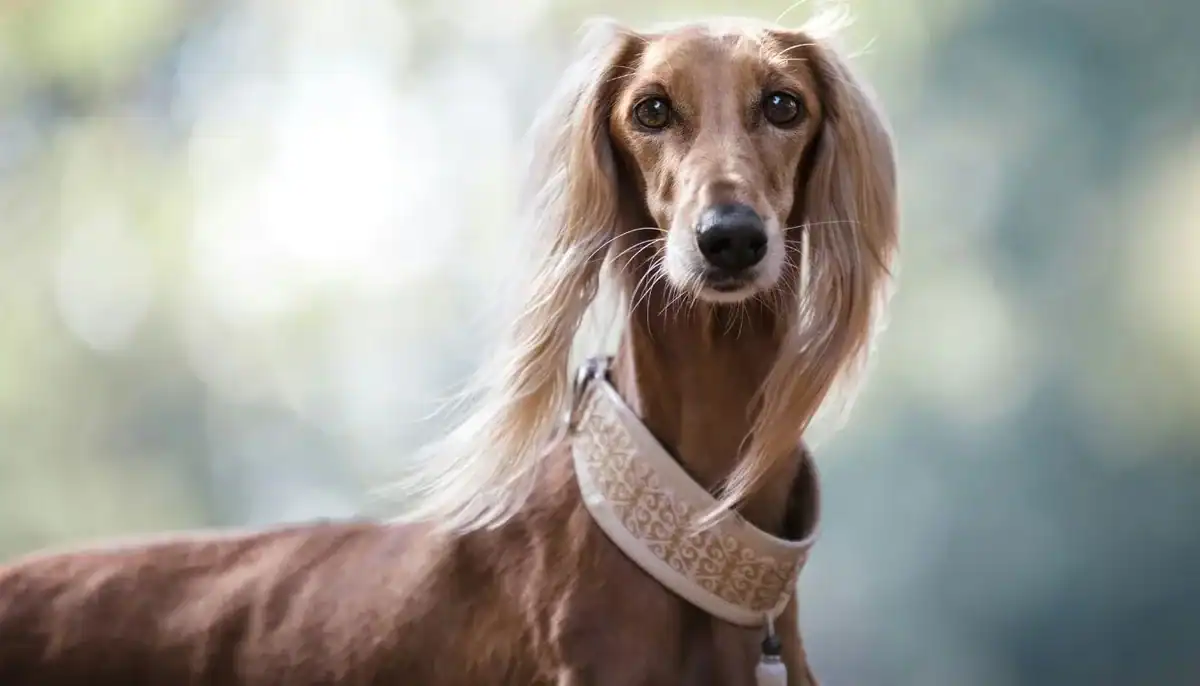
Their sleek, aerodynamic build is visually striking, but it hides a relentless motor that demands structured physical output every single day. Without that outlet, they channel their frustration into destruction that will reshape your furniture and your patience.
Performance-driven genetics from both parent lines, combined with OFA orthopedic data and ISDRA competition standards, shape the care guidance throughout this article.
Affiliate Disclosure: K9Sphere is a participant in the Amazon Services LLC Associates Program. As an Amazon Associate, K9Sphere earns from qualifying purchases made through links in this article at no extra cost to you.
Breed Snapshot
📊 Vitals and Lifespan
Height
Males: 23-28 in (58-71 cm)
Females: 20-25 in (51-64 cm)
Weight
Males: 46-65 lb (21-30 kg)
Females: 40-55 lb (18-25 kg)
Lifespan
10-14 years
Registry
Not AKC Recognized
Origin
Scandinavia
🇸🇪🇳🇴
⭐ Personality Traits
Ratings (1 to 5). Built purely for velocity and stamina. While affectionate with their human crew, their reserves demand constant output to prevent destructive boredom.
Origins and Purpose
The evolution of the Eurohound diverges sharply from standard kennel club breeds. They were born out of a specific need in Scandinavia during the late 20th century. Working sled dog enthusiasts realized that while traditional Siberian Huskies and Alaskan Malamutes possessed unmatched capacity for long hauls, they lacked the explosive burst required for modern, shorter race formats that elite sport competitors demanded. They needed a dog that could run at intense pace over 2 to 12 miles.
Their origin lies in northern Europe, where Scandinavian competitors experimented with tightly bred sprint dog lines used in ISDRA and IFSS competitions rather than show rings. Breeders began crossing high-performing Alaskan Huskies with German Shorthaired Pointers and English Pointers, with a singular goal: create one of the fastest sled dogs on earth. Because they are bred strictly for results rather than physical uniformity, Eurohounds are not recognized by the AKC.
📌 The Parent Breeds
The Alaskan Husky, already a mixed line, provided cold-weather adaptation. The German Shorthaired Pointer and English Pointer contributed explosive acceleration, lean muscle mass, and the biddability that pure Nordic breeds lack.
📌 Late 20th Century: The Cross
Scandinavian competitors began deliberately crossing these lines as shorter race formats gained popularity. The goal was not aesthetics or temperament. It was pure velocity over distances of 2 to 12 miles.
📌 The Greyster Offshoot
A recognized variant, the Greyster, introduces Greyhound blood alongside the Pointer cross and is favored in one-dog disciplines like skijoring. There is also a recognized distinction based on Pointer percentage: 50% Pointer suits shorter bursts, while 25% Pointer suits longer, colder races.
Physical Characteristics
The Eurohound drops the heavy, insulating double coat of traditional Arctic breeds in favor of heat dissipation and aerodynamic efficiency. They function as pure cardiovascular athlete engines, built for velocity rather than insulated hauling. Their size is optimized for power-to-weight ratio, not bulk. On race day they perform best in crisp, sub-freezing weather with firm snow underfoot, but between events they must live indoors rather than in outdoor kennels, because their thin coat offers almost no protection in extreme cold when stationary.
📏 Build
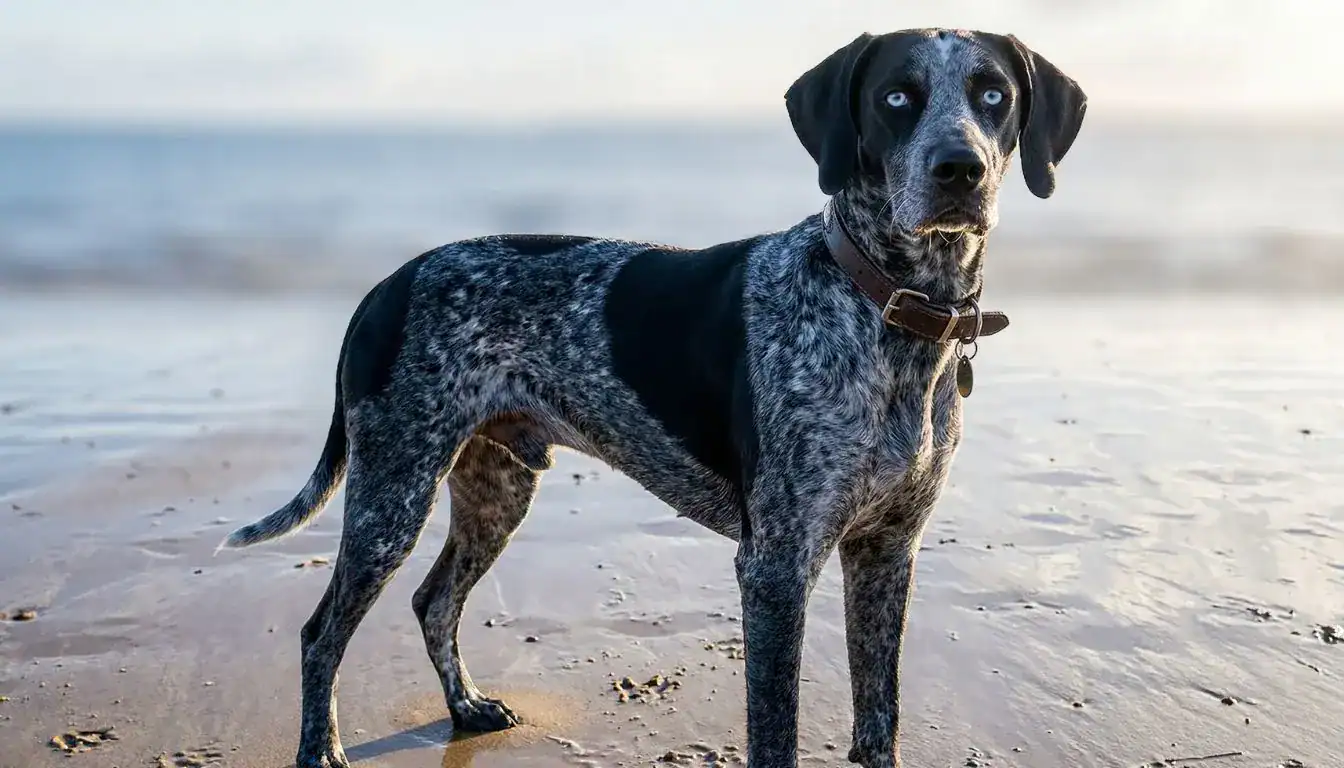
Standing 20 to 28 inches (51-71 cm) tall and weighing 35 to 65 pounds (16-30 kg), their power-to-weight ratio is extraordinary. They are lean, deep-chested, and heavily muscled, with long legs and a tucked abdomen that mirrors racing Greyhound structure rather than traditional sled dogs.
🎨 Coat and Color
Their dense coat comes in a wide variety of colors, commonly featuring the ticking or solid patches inherited from their Pointer ancestors. Because they lack the thick undercoat of a traditional sled dog, they are surprisingly vulnerable to harsh cold when stationary. Professional handlers routinely dress them in insulated jackets when they are not moving.
Temperament
If you expect the aloof independence of a standard Nordic breed, the Eurohound will surprise you. Their Pointer heritage injects a notable degree of biddability and human-focused attachment. They are generally highly social animals that thrive in a group environment, often living harmoniously with dozens of other dogs.
However, this same Pointer blood brings a strong chase instinct. Small, fast-moving animals in urban environments will quickly trigger their impulse to pursue.
⚡ The Velocity Mentality
They possess an off-switch indoors, but only if their physical demands have been entirely met. A rested Eurohound is calm and affectionate. An under-stimulated one becomes a restless, anxious, and highly destructive force in a home.
🎯 Focus and Arousal
When in harness, their demeanor transforms completely. They become hyper-focused, practically screaming with excitement at the starting line. This level of arousal requires a handler who understands how to channel high-output dogs safely.
Screening and Conditions
Veterinary Disclaimer: The information provided in this article is for educational purposes only and is not intended as a substitute for professional veterinary advice, diagnosis, or treatment. Always consult a licensed veterinarian for any health concerns about your dog.
Health Information Sources: Data compiled from:
- OFA: Screening guidelines for hybrid performance dogs
Always consult your licensed DVM for personalized medical advice.
Eurohounds benefit significantly from hybrid vigor, displaying fewer inherited diseases than many tightly inbred purebreds. Their primary concerns stem from their demanding physical program rather than inherited disease. Most racing operations report a career of roughly 8 to 10 seasons, with many dogs living 10 to 14 years when injuries are handled carefully. Maintaining proper weight and fitness through regular body-condition scoring is the simplest way to manage their structural longevity. Basic prevention for musculoskeletal problems focuses on progressive mileage increases, structured warm-ups, and avoiding repeated maximal effort on hard ground.
🦴 Musculoskeletal Injuries
What to watch for: The sheer velocity at which they run places immense strain on their structure. Carpal (wrist) injuries, shoulder muscle strains, and cruciate ligament tears are risks on uneven or excessively hard terrain.
Screening: Warm up properly before sessions, avoid hard pavement for sustained effort, and provide an orthopedic dog bed to manage recovery after workouts. For dogs with documented structural risk, a quality hip and joint supplement can support cartilage over time.
🐾 Paw Pad Damage
What to watch for: Moving at high velocity over dryland trails or icy surfaces can severely damage paw pads. Tearing and cracking are common without proper protection.
Screening: Professionals routinely use protective booties and specialized ointments before and after sessions. Inspect pads after every outing.
🌡️ Hyperthermia
What to watch for: Unlike Siberian Huskies, their coats allow better heat dissipation in mild climate conditions but they generate enormous internal body heat when moving at full pace. Temperatures above 60°F (15°C) carry genuine heat exhaustion risk.
Screening: Monitor body temperature closely during warm-weather sessions. Have water and shade available immediately post-effort. Never push them in direct midday heat.
Grooming and Care
Compared to their massive output requirements, grooming a Eurohound is straightforward. Their dense coat requires minimal maintenance. A weekly wipe-down or light brushing is usually sufficient to remove loose hair and dirt.
Even though they lack a heavy double coat, they still shed seasonally. Regular brushing with an appropriate grooming tool helps handle dead hair inside the home.

Rywell Dog Cooling Mat 2.0
Use for: Keeping high-output breeds comfortable post-session. Rapidly cools down a dog’s core temperature after canicross or bikejoring workouts in warmer weather.
View on AmazonActivity Requirements
A standard walk around the neighborhood is rarely enough for this breed. They require sustained cardiovascular output at least 1.5 to 2 hours on most days.

No Pull Dog Harness, Collar and Leash Set
Use for: Managing the immense forward impulse of a racing animal during casual walks. Essential for strong, enthusiastic pullers that drag handlers when not in a pulling harness.
View on AmazonMost successful handlers engage in specific dog sport disciplines: canicross (cross-country running with dogs), bikejoring (dog pulling a bicycle), or dryland mushing (pulling a wheeled rig). These activities provide the resistance and forward-pulling satisfaction their biology demands.
Nutrition
Building the right diet for a high-output racing dog is a specialized topic. Their metabolism and caloric demands shift dramatically between intense competition season and rest periods.
🐶 Puppy Stage
Growth should be monitored closely. A quality puppy formula that regulates calcium and phosphorus ratios helps prevent the rapid bone development that leads to structural issues. Feed measured meals three to four times and adjust portions based on body condition scoring rather than fixed volume.
🐕 Adult Stage
A Eurohound in full conditioning burns thousands of calories per session. They typically require a high-fat, high-protein formula, often supplemented with raw meats, specialized fats, and hydration baits to maintain mass and muscle during the competition season. Feeding should be split into multiple smaller meals to support digestion during heavy blocks. Regular body-condition scoring is the simplest way to monitor fitness.
🐕🦺 Senior Stage
By age 8 to 10, transition to a formula with glucosamine and chondroitin for structural support. Reduce caloric intake as their output naturally decreases. Increase veterinary checkups to twice yearly. A retired racing dog that maintains lean body condition can live well into their mid-teens.
Conditioning
Handling a purpose-bred racing dog requires understanding their pull-forward instinct. Every session should channel their biological compulsion to move rather than fight against it.
🐾 Harness Mentality
Because they are bred to lean into a harness and pull with maximum force, teaching loose-leash walking requires patience and specialized equipment. They must learn the clear distinction between pull time in a harness and walk time on a standard collar or front-clip setup.
🧠 Mental Engagement
They are highly intelligent and learn directional commands (gee, haw, on by) rapidly. However, their primary motivation is forward momentum. Sessions should be kept fast-paced and directly tied to movement, rather than repetitive static obedience drills which quickly bore them.
Breed Comparison
| Attribute | Eurohound | Siberian Husky | Alaskan Husky |
|---|---|---|---|
| Weight | 35-65 lb (16-30 kg) | 35-60 lb (16-27 kg) | 35-60 lb (16-27 kg) |
| Primary Role | Competitive racing | Moderate-pace hauling | Distance hauling / mid-range racing |
| Top Pace | 25-30+ mph bursts | 10-15 mph sustained | 15-20 mph sustained |
| Coat | Thin, low insulation | Heavy double coat | Variable (mixed lines) |
| Cold Tolerance | Low (requires jacket) | Very High | Moderate to High |
| Household Suitability | Very Low | Moderate (with effort) | Low |
The Siberian Husky vs the other two is the most common comparison. The Husky is the most recognizable and the most adaptable to pet lifestyle, though still demanding. The Alaskan Husky occupies the middle ground, mixing endurance with reasonable temperament. The Eurohound sacrifices insulation and adaptability entirely to maximize velocity, making it the least suitable for a standard household but the dominant choice on the professional circuit.
FAQ
Are Eurohounds suitable for average households?
Direct Answer: Generally, no. They are purpose-bred racers that require specialized physical outlets to remain settled indoors.
Context: While they are exceptionally friendly and affectionate with their humans, their physical demands are overwhelming for a household looking for a standard companion. Without structured output, they become frustrated and destructive. Their suitability is highest for handlers who compete in dog disciplines or who are serious distance runners.
Management: Only consider this breed if you participate in canicross, bikejoring, or similar activities every day.
How do they compare to the Greyster?
Direct Answer: A Eurohound is an Alaskan Husky crossed with a Pointer, while a Greyster specifically introduces Greyhound blood into the Pointer cross.
Context: Greysters are bred for absolute, explosive acceleration over very short distances, making them dominant in one-dog disciplines like skijoring. Eurohounds maintain slightly more Husky blood, giving them better cold tolerance for multi-dog teams over mid-distance courses.
Management: Understand the specific cross percentage of your dog. A heavier Greyhound and Pointer mix will overheat faster and have less cold tolerance than one with more Husky heritage.
Can they tolerate harsh cold?
Direct Answer: No, they cannot sleep outside in freezing temperatures like traditional Arctic breeds.
Context: The primary trade-off for their explosive velocity is the loss of the protective, insulating double coat. While they generate enough body heat to stay warm while moving, they chill rapidly once they stop in sub-zero weather.
Management: They must be kept indoors during harsh cold and require insulated coats before and after winter sessions.
How fast can a Eurohound move?
Direct Answer: They can sustain 20-25 mph (32-40 km/h) and reach top bursts exceeding 30 mph (48 km/h).
Context: They are biologically engineered for maximum velocity over 2 to 12 miles. Their biomechanics allow them to cover ground with shocking efficiency compared to heavier, traditional draft breeds.
Management: Only use specialized, shock-absorbing bungee leashes and harnesses when on a bike or scooter to prevent injury to both dog and handler.
Do they shed heavily?
Direct Answer: They shed moderately, significantly less than traditional sled dogs like Siberian Huskies.
Context: Their coat is tightly packed, resembling their Pointer ancestors more than their Husky ancestors. They do not go through the massive, twice-yearly undercoat blowouts that Northern breeds are known for.
Management: Use a rubber curry brush or a simple deshedding tool weekly to keep their coat sleek and minimize loose hairs on furniture.
Are they aggressive toward other dogs?
Direct Answer: No, they are typically highly social with other dogs, bred to function seamlessly in large teams.
Context: Aggression in a team of 10 or 12 dogs pulling together is incredibly dangerous, so breeders consistently select against those traits. They generally thrive in multi-dog homes and enjoy the company of their own kind.
Management: Standard socialization is still necessary, but dog-directed aggression is rarely a primary concern with this specific cross.
Do they have a strong chase instinct?
Direct Answer: Yes, many carry a strong impulse inherited from their hunting dog ancestry.
Context: The German Shorthaired Pointer and English Pointer blood brings a strong instinct to pursue moving objects. This can make them hazardous around household cats, rabbits, or small, fast-moving wildlife.
Management: Carefully introduce them to smaller animals from puppyhood, but never fully trust their instincts off-leash in unsecured areas with abundant wildlife.
Can they survive in an apartment?
Direct Answer: Challenging and usually not ideal, though technically possible if the handler is a serious runner.
Context: They are large, vigorous dogs that require space to stretch. While they can settle indoors if properly tired out, the logistics of providing safe off-leash areas while living in an apartment are daunting for most people.
Management: A home with a large, securely fenced yard is strongly preferred, alongside access to trails. Rural handlers with direct access to safe forest trails or farm roads are the best fit.
Finding a Eurohound
Because they are not recognized by the AKC, you will not find them listed on standard purebred registry websites. The primary source is directly through sled dog racing operations and competitors. Puppies are rarely available for sale to the general public, and adoption through a sled-dog rescue is often the most realistic path for non-racers. At the very least, any source should be able to provide race records for both parent dogs.
🔬 Racing Operations
In most markets, these breeders are highly selective about where their dogs go. They are looking to place dogs in homes that will harness their potential. When speaking with a source, focus the conversation on your physical program, your handling background, and your plans for competing. Ask to see race records for both parent dogs.
🐾 Rescue and Adoption
Specialized sled dog rescues often rehome washouts: dogs that did not have the top-tier velocity to make the premier racing roster, but still possess immense physical demands. Adopting an adult from a racing operation provides a dog already socialized to group life and harness. Their output requirements remain critically important regardless of their competitive background.
🚩 Red Flags When Sourcing
- Source cannot provide race records or background for parent dogs
- Dogs marketed as household companions without any mention of their physical requirements
- No questions asked about your activity level, background with driven breeds, or conditioning plans
- Immediate availability with no interview or vetting process
- No knowledge of the Pointer blood percentage in the litter
Personal Observation
💭 Personal Observation
The clearest lesson from Rambo, one of my rescued street dogs, is the difference between a dog that moves because it wants to and a dog that moves because it physically cannot stop. His bicycle kilometer is not a trick or a conditioned behavior. It is just what happens when a dog with wiring for output finally gets a proper channel. The Eurohound is that same impulse multiplied by decades of selection pressure. Every generation of these dogs was kept or removed based on split-second race times. What remains is an animal whose off-switch requires a genuine cardiovascular session to locate, not a long walk. People looking at this breed because it looks sleek should understand: the coat is incidental. What they are actually choosing is a commitment that does not take rest days.
Conclusion
The Eurohound is a breathtaking example of purpose-driven breeding, sacrificing the insulation of traditional sled dogs to build the ultimate racing machine. They are affectionate, intensely focused, and remarkably healthy when properly handled.
The biggest pro is world-class pulling power and enthusiasm in almost any distance you care to compete. The biggest con is a lifestyle commitment closer to conditioning a human marathon runner than keeping a typical companion. For dedicated runners, skijoring enthusiasts, and wheeled-rig competitors, there is arguably no better partner. For the average household, the commitment required to meet their physical demands makes them a poor fit.
Disclaimer: This article is for informational and educational purposes only. It does not constitute veterinary advice, medical diagnosis, or treatment recommendations. Always consult a licensed veterinarian before making health-related decisions for your dog. Product recommendations contain affiliate links. K9Sphere earns from qualifying purchases at no additional cost to you.