
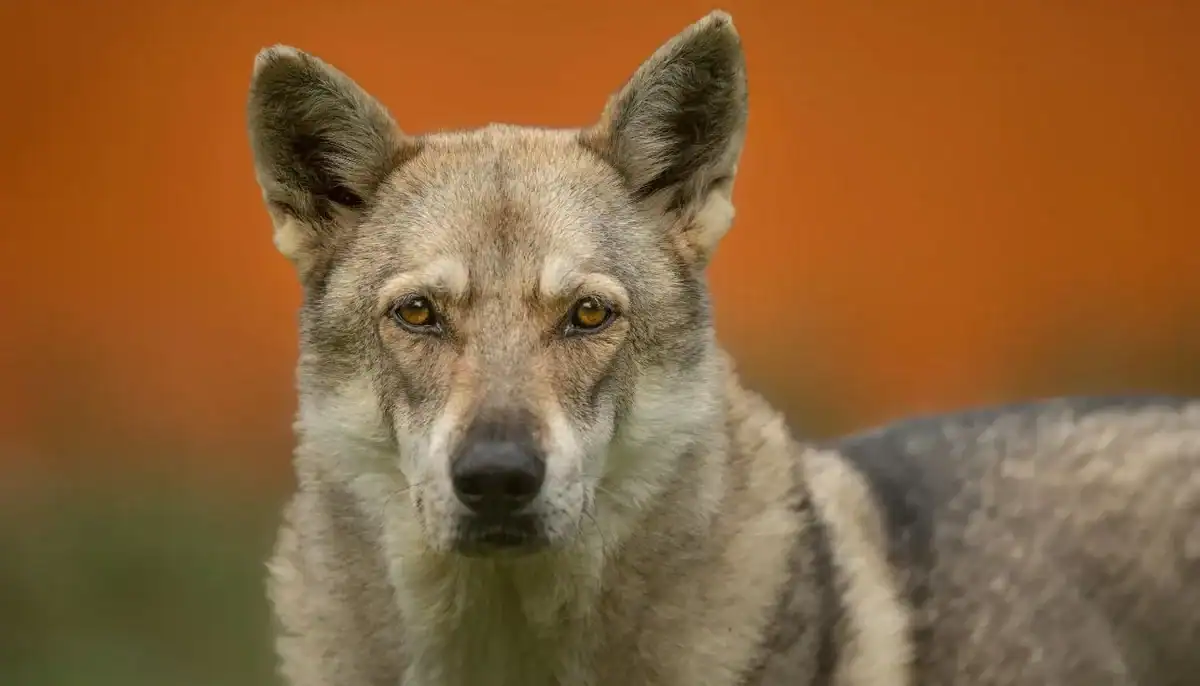
The Czechoslovakian Wolfdog, sometimes called the Czech Wolfdog, is a purpose-built wolf hybrid developed in the former Czechoslovakian Republic for military border patrol operations.
What makes it unique is its deliberate blend of the favorable qualities of the dog with the usable qualities of the wolf. Combining wolf and dog in this way created an animal with exceptional endurance, acute senses, and a strong dependence on its social group that calls for expert handling.
This guide draws on recognized breed information from the Fédération Cynologique Internationale, the United Kennel Club, and the Czechoslovakian Vlcak Club of America to present an accurate picture of ownership.
Households that provide intense daily running, structured training, and constant inclusion are rewarded with a protective, deeply loyal companion capable of performing in dog sports and search work. Even then, this remains a demanding breed that is unsuitable for most households.
Know what you are committing to before bringing one home. This is a fiercely self-reliant animal that demands extreme early socialization and an owner willing to adapt entirely to what a primitive breed requires.
Affiliate Disclosure: K9Sphere participates in the Amazon Services LLC Associates Program and other affiliate programs. K9Sphere earns from qualifying purchases made through links in this article at no additional cost to you. Product recommendations are based on independent research and editorial judgment, not paid placement.
Breed Snapshot
📊 Vitals and Lifespan
Height
Males: 25.5+ in (65+ cm)
Females: 23.5+ in (60+ cm)
Weight
Males: 57+ lb (26+ kg)
Females: 44+ lb (20+ kg)
Lifespan
12 to 15 years
Breed Group
Herding (UKC) / FCI Group 1
Origin
Czechoslovakia
🇨🇿 🇸🇰
⭐ Personality Traits
Ratings (1 to 5). A low trainability score does not mean unintelligent; these dogs are highly intelligent but far less biddable than traditional working breeds, so they are harder to motivate and slower to obey on command. The family rating reflects a deep bond with their own people rather than easy suitability as a casual household pet.
History and Origin
The history of the Czechoslovakian Wolfdog traces back to a biological experiment that began in 1955. Karel Hartl, an officer at the border guard kennels, set out to determine whether crossing a German Shepherd Dog with a Carpathian wolf could yield viable, sound offspring with superior stamina for patrol work. The plan was to pair a domestic dog with a Carpathian wolf and select for the best of both.
📌 1955 to 1958: The Initial Experiment
The army began crossing the German Shepherd with the Carpathian wolf. The first successful litter arrived on May 26, 1958, when a female wolf named Brita was mated with a shepherd named Cezar. The goal was to combine the best traits of both the domestic dog and the Carpathian wolf, pairing the endurance and weather resistance of the wild parent with the trainability of the domestic side.
📌 1965: Structured Development
After the early generations succeeded, a formal project began to guide the breeding of this new breed. Planners found that while the first crosses had incredible stamina, their wariness made them hard for standard troops to handle, so the program shifted its focus toward stability of character.
📌 1982: National Recognition
The Czechoslovakian Vlcak was recognized as a national breed in its homeland, and that name was formalized. This marked the shift from a purely military animal toward a selectively bred companion for experienced handlers.
📌 1989 and Beyond: Global Status
The Fédération Cynologique Internationale granted provisional recognition in 1989, followed by full recognition in 1999. Soon Czechoslovakian Wolfdogs were bred worldwide, though they remain rare and subject to strict regulations in many jurisdictions.
Physical Characteristics
The Czechoslovakian Wolfdog looks like a wolf in almost every physical respect. Its movement is light, harmonious, and built for immense endurance. A typical male stands at least 25.5 inches at the shoulder, presenting a lithe, muscular frame rather than a bulky one.
🐺 Wolf-Like Appearance
The head is wedge-shaped with a straight bridge. The eyes are small, slanting, and amber-colored, set close together. The ears are short, erect, and triangular. The coat shows the classic grey coloring, from yellowish to silver, with a light mask framing the face and paler markings on the underside of the neck.
🏃 Structural Endurance
This is a robust animal designed to cover vast distances. It has a remarkably long stride and can hold a trot for hours without tiring. The spine is straight and strong, while the chest is relatively flat rather than barrel-shaped, matching its wild lineage. The tail sits high and hangs straight down at rest.
Character and Temperament
Understanding the Czechoslovakian Wolfdog means acknowledging its primitive instincts. Most experienced owners describe them as a long way from a standard domestic pet. They tend to operate with a complex group mentality that shapes their whole worldview, and their character is typically intense, observant, and reactive.
👥 Pack Dependency
They form an extraordinarily tight bond with their immediate human group. This is generally not an animal that does well left alone in a backyard. Prolonged isolation often causes real distress, which can show up as destructive chewing and persistent howling. They do best living closely integrated with their handlers.
🔥 High Prey Drive
The hunting instinct is fully intact. They will chase moving animals, which makes them risky around cats, small pets, and livestock unless heavily socialized from an early age. Off-leash recall is notoriously unreliable once a prey animal is spotted.
🧠 Independent Intelligence
They learn quickly but tire of repetition fast. Unlike eager-to-please sporting breeds, a Vlcak weighs whether a command is worth following. Lessons have to be highly motivating and consistently firm without being harsh, since they shut down under overly punitive methods.
🛡️ Natural Suspicion
They are inherently wary of strangers. Without exhaustive early socialization, that natural caution can quickly escalate into fear-based reactivity. They need a handler who can confidently manage their environment and introduce new situations positively.
Because that group bond runs so deep, mental engagement and inclusion tend to matter as much as physical activity. A Vlcak shut out of household life often struggles, and that frustration can surface as anxiety and destructive behavior.
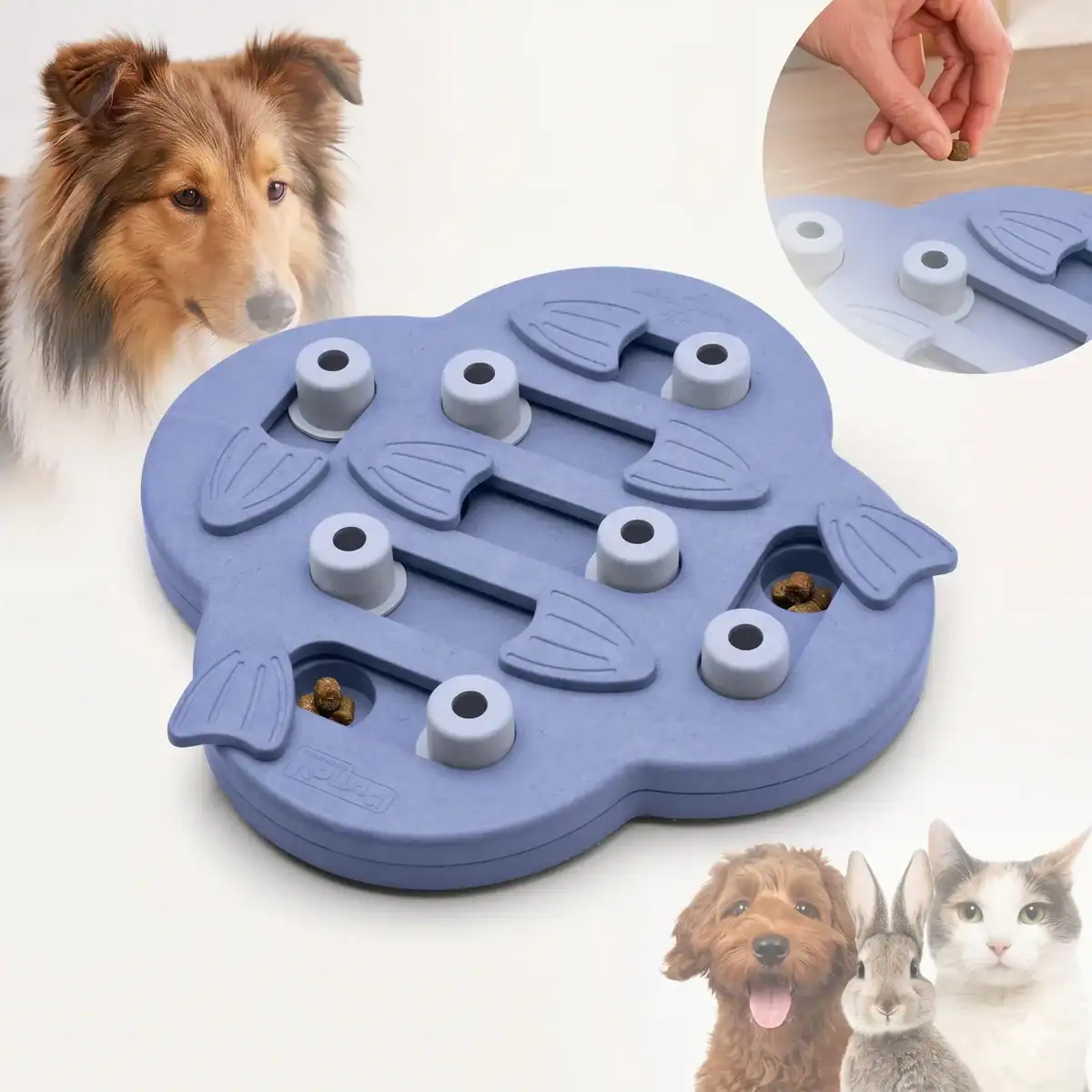
Outward Hound Nina Ottosson Dog Puzzle Toy
Use for: Occupying a sharp, self-reliant mind that bores fast and turns destructive when idle. A food puzzle makes it problem-solve for rewards, taking the edge off the restlessness that follows a missed run.
Check price on AmazonScreening and Conditions
Veterinary Disclaimer: The information in this article is for educational purposes only and is not a substitute for professional veterinary advice, diagnosis, or treatment. K9Sphere’s authors are experienced dog owners, not licensed veterinarians. Always consult a qualified DVM regarding any health concerns about your pet. Never disregard professional veterinary advice or delay seeking it because of something you have read on this site.
Health and Breed Information Sources:
- Fédération Cynologique Internationale (FCI) for the official breed standard and functional health guidance
- United Kennel Club (UKC) for the breed profile and testing recommendations
- Czechoslovakian Vlcak Club of America for breed-club health screening protocols
Always consult your licensed DVM for personalized medical advice.
The Czechoslovakian Wolfdog is generally a healthy and robust breed that benefits from strong genetic diversity, but conscientious breeders still screen for several conditions inherited from its German Shepherd side.
Common Health Risks
🔴 Hip Dysplasia
What to watch for: Stiffness after rest, reluctance to run or jump, and a noticeable bunny-hopping gait at speed. This joint malformation can appear in growing puppies or surface as severe arthritis in adults.
Screening: Both parents should have passing hip scores evaluated by OFA or PennHIP. Managing a pup’s weight and avoiding forced running on hard surfaces during the first 18 months reduces environmental joint stress.
🔴 Degenerative Myelopathy (DM)
What to watch for: Progressive weakness in the hindquarters, dragging of the back paws, and eventual paralysis of the rear legs. Symptoms usually appear in older dogs between eight and fourteen years of age.
Screening: A simple DNA test identifies carriers of the mutation responsible for DM. Reputable breeders test their stock so they never pair two carriers together, which prevents the disease in the litter.
🟡 Pituitary Dwarfism
What to watch for: Severe growth retardation, retention of the puppy coat, and symmetrical hair loss developing around three to four months of age. Affected dogs stay abnormally small and suffer several secondary health issues.
Screening: DNA testing is available and strongly recommended by parent clubs. Avoiding carrier-to-carrier matings effectively eliminates the risk of affected pups.

Nutramax Dasuquin with MSM Soft Chews for Large Dogs
Use for: Joint support in a large, hard-working animal prone to hip dysplasia. Glucosamine, chondroitin, and MSM supply cartilage building blocks that help support the joints through intense activity and into older age.
Check price on AmazonAn orthopedic dog bed is a worthwhile addition for a hard-working animal of this size, since firm support after long runs helps protect the joints that hip dysplasia and arthritis put at risk.
Grooming and Coat Care
The coat of the Czechoslovakian Vlcak changes dramatically with the seasons. In winter, a heavy undercoat develops and combines with the harsh topcoat to provide exceptional insulation against the cold. This winter coat makes the animal appear noticeably bulkier.
They shed heavily twice a year. During these periods you will need to brush daily with an undercoat rake and a slicker to manage the volume of loose fur. Outside of those weeks, a weekly going-over is enough to keep the coat clean and distribute natural oils.
Bathing should be rare. The coat naturally repels dirt, and frequent washing strips the waterproofing oils. Keep up routine nail trimming, since overgrown nails affect the gait and stress the joints. Pairing weekly upkeep with one of the best brushes for shedding dogs keeps the heavy seasonal blow under control. Clean the ears weekly to prevent wax buildup and reduce the risk of infection.
Exercise and Living Needs
The Czechoslovakian Wolfdog requires a tremendous amount of physical activity. A casual walk around the neighborhood is nowhere near enough. Plan on a minimum of two hours of vigorous work daily, including running, hiking, or structured sport.
A highly secure yard is essential. Many are skilled climbers and diggers, so most owners and breeders recommend a tall, solid fence, often around six feet, with a dig-proof base. They are generally a poor fit for apartment living, given their size, energy level, and vocal tendencies.
Nutrition & Diet
Feeding a Czechoslovakian Wolfdog calls for a quality diet that matches its intense metabolic demands. Some owners choose a carefully balanced raw diet, while others rely on premium commercial kibble built for highly active large breeds; both can work well when the diet is complete and balanced. Discuss any raw or home-prepared plan with your veterinarian first.
Pups need controlled growth. Overfeeding during the first year accelerates bone development unnaturally, which sharply raises the risk of hip dysplasia. Feed a large-breed formula in measured meals to keep growth slow and steady.
Adults in heavy work require more calories, particularly protein and fat, to sustain muscle. Watch body condition closely. You should be able to feel the ribs easily without pressing hard, and see a clear waistline from above.
This breed is built to be lean, and that lean frame is not just cosmetic. Carrying extra weight puts direct strain on hips and elbows already prone to dysplasia, so keeping one slim is part of protecting its joints for a long working life. A soft, overweight Vlcak is far more vulnerable to the orthopedic problems this breed is screened for.
Caloric needs also swing widely with the season and the workload. A dog running search or endurance work through a cold winter can burn dramatically more than the same dog resting through a quiet stretch, so portions should track activity rather than stay fixed. Working-line individuals in particular tend to run hotter and leaner than companion-bred dogs, and they often need their food adjusted up during heavy training blocks and back down during rest.
Training
Training a Czechoslovakian Vlcak is a specialized job. They do not respond to the repetitive drilling favored by traditional obedience classes. A handler has to build a relationship on mutual respect and clear leadership rather than forcing compliance.
Early socialization is the single most important part of raising one. From the day the pup arrives, expose it to diverse environments, new people, unfamiliar noises, and various animals, and keep that exposure positive and structured. Skipping this produces a fearful, reactive adult that is extremely hard to manage.
Positive reinforcement is essential, but sessions must be short and engaging. Once it knows a command, asking for ten repetitions will only make it walk away. They excel at tracking and endurance activities, which suit a dog oriented toward independent problem-solving, and they read harsh corrections as a threat rather than a lesson, which makes patience non-negotiable.
Czechoslovakian Wolfdog vs German Shepherd vs Tamaskan Dog vs Lupo Italiano
Seeing how the Czechoslovakian Wolfdog compares to its ancestor and to similar lookalike breeds clarifies the challenges it presents. The German Shepherd shares genetic history but behaves very differently in a home. The Tamaskan Dog offers the look without the same primitive hurdles, while the Lupo Italiano is another specialized working project.
| Attribute | Czechoslovakian Wolfdog | German Shepherd | Tamaskan Dog | Lupo Italiano |
|---|---|---|---|---|
| Weight | 44 to 57+ lb (20 to 26+ kg) | 50 to 90 lb (22 to 41 kg) | 55 to 95 lb (25 to 43 kg) | 55 to 88 lb (25 to 40 kg) |
| Original Purpose | Military border patrol | Herding and guarding | Wolf-like companion | Alpine search and rescue |
| Energy Type | Extreme sustained stamina | High, work-focused | High, athletic | High, rugged terrain |
| Trainability | Independent thinker | Highly obedient | Trainable, stubborn | Intelligent, strong-willed |
| Grooming | Heavy seasonal shed | Heavy year-round shed | Heavy seasonal shed | Heavy shedding |
| Threat Response | Wary, flight or fight | Direct guardian action | Generally friendly but independent | Protective, cautious |
| First-Time Owner? | No, expert handlers only | Requires dedication | No, needs experience | No, expert handlers only |
| Common Health Risks | Hip dysplasia, DM, dwarfism | Hip dysplasia, bloat, DM | Hip dysplasia, epilepsy | Bloat, hip and elbow dysplasia |
| Living Space | Highly secure acreage | House with large yard | House with secure yard | Acreage with secure fencing |
The German Shepherd is by far the easier choice for most owners, trainable and widely available. The Tamaskan gives the same aesthetic with a friendlier, more approachable nature. The Lupo Italiano matches this breed for intensity but is effectively impossible to acquire outside Italy’s entrustment system. The Vlcak sits at the demanding end of this group, asking for expert handling, secure containment, and a lifestyle built around it.
Common Questions about the Czechoslovakian Wolfdog
Are Czechoslovakian Wolfdogs dangerous?
Direct Answer: They are not inherently malicious, but their size, strong prey drive, and primitive instincts make them risky in inexperienced hands or when poorly socialized.
Context: A poorly socialized Vlcak tends to react to fear by biting, and its pursuit instinct can be triggered by running children or small animals. It wants an owner who understands primitive-breed behavior.
Management: Commit to exhaustive socialization during the critical puppy window. Never leave them unsupervised around young children or small animals, and use secure, escape-proof fencing.
How much does a Czechoslovakian Wolfdog cost?
Direct Answer: Expect to pay roughly USD 1,500 to 3,000 for a puppy from a reputable breeder.
Context: The purchase price is only a fraction of the real outlay. Budget for heavily reinforced fencing, quality nutrition, specialized classes, and possible property damage during the pup phase. Pricing varies by country, with UK, Canada, and Australia rates differing.
Management: Verify the seller runs OFA hip scoring and DM DNA testing before placing a deposit. Be wary of unusually cheap litters, which often come from untested lines.
Is the Czechoslovakian Wolfdog legal in the United States?
Direct Answer: Legality varies widely by jurisdiction. The breed is recognized by the UKC, but some states, counties, and cities restrict or ban it under wolf-hybrid laws.
Context: Because the lineage includes the Carpathian wolf, jurisdictions that ban wolfdogs often classify the Vlcak as illegal regardless of how many generations removed the dog is from that original cross.
Management: Check your specific state, county, and municipal ordinances before acquiring one, and confirm your homeowner’s insurance will cover the breed, since some providers exclude it.
What is the lifespan of a Czechoslovakian Vlcak?
Direct Answer: They typically live between 12 and 15 years.
Context: Thanks to their genetic diversity, they often enjoy better longevity and overall health than many large purebreds. Quality of life depends heavily on staying active and lean.
Management: Keep up a steady exercise routine throughout life, feed a quality diet, and schedule annual veterinary exams to monitor joint health as they age.
Does the Czechoslovakian Wolfdog make a good family dog?
Direct Answer: No, they are not suited to be casual household pets. They require a dedicated lifestyle rather than fitting into a typical household routine.
Context: They bond intensely with their people, but their high prey drive, craving for constant companionship, and destructiveness when bored make them overwhelming for a busy home with young children.
Management: Only consider this breed if everyone in the home is experienced with strong-willed working dogs and can take part consistently in the daily routine.
How much wolf is in a Czechoslovakian Wolfdog?
Direct Answer: Modern dogs carry relatively little direct wolf blood, but the genetic influence and physical traits remain dominant.
Context: Breed-history records note that the wolf proportion was diluted to about 6 percent by the fourth generation of the original program, and today’s Vlcaks are bred dog-to-dog. The foundation still deliberately preserved the usable qualities of that ancestry.
Management: Treat them as a highly primitive working breed. Do not expect standard domestic-dog behavior just because they are several generations removed from the wild.
Is a Czechoslovakian Wolfdog aggressive?
Direct Answer: They are not randomly aggressive, but they are highly reactive, suspicious of strangers, and carry intense predatory instincts.
Context: Aggression here usually stems from fear due to poor socialization or frustration from too little activity. They will defend themselves and their people if they feel genuinely threatened.
Management: Provide early, positive exposure to many new people and environments, and never use harsh physical corrections, which provoke a defensive response.
What is the difference between a Saarloos and a Czechoslovakian Wolfdog?
Direct Answer: The Saarloos Wolfdog was bred mainly as a companion with a very cautious nature, while the Czechoslovakian was developed for military work and carries higher drive and stamina.
Context: Both come from wolf and German Shepherd crosses, but the Czechoslovakian program actively selected for dogs that could perform demanding border patrol duties, producing a more intense working animal.
Management: If you want a dog for active tracking or endurance sport, the Czechoslovakian is the better fit, provided you can handle the intensity.
Do they look exactly like a wolf?
Direct Answer: Their appearance is intentionally bred to resemble the Carpathian wolf as closely as possible.
Context: Coat color, facial mask, eye shape, ear set, and fluid movement all mirror the wild ancestry. That striking look draws people to the breed but also causes complications in areas with hybrid bans.
Management: Be ready for constant public attention and questions when walking one, and have the patience to handle the curiosity responsibly.
Are they recognized by any kennel club?
Direct Answer: Yes, they hold recognition from major international organizations.
Context: The breed is fully recognized by the FCI and by the United Kennel Club (UKC). In the US, it has also been recorded through the AKC Foundation Stock Service, an early step toward possible full recognition.
Management: When choosing a source, look for those registering litters with the UKC or FCI and taking part in recognized breed-club events.
Finding a Puppy
Finding a Czechoslovakian Wolfdog puppy takes patience and homework. The breed is uncommon, litters are limited, and the best breeders vet buyers carefully because they know how badly the wrong home can go. Expect a waitlist and a serious conversation about your experience before any deposit changes hands.
🏠 What a Good Breeder Looks Like
A responsible breeder health-tests both parents for hips and DM, registers litters with the UKC or FCI, and asks you as many questions as you ask them. They will be honest about the difficulty, happy to show the parents on site, and willing to take an animal back at any point in its life if you cannot keep it.
🐾 Alternatives to Consider
If the legal hurdles or the sheer intensity give you pause, a Tamaskan Dog offers a similar wolf-like look with a more biddable temperament and no wolf-hybrid legal grey area. It still wants an active home, but it is a far more forgiving first step into the wolf-lookalike world.
🚩 Red Flags to Avoid
- Any seller offering pups with no health testing on the parents, or who cannot show OFA hip and DM results.
- Sellers who downplay the breed’s difficulty or claim it makes an easy family pet.
- Litters offered for immediate sale with no waitlist, no questions, and no contract.
- Anyone unwilling to discuss the legal restrictions that apply where you live.
Personal Observation
💭 Personal Observation
My rescue Rambo is a high-energy, four-year-old dog who needs a real run every day, and a working breed like the Czechoslovakian Wolfdog runs on that same engine, only with far more independence behind it. My senior rescue Rusty, around twelve now, is naturally watchful with strangers, and that reserved streak is exactly the trait this breed carries to an extreme.
What Rambo taught me is simple. On the days he gets a proper run, he settles easily; on the days he does not, he is restless and harder to live with. A dog bred this close to its wild ancestor would ask for even more time and structure than that. Give one a real job and a place in the family, and you get a devoted partner. Expect a low-maintenance companion, and you will struggle fast.
Conclusion
The Czechoslovakian Wolfdog offers a rare blend of extreme endurance and striking wild looks for the experienced handler. It demands a lifestyle built entirely around its physical demands and deep group dependency, and it gives back intense loyalty in return.
A home that cannot provide exhaustive socialization or secure containment takes on real risk here. For anyone drawn to the primitive look without the same management hurdles, the Tamaskan Dog is a more forgiving alternative.
📋 Before bringing one home, run this 4-step pre-buying check
- Legal status. Is ownership permitted in your specific city and state without restriction?
- Containment security. Do you have a minimum six-foot fence with a dig-proof base securing your yard?
- Exercise commitment. Can you provide two hours of intense daily running or dog sports?
- Handler experience. Have you previously raised and trained a high-drive working breed?
If any answer is no, reconsider the breed.
Editorial Disclaimer: This article is for informational and educational purposes only. It does not constitute veterinary advice, medical diagnosis, or treatment recommendations. Always consult a licensed veterinarian before making health-related decisions for your pet.
Accuracy Notice: While every effort has been made to ensure the information presented here is accurate and current, breed information evolves and individual dogs vary. If you spot a factual error or have updated information from a verified source, please contact us so we can review and update.
Product Disclosure: Product recommendations are based on independent research and editorial judgment. Individual results may vary. K9Sphere participates in the Amazon Services LLC Associates Program and other affiliate programs, and earns from qualifying purchases at no additional cost to you.
Last reviewed: June 2026. Article reviewed for accuracy on the date shown above.


