
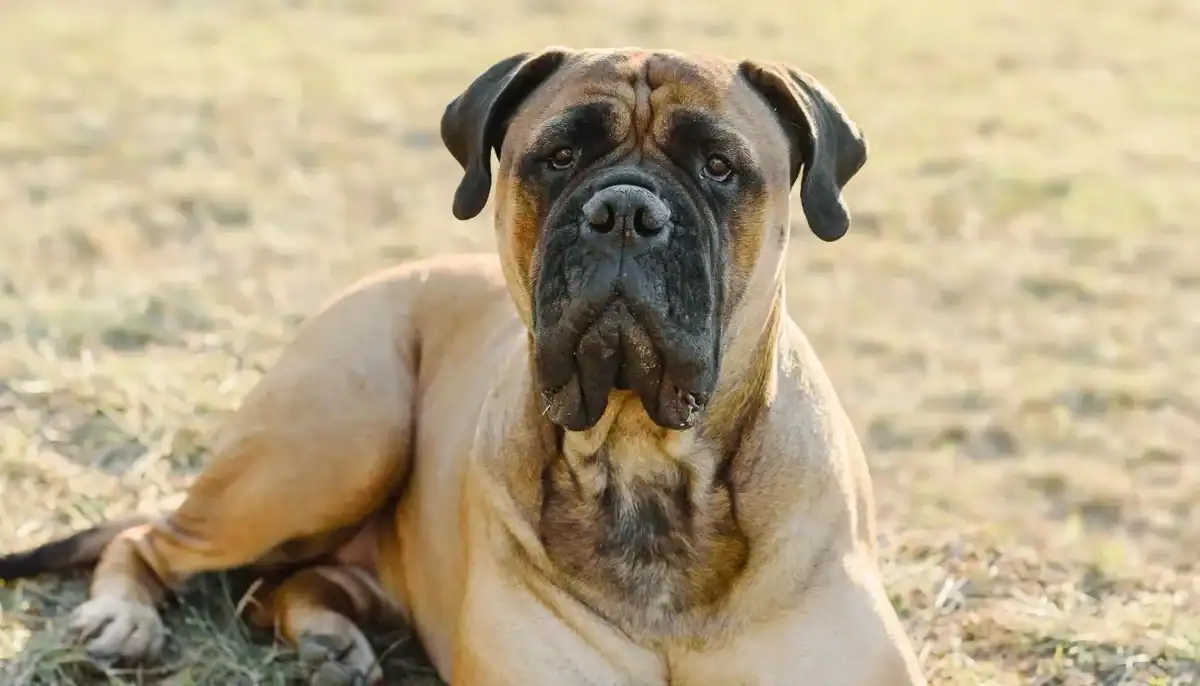
The Bullmastiff is a massive English working breed developed in the 1860s to protect rural estates from poachers as an elite night dog.
What makes this guardian unique is the combination of immense physical power and a surprisingly calm indoor nature. The breed was developed to track quietly and hold intruders rather than maul them. They offer the imposing presence of a giant dog without the frantic activity level seen in lighter herding lines.
This guide draws on the American Kennel Club profile, the American Bullmastiff Association health protocols, and veterinary data to explain what ownership actually involves. You need to know the bullmastiff reality before bringing one home.
Daily requirements include consistent obedience routines, early socialization, and weight management to protect their heavy joints. The animal rewards an owner who provides structure with a fiercely loyal family protector.
Households without giant dog experience should review the physical and financial demands honestly before deciding. A pet built to overpower a grown man requires a confident handler ready to commit serious time and resources to training.
Affiliate Disclosure: K9Sphere participates in the Amazon Services LLC Associates Program and other affiliate programs. K9Sphere earns from qualifying purchases made through links in this article at no additional cost to you. Product recommendations are based on independent research and editorial judgment, not paid placement.
Breed Snapshot
📊 Vitals and Lifespan
Height
Males: 25 to 27 in (64 to 69 cm)
Females: 24 to 26 in (61 to 66 cm)
Weight
Males: 110 to 130 lb (50 to 59 kg)
Females: 100 to 120 lb (45 to 54 kg)
Lifespan
7 to 9 years
Breed Group
Working Group
Origin
England
🏴
⭐ Personality Traits
Ratings (1 to 5). This massive working dog balances a calm indoor demeanor with formidable protective capabilities.
History and Origin
The history of the Bullmastiff begins with a practical problem in mid-19th century England. Gamekeepers protecting large country estates faced armed poachers who depleted the local wildlife. The gamekeepers needed a dog faster than an English Mastiff but larger and heavier than a Bulldog.
📌 1860s: The Gamekeeper’s Night Dog
The Bullmastiff was developed to fulfill this exact requirement. They were crossed to be 60 percent Mastiff and 40 percent Bulldog. They worked at night to catch poachers. They were developed as a guard dog trained to track quietly, burst from cover, and pin intruders to the ground rather than maul them.
📌 1924: English Recognition
The English Kennel Club recognized the dogs formally in 1924. By this time, the need for anti-poaching dogs had declined, but the animals had already established themselves as reliable estate guardians and loyal companions.
📌 1933: AKC Recognition
The American Kennel Club accepted the breed of dog shortly after the English recognition. Today, the bullmastiff breed remains a steady and imposing family protector worldwide.
Physical Characteristics
The AKC breed standard describes a symmetrical and powerful animal. They possess an intimidating physical presence built entirely for strength and short bursts of speed.
🎨 The Short Coat
The coat is short and dense, offering good protection from rough brush. Common colors include fawn, red, and brindle, always accompanied by a dark facial mask. Shedding is moderate year-round. This minimal coat makes them easier to maintain than long-haired guardians.
🏗️ Massive Frame
They are slightly smaller than English Mastiffs but rank among the strongest pound-for-pound guardians. They feature a broad head, dark eyes, and a deep chest. A male is naturally bigger and heavier than a female, though both present a formidable silhouette.
Character and Temperament
The temperament balances extreme physical power with a remarkably docile indoor nature. You need to know the Bullmastiff behavior profile before buying, as their size makes any training failure a serious issue.
🛡️ Protective Guardian
They are naturally suspicious of strangers. A Bullmastiff is more likely to block a threat physically or knock an intruder down than resort to aggressive biting. They evaluate new people carefully before accepting them.
🔥 Low Energy Indoors
They have a surprisingly low activity level indoors. They enjoy sleeping near their family and acting as a heavy foot warmer. They are not frantic or nervous dogs.
💪 Quiet Observer
They rarely bark without a valid reason. They patrol silently, a trait left over from their days hunting poachers in the dark. If they bark, an owner should investigate immediately.
🧠 Independent Behavior
They are stubborn and assess situations independently. They do not suffer from high separation anxiety because they are confident working alone. They require a handler who enforces consistent rules.
Screening and Conditions
Veterinary Disclaimer: The information in this article is for educational purposes only and is not a substitute for professional veterinary advice, diagnosis, or treatment. K9Sphere’s authors are experienced dog owners, not licensed veterinarians. Always consult a qualified DVM regarding any health concerns about your pet. Never disregard professional veterinary advice or delay seeking it because of something you have read on this site.
Health Information Sources: Data compiled from:
- American Kennel Club for breed information and the official standard
- Orthopedic Foundation for Animals (OFA) for CHIC testing requirements
- American Bullmastiff Association for parent-club health guidance
Always consult your licensed DVM for personalized medical advice.
The massive size of the breed places significant stress on their structural health. A responsible breeder screens their breeding stock thoroughly to minimize inherited risks.
Common Inherited Conditions
🔴 Hip Dysplasia and Elbow Dysplasia
What to watch for: Stiffness rising from rest, reluctance to jump, or a noticeable limp. This genetic malformation causes the hip or elbow joint to wear down prematurely.
Screening: Responsible breeders evaluate both parents’ joints through the Orthopedic Foundation for Animals (OFA) before breeding. Keeping the dog lean throughout its life reduces the strain placed on the cartilage.
🔴 Gastric Dilatation-Volvulus (Bloat)
What to watch for: A swollen abdomen, unproductive retching, and extreme restlessness. Bloat is a fatal emergency where the stomach fills with gas and twists.
Screening: Preventive care includes feeding two smaller meals daily instead of one large bowl and restricting exercise for an hour after feeding.
🟡 Heart Conditions (Subaortic Stenosis)
What to watch for: Lethargy, fainting during exercise, or a heart murmur detected by a vet. This condition involves a narrowing of the aortic valve.
Screening: Annual veterinary cardiac exams using an echocardiogram catch these defects early. Breeders must test parent dogs prior to mating.
🟡 Cancer (Lymphoma and Hemangiosarcoma)
What to watch for: Unexplained weight loss, lumps under the skin, or sudden weakness. The breed has a higher incidence of certain cancers compared to smaller dogs.
Management: Regular senior wellness exams starting at age five help detect abnormalities when they are most treatable.
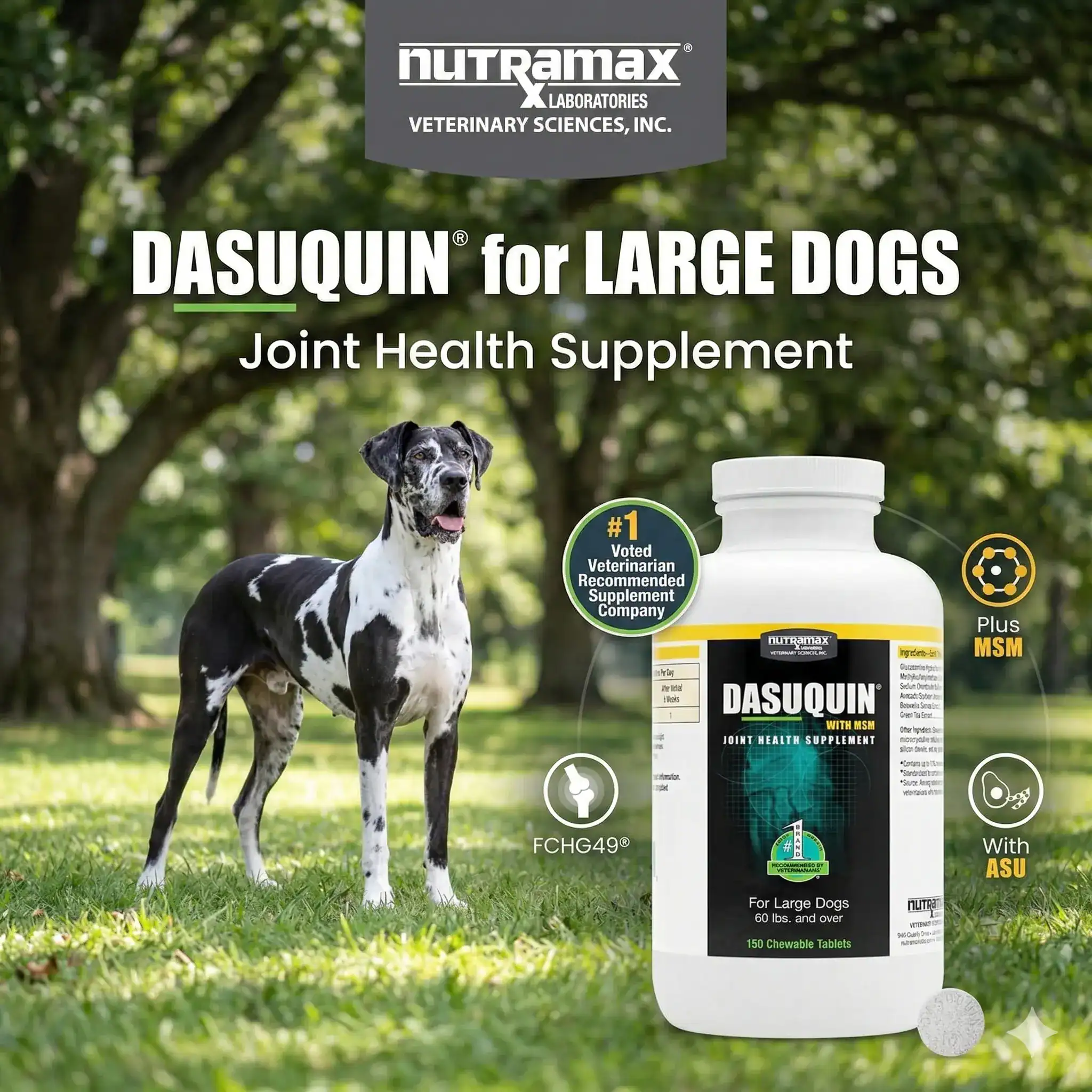
Nutramax Dasuquin with MSM Soft Chews for Large Dogs
Some owners choose glucosamine and chondroitin supplements to support joint health in giant breeds prone to hip and elbow dysplasia. Evidence of benefit varies, it is not a treatment or cure for joint disease, so discuss supplementation with your veterinarian.
Check price on AmazonGrooming and Coat Care
You only need to bathe them occasionally. A weekly brush keeps the short coat clean and reduces loose hair around the house. They shed moderately, making them easier to manage than double-coated breeds.
Wipe their facial wrinkles daily with a damp cloth to prevent bacterial skin infections. Trim their heavy nails monthly to maintain proper foot structure, as long nails force a 130-pound dog to alter its gait.
Exercise and Living Needs
A couple of moderate daily walks satisfy an adult’s exercise needs, though younger dogs also need structured activity and mental engagement before they will settle. An adult bullmastiff is remarkably inactive indoors once those needs are met, but its sheer bulk still makes tight living spaces difficult to manage.
They tire quickly in hot weather due to their short muzzle and heavy frame. Always provide air conditioning and deep shade during the summer. Avoid intense physical activity during peak heat hours.
Nutrition & Diet
Feed a high-quality dog food formulated for large breeds to regulate calcium levels during puppyhood. Rapid growth damages developing joints permanently. A diet rich in lean protein supports their heavy muscle mass.
Divide their daily feeding into two meals to reduce the risk of bloat. The dog needs strict portion control to prevent obesity, which exacerbates hip problems. Adjust their food intake based on their activity level.
Training
Begin training early. They learn commands but execute them at their own stubborn pace. Early crate training is highly recommended to provide a secure den and prevent destructive chewing.
It is exceptionally hard to physically control an adult guardian that outweighs you. Socialize the puppy immediately. Introduce them to varied environments and strangers to ensure they develop a stable threat assessment response.
Bullmastiff vs Cane Corso vs Rottweiler vs Neapolitan Mastiff
Prospective owners often evaluate several large breeds. Comparing the Bullmastiff to the Cane Corso reveals differences in energy. The Corso requires significantly more daily exercise. The Rottweiler offers higher obedience trainability. There is significant variation in size within the breed group, but the Neapolitan Mastiff carries more extreme wrinkles and drool.
| Attribute | Bullmastiff | Cane Corso | Rottweiler | Neapolitan Mastiff |
|---|---|---|---|---|
| Weight | 100 to 130 lb | 88 to 110 lb | 80 to 135 lb | 110 to 150 lb |
| Original Purpose | Estate night guardian | Estate guard and drover | Cattle drover and guardian | Estate guardian |
| Energy Type | Low, steady | Moderate, strong bursts | Moderate, steady worker | Low, slow patrol |
| Trainability | Stubborn, independent | Smart, handler-focused | Highly trainable | Stubborn, independent |
| Grooming | Weekly brush, low shed | Weekly brush, moderate shed | Weekly brush, seasonal shed | Daily fold cleaning, drool |
| Threat Response | Silent physical blocking | Territorial guardian | Confident guardian bark | Intimidating stare, blocking |
| First-Time Owner? | No | No | With dedication | No |
| Common Health Risks | Hip dysplasia, bloat, lymphoma | Hip dysplasia, bloat, cardiac disease | Hip dysplasia, bloat, cardiac issues | Cherry eye, bloat, hip dysplasia |
| Living Space | House with yard preferred | House with yard preferred | Flexible with exercise | House with large secure yard |
If you want a highly active dog for long hikes, the Bullmastiff is not the right choice. If you prefer a calm, imposing guardian that thrives on quiet observation, this English breed excels.
Common Questions about the Bullmastiff
Are Bullmastiffs good family dogs?
Direct Answer: Yes, they bond deeply with their own household and act as calm companions.
Context: They are highly tolerant of a kid within their own family if raised together. However, their massive size means they can knock over toddlers accidentally during play.
Management: Supervise all interactions with young children. Socialize the dog extensively so they do not interpret rough play among neighborhood kids as a threat.
How much does a Bullmastiff cost?
Direct Answer: As an approximate, time-sensitive guide, a well-bred puppy generally ranges from USD 1,500 to USD 3,000. Prices vary by breeder, location, pedigree, and availability, and rates in the UK, Canada, and Australia differ.
Context: The sale price is only the beginning. Giant breeds require massive amounts of food. Heartworm medications, flea treatments, and anesthesia are dosed by weight, raising the cost of routine care.
Management: Budget heavily for premium food and pet insurance from day one. Orthopedic surgeries run into the thousands.
Do they need a lot of exercise?
Direct Answer: No, they require moderate exercise primarily through daily walks.
Context: They are a low-energy breed indoors. Over-exercising a growing puppy causes severe joint damage. They are not built for sustained running.
Management: Provide a steady 30 to 45-minute walk daily. Avoid exercise during the heat of the day.
What’s their lifespan?
Direct Answer: They typically live between 7 and 9 years.
Context: Giant breeds generally have shorter lifespans than smaller dogs. The sheer weight places immense strain on their heart and joints over time.
Management: Keep them lean to reduce joint stress. Schedule comprehensive senior vet exams annually after age five to catch emerging issues.
Can they live in an apartment?
Direct Answer: Surprisingly, yes, if their exercise needs are met outdoors.
Context: While their energy level is low inside, their massive size makes maneuvering in tight spaces difficult. They are quiet dogs, which helps in shared housing.
Management: Ensure you can commit to daily outdoor walks regardless of the weather. A house with a fenced yard remains the ideal setup.
Are they easy to train?
Direct Answer: No, they are notoriously stubborn and require a confident handler.
Context: They learn commands but often choose to ignore them if they see no practical reason to comply. They mature slowly, retaining puppy behaviors while growing massive.
Management: Keep training sessions short. Use positive reinforcement and establish yourself as a calm, unwavering leader.
Are they aggressive?
Direct Answer: A well-bred dog is not inherently aggressive, but they are fiercely protective guard dogs.
Context: They treat strangers with suspicion and will act defensively if they perceive a threat. Poorly socialized dogs become dangerously reactive.
Management: Expose the dog to varied people and situations early in life. Establish clear obedience control.
Where can I find Bullmastiff puppies?
Direct Answer: Search for reputable breeders through the American Bullmastiff Association or look for a rescue.
Context: High-quality breeders screen for joint and heart issues before producing a litter. Avoid cheap classified ads.
Management: Verify OFA health certificates for both parents before committing to a puppy.
Do they have a high prey drive?
Direct Answer: No, their prey drive is generally low compared to hunting breeds.
Context: They were bred to catch people, not wildlife. They usually coexist well with cats and smaller pets if socialized early.
Management: Supervise initial introductions with smaller animals to ensure safety.
How do I adopt an adult?
Direct Answer: Contact breed-specific rescue networks or local giant breed shelters.
Context: Adopting an adult allows you to bypass the chewing phase and see the fully developed temperament. Rescues screen homes carefully.
Management: Be prepared to prove you have large-dog experience and a secure living environment.
Do Bullmastiffs drool a lot?
Direct Answer: Yes, Bullmastiffs drool, though less than the giant Mastiff, with the heaviest slobber coming right after they drink, eat, or get hot and excited.
Context: Their loose upper lips trap water and saliva, which they then fling onto floors, walls, and clothing when they shake their heads. Heat and stress make it worse.
Management: Keep a drool towel by the water bowl, wipe the flews after meals, and some owners fit a drool bib. Limiting heat and over-excitement keeps it manageable.
What is the difference between a male and female Bullmastiff?
Direct Answer: Males are larger and tend to be more territorial and slower to mature, while females are usually a little smaller, mature earlier, and are often a bit easier to train.
Context: Males stand 25 to 27 inches at 110 to 130 pounds, and females stand 24 to 26 inches at 100 to 120 pounds. Two dogs of the same sex can clash, so mixed pairs often live together more peacefully.
Management: Weigh temperament and training over sex, since early socialization shapes behavior far more than gender. Neutering a male reduces marking and roaming.
Do Bullmastiffs shed?
Direct Answer: Yes, Bullmastiffs shed more than their short coat suggests, but they stay low-maintenance and shed less than double-coated breeds.
Context: The short, dense coat sheds lightly year-round with heavier drops in spring and autumn. It does not mat, so grooming stays simple.
Management: A weekly pass with a rubber curry brush or grooming mitt lifts loose hair and keeps most of it off the furniture.
Finding a Puppy
Locating a purebred dog requires patience. Demand remains steady in the USA, and ethical breeding programs prioritize structural health over volume.
🏠 Reputable Breeders
A quality breeder provides OFA hip and elbow certifications for the sire and dam. They will interview you extensively about your experience with large guard dogs and your ability to manage the physical requirement.
🐾 Rescue and Adoption
While less common, adult dogs sometimes enter rescue networks. Adopting an adult allows you to assess the dog’s temperament clearly. Giant breed rescues are the best point of contact.
🚩 Red Flags to Watch For
- No OFA health testing results provided for the parents.
- Breeders pushing puppies as easy pets for novice owners.
- Parents exhibiting extreme shyness or unprovoked reactivity toward visitors.
- Refusal to let you inspect the whelping environment.
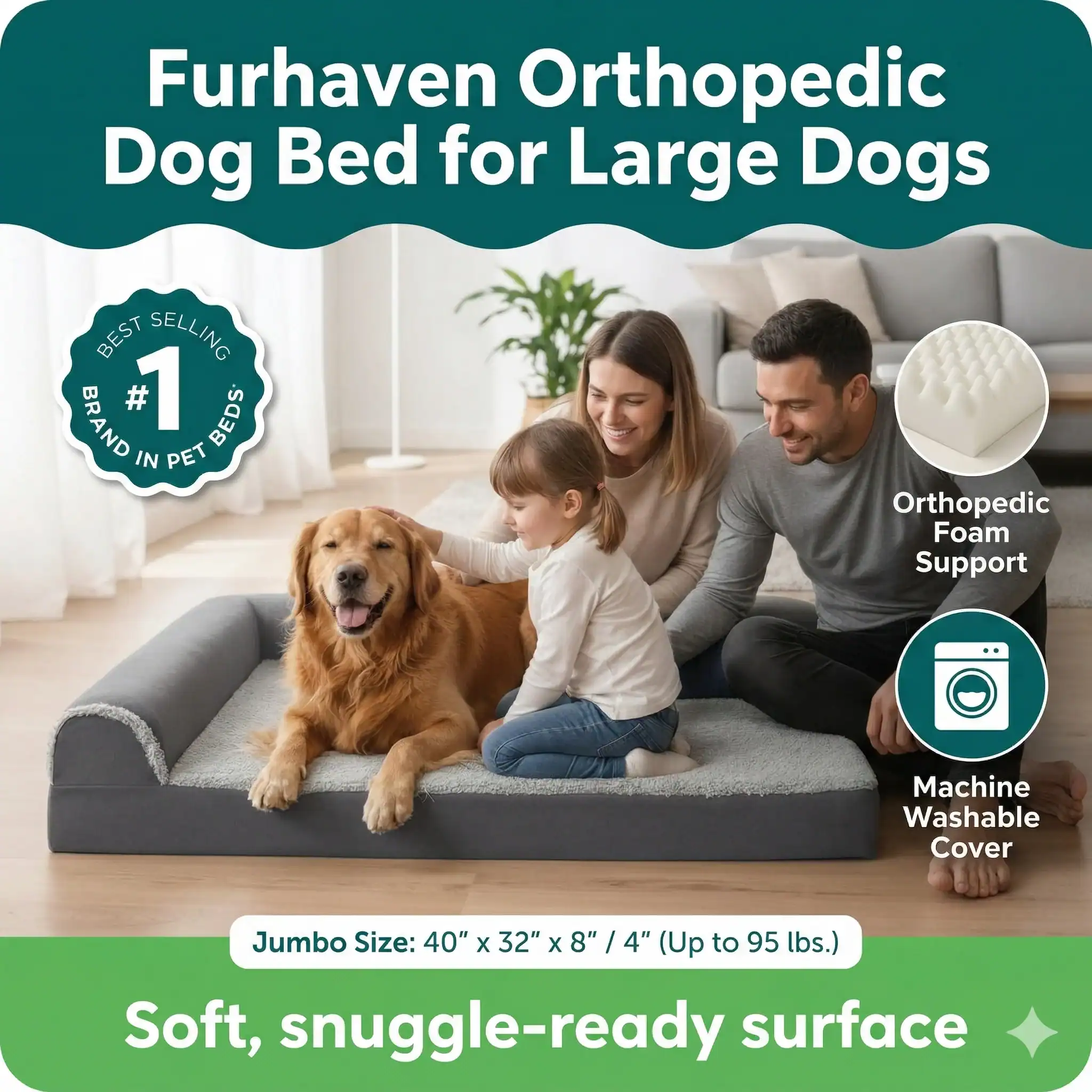
FurHaven Orthopedic Dog Bed for Large Dogs
A supportive orthopedic bed helps spread the weight of a heavy guardian and cushions the joints this breed strains as it ages. The egg-crate foam base suits a low-energy dog that spends much of the day lounging near the family.
Check price on AmazonPersonal Observation
💭 Personal Observation
My rescues make the Bullmastiff’s calm profile easy to picture. My senior Moti keeps a slow, deliberate patrol around the yard, and that steady low-energy watchfulness is exactly the guarding style this English breed is known for. It observes and holds a position near the family rather than racing around.
The contrast comes from my livelier dogs. My young Rambo meets every visitor with noisy excitement, and Chun Chun alerts us to each passing sound, while a true estate guardian sizes up strangers quietly and uses physical presence instead of constant barking. Living with any 130-pound dog means setting firm rules early, because you cannot move an adult that plants its feet.
Conclusion
The Bullmastiff offers unwavering loyalty and a calm indoor presence for experienced handlers capable of managing its immense size. What a Bullmastiff needs most is a confident owner who provides structure early. The clear pro is acquiring an effective property protector that remains exceptionally gentle with its own family.
The con is managing a 130-pound animal that requires firm obedience training and carries significant financial costs for food and veterinary care. If you lack giant breed experience or want a highly active running companion, consider alternatives like the Cane Corso. For a quiet, imposing protector, this breed excels.
📋 Before bringing one home, run this 4-step pre-buying check
- Living space fit. Can you accommodate a massive dog that takes up significant floor space?
- Time and training. Do you have the patience to train a stubborn, independent thinker?
- Financial budget. Are you prepared for the high costs of large-breed food and veterinary care?
- Handler experience. Can you confidently lead a dog that outweighs many adults?
If any answer is no, reconsider the breed.
Editorial Disclaimer: This article is for informational and educational purposes only. It does not constitute veterinary advice, medical diagnosis, or treatment recommendations. Always consult a licensed veterinarian before making health-related decisions for your pet.
Accuracy Notice: While every effort has been made to ensure the information presented here is accurate and current, breed information evolves and individual dogs vary. If you spot a factual error or have updated information from a verified source, please contact us so we can review and update.
Product Disclosure: Product recommendations are based on independent research and editorial judgment. Individual results may vary. K9Sphere participates in the Amazon Services LLC Associates Program and other affiliate programs, and earns from qualifying purchases at no additional cost to you.
Last reviewed: July 2026. Article reviewed for accuracy on the date shown above.


