
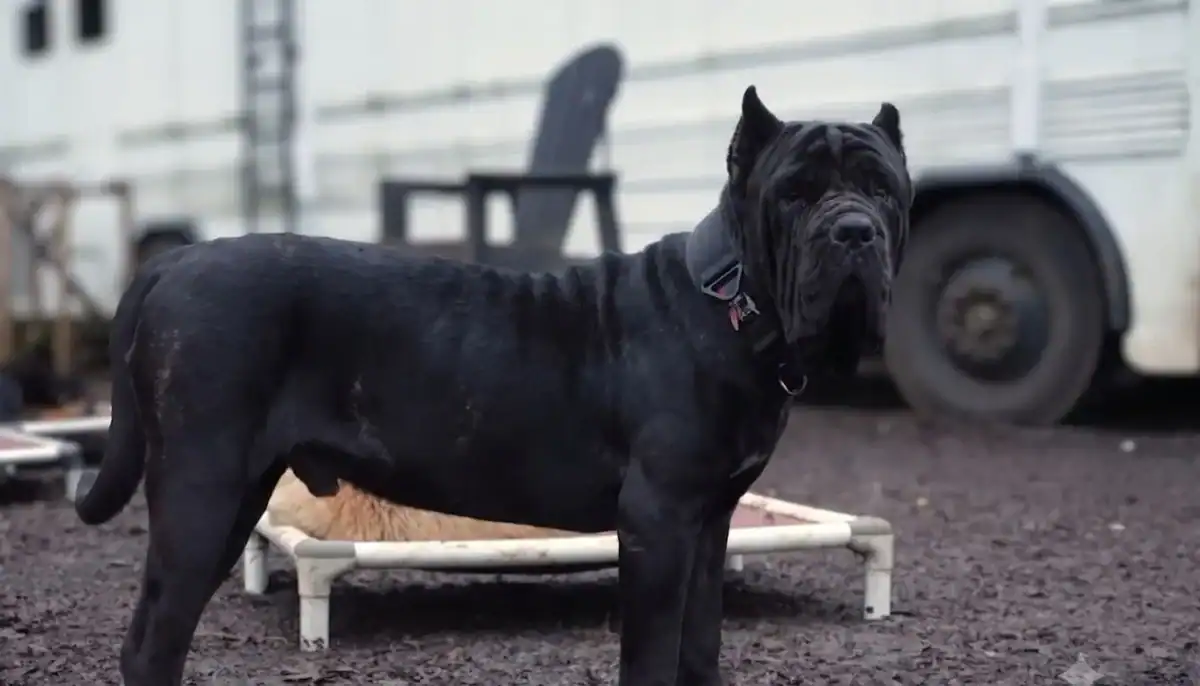
The Neapolitan Mastiff is a giant Italian working breed developed centuries ago in the rural estates of southern Italy to serve as an intimidating property guardian.
What makes this massive animal stand out is the combination of heavy loose skin, profound facial wrinkles, and a fiercely loyal character. The Neo uses its lumbering gait and sheer bulk to deter intruders before taking physical action. Properly raised dogs form deep bonds with their household and act as watchful, steady companions.
This guide draws on breed standards from the american kennel club, the united states neapolitan mastiff club health protocols, and orthopedic veterinary data to explain what ownership actually involves. Researching the neapolitan mastiff dog breed requires understanding the specific demands of managing an animal that easily surpasses 130 pounds.
Daily commitments include cleaning skin folds, managing significant drool, and establishing firm obedience boundaries from week one. The breed rewards owners who provide consistent routines and calm leadership with an unwavering guard dog.
Households without large breed experience should review the health and handling demands honestly before deciding. A dog built to intimidate predators and protect estates requires a confident handler ready to commit serious time and financial resources.
Affiliate Disclosure: K9Sphere participates in the Amazon Services LLC Associates Program and other affiliate programs. K9Sphere earns from qualifying purchases made through links in this article at no additional cost to you. Product recommendations are based on independent research and editorial judgment, not paid placement.
Breed Snapshot
📊 Vitals and Lifespan
Height
Males: 26 to 31 in (66 to 79 cm)
Females: 24 to 29 in (61 to 74 cm)
Weight
Males: 150 lb (68 kg)
Females: 110 lb (50 kg)
Lifespan
7 to 9 years
Breed Group
Working Group
Origin
Italy
🇮🇹
⭐ Personality Traits
Ratings (1 to 5). This giant guardian balances extreme loyalty with significant maintenance needs and a naturally suspicious nature. A high grooming score reflects the demanding skin folds and drool, not a flaw.
History and Origin
The origins of the Neapolitan Mastiff trace back to the ancient Roman Empire. Early breeders developed massive dogs of war that fought alongside legions across Europe. When the empire fell, the dogs remained in southern Italy working on rural estates and farms.
📌 Centuries of Estate Guarding
Farmers in the Naples region selectively bred these powerful animals to protect their property and livestock from thieves and predators. They prioritized a terrifying appearance and a deep, booming bark to deter threats without engaging in unnecessary physical combat.
📌 1946: Breed Revival
The devastation of World War II nearly drove the breed to extinction. Italian journalist Piero Scanziani took notice of a few remaining dogs at a Naples dog show in 1946 and led the effort to save the bloodline. His work produced the first breed standard, and the Italian Kennel Club recognized the Mastino Napoletano in 1949.
📌 Modern Recognition
The dogs gained slow recognition outside of Italy throughout the late twentieth century. They eventually captured public attention through appearances in movies. The breed maintains a dedicated following among enthusiasts who appreciate their ancient heritage.
Physical Characteristics
The Neapolitan Mastiff commands attention entirely through its appearance. A mature male represents sheer mass. The breed standard describes an animal of heavy bone and rectangular proportions.
🎨 The Wrinkle and Fold
The defining physical trait is the abundance of loose skin that forms deep wrinkles over the head and face. The dewlap hangs heavily from the neck. The coat is short and dense. Common colors include gray, black, mahogany, and tawny. The loose skin originally served as armor during attacks by predators.
🏗️ The Lumbering Gait
They move with a slow, rolling walk that resembles a large feline. Their massive paws and heavy joints dictate a steady pace rather than quick acceleration. Despite their clumsy appearance when walking, they possess sudden explosive power when they need to defend their territory.
Character and Temperament
This is a serious guardian breed. The neapolitan mastiff dog assesses its surroundings carefully and acts according to its own judgment. They do not seek constant direction from their handler. A stable Neo guards by watching and calmly blocking, while fear or thin socialization produces jumpy reactivity, so early exposure is what separates a confident guardian from a liability.
🛡️ Suspicious Guardian
They are naturally wary of strangers and highly protective of their family. They will place themselves between their owner and any perceived threat. A Neo does not welcome uninvited guests onto the property.
🔥 Low Energy Level
They prefer sleeping and observing rather than running or fetching. They conserve their energy for moments when protection is actually required. They are quiet indoors and rarely engage in nuisance barking.
💪 Stubborn Nature
They understand commands but often choose to ignore them if they see no practical reason to comply. You cannot physically force a dog of this size to do something against its will. They require a handler who earns their respect through consistent behavior.
🧠 Deep Loyalty
Once they bond with a household, that connection is permanent. They are gentle and surprisingly affectionate with their own family members. They thrive when they can stay near their owners, and because they attach so closely, some develop separation anxiety when left alone for long stretches.
Screening and Conditions
Veterinary Disclaimer: The information in this article is for educational purposes only and is not a substitute for professional veterinary advice, diagnosis, or treatment. K9Sphere’s authors are experienced dog owners, not licensed veterinarians. Always consult a qualified DVM regarding any health concerns about your pet. Never disregard professional veterinary advice or delay seeking it because of something you have read on this site.
Health Information Sources: Data compiled from:
- American Kennel Club for breed information and the official standard
- United States Neapolitan Mastiff Club for parent-club health guidance
- Orthopedic Foundation for Animals (OFA) for joint screening protocols
Always consult your licensed DVM for personalized medical advice.
The sheer bulk and the specific skin structure of this giant breed create distinct medical vulnerabilities. A reputable breeder screens their stock carefully to reduce the incidence of severe hereditary conditions.
Common Health Risks
🔴 Gastric Dilatation-Volvulus (Bloat)
What to watch for: A swollen abdomen, pacing, excessive drooling, and unproductive retching. Bloat is a fatal emergency where the stomach fills with gas and twists. Immediate emergency surgery is the only treatment.
Screening: Preventive care includes feeding two smaller meals daily instead of one large bowl and restricting exercise for an hour after feeding.
🔴 Hip Dysplasia and Elbow Dysplasia
What to watch for: Stiffness rising from rest, reluctance to climb stairs, or a noticeable limp. This genetic malformation causes the hip or elbow socket to wear down prematurely.
Screening: Reputable breeders screen parent dogs for joint integrity using OFA evaluations before producing a litter. Keeping the dog lean protects their joints.
🟡 Skin Fold Infections (Pyoderma)
What to watch for: Redness, foul odor, or discharge between the deep facial wrinkles. The loose skin traps moisture and debris easily.
Management: You must clean and thoroughly dry the skin folds daily using specialized wipes to prevent painful bacterial and yeast infections.
🟡 Cherry Eye
What to watch for: A red, swollen mass appearing in the corner of the eye. Cherry eye occurs when the gland under the third eyelid protrudes and becomes inflamed.
Management: Veterinary surgery is typically required to reposition the gland securely. Do not delay treatment, as the exposed tissue damages easily.
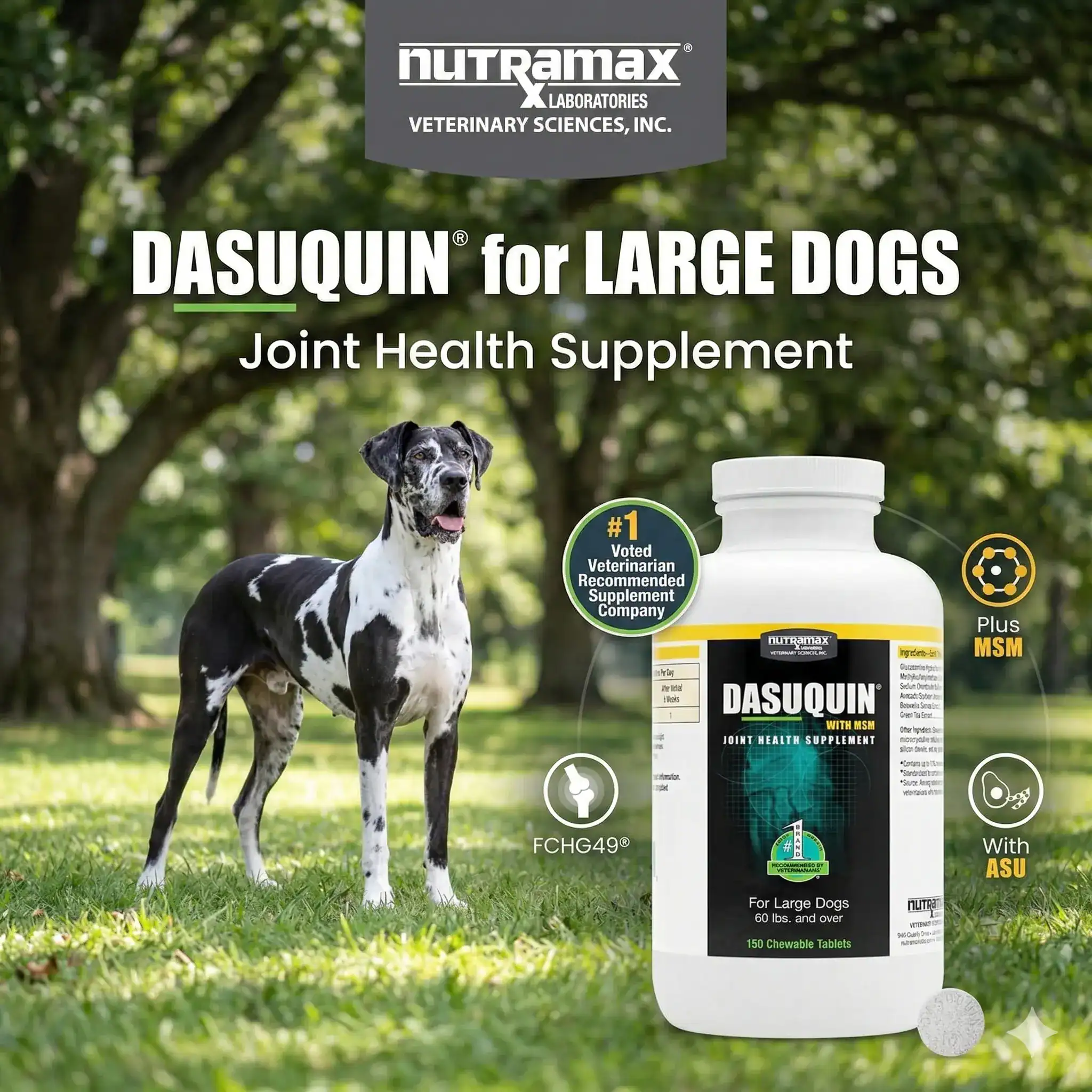
Nutramax Dasuquin with MSM Soft Chews for Large Dogs
Some owners choose glucosamine and chondroitin supplements to support joint health in giant breeds prone to hip and elbow dysplasia. Evidence of benefit varies, it is not a treatment or cure for joint disease, so discuss supplementation with your veterinarian.
Check price on AmazonGrooming and Coat Care
While the short coat requires minimal attention, the skin demands constant vigilance. You must clean between the deep wrinkles on the face and neck daily using a damp cloth. Most importantly, you must dry the folds completely to prevent bacterial growth.
Managing the drool is a constant chore. The loose lips mean saliva flies everywhere when the dog shakes its head or drinks water. Keep a designated drool rag handy at all times to wipe their mouth and protect your walls.
The coat sheds moderately throughout the year. Use a soft brush weekly to remove dead hair and distribute natural oils. Bathe the dog only when necessary to avoid stripping the skin of essential oils. Trim the heavy nails monthly to maintain proper foot structure.
Exercise and Living Needs
This massive dog does not need intense activity, but low energy is not the same as no exercise. Most adult Neos stay healthy on two short to moderate walks daily, roughly 30 to 45 minutes in total, plus a slow patrol of a secure yard. High-impact running and jumping strain their heavy joints, so skip jogging and limit hard exercise during the long puppy growth phase.
They need adequate space to move comfortably. They are prone to overheating quickly due to their mass and dark coat colors. Provide air conditioning and deep shade during hot summer months. They struggle on stairs and do best in single-story homes.
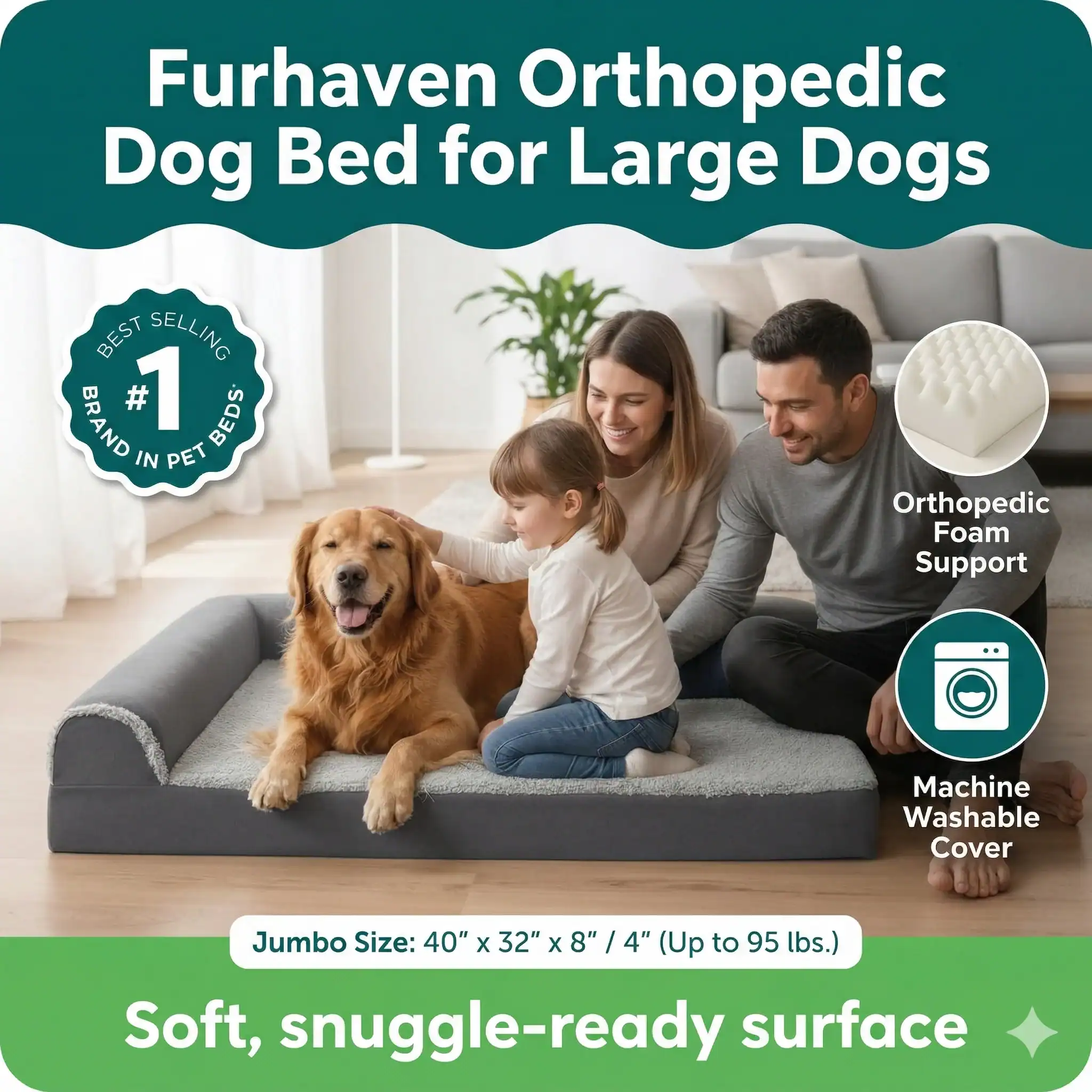
FurHaven Orthopedic Dog Bed for Large Dogs
A supportive orthopedic bed helps distribute the weight of a giant breed and cushions aging joints during the long rest periods this low-energy guardian prefers. The egg-crate foam base suits heavy dogs that spend much of the day lying down between short patrols.
Check price on AmazonNutrition & Diet
Feeding a giant breed puppy requires precise nutritional balance. Use a high-quality food formulated for large breeds, with controlled calcium and moderate protein, because rapid growth on an overly rich diet places destructive stress on developing bones.
Adult dogs have a relatively slow metabolism for their size. Divide their daily food intake into two meals to mitigate the risk of bloat. Do not overfeed them. Excess weight exacerbates joint problems and strains their heart significantly. A lean Neo lives a longer and more comfortable life.
Training
Training a dog this size involves earning respect rather than forcing compliance. They learn basic obedience commands easily but evaluate whether compliance is necessary in any given moment. Keep training sessions brief and use positive reinforcement.
Early socialization is the single most important task for an owner. Expose the puppy to numerous strangers, children, and novel environments before sixteen weeks of age. A poorly socialized giant becomes a severe liability. They need to learn what normal behavior looks like so they do not overreact to everyday situations.
Neapolitan Mastiff vs Cane Corso vs Bullmastiff vs Spanish Mastiff
Prospective owners evaluating a guardian breed often look at these four dogs. The Neapolitan Mastiff offers the most extreme physical features and the lowest energy profile. The Cane Corso is significantly more athletic and requires far more daily exercise. The Bullmastiff provides a slightly smaller, more adaptable family companion. The Spanish Mastiff serves primarily as a livestock protector rather than a personal estate guard.
| Attribute | Neapolitan Mastiff | Cane Corso | Bullmastiff | Spanish Mastiff |
|---|---|---|---|---|
| Weight | 110 to 150 lb | 88 to 110 lb | 100 to 130 lb | 140 to 200 lb |
| Original Purpose | Estate guardian | Estate guard, catch dog | Estate guardian | Flock guardian |
| Energy Type | Low, slow patrol | Moderate, athletic | Low-moderate, bursts | Low, steady patrol |
| Trainability | Stubborn, independent | Eager but strong-willed | Willing but stubborn | Independent thinker |
| Grooming | Daily fold cleaning, drool | Weekly brush, low shed | Weekly brush, moderate shed | Moderate shed, weekly brush |
| Threat Response | Intimidating stare, physical block | Active physical defense | Physical blocking, pinning | Barking, physical blocking |
| First-Time Owner? | No | No | With dedication | No |
| Common Health Risks | Cherry eye, bloat, hip dysplasia | Hip dysplasia, bloat, eye issues | Cancer, bloat, hip dysplasia | Hip dysplasia, bloat, entropion |
| Living Space | House with large secure yard | House with secure yard | House with yard | House with large secure yard |
If you want a dog focused primarily on silent intimidation and low-activity patrolling, the Neo is the strongest candidate. If you want a more active companion that can hike or participate in obedience trials, the Cane Corso fits better.
Common Questions about the Neapolitan Mastiff
Are Neapolitan Mastiffs good family dogs?
Direct Answer: Yes, they bond deeply with their own household and act as gentle giants with their family members.
Context: They are calm and tolerant around a kid in their own home. However, their massive size means they can easily knock over toddlers by accident. They are highly suspicious of strangers and visiting children.
Management: Never leave this dog unsupervised with neighborhood children. Socialize the dog extensively from an early age to tolerate normal household activity.
How much do Neapolitan Mastiff puppies cost?
Direct Answer: As an approximate, time-sensitive guide, expect to pay between USD 2,000 and USD 4,000 from reputable breeders in the USA. Prices vary by breeder, location, pedigree, and availability, and rates in the UK, Canada, and Australia differ.
Context: The purchase price is only the beginning. Giant dogs require massive amounts of dog food. Heartworm medications, flea treatments, and anesthesia are dosed by weight, making routine vet care extremely expensive.
Management: Budget heavily for premium dog food and pet insurance from day one. Surgery to correct a cherry eye or a joint issue costs thousands of dollars.
Do they drool a lot?
Direct Answer: Yes, they produce massive amounts of drool constantly.
Context: The heavy, pendulous lips cannot contain saliva. They drool when they eat, drink, anticipate food, or shake their heads. Saliva will end up on walls and furniture.
Management: Keep a designated drool rag in every room of the house. Clean their face after every meal and water break.
Are they aggressive?
Direct Answer: They are not typically aggressive without cause, but they are fiercely protective guard dogs.
Context: They rely on their intimidating appearance to deter threats. A properly socialized dog will watch strangers carefully but will not attack unprovoked. Poor socialization leads to fear-based reactivity.
Management: Commit to daily obedience work and secure perimeter fencing. Ensure the dog interacts with diverse environments early to build confidence.
Can a Neapolitan Mastiff live in an apartment?
Direct Answer: No, apartment living is highly unsuitable for this breed.
Context: While their energy level is low, their massive size makes maneuvering in tight spaces difficult. They also possess a deep, booming bark and strong territorial instincts that create problems in shared housing.
Management: This dog requires a home with a securely fenced yard where they can patrol safely.
What is their lifespan?
Direct Answer: They generally live between 7 and 9 years.
Context: Giant breeds have significantly shorter lifespans than smaller dogs. The sheer weight places immense strain on their heart and joints over time.
Management: Keep them lean to reduce joint stress. Schedule comprehensive senior vet exams annually after age five to catch emerging issues.
Do they need a lot of exercise?
Direct Answer: No, they require low to moderate exercise.
Context: A short daily walk keeps their joints moving and prevents obesity. Vigorous running or jumping damages their heavy skeletal structure severely.
Management: Provide steady, slow-paced walks. Do not exercise them during the heat of the day, as they overheat rapidly.
How hard is it to clean their wrinkles?
Direct Answer: It requires daily commitment and thorough attention.
Context: You must lift the heavy skin folds on the face and neck, wipe away moisture and food debris, and ensure the area is completely dry. Neglecting this routine leads to foul-smelling bacterial infections.
Management: Make fold cleaning a positive daily routine from puppyhood using canine-safe grooming wipes.
Are they good for first-time owners?
Direct Answer: No, this breed requires an experienced handler.
Context: They are stubborn, massive, and highly protective. A novice owner will quickly feel overwhelmed by the dog’s sheer strength and independent threat assessment.
Management: Only select this breed if you have successfully trained strong-willed guardian breeds previously.
Should I crate train a Neapolitan Mastiff?
Direct Answer: Yes, early crate training provides a secure den and prevents destructive behavior.
Context: A giant puppy can destroy furniture rapidly. Crate training also simplifies veterinary visits and safe transport when separation is necessary.
Management: Use positive reinforcement to introduce the crate. Upgrade to a giant-sized heavy-duty crate as they grow.
Finding a Puppy
Finding healthy neapolitan mastiff puppies takes patience because the breed remains relatively rare. You will likely interact directly with breed enthusiasts dedicated to preserving the ancient bloodline rather than commercial kennels. Be cautious with any site listing many puppies for sale at once, since the breed’s rarity makes large, always-available litters a warning sign.
🏠 Responsible Breeders
Start your search through the united states neapolitan mastiff club. A reputable breeder provides OFA hip and elbow certifications for the sire and dam. They will interview you extensively about your experience with large guard dogs and your ability to manage the grooming requirements.
🐾 Rescue and Adoption
While rare, adult dogs sometimes enter rescue networks. Adopting an adult allows you to bypass the chewing puppy phase and clearly assess the dog’s temperament. Giant breed rescues are the best point of contact.
🚩 Red Flags to Watch For
- Red Flag 1: Breeders offering puppies without OFA health testing results for joint dysplasia.
- Red Flag 2: Breeders who push the dogs as easy care pets for any family.
- Red Flag 3: Parents exhibiting extreme shyness or unprovoked reactivity toward visitors.
- Red Flag 4: Breeders demanding a premium price solely for extreme wrinkle expression.
Personal Observation
💭 Personal Observation
Watching my rescues sort themselves by energy makes the Neapolitan Mastiff’s profile easy to picture. My senior Moti, who is roughly eleven, moves at a slow and deliberate pace around the yard and is content watching the perimeter. That low-energy patrol style is exactly what people describe in this massive Italian guardian, a dog built to observe rather than chase.
My confident young male Rambo sits at the opposite end and needs hours of running before he settles, which is a useful contrast. A Neo would never match that drive. Living near a dog that can top 130 pounds means setting firm rules while it is still small, because you cannot physically move an adult that decides to plant its feet. Managing those traits takes real patience.
Conclusion
The Neapolitan Mastiff is a magnificent guardian that offers unwavering loyalty and a calm indoor presence for experienced handlers capable of managing its immense size. The clear pro is acquiring an effective property protector that remains exceptionally gentle with its own family.
The con is managing a 140-pound animal that requires daily skin fold cleaning, produces massive amounts of drool, and carries significant financial costs for food and veterinary care. If you lack giant breed experience or want a more active companion, consider alternatives like the Cane Corso.
📋 Before bringing one home, run this 4-step pre-buying check
- Secure containment. Do you have a large, solidly fenced yard to accommodate their patrol instinct safely?
- Grooming reality. Are you prepared to clean deep skin folds daily and manage constant heavy drool?
- Financial budget. Can you afford premium large-breed food and elevated veterinary costs for a giant dog?
- Handler experience. Can you consistently manage an independent, 130-plus pound dog that tests boundaries?
If any answer is no, reconsider the breed.
Editorial Disclaimer: This article is for informational and educational purposes only. It does not constitute veterinary advice, medical diagnosis, or treatment recommendations. Always consult a licensed veterinarian before making health-related decisions for your pet.
Accuracy Notice: While every effort has been made to ensure the information presented here is accurate and current, breed information evolves and individual dogs vary. If you spot a factual error or have updated information from a verified source, please contact us so we can review and update.
Product Disclosure: Product recommendations are based on independent research and editorial judgment. Individual results may vary. K9Sphere participates in the Amazon Services LLC Associates Program and other affiliate programs, and earns from qualifying purchases at no additional cost to you.
Last reviewed: June 2026. Article reviewed for accuracy on the date shown above.


